BACKGROUND:Targeting emerging immunoregulatory molecules may open new therapeutic perspectives to control alloresponses and alleviate the burden of immunosuppressors. Transmembrane protein 176B (TMEM176B) is an intracellular cation channel highly expressed by myeloid cells. We have shown that TMEM176B is associated with allograft tolerance. Moreover, it controls the tolerogenic function of dendritic cells and inhibits NOD-, LRR-, and pyrin domain-containing protein 3 inflammasome. Here, we speculated that pharmacological activation of TMEM176B by the nitroalkene derivative of 5-(2-nitroethenyl) salicylic acid (SANA) may prolong allograft survival through active immunoregulatory mechanisms. METHODS:SANA impact on TMEM176B activity was studied in vitro and in vivo. We assessed the potential efficacy of SANA treatment in prolonging graft survival in 2 allograft models: a mouse skin model with minor mismatches and a rat heart model with fully mismatches. Wild type and Tmem176b-/- recipient mice were used. Graft survival and innate and adaptive immune response were analyzed at the skin graft and draining lymph nodes through flow cytometry studies. RESULTS:SANA was identified as an activator of TMEM176B-dependent ion transport. SANA prolongs allograft survival in a Tmem176b -dependent manner. SANA triggered the expression of the immunoregulatory enzyme heme oxygenase-1 in wild type but not in Tmem176b-/- MHCII + CD11c high CD11b + conventional dendritic cells within the graft. SANA therapy was associated with increased CD4 + Forkhead box P3 + regulatory T (Treg) in the graft. The heme oxygenase-1 inhibitor tin protoporphyrin IX completely blocked the effect of SANA on graft survival and Treg in vivo. Furthermore, Treg modulation by anti-CD3 antibodies improves the graft-protecting effect of SANA. CONCLUSIONS:SANA-mediated activation of TMEM176B triggers an immunoregulatory pathway that prolongs skin and heart graft survival.
Several species of trypanosomatids cause fatal and disabling diseases in humans and livestock animals. The current chemotherapy is limited and new drug candidates with improved efficacy and safety are needed. The benziso-thiazolone (e.g. Ebsulfur, EbS) and -selenazolone (e.g. Ebselen, EbSe) have been extensively investigated for their promising action towards transmissible and non-transmissible diseases. Here, we synthetized 23 benzisothiazolones and tested their anti-trypanosomatid activity against the clinically relevant stages of three major trypanosomatid species (Trypanosoma brucei brucei, Trypanosoma cruzi and Leishmania infantum). Several compounds presented nM or low μM activity and, at least a two-digit selectivity against Trypanosoma sp. but most proved inactive towards L. infantum. Structure-activity relationship analysis reveals that the chemotype of the top hits consisted of phenyl and benzyl rings occupying the N2 position of the benzisothiazolone scaffold and harboring polar substituents in the para position. Most compounds from these two clusters induced a rapid redox unbalance in the intracellular pool of low molecular weight thiols. None of the hits, but EbSe and EbS, affected Trypanothione synthetase activity (the enzyme producing the major low molecular weight thiol of trypanosomatids). However, at large enzyme:compound ratios, some inhibited irreversibly (and covalently) Trypanothione reductase (the enzyme maintaining trypanothione in a reduced state). Some hits exerted a minor effect on the rate of glucose consumption. Preliminary assessment of therapeutic efficacy in a murine infection model of acute African trypanosomiasis, the top candidate could not reduce parasite burden (monitored by in vivo imaging) but extended animal survival.
The emergence of glucagon-like peptide-1 agonists represents a notable advancement in the pharmacological treatment of obesity, yet complementary approaches are essential. Through phenotypic drug discovery, we developed promising nitroalkene-containing small molecules for obesity-related metabolic dysfunctions. Here, we present SANA, a nitroalkene derivative of salicylate, demonstrating notable efficacy in preclinical models of diet-induced obesity. SANA reduces liver steatosis and insulin resistance by enhancing mitochondrial respiration and increasing creatine-dependent energy expenditure in adipose tissue, functioning effectively in thermoneutral conditions and independently of uncoupling protein 1 and AMPK activity. Finally, we conducted a randomized, double-blind, placebo-controlled phase 1A/B clinical trial, which consisted of two parts, each with four arms: (A) single ascending doses (200–800 mg) in healthy lean volunteers; (B) multiple ascending doses (200–400 mg per day for 15 days) in healthy volunteers with overweight or obesity. The primary endpoint assessed safety and tolerability. Secondary and exploratory endpoints included pharmacokinetics, tolerability, body weight and metabolic markers. SANA shows good safety and tolerability, and demonstrates beneficial effects on body weight and glucose management within 2 weeks of treatment. Overall, SANA appears to be a first-in-class activator of creatine-dependent energy expenditure and thermogenesis, highlighting its potential as a therapeutic candidate for ‘diabesity’. Australian New Zealand Clinical Trials Registry registration: ACTRN12622001519741 . In this study, the authors describe SANA, a nitroalkene derivative of salicylate, as a potential activator of creatine-dependent energy expenditure and thermogenesis in adipose tissue. Preclinical and clinical data from this paper also suggest that SANA improves glucose homeostasis and promotes weight loss in mice and humans.
Dioxygen (O2) is vital for aerobic life, but its utilization leads to the inevitable production of superoxide, a toxic oxidant. The prevailing theory of oxygen toxicity postulates that superoxide-scavenging enzymes (SOSEs), such as superoxide dismutases (SODs), are crucial for most aerobes and play a key role in the virulence of pathogens. However, our knowledge of superoxide adaptation primarily stems from the study of SOSE-encoding bacteria. Here, we investigated the evolution of a naturally SOSE-deficient pathogen (Leptospira spp.) and its alternative mechanisms to combat superoxide stress. We demonstrated that SOD was ancestral in the genus Leptospira but lost by pathogenic species, and heterologous expression of a SOD in this pathogen did not improve superoxide tolerance. In L. interrogans, inheritable increased expression of a genetic locus, including a MFS transporter, mediated a long-lasting adaptation to superoxide, independently of any permanent genetic modification. Using a multi-omics approach, we identified a leuA2-encoded isopropylmalate synthase, the enzyme catalyzing the first step of leucine biosynthesis, as the most upregulated factor by superoxide. Interestingly, LeuA2 lacks the canonical domain for feedback inhibition by leucine and is the only upregulated factor of leucine biosynthesis, suggesting a moonlighting activity for LeuA2 in the adaptation to superoxide. Moreover, the cysteine biosynthesis pathway was significantly upregulated in response to superoxide, and we demonstrated the importance of sulfur metabolism in adaptation to superoxide. This study revisits our conventional understanding of the oxygen toxicity theory and proposes a new model of superoxide adaptation through redox-based metabolic rewiring in SOSE-deficient aerobic bacteria.IMPORTANCESuperoxide is a toxic reactive oxygen species produced as an inevitable byproduct during oxygen respiration. It is therefore assumed that aerobic bacteria require superoxide scavenging enzymes (SOSEs), such as superoxide dismutases. Recent studies estimate that around 10% of all living organisms lack SOSEs. However, we ignore how these organisms survive superoxide stress when confronted with oxygen. Here, using Leptospira interrogans, a naturally SOSE-deficient aerobic pathogen, we address the evolutionary path and defense mechanisms leading to the adaptation to superoxide in the absence of any SOSE. We demonstrate that a SOD was ancestral in this genus but was lost with the emergence of pathogenic species. In addition, we show that pathogenic Leptospira induce metabolic pathways to fight superoxide, such as cysteine biosynthesis and isopropylmalate synthase. Thus, our study reveals that redox-based metabolic reprogramming may compensate for the loss of SOSEs in pathogenic bacteria.
Recent developments have broadened our perception of SARS-CoV-2, indicating its capability to affect the body systemically beyond its initial recognition as a mere respiratory pathogen. However, the pathways of its widespread are not well understood. Employing a dual-modality approach, we integrated findings from a Murine Hepatitis Virus (MHV) infection model with corroborative clinical data to investigate the pervasive reach of Coronaviruses. The novel presence of viral particles within red blood cells (RBCs) was demonstrated via high-resolution transmission electron microscopy, with computational modeling elucidating a potential heme-mediated viral entry mechanism via Spike protein affinity. Our data affirm viral localization in RBCs, suggesting heme moieties as facilitators for cellular invasion. Exacerbation of MHV pathology upon hemin administration, contrasted with chloroquine-mediated amelioration, underscoring a heme-centric pathway in disease progression. These observations extend the paradigm of Coronavirus pathogenicity to include hemoprotein interactions. This study casts new light on the systemic invasion capabilities of Coronaviruses, linking RBC hemoproteins with viral virulence. The modulation of disease severity through heme-interacting agents heralds a promising avenue for COVID-19 therapeutics. Our findings propose a paradigm shift in the treatment approach, leveraging the virus-heme interplay as a strategic hinge for intervention.
Maleimide-thiol chemistry is widely used to synthesize antibody-drug conjugates and conjugate vaccines. The set of MS/MS spectra automatically assigned to proteolytic type 2 peptides with a thiosuccinimide linker and its stabilized products (thiazine and hydrolyzed species), contains valuable information on the conjugation sites. Sample processing before LC-MS/MS analysis transforms the thiosuccinimide linker into its stabilized products. The MS/MS spectra of type 2 peptides must be validated based on objective criteria. The extracted ion chromatogram (XIC) has not been considered previously for this purpose. In the LC-MS/MS analysis, linear peptides eluted in a one-fraction XIC as expected. On the contrary, depending on the analyzed proteolytic digestion, the type 2 peptides with a thiazine linker were detected in 77-100 % of the cases with a two-fraction XIC pattern, probably composed by a mixture of diastereomers. Type 2 peptides with the hydrolyzed thiosuccinimide linker were detected with a mixed-pattern XIC in two, three and four elution fractions in 77 %, 15 % and 8 % of the cases, respectively. The four-fraction XIC pattern is probably composed by the full-chromatographic separation of type 2 peptides cross-linked by two positional isomers of the thiosuccinamic acid linker containing a chiral carbon. Tandem digestions increased the number of type 2 peptides detected with a multiple-fractions XIC pattern. XIC of proteolytic peptides is a relevant source of information considered for data validation. Transcyclization and hydrolysis not only stabilize the thiosuccinimide linker but also permit, together with XIC, a more reliable identification of the conjugation sites by LC-MS/MS analysis.
Cellular senescence is a therapy endpoint in melanoma, and the senescence-associated secretory phenotype (SASP) can affect tumor growth and microenvironment, influencing treatment outcomes. Metabolic interventions can modulate the SASP, and mitochondrial energy metabolism supports resistance to therapy in melanoma. In a previous report we showed that senescence, induced by the DNA methylating agent temozolomide, increased the level of fusion proteins mitofusin 1 and 2 in melanoma, and silencing Mfn1 or Mfn2 expression reduced interleukin-6 secretion by senescent cells. Here we expanded these observations evaluating the secretome of senescent melanoma cells using shotgun proteomics, and explored the impact of silencing Mfn1 on the SASP. A significant increase in proteins reported to reduce the immune response towards the tumor was found in the media of senescent cells. The secretion of several of these immunomodulatory proteins was affected by Mfn1 silencing, among them was galectin-9. In agreement, tumors lacking mitofusin 1 responded better to treatment with the methylating agent dacarbazine, tumor size was reduced and a higher immune cell infiltration was detected in the tumor. Our results highlight mitochondrial dynamic proteins as potential pharmacological targets to modulate the SASP in the context of melanoma treatment.
Photoaging is the premature aging of the skin caused by prolonged exposure to solar radiation. The visual alterations manifest as wrinkles, reduced skin elasticity, uneven skin tone, as well as other signs that surpass the expected outcomes of natural aging. Beyond these surface changes, there is a complex interplay of molecular alterations, encompassing shifts in cellular function, DNA damage, and protein composition disruptions. This data descriptor introduces a unique dataset derived from ten individuals, each with a minimum of 18 years of professional experience as a driver, who are asymmetrically and chronically exposed to solar radiation due to their driving orientation. Skin samples were independently collected from each side of the face using a microdermabrasion-like procedure and analyzed on an Exploris 240 mass spectrometer. Our adapted proteomic statistical framework leverages the sample pairing to provide robust insights. This dataset delves into the molecular differences in exposed skin and serves as a foundational resource for interdisciplinary research in photodermatology, targeted skincare treatments, and computational modelling of skin health.
Defenses against oxidants are crucial for the virulence of pathogens, with superoxide scavenging enzymes (SOSEs) playing a vital role for most aerobes. However, our knowledge of superoxide adaptation primarily stems from the study of SOSE-encoding bacteria. Here, we investigated the evolution of a naturally SOSE-deficient pathogen ( Leptospira spp.), along with the alternative mechanisms it recruits to combat superoxide stress. We demonstrate that emergence of pathogenic Leptospira correlated with SOD loss, but that a long-lasting adaptation to superoxide remains possible. We reveal that cysteine and leucine biosynthesis are the most induced pathways in response to superoxide and demonstrate the importance of sulfur metabolism in superoxide adaptation in this SOSE-deficient model. We also propose cysteine oxidation as a key mediator of superoxide toxicity in the absence of SOSEs. This study challenges our conventional understanding of the oxygen toxicity theory and proposes a new model of superoxide adaptation through metabolic rewiring in bacteria.
Sugar-alcohols are major photosynthates in plants from the Rosaceae family. Expression of the gene encoding aldose-6-phosphate reductase (Ald6PRase), the critical enzyme for glucitol synthesis in rosaceous species, is regulated by physiological and environmental cues. Additionally, Ald6PRase is inhibited by small molecules (hexose-phosphates and inorganic orthophosphate) and oxidizing compounds. This work demonstrates that Ald6PRase from peach leaves is phosphorylated in planta at the N-terminus. We also show in vitro phosphorylation of recombinant Ald6PRase by a partially purified kinase extract from peach leaves containing Ca2+-dependent protein kinases (CDPKs). Moreover, phosphorylation of recombinant Ald6PRase was inhibited by hexose-phosphates, phosphoenolpyruvate and pyrophosphate. We further show that phosphorylation of recombinant Ald6PRase was maximal using recombinant CDPKs. Overall, our results suggest that phosphorylation could fine-tune the activity of Ald6PRase.
Obesity-related type II diabetes (diabesity) has increased global morbidity and mortality dramatically. Previously, the ancient drug salicylate demonstrated promise for the treatment of type II diabetes, but its clinical use was precluded due to high dose requirements. In this study, we present a nitroalkene derivative of salicylate, 5-(2-nitroethenyl)salicylic acid (SANA), a molecule with unprecedented beneficial effects in diet-induced obesity (DIO). SANA reduces DIO, liver steatosis and insulin resistance at doses up to 40 times lower than salicylate. Mechanistically, SANA stimulated mitochondrial respiration and increased creatine-dependent energy expenditure in adipose tissue. Indeed, depletion of creatine resulted in the loss of SANA action. Moreover, we found that SANA binds to creatine kinases CKMT1/2, and downregulation CKMT1 interferes with the effect of SANA in vivo. Together, these data demonstrate that SANA is a first-in-class activator of creatine-dependent energy expenditure and thermogenesis in adipose tissue and emerges as a candidate for the treatment of diabesity.
The order Corynebacteriales includes major industrial and pathogenic Actinobacteria such as Corynebacterium glutamicum or Mycobacterium tuberculosis. These bacteria have multi-layered cell walls composed of the mycolyl-arabinogalactan-peptidoglycan complex and a polar growth mode, thus requiring tight coordination between the septal divisome, organized around the tubulin-like protein FtsZ, and the polar elongasome, assembled around the coiled-coil protein Wag31. Here, using C. glutamicum, we report the discovery of two divisome members: a gephyrin-like repurposed molybdotransferase (Glp) and its membrane receptor (GlpR). Our results show how cell cycle progression requires interplay between Glp/GlpR, FtsZ and Wag31, showcasing a crucial crosstalk between the divisome and elongasome machineries that might be targeted for anti-mycobacterial drug discovery. Further, our work reveals that Corynebacteriales have evolved a protein scaffold to control cell division and morphogenesis, similar to the gephyrin/GlyR system that mediates synaptic signalling in higher eukaryotes through network organization of membrane receptors and the microtubule cytoskeleton.
BACKGROUND AND AIMS Developing novel therapies to battle the global public health burden of heart failure remains challenging. This study investigates the underlying mechanisms and potential treatment for 4-hydroxynonenal (4-HNE) deleterious effects in heart failure. METHODS Biochemical, functional, and histochemical measurements were applied to identify 4-HNE adducts in rat and human failing hearts. In vitro studies were performed to validate 4-HNE targets. RESULTS 4-HNE, a reactive aldehyde by-product of mitochondrial dysfunction in heart failure, covalently inhibits Dicer, an RNase III endonuclease essential for microRNA (miRNA) biogenesis. 4-HNE inhibition of Dicer impairs miRNA processing. Mechanistically, 4-HNE binds to recombinant human Dicer through an intermolecular interaction that disrupts both activity and stability of Dicer in a concentration- and time-dependent manner. Dithiothreitol neutralization of 4-HNE or replacing 4-HNE-targeted residues in Dicer prevents 4-HNE inhibition of Dicer in vitro. Interestingly, end-stage human failing hearts from three different heart failure aetiologies display defective 4-HNE clearance, decreased Dicer activity, and miRNA biogenesis impairment. Notably, boosting 4-HNE clearance through pharmacological re-activation of mitochondrial aldehyde dehydrogenase 2 (ALDH2) using Alda-1 or its improved orally bioavailable derivative AD-9308 restores Dicer activity. ALDH2 is a major enzyme responsible for 4-HNE removal. Importantly, this response is accompanied by improved miRNA maturation and cardiac function/remodelling in a pre-clinical model of heart failure. CONCLUSIONS 4-HNE inhibition of Dicer directly impairs miRNA biogenesis in heart failure. Strikingly, decreasing cardiac 4-HNE levels through pharmacological ALDH2 activation is sufficient to re-establish Dicer activity and miRNA biogenesis; thereby representing potential treatment for patients with heart failure.
Trypanothione synthetase (TryS) catalyses the synthesis of N1,N8-bis(glutathionyl)spermidine (trypanothione), which is the main low molecular mass thiol supporting several redox functions in trypanosomatids. TryS attracts attention as molecular target for drug development against pathogens causing severe and fatal diseases in mammals. A drug discovery campaign aimed to identify and characterise new inhibitors of TryS with promising biological activity was conducted. A large compound library (n = 51,624), most of them bearing drug-like properties, was primarily screened against TryS from Trypanosoma brucei (TbTryS). With a true-hit rate of 0.056%, several of the TbTryS hits (IC50 from 1.2 to 36 µM) also targeted the homologue enzyme from Leishmania infantum and Trypanosoma cruzi (IC50 values from 2.6 to 40 µM). Calmidazolium chloride and Ebselen stand out for their multi-species anti-TryS activity at low µM concentrations (IC50 from 2.6 to 13.8 µM). The moieties carboxy piperidine amide and amide methyl thiazole phenyl were identified as novel TbTryS inhibitor scaffolds. Several of the TryS hits presented one-digit µM EC50 against T. cruzi and L. donovani amastigotes but proved cytotoxic against the human osteosarcoma and macrophage host cells (selectivity index ≤ 3). In contrast, seven hits showed a significantly higher selectivity against T. b. brucei (selectivity index from 11 to 182). Non-invasive redox assays confirmed that Ebselen, a multi-TryS inhibitor, induces an intracellular oxidative milieu in bloodstream T. b. brucei. Kinetic and mass spectrometry analysis revealed that Ebselen is a slow-binding inhibitor that modifies irreversible a highly conserved cysteine residue from the TryS’s synthetase domain. The most potent TbTryS inhibitor (a singleton containing an adamantine moiety) exerted a non-covalent, non-competitive (with any of the substrates) inhibition of the enzyme. These data feed the drug discovery pipeline for trypanosomatids with novel and valuable information on chemical entities with drug potential.
A peptide from the P0 acidic ribosomal protein (pP0) of ticks conjugated to keyhole limpet hemocyanin from Megathura crenulata has shown to be effective against different tick species when used in host vaccination. Turning this peptide into a commercial anti-tick vaccine will depend on finding the appropriate, technically and economically feasible way to present it to the host immune system. Two conjugates (p64K-Cys 1 pP0 and p64K-βAla 1 pP0) were synthesized using the p64K carrier protein from Neisseria meningitidis produced in Escherichia coli , the same cross-linking reagent, and two analogues of pP0. The SDS-PAGE analysis of p64K-Cys 1 pP0 showed a heterogeneous conjugate compared to p64K-βAla 1 pP0 that was detected as a protein band at 91kDa. The pP0/p64K ratio determined by MALDI-MS for p64K-Cys 1 pP0 ranged from 1 to 8, being 3-5 the predominant ratio, while in the case of p64K-βAla 1 pP0 this ratio was 5-7. Cys 1 pP0 was partially linked to 35 out of 39 Lys residues and the N-terminal end, while βAla 1 pP0 was mostly linked to the six free cysteine residues, to the N-terminal end, and, in a lesser extent, to Lys residues. The assignment of the conjugation sites and side reactions were based on the identification of type 2 peptides. Rabbit immunizations showed the best anti-pP0 titers and the highest efficacy against Rhipicephalus sanguineus ticks when the p64K-Cys 1 pP0 was used as vaccine antigen. The presence of high molecular mass aggregates observed in the SDS-PAGE analysis of p64K-Cys 1 pP0 could be responsible for a better immune response against pP0 and consequently for its better efficacy as an anti-tick vaccine. Graphical abstract
Mycobacterium tuberculosis, the etiological agent of tuberculosis, is among the deadliest human pathogens. One of M. tuberculosis's pathogenic hallmarks is its ability to persist in a dormant state in the host. Thus, this pathogen has developed mechanisms to withstand stressful conditions found in the human host. Particularly, the Ser/Thrprotein kinase PknG has gained relevance since it regulates nitrogen metabolism and facilitates bacterial survival inside macrophages. Nevertheless, the molecular mechanisms underlying these effects are far from being elucidated. To further investigate these issues, we performed quantitative proteomic analyses of protein extracts from M. tuberculosis H37Rv and a mutant lacking pknG. We found that in the absence of PknG the mycobacterial proteome was remodeled since 5.7% of the proteins encoded by M. tuberculosis presented significant changes in its relative abundance compared with the wild-type. The main biological processes affected by pknG deletion were cell envelope components biosynthesis and response to hypoxia. Thirteen DosR-regulated proteins were underrepresented in the pknG deletion mutant, including Hrp-1, which was 12.5-fold decreased according to Parallel Reaction Monitoring experiments. Altogether, our results allow us to postulate that PknG regulation of bacterial adaptation to stress conditions might be an important mechanism underlying its reported effect on intracellular bacterial survival. Significance: PknG is a Ser/Thr kinase from Mycobacterium tuberculosis with key roles in bacterial metabolism and bacterial survival within the host. However, at present the molecular mechanisms underlying these functions remain largely unknown. In this work, we evaluate the effect of pknG deletion on M. tuberculosis proteome using different approaches. Our results clearly show that the global proteome was remodeled in the absence of PknG and shed light on new molecular mechanism underlying PknG role. Altogether, this work contributes to a better understanding of the molecular bases of the adaptation of M. tuberculosis, one of the most deadly human pathogens, to its host.
 Rosario Duran合作论文数Instituto de Investigaciones Biológicas Clemente Estable20
 Carlos Batthyány合作论文数Inst Pasteur Montevideo, Unidad Bioquim & Prote Analit, Montevideo, Uruguay7
 Celia Quijano合作论文数Facultad de Medicina, Universidad de la República6
 Vladimir Besada合作论文数5
 Luis Javier González López合作论文数Center for Genetic Engineering and Biotechnology, Mass Spectrometry Laboratory;Physical Chemistry Division, Center for Genetic Engineering and Biotechnology5
 Carlos Escande合作论文数Facultad de Ciencias, Universidad de la Republica5
 Paulo C Carvalho合作论文数4
 Paola Contreras合作论文数Laboratorio de Fisiología Cardiovascular, Universidad de la República4
 Rafael Radi合作论文数Department of Biochemistry, School of Medicine, Universidad de la República4
 Aldo Calliari合作论文数4María Magdalena Portela合作论文数3Doménica Tarallo合作论文数3
 Mariana Bresque合作论文数3Germán Galliussi合作论文数3
 Jennyfer Martinez合作论文数3Leonardo Santos合作论文数3
 Maria Moreno合作论文数Department of Molecular, Cellular and Developmental Biology, Yale University3
 Yasset Perez-Riverol合作论文数European Molecular Biology Laboratory, European Bioinformatics Institute3Vendelbo Mikkel H合作论文数3
 Yairet Garcia合作论文数3
 Yassel Ramos合作论文数Department of Proteomics, Center for Genetic Engineering and Biotechnology, Ave 31 e/158 y 190, Cubanacán, Playa, Ciudad de la Habana, Cuba3
 Marcelo A. Mori合作论文数Department of Biochemistry and Tissue Biology, Institute of Biology, State University of Campinas3
 Lila Castellanos Serra合作论文数Faculty of Chemistry, University of Havana;Faculty of Chemical Engineering, University of Havana3
 Eduardo N. Chini合作论文数Department of Anesthesiology and Perioperative Medicine, Comprehensive Cancer Center, Mayo Clinic3
 Aniel Sanchez合作论文数Physical-Chemistry Division;Center for Genetic Engineering and Biotechnology;Physical-Chemistry Division, Center for Genetic Engineering and Biotechnology3Graham P. Holloway合作论文数2Thomas A White合作论文数2
 Garay Hilda合作论文数2Laura Colman合作论文数2Jorge Rodriguez-Duarte合作论文数2Yiliam Cruz合作论文数2Yekai Wang合作论文数2Satomy Pousa合作论文数2Annia Gonzáles合作论文数2Santiago Ruiz合作论文数2Mauricio Mastrogiovanni合作论文数2Bernardina Rivera合作论文数2
 Louise Ulrich Kurt合作论文数2
 Etienne Kornobis合作论文数Institut Pasteur2Peter Breining合作论文数2
 Andrés Kamaid合作论文数Lab Vasc Biol & Drug Dev, Inst Pasteur Montevideo2
 Diego Benitez合作论文数Laboratory Redox Biology of Trypanosomes, Institut Pasteur de Montevideo2
 Marcelo Comini合作论文数Grp Redox Biol Trypanosomes, Inst Pasteur Montevideo2Benaroudj Nadia合作论文数2
 Rosina Dapueto合作论文数2
 Pilar Moreno合作论文数Centro de Investigaciones Nucleares, Universidad de la República2
 Alina Rodriguez-Mallon合作论文数2
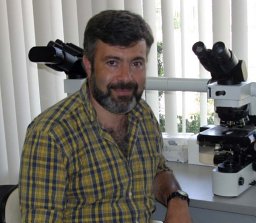 Jose Manuel Verdes合作论文数Veterinary Faculty, Universidad de la República Oriental del Uruguay2
 Gutierrez-Carbonell Elain合作论文数Plant Stress Physiology Group, Consejo Superior de Investigaciones Científicas Zaragoza2




