Poly (ethylene furanoate) (PEF) has garnered attention for its sustainability and superior mechanical properties, making it a promising candidate for biomedical applications. This study focused on enhancing the toughness and compatibility of PEF through innovative blending with CO2-derived poly (butyl carbonate) (PBC), addressing the inherent brittleness and limited biocompatibility of neat PEF. A PEF/PBC blend with 20% PBC exhibited a significant improvement in toughness, with elongation at break increasing by 67% and tensile strength maintaining at 61 MPa, outperforming conventional biomedical materials such as PLA and PEEK. Biocompatibility was systematically evaluated using MC3T3-E1 osteoblast precursor cells. Proliferation assays revealed a 45% increase in cell density over three days, while live/dead staining demonstrated high cellular viability (>95%), highlighting the blend's low cytotoxicity and supportive microenvironment for cell growth. Mechanistic investigations suggested that PBC enhanced interfacial adhesion and matrix flexibility, while the addition of ADR as a compatibilizer optimized phase distribution and further improved compatibility. These findings underscore the potential of PEF/PBC blends as bone defect replacement materials, offering a balance of mechanical robustness and biocompatibility. This study lays a foundation for further exploration of FDCA-based materials in advanced biomedical applications.
Hydrocracking of polyolefin plastics into jet-fuel-range hydrocarbons presents a promising route for plastic upcycling. Here, we report a Ru1-ZrO2 + ZSM-5 catalyst that enables selective hydrocracking of polypropylene (PP) into aromatics-enriched jet-fuel-range hydrocarbons under mild conditions. Compared to Ru1-ZrO2 alone, the Ru1-ZrO2 + ZSM-5 catalyst increases PP conversion from 47% to 82%, liquid yield from 33% to 63%, and aromatic yield from 1 wt% to 13 wt%, with negligible low-value methane formation. A thorough study of Br & oslash;nsted acid site (BAS) impact on the reaction, including employing a model molecule, i.e., squalane, indicates that increasing the BAS density of ZSM-5 is more effective than simply adding more ZSM-5 in enhancing conversion and aromatics production, while neither approach promotes CH4 formation. This strategy of leveraging zeolites with high BAS density can be extended to other bifunctional catalysts to improve aromatic yields without sacrificing fuel quality.
Aircraft composite structures are inherently susceptible to damage induced from hygrothermal aging, impact, and other in-service factors. Stepwise bonded repair has garnered widespread attention due to its ability to preserve original structural configuration, ensuring smooth repaired surface, and satisfying aerodynamic and stringent requirements. However, existing studies have largely overlooked hygrothermal aging effects of such repaired structures in practical service, leading to a critical disconnect from real-world engineering scenarios; consequently, the evolution law of mechanical properties and failure mechanisms remain elusive. To address this gap, this study investigates the degradation effects of hygrothermal coupling on the tensile properties of stepwise bonded repaired structures under a constant 60 degrees C water bath environment. A 'characterization-verification-prediction' closed research loop was established: integrating ultrasonic A/C-scan for defect characterization and damage monitoring, quasi-static tensile tests for mechanical property acquisition and numerical model validation, and ABAQUS simulation for mechanical behavior prediction and failure mechanism elucidation. Specifically, the research procedure involved three stages: fabricating three-step bonded repaired structures with prepregs and adhesives, followed by hygrothermal aging treatments of varying durations, performing ultrasonic testing to obtain defect peak values and tensile tests to extract maximum load and establish amplitude-load correlation curves, and subsequently, finite element models were constructed for numerical analysis of aged structures. Simulation-derived displacement-load curves and SDEG contour plots were compared with experimental counterparts and failure interfaces for verification. Results demonstrate that prolonged hygrothermal aging significantly exacerbates structural degradation: the ultrasonic defect peak values increase progressively, and the mechanical properties deteriorate substantially. Compared to the unaged control group, the structure's overall strength decreased by 35.8% after 20 days of aging and 58.8% after 60 days. Both experimental and simulation results confirm that damage initiates at the repaired region edge, propagates inward gradually, and ultimately results in complete structural fracture. This study clarifies the mechanical property evolution law of stepwise bonded repaired structures under different hygrothermal aging durations, reveals their competitive failure mechanisms, and provides critical theoretical insights and empirical data support for the engineering application, damage tolerance design, and service life evaluation of composite repair structures in harsh hygrothermal environments.
Hydrocracking of polyolefin plastics into jet-fuel-range hydrocarbons presents a promising route for plastic upcycling.
Poly(L-lactic acid) (PLA) is a biodegradable, biocompatible, and mechanically strong biomacromolecule with broad applicability across multiple areas. Nevertheless, its high flammability, tendency to melt-drip during burning, and inherently low crystallization rate limit its practical use. To address these issues, a halogen-free biobased Schiff base flame retardant (VDPC) derived from vanillin and containing nitrogen and phosphorus was synthesized. With the incorporation of 10 % VDPC into the PLA, the composite achieved a limiting oxygen index (LOI) of 31.6 %, representing an increase of 56.4 %, and attained a V-0 rating in the UL-94 vertical burning test without dripping. Additionally, the peak heat release rate (pHRR), total heat release (THR), and carbon dioxide production (CO2P) reduced by 15.9 %, 36.8 %, and 29.7 %, respectively, confirming significantly enhanced fire safety. These improvements are attributed to synergistic flame-retardant mechanisms operating in both the condensed phase-through the formation of a relatively continuous and dense char layer-and the gas phase-via radical quenching by phosphorus-oxygen species. Furthermore, the composite showed accelerated crystallization rate, exceptional UV-blocking performance, and improved hydrophobicity. This study presents a sustainable and multifunctional flame-retardant system and demonstrates a viable approach to extending the utility of PLAbased materials in demanding applications.
This study addresses the critical packaging requirements of implantable pressure sensors concerning measurement accuracy and environmental stability. We propose a solid/liquid composite packaging technique based on Parylene-C and silicone oil. Utilizing liquid silicone oil as an intermediate medium, this method effectively decouples solid/solid interface shear forces, thereby mitigating measurement errors caused by mechanical coupling. Furthermore, the superior hydrophobic properties of silicone oil and its defect-filling capability are employed to slow the infiltration rate of water molecules at the interface, ensuring long-term stability. The influence of the solid/liquid composite layer on the mechanical properties of the sensor’s sensitive element was analyzed through finite element simulation. The experimental results demonstrate the efficacy of this approach: after adding a liquid silicone oil layer between the Parylene coating and the sensitive element, the sensor’s accuracy improved to 0.5 mmHg within the pressure range encountered in clinical human applications. In simulated bodily fluids, it demonstrated exceptional long-term stability, with drift values consistently below 2 mmHg over a 30-day period. This research provides a feasible and straightforward solution for the packaging design of high-performance implantable pressure sensors.
Upcycling waste plastics into liquid fuels presents significant potential for advancing the circular economy but is hindered by poor selectivity and low-value methane byproduct formation. In this work, we report that atomic Ru-doped ZrO 2 can selectively convert 100 grams of post-consumer polyethylene and polypropylene, yielding 85 mL of liquid in a solvent-free hydrocracking. The liquid (C 5 -C 20 ) comprises ~70% jet-fuel-ranged branched hydrocarbons (C 8 -C 16 ), while the gas product is liquefied-petroleum-gas (C 3 -C 6 ) without methane and ethane. We found that the atomic Ru dopant in the Ru-O-Zr moiety functionalizes its neighboring O atom, originally inert, to create a Brønsted acid site. This Brønsted acid site, rather than the atomic Ru dopant itself, selectively governs the internal C−C bond cleavage in polyolefins through a carbonium ion mechanism, thereby enhancing the yield of jet-fuel-ranged hydrocarbons and suppressing methane formation. This oxide modulation strategy provides a paradigm shift in catalyst design for hydrocracking waste plastics and holds potential for a broad spectrum of applications.
Silicon/graphite (Si/G) composites are promising anode candidates for high-energy–density lithium-ion batteries (LIBs) due to their high theoretical capacity. However, challenges such as severe volume expansion ( 300
Biodegradable plastic mulches (BPMs) possess great possibility as alternative materials for traditional non-degradable agricultural films. However, research on the degradation behaviors of biodegradable films remains relatively nascent, which is a crucial determinant in applications. Ultraviolet accelerated aging method offers an effective approach to simulate the outdoor or field degradation in a shortened period. In this research, poly(butylene adipate-co-terephthalate)/poly(glycolic acid) (PBAT/PGA) films were prepared and subjected to UV-accelerated degradation (UAD) and natural environmental degradation (NED). The variation of performance parameters including haze, transmittance, tensile strength, elongation at break and melting temperature were monitored at varying degradation intervals. Due to the UV-accelerated aging experimental conditions were well matched with natural environmental factors, the data derived from UAD and NED were highly correlated, indicating the feasibility of predicting film properties based on the UAD test. Random forest algorithm displayed superior stability and high accuracy in constructing degradation prediction model, achieving R2 of 0.984 and 0.979 for training and test sets, respectively. Equations derived from this model demonstrated the mapping between NED days and UAD days, which facilitated a rapid evaluation of film out-door performance by indoor UV-accelerated aging tests. Machine learning provides a novel and efficient approach for constructing degradation prediction models, which can enhance the adoption of biodegradable films and thus contribute to addressing the plastic pollution problems in agriculture.
Polyphenols possessing low bioavailability require material carriers for controlling their release during digestion. This study used a soybean cellulose nanocrystal/polyacrylamide (CP) hydrogel as a carrier to explore the adsorption mechanism and release the properties of different polyphenols (gallic acid (GA), epigallocatechin gallate (EGCG) and tannic acid (TA)) during simulated digestion. Structural characterization revealed that the CP hydrogel interacted with polyphenols via strong non-covalent binding. The adsorption efficiency was considerably affected by the molecular structure and the number of hydroxyl groups of polyphenols (TA > EGCG > GA). The TA-loaded CP hydrogel demonstrated the finest mechanical properties, exhibiting the lowest anti-oxidant activity and anti-bacterial ability. The simulated digestion experiment revealed that the CP hydrogel effectively protected the polyphenols from degradation and controlled their release in the intestine, improving their bioavailability (TA < EGCG < GA). These results provide new insights for enhancing the stability and bioavailability of polyphenols in functional foods.
The poly(L-lactic acid) (PLA) is a biodegradable, biocompatible, and mechanically robust biological macromolecule that has been widely applied in various fields. However, the PLA is highly flammable and prone to dripping during combustion, posing potential fire safety risk. Moreover, it exhibits an extremely poor crystallizability. In this work, a halogen-free flame retardant (C-DPPC) was synthesized from a bio-based carboxymethyl cellulose (CMC), and a novel flame-retardant PLA composite (PLA/C-DPPC) was developed. The PLA/5 %C-DPPC achieved a limiting oxygen index (LOI) of 38.2 % and increased by 91.0 %, reaching the highest UL-94 vertical burning rating of V-0 with a self-extinguishing property. The peak heat release rate (pHRR), total heat release (THR), and carbon dioxide production (CO2P) decreased by 41.7 %, 53.7 %, and 53.6 %, respectively, demonstrating excellent flame retardancy and fire safety performance. The excellent fire-proofing effect is attributed to the condensed-phase (continuous, compact and dense char layer) and gaseous-phase (quenching effect of phosphorus-oxygen radicals on oxygen radicals) flame retardant mechanisms. In addition, the composite exhibited improved crystallization rate, significantly enhanced UV-shielding capability and hydrophilicity. This work provides a new strategy for the development of green multifunctional materials and offers a promising example for expanding the potential applications of the PLA-based composites.
Currently, it has long been considered a challenge to provide sustainable additives for polylactide (PLA) in green way to endow it excellent comprehensive properties. Given the flammability and unsatisfactory crystallization performance of PLA, a furan-based phosphate furfurylamine trimethylphosphate (FATMP) was synthesized from 2-furfurylamine and amino trimethylphosphonic acid by a simple hydration reaction, and the PLA/FATMP composites were prepared by melting blending process. The tensile performance, crystallization behaviors, flame retardancy, and flame-retardant mechanism received special attention. Results showed that the incorporation of only 3 wt% FATMP could indeed increase the LOI value of PLA from 19.8 to 27.3 %, and simultaneously acquired V-0 rating in the vertical burning test owing to the favorable synergistic effect between the vapor phase and the condensed phase. Additionally, the half-crystallization time of PLA was decreased from 12.4 to 5.1 mins with the addition of FATMP, which acted as a nucleating agent. More appealingly, the tensile performance of PLA/FATMP composites was also well maintained. In general, the PLA/FATMP composites we proposed could be promising candidates in application fields where favorable flame retardancy and crystallization ability are required.
The development of functional dressings based on natural polysaccharide-based hydrogels remains a great challenge, and the specific roles of gel composition and drug-controlled release mechanisms were unclear. In this study, oxidized soybean cellulose nanocrystals (CNCs)/poly-acrylamide (PAM) hydrogel was prepared. The proportion of CNCs, crosslinkers, and water in the system was regulated to fine-tune the rheological performances, texture properties, transparency, and micro-network structures of CNCs/PAM hydrogel, and further explored its application potential in the field of wound dressings. It was found that CNCs improved the rigidity and adhesion of hydrogels, crosslinkers improved the network density, and water promoted the softening and fluidity of hydrogels. The effective filling of CNCs in the composite hydrogel was verified by FTIR, XRD, and NMR. Furthermore, the pH responsiveness and drug-loading potential of the smart hydrogel were tested by swelling and drug-controlled release experiments, elucidating drug-release dynamic mechanisms during the wound healing process. The inhibition zones (>7 mm) of gram-positive/negative bacteria and cell viability (>100 %) assay showed satisfactory biocompatibility, as the hydrogel effectively accelerated wound healing in a wound model. These results elucidated the regulation mechanism of the structures of CNCs/PAM hydrogel and revealed the application potential of CNCs/PAM hydrogel in wound dressings.
The packaging industry demands improved eco-friendly materials with new and enhanced properties. In this context, bio-nanocomposite films with antimicrobial and UV-shielding properties based on modified cellulose nanocrystals/polycaprolactone (MCNC/PCL) were fabricated via solution casting method, and then food packaging simulation was carried out. CNCs were obtained by acid hydrolysis followed by successful functionalization with Quaternary ammonium surfactant, confirmed by FTIR, XPS, XRD, TEM, and DLS analyses. Furthermore, the morphological, physical, antibacterial, and food packaging properties of all prepared films were investigated. Results showed that the mechanical, UV blocking, barrier properties, and antibacterial activity of all composite films were remarkably improved. Particularly, the addition of 3 wt% MCNC increased the tensile strength and elongation at break by 27.5 % and 20.0 %, respectively. Moreover, the permeability of O2, CO2, and water vapor dramatically reduced by 97.6 %, 96.7 %, and 49.8% compared to the Neat PCL. Further, the UVblocking properties of the composite films were significantly improved. The antimicrobial properties of MCNC/PCL films showed good antimicrobial properties against S. aureus. Finally, cherry packaged with 1 and 3 wt% MCNC films exhibited satisfactory freshness after 22 days of preservation. Overall, the fabricated PCL nanocomposite films can be utilized in the food packaging industry.
The early identification of bearing defects has recently attracted increasing attention in the fields of condition monitoring and predictive maintenance because of the critical role of bearings on the reliability and safety of turbomachines. The weak features representing early faults in the vibration signals are often submerged in the environmental noise, which poses a major challenge for the early fault diagnosis of rolling bearings. This study proposes a negative entropy of the square envelope spectrum approach integrated with optimized stochastic resonance (SR)-based signal enhancement for accurate early defect detection of rolling element bearings. The proposed method considers the cyclostationarity and impulsivity of the raw signal, as well as its similarity with the enhanced signal, thus reinforcing the characteristic frequency while integrating the regularity of the raw signal to evaluate the SR performance. A comparison study with different existing methods using both numerical and experimental data was conducted to illustrate the effectiveness and accuracy of the proposed methodology for early defect detection of rolling element bearings in different locations. The results show that the proposed method improves the fault detection by 3.5 d earlier than other SR methods, and produces the best enhancement results for fault detection in the outer race, inner race, and rolling element of bearings, with the increase of characteristic frequency intensity coefficient by 126.3%, 118.1%, and 100.5% compared to traditional envelope signals, respectively.
Curvilinearly stiffened variable-stiffness structures offer excellent load-bearing capacities and design flexibility, particularly for thin-walled structures with cutouts. Nevertheless, the complex combination of numerous variables, buckling failure modes, and unclear load-carrying mechanisms present significant challenges to structural analysis and optimization. Hence, a unified characterization method for nonuniform layouts and variable thicknesses is proposed and an intelligent optimization framework based on structural image learning is established. Buckling experiments on two stiffened panels and a corresponding numerical analysis are performed to verify the effectiveness of the method under axial compressive loading. Results show that the curvilinearly stiffened panel exhibits a superior load-bearing capacity of 28.8% compared with an orthogonally stiffened panel. Specifically, the curvilinearly stiffened panel efficiently transfers axial loads to a broader region and avoids interruptions in the force transmission path by cutouts, thereby resulting in material and buckling failures simultaneously.
Bioresorbable electronic devices as temporary biomedical implants represent an emerging class of technology relevant to a range of patient conditions currently addressed with technologies that require surgical explantation after a desired period of use. Obtaining reliable performance and favorable degradation behavior demands materials that can serve as biofluid barriers in encapsulating structures that avoid premature degradation of active electronic components. Here, this work presents a materials design that addresses this need, with properties in water impermeability, mechanical flexibility, and processability that are superior to alternatives. The approach uses multilayer assemblies of alternating films of polyanhydride and silicon oxynitride formed by spin-coating and plasma-enhanced chemical vapor deposition , respectively. Experimental and theoretical studies investigate the effects of material composition and multilayer structure on water barrier performance, water distribution, and degradation behavior. Demonstrations with inductor-capacitor circuits, wireless power transfer systems, and wireless optoelectronic devices illustrate the performance of this materials system as a bioresorbable encapsulating structure.
Poly(ethylene furanoate) (PEF) films, recognized for their promising barrier and mechanical properties, offer a sustainable alternative to conventional petrochemical-based poly(ethylene terephthalate) (PET). In this study, the effects of biaxial orientation parameters on the properties of biaxially oriented PEF (BOPEF) and PET/PEF/PET multilayer coextrusion films were comprehensively investigated to explore the potential of PEF for high-barrier packaging materials. Optimized conditions for BOPEF films were achieved at a stretch ratio of 3.5, a temperature of 105 degrees C, and a rate of 100%/s, which enhanced the tensile strength to 145 MPa, the modulus of elasticity to 4.1 GPa, and the elongation at break to 88%. Moreover, these films exhibited superior barrier properties with an oxygen permeability of 0.0083 barrer, a carbon dioxide permeability of 0.0031 barrer, and a water vapor permeability of 5.54 x 10⁻¹⁵ gcm/(cm2sPa). Under the same conditions, the mechanical properties and barrier properties of PET/PEF/PET films were further improved by adding 20% PEF to PET/PEF/PET films. The barrier properties of oxygen, carbon dioxide, and water vapor were improved by 32%, 50%, and 74%, respectively. The pilot-scale production validated the laboratory findings, demonstrating stability in film performance and consistent barrier properties, thus confirming the feasibility of industrial-scale production for applications in packaging. The findings from this study not only underscore the potential of PEF as a high-performance material in packaging applications but also illustrate the critical importance of process optimization in achieving the desired material properties. These results build a solid foundation for the broader industrial application of PEF, enhancing its viability as a scalable and environmentally friendly alternative in the packaging industry.
 Zhiyong Wei (魏志勇)合作论文数School of Chemical Engineering, Dalian University of Technology17
 Lin Sang (桑琳)合作论文数School of Materials Science and Engineering, Dalian University of Technology11
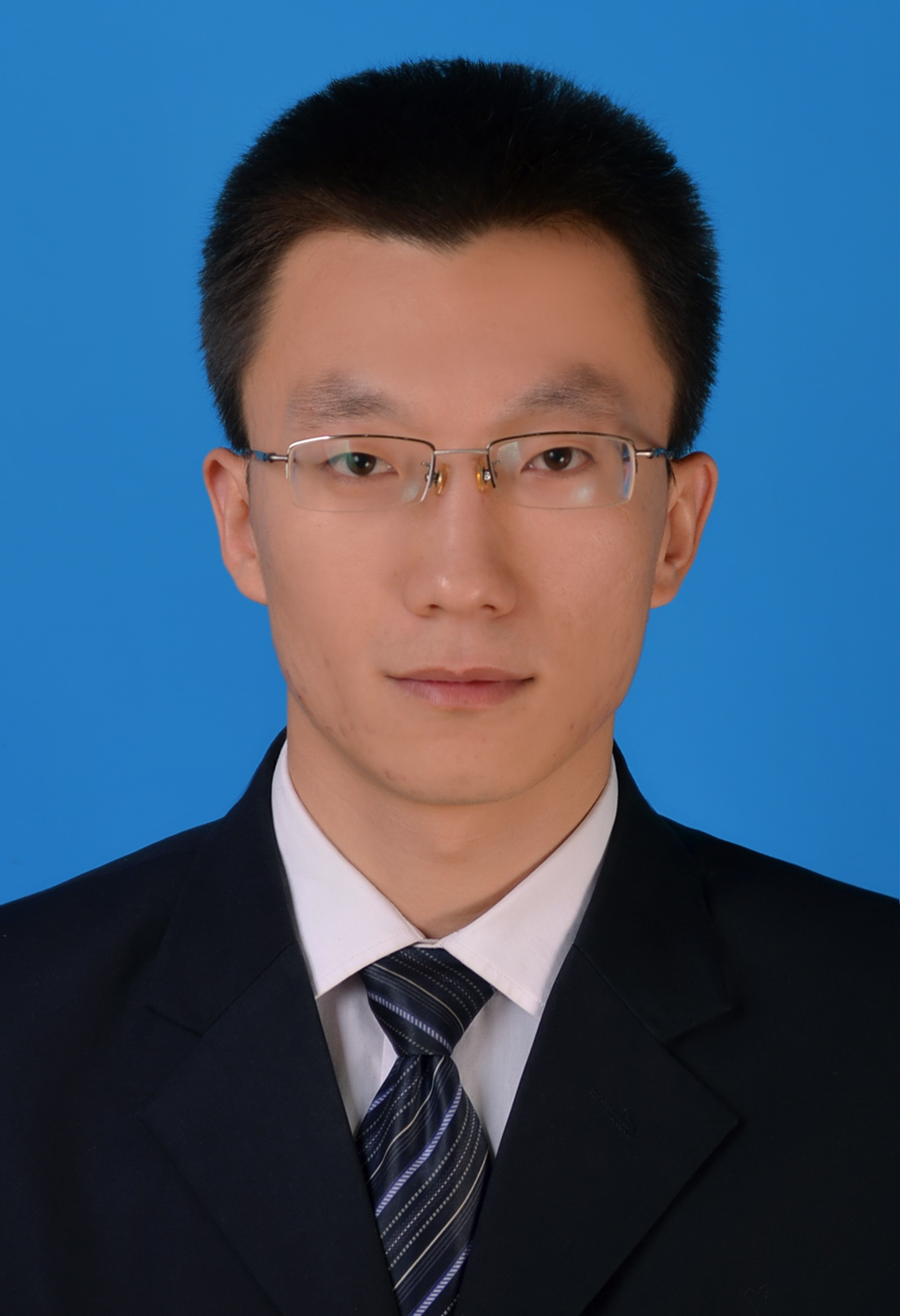 Chao Li (李超)合作论文数School of Civil Engineering, Dalian University of Technology6
 Zhu Tu合作论文数5Lipeng Liu合作论文数5Chang Wei合作论文数4
 Min Qi (齐民)合作论文数School of Materials Science and Engineering, Dalian University of Technology4Zihan Jia合作论文数3Mingfu Lyu合作论文数3
 Li Han (韩丽)合作论文数School of Chemical Engineering, Dalian University of Technology3
 Yang Li (李杨)合作论文数School of Chemical Engineering, Dalian University of Technology3
 Peng Guo合作论文数Beijing Research Institute of Chemical Industry, SINOPEC3Hao Zhang合作论文数2Lu Tang合作论文数2Xuwen Li合作论文数2Ruixue Zhang合作论文数2Chenhao Jin合作论文数2Junsheng Wang合作论文数2
 Xiang Wang (王翔)合作论文数School of Chemical Engineering, Dalian University of Technology2
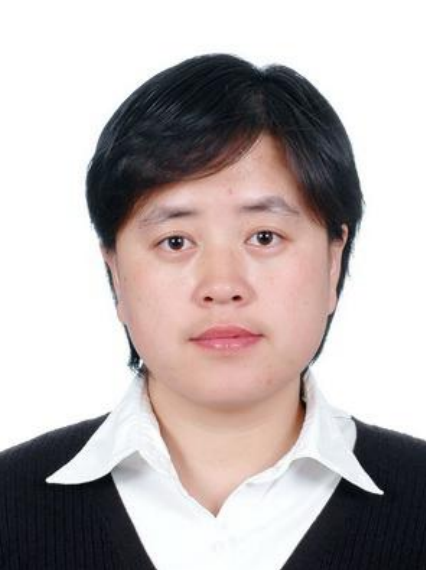 Yi Cheng (程轶)合作论文数School of Science, Dalian Maritime University2
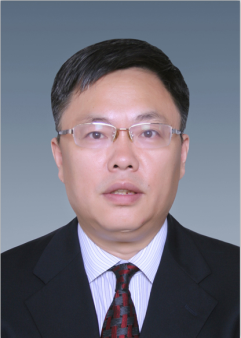 Fengzhong Wang (王凤忠)合作论文数College of Laboratory Medicine, Chengdu Medical College;Institute of Food Science and Technology, Chinese Academy of Agricultural Sciences;Institute of Food and Nutrition Development, Ministry of Agriculture and Rural Affairs, Chinese Academy of Agricultural Sciences2
 Bei Fan (范蓓)合作论文数中国农业科学院农产品加工研究所2
 Hongwei Ma (马红卫)合作论文数School of Chemical Engineering, Dalian University of Technology2
 Tao Hu (胡涛)合作论文数School of Chemical Engineering, Dalian University of Technology2
 Peng Hao (郝鹏)合作论文数Department of Engineering Mechanics, School of Mechanics and Aerospace Engineering, Dalian University of Technology2
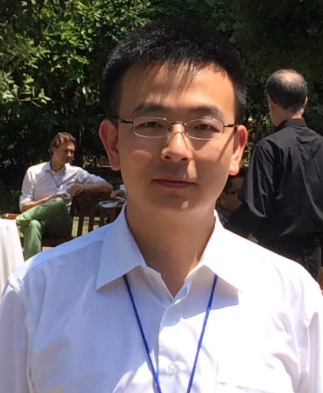 Rui Li (李锐)合作论文数Department of Engineering Mechanics, School of Mechanics and Aerospace Engineering, Dalian University of Technology2
 Fuping Tian (田福平)合作论文数School of Chemistry, Dalian University of Technology2Pei Wang (王沛)合作论文数2
 Masrina Mohd Nadzir合作论文数Graduate School of Engineering Science, Osaka University2
 Jinjun Yang合作论文数Department of Biomolecular Engineering, Tokyo Institute of Technology2Lizheng Wang合作论文数1Liang Chen合作论文数1Guangping Gong合作论文数1Xinming Pu合作论文数1
 Yang Liu (柳阳)合作论文数School of Integrated Circuits, Dalian University of Technology1Mingze Xia合作论文数1
 Xueyu Cheng合作论文数1Xuejie Meng合作论文数1Ziyue Jiao合作论文数1Wenyang Wu合作论文数1Xijing Zhuang合作论文数1Hongyuan Bai合作论文数1
 Rensheng Shen (申人升)合作论文数School of Integrated Circuits, Dalian University of Technology1Jiong Li合作论文数1Jinghua Liu合作论文数1Zihui Zhang合作论文数1
 Xiaochuan Xia (夏晓川)合作论文数School of Integrated Circuits, Dalian University of Technology1Fan Dong合作论文数1Fengtai He (贺丰泰)合作论文数1




