Although thermoplastic and thermoset materials have revolutionized modern living, their widespread use has also led to significant environmental challenges due to limited recyclability and persistence in the environment. To address these issues, the development of new materials that are both functional and sustainable is crucial. In this work, an acetal-based polymerization is demonstrated, wherein dichloromethane (DCM) serves as a methylene synthon for forming acetals between alcohol end groups in the presence of a strong base, facilitating the production of fully degradable polymers and networks, as well as facile recovery of repolymerizable monomers. The incorporation of functional groups via primary alcohols, such as norbornene methanol, enables simultaneous functionalization of the polymer structure. Glycol-based linear polymers and macromers are utilized as primary building blocks, offering a versatile platform for generating tunable polymer architectures. Additionally, acetal-based oligomerization of decanediol is achieved at increased temperature and pressure, broadening the scope of potential materials accessible through this method. This historically understudied reaction holds great promise for the design of functional, degradable, and recyclable polymers.
Covalent hydrogel networks suffer from a stiffness-toughness conflict, where increased crosslinking density enhances the modulus of the material but also leads to embrittlement and diminished extensibility. Recently, strategies have been developed to form highly entangled hydrogels, colloquially referred to as tanglemers, by optimizing polymerization conditions to maximize the density and length of polymer chains and minimize the crosslinker concentration. It is challenging to assess entanglements in crosslinked networks beyond approximating their theoretical contribution to mechanical properties; thus, in this work, we synthesize and characterize polyacrylamide tanglemers using a photolabile crosslinker, which allows for direct assessment of covalent trapping of entanglements under tension. Further, this chemistry allows tuning of the modulus in situ by crosslink photocleavage (from tensile modulus (ET) = 100 kPa to <25 kPa). Beyond cleavage of crosslinks, we demonstrate that even non-degradable tanglemer formulations can be photo-softened and completely degraded through Fe3+-mediated oxidation of the polyacrylamide backbone. While both photodegradation methods are useful for spatial patterning and result in softer gels with reduced fracture strength, only crosslink photocleavage improves gel extensibility via light-induced chain lengthening (epsilon F = 700% to >1500%). Crosslink photocleavage in tanglemers also affords significant control over localized swelling and diffusivity. In sum, we introduce a simple and user-directed approach for probing entanglements and asserting spatiotemporal control over stress-strain responses and small molecule diffusivity in polyacrylamide tanglemers, suggesting a multitude of potential soft matter applications including controlled release and tunable bioadhesive interfaces.
Initial landmark studies in the design of synthetic hydrogels for intestinal organoid culture identify precise matrix requirements for differentiation, namely decompression of matrix-imposed forces and supplementation of laminin. But beyond stating the necessity of laminin, organoid-laminin interactions have gone largely unstudied, as this ubiquitous requirement of exogenous laminin hinders investigation. In this work, a fast stress relaxing, boronate ester-based synthetic hydrogel is used for the culture of intestinal organoids, and it is fortuitously discovered that unlike all other synthetic hydrogels to date, laminin does not need to be supplemented for crypt formation. This highly defined material provides a unique opportunity to investigate laminin-organoid interactions and how it influences crypt evolution and organoid function. Via fluorescent labeling of non-canonical amino acids, it is further shown that adaptable boronate ester bonds increase deposition of nascent proteins, including laminin. Collectively, these results advance the understanding of how mechanical and matricellular signaling influence intestinal organoid development.
Aortic valve stenosis (AVS) is characterized by altered mechanics of the valve leaflets, which disrupts blood flow through the aorta and can cause left ventricle hypotrophy. These changes in the valve tissue result in the activation of resident valvular interstitial cells (VICs) into myofibroblasts, which have increased levels of αSMA in their stress fibers. The persistence of VIC myofibroblast activation is a hallmark of AVS. In recent years, the tumor suppressor gene phosphatase and tensin homolog (PTEN) has emerged as an important player in the regulation of fibrosis in various tissues (e.g., lung, skin), which motivated to investigate PTEN as a potential protective factor against matrix-induced myofibroblast activation in VICs. In aortic valve samples from humans, high levels of PTEN are found in healthy tissue and low levels of PTEN in diseased tissue. Then, using pharmacological inducers to treat VIC cultures, it is observed that PTEN overexpression prevented stiffness-induced myofibroblast activation, whereas genetic and pharmacological inhibition of PTEN further activated myofibroblasts. The increased nuclear PTEN localization is also observed in VICs cultured on stiff matrices, and nuclear PTEN also correlated with smaller nuclei, altered expression of histones, and a quiescent fibroblast phenotype. Together, these results suggest that PTEN not only suppresses VIC activation, but functions to promote quiescence, and can serve as a potential pharmacological target for the treatment of AVS.
Cell interactions with the extracellular matrix (ECM) influence intracellular signaling pathways related to proliferation, differentiation, and secretion, amongst other functions. Herein, bone-marrow derived mesenchymal stromal cells (MSCs) are encapsulated in a hydrazone crosslinked hyaluronic acid (HA) hydrogel, and the extent of stress relaxation is controlled by systemic introduction of irreversible triazole crosslinks. MSCs form elongated multicellular structures within hydrogels containing RGD peptide and formulated with elastic composition slightly higher than the hydrogel percolation threshold (12 % triazole, 88 % hydrazone). A scaling analysis is presented (12 ∼Nα) to quantify cell-material interactions within these structures with the scaling exponent (α) describing either elongated (0.66) or globular (0.33) structures. Cellular interactions with the material were controlled through peptides to present integrin binding ECM cues (RGD) or cadherin binding cell-cell cues (HAVDI) and MSCs were observed to form highly elongated structures in RGD containing hydrogels (α=0.56±0.05), whereases collapsed structures were observed within HAVDI containing hydrogels (α=0.39±0.04). Finally, cytokine secretion was investigated, and a global increase in secreted cytokines was observed for collapsed structures compared to elongated. Taken together, this study presents a novel method to characterize cellular interactions within a stress relaxing hydrogel where altered cluster morphology imparts changes to cluster secretory profiles.
The ability of cells to organize into tissues with proper structure and function requires the effective coordination of proliferation, migration, polarization, and differentiation across length scales. Skeletal muscle is innately anisotropic; however, few biomaterials can emulate mechanical anisotropy to determine its influence on tissue patterning without introducing confounding topography. Here, we demonstrate that substrate stiffness anisotropy coordinates contractility-driven collective cellular dynamics resulting in C2C12 myotube alignment over millimeter-scale distances. When cultured on mechanically anisotropic liquid crystalline polymer networks (LCNs) lacking topography, C2C12 myoblasts collectively polarize in the stiffest direction. Cellular coordination is amplified through reciprocal cell-ECM dynamics that emerge during fusion, driving global myotube-ECM ordering. Conversely, myotube alignment was restricted to small local domains with no directional preference on mechanically isotropic LCNs of the same chemical formulation. These findings provide valuable insights for designing biomaterials that mimic anisotropic microenvironments and underscore the importance of stiffness anisotropy in orchestrating tissue morphogenesis.
As a model of the intestinal epithelium, intestinal stem cells (ISCs) have been grown and differentiated as monolayers on materials where stochastic organization of the crypt and villi cells occurs. We developed an allyl sulfide crosslinked photoresponsive hydrogel with a shear modulus of 1.6 kPa and functionalized with GFOGER, Bm-binder peptide ligands for monolayer growth of ISCs. The allyl sulfide chemistry allowed in situ control of mechanics in the presence of growing ISC monolayers, and structured irradiation afforded spatial regulation of the hydrogel properties. Specifically, ISC monolayers grown on 1.6 kPa substrates were in situ softened to 0.29 kPa, using circular patterns 50, 75, and 100 μm in diameter, during differentiation, resulting in control over the size and arrangement of de novo crypts and monolayer cellularity. These photoresponsive materials should prove useful in applications ranging from studying crypt evolution to drug screening and transport across tissues of changing cellular composition.
The balance of ‘outside–in’ and ‘inside–out’ signaling is critical in tissue development and regeneration. This Comment highlights emerging strategies to engineer and manipulate this delicate equilibrium and fine-tune cellular responses using complementary tools in biomaterials design and synthetic biology.
Liquid crystalline elastomers (LCEs) are stimuli-responsive materials that transduce an input energy into a mechanical response. LCE composites prepared with photothermal agents, such as nanoinclusions, are a means to realize wireless, remote, and local control of deformation with light. Amongst photothermal agents, gold nanorods (AuNRs) are highly efficient converters when the irradiation wavelength matches the longitudinal surface plasmon resonance (LSPR) of the AuNRs. However, AuNR aggregation broadens the LSPR which also reduces photothermal efficiency. Here, the surface chemistry of AuNRs is engineered via a well-controlled two-step ligand exchange with a monofunctional poly(ethylene glycol) (PEG) thiol that greatly improves the dispersion of AuNRs in LCEs. Accordingly, LCE-AuNR nanocomposites with very low PEG-AuNR content (0.01 wt%) prepared by 3D printing are shown to be highly efficient photothermal actuators with rapid response (>60% strain s(-1)) upon irradiation with near-infrared (NIR; 808 nm) light. Because of the excellent dispersion of PEG-AuNR within the LCE, unabsorbed NIR light transmits through the nanocomposites and can actuate a series of samples. Further, the dispersion also allows for the optical deformation of millimeter-thick 3D printed structures without sacrificing actuation speed. The realization of well-dispersed nanoinclusions to maximize the stimulus-response of LCEs can benefit functional implementation in soft robotics or medical devices.
The tumor microenvironment (TME) comprises diverse cell types within an altered extracellular matrix (ECM) and plays a pivotal role in metastasis through intricate cell-cell and cell-ECM interactions. Fibroblasts, as key constituents of the TME, contribute significantly to cancer metastasis through their involvement in matrix deposition and remodeling mechanisms, modulated by their quiescent or activated states. Despite their recognized importance, the precise role of fibroblasts in cancer cell invasion remains incompletely understood. In this study, we investigated the impact of fibroblast activity on cancer cell progression using a 2D co-culture model. Michigan Cancer Foundation-7 (MCF7) breast cancer cells were co-cultured with normal human lung fibroblasts (NHLF), both with and without transforming growth factor β (TGFβ) treatment. Traction force microscopy (TFM) was employed to quantify traction and velocity forces associated with cellular migration. We observed that TGFβ-activated fibroblasts form a distinctive ring around cancer cells in co-culture, with increased traction and tension at the cell island boundary. This force distribution is associated with the localization of force-related proteins at these boundary regions, including vinculin and E-cadherin. Metabolic profiling revealed a strong OXPHOS signal specific to the activated fibroblasts, in contrast to normal fibroblasts, which primarily display migratory behavior and a more heterogeneous pattern of forces and metabolic activity in co-culture. Our findings offer valuable insights into the mechanical forces and metabolic dynamics governing cellular migration in the tumor microenvironment, where our co-culture model could complement in vivo studies and enable researchers to explore specific microenvironmental cues for a deeper understanding of TME mechanisms. Statement of significance Cancer models mimicking the dynamics of tumor microenvironment (TME) are an ideal tool to study cancer mechanisms and treatment. However, the full understanding of how cancer cells interact with their surroundings and other cells is still unknown. To tackle this, we developed a simple yet effective 2D co-culture model that allows us to control the arrangement of cell cultures precisely and use various imaging techniques to study interactions between cancer cells and fibroblasts. Here we could measure cell movements, force distribution, metabolic activity, and protein localization and interplay those factors in vitro. Our model helps us observe the underlying mechanisms between cancer cells and fibroblasts, contributing to our understanding of the dynamics in the TME.
Michael addition between thiol- and maleimide-functionalized molecules is a long-standing approach used for bioconjugation, hydrogel crosslinking, and the functionalization of other advanced materials. While the simplicity of this chemistry enables facile synthesis of hydrogels, network degradation is also desirable in many instances. Here, the susceptibility of thiol-maleimide bonds to radical-mediated degradation is reported. Irreversible degradation in crosslinked materials is demonstrated using photoinitiated and chemically initiated radicals in hydrogels and linear polymers. The extent of degradation is shown to be dependent on initiator concentration. Using a model linear polymer system, the radical-mediated mechanism of degradation is elucidated, in which the thiosuccinimide crosslink is converted to a succinimide and a new thioether formed with an initiator fragment. Using laser stereolithography, high-fidelity spatiotemporal control over degradation in crosslinked gels is demonstrated. Ultimately, this work establishes a platform for controllable, radical-mediated degradation in thiol-maleimide hydrogels, further expanding their versatility as functional materials.
Hydrogels are often synthesized through photoinitiated step-, chain-, and mixed-mode polymerizations, generating diverse network topologies and resultant material properties that depend on the underlying network connectivity. While many photocrosslinking reactions are available, few afford controllable connectivity of the hydrogel network. Herein, a versatile photochemical strategy is introduced for tuning the structure of poly(ethylene glycol) (PEG) hydrogels using macromolecular monomers functionalized with maleimide and styrene moieties. Hydrogels are prepared along a gradient of topologies by varying the ratio of step-growth (maleimide dimerization) to chain-growth (maleimide-styrene alternating copolymerization) network-forming reactions. The initial PEG content and final network physical properties (e.g., modulus, swelling, diffusivity) are tailored in an independent manner, highlighting configurable gel mechanics and reactivity. These photochemical reactions allow high-fidelity photopatterning and 3D printing and are compatible with 2D and 3D cell culture. Ultimately, this photopolymer chemistry allows facile control over network connectivity to achieve adjustable material properties for broad applications.
The nonlinear elasticity of many tissue-specific extracellular matrices is difficult to recapitulate without the use of fibrous architectures, which couple strain-stiffening with stress relaxation. Herein, bottlebrush polymers are synthesized and crosslinked to form poly(ethylene glycol)-based hydrogels and used to study how strain-stiffening behavior affects human mesenchymal stromal cells (hMSCs). By tailoring the bottlebrush polymer length, the critical stress associated with the onset of network stiffening is systematically varied, and a unique protrusion-rich hMSC morphology emerges only at critical stresses within a biologically accessible stress regime. Local cell-matrix interactions are quantified using 3D traction force microscopy and small molecule inhibitors are used to identify cellular machinery that plays a critical role in hMSC mechanosensing of the engineered, strain-stiffening microenvironment. Collectively, this study demonstrates how covalently crosslinked bottlebrush polymer hydrogels can recapitulate strain-stiffening biomechanical cues at biologically relevant stresses and be used to probe how nonlinear elastic matrix properties regulate cellular processes.
Maleimides are remarkably versatile functional groups, capable of participating in homo- and copolymerizations, Diels-Alder and (photo)cycloadditions, Michael additions, and other reactions. Their reactivity has afforded materials ranging from polyimides with high upper service temperatures to hydrogels for regenerative medicine applications. Moreover, maleimides have proven to be an enabling chemistry for pharmaceutical development and bioconjugation via straightforward modification of cysteine residues. To exert spatiotemporal control over reactions with maleimides, multiple approaches have been developed to photocage nucleophiles, dienes, and dipoles. Additionally, further substitution of the maleimide alkene (e.g., mono- and di-halo-, thio-, amino-, and methyl-maleimides, among other substituents) confers tunable reactivity and dynamicity, as well as responsive mechanical and optical properties. In this mini-review, we highlight the diverse functionality of maleimides, underscoring their notable impact in polymer science. This moiety and related heterocycles will play an important role in future innovations in chemistry, biomedical, and materials research.
Light-based vat-polymerization bioprinting enables computer-aided patterning of 3D cell-laden structures in a point-by-point, layer-by-layer or volumetric manner, using vat (vats) filled with photoactivatable bioresin (bioresins). This collection of technologies — divided by their modes of operation into stereolithography, digital light processing and volumetric additive manufacturing — has been extensively developed over the past few decades, leading to broad applications in biomedicine. In this Primer, we illustrate the methodology of light-based vat-polymerization 3D bioprinting from the perspectives of hardware, software and bioresin selections. We follow with discussions on methodological variations of these technologies, including their latest advancements, as well as elaborating on key assessments utilized towards ensuring qualities of the bioprinting procedures and products. We conclude by providing insights into future directions of light-based vat-polymerization methods.
Granular biomaterials have found widespread applications in tissue engineering, in part because of their inherent porosity, tunable properties, injectability, and 3D printability. However, the assembly of granular hydrogels typically relies on spherical microparticles and more complex particle geometries have been limited in scope, often requiring templating of individual microgels by microfluidics or in-mold polymerization. Here, we use dithiolane-functionalized synthetic macromolecules to fabricate photopolymerized microgels via batch emulsion, and then harness the dynamic disulfide crosslinks to rearrange the network. Through unconfined compression between parallel plates in the presence of photoinitiated radicals, we transform the isotropic microgels are transformed into disks. Characterizing this process, we find that the areas of the microgel surface in contact with the compressive plates are flattened while the curvature of the uncompressed microgel boundaries increases. When cultured with C2C12 myoblasts, cells localize to regions of higher curvature on the disk-shaped microgel surfaces. This altered localization affects cell-driven construction of large supraparticle scaffold assemblies, with spherical particles assembling without specific junction structure while disk microgels assemble preferentially on their curved surfaces. These results represent a unique spatiotemporal process for rapid reprocessing of microgels into anisotropic shapes, providing new opportunities to study shape-driven mechanobiological cues during and after granular hydrogel assembly.
While many hydrogels are elastic networks crosslinked by covalent bonds, viscoelastic hydrogels with adaptable crosslinks are increasingly being developed to better recapitulate time and position-dependent processes found in many tissues. In this work, 1,2-dithiolanes are presented as dynamic covalent photocrosslinkers of hydrogels, resulting in disulfide bonds throughout the hydrogel that respond to multiple stimuli. Using lipoic acid as a model dithiolane, disulfide crosslinks are formed under physiological conditions, enabling cell encapsulation via an initiator-free light-induced dithiolane ring-opening photopolymerization. The resulting hydrogels allow for multiple photoinduced dynamic responses including stress relaxation, stiffening, softening, and network functionalization using a single chemistry, which can be supplemented by permanent reaction with alkenes to further control network properties and connectivity using irreversible thioether crosslinks. Moreover, complementary photochemical approaches are used to achieve rapid and complete sample degradation via radical scission and post-gelation network stiffening when irradiated in the presence of reactive gel precursor. The results herein demonstrate the versatility of this material chemistry to study and direct 2D and 3D cell-material interactions. This work highlights dithiolane-based hydrogel photocrosslinking as a robust method for generating adaptable hydrogels with a range of biologically relevant mechanical and chemical properties that are varied on demand.
In skeletal muscle tissue, injury-related changes in stiffness activate muscle stem cells through mechanosensitive signaling pathways. Functional muscle tissue regeneration also requires the effective coordination of myoblast proliferation, migration, polarization, differentiation, and fusion across multiple length scales. Here, we demonstrate that substrate stiffness anisotropy coordinates contractility-driven collective cellular dynamics resulting in C2C12 myotube alignment over millimeter-scale distances. When cultured on mechanically anisotropic liquid crystalline polymer networks (LCNs) lacking topographic features that could confer contact guidance, C2C12 myoblasts collectively polarize in the stiffest direction of the substrate. Cellular coordination is amplified through reciprocal cell-ECM dynamics that emerge during fusion, driving global myotube-ECM ordering. Conversely, myotube alignment was restricted to small local domains with no directional preference on mechanically isotropic LCNs of same chemical formulation. These findings reveal a role for stiffness anisotropy in coordinating emergent collective cellular dynamics, with implications for understanding skeletal muscle tissue development and regeneration.
Sequential thiol-ene and disulfide-ene photopolymerizations and their utility in materials applications such as shape fixation, photolithography, and holographic recording were explored. Though thiol-ene and disulfide-ene reactions are both radical-mediated and share a common reactive group, the fact that they have several orders of magnitude difference in the reaction rate was utilized to form two-stage photopolymers with high specificity in a sequential and semiorthogonal manner. While the faster thiol-ene reaction was utilized to form a first-stage matrix, the disulfide-ene reaction was then initiated to break cross-links via disulfide cleavage and subsequently form twice as many thioether bonds as new cross-links. As such, sequential bond breakage and formation, enabling the dynamic behavior in the second stage of a single network, were explored and applied in various scenarios. Combining a remarkable difference in mechanical properties between the two stages, the dynamic photopolymer materials were capable of enabling shape fixation by initiating the second-stage polymerization while being strained and deformed. Photolithography was then utilized to quantify shape retention in deformed samples, revealing a fidelity of approximately 95% following the second-stage cure. Additionally, polarized light microscopy was used to understand better how these mechanisms affect the mechanical properties of the material when stress is applied. Finally, taking advantage of the integrated network in the two-stage system, the photopolymers were employed to record a holographic grating with a refractive index modulation (Delta n) of 0.0022 and functionally nearly zero haze.
 Kristi Anseth (克里斯蒂·安塞斯)合作论文数Department of Chemical and Biological Engineering, College of Engineering and Applied Science, University of Colorado, Boulder;The BioFrontiers Institute, University of Colorado, Boulder31
 Christopher N. Bowman合作论文数Department of Chemical and Biological Engineering, College of Engineering and Applied Science, University of Colorado13
 Benjamin Fairbanks合作论文数11
 Nathaniel Skillin合作论文数Harvard Med Sch, Brigham & Womens Hosp, Ann Romney Ctr Neurol Dis, Evergrande Ctr Immunol Dis, Boston, MA 02115 USA8
 Timothy J. White合作论文数Department of Chemical and Biological Engineering, College of Engineering and Applied Science, University of Colorado Boulder8
 Benjamin R Nelson合作论文数7Grace K Hach合作论文数7
 Laura J. Macdougall合作论文数University of Colorado5
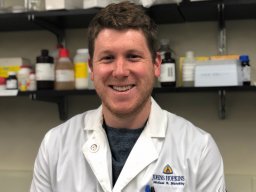 Blatchley Michael R合作论文数Johns Hopkins Physical Sciences-Oncology Center and Institute for NanoBioTechnology, Johns Hopkins University5
 Connor E Miksch合作论文数4
 Varsha V Rao合作论文数BioFrontiers Institute, University of Colorado – Boulder4
 Alex Khang合作论文数Oden Institute for Computational Engineering and Sciences, The University of Texas at Austin4
 Tayler S. Hebner合作论文数Dept Chem & Biol Engn, Univ Colorado Boulder4
 Jason A. Burdick合作论文数Burdick Biomaterials and Biofabrication Laboratory, Department of Chemical and Biological Engineering, College of Engineering and Applied Science, University of Colorado Boulder;BioFrontiers Institute, University of Colorado Boulder4Kaustav Bera合作论文数3Joshua Kamps合作论文数3Mark W. Young合作论文数3
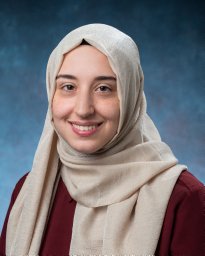 Dilara Batan合作论文数BioFrontiers Inst, Univ Colorado3
 F Max Yavitt合作论文数BioFrontiers Institute, University of Colorado Boulder3Peter J. Dempsey合作论文数3Kelly F Speckl合作论文数2Nicholas J. Bongiardina合作论文数2Ryan Khan合作论文数2
 Sean P Keyser合作论文数2Mary Weiser-Evans合作论文数2Shafer M. Soars合作论文数2
 Oksana Y. Dudaryeva合作论文数Macromol Engn Lab, Swiss Fed Inst Technol2
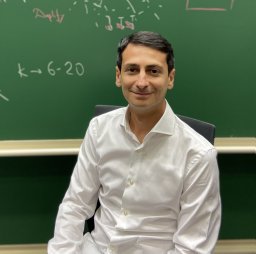 Kemal Arda Günay合作论文数Batiment MXD, Ecole Polytech Fed Lausanne2
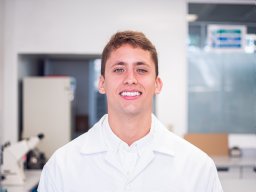 Carlos Ezio Garciamendez-Mijares合作论文数Brigham and Women’s Hospital, Harvard Medical School2Alexandra N Borelli合作论文数BioFrontiers Inst, Univ Colorado Boulder2Abhishek Dhand合作论文数2
 Katie M. Herbert合作论文数Dept Chem & Biol Engn, Univ Colorado2
 Timothy E. Hoffman合作论文数Colorado State Univ, Coll Vet Med & Biomed Sci, Ctr Environm Med, Ft Collins, CO 80523 USA2
 Marcy Zenobi-Wong合作论文数Department of Mechanical and Process Engineering, Eidgenössische Technische Hochschule Zürich;Department of Health Sciences and Technology, Eidgenössische Technische Hochschule Zürich2
 Riccardo Levato合作论文数Department of Clinical Sciences, Faculty of Veterinary Medicine, Utrecht University;Department of Orthopaedics, University Medical Center Utrecht2
 Podgórski Maciej合作论文数Faculty of Chemistry, MCS University2
 Yu S Zhang合作论文数Department of Medicine, Harvard Medical School;Harvard Stem Cell Institute;Brigham and Women's Hospital2
 Jacob Schimelman合作论文数Schools of Medicine and Engineering, Case Western Reserve University2
 Riccardo Rizzo合作论文数ICAR-CNR, Consiglio Nazionale delle Ricerche2
 Frank Delrio合作论文数Materials Mechanics and Tribology Department, Sandia National Laboratories2
 Sabrina L Spencer合作论文数Department of Human Genetics;University of Michigan;Center for Biomedi - cal Engineering and School of Electrical & Electronic Engineering;University of Adelaide;University of Michigan, University of Adelaide2
 Shaochen Chen合作论文数Jacobs School of Engineering, University of California, San Diego;Scripps Institution of Oceanography, University of California, San Diego;Electrical and Computer Engineering Department, University of California, San Diego2
 Jasmine Sinha合作论文数Department of Chemistry and Center of Excellence in Nanoelectronics, Indian Institute of Technology Bombay2Douglas K. Peters合作论文数1Alexander S Caldwell合作论文数1Radu Moldovan合作论文数1Alina M. Martinez合作论文数1Rebecca Tucker合作论文数1Mirim Kim合作论文数1




