DarkSide-20k is a WIMP search experiment using liquid argon as a target, designed to perform a background-free search for dark matter with unprecedented sensitivity, and is currently under construction at INFN Laboratori Nazionali del Gran Sasso, Italy. The detector comprises a dual-phase Time Projection Chamber complemented with external veto systems and is equipped with a total of 2720 SiPM-based readout channels. This work presents the DAQ system designed for DarkSide-20k. The system is capable of continuous, triggerless digitisation of the waveforms with high single-photoelectron detection efficiency and online processing, ensuring data reduction for long-term storage. The DarkSide-20k DAQ system employs commercial CAEN VX2745 digitisers with custom FPGA firmware implementation. Timing and synchronisation across all 48 digitisers are provided by custom Global and Crate Data Manager boards distributing a phase-aligned clock derived from a disciplined rubidium standard. Waveform segments are processed in real time by Front End Processor machines. Data are organised into collections containing whole detector information and distributed across a farm of Time Slice Processors for event reconstruction, classification, and further reduction before storage and offline analysis. A full "Quadrant" of the system, corresponding to one quarter of the final DAQ, has been assembled and validated at TRIUMF laboratory in Canada. The Quadrant has been stress-tested with simultaneous pulses and demonstrated sustained digitizer readout exceeding expected physics rates and stable long-term performance.
Observing inverse beta decay (IBD) in reactor neutrino experiments requires precise detection of correlated prompt and delayed signals using photomultiplier tubes (PMTs). This study compares the performance of 20-inch microchannel plate (MCP) and dynode PMTs, investigating the impact of afterpulses and overshoot effects on measurement accuracy. An experimental setup using LED light sources simulated IBD-like signals with prompt with ∼ 100 photoelectron (p.e.) and delayed with ∼ 10 p.e. components at time intervals from 0.5 to 25 s. Analysis reveals that a “true charge” model for the delayed signal can be achieved by applying time interval cuts: over 5 s for MCP PMTs and over 3 s for dynode PMTs. This effectively mitigates afterpulse interference. Furthermore, the required cut length is correlated with the amplitude of the prompt pulse, as larger prompt signals tend to produce more significant afterpulsing. Extended 1 ms observations reveal fundamentally different afterpulse characteristics: MCP PMTs generate minimal but recognizable, rapidly decaying afterpulses, while dynode PMTs produce abundant, persistent afterpulses with rates higher to their pre-prompt dark counts, complicating late-time signal discrimination. The PMT types also exhibit distinct overshoot characteristics observable within a 500 ns window following the main pulse: MCP PMT exhibits a minor, long-tailed overshoot developing after ∼ 150 ns and decaying over time, while the dynode PMT displays a pronounced, high-amplitude overshoot peak ( ∼ 70–80 mV) at ∼ 50 ns, followed by secondary fluctuations. These findings provide essential criteria for PMT selection and signal processing optimization in precision timing applications for neutrino experiments.
The Jiangmen Underground Neutrino Observatory (JUNO) is a 20-kton liquid scintillator-based, low-radioactivity, multi-purpose neutrino detector located 693 meters (1800 m.w.e.) underground in the Guangdong province, China. To detect scintillation light produced in the target, the detector is equipped with 17,612 20-inch photomultipliers (PMTs), forming the Large PMT system (LPMT). In addition, 25,600 3-inch photomultipliers (the Small Photomultiplier System or SPMT) are deployed in the gaps between the LPMTs. This paper presents the design and performance of the underwater front-end electronics developed for the SPMT system. It details the individual electronics boards and their key components, the inter-board interfaces, the system-level design, and the firmware architecture that supports data acquisition and control. It also outlines mechanical and thermal integration, board validation procedures, and system performance metrics. The readout chain includes digitization of 128 PMT channels per unit, synchronized time-stamping, charge measurement, event packaging, and bandwidth management. Comprehensive validation confirms the system's readiness to meet JUNO's stringent physics goals. The underwater electronics achieve noise levels as low as 0.04 photoelectrons with minimal crosstalk (below 0.4
Over 25,600 3-inch photomultiplier tubes (PMTs) have been instrumented for the central detector of the Jiangmen Underground Neutrino Observatory. Each PMT is equipped with a high-voltage divider and a frontend cable with waterproof sealing. Groups of sixteen PMTs are connected to the underwater frontend readout electronics via specialized multi-channel waterproof connectors. This paper outlines the design and mass production processes for the high-voltage divider, the cable and connector, as well as the waterproof potting of the PMT bases. The results of the acceptance tests of all the integrated PMTs are also presented.
This paper presents an energy resolution study of the JUNO experiment, incorporating the latest knowledge acquired during the detector construction phase. The determination of neutrino mass ordering in JUNO requires an exceptional energy resolution better than 3% at 1 MeV. To achieve this ambitious goal, significant efforts have been undertaken in the design and production of the key components of the JUNO detector. Various factors affecting the detection of inverse beta decay signals have an impact on the energy resolution, extending beyond the statistical fluctuations of the detected number of photons, such as the properties of the liquid scintillator, performance of photomultiplier tubes, and the energy reconstruction algorithm. To account for these effects, a full JUNO simulation and reconstruction approach is employed. This enables the modeling of all relevant effects and the evaluation of associated inputs to accurately estimate the energy resolution. The results of this study reveal an energy resolution of 2.95% at 1 MeV. Furthermore, this study assesses the contribution of major effects to the overall energy resolution budget. This analysis serves as a reference for interpreting future measurements of energy resolution during JUNO data collection. Moreover, it provides a guideline for comprehending the energy resolution characteristics of liquid scintillator-based detectors.
The Jiangmen Underground Neutrino Observatory (JUNO) is a multi-purpose neutrino experiment under construction in South China. This paper presents an updated estimate of JUNO's sensitivity to neutrino mass ordering using the reactor antineutrinos emitted from eight nuclear reactor cores in the Taishan and Yangjiang nuclear power plants. This measurement is planned by studying the fine interference pattern caused by quasi-vacuum oscillations in the oscillated antineutrino spectrum at a baseline of 52.5 km and is completely independent of the CP violating phase and neutrino mixing angle theta(23). The sensitivity is obtained through a joint analysis of JUNO and Taishan Antineutrino Observatory (TAO) detectors utilizing the best available knowledge to date about the location and overburden of the JUNO experimental site, local and global nuclear reactors, JUNO and TAO detector responses, expected event rates and spectra of signals and backgrounds, and systematic uncertainties of analysis inputs. We find that a 3 sigma median sensitivity to reject the wrong mass ordering hypothesis can be reached with an exposure of about 6.5 years x 26.6 GW thermal power.
Geoneutrinos, which are antineutrinos emitted during the decay of long-lived radioactive elements inside Earth, serve as a unique tool for studying the composition and heat budget of our planet. The Jiangmen Underground Neutrino Observatory (JUNO) experiment in China, which has recently completed construction, is expected to collect a sample comparable in size to the entire existing world geoneutrino dataset in less than a year. This paper presents an updated estimation of sensitivity to geoneutrinos of JUNO using the best knowledge available to date about the experimental site, the surrounding nuclear reactors, the detector response uncertainties, and the constraints expected from the TAO satellite detector. To facilitate comparison with present and future geological models, our results cover a wide range of predicted signal strengths. Despite the significant background from reactor antineutrinos, the experiment will measure the total geoneutrino flux with a precision comparable to that of existing experiments within its first few years, ultimately achieving a world-leading precision of about 8
The potential of xenon-doped liquid argon scintillator as a particle detection option has been established, demonstrating enhanced light yield in comparison with pure liquid argon. However, previous studies have produced contradictory findings regarding the influence of xenon doping on the pulse shape discrimination (PSD) capability in liquid argon. The aim of this study is to examine the variations in relative PSD (pulse shape discrimination) performance of the liquid argon detector after xenon doping. In this study, we investigate the impact of xenon doping (0-350 ppm) on a 2.2-ton single-phase liquid argon detector. Two commonly used methods for studying PSD in the literatures for scintillation detectors. The results demonstrate an augmentation in light yield ascribed to xenon doping; however, an evident decline in relative PSD efficiency is observed with increasing xenon concentration.
Abstract We explore the decay of bound neutrons in the JUNO liquid scintillator detector into invisible particles (e.g., $$n\rightarrow 3 \nu $$ n → 3 ν or $$nn \rightarrow 2 \nu $$ n n → 2 ν ), which do not produce an observable signal. The invisible decay includes two decay modes: $$ n \rightarrow { inv} $$ n → inv and $$ nn \rightarrow { inv} $$ n n → inv . The invisible decays of s-shell neutrons in $$^{12}\textrm{C}$$ 12 C will leave a highly excited residual nucleus. Subsequently, some de-excitation modes of the excited residual nuclei can produce a time- and space-correlated triple coincidence signal in the JUNO detector. Based on a full Monte Carlo simulation informed with the latest available data, we estimate all backgrounds, including inverse beta decay events of the reactor antineutrino $${\bar{\nu }}_e$$ ν ¯ e , natural radioactivity, cosmogenic isotopes and neutral current interactions of atmospheric neutrinos. Pulse shape discrimination and multivariate analysis techniques are employed to further suppress backgrounds. With two years of exposure, JUNO is expected to give an order of magnitude improvement compared to the current best limits. After 10 years of data taking, the JUNO expected sensitivities at a 90% confidence level are $$\tau /B( n \rightarrow { inv} ) > 5.0 \times 10^{31} \, \textrm{years}$$ τ / B ( n → inv ) > 5.0 × 10 31 years and $$\tau /B( nn \rightarrow { inv} ) > 1.4 \times 10^{32} \, \textrm{years}$$ τ / B ( n n → inv ) > 1.4 × 10 32 years .
The exploration of dark matter is a hot research field, with argon playing a crucial role in direct detection experiments due to its superior properties at ultra-low backgrounds. Many experiments have utilized argon for dark matter detection, achieving significant results, particularly the DarkSide-50 and DEAP-3600 experiments. DEAP-3600 is currently the largest running single-phase liquid argon dark matter detection experiment, while DarkSide-50 employs a dual-phase argon time projection chamber, combining multiple innovative technologies to achieve a breakthrough in "background-free" detection within a high-mass range, providing the strongest constraints on the interaction cross-section between dark matter and ordinary particles at low-mass regions. The ongoing construction and planning of the DarkSide-20k, DarkSide-LowMass, and ARGO experiments aim to apply next-generation technologies based on the DarkSide-50 and DEAP-3600 experiments, striving to reduce the upper limit of the interaction cross-section between dark matter and ordinary matter to the range of neutrino fog. Among these, the DarkSide-LowMass experiment, led by the Institute of High Energy Physics of the Chinese Academy of Sciences and set up in the Jinping Underground Laboratory in China, aims to detect dark matter from sub-GeV/c2 to 10 GeV/c2 and directly measure the coherent elastic scattering of solar neutrinos with nucleus. This article will review experiments utilizing liquid argon for direct dark matter detection.
This study presents the development and validation of a compact device for measuring the water attenuation length (WAL), utilizing photomultiplier tubes (PMTs), optical fibers, and light-emitting diodes (LEDs). An 8 m water tank and the device was constructed and validated in the laboratory. The device is capable of measuring WAL values up to 50 m. The stray light was blocked mainly by a custom-designed shutter. Toy Monte Carlo simulations were employed to evaluate the measurement uncertainty, which was found to be within reasonable limits. These simulations further indicate that the uncertainty can be reduced and more accurately predicted for a larger-scale device with a length of 30 m. Real-time monitoring was achieved by integrating the device into a water purification circulation system, providing a practical, scalable solution for WAL measurement in future large-scale water Cherenkov detectors.
Large-scale organic liquid scintillator detectors are highly efficient in the detection of MeV-scale electron antineutrinos. These signal events can be detected through inverse beta decay on protons, which produce a positron accompanied by a neutron. A noteworthy background for antineutrinos coming from nuclear power reactors and from the depths of the Earth (geoneutrinos) is generated by (alpha, n) reactions. In organic liquid scintillator detectors, alpha particles emitted from intrinsic contaminants such as U-238, Th-232, and Pb-210/Po-210, can be captured on C-13 nuclei, followed by the emission of a MeV-scale neutron. Three distinct interaction mechanisms can produce prompt energy depositions preceding the delayed neutron capture, leading to a pair of events correlated in space and time within the detector. Thus, (alpha, n) reactions represent an indistinguishable background in liquid scintillator-based antineutrino detectors, where their expected rate and energy spectrum are typically evaluated via Monte Carlo simulations. This work presents results from the open-source SaG4n software, used to calculate the expected energy depositions from the neutron and any associated de-excitation products. Also simulated is a detailed detector response to these interactions, using a dedicated Geant4-based simulation software from the JUNO experiment. An expected measurable C-13(alpha, n)O-16 event rate and reconstructed prompt energy spectrum with associated uncertainties, are presented in the context of JUNO, however, the methods and results are applicable and relevant to other organic liquid scintillator neutrino detectors.
The full data set of the Daya Bay reactor neutrino experiment is used to probe the effect of the charged current non-standard interactions (CC-NSI) on neutrino oscillation experiments. Two different approaches are applied and constraints on the corresponding CC-NSI parameters are obtained with the neutrino flux taken from the Huber-Mueller model with a $5\%$ uncertainty. For the quantum mechanics-based approach (QM-NSI), the constraints on the CC-NSI parameters $\epsilon_{e\alpha}$ and $\epsilon_{e\alpha}^{s}$ are extracted with and without the assumption that the effects of the new physics are the same in the production and detection processes, respectively. The approach based on the weak effective field theory (WEFT-NSI) deals with four types of CC-NSI represented by the parameters $[\varepsilon_{X}]_{e\alpha}$. For both approaches, the results for the CC-NSI parameters are shown for cases with various fixed values of the CC-NSI and the Dirac CP-violating phases, and when they are allowed to vary freely. We find that constraints on the QM-NSI parameters $\epsilon_{e\alpha}$ and $\epsilon_{e\alpha}^{s}$ from the Daya Bay experiment alone can reach the order $\mathcal{O}(0.01)$ for the former and $\mathcal{O}(0.1)$ for the latter, while for WEFT-NSI parameters $[\varepsilon_{X}]_{e\alpha}$, we obtain $\mathcal{O}(0.1)$ for both cases.
The stability of a dark matter detector on the timescale of a few years is a key requirement due to the large exposure needed to achieve a competitive sensitivity. It is especially crucial to enable the detector to potentially detect any annual event rate modulation, an expected dark matter signature. In this work, we present the performance history of the DarkSide-50 dual-phase argon time projection chamber over its almost three-year low-radioactivity argon run. In particular, we focus on the electroluminescence signal that enables sensitivity to sub-keV energy depositions. The stability of the electroluminescence yield is found to be better than 0.5%. Finally, we show the temporal evolution of the observed event rate around the sub-keV region being consistent to the background prediction.
The Jiangmen Underground Neutrino Observatory(JUNO) is a state-of-the-art liquid scintillator-based neutrino physics experiment under construction in South China. To reduce the background from external radioactivities, a water Cherenkov detector composed of 35 kton ultra-pure water and 2,400 20-inch photomultiplier tubes is developed. Even after specialized treatment, ultra-pure water still contains trace levels of radioactive elements that can contribute to the detector background. Among which 222Rn is particularly significant. To address this, an online radon removal system based on the JUNO prototype has been developed. By integrating micro-bubble generators to enhance degasser’s radon removal efficiency, the radon concentration in water can be reduced to 1 mBq/m3 level, meeting the stringent requirements of JUNO. Additionally, a highly sensitive online radon concentration measurement system capable of detecting concentrations ∼1 mBq/m3 has been developed to monitor the radon concentration in water. In this paper, the details regarding both systems will be presented.
The Jiangmen Underground Neutrino Observatory (JUNO), a 20 kton multi-purpose low background Liquid Scintillator (LS) detector, was proposed primarily to determine the neutrino mass ordering. To suppress the radioactivity from the surrounding rocks and tag cosmic muons, the JUNO central detector is submerged in a Water Cherenkov Detector (WCD). In addition to being used in the WCD, ultrapure water is used in LS filling, for which the 226Ra concentration in water needs to be less than 50 μBq/m3. To precisely measure the 226Ra concentration in water, a 6.0 μBq/m3 226Ra concentration in water measurement system has been developed. In this paper, the detail of the measurement system as well as the 226Ra concentration measurement result in regular EWII ultrapure water will be presented.
The physics potential of detecting B-8 solar neutrinos will be exploited at the Jiangmen Underground Neutrino Observatory (JUNO), in a model independent manner by using three distinct channels of the charged-current (CC), neutral-current (NC) and elastic scattering (ES) interactions. Due to the largest-ever mass of C-13 nuclei in the liquid-scintillator detectors and the {expected} low background level, B-8 solar neutrinos would be observable in the CC and NC interactions on C-13 for the first time. By virtue of optimized event selections and muon veto strategies, backgrounds from the accidental coincidence, muon-induced isotopes, and external backgrounds can be greatly suppressed. Excellent signal-to-background ratios can be achieved in the CC, NC and ES channels to guarantee the B-8 solar neutrino observation. From the sensitivity studies performed in this work, we show that JUNO, with ten years of data, can reach the {1 sigma} precision levels of 5%, 8% and 20% for the B-8 neutrino flux, sin(2)theta(12), and Delta m(21)(2), respectively. It would be unique and helpful to probe the details of both solar physics and neutrino physics. In addition, when combined with SNO, the world-best precision of 3% is expected for the B-8 neutrino flux measurement.
Daya Bay presents the first measurement of cosmogenic He-8 isotope production in liquid scintillator, using an innovative method for identifying cascade decays of He-8 and its child isotope, Li-8. We also measure the production yield of Li-9 isotopes using well-established methodology. The results, in units of 10(-8)mu-1g(-1) cm(2), are 0.307 +/- 0.042, 0.341 +/- 0.040, and 0.546 +/- 0.076 for He-8, and 6.73 +/- 0.73, 6.75 +/- 0.70, and 13.74 +/- 0.82 for 9Li at average muon energies of 63.9 GeV, 64.7 GeV, and 143.0 GeV, respectively. The measured production rate of He-8 isotopes is more than an order of magnitude lower than any other measurement of cosmogenic isotope production. It replaces the results of previous attempts to determine the ratio of He-8 to Li-9 production that yielded a wide range of limits from 0% to 30%. The results provide future liquid-scintillator-based experiments with improved ability to predict cosmogenic backgrounds.
This Letter reports the first measurement of the oscillation amplitude and frequency of reactor antineutrinos at Daya Bay via neutron capture on hydrogen using 1958 days of data. With over 3.6 million signal candidates, an optimized candidate selection, improved treatment of backgrounds and efficiencies, refined energy calibration, and an energy response model for the capture-on-hydrogen sensitive region, the relative ν[over ¯]_{e} rates and energy spectra variation among the near and far detectors gives sin^{2}2θ_{13}=0.0759_{-0.0049}^{+0.0050} and Δm_{32}^{2}=(2.72_{-0.15}^{+0.14})×10^{-3} eV^{2} assuming the normal neutrino mass ordering, and Δm_{32}^{2}=(-2.83_{-0.14}^{+0.15})×10^{-3} eV^{2} for the inverted neutrino mass ordering. This estimate of sin^{2}2θ_{13} is consistent with and essentially independent from the one obtained using the capture-on-gadolinium sample at Daya Bay. The combination of these two results yields sin^{2}2θ_{13}=0.0833±0.0022, which represents an 8% relative improvement in precision regarding the Daya Bay full 3158-day capture-on-gadolinium result.
Experiments aimed at direct searches for WIMP dark matter require highly effective reduction of backgrounds and control of any residual radioactive contamination. In particular, neutrons interacting with atomic nuclei represent an important class of backgrounds due to the expected similarity of a WIMP-nucleon interaction, so that such experiments often feature a dedicated neutron detector surrounding the active target volume. In the context of the development of DarkSide-20k detector at INFN Gran Sasso National Laboratory (LNGS), several R D projects were conceived and developed for the creation of a new hybrid material rich in both hydrogen and gadolinium nuclei to be employed as an essential element of the neutron detector. Thanks to its very high cross-section for neutron capture, gadolinium is one of the most widely used elements in neutron detectors, while the hydrogen-rich material is instrumental in efficiently moderating the neutrons. In this paper results from one of the R Ds are presented. In this effort the new hybrid material was obtained as a poly(methyl methacrylate) (PMMA) matrix, loaded with gadolinium oxide in the form of nanoparticles. We describe its realization, including all phases of design, purification, construction, characterization, and determination of mechanical properties of the new material.
 C. Dionisi合作论文数231
 Meng Wang (王萌)合作论文数Institute of Frontier and Interdisciplinary Science, Shandong University231Jeremie Berdugo合作论文数227
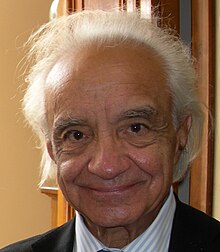 Antonino Zichichi合作论文数University of Bologna225
 Ulrich Becker合作论文数Laboratory for Nuclear Science, Massachusetts Institute of Technology;Department of Physics, Massachusetts Institute of Technology224Henry Suter合作论文数223C. Mana合作论文数222Hans Hofer合作论文数222M. Steuer合作论文数221Bruna Bertucci合作论文数220Ys Lu合作论文数220Ja Rubio合作论文数220M. Capell合作论文数220M. Rescigno合作论文数219H. Anderhub合作论文数219Fj Eppling合作论文数219
 Ren-Yuan Zhu合作论文数Division of Physics, Mathematics and Astronomy, California Institute of Technology219Juan Alcaraz合作论文数219P. Extermann合作论文数218V. Shoutko合作论文数217Juergen Ulbricht合作论文数217A. Biland合作论文数Eidgenössische Technische Hochschule, ETH Zürich217Bn Jin合作论文数216Bz Yang合作论文数216g chiefari合作论文数215Sc Yeh合作论文数215
 Mariagrazia Alviggi合作论文数Department of Physics, University of Naples Federico II;Laboratory of Particle Physics, University of Naples Federico II215
 Jean-Jacques J Blaising合作论文数215P. Berges合作论文数215Melissa a Napolitano合作论文数215V Ya Plyaskin合作论文数215
 Gert Viertel合作论文数215I. Vetlitsky合作论文数215C. Sciacca合作论文数214Xd Cai合作论文数214
 Panos Razis合作论文数214
 Adriaan König合作论文数Institute for Mathematics, Astrophysics and Particle Physics, Radboud University214Vladimir Koutsenko合作论文数214Emanuele Fiandrini合作论文数Humboldt University214W James Metzger合作论文数214M. Chemarin合作论文数214Ren Danyang合作论文数214K. Sudhakar合作论文数213C. Luci合作论文数212A. Aloisio合作论文数212Bp Roe合作论文数212Wj Burger合作论文数212Maurice H. Bourquin合作论文数212Nicanor Colino合作论文数Centro de Investigaciones Energéticas, Medioambientales y Tecnológicas212




