The cystic fibrosis transmembrane conductance regulator (CFTR) is an anion channel that plays a vital role in water and ion secretion on epithelial surfaces. Loss of function in CFTR causes the life-threatening disease cystic fibrosis (CF). The functionally open state of CFTR has so far eluded detailed structural characterization. Although multiple near-atomic resolution structures of CFTR have been solved under conditions that promote channel opening, they all lack a continuous ion conduction pathway. In recent molecular dynamics (MD) simulations, structural fluctuations of human CFTR in a hydrated lipid bilayer led to the observation of transient Cl - conducting states, but the stability and conduction properties of these putative open states were not established. Here, we conduct massively repeated simulations initiated from these Cl - permeable conformations. Reproducible structural relaxation of the pore leads to a stable open conformation featuring five symmetrically arranged pore-lining helices. Unlike previously reported structures, this novel penta-helical arrangement reproduces experimentally determined properties of the open pore, including a Cl - conductance close to that measured at physiological voltages. Together, our results support the validity of this newly identified pore conformation as a model of the fully open channel. Detailed analysis highlights the role of cationic pore-lining residues in the Cl - permeation mechanism and suggests that the kinks observed in several transmembrane helices play a role in channel gating.
( Anesthesiology . 2022;136:500–512. doi: 10.1097/ALN.0000000000004116) Decades ago, some studies showed early exposure to anesthetics increased the risk of altered neurodevelopment while others showed no such association. The debate about any association between anesthesia and neurodevelopment continues today. As these questions affect millions of children who undergo anesthetic-requiring procedures, this report aimed to provide current preclinical and clinical evidence, unanswered questions, and research suggestions going forward.
l‐2‐Haloacid dehalogenases, industrially and environmentally important enzymes that catalyse cleavage of the carbon‐halogen bond in S‐2‐halocarboxylic acids, were known to hydrolyse chlorinated, brominated and iodinated substrates but no activity towards fluorinated compounds had been reported. A screen for novel dehalogenase activities revealed four l‐2‐haloacid dehalogenases capable of defluorination. We now report crystal structures for two of these enzymes, Bpro0530 and Rha0230, as well as for the related proteins PA0810 and RSc1362, which hydrolyse chloroacetate but not fluoroacetate, all at ∼2.2 Å resolution. Overall structure and active sites of these enzymes are highly similar. In molecular dynamics (MD) calculations, only the defluorinating enzymes sample more compact conformations, which in turn allow more effective interactions with the small fluorine atom. Structural constraints, based on X‐ray structures and MD calculations, correctly predict the defluorination activity of the homologous enzyme ST2570.
From their retrospective study of hospital discharge codes in a United States (US) national dataset, Guglielminotti et al. 1 Guglielminotti J. Landau R. Ing C. Li G. Temporal trends in the incidence of post-dural puncture headache following labor neuraxial analgesia in the United States, 2006 to 2015. Int J Obstet Anesth. 2021; 45: 90-98https://doi.org/10.1016/j.ijoa.2020.10.003 Abstract Full Text Full Text PDF PubMed Scopus (3) Google Scholar concluded that in the US the incidence of post-dural puncture headache (PDPH) decreased between 2006 and 2015, and proposed that this decrease may be due to practice improvements in labour epidural analgesia provision. Their study involved estimating the incidence of PDPH for women who had a vaginal delivery or intrapartum caesarean delivery (CD) excluding non-intrapartum CDs. The number of women who received labour neuraxial analgesia or anaesthesia was unknown to the authors. Whilst a pairwise comparison of these two particular years may show a significant decrease in PDPH incidence, their analysis does not provide evidence for a significant downward trend in PDPH incidence between 2006 and 2015 when the data for PDPH incidence in the intervening years are included, particularly as the midpoint (2010) of the decade studied had the highest incidence. It is recommended that for assessing a trend, data for all the time points should be used and not just the data for the beginning and end time points. 2 Ingram D.D. Malec D.J. Makuc D.M. et al. National Center for Health Statistics Guidelines for Analysis of Trends. National Center for Health Statistics. Vital Health Stat 2. 2018; 179 (PMID: 29775435): 1-71 Google Scholar A linear regression analysis of the tabulated data presented by the authors does not find any significant trend in overall PDPH incidence between 2006 and 2015 (ß = −0.29 [95% CI −0.69 to 0.11]; SE = 0.17; t(8) = -1.69; P=0.13).
( Int J Obstet Anesth . 2021;45:90–98) Postdural puncture headache (PDPH) following neuraxial analgesia for labor is associated with several adverse postpartum outcomes including delayed discharge, persistent backache and neurological complications. Thankfully, over the past 2 decades, anesthesia care has improved and anesthesia-related complications have declined. This study examined the temporal trends in the incidence of PDPH following neuraxial analgesia procedures in the United States from 2006 to 2015.
Sulfur-aromatic interactions occur in the majority of protein structures, yet little is known about their functional roles in ion channels. Here, we describe a novel molecular motif, the M101 gate latch, which is essential for gating of human Orai1 channels via its sulfur-aromatic interactions with the F99 hydrophobic gate. Molecular dynamics simulations of different Orai variants reveal that the gate latch is mostly engaged in open but not closed channels. In experimental studies, we use metal-ion bridges to show that promoting an M101-F99 bond directly activates Orai1, whereas disrupting this interaction triggers channel closure. Mutational analysis demonstrates that the methionine residue at this position has a unique combination of length, flexibility, and chemistry to act as an effective latch for the phenylalanine gate. Because sulfur-aromatic interactions provide additional stabilization compared to purely hydrophobic interactions, we infer that the six M101-F99 pairs in the hexameric channel provide a substantial energetic contribution to Orai1 activation.
Class B scavenger receptor proteins fulfill a variety of functions in immunity and homeostasis, including key roles in preventing heart disease, currently the leading cause of death worldwide. Recent evidence indicates that one class B receptor, LIMP-2, is a transporter of cholesterol from bound lipoproteins to the lysosomal membrane, and may therefore have a role in regulating cholesterol homeostasis. We hypothesize that this transport is selective and occurs through the large, predominantly hydrophobic cavity that spans the LIMP-2 luminal domain. To test this hypothesis, we perform extensive atomistic molecular dynamics simulations of cholesterol and LIMP-2 successively in solution, in a simplified membrane mimetic, and in a reverse micelle modelling a membrane- and lipoprotein-bound state. We compute the free energy profile of cholesterol movement through the cavity by using virtual replica exchange umbrella sampling and analyze the binding modes of cholesterol. Results indicate that the putative translocation pathway includes a large side pocket which may enable cholesterol to flip within the protein, thereby facilitating its insertion into lipid membranes upon exiting LIMP-2. Overall, our findings suggest a novel mechanism of cholesterol translocation through LIMP-2 and raise the possibility that similar pathways for selective lipid transport exist in other class B scavenger receptors, expanding our understanding of the molecular processes that mitigate heart disease risk.
Elastin is a major polymeric protein of the extracellular matrix, providing critical properties of extensibility and elastic recoil. The rs2071307 genomic polymorphism, resulting in the substitution of a serine for a glycine residue in a VPG motif in tropoelastin, has an unusually high minor allele frequency in humans. A consequence of such allelic heterozygosity would be the presence of a heterogeneous elastin polymer in up to 50% of the population, a situation which appears to be unique to Homo sapiens. VPG motifs are extremely common in hydrophobic domains of tropoelastins and are the sites of transient β-turns that are essential for maintaining the conformational flexibility required for its function as an entropic elastomer. Earlier data demonstrated that single amino acid substitutions in tropoelastin can have functional consequences for polymeric elastin, particularly when present in mixed polymers. Here, using NMR and molecular dynamics approaches, we show the rs2071307 polymorphism reduces local propensity for β-turn formation, with a consequent increase in polypeptide hydration and an expansion of the conformational ensemble manifested as an increased hydrodynamic radius, radius of gyration and asphericity. Furthermore, this substitution affects functional properties of polymeric elastin, particularly in heterogeneous polymers mimicking allelic heterozygosity. We discuss whether such effects, together with the unusually high minor allele frequency of the polymorphism, could imply some some evolutionary advantage for the heterozygous state.
Gaussian Boson Samplers are photonic quantum devices with the potential to perform intractable tasks for classical systems. As with other near-term quantum technologies, an outstanding challenge is to identify specific problems of practical interest where these devices can prove useful. Here, we show that Gaussian Boson Samplers can be used to predict molecular docking configurations, a central problem for pharmaceutical drug design. We develop an approach where the problem is reduced to finding the maximum weighted clique in a graph, and show that Gaussian Boson Samplers can be programmed to sample large-weight cliques, i.e., stable docking configurations, with high probability, even with photon losses. We also describe how outputs from the device can be used to enhance the performance of classical algorithms. To benchmark our approach, we predict the binding mode of a ligand to the tumor necrosis factor-α converting enzyme, a target linked to immune system diseases and cancer.
Store-operated Orai1 channels regulate a wide range of cellular functions from gene expression to cell proliferation. Previous studies have shown that gating of Orai1 channels is regulated by the outer pore residues V102 and F99, which together function as a hydrophobic gate to block ion conduction in resting channels. Opening of this gate occurs through a conformational change that moves F99 away from the permeation pathway, leading to pore hydration and ion conduction. In addition to this outer hydrophobic gate, several studies have postulated the presence of an inner gate formed by the basic residues R91, K87, and R83 in the inner pore. These positively charged residues were suggested to block ion conduction in closed channels via mechanisms involving either electrostatic repulsion or steric occlusion by a bound anion plug. However, in contrast to this model, here we find that neutralization of the basic residues dose-dependently abolishes both STIM1-mediated and STIM1-independent activation of Orai1 channels. Molecular dynamics simulations show that loss of the basic residues dehydrates the pore around the hydrophobic gate and stabilizes the pore in a closed configuration. Likewise, the severe combined immunodeficiency mutation, Orai1 R91W, closes the channel by dewetting the hydrophobic stretch of the pore and stabilizing F99 in a pore-facing configuration. Loss of STIM1-gating in R91W and in the other basic residue mutants is rescued by a V102A mutation, which restores pore hydration at the hydrophobic gate to repermit ion conduction. These results indicate that the inner pore basic residues facilitate opening of the principal outer hydrophobic gate through a long-range effect involving hydration of the outer pore.
Cystic fibrosis transmembrane conductance regulator (CFTR) is an ATP-gated chloride channel found on the apical membrane of epithelial cells. Loss-of-function mutations in CFTR are known to cause the lethal disease cystic fibrosis. CFTR is the only known member of the ATP-binding cassette (ABC) transporter superfamily that functions as an ion channel. Unique structural features of CFTR revealed by recent cryo-EM structures have been speculated to be responsible for its function as a channel. Despite that ATP-binding and dimerization of nucleotide-binding domains lead to opening of the channel, the structure of CFTR with dimerized nucleotide-binding domains appears to be closed at its extracellular gate. Our research aims to study the molecular events relevant to gating of CFTR. To refine the structure of CFTR experimentally determined in detergent micelles, we performed microsecond atomistic molecular dynamics simulations on the ATP-bound structure of zebrafish CFTR as well as on a homology model of human CFTR, both embedded inside phospholipid bilayers. The ATP-bound CFTR remains in a closed state in most simulation repeats. However, a few trajectories show the presence of hydrated pathways through a putative extracellular gate, fulfilling a necessary condition for ion conduction. The conformational changes of CFTR correlated with hydration of the putative pore are analyzed. The simulations with hydrated pathways are extended, and the capacity of these pathways to mediate chloride conduction is evaluated. Results provide insight into the molecular basis of CFTR gating and permeation.
Many enzymes operate through half-of-the sites reactivity wherein a single protomer is catalytically engaged at one time. In the case of the homodimeric enzyme, fluoroacetate dehalogenase, substrate binding triggers closing of a regulatory cap domain in the empty protomer, preventing substrate access to the remaining active site. However, the empty protomer serves a critical role by acquiring more disorder upon substrate binding, thereby entropically favoring the forward reaction. Empty protomer dynamics are also allosterically coupled to the bound protomer, driving conformational exchange at the active site and progress along the reaction coordinate. Here, we show that at high concentrations, a second substrate binds along the substrate-access channel of the occupied protomer, thereby dampening interprotomer dynamics and inhibiting catalysis. While a mutation (K152I) abrogates second site binding and removes inhibitory effects, it also precipitously lowers the maximum catalytic rate, implying a role for the allosteric pocket at low substrate concentrations, where only a single substrate engages the enzyme at one time. We show that this outer pocket first desolvates the substrate, whereupon it is deposited in the active site. Substrate binding to the active site then triggers the empty outer pocket to serve as an interprotomer allosteric conduit, enabling enhanced dynamics and sampling of activation states needed for catalysis. These allosteric networks and the ensuing changes resulting from second substrate binding are delineated using rigidity-based allosteric transmission theory and validated by nuclear magnetic resonance and functional studies. The results illustrate the role of dynamics along allosteric networks in facilitating function.
The intracellular transport of cholesterol is subject to tight regulation. The structure of the lysosomal integral membrane protein type 2 (LIMP-2, also known as SCARB2) reveals a large cavity that traverses the molecule and resembles the cavity in SR-B1 that mediates lipid transfer. The detection of cholesterol within the LIMP-2 structure and the formation of cholesterol − like inclusions in LIMP-2 knockout mice suggested the possibility that LIMP2 transports cholesterol in lysosomes. We present results of molecular modeling, crosslinking studies, microscale thermophoresis and cell-based assays that support a role of LIMP-2 in cholesterol transport. We show that the cavity in the luminal domain of LIMP-2 can bind and deliver exogenous cholesterol to the lysosomal membrane and later to lipid droplets. Depletion of LIMP-2 alters SREBP-2-mediated cholesterol regulation, as well as LDL-receptor levels. Our data indicate that LIMP-2 operates in parallel with Niemann Pick (NPC)-proteins, mediating a slower mode of lysosomal cholesterol export.
Lattice models have been used extensively over the past thirty years to examine the principles of protein folding and design. These models can be used to determine the conformation of the lowest energy fold out of a large number of possible conformations. However, due to the size of the conformational space, new algorithms are required for folding longer proteins sequences. Preliminary work was performed by Babbush et al. (2012) to fold a small peptide on a planar lattice using a quantum annealing device. We extend this work by providing improved Ising-type Hamiltonian encodings for the problem of finding the lowest energy conformation of a lattice protein. We demonstrate a decrease in quantum circuit complexity from quadratic to quasilinear in certain cases. Additionally, we generalize to three spatial dimensions in order to obtain results with higher correlation to the actual atomistic 3D structure of the protein and outline our heuristic approach for splitting large problem instances into smaller subproblems that can be directly solved with the current D-Wave 2000Q architecture. To the best of our knowledge, this work sets a new record for lattice protein folding on a quantum annealer by folding Chignolin (10 residues) on a planar lattice and Trp-Cage (8 residues) on a cubic lattice.
Store-operated Orai1 channels are activated through a unique inside-out mechanism involving binding of the endoplasmic reticulum Ca2+ sensor STIM1 to cytoplasmic sites on Orai1. Although atomic-level details of Orai structure, including the pore and putative ligand binding domains, are resolved, how the gating signal is communicated to the pore and opens the gate is unknown. To address this issue, we used scanning mutagenesis to identify 15 residues in transmembrane domains (TMs) 1-4 whose perturbation activates Orai1 channels independently of STIM1. Cysteine accessibility analysis and molecular-dynamics simulations indicated that constitutive activation of the most robust variant, H134S, arises from a pore conformational change that opens a hydrophobic gate to augment pore hydration, similar to gating evoked by STIM1. Mutational analysis of this locus suggests that H134 acts as steric brake to stabilize the closed state of the channel. In addition, atomic packing analysis revealed distinct functional contacts between the TM1 pore helix and the surrounding TM2/3 helices, including one set mediated by a cluster of interdigitating hydrophobic residues and another by alternative ridges of polar and hydrophobic residues. Perturbing these contacts via mutagenesis destabilizes STIM1-mediated Orai1 channel gating, indicating that these bridges between TM1 and the surrounding TM2/3 ring are critical for conveying the gating signal to the pore. These findings help develop a framework for understanding the global conformational changes and allosteric interactions between topologically distinct domains that are essential for activation of Orai1 channels.
The recent cryo-electron microscopy structures of phosphorylated, ATP-bound CFTR in detergent micelles failed to reveal an open anion conduction pathway as expected on the basis of previous functional studies in biological membranes. We tested the hypothesis that interaction of CFTR with lipids is important for opening of its channel. Interestingly, molecular dynamics studies revealed that phospholipids associate with regions of CFTR proposed to contribute to its channel activity. More directly, we found that CFTR purified together with associated lipids using the amphipol: A8-35, exhibited higher rates of catalytic activity, channel activation and potentiation using ivacaftor, than did CFTR purified in detergent. Catalytic activity in CFTR detergent micelles was partially rescued by addition of phospholipids plus cholesterol, arguing that these lipids contribute directly to its modulation. In summary, these studies highlight the importance of lipids in regulated CFTR channel activation and potentiation.
Store-operated Orai1 channels mediate many critical cellular functions in animal cells ranging from gene expression to exocytosis. Activation of Orai1 channels by store depletion is driven by direct interactions between the Orai1 subunits with the endoplasmic reticulum Ca2+ sensor, STIM1, but how STIM1 binding transduces into opening of the Orai1 channel pore remains unclear. At the structural level, each Orai1 channel consists of six subunits with the transmembrane helices (TMs 1-4) of each subunit arranged in three concentric rings around a central aqueous pore formed by TM1. A prevailing model of channel gating postulates that STIM1 binding to the peripherally located Orai1 C-terminus is followed by a second, weaker STIM1 binding step to the centrally located N-terminus to drive pore opening. However, recent reports have cast doubt on the existence of a N-terminal STIM1 binding site, raising questions about how the gating signal is transmitted to the central pore. Here, we investigated the role of the transmembrane domains in this process and identified sixteen mutations in the non-pore lining TMs 2-4 that activate Orai1 channels in the absence of STIM1. Cysteine accessibility analysis and MD simulations indicate that the most robust of these activating mutations, H134S, induces rotation of the pore helix to move the side-chains of the gate formed by F99 aside, analogous to gating by STIM1. Further, atomic packing and mutational analysis revealed critical contact sites between TM1 and the TM2/3 helices, whose disruption by mutagenesis abrogated channel activation by STIM1 binding. We conclude that specific interactions between the transmembrane domains of Orai1 are critical for relaying the STIM1 activating signal from the C-terminus to the pore.
BACKGROUND:The obstetric work environment has a unique set of stressors that may be associated with burnout. We investigated how well-being during the obstetric anesthesia (ObA) rotation compared to other rotations; which workplace environment characteristics precipitated the greatest stress; and whether anxiety and stress levels changed in trainees before and after an ObA rotation. METHODS:Using a survey, anesthesia residents (n=36) ranked their well-being on each anesthesia rotation and answered questions about their work environment. A separate survey measured anxiety and stress before and after an ObA rotation. Friedman's test was used to compare ranking data and Likert responses. T-tests were used to compare stress and anxiety scores. RESULTS:Residents' ranking of well-being on ObA was higher than that on another high demand rotation (cardiothoracic anesthesia, P=0.007). Work environment stress scores were significantly higher among community and fairness domains than for workload (P=0.002 and P=0.0001, respectively). While stress and anxiety scores did not significantly differ before and after the ObA rotation, they were higher than the reference population scores. CONCLUSIONS:We provide the first example of tools for assessing work environment stressors in ObA. Our study illustrates that beyond excessive workload, lack of fairness and community values are areas that impact physician well-being. Use of these tools can guide initiatives to address work environment concerns, and presents a need for a validated well-being instrument to gauge physician well-being, in order to create a cultural shift from burnout to one of well-being.
Gate-based universal quantum computers form a rapidly evolving field of quantum computing hardware technology. In previous work, we presented a quantum algorithm for lattice protein folding on a cubic lattice, tailored for quantum annealers. In this paper, we introduce a novel approach for solving the lattice protein folding problem on universal gate-based quantum computing architectures. Lattice protein models are coarse-grained representations of proteins that have been used extensively over the past thirty years to examine the principles of protein folding and design.These models can be used to explore a vast number of possible protein conformations and to infer structural properties of more complex atomistic protein structures. We formulate the problem as a quantum alternating operator ansatz, a member of the wider class of variational quantum/classical hybrid algorithms. To increase the probability of sampling the ground state, we propose splitting the optimization problem into hard and soft constraints. This enables us to use a previously under-utilised component of the variational algorithm to constrain the search to the subspace of solutions that satisfy the hard constraints.
Potassium-sensitive hypokalaemic and normokalaemic periodic paralysis are inherited skeletal muscle diseases characterized by episodes of flaccid muscle weakness1,2. They are caused by single mutations in positively charged residues ('gating charges') in the S4 transmembrane segment of the voltage sensor of the voltage-gated sodium channel Nav1.4 or the calcium channel Cav1.11,2. Mutations of the outermost gating charges (R1 and R2) cause hypokalaemic periodic paralysis1,2 by creating a pathogenic gating pore in the voltage sensor through which cations leak in the resting state3,4. Mutations of the third gating charge (R3) cause normokalaemic periodic paralysis 5 owing to cation leak in both activated and inactivated states 6 . Here we present high-resolution structures of the model bacterial sodium channel NavAb with the analogous gating-charge mutations7,8, which have similar functional effects as in the human channels. The R2G and R3G mutations have no effect on the backbone structures of the voltage sensor, but they create an aqueous cavity near the hydrophobic constriction site that controls gating charge movement through the voltage sensor. The R3G mutation extends the extracellular aqueous cleft through the entire length of the activated voltage sensor, creating an aqueous path through the membrane. Conversely, molecular modelling shows that the R2G mutation creates a continuous aqueous path through the membrane only in the resting state. Crystal structures of NavAb(R2G) in complex with guanidinium define a potential drug target site. Molecular dynamics simulations illustrate the mechanism of Na+ permeation through the mutant gating pore in concert with conformational fluctuations of the gating charge R4. Our results reveal pathogenic mechanisms of periodic paralysis at the atomic level and suggest designs of drugs that may prevent ionic leak and provide symptomatic relief from hypokalaemic and normokalaemic periodic paralysis.
 Régis Pomès合作论文数Department of Biochemistry, Temerty Faculty of Medicine, University of Toronto33
 Howard Robinson合作论文数7
 P. Lynne Howell合作论文数Department of Biochemistry, Temerty Faculty of Medicine, University of Toronto7
 Mark Nitz合作论文数Department of Chemistry, Faculty of Arts and Science, University of Toronto7Benjamin R. DiFrancesco合作论文数Department of Chemistry, University of Toronto7
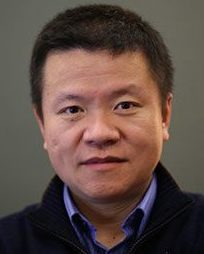 Ning Zheng合作论文数Department of Pharmacology, School of Medicine, University of Washington;Department of Biochemistry, University of Washington;Howard Hughes Medical Institute6Nilmadhab Chakrabarti合作论文数6
 William A. Catterall合作论文数Department of Pharmacology, School of Medicine, University of Washington6D.J. Little合作论文数5N.C. Bamford合作论文数5
 Megumi Yamashita合作论文数Department of Pharmacology, Feinberg School of Medicine, Northwestern University5
 Murali Prakriya合作论文数Allergy and Immunology, Department of Medicine, Feinberg School of Medicine, Northwestern University5Roy Pierre-Nicholas合作论文数5Yeung Priscilla S-W合作论文数Department of Pharmacology, University of Pennsylvania4
 Emil F. Pai合作论文数Department of Biochemistry, University of Toronto;Princess Margaret Cancer Centre, University Health Network;Departments of Biochemistry and Medical Biophysics, University of Toronto4Zhi Wei Zeng合作论文数3Steve Constable合作论文数3
 Tomáš Babej合作论文数3
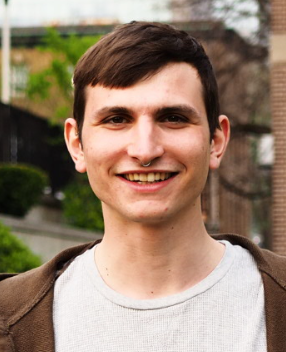 Mark Fingerhuth合作论文数ProteinQure Inc.3Pedram Mehrabi合作论文数Department for Atomically Resolved Dynamics, Max-Planck-Institute for Structure and Dynamics of Matter, Luruper Chaussee 149, 22761 Hamburg, Germany3
 Scott Prosser合作论文数Department of Chemistry, Faculty of Arts and Science, University of Toronto3
 Kim Tae Hun合作论文数Dept Internal Med, Ewha Womans Univ3Schmidt Matthew合作论文数Department of Chemistry, University of Waterloo3
 Ruthi Landau合作论文数Dept Anesthesiol, Columbia Univ Coll Phys & Surg3
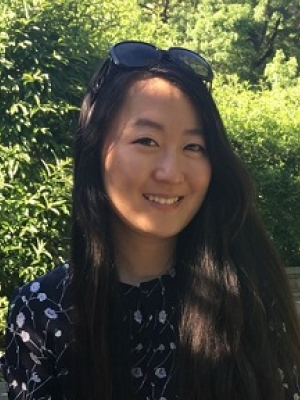 Jing Yang (杨静)合作论文数School of Chemical Engineering and Technology, Sun Yat-sen University3
 Adnan Sljoka合作论文数3
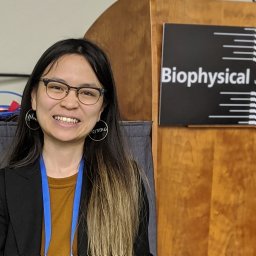 Anna Liang合作论文数2
 Simon Sharpe合作论文数Department of Biochemistry, Temerty Faculty of Medicine, University of Toronto2Zeng Tao合作论文数Department of Chemistry, University of Alberta2
 Leonid Brown合作论文数Department of Physics, College of Engineering and Physical Sciences,University of Guelph2
 Natalie C. Bamford合作论文数Research Institute, The Hospital for Sick Children;Department of Biochemistry, University of Toronto;Research Institute, University of Toronto2
 Dustin J. Little合作论文数Research Institute, The Hospital for Sick Children;Department of Biochemistry, University of Toronto;Research Institute, University of Toronto2
 Shenlin Wang (王申林)合作论文数College of Chemistry and Molecular Engineering, Peking University2Payandeh Jian合作论文数2Emami Sanaz合作论文数2
 Zhong Ren合作论文数University of Illinois at Chicago, Chicago, United States2
 Grace Li合作论文数2
 Vladimir Ladizhansky合作论文数Department of Physics, University of Guelph;NMR Centre, University of Guelph2Douglas M. Freymann合作论文数2Jean Guglielminotti合作论文数2
 Tamer M. Gamal El-Din合作论文数University of Zurich2
 Beverley Orser合作论文数Department of Anesthesiology and Pain Medicine, Temerty Faculty of Medicine, University of Toronto;Department of Anesthesia, Faculty of Medicine, University of Toronto;Department of Anesthesia, Sunnybrook Health Science Centre1Maurita Hung合作论文数1G. Gallos合作论文数1Terence To合作论文数1Vaibhav Bhandari合作论文数1Alain-Pierre Petit合作论文数1Keith Taverner合作论文数1Christopher Di Pietrantonio合作论文数1




