Traditionally, patients with asymptomatic, advanced-stage follicular lymphoma were managed with a watchful-waiting approach until disease progression. The 'Watch and Wait' Phase-3 randomised international trial examined whether rituximab could delay the need for treatment and the effect on quality of life (QoL). In this article, we present the long-term results of the QoL aspect of the trial. Patients were randomised to watchful-waiting (Arm A), rituximab induction (Arm B) or rituximab induction followed by maintenance (Arm C). We present the QoL outcomes from 180 patients (Arm A), 188 patients (Arm C) and an exploratory analysis of 82 (Arm B) compared to 81 and 84 patients concurrently randomised to arms A and C. Arm C reported greater improvement in emotional well-being overtime (Month 37, p = 0.0078) and were significantly more likely to feel in control of their situation than watchful-waiting patients (Month 25, p = 0.0004; Month 37, p = 0.0476). Watchful-waiting patients were significantly more likely to avoid thinking about their illness, did not find learning about their illness helped them and were more likely to attach unpleasant connotations to clinic visits (Month 7, p = 0.0032; Month 13, p = 0.0015; Month 25, p = 0.0104). These results demonstrate improved QoL scores in the induction and maintenance rituximab arm, indicating that rituximab was not detrimental to QoL and resulted in an improved QoL in some domains.
Background: Elderly patients (pts) with mantle-cell lymphoma (MCL) are unsuitable for intensive chemotherapy or transplantation due to excessive toxicities. Single-agent ibrutinib (Ibr), a first-in-class, oral Bruton’s tyrosine kinase inhibitor (BTKi), has transformed the care of pts with relapsed or refractory MCL with durable activity. Aims: We conducted a phase III trial (SHINE; NCT01776840) to evaluate combining Ibr with a standard chemoimmunotherapy (BR) and R maintenance in older pts with untreated MCL. Methods: Pts aged ≥ 65 years, enrolled between May 2013 and November 2014 from 183 sites across all geographical regions, were stratified by simplified MIPI score (low vs intermediate vs high risk) and were randomized 1:1 to Ibr (560 mg orally daily) or placebo (Pbo), plus 6 cycles of B (90 mg/m2) and R (375 mg/m2). Pts who achieved an objective response received R maintenance, administered every 8 weeks for up to 12 additional doses in both arms. Ibr and Pbo were administered until disease progression or unacceptable toxicity. The primary endpoint was progression-free survival (PFS) assessed by the investigators. Results: A total of 523 pts were randomized to Ibr + BR (n = 261) or Pbo + BR (n = 262). Median age was 71 years (range, 65–87), 65.6% of pts had low/intermediate simplified MIPI, and 8.6% had blastoid/pleiomorphic histology. At the primary analysis, median follow up was 84.7 months. The primary endpoint was met as PFS was significantly improved in the Ibr arm vs the Pbo arm (hazard ratio, 0.75; one-sided P = 0.011) (Figure). Median PFS was 80.6 months with Ibr in combination with BR and R maintenance, a 50% improvement over Pbo in combination with BR and R maintenance (median PFS of 52.9 months). The complete response rate was 65.5% in the Ibr arm and 57.6% in the Pbo arm (P = 0.0567). There was no difference in overall survival between treatment arms (P = 0.648). Time to next treatment was longer in the Ibr arm compared with the Pbo arm (P < 0.001). Fifty-two (19.9%) and 106 (40.5%) pts received subsequent anti-lymphoma therapy in the Ibr and Pbo arms, respectively; 41/106 (38.7%) received a second-line BTKi in the Pbo arm. Rates of grade 3 or 4 treatment-emergent adverse events were 81.5% and 77.3% in the Ibr and Pbo arms, respectively. Of adverse events of clinical interest for BTKis, atrial fibrillation was reported in 13.9% and 6.5% of pts in the Ibr and Pbo arms, respectively. Rates of major hemorrhage, hypertension, arthralgia, and secondary primary malignancies were similar in both arms. Quality of life was also similar in both arms. Image:Summary/Conclusion: This phase III study in untreated MCL demonstrated that Ibr combined with BR and R maintenance significantly improved PFS compared with standard chemoimmunotherapy, with a median PFS of 6.7 years. The safety profile was consistent with the known profiles of the individual drugs.
The aim of this study was to explore the efficacy and safety of obinutuzumab (G)- versus rituximab (R)-chemotherapy in a subgroup of patients with previously untreated marginal zone lymphoma (MZL) in the phase III GALLIUM trial (NCT01332968). Patients had stage III/IV (or stage II with bulky disease), splenic, nodal, or extranodal MZL requiring treatment. Patients were randomized 1:1 to receive G- or R-chemotherapy (cyclophosphamide, doxorubicin, vincristine, and prednisone; cyclophosphamide, vincristine, and prednisone; or bendamustine, allocated at patient level). Patients with complete/partial response at the end of induction (EOI) received G/R maintenance. Investigator-assessed progression-free survival (PFS), other time-to-event endpoints, response, and safety were assessed. Overall, 195 patients with MZL were included in this analysis: G-chemotherapy (n = 99), R-chemotherapy (n = 96). Median observation time: 59.3 months. No meaningful difference was observed between arms for PFS (4-y PFS rates: G-chemotherapy, 72.6%; R-chemotherapy, 64.1%), other time-to-event endpoints, or EOI response rates (by computed tomography [CT; G-chemotherapy, 81.8%; R-chemotherapy, 81.3%] and positron emission tomography CT [G-chemotherapy, 79.2%; R-chemotherapy, 87.5%]). All patients experienced ≥1 adverse event (AE). G-chemotherapy was associated with a higher incidence of grade 3–5 (86.1% versus 77.4%), grade 5 (14.9% versus 9.7%), and serious (66.3% versus 51.6%) AEs versus R-chemotherapy. Both arms had a higher incidence of grade 3–5 and serious AEs than patients with follicular lymphoma (GALLIUM), with G-chemotherapy being less tolerable than R-chemotherapy. Based on the observed tolerability of G-chemotherapy versus R-chemotherapy, and the comparable efficacy of G-chemotherapy and R-chemotherapy in this analysis, G-chemotherapy cannot be recommended as first-line treatment for MZL.
BACKGROUND:Ibrutinib, a Bruton's tyrosine kinase inhibitor, may have clinical benefit when administered in combination with bendamustine and rituximab and followed by rituximab maintenance therapy in older patients with untreated mantle-cell lymphoma.METHODS:We randomly assigned patients 65 years of age or older to receive ibrutinib (560 mg, administered orally once daily until disease progression or unacceptable toxic effects) or placebo, plus six cycles of bendamustine (90 mg per square meter of body-surface area) and rituximab (375 mg per square meter). Patients with an objective response (complete or partial response) received rituximab maintenance therapy, administered every 8 weeks for up to 12 additional doses. The primary end point was progression-free survival as assessed by the investigators. Overall survival and safety were also assessed.RESULTS:Among 523 patients, 261 were randomly assigned to receive ibrutinib and 262 to receive placebo. At a median follow-up of 84.7 months, the median progression-free survival was 80.6 months in the ibrutinib group and 52.9 months in the placebo group (hazard ratio for disease progression or death, 0.75; 95% confidence interval, 0.59 to 0.96; P = 0.01). The percentage of patients with a complete response was 65.5% in the ibrutinib group and 57.6% in the placebo group (P = 0.06). Overall survival was similar in the two groups. The incidence of grade 3 or 4 adverse events during treatment was 81.5% in the ibrutinib group and 77.3% in the placebo group.CONCLUSIONS:Ibrutinib treatment in combination with standard chemoimmunotherapy significantly prolonged progression-free survival. The safety profile of the combined therapy was consistent with the known profiles of the individual drugs. (Funded by Janssen Research and Development and Pharmacyclics; SHINE ClinicalTrials.gov number, NCT01776840.).
Rituximab plus chemotherapy induction followed by rituximab maintenance for up to 2 years confers a long-term benefit in terms of progression-free survival in patients with indolent non-Hodgkin lymphoma. It is not known whether further prolonged maintenance with rituximab provides additional benefit. The phase III MabCute study enrolled 692 patients with relapsed or refractory indolent non-Hodgkin lymphoma. Patients who responded to induction with rituximab plus chemotherapy and were still responding after up to 2 years’ initial maintenance with subcutaneous rituximab were randomized to extended maintenance with subcutaneous rituximab (n=138) or observation only (n=138). The primary endpoint of investigator-assessed progression-free survival in the randomized population was un-addressed by the end of study because of an insufficient number of events (129 events were needed for 80% power at 5% significance if approximately 330 patients were randomized). In total, there were 46 progression-free survival events, 19 and 27 in the rituximab and observation arms, respectively (P=0.410 by stratified log-rank test; hazard ratio 0.76 [95% confidence interval: 0.37– 1.53]). The median progression-free survival was not reached in either randomized arm. There were no new safety signals; however, adverse events were seen slightly more frequently with rituximab than with observation during extended maintenance. Maintenance for up to 2 years with rituximab after response to initial induction therefore remains the standard of care in patients with relapsed or refractory indolent non- Hodgkin lymphoma. (Clinicaltrials.gov identifier: NCT01461928).
Effective and tolerable treatments are needed for older patients with classical Hodgkin lymphoma. We report results for older patients with classical Hodgkin lymphoma treated in the large phase III ECHELON-1 study of frontline brentuximab vedotin plus doxorubicin, vinblastine, and dacarbazine (A+AVD) versus doxorubicin, bleomycin, vinblastine, and dacarbazine (ABVD). Modified progression-free survival per independent review facility for older versus younger patients (aged ≥60 vs. <60 years) was a pre-specified subgroup analysis; as the ECHELON- 1 study was not powered for these analyses, reported P-values are descriptive. Of 1,334 enrolled patients, 186 (14%) were aged ≥60 years (A+AVD: n=84, ABVD: n=102); results below refer to this age group. Modified progression-free survival per independent review facility was similar in the two arms at 24 months (A+AVD: 70.3% [95% confidence interval (CI): 58.4–79.4], ABVD: 71.4% [95% CI: 60.5–79.8], hazard ratio (HR)=1.00 [95% CI: 0.58–1.72], P=0.993). After a median follow-up of 60.9 months, 5-year progression-free survival per investigator was 67.1% with A+AVD versus 61.6% with ABVD (HR=0.820 [95% CI: 0.494–1.362], P=0.443). Comparing A+AVD versus ABVD, grade 3/4 peripheral neuropathy occurred in 18% versus 3%; any-grade febrile neutropenia in 37% versus 17%; and any-grade pulmonary toxicity in 2% versus 13%, respectively, with three (3%) pulmonary toxicity-related deaths in patients receiving ABVD (none in those receiving A+AVD). Altogether, A+AVD showed overall similar efficacy to ABVD with survival rates in both arms comparing favorably to those of prior series in older patients with advanced-stage classical Hodgkin lymphoma. Compared to ABVD, A+AVD was associated with higher rates of neuropathy and neutropenia, but lower rates of pulmonary-related toxicity. Trials registered at ClinicalTrials.gov identifiers: NCT01712490; EudraCT number: 2011-005450-60.
Most older patients with acute myeloid leukemia (AML) who attain morphologic remission with intensive chemotherapy (IC) will eventually relapse and post-relapse prognosis is dismal. In the pivotal QUAZAR AML-001 trial, oral azacitidine maintenance therapy significantly prolonged overall survival by 9.9 months (P < 0.001) and relapse-free survival by 5.3 months (P < 0.001) compared with placebo in patients with AML in first remission after IC who were not candidates for transplant. Currently, the QUAZAR AML-001 trial provides the most comprehensive safety information associated with oral azacitidine maintenance therapy. Reviewed here are common adverse events (AEs) during oral azacitidine treatment in QUAZAR AML-001, and practical recommendations for AE management based on guidance from international cancer consortiums, regulatory authorities, and the authors’ clinical experience treating patients in the trial. QUAZAR AML-001 is an international, placebo-controlled randomized phase 3 study. Patients aged ≥ 55 years with AML and intermediate- or poor-risk cytogenetics at diagnosis, who had attained first complete remission (CR) or CR with incomplete blood count recovery (CRi) within 4 months before study entry, were randomized 1:1 to receive oral azacitidine 300 mg or placebo once-daily for 14 days in repeated 28-day cycles. Safety was assessed in all patients who received ≥ 1 dose of study drug. A total of 469 patients received oral azacitidine (n = 236) or placebo (n = 233). Median age was 68 years. Patients received a median of 12 (range 1–80) oral azacitidine treatment cycles or 6 (1–73) placebo cycles. Gastrointestinal AEs were common and typically low-grade. The most frequent grade 3–4 AEs during oral azacitidine therapy were hematologic events. AEs infrequently required permanent discontinuation of oral azacitidine (13%), suggesting they were effectively managed with use of concomitant medications and oral azacitidine dosing modifications. Oral azacitidine maintenance had a generally favorable safety profile. Prophylaxis with antiemetic agents, and blood count monitoring every other week, are recommended for at least the first 2 oral azacitidine treatment cycles, and as needed thereafter. Awareness of the type, onset, and duration of common AEs, and implementation of effective AE management, may maximize treatment adherence and optimize the survival benefits of oral azacitidine AML remission maintenance therapy. Trial registration This trial is registered on clinicaltrials.gov: NCT01757535 as of December 2012.
7014 Background: Demographic and disease factors influence outcomes for patients (pts) with AML. In the phase 3 QUAZAR AML-001 trial, Oral-AZA significantly prolonged OS and RFS vs. placebo (PBO) for pts with AML in first remission after IC (Wei, NEJM, 2020). Univariate analyses showed OS and RFS benefits with Oral-AZA vs. PBO across pt subgroups defined by baseline (BL) characteristics. MV analyses were performed to identify BL characteristics independently predictive of OS/RFS in QUAZAR AML-001, and to assess Tx effects of Oral-AZA vs. PBO on survival when adjusted for BL factors. Methods: Pts were aged ≥55 yrs with AML in complete remission (CR) or CR with incomplete count recovery (CRi) after induction ± consolidation. Within 4 months of CR/CRi, pts were randomized 1:1 to receive Oral-AZA 300 mg or PBO for 14d/28d cycle. Cox proportional hazards models were used to estimate Tx effects of Oral-AZA vs. PBO on OS and RFS, adjusting for BL age, sex, ECOG PS score, cytogenetic risk at diagnosis (Dx), prior MDS, geographic region, CR/CRi after induction (per investigator) and at BL (per sponsor), MRD status, receipt of consolidation, number of consolidation cycles, platelet count, and ANC. In a stepwise procedure, randomized Tx and BL variables were selected incrementally into a Cox model if P ≤ 0.25. After each addition, the contribution of the covariate adjusted for other covariates in the model was evaluated and retained in the model if P ≤ 0.15. Results : Oral-AZA Tx remained a significant independent predictor of improved OS (HR 0.70) and RFS (HR 0.57) vs. PBO after controlling for BL characteristics (Table). MRD status, cytogenetic risk, and pt age were each also independently predictive of OS and RFS. Response after induction (CR vs. CRi) and BL ANC were predictive of OS but not RFS, whereas prior MDS, CR/CRi at BL, and number of consolidation cycles were only predictive of RFS. Conclusions: Tx with Oral-AZA reduced the risk of death by 30% and risk of relapse by 43% vs. PBO independent of BL characteristics. Cytogenetic risk at Dx, MRD status, and pt age also independently predicted survival outcomes. Clinical trial information: NCT01757535. [Table: see text]
During the COVID-19 pandemic, access to health services has been considerably restricted and furthermore, patients have been reluctant to attend for routine monitoring, and this may have had a negative impact in the management of patients affected with haematological disorders. Sudden blast crisis in chronic myeloid leukaemia is categorized as a rapid onset of blastic phase, after a documented 'optimal' response to tyrosine kinase inhibitor (TKI) therapy and within 3 months of a normal complete blood count. Herein, we describe a case of patient who developed sudden blast crisis after TKI while in treatment-free remission.
We compared the International Prognostic Index (IPI), Revised (R)-IPI and age-adjusted (aa)-IPI as prognostic indices for patients with diffuse large B-cell lymphoma (DLBCL) in the UK National Cancer Research Institute (NCRI) R-CHOP 14 versus 21 trial (N = 1080). The R-IPI and aa-IPI showed no marked improvement compared to the IPI for overall and progression-free survival, in terms of model fit or discrimination. Similar results were observed in exploratory analyses incorporating the Grupo Español de Linfomas/Transplante de Médula Ósea (GELTAMO)-IPI, where baseline β2-microglobulin data were available (N = 655). Although our findings support current use of the IPI, a novel prognostic tool to better delineate a high-risk DLBCL group in the rituximab era is needed.
7533 Background: Effective AML maintenance treatment (Tx) should decrease the risk of relapse and prolong survival without compromising HRQoL. In the placebo (PBO)-controlled phase III QUAZAR AML-001 trial (NCT01757535), CC-486, an oral hypomethylating agent, provided significant improvements in overall (OS) and relapse-free survival (RFS) in patients (pts) with AML in first remission following IC. Here we present pt-reported HRQoL outcomes from that study. Methods: Eligible pts were ≥ 55 yrs of age with intermediate- or poor-risk cytogenetics and ECOG PS ≤ 3, and in CR/CRi after IC ± consolidation. Pts were randomized 1:1 to CC-486 300 mg or PBO QD on days (d) 1–14 of 28d Tx cycles. HRQoL was assessed by FACIT-Fatigue scale and EQ-5D-3L health utility index, completed on d1 of each cycle and at end of Tx (EOT). Endpoints include Tx differences in mean changes from baseline (BL), and proportions of pts with clinically meaningful change from BL (improvement, no change, deterioration). Evaluable pts had an HRQoL assessment at BL and ≥ 1 post-BL visit. Stratified ANCOVA models included Tx and BL scores as covariates. Results: In all, 225/238 pts (95%) in the CC-486 arm were evaluable for FACIT-Fatigue and EQ-5D-3L, and 219/234 pts (94%) in the PBO arm were evaluable for FACIT-Fatigue and 217 (93%) for EQ-5D-3L. Pt characteristics were comparable between Tx arms. Most pts (61%) were 65-74 yrs of age. Median number of CC-486 Tx cycles was 12 and PBO cycles was 7. Compliance rates were > 95% at BL and remained high ( > 85%) at all post-BL visits except for EOT. At BL, pts in both Tx arms had comparable low levels of fatigue and generally good HRQoL relative to an age-matched general population. There were no meaningful differences between CC-486 and PBO in mean changes from BL in FACIT-Fatigue or EQ-5D-3L scores at any post-BL visit. There was no statistically significant difference between Tx arms in proportion of pts with a clinically meaningful deterioration in FACIT-Fatigue score at any post-BL visit except at cycle 29 (likely due to chance; no adjustment made for multiple testing), or in EQ-5D-3L at any visit. Median time to deterioration was not significantly different between CC-486 and PBO on the FACIT-Fatigue scale (41 vs 44 weeks, respectively; P = 0.70) or the EQ-5D-3L (200 vs 164 weeks; P = 0.63). Conclusions: HRQoL and low levels of fatigue were preserved with CC-486 maintenance Tx. CC-486 significantly improved OS and RFS while maintaining HRQoL comparable to PBO. Clinical trial information: NCT01757535 .
BACKGROUND Although induction chemotherapy results in remission in many older patients with acute myeloid leukemia (AML), relapse is common and overall survival is poor. METHODS We conducted a phase 3, randomized, double-blind, placebo-controlled trial of the oral formulation of azacitidine (CC-486, a hypomethylating agent that is not bioequivalent to injectable azacitidine), as maintenance therapy in patients with AML who were in first remission after intensive chemotherapy. Patients who were 55 years of age or older, were in complete remission with or without complete blood count recovery, and were not candidates for hematopoietic stem-cell transplantation were randomly assigned to receive CC-486 (300 mg) or placebo once daily for 14 days per 28-day cycle. The primary end point was overall survival. Secondary end points included relapse-free survival and health-related quality of life. RESULTS A total of 472 patients underwent randomization; 238 were assigned to the CC-486 group and 234 were assigned to the placebo group. The median age was 68 years (range, 55 to 86). Median overall survival from the time of randomization was significantly longer with CC-486 than with placebo (24.7 months and 14.8 months, respectively; P<0.001). Median relapse-free survival was also significantly longer with CC-486 than with placebo (10.2 months and 4.8 months, respectively; P<0.001). Benefits of CC-486 with respect to overall and relapse-free survival were shown in most subgroups defined according to baseline characteristics. The most common adverse events in both groups were grade 1 or 2 gastrointestinal events. Common grade 3 or 4 adverse events were neutropenia (in 41% of patients in the CC-486 group and 24% of patients in the placebo group) and thrombocytopenia (in 22% and 21%, respectively). Overall health-related quality of life was preserved during CC-486 treatment. CONCLUSIONS CC-486 maintenance therapy was associated with significantly longer overall and relapse-free survival than placebo among older patients with AML who were in remission after chemotherapy. Side effects were mainly gastrointestinal symptoms and neutropenia. Quality-of-life measures were maintained throughout treatment. (Supported by Celgene; QUAZAR AML-001 ClinicalTrials.gov number NCT01757535.)
Introduction: Many older patients (pts) with AML respond to intensive induction chemotherapy (IC), but responses are often short-lived and overall survival (OS) is poor. The benefit of post-remission maintenance treatment (Tx) for pts with AML is unclear, as no therapy has shown to significantly improve OS. CC-486 is an oral hypomethylating agent that allows for prolonged drug exposure during each Tx cycle to sustain therapeutic activity. We hypothesized that prolonged Tx with CC-486 could be effective as post-remission maintenance in AML. Herein, we report the primary results of QUAZAR AML-001 (NCT01757535), a phase III international, randomized, double-blind, placebo (PBO)-controlled study evaluating CC-486 as maintenance therapy in pts aged ≥55 years with AML in first remission following IC. Methods: Eligible pts had de novo or secondary AML, intermediate- or poor-risk cytogenetics, and Eastern Cooperative Oncology Group performance status (ECOG PS) scores of ≤3; had achieved first complete remission (CR) or CR with incomplete count recovery (CRi) after IC, with or without consolidation chemotherapy; and were not candidates for hematopoietic stem-cell transplant (HSCT). Within 4 months of attaining CR/CRi, pts were randomized 1:1 to receive CC-486 300 mg or PBO once-daily on days 1-14 of repeated 28-day Tx cycles. A 21-day dosing schedule was permitted for pts who experienced AML relapse with 5-15% blasts in blood or bone marrow while on-study. Tx could continue indefinitely until the presence of >15% blasts, unacceptable toxicity, or HSCT. The primary endpoint was OS. Secondary endpoints included relapse-free survival (RFS), health-related quality of life (HRQoL), and safety. Samples were collected for exploratory translational endpoints, including measurable residual disease (MRD). Kaplan-Meier estimates of OS and RFS were compared for CC-486 vs. PBO by stratified log-rank test. Hazard ratios (HRs) and 95% confidence intervals (CIs) were generated using a stratified Cox proportional hazards model. Results: Between May 2013 and October 2017, 472 pts were randomized to receive CC-486 (n=238) or PBO (n=234). Baseline characteristics were balanced between Tx arms. Median age was 68 years (range 55-86), 91% of pts had de novo AML, and 86% and 14% of pts, respectively, had intermediate-risk or poor-risk cytogenetics. Following induction, 81% of pts achieved a CR and 19% achieved CRi; 80% of pts had received consolidation chemotherapy (45% received 1 consolidation cycle and 31% received 2 consolidation cycles). At a median follow-up of 41.2 months, OS was significantly improved with CC-486 vs. PBO: median OS was 24.7 months vs. 14.8 months from time of randomization, respectively (P=0.0009; HR 0.69 [95%CI 0.55, 0.86]) (FigureA). RFS was also significantly prolonged: median RFS was 10.2 months in the CC-486 arm, compared with 4.8 months in the PBO arm (P=0.0001; HR 0.65 [95%CI 0.52, 0.81]) (Figure B). OS and RFS benefits of CC-486 were demonstrated regardless of baseline cytogenetic risk, the number of prior consolidation cycles received, and CR/CRi status. CC-486 did not adversely impact overall HRQoL vs. PBO, as assessed by mean changes from baseline in HRQoL measures during Tx. CC-486 had a manageable safety profile generally consistent with that of injectable azacitidine. Median exposure to CC-486 was 12 cycles (range 1-80) and to PBO was 6 cycles (1-73). The most frequently reported adverse events (AEs) with CC-486 and PBO were grade 1 or 2 gastrointestinal (GI) events, including nausea (64% and 23%, respectively), vomiting (59% and 10%), and diarrhea (49% and 21%). The most common grade 3-4 AEs were neutropenia (CC-486, 41%; PBO, 24%), thrombocytopenia (23% and 22%), and anemia (14% and 13%). Serious AEs were infrequent, mainly infections, which occurred in 17% of pts in the CC-486 arm and 8% of pts in the PBO arm. Few AEs led to Tx discontinuation, most often GI events (CC-486, 5%; PBO, 0.4%). Conclusions: CC-486 is the first therapy used in the maintenance setting to provide statistically significant and clinically meaningful improvements in both OS and RFS in pts with AML in remission following induction chemotherapy, with or without consolidation. Oral CC-486 has a manageable safety profile and represents a new therapeutic standard for pts with AML in remission. Disclosures Wei: Abbvie: Honoraria, Membership on an entity's Board of Directors or advisory committees, Other: AHW is a former employee of the Walter and Eliza Hall Institute and receives a fraction of its royalty stream related to venetoclax, Research Funding, Speakers Bureau; Macrogenics: Honoraria, Membership on an entity's Board of Directors or advisory committees; Pfizer: Honoraria, Membership on an entity's Board of Directors or advisory committees; Astellas: Honoraria, Membership on an entity's Board of Directors or advisory committees; Janssen: Honoraria; Servier: Consultancy, Honoraria, Membership on an entity's Board of Directors or advisory committees, Research Funding; Celgene: Honoraria, Membership on an entity's Board of Directors or advisory committees, Research Funding; Amgen: Honoraria, Membership on an entity's Board of Directors or advisory committees, Research Funding; Astra Zeneca: Honoraria, Research Funding; Novartis: Honoraria, Membership on an entity's Board of Directors or advisory committees, Research Funding, Speakers Bureau; Genentech: Honoraria, Membership on an entity's Board of Directors or advisory committees. Döhner:AbbVie, Agios, Amgen, Astellas, Astex, Celator, Janssen, Jazz, Seattle Genetics: Consultancy, Honoraria; AROG, Bristol Myers Squibb, Pfizer: Research Funding; Celgene, Novartis, Sunesis: Honoraria, Research Funding. Montesinos:Abbvie: Membership on an entity's Board of Directors or advisory committees; Celgene: Consultancy, Membership on an entity's Board of Directors or advisory committees, Other: Research support, Speakers Bureau; Daiichi Sankyo: Consultancy, Membership on an entity's Board of Directors or advisory committees, Other: Research support, Speakers Bureau; Incyte: Membership on an entity's Board of Directors or advisory committees, Speakers Bureau; Janssen: Membership on an entity's Board of Directors or advisory committees, Other: Research support, Research Funding, Speakers Bureau; Karyopharm: Membership on an entity's Board of Directors or advisory committees, Other: Research support; Novartis: Membership on an entity's Board of Directors or advisory committees, Other: Research support, Research Funding, Speakers Bureau; Pfizer: Membership on an entity's Board of Directors or advisory committees, Other: Research support, Research Funding, Speakers Bureau; Teva: Membership on an entity's Board of Directors or advisory committees, Other: Research support, Research Funding, Speakers Bureau. Ravandi:BMS: Honoraria, Membership on an entity's Board of Directors or advisory committees, Research Funding; Agios: Honoraria, Membership on an entity's Board of Directors or advisory committees, Research Funding; Novartis: Honoraria, Membership on an entity's Board of Directors or advisory committees; Orsenix: Honoraria, Membership on an entity's Board of Directors or advisory committees, Research Funding; Abbvie: Honoraria, Membership on an entity's Board of Directors or advisory committees, Research Funding; Astellas: Honoraria, Membership on an entity's Board of Directors or advisory committees, Research Funding; Celgene: Honoraria, Membership on an entity's Board of Directors or advisory committees, Research Funding; Xencor: Honoraria, Membership on an entity's Board of Directors or advisory committees, Research Funding; Amgen: Honoraria, Membership on an entity's Board of Directors or advisory committees, Research Funding; Macrogenix: Membership on an entity's Board of Directors or advisory committees, Research Funding. Sayar:Celgene Corporation: Membership on an entity's Board of Directors or advisory committees. Porkka:Celgene: Consultancy, Research Funding; Daiichi Sankyo: Consultancy, Research Funding; Novartis: Consultancy, Research Funding. Selleslag:Celyad: Consultancy; Novartis: Consultancy, Honoraria, Speakers Bureau; Celgene: Consultancy, Honoraria, Speakers Bureau; Pfizer: Consultancy, Honoraria, Speakers Bureau; Astellas: Consultancy; Daichii Sankyo: Consultancy; Janssen-Cilag: Consultancy, Honoraria, Speakers Bureau; Amgen: Consultancy, Honoraria, Speakers Bureau; Astex Otsuka: Consultancy, Honoraria; Takeda: Consultancy, Honoraria, Speakers Bureau; Incyte: Consultancy, Honoraria, Speakers Bureau. Sandhu:Takeda: Consultancy; Amgen: Consultancy; Novartis: Consultancy; Bioverativ: Consultancy; Celgene Corporation: Consultancy; Pfizer: Consultancy; Janssen: Consultancy. Giai:BMS: Honoraria; Pfizer: Honoraria; Novartis: Honoraria. Beltrami:Ospedale Policlinico San Martino: Employment. Ossenkoppele:Celgene Corporation: Consultancy, Honoraria, Research Funding. La Torre:Celgene Corporation: Employment, Equity Ownership. Skikne:Celgene Corporation: Employment, Equity Ownership. Kumar:Celgene Corporation: Employment, Equity Ownership. Dong:Celgene Corporation: Employment, Equity Ownership. Beach:Celgene Corporation: Employment, Equity Ownership. Roboz:AbbVie: Consultancy, Membership on an entity's Board of Directors or advisory committees; Actinium: Consultancy, Membership on an entity's Board of Directors or advisory committees; Agios: Consultancy, Membership on an entity's Board of Directors or advisory committees; Amphivena: Consultancy, Membership on an entity's Board of Directors or advisory committees; Argenx: Consultancy, Membership on an entity's Board of Directors or advisory committees; Astex: Consultancy, Membership on an entity's Board of Directors or advisory committees; Astellas: Consultancy, Membership on an entity's Board of Directors or advisory committees; Bayer: Consultancy, Membership on an entity's Board of Directors or advisory committees; Celgene: Consultancy, Membership on an entity's Board of Directors or advisory committees; Celltrion: Consultancy, Membership on an entity's Board of Directors or advisory committees; Daiichi Sankyo: Consultancy, Membership on an entity's Board of Directors or advisory committees; Eisai: Consultancy, Membership on an entity's Board of Directors or advisory committees; Janssen: Consultancy, Membership on an entity's Board of Directors or advisory committees; Jazz: Consultancy, Membership on an entity's Board of Directors or advisory committees; Novartis: Consultancy, Membership on an entity's Board of Directors or advisory committees; MEI Pharma: Consultancy, Membership on an entity's Board of Directors or advisory committees; Orsenix: Consultancy, Membership on an entity's Board of Directors or advisory committees; Otsuka: Consultancy, Membership on an entity's Board of Directors or advisory committees; Pfizer: Consultancy, Membership on an entity's Board of Directors or advisory committees; Roche/Genentech: Consultancy, Membership on an entity's Board of Directors or advisory committees; Sandoz: Consultancy, Membership on an entity's Board of Directors or advisory committees; Takeda: Consultancy, Membership on an entity's Board of Directors or advisory committees; Trovagene: Consultancy, Membership on an entity's Board of Directors or advisory committees.
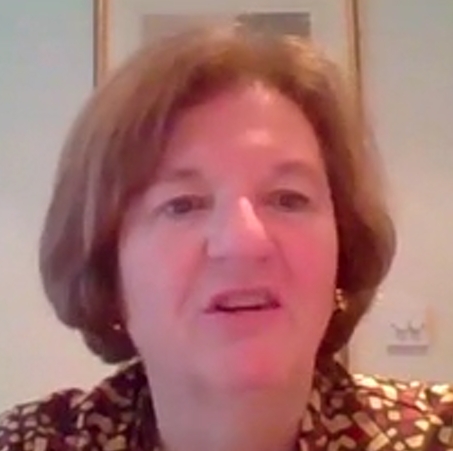 Jane Apperley合作论文数Department of Immunology and Inflammation, Faculty of Medicine, Imperial College London25
 David Cunningham合作论文数Institute of Cancer Research, Royal Marsden NHS Foundation Trust;University of London24
 Peter Johnson合作论文数University of Southampton22
 John Radford合作论文数The University of Manchester20
 Lindsay Jindriska合作论文数20
 Peter Hillmen合作论文数Faculty of Medicine and Health, School of Medicine, University of Leeds;Apellis Pharmaceuticals20V. Ratnayake合作论文数18
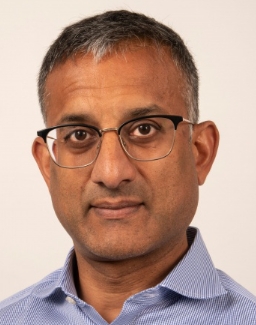 Kirit Ardeshna合作论文数University College London Hospitals;Research Department of Haematology, University College London18Andrew Jack合作论文数18
 Anton Kruger合作论文数HR-Hydroscience & Engineering, II;University of Iowa;IIHR-Hydroscience & Engineering, University of Iowa17K. Saied合作论文数15Turner Deborah合作论文数15Paul Smith合作论文数14Wendi Qian合作论文数14
 Ignazia La Torre合作论文数13
 Eliza Hawkes合作论文数Monash University;Tumour Targeting Laboratory, Olivia Newton-John Cancer Research Institute;Austin Health13
 Paul Mouncey合作论文数Intensive Care National Audit & Research Centre13
 Mhairi Copland合作论文数Section of Experimental Haematology & Haemopoietic Stem Cells;University of Glasgow;Department of Haematology;Department of Haematology, University of Glasgow13
 Hervé Dombret合作论文数Institut de Recherche Saint-Louis, Université Paris Cité12
 Andrew Pettitt合作论文数Clatterbridge Cancer Centre, Institute of Systems, Molecular & Integrative Biology, Faculty of Health and Life Sciences, University of Liverpool12Cl Beach合作论文数11McMillan Andrew合作论文数11
 Kate Cwynarski合作论文数University College London;University College London Hospital11Andy C. Rawstron合作论文数11
 Claire Dearden合作论文数The Royal Marsden NHS Foundation Trust;Haemato-Oncology Department, The Royal Marsden Biomedical Research Centre;Specialist Haematological Malignancy Diagnostic Service, The Royal Marsden Biomedical Research Centre11John Davies合作论文数10
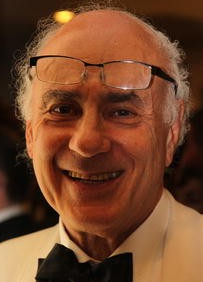 John M. Goldman合作论文数Imperial College London10
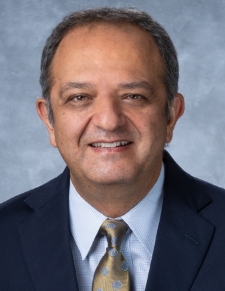 Farhad Ravandi-Kashani合作论文数Section of Developmental Therapeutics, Department of Leukemia, The University of Texas MD Anderson Cancer Center;Division of Cancer Medicine, The University of Texas MD Anderson Cancer Center10
 David Linch合作论文数Research Department of Haematology, University College London9Hedgley Corinne合作论文数9Counsell Nicholas合作论文数9Gleeson Mary合作论文数9
 Donald W Milligan合作论文数9
 Charles Craddock合作论文数Warwick Medical School, University of Warwick;University of Birmingham;Centre for Clinical Haematology, Queen Elizabeth Hospital9
 Hartmut Döhner合作论文数Klinik für Innere Medizin III, Zentrum für Innere Medizin, Universitätsklinikum Ulm9
 Anna Schuh合作论文数Department of Oncology, University of Oxford9Richard E. Clark合作论文数Jose Carreras Bone Marrow Transplant Unit, Royal Liverpool University Hospital9L. Foroni合作论文数8
 Polydoros F合作论文数CR-UK Liverpool Cancer Trials Unit, University of Liverpool8
 John Gribben合作论文数Barts Cancer Institute, Queen Mary University of London8Walter Gregory合作论文数8
 Dominik Selleslag合作论文数AZ Sint-Lucas Brugge8
 Barry Skikne合作论文数Westwood Medical Pavilion, The University of Kansas;Richard and Annette Bloch Cancer Care Pavilion, The University of Kansas Cancer Center8
 Christopher Fegan合作论文数Institute of Cancer & Genetics, Cardiff University8Eduardo Olavarria合作论文数8
 Kathryn Lang合作论文数Dept Clin Haematol, East Kent Hosp7
 Gail J. Roboz合作论文数Weill Cornell Medical College7Cohen Dena R合作论文数7




