BACKGROUND:Care partners experience multiple psychosocial and physiological stressors while supporting patients with stroke. We aimed to adapt an existing care partner-focused support program for skill building and psychosocial support. We sought to examine the implementation of the support program in an early-supported stroke discharge clinic and investigate the effects of the support program on care partner-reported mental health and burden. METHODS: The study followed a type 2 hybrid implementation-effectiveness design. During the implementation phases, key stakeholders evaluated and adapted the support intervention for the stroke population and completed a prospective evaluation of care partner roles in the target stroke clinic. During the intervention phase, care partners participated in the support intervention per the parent study protocol. Implementation feasibility and acceptability were evaluated, and we evaluated care partner-reported measures of physical and mental health and burden measured at baseline, 12, and 24 weeks. RESULTS : The support program was determined suitable for implementation in the target stroke clinic with a scaling-out implementation strategy. In the target stroke clinic, care partners primarily supported instrumental activities of daily living. Of 17 care partners enrolled in the support intervention, 12 completed baseline assessments. Participants who completed the intervention (n = 8) reported high satisfaction and acceptability of the program components, but some expressed concerns about the length of the surveys. Overall mental health scores increased, and burden decreased in both groups from baseline to 24 weeks. CONCLUSION : The support program adapted for care partners of patients after stroke was acceptable and feasible and has potential for benefit to physical and mental well-being and burden, though this pilot was not powered to detect significance of outcomes for participants. Scaling out may promote efficient use of limited care partner services in a health system.
Caregivers of persons with heart failure and stroke describe increased responsibilities after hospitalization. To better characterize the needs of caregivers who self-selected into the intervention, we conducted a convergent parallel mixed methods secondary analysis from our pilot study of The Heart Failure and Stroke Resilience Intervention for Caregivers (HEROIC) program. Using transcriptions of Visit 1, coders analyzed pre-defined domains of caregiving for features of perceived strength, neutrality, or challenge. The domains included a) Values (not rated); b) Caregiving Intensity; c) Dyadic Relationship; d) Social Support; e) Financial Resources; f) Home/Built Environment; g) Other Responsibilities of Caregiver; and h) Health/Health Care. Two coders identified salient quotes and rated the seven domains for each transcript. Discrepancies were resolved by group consensus. Data were then integrated with common demographic features and level of patient care need. Of the 20 caregivers, seven (35%) described low needs, 11 (55%) reported moderate needs, and two (10%) described high needs. The moderate/high needs group had worse self-reported health and caregiving-related outcomes when compared to the low needs group. Although a limited sample, this analysis highlights the spectrum of caregiving needs. While the HEROIC intervention was intended to capture caregivers with moderate/high needs, the self-selected inclusion of caregivers reporting low needs suggests that caregiving interventions broaden inclusion criteria. Quantitative measures of caregiving-related outcomes may miss caregivers who feel that they would benefit from targeted intervention. Overall, caregiving interventions that incorporate a whole-person approach have the potential to decrease caregiver burden and improve quality of life.
Abstract Background Caregivers often serve as proxies for patients or inform patient-caregiver dyadic findings in interventions. We conducted a randomized waitlist control pilot of a caregiver support program focused on caregivers (not dyads): Heart Failure and Stroke Resilience Intervention for Caregivers (HEROIC). Goal attainment scaling (GAS) was used to measure goal progress and achievement; this measure is person-centered but has not been used to test prior caregiving interventions. Methodology HEROIC was tested in a pilot study. Participants were randomized to immediate intervention or waitlist control groups. GAS data was collected at baseline, 12 weeks, and 24 weeks and a final interview to assess feasibility and acceptability was conducted at 24 weeks. Raw GAS data was converted to t-scores. We compared goal achievement for the overall sample, by group assignment (immediate intervention vs. waitlist control), and by goal domain. Two questions in the final interview focused on acceptability and feasibility of GAS were summarized. Results Fifty caregivers were consented, and 31 completed baseline data collection. Caregivers (n = 31) were on average 58 years old (SD: 11), 84% identified as female and 45% identified as Black. Twenty-six participants completed GAS at 12 weeks, and 19 participants completed GAS at 24 weeks. Twenty-one (80.8%) and 16 (84.2%) caregivers met or exceeded their goal at 12 weeks and 24 weeks respectively. For the immediate intervention group, the mean change in scores pre-post intervention was 19.1 (SD: 9.4), ranging from 0 to 30. For the waitlist control group, the mean change in scores pre-post intervention was 13.8 (SD: 10.6), ranging from 0 to 30. For the immediate intervention group during their maintenance period (12 to 24 weeks), the mean change in scores was 20.9 (SD: 11.4), ranging from 0 to 30. All 19 caregivers were interviewed at 24 weeks and reported that GAS was simple to complete and reported satisfaction with the activity. Conclusions For clinical trials, GAS may serve as a key outcome and provide rich effectiveness data. While GAS represents investment of time and resources, the approach is valuable. We recommend future research to inform streamlining GAS while maintaining its person-centeredness. Trial registration ClinicalTrials.gov, NCT03963583, Registered 24 May 2019, https://clinicaltrials.gov/study/NCT03963583?term=Heart%25;20Failure%25;20Resilience%25;20Intervention%25;20for%25;20Caregivers%25;20(HEROIC)%26;rank=1 .
Background: Women aging with disabilities experience higher rates of chronic pain and co-occurring depressive symptoms than women without disabilities and men with and without disabilities. Pain and depression can exacerbate the inability to fulfill social roles and complete activities of daily living among women with disabilities. Although there are existing interventions for both pain and depressive symptoms, few interventions have been developed with women aging with disabilities that address both chronic pain and depressive symptoms. Purpose: The aim of this study is to ascertain the acceptability and feasibility of the Women in Pain Reduction & Improved Mood through Empowerment (PRIME) intervention in a sample of middle-aged and older women living with pain, depressive symptoms, and physical disabilities (i.e., mobility disability). Methods: In this wait-list, randomized controlled trial we will assess the intervention's 1) feasibility by determining recruitment and retention rates; 2) acceptability through qualitative interviews with all enrolled participants; and 3) preliminary efficacy by determining changes in pain and depressive symptoms between immediate intervention and waitlist control participants to estimate effect sizes to inform future research. Conclusion: This intervention has two main components, which have the potential to decrease pain and depressive symptoms and lead to increased quality of life. It is imperative that clinical trials are designed and structured with the partnership and needs of women with disabilities at the center. This trial is registered at clinicaltrials.gov, NCT05619510, 11/09/2022.
Background: The lived experience and impact of financial strain on broad physical and mental health outcomes is important and yet underexplored. Improving our depth of understanding of the relationship between financial strain and health may offer important insights to address this complex phenomenon. Objective: The primary objective of this study was to conduct a meta-synthesis of existing qualitative literature that investigated or described the relationship between financial strain and health outcomes. Methods: A search using Web of Science, PsycINFO, and PubMed identified 18,624 peer-reviewed manuscripts from 2009 to 2021 that examined the impact of financial strain on health outcomes. Selection for inclusion was limited to qualitative studies that included a research question or thematic finding related to financial strain. Literature reviews and non-U.S. based manuscripts were excluded. Selected studies (n = 25) underwent evaluation and thematic analysis using meta-synthesis methods. Results: Twenty-five qualitative studies with a combined total of 1385 participants examined financial strain in relation to health. We identified three themes: 1) Financial strain: An intersection of threats to meeting basic needs; 2) Financial strain across the life course and intergenerational stress; and 3) The cycle of financial strain, coping behaviors and health outcomes. Our conceptual framework proposes that financial strain cyclically influences health outcomes, with threats to meeting basic needs resulting in decision making and coping that lead to disparities in health outcomes. We propose this model for further hypothesis generation and qualitative inquiry. Conclusion: This meta-synthesis emphasizes the importance of considering the intersectionality of insecurities that affect safety and health and the need for adopting a life course perspective when researching the lived experience of financial strain. The complexity of the relationship between financial strain, coping behaviors, and health outcomes merits innovative approaches and further study.
Introduction Family caregivers of persons with advanced heart failure (HF) and stroke bear increased responsibilities as care recipients recover from acute hospitalization. Few formalized supports are available. We conducted a feasibility pilot of a caregiver-targeted support program: Heart Failure and Stroke Resilience Intervention for Caregivers (HEROIC) using a randomized waitlist-control design. Here we sought to understand similarities and differences in participation between HF and stroke enrolled caregiver participants. Methods We recruited caregivers of HF and stroke patients via review of the electronic health record and/or provider referral after the first follow-up visit. Baseline surveys were collected electronically. Enrolled participants were randomized to the intervention or waitlist group. HEROIC consists of 5 nurse-led, remote sessions over a 10-week period. Components incorporate resilience resources including emphasis on caregiver life purpose and values, goal-setting for self-care, social support, community and palliative care resources. Characteristics of participants were analyzed using descriptive statistics and t-test or chi-square as appropriate. Results We identified 158 potential caregivers through electronic health records and provider referral. 65% (n=103) were reached by phone and 57/103 (55%) were eligible for participation. Fifty caregivers consented but only 31 completed baseline data collection and were randomized. Reasons for drop out included loss to follow-up, patient death and too many competing demands. Caregivers were on average 58.4 years old (SD: 11.4), 84% female and 45% Black. They supported patients with moderate to severe functional impairment and 5.5 ± 2.3 instrumental activities of daily living (IADL) on average. Over half of caregivers reported financial strain. Caregivers reported moderate caregiver strain using the Modified Caregiver Strain Index (Mean: 11.9, SD: 6.0). Most caregivers supported persons with HF (n=19). The only statistically significant difference noted between HF and stroke caregivers was gender; more caregivers of stroke patients were male. Conclusions Similarities in baseline characteristics of HF and stroke caregivers suggest similar caregiving experiences. HEROIC or other early post-hospital caregiver support interventions may appeal to caregivers to increase resilience to the stresses of transitions of care but recruitment strategies require additional consideration.
Abstract Aging, pain, and depression are interconnected health concerns that significantly impact older women. African American women face additional risks of comorbid pain and depression, severe depressive symptoms, and less frequent pain treatment. Pro-inflammatory cytokines and inflammatory mediators are associated with both conditions. The DAPPER (Depression and Pain Perseverance through Empowerment and Recovery) pilot study tailored nurse-led interventions to meet the needs of older African American women with chronic pain and depression. This pilot study assessed non-pharmacological interventions among African American women aged 50+ with chronic pain and depressive symptoms. The intervention consisted of eight nurse-led sessions. Participants were randomized into waitlist control and immediate intervention groups. Ten participants in the immediate intervention group completed the program and provided pre- and post-intervention saliva samples. Outcomes, including goal attainment, pain, depression, and stress, were measured using validated tools such as PROMIS-8 and PSS-14. Saliva samples were collected for cytokine analysis, including TNFα, IL-8, IL-6, and IL-1β. Although under-powered for direct conclusions, data shows a downward trend in psychosocial and pro-inflammatory biomarkers. Pre- to post-intervention mean levels of psychosocial and cytokine markers (TNFα, IL-8, IL-6, IL-1β) decreased in a subset of the immediate intervention group, supported by median sensitivity analyses. The DAPPER pilot study acknowledged the intersectionality of race, age, and gender to provide personalized care and considered the biochemical mechanisms involved in pain and depression. Further research is needed to explore the potential biochemical impact of nurse-led, home-based interventions, particularly for older African American women.
Abstract Between 2019-2023, the Depression and Pain Perseverance through Empowered Recovery (DAPPER) program was implemented with older African American women living with pain and low mood (N=34) in Baltimore, MD. Of the 21 who completed the intervention, we interviewed 9 women to understand their experiences in the program, their successes, challenges, and areas to improve the program. The average age of the participants was 64.8 (SD: 10.5). Using a qualitative descriptive design, we analyzed the interviews using content analysis. Overall, the main themes related to 1) Changes in Pain Experiences; 2) Influence of Research Study Team; and 3) Value in Resources and Being Listened To. The women described their experience in the DAPPER program positively and the impact that it had on their pain experience. Additionally, participants mentioned how the qualities, knowledge, and perspectives of the study team impacted them: “Respectful,” “A good listener,” and “Caring.” Finally, several of the women mentioned the value of strategies learned, resources provided, and the impact that communicating with the nurses had on them. These findings demonstrate the acceptability of the DAPPER program and highlight the importance of innovative components of intervention and study development (e.g., qualities of team members, budget for purchasing items) that are often not intentionally considered during the research process. Suggestions include adding a group component to the intervention to increase social interactions.
BACKGROUND:Caregivers of persons living with heart failure (HF) experience uncertainty related to heart failure trajectory and caregiving demands. Caregiver Support is a nurse-led intervention consisting of a well-being assessment, development of a life purpose statement, and action planning related to self-care and support for caregivers. OBJECTIVES:The goal of this study was to describe the caregivers' action plans, action plan achievement and life purpose statements. METHODS:We used inductive content analysis to code life purpose statements and action plans by 2 coders. Descriptive statistics were used to describe the average number of action plans set per caregiver, the average number of themes coded per action plan and life purpose statement, and the status of goal achievement (i.e., by thematic domain, subdomains). Goal achievement was defined categorically: Achieved, not achieved, and not assessed. The achievement rate was calculated as the proportion of achieved action plans out of the total number of assessed action plans. RESULTS:The sample (n = 22) was predominantly women, spousal caregivers, and an average age of 62±14.2 years. Thirty-six percent of caregivers were Black and 41% reported financial strain. Action plans comprised five categories: personal health and well-being, social support, home environment, instrumental support and other. The most common topics of life purpose statements were faith and self-care/actualization. Of 85 action plans, 69 were assessed and 66.7% were achieved. CONCLUSIONS:These findings highlight the diversity of values and needs of caregivers and provides insights for additional person-centered support.
Advancements in treatment have resulted in increased life expectancy for individuals living with HIV. However, there is a dearth of literature focused on the intersection of age and HIV status, particularly for older Black sexual minority men (SMM) who are disproportionately impacted by HIV. This study aimed to examine the intersecting effect of age and HIV status on Black SMM social networks in a sample from the Social Network and Prevention Study. Participants were 18 years of age or older, identified as cis-gender Black or African American, self-identified as SMM, reported unprotected sex within the past six months, and resided in Baltimore city or a surrounding county. The sample was divided into four categories by age (e.g., young, mature) and HIV status (e.g., positive, negative). Of the sample, 167 men were (a) Young HIV negative, 116 men were (b) Young HIV positive, 44 men were (c) Mature HIV negative, and 42 men were (d) Mature HIV positive. Among the four groups, mature men who were HIV positive had the fewest average number of alters who knew they were SMM. There was also overlap in the range of age of sexual partners across the four groups, ranging from 17 to 53.5 (Group 1), 20–60 (Group 2), 29.5–60 (Group 3), and 23–63 (Group 4) years of age. Although a cross-sectional analysis, our findings suggest value in life course-informed research and practice for providing HIV and sexual health programming. Focus on services provided by community organizations may help mitigate existing disparities.
Background and Objectives:The intersection of race, gender, and age puts older African American women at high risk of experiencing comorbid pain and depressive symptoms. The purpose of this study was to assess the feasibility and acceptability of a 12-week behavioral activation intervention to target self-selected goals related to pain and depressive symptoms in middle-aged and older African American women. Research Design and Methods:This randomized waitlist control study included 34 self-identified African American women, 50 years of age or older, with moderate-to-severe chronic pain and depressive symptoms. The intervention consisted of 8 in-person or virtual 1-hour visits with a nurse. Follow-up acceptability assessments were conducted with 10 participants. Results:The average age of the participants was 64.8 (standard deviation [SD] 10.5). They reported an average pain intensity score of 7.0 (SD 1.9) out of 10 and an average Patient Health Questionnaire-9 depressive symptoms score of 11.9 (SD 4.0) at baseline. Of the 34 participants who consented, 28 (82.4%) women started the intervention and 23 (82.1%) completed the intervention. Participants described the study as useful and beneficial. Participants recommended including a group component in future iterations. Effect sizes at 12 weeks were -0.95 for depressive symptoms indicating a substantial decrease in experienced depressive symptoms, but pain intensity was virtually unchanged (+0.09). Discussion and Implications:The findings of this study demonstrate that the intervention is acceptable among middle-aged and older African American women and their personal goals were met. Including a group component and identifying effective ways to decrease attrition rates will be key in the next steps of development for this intervention. It is crucial to provide tailored, nonpharmacological approaches to pain, and depression symptom management in older adult populations who experience inequities in pain and mental health outcomes. This study emphasizes the importance of participant-driven goal-setting interventions.
Abstract Older African American women experience social determinants of health that put them at risk for experiencing comorbid pain and depressive symptoms. The purpose of our study was to tailor a preexisting evidence-based depression intervention to include pain and test it in older African American women. We conducted a randomized waitlist control study with 21 frail or pre-frail, African American women, 50 years of age and older with pain and depressive symptoms. The average age of the participants was 64.8 (SD: 10.5), average pain intensity was 7.0 (SD: 1.9) out of 10, and average PHQ-9 depressive symptoms score was11.9 (SD: 4.0). Effect sizes at 12 weeks post intervention were -1.05 for depressive symptoms indicating a substantial decrease in depressive symptoms. We did not see a significant change in pain intensity but identified changes in pain behavior scores. The women described the intervention as beneficial and provided suggestions for future iterations.
Background: Pain and depression frequently co-occur among older adults with comorbidities and can exacerbate one another. The intersection of race, gender and age puts older African American women at high risk of experiencing comorbid pain and depression. The purpose of this study is to test the feasibility and acceptability of a 12-week behavioral activation intervention called DAPPER (Depression and Pain Perseverance through Empowerment and Recovery) that uses non-pharmacological, tailored strategies to target pain and mood symptoms. We will measure pain intensity and depressive symptoms as outcomes, although we are not powered to test differences. Methods: We describe the protocol for this study that uses a randomized waitlist control design to examine acceptability and feasibility of an intervention. The study population is comprised of self-identified African American women, 50 years of age or older with chronic pain and who self-report of depressive symptoms. Participants must also be pre-frail or frail and have an ADL or IADL limitation. The intervention consists of eight 1-2-h visits with a nurse interventionist via in-person or virtual telecommunication methods and two visits for non-invasive specimen collection. The primary outcomes include goal attainment, pain and depressive symp-toms. Secondary outcomes include stress, frailty, and communication with providers. Follow-up qualitative in-terviews are conducted with participants to assess intervention acceptability. Discussion: Findings from this pilot study will provide further evidence supporting the use of non -pharmacological techniques to intervene in the cycle of pain and depression among an at-risk sub-population.
Vulnerable persons living with HIV (PLWH) are at high risk of cognitive impairment and challenges accessing quality social support in later life. Impaired verbal fluency (VF), a cognitive domain linked to HIV, could impede social support associated with health and well-being for already vulnerable PLWH. We examined the structure of social support, using latent class analysis, and the associations among quantity, specific forms and quality of social support and VF among PLWH. Participants enrolled in the BEACON study (n = 383) completed the Controlled Oral Word Association test (COWAT) and a social support network inventory. Latent class analysis with count variables was used to determine the number of classes of PLWH based on their social network characteristics. The majority of PLWH were male (61.4%) and African American (85.9%). Two distinct latent classes, with a major distinction in the number of network members who were female, knew participants' HIV status and HIV medication usage. Fewer support network members (& beta; = -.13, p < 0.01), greater negative interactions (& beta; = -.16, p < 0.01), and less positive interactions with network members (& beta; = .15, p < 0.05) were significantly associated with lower COWAT scores. Comprehensive screening of high-risk PLWH and early intervention with those with cognitive impairment are important for addressing social support needs.
Objectives Some observers have proposed that physicians may die differently compared with the average patient. Semi-structured interviews with family members of physicians who died offer an opportunity to better understand how patient preferences and wishes are perceived and acted on by family members at the end of life. The decision-making experiences of these family members for a loved one who was a physician may have implications for the lay person at end of life. Methods The Johns Hopkins Precursors Study includes individuals who matriculated into the graduating classes of 1948 to 1964 of the Johns Hopkins University School of Medicine. From this cohort, we interviewed 26 family members of physicians who died. Interviews were coded and analyzed using a comparative, iterative process. Results We found that family members of physicians who died described the uncertainty at end of life. This overarching theme was organized into the following: (a) the certainty of uncertainty; (b) the preparation for uncertainty; and (c) brokering of decisions in the face of uncertainty. Despite careful end-of-life preparation by well-informed physicians, family members were still left to broker decisions as they navigated the wishes of the physician and what the family and medical care team believed to be in the best interest of the physician. Significance of results Our findings suggest that our family members were not immune to uncertainty. The clinical momentum at the end of life may contribute to challenges faced by patients and family members when brokering decisions. Normalizing uncertainty in medical training and for families may aid in addressing the stress of uncertainty at end of life.
Purpose of Review For Black caregivers, existing literature suggests that caregiving experience is complex. The purpose of this review is to synthesize the literature on popular conceptual models of and instruments used to measure caregiver burden and highlight the existing gaps in our understanding of caregiver burden, with a focus on Black caregivers. Recent Findings Although the definition of caregiver burden has undergone several iterations throughout the years, it primarily centers on the effect of stressors. From a conceptual perspective, the existing caregiver burden models tend to focus on the characteristics of the caregiver and care recipient themselves and the relationship between them. The models offer little reflection on macro-level social determinants, such as racism, ageism, sexism, and classism, and their impact on caregiving. Traditionally, caregiver burden has been measured by the Zarit Burden Interview. Despite its usage, little research has been conducted to test the reliability and validity of the 22-item ZBI in racial and ethnic caregiver populations, traditionally underrepresented in research. Studies have indicated that Black caregivers describe their caregiving experience as challenging but natural, suggesting that burden may not be a resonating construct. Summary The literature assumes that caregivers experience burden, leaving little space for other experiences or emotions, such as joy, reward, and closeness. Black caregivers may not ascribe the same meaning to the construct of caregiver burden as other caregiver groups. To address this theoretical limitation, we must consider caregiving as an experience that each individual caregiver expresses in unique ways, including but not limited to physically, mentally, spiritually, socially, and financially.
Abstract There is a paucity of work focusing on the engagement of older African American women with technology. The aim of the pilot study was to test the Depression and Pain Perseverance through Empowered Recovery (DAPPER) program in a sample of older African American women living with pain and low mood (N=19). The research team hypothesized that most of the women would prefer virtual visits, thus both in-person and virtual options were available for program delivery. So far, of 11 participants, five women have opted to do in-person visits. When asked why, one participant said that having the nurse come to her house was “rewarding, [especially] when you live alone.” Another participant commented that she did not have a computer in her home. These findings demonstrate that older adults exist on a spectrum of comfort with and access to technology.
Abstract Background Assess the feasibility of using goal attainment scaling (GAS) in care planning for older adults with complex needs. GAS is an individualized approach to goal setting and follow up using a quantified scale. To date, little is known about the feasibility of GAS among this population. Methods We conducted a qualitative study with a sample of 28 older adults and 23 providers from diverse settings to evaluate the value and challenges of this approach. We conducted semi-structured interviews and iteratively coded and analyzed interview transcripts for themes related to value, challenges, and implementation. Results Most older adults and providers reported that the GAS approach added value to the care encounter. GAS supported collaboration and patient accountability for their goals, though it could be demotivating to some patients. Some older adults and providers noted that GAS could be confusing and that it was uncomfortable to talk about negative outcomes (i.e., the − 2 and − 1 boxes of the scale). Factors that facilitated implementation included using visual copies of the GAS forms, having an established patient-provider relationship, practicing the approach, and having previous goal-related clinical training. Conclusions GAS was feasible to implement across diverse settings, and, despite challenges, both older adults and providers reported that it added value to care planning encounters with the potential to improve delivery of person-centered care. Further efforts to demonstrate the applicability and benefit of this method for older adults are warranted, particularly to address implementation of the approach.
Context. Patients and family caregivers perceive burden in care at the end of life differently even when the patient is a physican. Objectives. We describe how older adult physicians as prospective patients (hereafter "physician-patients") and family caregivers of physician-patients view burden in care at the end of life. Methods. Interviews with physician-patients (n = 28) and family caregivers (n = 26) of physician-patients who had died were conducted as part of a shared decision-making study. Both groups expressed concerns with burden at the end of life. We coded and analyzed descriptions of burden using inductive and deductive approaches to coding sub-themes as in qualitative description. We then created a conceptual model depicting the relationships among the concepts, returning to the interviews to verify respective contexts. Results. Unilateral actions taken at different points in the illness trajectory by both groups suggested different concerns about burden occurring in parallel. While everyone anticipated burden associated with care at the end of life, physician-patients made legal and financial arrangements to minimize this burden. Nevertheless several family caregivers described the burden that they experienced. We propose a conceptual model to guide future research and care. Conclusion. Physician-Patients ` clinical insights drive their attempts to alleviate burden on their families. However, family caregivers still experienced burden. Recognizing the parallel perspectives of burden may inform the type and timing of interventions to effectively minimize burden and provide compassionate care to both patients and families at the end of life. (C) 2021 American Academy of Hospice and Palliative Medicine. Published by Elsevier Inc. All rights reserved.
 Janiece Taylor合作论文数School of Nursing, Johns Hopkins University12
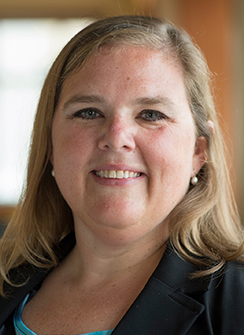 Martha Abshire合作论文数School of Nursing, Johns Hopkins University9
 Sarah L. Szanton合作论文数Center for Innovative Care in Aging, School of Nursing, Johns Hopkins University9
 Shana F Sandberg合作论文数Univ Chicago4
 Roland Thorpe合作论文数Center for Africana Studies, Krieger School of Arts & Sciences, Johns Hopkins University4
 Shelbie Atkins合作论文数3
 Karin E. Tobin合作论文数Health, Behavior and Society, Bloomberg School of Public Health, Johns Hopkins University3
 Laura N. Gitlin合作论文数Psychiatry and Behavioral Sciences, School of Medicine, Johns Hopkins University3Giovannetti Erin R合作论文数3Jennings Lee A合作论文数3Karen Bandeen-Roche合作论文数3Joseph J. Gallo合作论文数3
 Claire Wang合作论文数2Lyndsay DeGroot合作论文数Johns Hopkins University School of Nursing2
 Katie Nelson合作论文数2Noelle Pavlovic合作论文数2
 Melissa Hladek合作论文数School of Nursing, Johns Hopkins University2
 Marie T. Nolan合作论文数School of Nursing, Johns Hopkins University;Oncology Division, School of Medicine, Johns Hopkins University;Berman Institute of Bioethics, Johns Hopkins University2
 David Reuben合作论文数Division of Geriatrics, Department of Medicine, David Geffen School of Medicine, University of California2
 Mona N Bahouth合作论文数2Sarah Hudson Scholle合作论文数2Deborah Dunn合作论文数1Maureen Henry合作论文数1Jacqueline Willits合作论文数1Ashley Booth合作论文数1Natalie Wang合作论文数1
 Megan C. McCoy合作论文数1S.H. Scholle合作论文数1
 Tiffany Riser合作论文数1Tonisha J Melvin合作论文数1Emily Vo合作论文数1Elizabeth K Zink合作论文数1
 Dulce Cruz-Oliver合作论文数1Zachary Catanzarite合作论文数1Ji Won Lee合作论文数1
 Elaine Wethington合作论文数Department of Sociology, Cornell University1
 Jonathan J Suen合作论文数Johns Hopkins Sch Nursing1
 Amy R. Knowlton合作论文数Health, Behavior and Society, Bloomberg School of Public Health, Johns Hopkins University1
 Natalie Regier合作论文数School of Nursing, Johns Hopkins University1
 Leah H. Rubin合作论文数Department of Neurology and Neurosurgery, School of Medicine, Johns Hopkins University1
 Jennifer L. Wolff合作论文数Department of Health Policy and Management, Bloomberg School of Public Health, Johns Hopkins University1
 Carl Latkin合作论文数Bloomberg School of Public Health, Johns Hopkins University;School of Medicine, Johns Hopkins University1Tseng Tuo-Yen合作论文数1
 Laura J Samuel合作论文数School of Nursing, Johns Hopkins University1
 Cary Reid合作论文数Joan and Sanford I. Weill Department of Medicine, Weill Cornell Medicine, Cornell University1Anna Song Beeber合作论文数University of North Carolina at Chapel Hill1
 Manka Nkimbeng合作论文数School of Nursing, Johns Hopkins University1
 Katherine Ornstein合作论文数1
 David Moore合作论文数Department of Psychiatry, University of California, San Diego1




