The geometric design of structures with optimized physical and chemical properties is one of the core topics in materials science. However, designing new functional materials is challenging due to the vast number of existing and possible unknown structures to be enumerated and difficulties in mining the underlying correlations between structures and their properties. Here, we propose a universal method for periodic structural design and property optimization. The key in our approach is a deep-learning-assisted inverse Fourier transform, which enables the creation of arbitrary geometries within crystallographic space groups. It effectively explores extensive parameter spaces to identify ideal structures with desired properties. Taking the research of three-dimensional (3D) photonic structures as a case study, this method is capable of modelling numerous structures and identifying their photonic bandgaps in just a few hours. We confirmed the established knowledge that the widest photonic bandgaps exist in network morphologies, among which the single diamond (dia net) reigns supreme. Additionally, this method identified a rarely known lcs topology with excellent photonic properties, highlighting the infinitely extensible application boundaries of our approach. This work demonstrates the high efficiency and effectiveness of the Fourier-based method, advancing material design and providing insights for next-generation functional materials.
Structural colouration with narrow spectral photonic bandwidth and high reflectivity is of critical importance for modern optical applications, including displays, laser systems, and optical sensing, etc. Achieving such angle independent colouration typically relies on polycrystalline or inherent structural disorder. However, balancing angular uniformity with high brightness and strong colour contrast remains challenging. Herein, we uncover the structural origin of the spectacular bright, angle-independent blue colouration of Hypochrysops polycletus, a sapphire-like Royal Jewel butterfly. Three-dimensional (3D) electron microscopy reveals that the dorsal wing scale has a single diamond structure, a 3D photonic crystal previously documented only in beetles and weevils. The crystal domains form an extraordinary quasi sinusoidal surface geometry with a distinct template morphology-guided arrangement. Unlike typically thicker biophotonic structures that support multiple high symmetry stopbands, this design contains only 3-4 unit cells in the propagation direction. Its optical response is dominated by the fundamental stopband, with two dominant scattering mechanisms: specular reflection at the 111 inclined sidewalls of the hierarchical structure, and funnelling into localised quasi-normal modes enabled by a strongly anisotropic Bloch transport. By mimicking these features with two-photon polymerisation, we artificially reproduced the optical response in the infrared region. The study opens a pathway towards bioinspired brilliant diffuse colouration and angle-robust photonic devices.
Guanine crystals are renowned as one of the most appealing biogenic organic optical crystals in living organisms, widely known for their high refractive index, rivaling inorganic crystals. Since their optical excellence is governed by specific morphologies, it is imperative to comprehend the methods for controlling the growth and assembly of guanine crystals. However, the artificial control over their morphology, especially in repeating the biogenic ones, remains a formidable challenge. Herein, we present a biomimetic synthesis strategy to engineer hierarchical guanine crystal polymorphs by controlling the primary nuclei growth processes, followed by the structural modulation under the competition of hydrogen bonding and π-π interactions. Five typical crystal morphologies, ranging from dense spherical polycrystalline aggregates to thin flake crystals, were successfully synthesized. The crystallization mechanism was analyzed using principal component analysis (PCA) method in machine learning technology, where the crystal nucleation behaviors were found to be critical in determining the crystal hierarchies and a three-dimensional synthesis-field diagram mapping 30,000 possible parameter combinations has been predicted. Additionally, these morphologies significantly affect the birefringence and the reflection of the crystals. This work provides a way for tailoring biogenic crystals through precise crystal nucleation regulation and growth-directed assemblies.
The development of synthetic techniques has enabled the fabrication of mesostructured materials with high complexity. However, their large unit cell parameter and inadequate repeating units pose substantial challenges in accurately determining their intricate three-dimensional (3D) architectures using conventional X-ray diffraction and electron crystallographic techniques. Electron tomography (ET), which reconstructs a 3D volume from a series of 2D projections at different tilt angles, is an ideal tool for structure solution of mesostructures. Nonetheless, there has been no detailed comparison of reconstruction algorithms specifically for mesostructures, and obtaining high-quality ET for solving complex 3D structures remains challenging. Herein, we evaluated typical ET reconstruction algorithms, including simultaneous iterative reconstruction technique (SIRT), algebraic reconstruction technique (ART), generalized Fourier iterative reconstruction (GENFIRE) and real-space iterative reconstruction (RESIRE), for the determination of mesostructures. By applying these methods to a highly complex structure with shifted double diamond (SDD) networks, we assessed the feasibility and accuracy of structure determination abilities. Our results demonstrated that common iterative algorithms are capable of determining the SDD structure, while more recent algorithms, such as GENFIRE and RESIRE reveal more details with fewer artifacts. Combined with advanced imaging and computation apparatus, ET shows great potential for the structure determination of future mesostructured structures.
The self-assemblies of topological complex block copolymers, especially the ABn type miktoarm star ones, are fascinating topics in the soft matter field, which represent typical self-assembly behaviors analogous to those of biological membranes. However, their diverse topological asymmetries and versatile spontaneous curvatures result in rather complex phase separations that deviate significantly from the common mechanisms. Thus, numerous trial-and-error experiments with tremendous parameter space and intricate relationships are needed to study their assemblies. Herein, we applied deep learning technology to decipher the phase behaviors of the miktoarm star block copolymer PEO-s-PS2 in an evaporation-induced self-assembly system. A neural network model was trained from practical experimental data encompassing two polymer properties and three synthesis condition parameters as input variables, which successfully predicted a three-dimensional (3D) synthesis-field diagram and mined the relationship between input parameters and obtained structures. This model demonstrated the highly flexible structure modulation directions of the miktoarm star block copolymer, revealing the correlation between the polymer parameters, synthesis conditions, and the output structures due to the significant influence of the variables on spontaneous curvatures. This work demonstrated the efficiency of a deep learning technique in uncovering the underlying rules of complex self-assembly systems, providing valuable insights into the exploration of soft matter science.
Three-dimensional (3D) photonic structures enable numerous applications through their unique ability to guide, trap, and manipulate light. Constructing new functional photonic crystals remains a significant challenge since traditional design principles based on band structure calculations require numerous time-consuming computations. Additionally, traditional design is based on enumerated structures making it difficult to find novel functional geometries. Here, we propose an ultra-fast photonic crystal performance prediction method to enable efficient structure optimization of arbitrary 3D photonic crystals even with multiple variable modulation. Our methodology combines Fourier synthesis-enabling the creation of any smooth geometry within a crystallographic space group-with deep learning, which facilitates efficient photonic characterization within the vast parameter space. Over 2 million structures can be explored within 2 hours using a mainstream desktop workstation. The ideal structures with desired band properties, such as large photonic bandgap, specific frequency ranges, etc., could be rapidly discovered. We systematically confirmed the well-documented assumption that the most significant photonic bandgaps are found in minimal surface morphologies, in which the single diamond (dia net) with Fd3m (227) symmetry reigns supreme among known photonic structures, followed by the chiral single gyroid (srs net) with I4132 (214) symmetry. Additionally, a less well-known 3D photonic crystal with lcs topology within Ia3d (230) was rediscovered to exhibit a wide complete photonic bandgap, comparable to the diamond and the gyroid net. Our method not only validates the assumed hierarchy of photonic structures but also lays the foundation for the tailored design of functional materials and offers fresh insights into the advancement of next-generation optical devices and information technology.
As one of the most stunning biological nanostructures, the single-diamond (SD) surface discovered in beetles and weevils exoskeletons possesses the widest complete photonic bandgap known to date and is renowned as the "holy grail" of photonic materials. However, the synthesis of SD is difficult due to its thermodynamical instability compared to the energetically favoured bicontinuous double diamond and other easily formed lattices; thus, the artificial fabrication of SD has long been a formidable challenge. Herein, we report a bottom-up approach to fabricate SD titania networks via a one-pot cooperative assembly scenario employing the diblock copolymer poly(ethylene oxide)-block-polystyrene as a soft template and titanium diisopropoxide bis(acetylacetonate) as an inorganic precursor in a mixed solvent, in which the SD scaffold was obtained by kinetically controlled nucleation and growth in the skeletal channels of the diamond minimal surface formed by the polymer matrix. Electron crystallography investigations revealed the formation of tetrahedrally connected SD frameworks with the space group Fd [Formula: see text] m in a polycrystalline anatase form. A photonic bandgap calculation showed that the resulting SD structure has a wide and complete bandgap. This work solves the complex synthetic enigmas and offers a frontier in hyperbolic surfaces, biorelevant materials, next-generation optical devices, etc.
The emerging sodium-ion batteries (SIBs) are one of the most promising candidates expected to complement lithium-ion batteries and diversify the battery market. However, the exploitation of cathode materials with high-rate performance and long-cycle stability for SIBs has remained one of the major challenges. To this end, an efficient approach to enhance rate and cycling performance by introducing an ordered bicontinuous porous structure into cathode materials of SIBs is demonstrated. Prussian blue analogues (PBAs) are selected because they are recognized as a type of most promising SIB cathode materials. Thanks to the presence of 3D continuous channels enabling fast Na+ ions diffusion as well as the intrinsic mechanical stability of bicontinuous architecture, the resultant PBAs exhibit excellent rate capability (80 mAh g-1 at 2.5 A g-1) and ultralong cycling life (>3000 circulations at 0.5 A g-1), reaching the top performance of the reported PBA-based cathode materials. This study opens a new avenue for boosting sluggish ion diffusion kinetics in electrodes of rechargeable batteries and also provides a new paradigm for solving the dilemma that electrodes' failure due to high-stress concentration upon ion storage.
In the dynamic field of intensive aquaculture, the strategic application of probiotics has become increasingly crucial, particularly for enhancing resistance to environmental stressors such as ammonia-nitrogen. Over a 42-day period, this study investigated the effects of different probiotic strains—Bacillus subtilis (BS, 6-3-1, and HAINUP40)—on the health and resilience of hybrid groupers. Each strain, distinct in its origin, was assessed for its influence on growth performance, antioxidant capacity, immune gene expressions, and ammonia-nitrogen stress response in the hybrid grouper. The experimental design included a control group and three experimental groups, each supplemented with 1 × 10⁸ CFU/g of the respective probiotic strains, respectively. Our results demonstrated notable differences in growth parameters, including final body weight (FBW) and feed conversion ratio (FCR). The 6-3-1 strain, originating from grouper, exhibited significant improvements in growth, oxidative capacity, and intestinal health. Conversely, the BS strain achieved the highest survival rates under ammonia-nitrogen stress, indicating its superior ability to regulate inflammatory responses despite its less pronounced growth-promoting effects. The HAINUP40 strain was distinguished for its growth enhancement and improvements in intestinal health, though it also showed significant activation of inflammatory genes and decreased resistance to ammonia-nitrogen stress after extended feeding. The uniqueness of this study lies in its detailed examination of the strain-specific effects of probiotics on fish in the context of ammonia-nitrogen stress, a significant challenge in contemporary aquaculture. The research revealed that host-derived probiotics, particularly the 6-3-1 strain, provided more comprehensive benefits for growth performance and stress resilience. In contrast, the BS and HAINUP40 strains exhibited varying efficiencies, with BS excelling in stress resistance and HAINUP40 promoting growth and gut health. In conclusion, this study underscores the complex roles of different probiotic strains in aquaculture, contributing to the understanding of probiotic applications and presenting new approaches to address the challenges of intensive farming.
The single diamond (SD) network, discovered in beetle and weevil skeletons, is the 'holy grail' of photonic materials with the widest complete bandgap known to date. However, the thermodynamic instability of SD has made its self-assembly long been a formidable challenge. By imitating the simultaneous co-folding process of nonequilibrium skeleton formation in natural organisms, we devised an unprecedented bottom-up approach to fabricate SD networks via the synergistic self-assembly of diblock copolymer and inorganic precursors and successfully obtained tetrahedral connected polycrystalline anatase SD frameworks. A photonic bandstructure calculation showed that the resulting SD structure has a wide and complete photonic bandgap. This work provides an ingenious design solution to the complex synthetic puzzle and offers new opportunities for biorelevant materials, next-generation optical devices, etc.
Biological scaffolds with hyperbolic surfaces, especially single gyroid and single diamond structures, have sparked immense interest for creating novel materials due to their extraordinary physical properties. However, the ability of nature to create these unbalanced surfaces has not been achieved in either lyotropic liquid crystals or block copolymer phases due to their thermodynamical instability in these systems. Here, we report the synthesis of a porous silica scaffold with a single diamond surface structure fabricated by self-assembly of the poly(ethylene oxide)- b -polystyrene- b -poly( L -lactide) and silica precursors in a mixed solvent of tetrahydrofuran and water. The single diamond structure with tetrahedral interconnected frameworks was revealed by the electron crystallographic reconstruction. We assume that the formation of single networks is induced by the order-order phase transition through double diamond/single gyroid structures and related to the energetic change due to the fluctuations of the Gaussian curvature. This work may provide new insights into these biologically relevant surfaces and related self-assembly systems.
Biological scaffolds with hyperbolic surfaces, especially single gyroid and single-diamond structures, have sparked immense interest for creating novel materials due to their extraordinary physical properties. However, the ability of nature to create these unbalanced surfaces has not been achieved in either lyotropic liquid crystals or block copolymer phases due to their thermodynamical instability in these systems. Here, we report the synthesis of a porous silica scaffold with a single-diamond-surface structure fabricated by self-assembly of the poly(ethylene oxide)-b-polystyrene-b-poly(L-lactide) and silica precursors in a mixed solvent of tetrahydrofuran and water. The single-diamond structure with tetrahedral interconnected frameworks was revealed by the electron crystallographic reconstruction. We assume that the formation of single networks is induced by the structural transition and related to the energetic change due to the fluctuations of the Gaussian curvature. This work may provide new insights into these biologically relevant surfaces and related self-assembly systems.
Nature has created innumerable life forms with miraculous hierarchical structures and morphologies that are optimized for different life events through evolution over billions of years. Bicontinuous cubic structures, which are often described by triply periodic minimal surfaces (TPMSs) and their constant mean curvature (CMC)/parallel surface companions, are of special interest to various research fields because of their complex form with unique physical functionalities. This has prompted the scientific community to fully understand the formation, structure, and properties of these materials. In this review, we summarize and discuss the formation mechanism and relationships of the relevant biological structures and the artificial self-assembly systems. These structures can be formed through biological processes with amazing regulation across a great length scales; nevertheless, artificial construction normally produces the structure corresponding to the molecular size and shape. Notably, the block copolymeric system is considered to be an applicable and attractive model system for the study of biological systems due to their versatile design and rich phase behavior. Some of the phenomena found in these two systems are compared and discussed, and this information may provide new ideas for a comprehensive understanding of the relationship between molecular shape and resulting interface curvature and the self-assembly process in living organisms. We argue that the co-polymeric system may serve as a model to understand these biological systems and could encourage additional studies of artificial self-assembly and the creation of new functional materials.
Correction for 'Silica cubosomes templated by a star polymer' by Congcong Cui et al., RSC Adv., 2019, 9, 6118-6124.
[This corrects the article DOI: 10.1039/C8RA09130G.].
The organization of amphiphilic molecules into well-defined geometries and morphologies is an area of fundamental and practical importance. Herein, we report silica cubosomes synthesized by the cooperative self-assembly of the amphiphilic star polymer poly(ethylene glycol)-(polystyrene) 2. The silica cubosomes exhibit a spherical shape and a highly ordered bicontinuous diamond-surface structure. A new synthesis-field diagram was constructed based on the mass ratio of THF, HCl (2 M) and the polymer. Moreover, the mechanism of the formation of silica cubosomes has been revealed. Due to the inorganic framework, the silica cubosomes show enhanced stability and a wide scope of applications.
Theoretical study of the reactions between singlet oxygen and chlorophenols is an important aspect in understanding the reaction mechanism of the dye-sensitized photodegradation.With the intention of finding certain predictors to be used for the determination of the most probable reaction path and estimating the dye sensitized photodegradation rates of chlorophenols,the reactions of ~1O_2 with six chorophenols(CPs),including 2-CP,3-CP,4-CP,2,4-DCP,2,4,6-TCP and PCP,was investigated by using the density functional theory.Results suggested that 1,3-addition to a double bond connected to a hydrogen-carrying group,resulting in the formation of allylic hydroperoxides,and 1,4-addition to chlorophenols to form of hydroperoxide ketones are thermodynamically more likely to take place.Furthermore,the reaction barrier of the former one is lower than that of later one,which tends to conclude that 1,3-addition to a double bond connected to a hydrogen-carrying group to form allylic hydroperoxides is the most likely route.When the solvent effect was considered via polarizable continuum model(PCM) computations,reactions are thermodynamically more likely to take place in presence of water,but the reaction barriers increased.Also it was observed that with the increase of chlorine substitutions,the reactions become less exergonic and dynamically less favorable due to the increase in reaction barriers.
Theoretical study of the reactions between singlet oxygen and chlorophenols is an important aspect in understanding the reaction mechanism of the dye-sensitized photodegradation. With the intention of finding certain predictors to be used for the determination of the most probable reaction path and estimating the dye-sensitized photodegradation rates of chlorophenols, the reactions of 1O2 with six chlorophenols (CPs), including 2-chlorophenol (2-CP), 3-CP, 4-CP, 2,4-dichlorophenol (2,4-DCP), 2,4,6-trichlorophenol (2,4,6-TCP) and pentachlorophenol (PCP), were investigated by using the density functional theory. Results suggested that 1,3-addition to a double bond connected to a hydrogen-carrying group, resulting in the formation of allylic hydroperoxides, and 1,4-addition to chlorophenols to form of hydroperoxide ketones are thermodynamically more likely to take place. Furthermore the reaction barrier of the former one is lower than that of later one, which tends to conclude that 1,3-addition to a double bond connected to a hydrogen-carrying group to form allylic hydroperoxides is the most likely route both in gas phase and aqueous solution. Those reactions are thermodynamically more likely to take place in presence of water, but the reaction barriers increased. Also it was observed that with the increase of chlorine substitutions, the reactions become less exergonic and kinetically less favorable due to the increase in reaction barriers.
 Lu Han (韩璐)合作论文数School of Chemical Science and Engineering, Tongji University15
 Shunai Che (车顺爱)合作论文数School of Chemistry and Chemical Engineering, Shanghai Jiao Tong University8
 Yuanyuan Cao (曹渊渊)合作论文数School of Materials Science and Engineering, East China University of Science and Technology6
 Quanzheng Deng合作论文数3
 Hao Chen合作论文数Inst Math Sci, ShanghaiTech Univ3
 Yiyong Mai (麦亦勇)合作论文数School of Chemistry and Chemical Engineering, Shanghai Jiao Tong University3Chong Zhang合作论文数2Chao Wang合作论文数2Wenting Mao合作论文数2
 Shunsuke Asahina (朝比奈俊輔)合作论文数Advanced Material Analysis Co-creation Research Center, Institute of Multidisciplinary Research for Advanced Materials, Tohoku University2
 Matthias Saba合作论文数Theoretische Physik, Friedrich-Alexander Universität Erlangen-Nürnberg2Haijun Wang (王海军)合作论文数School of Chemical and Material Engineering, Jiangnan University2Qijun Song (宋启军)合作论文数School of Chemical and Material Engineering, Jiangnan University2
 Haiyan Wu (吴海燕)合作论文数Jiangnan University2Liwei Chen合作论文数1Chen Tang合作论文数1Huizhong Shi合作论文数1
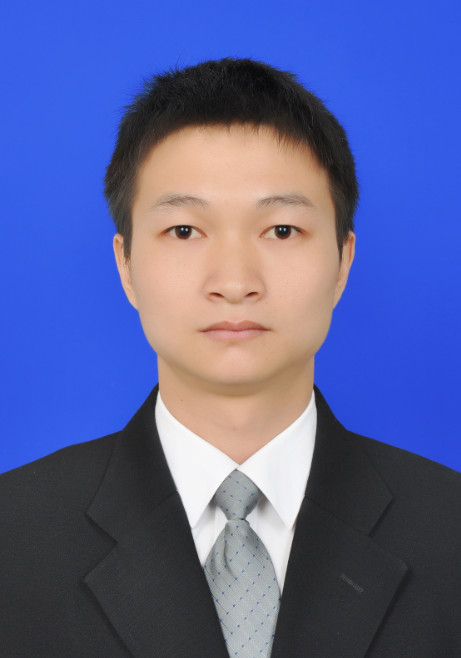 Fugui Xu (徐富贵)合作论文数School of Chemistry and Chemical Engineering, Shanghai Jiao Tong University1Qingqing Sheng合作论文数1Yixiao Zhang合作论文数1Wenwei Zhang合作论文数1
 Yan Cai (蔡岩)合作论文数School of Marine Biology and Fisheries, Hainan University1Yuanbo Li合作论文数1
 Shifeng Wang (王世锋)合作论文数School of Marine Biology and Fisheries, Hainan University1
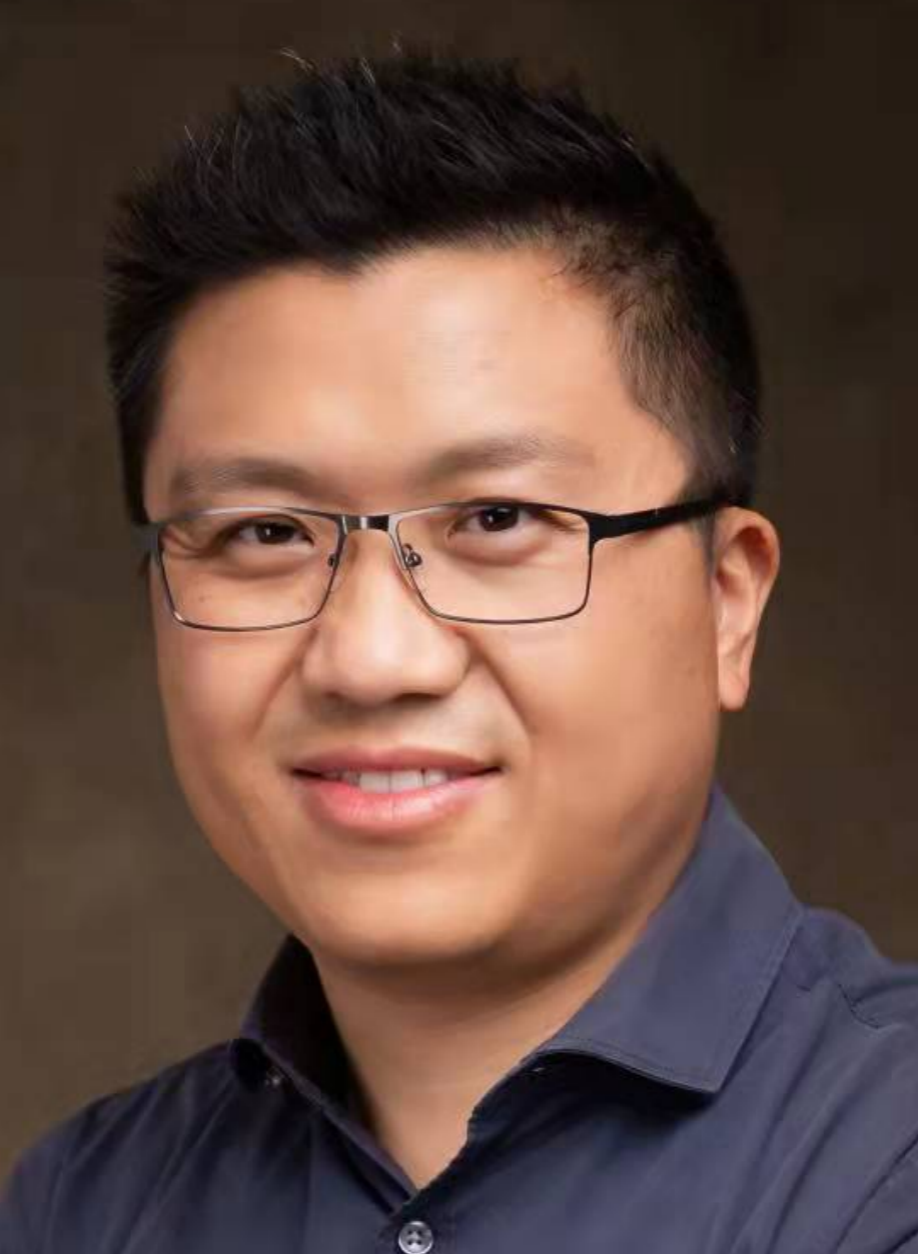 Wang Zhang (张旺)合作论文数School of Materials Science and Engineering, Shanghai Jiao Tong University1
 Xiaoshi Qian (钱小石)合作论文数School of Mechanical Engineering, Shanghai Jiao Tong University1
 Pan Liu (刘攀)合作论文数Center of Hydrogen Science, School of Materials Science and Engineering, Shanghai Jiao Tong University1Hefei Zhang (张贺飞)合作论文数1Aiping Wu合作论文数1
 Yuru Deng (邓瑜如)合作论文数Wenzhou Institute, University of Chinese Academy of Sciences1




