This paper is a response to the suggestion that processes provide a better framework for interpreting science, biological science especially, than do substances. The philosopher of substance is ill-prepared, it has been suggested, for the question 'how a combination of processes canmaintain the appearance of stability and persistence in an entity that is fundamentally only a temporary eddy in a flux of change'. In response, I defend a plural ontology of process, activity, event and continuant, and show how a sortalist philosophy of substance that makes Hilary Putnam's distinction of 'realism' from 'metaphysical realism' can treat disputed questions concerning the identity and individuation of colonial siphonophores, slime moulds and plant-colonies.
An abstract is not available for this content so a preview has been provided. Please use the Get access link above for information on how to access this content.
An abstract is not available for this content. As you have access to this content, full HTML content is provided on this page. A PDF of this content is also available in through the ‘Save PDF’ action button.
Abstract 1. Hilary Putnam's conception of ethics is not best understood as a form of ‘moral realism’, but as a position consequent upon the pragmatist understanding of the relation between truth and rational acceptability – ideas that Putnam argues are not confined to laboratory science. Just as our conception of the visible world is founded in reason as informed by sense perception, why cannot our moral notions appear to reason itself as that is shaped or informed by our situation and our nature, our vital needs and our capacity to respond to those needs through the invention and refinement of ethical notions? In following out this proposal, I try to show how well Putnam's conception of rational acceptability can consist and cohere with the constraint upon enquiry that C. S. Peirce calls ‘secondness’. 2. Putnam writes ‘we invent moral words for morally relevant features of situations, which lead to further refinements of our moral notions’. Enlarging on this claim, the paper reconstructs some of the ways in which human beings can arrive through a practical reason of the unforsakeable at an ethos – a shared way of living – and at what Putnam calls ‘a moral image of the world’. 3. The paper then sets out some of Putnam's conclusions concerning agreement and disagreement, the supposed dichotomy of fact and value, the supposed problem of the perception of value, and the implausibility of Lionel Robbins's claim that economics and ethics can have no closer relation than mere juxtaposition. 4. In conclusion, the paper touches upon the merits or demerits of the very idea of a ‘moral reality’.
Ryle's account of practical knowing is much controverted. The paper seeks to place present disputations in a larger context and draw attention to the connection between Ryle's preoccupations and Aristotle's account of practical reason, practical intelligence, and the way in which human beings enter into the way of being and acting that Aristotle denominates ethos. Considering matters in this framework, the author finds inconclusive the arguments that Stanley and Williamson offer for seeing knowing how to as a special case of knowing that. The paper then explores certain implications of the author's position for the philosophy of mind and the grammatical analysis of constructions involving 'know how to'. It ends with a neo-Rylean remark about Aristotelian nous.
The paper takes off from the problem of finding a proper content for the relation of identity as it holds or fails to hold among ordinary things or substances. The necessary conditions of identity are familiar, the sufficient conditions less so. The search is for conditions at once better usable than the Leibnizian Identity of Indiscernibles (independently suspect) and strong enough to underwrite all the formal properties of the relation.It is contended that the key to this problem rests at the level of metaphysics and epistemology alike with a sortalist position. Sortalism is the position which insists that, if the question is whether a and b are the same, it has to be asked what are they? Any sufficiently specific answer to that question will bring with it a principle of activity or functioning and a mode of behaviour characteristic of some particular kind of thing by reference to which questions of persistence or non-persistence through change can be adjudicated.These contentions are illustrated by reference to familiar examples such as the human zygote, the Ship of Theseus and Shoemaker's Brown-Brownson. The first example is hostage for a mass of unproblematical cases. The problems presented by the second and third sort of examples arise chiefly (it is claimed) from an incompleteness in our conceptions of the relevant sort-the what the thing in question is. That incompleteness need not prevent us from knowing perfectly well which thing we are referring to. In the concluding section, sortalism is defended against various accusations of anthropocentrism.The paper touches on the interpretation of Heraclitus, Leibniz's theory of clear indistinct ideas, the difficulties of David Lewis's 'perdurantist' or stroboscopic view of persistence, four-dimensionalism, and the relation of personal identity both to experiential memory and to the particular bodily physiognomy of a subject. At some points-as in connection with the so-called Only a and b rule-the paper corrects, supplements or extends certain theses or formulations proposed in the author's Sameness and Substance Renewed (2001).
The paper argues that the causal argument urged by Benacerraf and others against mathematical Platonism misuses the truth that lurks behind the causal theory of knowing-a theory which the paper traces back to Charles Sanders Peirce's account of the fixation of belief. Once we see (as Peirce himself came to see) that the essential insight of that theory relates not to causation but to the determination of belief and to rational vindication-of which mathematical proof is a special case-it becomes plain that the proper place to interrogate and refi ne Platonism lies not within general metaphysics but within mathematical philosophy. Th ere is no sensible separation to be made between (1) the train of thought which at once explains and vindicates our collective belief in a given mathematical proposition; (2) the sense that we attach to the proposition which commands our collective assent; and (3) the account that is to be given of what the proposition with that sense is about-the objects which Quine's ontological criterion suggests we commit ourselves to in embracing the proof of the proposition thus understood.
BACKGROUND Nonsurgical subxiphoid pericardial access may be useful in ventricular tachycardia ablation and other electrophysiologic procedures but has a risk of right ventricular puncture.OBJECTIVE The purpose of this study was to identify a signature pressure frequency that would help identify the pericardial space and guide access.METHODS The study consisted of 20 patients (8 women and 12 men; mean age 59.1 +/- 14.2 years; left ventricular ejection fraction 25.2% +/- 12.2%; failed 1.8 +/- 0.5 endocardial ablations; unresponsive to 2.0 +/- 1.0 antiarrhythmic drugs; 6 ischemic cardiomyopathy, 12 nonischemic cardiomyopathy, 2 normal heart; 4 previous sternotomy) undergoing epicardial ventricular tachycardia ablation. After pericardial access was obtained, a 10Fr long sheath was used to record pressure inside the pericardium and pleural space. Pressures were analyzed using a fast Fourier transform to identify dominant frequencies in each chamber.RESULTS Mean pressures in the pleural space and the pericardium were not different (7.7 +/- 1.9 mmHg vs 7.8 +/- 0.9 mmHg, respectively). However, the pericardial space in each patient demonstrated two frequency peaks that correlated with heart rate (1.16 +/- 0.21 Hz) and respiratory rate (0.20 +/- 0.01 Hz), whereas the pleural space in each patient had a single peak correlating with respiratory rate (0.20 +/- 0.01 Hz).CONCLUSION The pericardial space demonstrates a signature pressure frequency that is significantly different from the surrounding space. This difference may make minimally invasive subxiphoid pericardial access safer for nonsurgeons and may have important implications for electrophysiologic procedures.
Atrial Fibrillation Centers (AFCs) are becoming increasingly common and are often developed at institutions to provide comprehensive evaluation and management for patients with atrial fibrillation (AF) including catheter and surgical ablation. Studies have shown that women and racial minority patients are less likely to be offered aggressive or invasive therapies. The University of Virginia (UVA) AFC was opened in 2004. We analyzed data collected during initial visits to our AFC from 2004-2008 to determine the gender and racial characteristics of a tertiary AFC population. Multivariable regression analysis was used to compare clinical characteristics. There were a total of 1664 consecutive initial patient visits. Cardiologists referred 61% and primary care physicians referred 37% of patients. Twice as many men were referred as women (570 vs. 1094; P<0.0001). Women were older (68.0±11.9 vs. 62.4±13.0 years; P<0.0001) and more symptomatic with palpitations (80% vs. 73%; P=0.008), but otherwise were not substantially different from men. Our referring physicians treated the majority of both men and women with anticoagulant and rate-controlling medications. African American patients accounted for 2.8% of AFC initial visits. In contrast, they accounted for 7.4% of patients seen for a primary diagnosis of AF at all other UVA outpatient clinics (P<0.0001). In conclusion, the demographics of a tertiary AFC are different than those of the general population. Women and racial minority patients are underrepresented, and the women have few comorbidities and symptoms than the known epidemiology would lead us to expect.
The great variousness and plurality of goodness has given comfort to general scepticism about values and a multitude of metaethical attitudes or predilections. But is this variousness and plurality really the hotch-potch it has appeared? The paper recapitulates and expands von Wright's typology of the varieties of goodness and looks to explain the order or system that underlies the phenomena by developing and extending a conjecture of aristotle's, the so-called 'focal hypothesis', and combining there-with a suggestion of von Wright's, to the effect that the central case of something good is the faring well of a being. By means of focal hypothesis, one may account fairly well for medical, technical, instrumental, beneficial and utilitarian goodness. Other varieties such as hedonic and ethical goodness complicate the picture, as also do all cases where it seems that an antecedent king of goodness impinges upon a being. These complications mirror in part the finding that the human scale of values is not a scale exclusively of human values.
This is the text of The Lindley Lecture for 2008, given by David Wiggins, a British philosopher.
Background— Catheter ablation of atrial fibrillation is currently guided by x-ray fluoroscopy. The associated radiation risk to patients and medical staff may be significant. We report an atrial fibrillation ablation technique using intracardiac echocardiography (ICE) and electroanatomic mapping without fluoroscopy. Methods and Results— Twenty-one patients with atrial fibrillation (age, 42 to 73 years; 14 male; 14 paroxysmal, 7 persistent; body mass index, 26 to 38) underwent ablation. A decapolar catheter was advanced through the left subclavian vein until stable coronary sinus electrograms appeared on all electrodes. Two 9F sheaths were advanced transfemorally over a guide wire to the right atrium. A rotational ICE catheter was advanced through a deflectable sheath. Double transseptal puncture was performed with ICE guidance and facilitated by electrocautery. A 3D MRI left atrial image was registered to the ostia of the pulmonary veins using ICE. Catheter ablation was performed using ICE and electroanatomic mapping navigation. In 19 cases, no fluoroscopy was used and the staff did not wear protective lead. In 2 cases, 2 to 16 minutes of fluoroscopy was used to assist transseptal puncture. Median procedure time was 208 (188 to 221) minutes; coronary sinus cannulation took 5 (2 to 26) minutes; double transseptal took 26 (17 to 40) minutes; left atrial ablation time was 103 (90 to 127) minutes. All patients underwent circumferential pulmonary vein ablation and 8 patients underwent additional left atrial ablation. There were no procedure-related complications. Conclusions— Catheter ablation of atrial fibrillation without fluoroscopy is feasible and merits further attention. This technique may be especially helpful in preventing x-ray exposure in children, pregnant women, and obese patients undergoing left atrial ablation.
Software-defined radios (SDRs) are now recognized as a key building block for future wireless communications. We have spent the past year enhancing existing open software to create a software-defined data radio. This radio extends the notion of software-defined behavior to higher layers in the protocol stack: most importantly through the media access layer. Our particular approach to the problem has been guided by the desire to allow fine-grained cognitive control of the radio. We describe our system, Adaptive Dynamic Radio Open-source Intelligent Team (ADROIT).
The reflections recorded in this paper arise from three moments in the theory of definition and of conceptual analysis. The moments are: (I) Frege's (1894) review of Husserl's Philosophy of Arithmetic (Vol. I), the discussion there of the paradox of analysis, and the division that Frege marks, ensuing upon his distinction of Sinn/sense from Bedeutung/reference, between two different conceptions of definition; (II) Leibniz's still serviceable account (1684, 1704) of a distinction between the clarity and the distinctness of ideas—a distinction that prompts the suggestion that the guiding purpose of lexical definition is Leibnizian clarity whereas that of real definition (as Aristotle has us conceive it) is inseparable from the pursuit of Leibnizian distinctness; (III) Leibniz's speculations (1679) concerning the limit or terminus of analysis. The apparent failure of these speculations, casting doubt as it does upon the aspirations that give rise to them (aspirations not necessarily or entirely alien to the Zeitgeist of our own epoch), points to the long-standing need to reconfigure the philosophical business of enquiry into concepts.
We have created a sensor-sharing protocol that uses cognition to increase performance by choosing protocol parameters based on the current environment and the past relationships between environment and performance. We have constructed a prototype of the protocol, and experimented with it in a four-node outdoor testbed. Our testbed is part of a larger effort, ADROIT, which seeks to create cognitive teams of software-defined radios [l].
The ADROIT project is building an open-source software-defined data radio, intended to be controlled by cognitive applications. The goal is to create a system that enables teams of radios, where each radio both has its own cognitive controls and the ability to collaborate with other radios, to create cognitive radio teams. The desire to create cognitive radio teams, and the goal of having an open-source system, requires a rich and carefully architected system that provides great flexibility (enabling cognitive applications to change the radio's behavior) and also has a clear structure (both so that others may add or enhance the software, and also so that the system can be clearly modeled for cognitive applications). What follows is a summary of the ADROIT system and the key architectural features intended to enable cognitive radio teams.
Nonalcoholic steatohepatitis (NASH) is a common feature of the metabolic syndrome and toxic reactions to pharmacological drugs. Tamoxifen, (TMX) a widely used anti-breast cancer drug, can induce NASH and changes in plasma cholesterol levels through mechanisms that are unclear. We studied primary actions of TMX using a short-term treatment (5 days) that induces microvesicular hepatic steatosis and marked hypercholesterolemia in male rats. Using a combined approach of gene expression profiling and NMR-based metabolite analysis, we found that TMX-treated livers have increased saturated fatty acid content despite changes in gene expression, indicating decreased de novo lipogenesis and increased fatty acid oxidation. Our results show that TMX predominantly down-regulates FAS expression and activity as indicated by the accumulation of malonyl-CoA, a known inhibitor of mitochondrial beta-oxidation. In the face of a continued supply of exogenous free fatty acids, the blockade of fatty acid oxidation produced by elevated malonyl-CoA is likely to be the major factor leading to steatosis. Use of a combination of metabolomic and transcriptomic analysis has allowed us to identify mechanisms underlying important metabolic side effects of a widely prescribed drug. Given the broader importance of hepatic steatosis, the novel molecular mechanism revealed in this study should be examined in other forms of steatosis and nonalcoholic steatohepatitis.
Inclusion of the PPARalpha (peroxisome-proliferator-activated receptor alpha) activator WY 14,643 in the diet of normal mice stimulated the hepatic expression of not only genes of the fatty acid oxidation pathway, but also those of the de novo lipid synthetic pathways. Induction of fatty acid synthase mRNA by WY 14,643 was greater during the light phase of the diurnal cycle, when food intake was low and PPARalpha expression was high. Hepatic fatty acid pathway flux in vivo showed a similar pattern of increases. The abundance of mRNAs for genes involved in hepatic cholesterol synthesis was also increased by WY 14,643, but was associated with a decrease in cholesterogenic carbon flux. None of these changes were apparent in PPARalpha-null mice. Mice of both genotypes showed the expected decreases in 3-hydroxy-3-methylglutaryl-CoA reductase mRNA levels and cholesterol synthesis in response to an increase in dietary cholesterol. The increase in fatty acid synthesis due to WY 14,643 was not mediated by increased expression of SREBP-1c (sterol regulatory element binding protein-1c) mRNA, but by an increase in cleavage of the protein to the active form. An accompanying rise in stearoyl-CoA desaturase mRNA expression suggested that the increase in lipogenesis could have resulted from an alteration in membrane fatty acid composition that influenced SREBP activation.
Several missense mutations in the ligand-binding domain of human peroxisome proliferator-activated receptor ( PPAR) gamma have been described in subjects with dominantly inherited severe insulin resistance associated with partial lipodystrophy, hypertension, and dyslipidemia. These mutant receptors behave as dominant-negative inhibitors of PPAR gamma signaling when studied in transfected cells. The extent to which such dominant-negative effects extend to signaling through other coexpressed PPAR isoforms has not been evaluated. To examine these issues further, we have created a PPAR alpha mutant harboring twin substitutions, Leu459Ala and Glu462Ala, within the ligand binding domain ( PPAR alpha(mut)), examined its signaling properties, and compared the effects of dominant-negative PPAR alpha and PPAR gamma mutants on basal and ligand-induced gene transcription in adipocytes and hepatocytes. PPAR alpha(mut) was transcriptionally inactive, repressed basal activity from a PPAR response element-containing promoter, inhibited the coactivator function of cotransfected PPAR-gamma coactivator 1 alpha, and strongly inhibited the transcriptional response to cotransfected wild-type receptor. In contrast to PPAR gamma, wild-type PPAR alpha failed to recruit the transcriptional corepressors NCoR and SMRT. However, PPAR alpha(mut) avidly recruited these corepressors in a ligand-dissociable manner. In hepatocytes and adipocytes, both PPAR alpha(mut) and the corresponding PPAR gamma mutant were capable of inhibiting the expression of genes primarily regulated by PPAR alpha, -gamma, or -delta ligands, albeit with some differences in potency. Thus, dominant-negative forms of PPAR alpha and PPAR gamma are capable of interfering with PPAR signaling in a manner that is not wholly restricted to their cognate target genes. These findings may have implications for the pathogenesis of human syndromes resulting from mutations in this family of transcription factors.
 GF GIBBONS合作论文数17Geoffrey F. Gibbons合作论文数6P Lund合作论文数4Nick Goffee合作论文数4Armando Caro合作论文数BBN Technologies, Cambridge, MA, USA4Gregory D. Troxel合作论文数4Talib S. Hussain合作论文数Queen ' s University4Reginald Hems合作论文数4
 Vikas Kawadia合作论文数Meta4
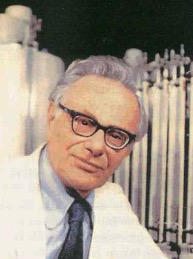 Hans Adolf Krebs合作论文数University of Oxford4
 Karen Zita Haigh合作论文数Haskill Consulting4Isidro Castineyra合作论文数4CS BOURGEOIS合作论文数3Dd Patel合作论文数3Pamela K Mason合作论文数3
 Matthew Brown合作论文数Australian Translational Genomics Centre, The Queensland University of Technology;Genomics England3
 John D Ferguson合作论文数3
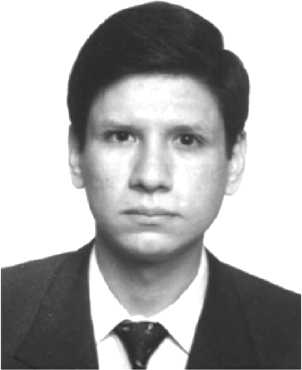 Cesar A. Santivanez合作论文数Internetwork Research Department, BBN Technology3Paul G. Rubel合作论文数3
 Srijoy Mahapatra合作论文数3Brian L. Knight合作论文数3Joanne Mikkelson合作论文数2Steve Boswell合作论文数2
 Stephen O'Rahilly合作论文数Department of Clinical Biochemistry, University of Cambridge;Institute of Metabolic Science, University of Cambridge2
 Ram Ramanathan合作论文数GoTenna Inc.2
 John P. Dimarco合作论文数School of Medicine, University of Virginia2Alberto Medina合作论文数2
 Thomas Schmid合作论文数University of California, Los Angeles2
 Mani Srivastava合作论文数Networked & Embedded Systems Laboratory, University of California, Los Angeles;Electrical and Computer Engineering Department, Samueli School of Engineering, University of California, Los Angeles;Amazon2
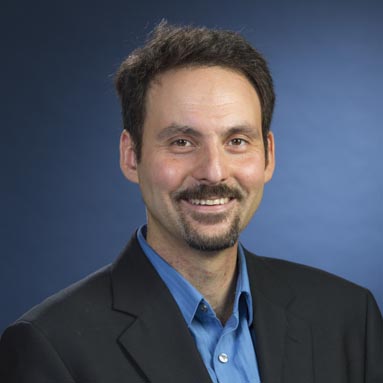 Alexander M. Wyglinski合作论文数Department of Electrical and Computer Engineering, Worcester Polytechnic Institute2Sandy M. Humphreys合作论文数2Patricia Lund合作论文数2Eric Blossom合作论文数2George Mcdaniel合作论文数2Sadaf Zahedi合作论文数2Alex Colvin合作论文数2Robert S. Vincent合作论文数2Gary J Minden合作论文数Electrical Engineering & Computer Science
The University of Kansas2
Alexander M. Wyglinski合作论文数Department of Electrical and Computer Engineering, Worcester Polytechnic Institute2Sandy M. Humphreys合作论文数2Patricia Lund合作论文数2Eric Blossom合作论文数2George Mcdaniel合作论文数2Sadaf Zahedi合作论文数2Alex Colvin合作论文数2Robert S. Vincent合作论文数2Gary J Minden合作论文数Electrical Engineering & Computer Science
The University of Kansas2 Joseph B. Evans合作论文数Department of Electrical Engineering & Computer Science, The University of Kansas;Information & Telecommunication Technology Center, The University of Kansas;STR2David Lapsley合作论文数2James Michael Mangrum合作论文数2Tad Dreier合作论文数2
 Carl Livadas合作论文数2David Hauton合作论文数2
 Vivek Raghunathan合作论文数University of Illinois at Urbana-Champaign2Dan Sumorok合作论文数2M. Jimenez-Linan合作论文数1M STUBBS合作论文数1william nii tetteh合作论文数1




