Adeno-associated virus (AAV)-based gene therapy has made steady progress towards efficient delivery to numerous target cell populations, yet the virus's 5 kb packaging limit remains a challenge for effective and in some cases cell-selective cargo expression. Here, we introduce Expression-Linked Promoter Selection (ELiPS), a high-throughput platform for generating and functionally screening >10 6 engineered, short promoter variants using an AAV expression platform. ELiPS relies on a Golden Gate cloning method to build random oligomers of selected transcription factor binding sites (TFBSs) upstream of a minimal promoter, GFP, and a unique 3' barcode. As a proof of concept, to engineer short (~250 bp), synthetic, ubiquitous promoters, we applied ELiPS to build two libraries composed of TFBSs for ubiquitously expressed transcription factors (TFs) and screened them via AAV-mediated transduction in vitro . This strategy identified promoters with expression surpassing human cytomegalovirus (CMV) and CAG in vitro, and one variant was capable of driving therapeutic expression of B-domain-deleted Factor VIII (BDDFVIII) in vivo at levels comparable to a liver-specific promoter benchmark. ELiPS thus establishes a scalable framework for promoter discovery, enabling the design of compact, ubiquitous or cell-selective expression cassettes that enable further precision and efficacy in AAV-based gene therapies.
Effective delivery to target cell types remains a major obstacle for gene therapy. Recombinant adeno-associated viruses (AAVs) have proven to be effective delivery vectors for the treatment of several diseases yet still have to demonstrate efficient delivery to many cell types, including cells of the peripheral nervous system. Schwann cells-essential for myelination, nerve regeneration, and general nerve maintenance-are strategic gene therapy targets for treating peripheral neuropathies but present unique challenges for gene delivery due to their protective barriers and diffuse localization throughout the body. To address this issue, we engineered novel AAV variants with enhanced transduction efficiency toward Schwann cells. Using directed evolution, we identified two groups of capsids with significantly improved delivery to these cells in mice or human. In addition to higher transduction efficiencies, human-tropic capsids also demonstrated higher resistance to antibody neutralization compared to natural serotypes. In vivo studies of mouse-tropic capsids confirmed higher selectivity, improved packaging titers, and decreased localization to the liver. These engineered AAVs are valuable tools for studying Schwann cells and offer new avenues for the treatment of peripheral nerve disorders.
In vitro stem cell models of human gastrulation have been an advance for developmental biology, though elucidating mechanisms of germ layer formation remains challenging. While investigating whether spatially-patterned signaling is required for germ layer formation, we tested a “salt-and-pepper” signaling strategy in which WNT was optogenetically activated in a subset of human pluripotent stem cells (hPSC) uniformly mixed into an aggregate. Following mesendodermal specification, WNT-activated cells spatially segregated into a hemisphere, then underwent further differentiation and organization into mesoderm and endoderm. RNAseq-based lineage analysis revealed that WNT activation non-autonomously induced TGFβ/BMP signaling, leading to robust emergence of an anterior visceral endoderm-like population that patterned adjacent neural and mesendodermal fates. Transcriptional profiles and trajectories closely mirrored those observed during human gastrulation. Moreover, TGFβ or cadherin perturbation disrupted germ layer formation or spatial organization, respectively. This simple model thus enables mechanistic dissection of complex human lineage specifications and organization during gastrulation.
Adeno-associated virus (AAV) has emerged as a highly promising vector for human gene therapy due to its favorable safety profile, versatility, and ability to transduce a wide range of tissues. However, natural AAV serotypes have shortcomings, including suboptimal transduction efficiency, pre-existing immunity, and a lack of tissue specificity, that hinder their therapeutic potential. To address these challenges, significant efforts are being applied to engineer novel AAV capsids. Rational design leverages structural insights to enhance capsid properties, directed evolution enables unbiased selection of superior variants, and machine learning accelerates discovery by computational analysis of high-throughput screening results to enable predictive algorithms. These strategies have yielded novel capsids with improved transduction efficiency, reduced immunogenicity, and enhanced tissue targeting. Future advances that continue to integrate such multi-disciplinary approaches will further drive the clinical translation of AAV-based therapies.
The variability in structure and stability of adeno-associated virus serotype 9 (AAV9) in response to changes in buffer composition, pH, and temperature was investigated using charge detection mass spectrometry (CDMS). AAV9 virus-like particles (VLPs) consisting of only viral protein (VP) 3 and wild-type AAV9 capsids (i.e., capsids containing varying stoichiometries of VP1, VP2, and VP3) showed differences in structure, indicating that these different VP stoichiometries and compositions may contribute substantially to conformational heterogeneity. Significant differences in AAV9 structure and stability were observed in ammonium acetate (AA) vs. phosphate buffered saline (PBS) solutions under some conditions. At 37°C under acidic conditions, AAV capsids fell apart in AA, whereas in PBS, capsids underwent structural compaction. Subsequent nuclease binding experiments indicated that partially extruded DNA was the likely origin of this structural compaction that occurred under different physical and chemical conditions. Results from one freeze-thaw cycle indicated that the capsids degraded by a similar mechanism to that in acidified solution. The structural complexity revealed by CDMS highlights the advantages of this biophysical characterization method in providing, for the first time, a holistic insight into the potential heterogeneous conformational transitions of AAV9 during purification, storage, and the natural infection process.
Retinal and choroidal vascular diseases constitute a public health issue of global significance due to their high rates of occurrence and considerable treatment burden. A myriad of diseases fall under this umbrella term, all characterized by aberrant neovascularization and retinal edema in these ocular structures, with the current standard of care involving expensive and repeated injections of antiangiogenic protein therapeutics into the vitreous. In recent decades, gene therapy—the introduction of genetic material into patients for therapeutic benefit—has garnered notice as a safe and potentially single-injection strategy to treat ocular diseases. In particular, adeno-associated virus (AAV) is considered the most promising viral gene delivery tool because of its relatively low immunogenicity, nonintegrating nature, and versatility, and as a result a wide range of AAV-based therapies are currently under investigation in clinical trials. We survey the clinical landscape of AAV-based gene therapies for retinal and choroidal vascular diseases, including current state-of-the-art retinal-targeting AAV capsids and therapeutic cargos, with a special focus on low-risk intravitreal delivery methods. We summarize key ongoing and recent clinical studies, comment on the challenges and limitations presented therein, and detail important considerations for regulatory approval and eventual commercialization.
Human microphysiological systems, such as organs on chips, are an emerging technology for modeling human physiology in a preclinical setting to understand the mechanism of action of drugs, to evaluate the efficacy of treatment options for human disease and impairment, and to assess drug toxicity. By using human cells co-cultured in three-dimensional constructs, organ chips can provide greater fidelity to the human cellular condition than their two-dimensional predecessors. However, with the rise of SARS-CoV-2 and the global COVID-19 pandemic, it became clear that many microphysiological systems were not compatible with or optimized for studies of infectious disease and operation in a Biosafety Level 3 (BSL-3) environment. Given that one of the early sites of SARS-CoV-2 infection is the airway, we created a human airway organ chip that could operate in a BSL-3 space with high throughput and minimal manipulation, while retaining the necessary physical and physiological components to recapitulate tissue response to infectious agents and the immune response to infection.
The delivery of biomolecules to target cells has been a longstanding challenge in biotechnology. DNA viruses naturally evolved the ability to deliver genetic material to cells and modulate cellular processes. As such, they inherently possess requisite characteristics that have led to their extensive study, engineering, and development as biotechnological tools. Here, we overview the application of DNA viruses to biotechnology, with specific implications in basic research, health, biomanufacturing, and agriculture. For each application, we review how an increasing understanding of virology and technological methods to genetically manipulate DNA viruses has enabled advances in these fields. Additionally, we highlight the remaining challenges to unlocking the full biotechnological potential of DNA viral technologies. Finally, we discuss the importance of balancing continued technological progress with ethical and biosafety considerations.
In vivo genetic diversifiers have previously enabled efficient searches of genetic variant fitness landscapes for continuous directed evolution. However, existing genomic diversification modalities for mammalian genomic loci exclusively rely on deaminases to generate transition mutations within target loci, forfeiting access to most missense mutations. Here, we engineer CRISPR-guided error-prone DNA polymerases (EvolvR) to diversify all four nucleotides within genomic loci in mammalian cells. We demonstrate that EvolvR generates both transition and transversion mutations throughout a mutation window of at least 40 bp and implement EvolvR to evolve previously unreported drug-resistant MAP2K1 variants via substitutions not achievable with deaminases. Moreover, we discover that the nickase's mismatch tolerance limits EvolvR's mutation window and substitution biases in a gRNA-specific fashion. To compensate for gRNA-to-gRNA variability in mutagenesis, we maximize the number of gRNA target sequences by incorporating a PAM-flexible nickase into EvolvR. Finally, we find a strong correlation between predicted free energy changes underlying R-loop formation and EvolvR's performance using a given gRNA. The EvolvR system diversifies all four nucleotides to enable the evolution of mammalian cells, while nuclease and gRNA-specific properties underlying nickase fidelity can be engineered to further enhance EvolvR's mutation rates.
Artificial sensory systems, designed to emulate human senses like sight, touch, and hearing, have garnered significant attention for their potential to enhance human capabilities, improve human-machine interactions, and enable autonomous systems to better perceive their surroundings. Hydrogels, with their biocompatibility, flexibility, and water-rich polymer structure, are increasingly recognized as crucial materials in the development of these systems, especially in applications such as wearable sensors, artificial skin, and neural interfaces. This review explores various hydrogel fabrication techniques, including 3D bioprinting, electrospinning, and photopolymerization, which allow for the precise control of hydrogel properties like mechanical strength, flexibility, and conductivity. By tailoring these properties to mimic natural tissues, hydrogels offer transformative benefits in the creation of advanced, biocompatible, and durable sensory systems. We emphasize the importance of selecting appropriate fabrication methods to meet the specific functional requirements of artificial sensory applications, such as sensitivity to stimuli, durability, and ease of integration. This review further highlights the pivotal role of hydrogels in advancing future artificial sensory technologies and their broad potential in fields ranging from robotics to biomedical devices.
Neurofibromatosis type 1 (NF1) is an inherited genetic disease resulting from pathogenic mutations in NF1 that drive tumor formation along peripheral nerves, leading to many functional consequences. Tumor removal or treatment often results in regrowth and/or nerve damage. Addressing NF1 pathogenic variations at the cellular level through gene therapy holds great potential for long-term treatment of patients with NF1. Adeno-associated viruses (AAVs) are broadly used gene delivery vehicles for gene therapies because of their low pathogenicity, ability to transduce nondividing cells, and potential for long-term gene expression. This article explores the landscape of AAV-mediated gene delivery strategies for NF1, discusses the challenges of efficient delivery to relevant cell types, and highlights the progress in vector design strategies.
The behavior of stem cells is regulated by mechanical cues in their niche that continuously vary due to extracellular matrix (ECM) remodeling, pulsated mechanical stress exerted by blood flow, and/or cell migration. However, it is still unclear how dynamics of mechanical cues influence stem cell lineage commitment, especially in a 3D microenvironment where mechanosensing differs from that in a 2D microenvironment. In the present study, we investigated how temporally varying mechanical signaling regulates expression of the early growth response 1 gene (Egr1), which we recently discovered to be a 3D matrix-specific mediator of mechanosensitive neural stem cell (NSC) lineage commitment. Specifically, we temporally controlled the activity of Ras homolog family member A (RhoA), which is known to have a central role in mechanotransduction, using our previously developed Arabidopsis thaliana cryptochrome-2-based optoactivation system. Interestingly, pulsed RhoA activation induced Egr1 upregulation in stiff 3D gels only, whereas static light stimulation induced an increase in Egr1 expression across a wide range of 3D gel stiffnesses. Actin assembly inhibition limited Egr1 upregulation upon RhoA activation, implying that RhoA signaling requires an actin-involved process to upregulate Egr1. Consistently, static-light RhoA activation rather than pulsed-light activation restricted neurogenesis in soft gels. Our findings indicate that the dynamics of RhoA activation influence Egr1-mediated stem cell fate within 3D matrices in a matrix stiffness-dependent manner.
Adult neural stem cells (NSCs) reside in the dentate gyrus of the hippocampus, and their capacity to generate neurons and glia plays a role in learning and memory. In addition, neurodegenerative diseases are known to be caused by a loss of neurons and glial cells, resulting in a need to better understand stem cell fate commitment processes. We previously showed that NSC fate commitment toward a neuronal or glial lineage is strongly influenced by extracellular matrix stiffness, a property of elastic materials. However, tissues in vivo are not purely elastic and have varying degrees of viscous character. Relatively little is known about how the viscoelastic properties of the substrate impact NSC fate commitment. Here, we introduce a polyacrylamide-based cell culture platform that incorporates mismatched DNA oligonucleotide-based cross-links as well as covalent cross-links. This platform allows for tunable viscous stress relaxation properties via variation in the number of mismatched base pairs. We find that NSCs exhibit increased astrocytic differentiation as the degree of stress relaxation is increased. Furthermore, culturing NSCs on increasingly stress-relaxing substrates impacts cytoskeletal dynamics by decreasing intracellular actin flow rates and stimulating cyclic activation of the mechanosensitive protein RhoA. Additionally, inhibition of motor-clutch model components such as myosin II and focal adhesion kinase partially or completely reverts cells to lineage distributions observed on elastic substrates. Collectively, our results introduce a unique system for controlling matrix stress relaxation properties and offer insight into how NSCs integrate viscoelastic cues to direct fate commitment.
PURPOSE. Intravitreal delivery of therapeutic transgenes to the retina via engineered viral vectors can provide sustained local concentrations of therapeutic proteins and thus potentially reduce the treatment burden and improve long-term vision outcomes for patients with neovascular (wet) age-related macular degeneration (AMD), diabetic macular edema (DME), and diabetic retinopathy. METHODS. We performed directed evolution in nonhuman primates (NHP) to invent an adeno-associated viral (AAV) variant (R100) with the capacity to cross vitreoretinal barriers and transduce all regions and layers of the retina following intravitreal injection. We then engineered 4D-150, an R100-based genetic medicine carrying 2 therapeutic transgenes: a codon-optimized sequence encoding aflibercept, a recombinant protein that inhibits VEGF-A, VEGF-B, and PlGF, and a microRNA sequence that inhibits expression of VEGF-C. Transduction, transgene expression, and biological activity were characterized in human retinal cells in vitro and in NHPs. RESULTS. R100 demonstrated superior retinal cell transduction in vitro and in vivo compared to AAV2, a commonly used wild-type AAV serotype in retinal gene therapies. Transduction of human retinal pigment epithelial cells in vitro by 4D-150 resulted in dose-dependent transgene expression and corresponding reductions in VEGF-A and VEGF-C. Intravitreal administration of 4D-150 to NHPs was well tolerated and led to robust retinal expression of both transgenes. In a primate model of laser-induced choroidal neovascularization, 4D-150 completely prevented clinically relevant angiogenic lesions at all tested doses. CONCLUSIONS. These findings support further development of 4D-150. Clinical trials are underway to establish the safety and efficacy of 4D-150 in individuals with wet AMD and DME.
Gene delivery vehicles based on adeno-associated viruses (AAVs) are enabling increasing success in human clinical trials, and they offer the promise of treating a broad spectrum of both genetic and non-genetic disorders. However, delivery efficiency and targeting must be improved to enable safe and effective therapies. In recent years, considerable effort has been invested in creating AAV variants with improved delivery, and computational approaches have been increasingly harnessed for AAV engineering. In this review, we discuss how computationally designed AAV libraries are enabling directed evolution. Specifically, we highlight approaches that harness sequences outputted by next-generation sequencing (NGS) coupled with machine learning (ML) to generate new functional AAV capsids and related regulatory elements, pushing the frontier of what vector engineering and gene therapy may achieve.
While extracellular matrix (ECM) stress relaxation is increasingly appreciated to regulate stem cell fate commitment and other behaviors, much remains unknown about how cells process stress-relaxation cues in tissue-like three-dimensional (3D) geometries versus traditional 2D cell culture. Here, we develop an oligonucleotide-crosslinked hyaluronic acid-based ECM platform with tunable stress relaxation properties capable of use in either 2D or 3D. Strikingly, stress relaxation favors neural stem cell (NSC) neurogenesis in 3D but suppresses it in 2D. RNA sequencing and functional studies implicate the membrane-associated protein spectrin as a key 3D-specific transducer of stress-relaxation cues. Confining stress drives spectrin's recruitment to the F-actin cytoskeleton, where it mechanically reinforces the cortex and potentiates mechanotransductive signaling. Increased spectrin expression is also accompanied by increased expression of the transcription factor EGR1, which we previously showed mediates NSC stiffness-dependent lineage commitment in 3D. Our work highlights spectrin as an important molecular sensor and transducer of 3D stress-relaxation cues.
Seizures are made up of the coordinated activity of networks of neurons, suggesting that control of neurons in the pathologic circuits of epilepsy could allow for control of the disease. Optogenetics has been effective at stopping seizure-like activity in non-human disease models by increasing inhibitory tone or decreasing excitation, although this effect has not been shown in human brain tissue. Many of the genetic means for achieving channelrhodopsin expression in non-human models are not possible in humans, and vector-mediated methods are susceptible to species-specific tropism that may affect translational potential. Here we demonstrate adeno-associated virus-mediated, optogenetic reductions in network firing rates of human hippocampal slices recorded on high-density microelectrode arrays under several hyperactivity-provoking conditions. This platform can serve to bridge the gap between human and animal studies by exploring genetic interventions on network activity in human brain tissue.
Harnessing adeno-associated virus (AAV) vectors for therapeutic gene delivery has emerged as a progressively promising strategy to treat disorders of both the central nervous system (CNS) and peripheral nervous system (PNS), and there are many ongoing clinical trials. However, unique physiological and molecular characteristics of the CNS and PNS pose obstacles to efficient vector delivery, ranging from the blood-brain barrier to the diverse nature of nervous system disorders. Engineering novel AAV capsids may help overcome these ongoing challenges and maximize therapeutic transgene delivery. This article discusses strategies for innovative AAV capsid development, highlighting recent advances. Notably, advances in next generation sequencing and machine learning have sparked new approaches for capsid investigation and engineering. Furthermore, we outline future directions and additional challenges in AAV-mediated gene therapy in the CNS and PNS.
Adeno-associated viruses (AAVs) hold tremendous promise as delivery vectors for gene therapies. AAVs have been successfully engineered-for instance, for more efficient and/or cell-specific delivery to numerous tissues-by creating large, diverse starting libraries and selecting for desired properties. However, these starting libraries often contain a high proportion of variants unable to assemble or package their genomes, a prerequisite for any gene delivery goal. Here, we present and showcase a machine learning (ML) method for designing AAV peptide insertion libraries that achieve fivefold higher packaging fitness than the standard NNK library with negligible reduction in diversity. To demonstrate our ML-designed library's utility for downstream engineering goals, we show that it yields approximately 10-fold more successful variants than the NNK library after selection for infection of human brain tissue, leading to a promising glial-specific variant. Moreover, our design approach can be applied to other types of libraries for AAV and beyond.
 John G. Flannery合作论文数Neurobiology Faculty, Department of Molecular and Cell Biology, University of California, Berkeley55
 Deniz Dalkara合作论文数CR1-INSERM;Biotherapeutics Department, Institut de la Vision30
 Sanjay Kumar合作论文数Department of Bioengineering and Therapeutic Sciences, University of California, Berkeley;Department of Bioengineering, College of Chemistry, University of California, Berkeley27
 Kevin Edward Healy合作论文数Department of Bioengineering, University of California, Berkeley;Department of Materials Science and Engineering, University of California, Berkeley27
 James T. Koerber合作论文数25
 Ravi Kane合作论文数School of Chemical and Biomolecular Engineering, College of Engineering, Georgia Institute of Technology23
 Meike Visel合作论文数23Leah C Byrne合作论文数22
 Maroof M. Adil合作论文数Department of Chemical Engineering and Materials Science;University of Minnesota;Department of Chemical Engineering and Materials Science, University of Minnesota19
 Adam Arkin合作论文数Department of Bioengineering, University of California, Berkeley;Lawrence Berkeley National Laboratory18
 David Kirn合作论文数UC Berkeley Berkeley Engineering18Melissa Kotterman合作论文数17
 Ryan R Klimczak合作论文数17
 Josh Leonard合作论文数International Institute for Nanotechnology, Weinberg College of Arts and Sciences, Northwestern University16
 John P. Wikswo Jr合作论文数Vanderbilt Institute for Integrative Biosystems Research and Education, Vanderbilt University16
 Tandis Vazin合作论文数16
 Thomas Gaj合作论文数Department of Bioengineering, The Grainger College of Engineering, University of Illinois at Urbana-Champaign15
 R Croze合作论文数15Brian K. Kaspar合作论文数15
 Priya Shah合作论文数10Narendra Maheshri合作论文数10Julie H. Yu合作论文数10
 Nicole A. Repina合作论文数9Sabrina Sun合作论文数Department of Chemical and Biomolecular Engineering, University of California9
 Douglas Clark合作论文数Department of Chemical and Biomolecular Engineering, College of Chemistry, University of California, Berkeley;Molecular Biophysics and Integrated Bioimaging Division, Lawrence Berkeley National Laboratory9
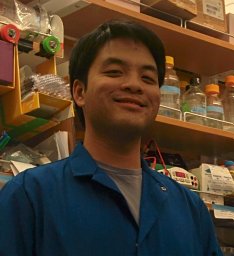 Limsirichai Prajit合作论文数Department of Plant and Microbial Biology, University of California9
 Christopher A Schmitt合作论文数Center for Neurobehavioral Genetics, University of California Los Angeles;Department of Anthropology, New York University;University of California Los Angeles, New York University9
 Muckom Riya J合作论文数Chemical and Biological Engineering Department, Colorado School of Mines9
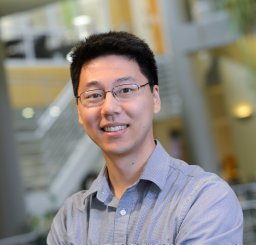 Albert J. Keung合作论文数Department of Chemical Engineering, Stanford University9
 Manish Arha合作论文数National Chemical Laboratory, Plant Tissue Culture Division, Dr. Homi Bhabha Road, Pune, 411 008 India9
 John C Burnett合作论文数8Joseph Peltier合作论文数8
 Hyun-Cheol Lee合作论文数California Inst Quantitat Biosci, Univ Calif Berkeley8
 Jieung Baek合作论文数Dept Bioengn, Univ Calif Berkeley8
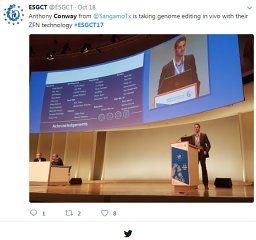 Anthony Conway合作论文数Sangamo Therapeutics8
 Irina Conboy合作论文数Department of Bioengineering, College of Engineering, University of California, Berkeley8
 Evan Miller合作论文数Department of Chemistry, College of Letters & Science, University of California, Berkeley;Department of Molecular & Cell Biology, College of Letters & Science, University of California, Berkeley8Sudrik Chaitanya合作论文数Center for Biotechnology and Interdisciplinary Studies, Rensselaer Polytechnic Institute8Peter J. Francis合作论文数8
 Jae-Hyung Jang合作论文数Department of Chemical Engineering;Neuroscience Institute;University of California;Neuroscience Institute, University of California8Kathleen D. Kolstad合作论文数8kenneth greenberg合作论文数7
 Dawn P Spelke合作论文数7Ghezal Beliakoff合作论文数7
 Randolph Ashton合作论文数Department of Biomedical Engineering, College of Engineering, University of Wisconsin-Madison7Freja K Ekman合作论文数7
 Rishikesh U. Kulkarni合作论文数Univ Calif Berkeley, Dept Chem, Berkeley, CA 94720 USA7
 Jonathan Dordick合作论文数Center for Engineering and Precision Medicine, Rensselaer Polytechnic Institute;Department of Chemical and Biological Engineering, Rensselaer Polytechnic Institute7
 Patrick Goodwill合作论文数Magnetic Insight, Inc7




