Background: Chronic obstructive pulmonary disease (COPD) is the most common respiratory disease with high morbidity and mortality. Shema oral liquid (Shema) is a traditional Chinese medicine (TCM) approved for the treatment of respiratory diseases. Clinical applications have shown that Shema has antitussive, expectorant, and anti-asthmatic effects, but its definite efficacy to COPD is still unclear. This study aimed to explore the therapeutic capacity and potential mechanism of Shema in treatment of COPD.Methods: Network pharmacology was used to investigated the possible pharmacological mechanism of Shema against COPD. A rat model of lipopolysaccharide (LPS)-induced COPD was established to determine pulmonary ventilatory function, serum inflammatory cytokines, and pulmonary pathological change. Subsequently, tandem mass tag (TMT)-based quantitative proteomics was used to further reveal the therapeutic targets related with Shema against COPD. Western blot was finally performed to validate the expression of targeted proteins screened by proteomics research.Results: Network pharmacology analysis indicated that Shema against COPD mainly inhibited the inflammation and affected the immune system. The animal experiment demonstrated that Shema treatment protected the lung tissue from LPS induced injury, inhibited the levels of serum inflammatory cytokines such as interleukin (IL)-1β, IL-6, IL-8, and tumor necrosis factor (TNF)-α, and improved the respiratory ventilatory function by upregulating forced expiratory volume in 0.1 s (FEV0.1), FEV0.3, forced vital capacity (FVC), and the ratios of FEV0.1 (0.3)/FVC. Proteomic analysis and western blot both proved that Shema inhibited the expression of DNA methyltransferase 1 (DNMT1) in the lung tissue.Conclusion: The therapeutic mechanism of Shema in treatment of COPD may involve inhibiting inflammatory response, improving pulmonary ventilatory function, and alleviating LPS-induced lung injury through regulating the expression of DNMT1. This study also shed light on the development of therapeutic strategies in treating COPD by intervening DNMT-related pathways.
目的 为含栀子及京尼平苷类药物的非临床评价和临床应用风险评估提供科学依据.方法 灌胃给药4d后,观察大鼠外观、行为及体重变化;称量肝肾重并计算脏器指数;测定大鼠血清中ALT、AST的活性以及UREA、CRE的含量.结果 与空白组比较,各给药组肝重及肝重指数显著增加,ALT、AST活性升高;而肾重及肾重指数与UREA、CRE的含量呈下降趋势.在小剂量京尼平苷干预后,可降低肝重指数及ALT、AST的活性,而对肾重指数及UREA、CRE的含量无降低作用.结论 小剂量预适应对京尼平苷和京尼平致大鼠肝损伤具有改善作用.
Alcoholic steatosis is one of the most prevalent forms of liver disease, and appropriate insight and application of anti-steatosis drugs must be considered. Geniposide, the major active constituent of the Gardenia jasminoides (Ellis) fruit, has been commonly used as a traditional herbal medicine for the treatment of liver diseases. However, its hepatoprotective effect on alcoholic steatosis has not been reported. Moreover, geniposide overdose-induced hepatotoxicity was demonstrated. Hence, its therapeutic effects and overdose-induced hepatotoxicity in rat models along with corresponding targets, especially the targets of transcription factors (TFs), were systematically investigated in this study by using a concatenated tandem array of consensus TF response elements. The results indicate that geniposide can attenuate alcoholic steatosis and liver injury by enhancing the transcriptional activities of peroxisome proliferator-activated receptor-α and hepatocyte nuclear factors 1α and 4α, while geniposide overdose perturbs other TFs. In addition, therapeutic doses and overdoses of geniposide have differentiated target TFs. This study is the first to provide a systematic insight into the difference of critical transcription factors between the actions of therapeutic doses and overdoses of geniposide, as well as much-needed attention to the important topic of alcoholic liver disease therapy.
Functional dyspepsia (FD) is one of the most prevalent functional gastrointestinal disorders, and more and more multicomponent drugs represented by traditional Chinese medicines have provided a favorable therapeutic effect in its treatment. However, their precise localization in the clinic, as well as corresponding mechanism, is ambiguous, thus hindering their widespread use. To meet this requirement, a precise and systematic approach based on a restriction of special disease-related molecules and the following network pharmacology analysis was developed and applied to a multicomponent conventional drug, XiaoErFuPi (XEFP) granules. Experimental verification of the results indicates that this approach can facilitate the prediction, and the precise and systematic efficacy of XEFP could be easily revealed, which shows that XEFP has an advantage over the positive control drug on lactate, gastrin, interleukin 4 and calcitonin gene-related peptide. Moreover, by the proteomics analysis, its superposition of multi-target effects was revealed and a new candidate target for the treatment of FD, striatin, was obtained and verified. This study provides a practicable precise approach for the investigation of the efficacy of multicomponent drugs against FD and offers a promising alternative for the systematical management of FD.
Ethnopharmacological relevance: Yuanhu Zhitong prescription (YZP) is a commonly used and relatively simple clinical herb preparation recorded in the China Pharmacopoeia. It contains Corydalis yanhusuo (Chinese name, Yanhusuo [YH]) and Angelica dahurica (Hoffm.) (Chinese name, Baizhi [BZ]), and has a long history of use in traditional Chinese medicine (TCM) for the treatment of stomach pain, hypochondriac pain, headache, and dysmenorrhea. Aim of the study: A TCM-ADMEpred method is developed for novel strategy for poly-pharmacokinetics prediction of TCM. To predict the pharmacokinetic characteristics of the main YZP constituents in rat plasma using in silico models, based on the theory that structurally similar constituents show similar pharmacokinetic properties. This approach may facilitate in silico prediction of the pharmacokinetics of TCM. Materials and methods: A robust platform using ultra-performance liquid chromatography coupled with triple quadrupole electrospray tandem mass spectrometry (UPLC-ESI-MS/MS) was developed and validated for simultaneous determination of seven active YZP constituents in rat plasma. These seven compounds were divided into two structural classes, alkaloids and coumarins. The correlation between AUC profiles within a structural class was expressed as Gamma(+), and this variable was used to develop two novel in silico models to predict constituent AUC values. The pharmacokinetics of tetrahydropalmatine, tetrahydroberberine, and corydaline following YZP administration were predicted using the Gamma(+)-values of alpha-allocryptopine observed following YH administration, while those of imperatorin and isoimperatorin following BZ administration were predicted using the Gamma(+)-values of byakangelicin observed following YZP administration. Results: The UPLC-ESI-MS/MS method was successfully used to evaluate pharmacokinetic parameters after oral YZP, YH, or BZ administration. Our findings showed that co-administration of YH and BZ increased the AUC of four alkaloid constituents and reduced the AUC of three coumarin constituents, which might provide a scientific rationale for co-administering these herbs clinically as a YZP preparation, thus increasing their efficacy and reducing toxicity. The AUC values of imperatorin and isoimperatorin were predicted 3 h after oral BZ administration, with the bias ratios between the theoretical values and the observed experimental values ranging from 0.61% to 11.4%, and average bias ratios of 5.8% and 8.0%, respectively. The AUC values of tetrahydropalmatine, tetrahydroberberine, and corydaline were predicted 3 h after oral YZP administration, with bias ratios ranging from 3.7% to 46.4%, and average bias ratios of 23.8%, 15.4%, and 25.8%, respectively. Conclusion: The UPLC-ESI-MS/MS method was successfully applied to pharmacokinetic evaluations after oral administration of YZP, YH, and BZ to rats. The Gamma(+) variable was used to express the correlation between the AUC profiles of structurally similar compounds. This facilitated the development of an in silico model that was used to predict the AUC of three alkaloids in YZP and of two coumarins in BZ. Calculation of the bias ratios between the predicted and experimental values suggested that this in silico model provided a viable approach for the prediction of TCM pharmacokinetics.
BACKGROUND:Amino acids (AAs) in cerebrospinal fluid (CSF) play a pivotal role in cerebral ischemia (CI). BuChang NaoXinTong Capsules (BNC) are widely prescribed in Chinese medicine for the treatment of cerebrovascular and cardiovascular diseases.METHODS:In order to investigate the therapeutic effects and pharmacological mechanisms of BNC on reversing CI from a system level, an amino acid-protein interaction imbalanced network of CI containing metabolites of AAs, key regulatory enzymes, and proteins was constructed for the first time. Furthermore, a novel method for detecting the ten AAs in CSF was developed by UPLC-QQQ-MS in an effort to validate the imbalanced networks and the therapeutic effects of BNC via analysis of metabolites.RESULTS:Based on a middle cerebral artery occlusion (MCAO) rat model, the dynamic levels of amino acids in CSF 3, 6, 12, and 24 h after MCAO were analyzed. Up to 24 h, the accumulated nine AA biomarkers were found to significantly change in the MCAO group compared to the sham group and exhibited an obvious tendency for returning to baseline values after BNC treatment. In addition, based on the imbalanced network of CI, four key enzymes that regulate the generation of BNC-mediated AA biomarkers were selected and validated using an enzyme-linked immunosorbent assay and western blotting. Finally, aromatic-L-amino-acid decarboxylase (AADC) was found to be one of the putative targets for BNC-mediated protection against CI.CONCLUSION:This study provides new strategies to explore the mechanism of cerebral ischemia and help discover the potential mechanism of BNC.
目的:构建大鼠感染致上火牙龈炎模型,观察黄连解毒汤对牙龈组织β-防御素1(BD-1)和β-防御素2 (BD-2)表达的影响.方法:采用牙龈黏膜下注射脂多糖法构建大鼠牙龈炎模型,模拟中医上火证候,大鼠分为6组:假手术组,模型组,黄连解毒汤低、中、高剂量组,阳性对照药组,每组10只.各组予相应药物干预.实验结束后,刮取牙龈组织,qRT-PCR法和Western blotting法分别在基因和蛋白水平检测用药前后BD-1和BD-2的表达.结果:与假手术组比较,模型组牙龈组织中BD-1和BD-2 mRNA及蛋白表达均显著降低(P<0.01);与模型组比较,黄连解毒汤低、中、高剂量组BD-1和BD-2 mRNA及蛋白表达均显著升高(P<0.05,P<0.01).结论:β-防御素与上火牙龈炎密切相关,BD-1和BD-2可能是黄连解毒汤潜在的火热证候治疗靶点.
目的:以肠吸收液为药物载体,利用拆方重组法筛选脑心通胶囊组方中发挥体外心肌保护作用的单味或多味中药,并丰富脑心通胶囊心肌保护作用的分子机制.方法:应用外翻肠囊法制备肠吸收液,体外构建过氧化氢(H2O2)损伤大鼠胚胎心肌细胞株(H9c2)模型,分为正常组、模型组、脑心通胶囊肠吸收液低、中、高剂量组(15.63,31.25,62.50 mg· L-),每组3个复孔,实验重复3次.噻唑蓝(MTT)比色法检测心肌细胞的存活率,Annexin V-FITC/PI双染结合流式细胞仪检测心肌细胞凋亡率,蛋白免疫印迹法(Western blot)检测水通道蛋白1(AQP1)蛋白的表达;同时拆方或构建重组方,MTT比色法定位脑心通胶囊组方中发挥心肌保护作用的单味或多味中药.结果:与正常组比较,模型组AQP1的表达升高(P<0.01),心肌细胞凋亡数量增多(P<0.05).与模型组比较,脑心通胶囊肠吸收液中、高剂量组均可下调AQP1的表达(P<0.05),脑心通胶囊肠吸收液高剂量组可抑制心肌细胞凋亡(P<0.05).与脑心通全方组比较,丹参、地龙和全蝎这3种单味药心肌保护作用与脑心通全方组相当,此3味药重组方高剂量组心肌保护作用强于脑心通全方组(P<0.05),去3味药重组方心肌保护作用弱于脑心通全方组(P<0.05).结论:脑心通胶囊通过抑制AQP1表达和细胞凋亡,发挥心肌保护作用;丹参、地龙和全蝎是组方中发挥心肌保护作用的主要药味.
目的:基于超高效液相色谱-线性离子阱-静电场轨道阱高分辨质谱系统(UPLC-LTQ-Orbitrap-MS)分析鉴定中药瓜蒌的化学成分.方法:瓜蒌样品粉碎过筛后采用70%甲醇超声提取,Waters HSS T3-C18色谱柱(2.1 mm×100mm,1.8 μm),流动相0.1%甲酸水溶液-甲醇梯度洗脱,流速0.3 mL·min-1,采用电喷雾离子源(ESI),正、负离子分别进行一级、二级质谱数据采集.为了获得更多的化合物信息,根据色谱峰分离情况、质谱响应强度以及一级质谱解卷积后提取得到的准分子离子数量,优化样品提取条件、色谱及质谱参数.根据精确相对分子质量、离子碎片信息、相关对照品比对,并结合瓜蒌化学成分文献信息,对其中的化学成分进行分析鉴定.结果:从瓜蒌中共分析鉴定了91个化学成分,包括14个氨基酸类化合物,5个单萜类化合物,5个四环三萜类化合物,1个五环三萜类化合物,14个黄酮类化合物,17个有机酸类化合物,3个多糖类化合物,7个核苷类化合物,7个生物碱及含氮化合物,12个挥发性成分,1个植物甾醇,及其他5种化合物.结论:该方法具有高效分离、高灵敏检测优势,可较为全面地对瓜蒌中不同类型化合物进行分析鉴定,为瓜蒌药效物质基础及质量标准研究提供参考.
Abstract Background Infection is an important clinical complication facing stroke-patients and triples the risk of death within 30 days post-stroke via mechanisms which are poorly understood. Aims We tried to explore the mechanisms that inflammation caused by infections aggravated the ischemic brain injury after middle cerebral artery occlusion (MCAO). Methods We used lipopolysaccharide (LPS) as systemic inflammatory stimuli to explore the mechanisms of aggravated ischemic brain injury after Sprague-Dawley male rats subjected to MCAO. Brain damage was evaluated by cerebral blood perfusion, Longa-5 scores, infarct volume and edema degree. Systemic cytokine responses and inflammatory changes in the plasma and brain were analyzed by ELISA kit, RT2 Profiler™ PCR array, and quantitative real-time PCR. The differential genes were subjected to Gene Ontology enrichment analysis and protein–protein interaction (PPI) network construction. Results Lipopolysaccharide profoundly aggravated the brain damage after 24 h post-MCAO. At the acute stage (ischemia/reperfusion 90 min/3 h), the brain homogenate gene expression of interleukin 6 (IL-6), tumor necrosis factor α (TNF-α), interleukin 1β (IL-1β) and Interferon gamma-induced protein 10 (IP-10) was significantly up-regulated and the contents in plasma and brain homogenate were significantly increased in MCAO and MCAO + LPS group. IP-10 was the only gene with significant difference between MCAO and MCAO + LPS group, which was also in an important position with degrees of ≥ 14 in PPI network. Conclusions It was possible that trace LPS aggravated the ischemic brain injury by induction of excessive IP-10 secretion in the acute stage, leading to excessive inflammatory response, which consequently increased the infarct volume and edema degree 24 h post-MCAO.
目的 探讨红参浓缩液对昆明小鼠免疫力的影响.方法 选用美国癌症研究所(ICR)昆明小鼠,分为红参浓缩液低(0.167 g/kg)、中(0.333 g/kg)、高(1.000 g/kg)剂量组,以去离子水为阴性对照组,连续灌胃30 d后,开展脏器/体质量比值、迟发型变态反应、刀豆蛋白A(Con A)诱导的小鼠淋巴细胞转化、抗体生成细胞检测、半数溶血值(HC50)测定、碳廓清实验、小鼠腹腔巨噬细胞吞噬鸡红细胞实验、自然杀伤(NK)细胞活性测定等研究,验证红参浓缩液是否具有调节免疫的功能.结果 红参浓缩液能增强小鼠的迟发型变态反应,即增强细胞免疫功能;提高小鼠腹腔巨噬细胞吞噬鸡红细胞的数量,即增强单核-巨噬细胞功能;促进NK细胞的活性.但其对小鼠体质量、脾脏/体质量、胸腺/体质量、淋巴细胞增殖能力、抗体生成细胞数、HC50及碳廓清功能无影响.结论红参浓缩液具有调节KM小鼠免疫功能的作用.
BAOXIN Pill was reported to be effective clinically for chronic heart failure based on the principles of traditional Chinese medicine (TCM), invigorating qi and activating blood. The present study evaluated preclinically the effects of the improved dosage form, BAOXIN Granules, on cardiac hypertrophy. Transverse aortic constriction (TAC) was performed in mice to model cardiac hypertrophy by aortic stenosis for 4 weeks. The sham and TAC group were intragastrically administrated with saline as the controls. Two treatment groups were administrated orally with 10 mg/kg⋅d Enalapril (positive control) or 0.77 g/kg⋅d BAOXIN Granules for 4 weeks respectively. The effects were evaluated by echocardiography, morphology, and biological markers for cardiac function. The specific genes involved in inflammation and fibrosis were also examined for their expressions to investigate the pathways involved in early heart failure. Just as Enalapril, BAOXIN Granules administration markedly attenuated left ventricular hypertrophy and improved heart function as evidenced by echo cardiography, morphology. Accordingly, the biomarkers of the early stage heart failure, ANP, BNP and β-MHC, were decreased in the two treatment groups. We also found that mRNA expressions of some inflammatory factors and fibrosis associated genes were down-regulated in the tissue of heart after treatment. BAOXIN Granules may protect the heart from myocardial hypertrophy caused by increasing left ventricular afterload. It can suppress both inflammatory reaction and collagen deposition during pressure overload. BAOXIN Granules is advised to be tested in clinical trials for heart failure in the future.
Background: Yixinshu Capsules (YXSC) are widely used in Chinese medicine for the treatment of cardiovascular diseases. However, the therapeutic mechanisms of action are not well understood. Method: In this study, a metabonomic approach based on integrated UPLC-Q/TOF-MS technique and MALDI-MS was utilized to explore potential metabolic biomarkers that may help increase the understanding of heart failure (HF) and in order to assess the potential mechanisms of YXSC against HF. Plasma metabolic profiles were analyzed by UPLC-Q/TOF-MS with complementary hydrophilic interaction chromatography and reversed-phase liquid chromatography. Moreover, time-course analysis at the 2nd, 4th, and 10th week after permanent occlusion was conducted. In an effort to identify a more reliable potential metabolic marker, common metabolic markers of the 2nd, 4th, and 10th week were selected through multivariate data analysis. Furthermore, MALDI-MS was applied to identify metabolic biomarkers in the blood at apoptotic positions of heart tissues. Results: The results showed that HF appeared at the fourth week after permanent occlusion based on echocardiographic assessment. Clear separations were observed between the sham and model group by loading plots of orthogonal projection to latent structure discrimination analysis (OPLS-DA) at different time points after permanent occlusion. Potential markers of interest were extracted from the combining S-plots, variable importance for the projections values (VIP > 1), and t-test (p < 0.05). Twenty-one common metabolic markers over the course of the development and progression of HF after permanent occlusion were identified. These were determined to be mainly related to disturbances in fatty acids, phosphatidylcholine, bile acids, amino acid metabolism, and pyruvate metabolism. Of the metabolic markers, 16 metabolites such as palmitoleic acid, arachidonic acid, and lactic acid showed obvious changes (p < 0.05) and a tendency for returning to baseline values in YXSC-treated HF rats at the 10th week. Moreover, four biomarkers, including palmitoleic acid, palmitic acid, arachidonic, acid and lactic acid, were further validated at the apoptotic position of heart tissue using MALDI-MS, consistent to the variation trends in the plasma. Conclusions: Taken in concert, our proposed strategy may contribute to the understanding of the complex pathogenesis of ischemia-induced HF and the potential mechanism of YXSC.
The aim of this paper was to screen out relevant genes of geniposide-induced hepatotoxicity based on genomics,in order to provide a scientific basis for the non-clinical evaluation of drugs containing Gardeniae Fructus and geniposide. Fifty-five SD rats were randomly divided into normal control group,24 h group and 72 h group. The changes of appearance,behavior and weight of rats were observed after administration by gavage for 3 days. The activities of ALT and AST were detected. Molecular mechanism of geniposideinduced hepatotoxicity was investigated by Affymetrix miRNA 4. 0 and Affymetrix Rat Gene 2. 0 to examine the gene expression levels in Sprague-Dawley rat livers at 24 h and 72 h after administration of overdose-geniposide( 300 mg·kg-1 daily),and then verified by Realtime quantitative PCR. Compared with the normal control group,the activities of ALT and AST were markedly increased. In addition,experimental results indicated that 324 genes were differentially expressed,among which 259 were up-regulated and 65 down-regulated.Nine candidate genes were verified by qRT-PCR,including Bcl2,Il1 b,Tpm3,MMP2,Col1α1,Ifit1,Aldob,Nr0 b2,Cyp2 c23. And Bcl2,Col1α1,Aldob,Nr0 b2 and Cyp2 c23 were found to be correlated with geniposide-induced hepatotoxicity. This study provides an important clue for mechanism of geniposide-induced hepatotoxicity.
Yixin-Shu capsules (YXS) are a Chinese Materia Medica standardized product used for heart disease and their effectiveness has been demonstrated through both clinical and experimental research. However, the mechanism involved has remained unclear. The effect of YXS on the cardiac-like differentiation of mesenchymal stem cells was investigated in this study. The intestinal absorption liquid of YXS was prepared using an in vitro intestinal absorption method and 62 compounds have been identified. A compound-target-function network constructed by a network pharmacology-based approach indicated that these compounds had an effect on cell differentiation. The effects of YXS on cardiac-like differentiation of mesenchymal stem cells was verified by detecting cardiac-specific protein expression such as α-actinin, cardiac troponin-I and desmin through real time-PCR, western blotting and immunofluorescence staining. A network pharmacology analysis indicated that the facilitation of YXS on the cardiac-like differentiation may be through the TGF-β signaling pathway, Wnt signaling pathway and MAPK signaling pathway. The observed improvements on cardiac differentiation may be due to the novel molecular mechanism for YXS that could also benefit developments in cardiac tissue engineering.
Gingivitis is an inflammatory disease that affects gingival tissues through a microbe-immune interaction. Huanglian Jiedu decoction (HLJD) is used traditionally for clearing and detoxifying in China, which had been reported to possess many pharmacological effects. Rat gingival inflammation model was established by lipopolysaccharide (LPS) injection for 3 consecutive days, and HLJD was given by gavage before LPS injection. After 3 days rats were sacrificed and tissue samples were evaluated. Serum cytokine levels such as interleukin-6 (IL-6) and tumor necrosis factor-α (TNF-α) were measured by enzyme-linked immunoabsorbent assay (ELISA). Oxidative stress related molecules such as total antioxidant capacity (T-AOC), malondialdehyde (MDA), and reactive oxygen species (ROS) were determined. Expression of AMP-activated protein kinase (AMPK) and extracellular signal-regulated kinases 1/2 (ERK1/2) signaling pathway were inspected by western blotting. Histological changes of gingival tissues were tested with hematoxylin-eosin (HE) staining. HLJD significantly decreased serum levels of IL-6 and TNF-α, suppressed generation of MDA and ROS, and enhanced T-AOC creation. Moreover, HLJD inhibited expressions of AMPK and ERK1/2. The inflammation severity of gingival tissue by HE staining was severe in model group but relieved in HLJD group obviously. HLJD exhibited protective effects against gingival damage through suppressing inflammation reaction and elevating antioxidation power.
Acute myocardial infarction (AMI) caused by persistent ischemia and hypoxia results in myocardial apoptosis even necrosis. Reports about C1q/TNF-related proteins (CTRPs) associated with ischemic heart disease are rare. The correlation between CTRP2 and AMI was investigated in our project. Cardiac CTRP2 expression was significantly reduced in oxidative stress-induced H9c2 cells and AMI rats. In H9c2 cells, CTRP2 knockdown significantly enhanced oxidative stress damages, whereas CTRP2 overexpression significantly attenuated damages. Furthermore, CTRP2 expression can be reversed by antioxidant inhibitor α--lipoic acid during the process of oxidative stress, which illustrates that oxidative stress regulates CTRP2 generation. In vivo CTRP2 administration to AMI rats significantly attenuated ROS generation, reduced infarct size, decreased apoptotic myocardial cells, improved cardiac function, regulated downstream ERK1/2 signaling pathway, and inhibited the formation of serum cytokines such as TNF--α and IL-6. To the best of our knowledge, this is the first study providing evidence that CTRP2 is a novel cell survival molecule in heart, contributes to exacerbated cardiac injury. Preservation or augmentation of CTRP2 expression may be the potential approaches for alleviating AMI injury.
为探究谷红注射液抗脑缺血分子机制,采用大脑中动脉阻塞建脑缺血模型,评价谷红注射液抗脑缺血药效,并采用网络药理学分析其分子机制.谷红注射液有良好抗脑缺血作用,主要通过红花黄素A、γ-氨基丁酸等131个成分调控氨基酸代谢、钙信号通路等12条通路,作用AGT、IL8等64个核心靶点而发挥作用.谷红注射液网络药理学分析揭示其抗脑缺血的物质基础、作用通路及靶点,为其深入研究提供一定的理论依据.
The traditional Chinese medicine prescription Yueju Wan has the function of regulating qi-flowing for activating stagnancy and resolving food stagnation, which is now used for the treatment of depression and gastrointestinal related diseases. In this study, an integrative pharmacological method was adopted to predict the targets and pathways of Yueju Wan and explore its molecular mechanism for depression and gastrointestinal dysfunction with the same treatment. First, disease targets were collected from Human Phenotype Ontology database, 201 targets related to depression and 474 targets related to gastrointestinal dysfunction, including 95 common targets of these two. Then, the integrative pharmacology platform of traditional Chinese medicine (TCMIP) was used to predict and analyze the drug targets, GO function, KEGG pathway, core targets network of Yueju Wan and heterogeneous network of TCM-chemical components-key drug targets-pathway. According to the integrative analysis, it is found that ATP1A1, KRAS, and PRKAA1 were key targets, and neuron apoptotic process, neurotrophin signaling pathway, serotonergic synapse and regulation of nitric-oxide synthase activity were key pathways which played important roles in molecular mechanism of Yueju Wan for depression and gastrointestinal dysfunction. In conclusion, speculated serotonergic synapse and regulation of nitric-oxide synthase activity maybe the common process in depression and gastrointestinal dysfunction. This paper provided an overall understanding on Yueju Wan based on TCMIP, helping to elucidate the mechanism of the same treatment for different diseases, depression and gastrointestinal dysfunction.
BACKGROUND:Quality marker (Q-markers) has been proposed as a novel concept for quality evaluation and standard elaboration of traditional Chinese medicine (TCM). Xin-Su-Ning capsule (XSNC) has been extensively used for the treatment of arrhythmia with the satisfactory therapeutic effects in clinics. However, it is lack of reliable and effective Q-markers of this prescription.PURPOSE:To identify potential Q-markers of XSNC against arrhythmia.STUDY DESIGN:An integrative pharmacology-based investigation was performed.METHODS:Ultra-high-pressure liquid chromatography coupled with linear ion trap-Orbitrap tandem mass spectrometry (UHPLC-LTQ-Orbitrap) was performed to identify the preliminary chemical profile of XSNC in a rapid and high-throughput manner. Then, in silico Absorption-Distribution-Metabolism-Excretion (ADME) models were utilized to screen candidate active chemical compounds characterized by drug-likeness features. In addition, drug target-disease gene interaction network was constructed, and network features were calculated to identify key candidate targets and the potential Q-markers of XSNC against arrhythmia.RESULTS:A total of 41 chemical compounds with good drug-likeness and more chances to be absorbed into body were identified as the candidate bioactive chemical compounds which might offer contributions to the therapeutic effects of XSNC against arrhythmia in vivo. Following the prediction of 921 XSNC putative targets and the construction of XSNC putative target-known therapeutic target of arrhythmia interaction network, 315 hub nodes with high connectivity were selected. Functionally, the hub nodes were involved into modulation of cardiac sympatho-vagal balance, regulation of energy production and metabolism, as well as angiogenesis and vascular circulation during the development and progression of arrhythmia. Moreover, 63 major hubs with network topological importance were chosen as XSNC candidate targets against arrhythmia. Furthermore, berberine, palmatine, scopoletin, liquiritigenin, naringenin, formononetin, nobiletin, tangeretin, 5-demethylnobiletin, kushenol E and kurarinone hitting the corresponding XSNC candidate targets were screened out to be the potential Q-markers of XSNC against arrhythmia.CONCLUSION:Our integrative pharmacology-based approach combining UHPLC-LTQ-Orbitrap, in silico ADME prediction and network target analysis may be efficient to identify potential Q-markers of TCM prescriptions. Our data showed that berberine, palmatine, scopoletin, liquiritigenin, naringenin, formononetin, nobiletin, tangeretin, 5-demethylnobiletin, kushenol E and kurarinone might function as candidate markers for qualitative evaluation of XSNC.
 Hongjun Yang (杨洪军)合作论文数China Academy of Chinese Medical Sciences48
 Haiyu Xu (许海玉)合作论文数Institute of Chinese Materia Medica, China Academy of Chinese Medical Sciences26
 GuiZhen Zong (宗桂珍)合作论文数19
 Hongwei Wu (吴宏伟)合作论文数Institute of Chinese Materia Medica, China Academy of Chinese Medical Sciences17
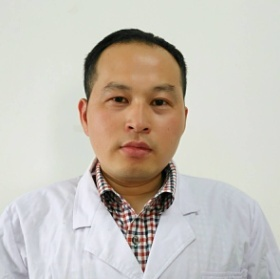 Shihuan Tang (唐仕欢)合作论文数Institute of Chinese Materia Medica, China Academy of Chinese Medical Sciences16
 ShaoJing Li (李韶菁)合作论文数Institute of Chinese Materia Medica, China Academy of Chinese Medical Sciences14
 Fangbo Zhang (张方博)合作论文数Institute of Chinese Materia Medica, China Academy of Chinese Medical Sciences12Wei Junying合作论文数11FeiFei Guo (郭非非)合作论文数Institute of Chinese Materia Medica, China Academy of Chinese Medical Sciences10
 Xin Shen (沈欣)合作论文数中国中医科学院中药研究所10
 Liying Tang (唐力英)合作论文数Institute of Chinese Materia Medica, China Academy of Chinese Medical Sciences8Chuanhong Wu合作论文数7
 Luqi Huang (黄璐琦)合作论文数National Resource Center for Chinese Materia Medica, China Academy of Chinese Medical Sciences;Nanjing University of Chinese Medicine;National Administration of Traditional Chinese Medicine7Jian Gao (高健)合作论文数Beijing University of Chinese Medicine7
 Chang Chen (陈畅)合作论文数State Key Laboratory of Biomacromolecules, Institute of Biophysics, Chinese Academy of Sciences;University of Chinese Academy of Sciences7
 Yanqiong Zhang (张彦琼)合作论文数Graduate School of Chinese Academy of Chinese Medical Sciences6MeiHong Fu (付梅红)合作论文数5ZhiYing Huang (黄志英)合作论文数5Jing Fang (方婧)合作论文数5YingJie Gao (高英杰)合作论文数5Xuefeng Xiao (肖学凤)合作论文数School of Chinese Materia Medica, Tianjin University of Traditional Chinese Medicine5Minghua Xian (贤明华)合作论文数School of Traditional Chinese Medicine, Guangdong Pharmaceutical University5
 Xiaolan Cui (崔晓兰)合作论文数Institute of Chinese Materia Medica, China Academy of Chinese Medical Sciences5
 Yun You (游云)合作论文数生物力药理学研究中心细胞生物力研究室5Xin Liu (刘欣)合作论文数4Jin Su合作论文数4Ya Geng (耿亚)合作论文数4Jingjing Zhang合作论文数4Ye Zhao (赵晔)合作论文数The College of Life Sciences, Northwest University4
 Rixin Liang (梁日欣)合作论文数Institute of Chinese Materia Medica, China Academy of Chinese Medical Sciences4
 Lei Song (宋雷)合作论文数Fupava Hlptm.Cams&Puwac, National Center For Cardiovascular Diseases4Yingchun Zhang合作论文数4Feipeng Duan合作论文数3Yanzhen Hu合作论文数3Ke Li合作论文数3Mengting Liu合作论文数3Mingwei Liu合作论文数Beijing Inst Radiat Med, Beijing Proteome Res Ctr, State Key Lab Prote, Beijing 102206, Peoples R China3Dan Shen合作论文数3JinHuan Gao (高金环)合作论文数3YaHong Jin (金亚宏)合作论文数3
 Shanshan Guo (郭姗姗)合作论文数Institute of Chinese Materia Medica, China Academy of Chinese Medical Sciences3Xiaojie Yin (殷小杰)合作论文数3
 Wei He (何伟)合作论文数Institute of Acupuncture and Moxibustion, China Academy of Chinese Medical Sciences3
 Yi Zhang (张艺)合作论文数Chengdu University of Traditional Chinese Medicine3




