Two-dimensional (2D) silicon-based materials, such as siloxene, are emerging as promising anode materials for lithium-ion batteries due to their ability to accommodate volume changes during cycling, which is a major drawback of conventional silicon anodes. This study focuses on synthesizing and characterizing 2D siloxene (2D Si) to evaluate its electrochemical performance, both on its own and in composition with graphite. By preserving the 2D layered structure, siloxene minimizes particle cracking and detachment from current collectors, resulting in improved cycling stability. Electrochemical tests reveal that a composite of 50% siloxene and graphite offers an optimal balance of high capacity (542 mAh/g) and sustained capacity retention (85% after 200 cycles). The study also demonstrated that acoustic mixing preserves the 2D structure, outperforming ball-milling methods. Additionally, chemical prelithiation increases the initial Coulombic efficiency of the 2D Si composites, making them more suitable for practical applications. These findings highlight the potential of 2D silicon-based materials for building high-energy density and long-lasting Li-ion batteries.
To mitigate the "polysulfide shuttle" in lithium-sulfur batteries, different hosting materials that can interact with the polysulfide species physically or chemically have been widely investigated. Copper sulfides as one type of material are believed to have strong chemical interactions with the polysulfide species to consequently influence the performances of Li-S batteries. In this work, high-performance liquid chromatography (HPLC), electrospray ionization mass spectrometry (ESI/MS), scanning electron microscopy with energy-dispersive X-ray spectrometry (SEM-EDS), and inductively coupled plasma optical emission spectroscopy (ICP-OES) were used to systematically investigate the interactions between ether-based polysulfide solutions and copper sulfides (as well as silver sulfide). Based on chromatographic and spectroscopic results, the interactions between polysulfides and Cu2S can be classified into two types of reactions: one is the redox reaction with the formation of CuS, while another is the complexation reaction with the formation of soluble LiCuS n (n >= 4). Contrarily, Ag2S (and CuS) shows no interactions with polysulfides. Accordingly, the cycling behaviors of Li-S batteries with copper sulfides as hosting materials or with copper as additives were explained reasonably.
Electrocatalysis has been widely explored as an effective strategy to accelerate polysulfide (PS) conversion and suppress the shuttle effect in lithium–sulfur (Li–S) batteries. However, the underlying mechanisms remain elusive, and electrocatalytic reactions are inactive during cell resting. In this work, we reveal and quantitatively analyze a previously unrecognized sulfur reduction route (SRR) driven by catalytic disproportionation at the carbon cathode surface—fundamentally distinct from conventional electrocatalysis. Unlike conventional stepwise pathways, this SRR enables high-order polysulfides (Sₓ²⁻, x = 5–8) to directly convert into S₈ and Li₂S₂, bypassing low-order intermediates. This sulfur-reduction shortcut is systematically elucidated through high-performance liquid chromatography, revealing the intrinsic catalytic contribution of carbon frameworks and the dynamic evolution of PS species. We demonstrate that carbon superstructures (CSS-0.5), assembled from nanosheet subunits with abundant N/O functionalities and interconnected charge-migration channels, synergistically promote this catalytic process. Benefiting from these features, CSS-0.5 delivers superior electrochemical performance under practical conditions, enabling high sulfur loading (6.0 mg cm⁻²) pouch cells with 80.5
This study explores a process to prepare porous carbon-based electrode from hemp (Cannabis sativa L.), a biomass source, without using binder. Hemp-bast fibers were obtained from three retting processes: water, bacteria, or chemicals. These retted fibers were processed into uniform composite fiberboard with a thickness of <0.5 mm, and then carbonized and activated to obtain the carbon boards with a surface area of >500 m(2)/g. This bio-based carbon board is used directly as the carbon host material without using binder for lithium-sulfur (Li-S) batteries and is called a binder-free bio-based carbon electrode. The certain flexibility with minimum mechanical strength enables the binder-free bio-based carbon electrode to be handled without breaking during electrode processing. Li-S batteries fabricated from the binder-free bio-based carbon electrode show a stable cycling performance with a specific capacity of 833 mAh g(-1) after 80 cycles. Compared with electrodes made from carbon powders with polyvinylidene fluoride binder, the binder-free bio-based carbon electrode showed a 60% increase in capacitance. This binder-free bio-based carbon electrode is made solely from biomass without using polymer binders. This not only enhances the performance of the Li-S batteries, but also reduces their environmental impact due to the use of bio-based carbon with no polymer binder. [GRAPHICS]
Abstract Understanding the sulfur redox mechanism is essential for advancing lithium–sulfur (Li–S) batteries. Conventional mechanistic studies primarily rely on kinetic analyses that monitor intermediate species during electrochemical cycling, offering limited thermodynamic insight. Here, we introduce a thermodynamic approach using collision-induced dissociation (CID) mass spectrometry to probe the intrinsic stability and S–S bond dissociation pathways of polysulfide species formed via electrospray ionization. A series of polysulfide anions (including S3–, S4–, LiS3–, LiS4–, LiS5–, LiS6–, LiS7–, LiS8–, LiS9–, LiS10–, and LiS11–) were identified and systematically examined. The CID spectra revealed chain-length-dependent S–S bond strengths and dissociation preferences: long-chain polysulfides favored medium-chain fragment formation, medium-chain species primarily lost S2, and short-chain polysulfides generated S2– through LiS or LiS2 loss. These findings provide direct thermodynamic evidence supporting a modified four-stage discharge mechanism for Li–S batteries. Compared to the conventional three-stage discharge mechanism, the proposed four-stage discharge mechanism differs in three key aspects: (1) the sloping region connecting the first and second discharge plateaus is assigned to the reduction of long-chain lithium polysulfides (Li2SL, L ≥ 11) to soluble medium-chain lithium polysulfides (Li2Sm,10 ≥ m ≥ 5); (2) the second discharge plateau is attributed to the reduction of medium-chain lithium polysulfides (Li2Sm,10 ≥ m ≥ 5) to soluble short-chain lithium polysulfides (Li2Ss, s = 3, 4) and insoluble Li2S2; (3) the reduction of short-chain lithium polysulfides (Li2Ss, s = 3, 4) to insoluble Li2S and Li2S2 only happens below 2 V. Comparison of lithium and sodium polysulfides further demonstrates the method's applicability to other metal–sulfur systems. This thermodynamic mass spectrometric approach offers an experimental framework for elucidating redox mechanisms in sulfur-based batteries and can be extended to study charge-transfer processes in future ion-trap or electron-transfer dissociation systems.
Post-synthesis mechanical processing represents an accessible pathway to tailor the microstructure and interfacial chemistry of sulfide solid-state electrolytes (SSEs), yet its effects remain insufficiently understood. Here, we systematically investigate the structural and electrochemical consequences of post-ball milling (PBM, 20-60 cycles) on annealed (ALD) Li6PS5Cl argyrodite. Powder X-ray diffraction reveals progressive lattice expansion and crystallite-size contraction with milling, consistent with accumulated strain and partial amorphization. Raman and XPS analyses reveal local structural disorder and spectral signatures suggestive of polyanionic rearrangement toward P2S64--like environments with increasing milling intensity, and surface oxidation of S and Li at high PBM intensities. Scanning electron microscopy images show particle fracture and secondary agglomeration, while electrochemical impedance spectroscopy indicates an optimal processing window at PBM-20, where improved pellet densification and particle-particle contact lower interfacial impedance without excessive disorder. Beyond this regime, over-milling (PBM-40, PBM-60) increases grain-boundary resistance and surface oxidation, degrading ionic conductivity and cycling performance. The ionic conductivity decreases from 1.772 to 0.988, 0.624, and 0.501 mS cm(-1) for ALD, PBM-20, PBM-40, and PBM-60, respectively, at 25 degrees C, with all samples exhibiting higher conductivity at 60 degrees C. Full-cell cycling confirms PBM-20 achieves the best long-term stability (similar to 1000 mAh g(-1) at cycle 300, greater than or similar to 99.5% Coulombic efficiency). These results establish a processing-structure-property framework for mechanically tuning Li-argyrodite SSEs to balance densification and stability for high-performance solid-state batteries.
Polysulfides are poorly retained within porous cathodes and readily diffuse into the electrolyte overtime, leading to the well-known shuttle effect that undermines the reversibility of Li-S batteries. Here, we demonstrate that catalytic disproportionation of polysulfides provides an effective pathway to suppress this process by rapidly converting dissolved species into solid sulfur and sulfides, thereby preventing their migration into the electrolyte. Fundamentally, the sluggish kinetics of sulfur redox reactions are responsible for the accumulation and redistribution of soluble polysulfides in the bulk electrolyte. By accelerating these kinetics, catalyzed disproportionation not only confines sulfur within the conductive cathode matrix but also promotes the homogeneous precipitation of Li2S2/Li2S, which enhances electrochemical reversibility and cycling stability. Using nitrogen-doped carbon (NC800) as a model catalyst, we reveal its ability to drive a pseudo-16-electron reduction pathway, leading to a single dominant Li2S product and uniform deposition within the porous framework. In contrast, a non-catalytic carbon (KB) yields multiple polysulfide intermediates and heterogeneous deposition. The mechanistic insights provided here highlight the pivotal role of catalytic disproportionation in reshaping sulfur redox pathways and offer a rational strategy for mitigating polysulfide shuttling in practical Li-S pouch cells.
In this work, we developed custom fixtures to investigate the mechanical and electrochemical behavior of allsolid-state lithium batteries during cycling under constant pressure and constant volume conditions. We successfully monitored vertical displacements during constant pressure cycling and pressure variations during constant volume cycling, allowing us decouple volume changes in the sulfur, Li2S cathodes, LixIn anode, and solid-state electrolyte. Scanning electron microscopy and electrochemical impedance spectroscopy confirmed that two structural changes occur during ASSLB cycling: (1) irreversible fractures in the active material particles, and (2) void formation within the electrode matrix. While the fractures in primary particles are permanent, void formation can be mitigated through stack pressure, which promotes particle rearrangement in the electrode matrix. Our findings emphasize the importance of stack pressure in maintaining the microscale integrity of allsolid-state lithium batteries, preventing void formation and enhance battery performance and durability.
The commercialization of all-solid-state lithium-sulfur batteries (ASSLSBs) depends on maintaining high performance under low stack pressure. However, conventional ASSLSBs experience significant performance degradation under low pressure due to contact losses and diffusion kinetics challenges at solid-solid triphase interfaces. This study decouples electrochemical contact area (ECA) losses from diffusion kinetics losses for the first time through a series of pressure-dependent electrochemical tests. Additionally, the cathode volume changes are investigated using an isolated real-time displacement test. Findings reveal that contact losses primarily occur during charging, while diffusion kinetics are more sensitive to reduced stack pressure during discharging. To mitigate this issue, metallic indium (In) is incorporated into cathode composites to enhance the triphase interfaces. During cycling, In spheres transform in situ into In2S3/InS, significantly reducing volume fluctuations and improving ECA retention and diffusion kinetics under various pressures (0.5-7 MPa). As a result, ASSLSBs with In additive demonstrate markedly enhanced electrochemical performance under low stack pressure at room temperature, achieving 810 mAh g-1 at 1 MPa and 1198 mAh g-1 at 7 MPa, (0.1C, 28 degrees C). The work provides revolutionary insights for the development of high-energy ASSLSBs and other systems suffering large volume changes.
A novel high-donor 3-fluoropyridine (3FPy) electrolyte has been introduced for use in Li-S batteries, demonstrating an inhibition effect on the polysulfide shuttle, even without the addition of LiNO3. In this study, fluoropyridine electrolytes, including 2-fluoropyridine (2FPy) and 3FPy electrolytes, are studied using electrochemical analysis, mass spectrometry (MS), and high-performance liquid chromatography (HPLC) methods. Collision-induced dissociation spectra revealed that Li+ preferentially solvates with different fluoropyridines, with 2FPy exhibiting a stronger interaction due to ortho-fluorine's influence, compared to 4FPy and 3FPy. However, MS and HPLC analyses showed that 2FPy is reactive with polysulfides, while 3FPy offers high solubility for polysulfides and sulfur without reacting with them at room temperature. Despite 3FPy performing well at room temperature, further electrochemistry studies at elevated (60 degrees C) and reduced (0 degrees C) temperatures reveal the challenges. At high temperatures, LiNO3 is essential to suppress the polysulfide shuttle; and at low temperatures, the performance with the 3FPy electrolyte significantly lags behind that of the ether-based electrolyte.
The conventional formation process of sodium-ion batteries (SIBs), which relies on low-current cycling, is one of the most energy-intensive and time-consuming steps in battery production, significantly contributing to overall manufacturing costs. This study systematically evaluates the formation of SIB pouch cells under different protocols and demonstrates that high-rate formation can achieve superior electrochemical performance. The optimized high-rate formation process reduces formation time by 52.3% compared to the conventional method, presenting a cost-effective and efficient approach to SIB production. Notably, the accelerated formation process promotes the development of a denser, more uniform, and highly stable solid-electrolyte interphase on the anode surface, which enhances initial Coulombic efficiency, capacity retention, and long-term cycling stability. These findings provide a promising strategy for improving the scalability and economic viability of SIB technology.
The polysulfide shuttle is a well-known side reaction in rechargeable Lithium-Sulfur batteries with nonaqueous liquid electrolytes. To address this thermodynamically favorable reaction, extensive research has focused on developing novel electrolyte systems. Recently, sulfolane-based electrolyte has gained attention due to their potential to inhibit the polysulfide shuttle in Li-S batteries. In this preliminary investigation, we analyzed the reactivity of polysulfides with Li anode using HPLC and studied the viscosity of various electrolytes at different temperatures. Our findings suggested that high viscosity of the sulfolane electrolyte could contribute to its ability to suppress the polysulfide shuttle. Additionally, we demonstrated that the presence of a LiNO3 additive is crucial for mitigating the polysulfide shuttle effect in sulfolane electrolytes, especially at elevated temperature.
We describe Na0.67Mn0.625Fe0.25Co0.125O2 (NMFCO), a P2-type sodium-ion battery cathode. Our composition, with significantly less Co than in an earlier study, shows discharge capacity close to 190 mAhg-1 and specific energy density exceeding 500 mWhg-1 in the 1.5 to 4.3 V range. The material also shows an improved structural stability over similar materials. Such changes, between the pristine phase (P63/mmc, P63 (OP4), or orthorhombic Cmcm) and the so-called Z phase, are endemic to other P2-type cathodes such as Na0.67Mn0.65Fe0.35O2 (NMFO). We propose two equivalent circuit models of impedance spectroscopy to understand electrochemical processes in our cells with a sodium metal anode. Our equivalent circuit modeling, combined with an analysis of the initial galvanostatic slope, reveals a significant reduction in the polarization and interfacial charge-transfer resistance at the solid electrolyte interface. We reveal that the combined effects of crystal structure stability, lower internal resistance, relatively high specific energy density, and improved battery health make this low-cobalt P2-type cathode composition a very promising candidate for new sodium-ion batteries.
Lithium (Li) metal battery technology, renowned for its high energy density, faces practical challenges, particularly concerning large volume change and cell swelling. Despite the profound impact of external pressure on cell performance, there is a notable gap in research regarding the interplay between external pressure and the electroplating behaviours of Li+ in large-format pouch cells. Here we delve into the impact of externally applied pressure on electroplating and stripping of Li in 350 Wh kg−1 pouch cells. Employing a hybrid design, we monitor and quantify self-generated pressures, correlating them with observed charge–discharge processes. A two-stage cycling process is proposed, revealing controlled pouch cell swelling of less than 10%, comparable to state-of-the-art Li-ion batteries. The pressure distribution across the cell surface unveils a complex Li+ detour behaviour during electroplating, highlighting the need for innovative strategies to address uneven Li plating and enhance Li metal battery technology. Cell swelling poses a considerable obstacle in the development of lithium-metal batteries. Here the authors report the use of a hybrid pressure-application fixture to substantially reduce swelling, analyse the pressure distribution across the cell surface and provide insights for further battery stabilization.
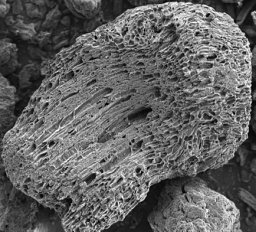
Silicon has emerged as a potential anode material for lithium-ion batteries due to its high theoretical capacity of 3579 mAh g−1 (Li3.75Si). However, the alloy reaction with a high lithium content presents challenges, such as significant volumetric expansion and an unstable solid electrolyte interphase layer, which are detrimental to the electrodes and lead to rapid capacity fade [1]. Siloxene, a silicon compound with a layered structure, has attracted attention in lithium-ion battery applications due to its small volume change and moderate capacity [2, 3]. This material is obtained through the topotactic deintercalation of Ca2+ from layered CaSi2 [4]. Microscopically, the layered structure of siloxene consists of Si6 rings interconnected with or without oxygen to form planes, with Si–OH/Si–H bonds on the surface of these planes [5]. Macroscopically, siloxene exhibits a morphology of stacked layered sheets. Our research explored how the layered morphology of siloxene changes during the lithiation/delithiation process. Figure 1 showed that the siloxene sheets bulge together during lithiation and revert to separate sheets after delithiation. The buffered volume change of the layered siloxene material contributed to significantly better cycling performance compared to chunky SiO and spherical Si/C materials. Additionally, the cycling performance of siloxene was further improved when it was blended with graphite materials. [1] Kim, N., Kim, Y., Sung, J., & Cho, J. (2023). Issues impeding the commercialization of laboratory innovations for energy-dense Si-containing lithium-ion batteries. Nature Energy, 8(9), 921-933. [2] Loaiza, L. C., Monconduit, L., & Seznec, V. (2020). Si and Ge‐based anode materials for Li‐, Na‐, and K‐ion batteries: a perspective from structure to electrochemical mechanism. Small, 16(5), 1905260. [3] Loaiza, L. C., Dupré, N., Davoisne, C., Madec, L., Monconduit, L., & Seznec, V. (2021). Complex lithiation mechanism of siloxene and germanane: two promising battery electrode materials. Journal of The Electrochemical Society, 168(1), 010510. [4] Yamanaka, S., Matsuura, H., & Ishikawa, M. (1996). New deintercalation reaction of calcium from calcium disilicide. Synthesis of layered polysilane. Materials Research Bulletin, 31(3), 307-316. [5] Weiss, A., Beil, G. & Meyer, H. (1980). The Topochemical Reaction of CaSi2 to a Two-Dimensional Subsiliceous Acid Si6H3(OH)3 (= Kautskys’ Siloxene). Zeitschrift für Naturforschung B, 35(1), 25-30. Figure 1
A catalytic pseudo-8-electron redox reaction of sulfur is achieved by facilitating the disproportionation of high-order polysulfide ions in a Li-Sulfur battery. Electrochemically generated polysulfide ions (S-x(2-), where 3 < x < 7) undergo rapid disproportionation into elemental sulfur (S-8) and Li2S2, catalyzed by a bifunctional carbon host/catalyst. The overall catalytic redox reaction at the sulfur cathode is represented as S-8+8Li(+)8e reversible arrow 4Li(2)S(2). In contrast to physical or chemical confinement methods for polysulfide ions, this approach remediates the shuttle effect by swiftly converting soluble polysulfides in the electrolyte to elemental sulfur and insoluble Li2S2 within the cathode matrix. As a result, the adverse chemical interaction between dissolved polysulfides and the Li anode is mitigated.
This study explores the improvement of sodium-ion batteries by presodiating hard carbon anodes, with the goal of reducing initial capacity loss and enhancing the overall electrochemical performance of full cells. Using Na-biphenyl for presodiation and exploring its effects under various conditions—such as electrolyte composition and electrode loading—alongside two different cathode configurations (Na-stoichiometry Na3V2(PO4)3 and Na-deficient Na0.44MnO2), we seek to elevate the overall electrochemical performance of sodium-ion batteries. Our findings reveal the significance of finely tuning presodiation conditions leading to significant improvements in both initial Coulombic Efficiency and the cycling stability of full cells. Furthermore, a comparative analysis of the solid electrolyte interface formed through both chemical and electrochemical presodiation methods reveals significant similarities in impedance characteristics. This research provides valuable insights into the impact of presodiation on hard carbon anodes, offering a pathway to enhance the practical application of presodiation technology for sodium-ion batteries.
An in-situ electrochemical optical diagnosis is the key to the investigation of electrode interface during a redox reaction. Because the morphology changes particularly, dendrite formation, dendrite shapes, solid electrolyte interface formation and gas generation can be revealed visually. The challenge of ensuring uniform current density on a flat Li anode in a liquid electrolyte is addressed and uniform Li plating is demonstrated. The dendrite shape change under different reduction current density is discussed. The Li dendrite shape change and the performance of Li anodes with a surface lamination of graphite and red phosphate are used as examples to demonstrate the capability of the in-situ optical cell. An in-situ electrochemical optical cell used in the investigation of the increasingly popular solid-state Li batteries has its own challenges. Due to the untransparent nature of a solid-state electrolyte, an optical investigation on a solid-state electrolyte Li battery needs to be done by exposing the cross-section of the cell. In addition, it is very difficult to assemble an optical cell with a brittle and fragile solid-state electrolyte in a glove box. A set of formation and transfer dies, and an optical cell are introduced. The Li dendrite growth at the interface can be observed in a solid-state Li cell.
Lithium-sulfur (Li-S) batteries are regarded one of the promising alternatives of conventional lithium-ion (Li-ion) batteries because of its high theoretical energy density (2600 Wh kg-1), abundance resources on earth, and low cost of sulfur. Nevertheless, several significant challenges persist in the practical application of Li-S batteries, with the most urgent being the dissolved shuttle effect of long-chain lithium polysulfide (LiPS) species during cycling [1]. Using porous host material for sulfur cathode is one of the commonly applied strategies to physically prevent the diffusion of LiPS from diffusing toward lithium anode, and therefore inhibit the shuttle effect [2]. However, the weak Van der Waals forces is in sufficient to anchor the dissolved LiPS because the non-polar surface of carbon material is unable to bind polar and ionic polysulfide ions. Introducing heteroatoms into the host materials is a way to enhancing anchoring of PS at cathode side [3]. In our previous research, we reported a novel carbon host (denoted as NC) for sulfur cathode from natural silk [4]. The obtained carbon host presented excellent cycling performance because of its hierarchical porous structures and nitrogen-contained functional group. In addition, we found the carbon has the ability to catalyst the disproportionation reactions of PS, accelerating the conversion of PS ions into solid products of elemental sulfur (S8) and lithium sulfide (Li2S2) serves to minimize the residence time of PS ions in the electrolyte. In this study, we proposed a hypothesis of a catalytic pseudo-8-electron redox reaction of S/NC cathode and analysis the process using high-performance liquid chromatograph (HPLC) analysis and electrochemical characterizations. [1] Zhang, S. S. (2013). Liquid electrolyte lithium/sulfur battery: Fundamental chemistry, problems, and solutions. Journal of Power Sources, 231, 153-162. [2] Ye, H., Yin, Y. X., Xin, S., & Guo, Y. G. (2013). Tuning the porous structure of carbon hosts for loading sulfur toward long lifespan cathode materials for Li–S batteries. Journal of Materials Chemistry A, 1(22), 6602-6608. [3] Song, J., Xu, T., Gordin, M. L., Zhu, P., Lv, D., Jiang, Y. B., ... & Wang, D. (2014). Nitrogen‐doped mesoporous carbon promoted chemical adsorption of sulfur and fabrication of high‐areal‐capacity sulfur cathode with exceptional cycling stability for lithium‐sulfur batteries. Advanced functional materials, 24(9), 1243-1250. [4] Qiu, D., Zhang, X., Zheng, D., Ji, W., Ding, T., Qu, H., ... & Qu, D. (2023). High-performance Li-S batteries with a minimum shuttle effect: disproportionation of dissolved polysulfide to elemental sulfur catalyzed by a bifunctional carbon host. ACS Applied Materials & Interfaces, 15(30), 36250-36261
 Dong Zheng合作论文数Coll Mat Sci & Engn, Zhejiang Univ Technol81
 Xiaoxiao Zhang合作论文数Department of Mechanical Engineering, College of Engineering & Applied Science, University of Wisconsin-Milwaukee37
 Huainan Qu合作论文数31Tianyao Ding合作论文数Dept Mech Engn, Univ Wisconsin31
 Xiao-Qing Yang合作论文数Chemistry Division, Brookhaven National Laboratory31
 Dan Liu (刘丹)合作论文数School of Chemistry, Chemical Engineering and Life Sciences, Wuhan University of Technology29
 Deyu Qu (屈德宇)合作论文数School of Chemistry, Chemical Engineering and Life Science, Wuhan University of Technology27
 Wei-Xiao Ji合作论文数25Dantong Qiu合作论文数17
 Gongwei Wang (王功伟)合作论文数College of Chemistry and Molecular Sciences, Wuhan University17
 Gerald Gourdin合作论文数Department of Chemistry, University of Massachusetts Boston16
 Joshua Harris合作论文数Mechanical Engineering Department, University of Wisconsin-Milwaukee13Xinhe Zhang (张新鹤)合作论文数13
 Haolin Tang (唐浩林)合作论文数State Key Laboratory of Advanced Technology for Materials Synthesis and Processing, Wuhan University of Technology;School of Materials Science and Engineering, Wuhan University of Technology12
 Zhizhong Xie (谢智中)合作论文数School of Chemistry, Chemical Engineering and Life Sciences, Wuhan University of Technology;School of Science, Wuhan University of Technology12Smith Patricia合作论文数10
 John Collins合作论文数IBM Thomas J. Watson Research Center9
 Zhiyuan Tang (唐致远)合作论文数School of Chemical Engineering and Technology, Tianjin University9Jiang Thomas合作论文数8Huang He合作论文数8
 Tristan Lambert合作论文数Department of Chemistry & Chemical Biology, The College of Arts & Sciences, Cornell University7
 Junwei Wu (武俊伟)合作论文数Harbin Institute of Technology, Shenzhen7
 Le Xin合作论文数7
 Michelle Foster合作论文数Department of Chemistry and Biochemistry, The University of Texas at Austin7Chenqiang Du (杜陈强)合作论文数7
 Xingkang Huang合作论文数Xiamen University, Xiamen University7hung sui lee合作论文数6
 Liang Xiao (肖亮)合作论文数School of Chemistry, Chemical Engineering and Life Sciences, Wuhan University of Technology6
 Junsheng Li (李俊升)合作论文数School of Chemistry, Chemical Engineering and Life Sciences, Wuhan University of Technology6
 Dongping Lv (吕东平)合作论文数School of Agriculture and Biology, Shanghai Jiao Tong University6
 Jingyu Si合作论文数6Yanhui Cui (崔艳慧)合作论文数6
 Junhong Chen合作论文数Nanotechnology for Sustainable Energy and Environment Laboratory, College of Engineering & Applied Science, University of Wisconsin-Milwaukee;Pritzker School of Molecular Engineering, The University of Chicago6Janak Kafle合作论文数5
 Jie Xiao合作论文数Pacific Northwest National Laboratory;Department of Mechanical Engineering, College of Engineering, University of Washington5Caleb John Abegglen合作论文数4Avery Luedtke合作论文数4xuran zhang合作论文数4Feifei Li合作论文数4
 Xinxin Zhu合作论文数4
 Jie Liu (刘杰)合作论文数School of Materials Science and Engineering, Tianjin University4
 Jun Liu合作论文数Pacific Northwest National Laboratory;Department of Chemical Engineering, College of Engineering, University of Washington4
 Vincent Battaglia合作论文数Lawrence Berkeley National Laboratory4
 Andrew P. Baker合作论文数4Zeng Jiong合作论文数3William Rexhausen合作论文数3
 Uma Garg合作论文数3
 Miao Liu (刘淼)合作论文数State Key Lab for Surface Physics, Institute of Physics, Chinese Academy of Sciences3




