ETHNOPHARMACOLOGICAL RELEVANCE:Tongxinluo capsule is widely used in patients with acute ischemic stroke (AIS), although the literature does not consistently agree on its efficacy and safety. AIM OF THE STUDY:We aimed to assess the efficacy and safety of Tongxinluo capsule for patients with AIS. MATERIALS AND METHODS:A systematic search of the databases PubMed, Embase, Cochrane Central Register of Controlled Trials, China National Knowledge Infrastructure, Wanfang data, VIP Chinese Journal Service Platform, and SinoMed was conducted from their inception dates to January 2025. Randomized controlled trials (RCTs) that enrolled patients with AIS who receive Tongxinluo capsule and compared effects with placebo or as an add-on therapy to usual care were included. Literature screening, risk of bias assessment, and data extraction were independently conducted in duplicate. Fixed-effects or random-effects models were used to perform meta-analysis for pooling data from eligible studies. The primary outcome was long-term functional independence (defined as modified Rankin Scale [mRS] grade less than 2). Secondary outcomes included all-cause mortality, improvements in activities of daily living (measured with the Barthel Index [BI]), and neurological impairment (measured with the National Institutes of Health Stroke Scale [NIHSS]). Incidence of adverse events were identified as safety outcomes. RESULTS:We included 4842 patients with AIS from 12 RCTs (2422 [50.02 %] treated with Tongxinluo capsule) in the final analysis. Tongxinluo capsule treatment in AIS significantly improved the proportion of patients with mRS less than 2 (RR, 1.21; 95 % CI, 1.02 to 1.44), improved the change in BI score (MD, 11.47; 95 % CI, 10.34 to 12.60) and NIHSS score (MD, 3.48; 95 % CI, 2.87 to 4.09). No significant differences were detected in all-cause mortality (RR, 0.57; 95 % CI, 0.17 to 1.95), or the incidence of overall adverse events (RR, 1.01; 95 % CI, 0.91 to 1.12). CONCLUSION:Administration of Tongxinluo capsule for AIS demonstrated potential benefits in improving the long-term functional outcomes and activities of daily living, and relieving neurological impairment, without observing major safety concerns.
Vertebral artery occlusive disease is a leading cause of posterior circulation ischemic stroke. Endovascular recanalization has been described as a viable treatment option for individuals with symptomatic vertebral artery occlusion who fail to respond to appropriate medicinal therapy. However, endovascular recanalization of symptomatic long-segment nonacute vertebral artery blockage is associated with significant surgical risk and the possibility of perioperative complications. Despite rigorous pharmacologic therapy, a patient with a protracted segmental left vertebral artery blockage continues to experience cerebral hypoperfusion and neurologic impairments. Digital subtraction angiography (DSA) revealed a stump at the left vertebral artery ostium of segment V1, the right V4 segment was obviously congenitally thin, and a small amount of reflux was observed at the distal end of the left V4 segment. The posterior communicating artery was closed. We considered the diagnosis of left vertebral artery blockage (near V1 to V4). The patient underwent balloon dilatation of the occlusion and stenting. Finally, revascularization was successfully performed for long-segment occlusion of the left vertebral artery. DSA indicated complete segmental filling 3 months and 2 years after the patient received medication, and there were no new neurologic complaints throughout the 2-year follow-up period. After detailed evaluation and screening, recanalization of long-segment vertebral artery occlusion in the nonacute phase is feasible.
While advances in cancer treatment have significantly improved survival rates, mounting evidence indicates a parallel rise in unmet psychosocial needs among adolescent and young adult (AYA, 15-39 years) patients. Analyzing SEER-Medicare linked data (2000-2022) and national health surveys, this multilevel study reveals that 36.7% of AYAs exhibit clinically significant psychological distress. Three-level hierarchical modeling identifies critical socioecological determinants: At the community level, poverty rate and mental health provider shortages amplify economic toxicity; household-level financial strain mediates depression risk; and individual-level maladaptive coping strategies triple anxiety likelihood. Some employed survivors report workplace discrimination, correlating with delayed return to work. And the experience of pathological guilt over familial caregiving burdens exacerbates social withdrawal. By bridging biomedical and social determinants, this research calls on people in to more attention to the needs of cancer
Background and purposePrevious studies have shown that human herpes simplex virus (HSV) infection may be associated with the onset of headache or migraine. We aimed to investigate the association between HSV infection and severe headache or migraine.Materials and methodsThe cross-sectional data on 5,730 participants aged 20–49 years were obtained from the 1999–2004 National Health and Nutrition Examination Survey (NHANES). We used weighted logistic regression analysis to assess the association between HSV infection (HSV-1 gG-1 and HSV-2 gG-2) and severe headache or migraine, and performed subgroup analyses.ResultsOur study found that women, higher education, higher body mass index, better family conditions, smoking and alcohol consumption were all associated with severe headaches or migraines. After adjusting for confounding factors such as sex, age, race, and education, HSV-2 (+) was still significantly associated with severe headache or migraine (OR = 1.22, 95%CI:1.03–1.46, p = 0.0443). In subgroup analyses, we found that participants with HSV-1 (−) and HSV-2 (+) were also significantly associated with severe headache or migraine (OR = 1.41, 95%CI:1.04–1.91, p = 0.0281).ConclusionHSV-2 gG-2(+) was significantly associated with severe headache or migraine.
Inflammation may be related to structural changes in the cerebral cortex. We aimed to explore whether cytokines mediate the link between these changes and primary headache. The summary statistics of genome-wide association study (GWAS) related to migraine and its subtypes, cluster headache were derived from the FinnGen Release 10 database, and tension-type headache data was from the GWAS Catalog. Ninety-one cytokines were obtained from genome-wide pQTL mapping data. GWAS data on cortical surface area (SA) and thickness (TH) came from the ENIGMA Consortium. The methods of Mendelian randomization (MR) analysis included the inverse-variance-weighted (IVW), MR-Egger, and weighted median. Migraine reduces the SA of paracentral[beta = -1.3645, OR = 0.2555, 95%CI (0.0660, 0.9898)] by fibroblast growth factor-23(FGF-23), with an intermediate ratio (IR) of 38.13%. Migraine may reduce the TH of superior parietal[beta = -0.0029, OR = 0.9971, 95%CI (0.9943, 0.9999)] by interleukin (IL)-15RA, with an absolute IR of 11.11%. Migraine without aura may reduce the TH of rostral anterior cingulate[beta = -0.0005, OR = 0.9995, 95%CI (0.9991, 0.9999)] by IL-18R1, with an IR of 11.63%. FGF23 and IL-15RA are associated with reduced SA or TH in migraine, while IL-18R1 is associated with increased TH in migraine without aura.
BackgroundPulsatile tinnitus (PT) is a rare form of tinnitus that aligns with the heartbeat. It is typically brought on by lesions with significant vascularity, which produce aberrant sound conduction and increase the risk of mental health issues and hearing loss. Venous PT is more prevalent than arterial PT. Open procedures or interventional procedures can be used to treat PT. We present here a case of PT caused by venous luminal stenosis combined with jugular bulb (JB) malformation, which was improved by stenting and JB embolization.Case presentationA 59-year-old woman presented with long-term tinnitus consistent with heart rhythm and hearing loss, accompanied by anxiety, insomnia, and depression. The results of brain MRV, CT, and DSA showed stenosis of the right sigmoid sinus and high jugular bulb (JB) with dehiscence of the JB wall. The patient saw a significant improvement in PT symptoms following sigmoid sinus stenting and spring coil embolization of the high JB, following the diagnosis of PT. The patient had no PT recurrence for the course of the 31-month follow-up period.ConclusionIn the present PT case, there was a simultaneous onset of the right sigmoid sinus stenosis and the high JB with the JB wall abnormalities. Sigmoid sinus stenting and spring coil embolization of high JB may be a treatment for the PT, but the prevention of post-stenting complications is still an issue that requires great attention and needs further study.
ImportancePrevious randomized clinical trials did not demonstrate the superiority of endovascular stenting over aggressive medical management for patients with symptomatic intracranial atherosclerotic stenosis (sICAS). However, balloon angioplasty has not been investigated in a randomized clinical trial.ObjectiveTo determine whether balloon angioplasty plus aggressive medical management is superior to aggressive medical management alone for patients with sICAS.Design, Setting, and ParticipantsA randomized, open-label, blinded end point clinical trial at 31 centers across China. Eligible patients aged 35 to 80 years with sICAS defined as recent transient ischemic attack (<90 days) or ischemic stroke (14-90 days) before enrollment attributed to a 70% to 99% atherosclerotic stenosis of a major intracranial artery receiving treatment with at least 1 antithrombotic drug and/or standard risk factor management were recruited between November 8, 2018, and April 2, 2022 (final follow-up: April 3, 2023).InterventionsSubmaximal balloon angioplasty plus aggressive medical management (n = 249) or aggressive medical management alone (n = 252). Aggressive medical management included dual antiplatelet therapy for the first 90 days and risk factor control.Main Outcomes and MeasuresThe primary outcome was a composite of any stroke or death within 30 days after enrollment or after balloon angioplasty of the qualifying lesion or any ischemic stroke in the qualifying artery territory or revascularization of the qualifying artery after 30 days through 12 months after enrollment.ResultsAmong 512 randomized patients, 501 were confirmed eligible (mean age, 58.0 years; 158 [31.5%] women) and completed the trial. The incidence of the primary outcome was lower in the balloon angioplasty group than the medical management group (4.4% vs 13.5%; hazard ratio, 0.32 [95% CI, 0.16-0.63]; P < .001). The respective rates of any stroke or all-cause death within 30 days were 3.2% and 1.6%. Beyond 30 days through 1 year after enrollment, the rates of any ischemic stroke in the qualifying artery territory were 0.4% and 7.5%, respectively, and revascularization of the qualifying artery occurred in 1.2% and 8.3%, respectively. The rate of symptomatic intracranial hemorrhage in the balloon angioplasty and medical management groups was 1.2% and 0.4%, respectively. In the balloon angioplasty group, procedural complications occurred in 17.4% of patients and arterial dissection occurred in 14.5% of patients.Conclusions and RelevanceIn patients with sICAS, balloon angioplasty plus aggressive medical management, compared with aggressive medical management alone, statistically significantly lowered the risk of a composite outcome of any stroke or death within 30 days or an ischemic stroke or revascularization of the qualifying artery after 30 days through 12 months. The findings suggest that balloon angioplasty plus aggressive medical management may be an effective treatment for sICAS, although the risk of stroke or death within 30 days of balloon angioplasty should be considered in clinical practice.Trial RegistrationClinicalTrials.gov Identifier: NCT03703635
目的 研究益气通络方含药血清对过氧化氢(H2O2)诱导PC12细胞氧化损伤的保护作用.方法 ①选取SPF级健康SD雌性大鼠20只,随机分为空白组及益气通络方组.分别使用生理盐水及益气通络方灌胃7d,后腹主动脉取血离心制备空白血清及含药血清.②体外培养PC12细胞,随机分为正常组、模型组、空白血清组、益气通络方含药血清组、PI3K抑制剂组、益气通络方含药血清+PI3K抑制剂组.除正常组外,H2O2体外诱导构建PC12细胞氧化应激损伤模型.试剂盒检测乳酸脱氢酶(LDH)、丙二醛(MDA)含量和细胞内超氧化物歧化酶(SOD)活力及活性氧(ROS)分布水平.蛋白免疫印迹法(Western blot)检测p-PI3K、p-AKT、AKT、Bax、Bcl-2蛋白表达水平.结果 选择600 μmol/L H2O2刺激4 h作为氧化损伤造模条件.①与正常组相比,模型组LDH、MDA含量增高(P<0.01),SOD活力降低(P<0.01),ROS细胞内分布增加.与模型组相比,益气通络方含药血清组LDH、MDA含量降低(P<0.05),SOD活力增高(P<0.01),ROS细胞内分布减少.②与正常组相比,模型组p-PI3K、p-AKT/AKT降低(P<0.01),Bax/Bcl-2增高(P<0.01).与模型组相比,益气通络方含药血清组p-PI3K、p-AKT/AKT增高(P<0.01),益气通络方含药血清能下调Bax/Bcl-2.与益气通络方含药血清组相比,加入PI3K抑制剂会显著抑制p-P13K、p-AKT表达(P<0.01),增高Bax/Bcl-2,促进细胞凋亡.结论 益气通络方能减轻氧化应激反应,上调PI3K/AKT信号通路,促进抗凋亡蛋白表达,抑制细胞凋亡途径,发挥细胞保护作用.
目的 探讨基于智能手机的颅脑三维可视化技术在中医院校研究生神经系统疾病临床教学中的应用价值.方法 选择2020年6月—2021年6月在北京中医药大学东方医院脑病科进行临床学习的60名研究生,随机分为对照组和实验组,各30名.对照组研究生采用传统教学法进行培训,实验组在传统教学法基础上增加利用智能手机进行颅脑三维可视化的教学,2组教学课时相同.比较2组的入科及出科理论考核成绩、影像阅片能力考核成绩和教学评价满意度问卷调查结果.结果 2组的入科理论考核成绩差异无统计学意义(P>0.05),实验组在出科理论考核成绩、影像阅片能力考核成绩、教学评价满意度问卷调查中,所有项目的得分均高于对照组,差异有统计学意义(P<0.05).结论 在中医院校研究生神经系统疾病临床教学中,基于智能手机的颅脑三维可视化有助于提高学生学习的兴趣和积极性,培养学生空间想象力和系统思维能力,提高临床教学效果.
慢性硬膜下血肿(chronic subdural hematoma,CSDH)是神经外科常见的疾病之一,多以保守治疗为主,早期使用中医药治疗能后有效促进CSDH的恢复.老年人是本病的好发人群,其发病主要责之肾虚与血瘀,在肾虚为本的基础上,加之后天之气血运化不足,致髓减脑消,导致脑组织在颅腔内活动空间增大;同时肾衰精亏,血管失养,气不摄血,极易发生络破血溢,血液成瘀积聚于较大的颅腔发为CSDH.CSDH的主要病机是肾虚髓伤,髓减脑消;以及阴阳虚损,化气不足,运血无力,血脉瘀滞,络损血溢.在临床治疗CSDH上应从肾虚血瘀论治,治法以补肾填精益髓、活血化瘀为主,针对肾气虚血瘀、肾阳虚血瘀、肾阴虚血瘀三个不同证型,以补肾填精、活血通络,温阳补肾、活血化瘀,温补肾气、活血化瘀为治法进行辨证论治.
目的:观察手术结合活血化瘀法治疗慢性硬膜下血肿的临床疗效.方法:收集 2010年 1 月—2021 年 3 月在北京中医药大学东方医院脑病三科(神经外科)治疗的慢性硬膜下血肿病人 137 例,按照其治疗方式分为消瘀康胶囊手术组(38 例)、消瘀康胶囊保守组(18例)、非消瘀康胶囊手术组(40例)、非消瘀康胶囊保守组(41例).比较并分析 4组病人出入院时格拉斯哥昏迷量表(GCS)评分、Markwalder的慢性硬膜下血肿病人分级(MGS-GCS)评分、中医证候量表评分,并对 CT结果显示的血肿量进行评分.结果:消瘀康胶囊手术组 GCS评分较入院时升高,MGS-GCS评分较入院时降低,且与其他 3 组比较差异有统计学意义(P<0.05);血肿改善情况方面,消瘀康胶囊手术组血肿减少总有效率高于其他 3 组(P<0.05).消瘀康胶囊手术组出院时中医证候量表评分较其他 3组得分低,总有效率高(P<0.05).结论:具有活血化瘀作用的消瘀康胶囊可提高手术治疗慢性硬膜下血肿病人的临床疗效,并改善神经功能,提高生活能力.
目的:研究益气通络方含药血清对过氧化氢(H 2 O 2 )诱导PC12细胞氧化损伤的保护作用。方法:①选取SPF级健康SD雌性大鼠20只,随机分为空白组及益气通络方组。分别使用生理盐水及益气通络方灌胃7天,后腹主动脉取血离心制备空白血清及含药血清。②体外培养PC12细胞,随机分为正常组、模型组、空白血清组、益气通络方含药血清组、PI3K抑制剂组、益气通络方含药血清+PI3K抑制剂组。除正常组外,H 2 O 2 体外诱导构建PC12细胞氧化应激损伤模型。试剂盒检测乳酸脱氢酶(LDH)、丙二醛(MDA)含量和细胞内超氧化物歧化酶(SOD)活力及活性氧(ROS)分布水平。蛋白免疫印迹法(Western blot)检测p-PI3K、p-AKT、AKT、Bax、Bcl-2蛋白表达水平。结果:选择600μmol.L -1 H 2 O 2 刺激4h作为氧化损伤造模条件。①与正常组相比,模型组LDH、MDA含量增高(P<0.01),SOD活力降低(P<0.01),ROS细胞内分布增加。与模型组相比,益气通络方含药血清组LDH、MDA含量降低(P<0.05),SOD活力增高(P<0.01),ROS细胞内分布减少。②与正常组相比,模型组p-PI3K、p-AKT/AKT降低(P<0.01),Bax/Bcl-2增高(P<0.01)。与模型组相比,益气通络方含药血清组p-PI3K、p-AKT/AKT增高(P<0.01),益气通络方含药血清能下调Bax/Bcl-2。与益气通络方含药血清组相比,加入PI3K抑制剂会显著抑制p-PI3K、p-AKT表达(P<0.01),增高Bax/Bcl-2,促进细胞凋亡。结论:益气通络方能减轻氧化应激反应,上调PI3K/AKT信号通路,促进抗凋亡蛋白表达,抑制细胞凋亡途径,发挥细胞保护作用。
目的:对国内外已发表的有关中医益气止血法治疗脑卒中后应激性溃疡的临床疗效及安全性进行 Meta分析.方法:检索Pub Med、PHM、Cochrane Library、万方数据、维普、中国知网、Sino Med 等,检索时限为建库至2022 年 10 月,2 名评价者独立筛选文献、提取资料和评价纳入研究偏倚后采用 Rev Man 5.3 软件进行 Meta分析.结果:最终共纳入 5 项随机对照试验(RCT),纳入病例总数 420 例,其中观察组 211 例、对照组 209 例.与对照组相比,中医益气止血法联合常规西医治疗脑卒中后应激性溃疡的总有效率较高[OR=5.79,95%CI(2.87,11.69),P<0.01].中医益气止血法联合常规西医治疗后胃液 pH 水平[MD=0.85,95%CI(0.50,1.20),P<0.01]、胃泌素水平[MD=-11.28,95%CI(-14.62,-7.93),P<0.01]及血浆内皮素水平更理想[MD=-11.04,95%CI(-15.05,-7.04),P<0.01].中医益气止血法联合常规西医能够降低腹泻发生率[OR=0.31,95%CI(0.15,0.65),P<0.01].结论:中医益气止血法联合常规西医治疗可以提高治疗总有效率、胃液 pH 值,降低胃泌素、血浆内皮素、腹泻发生率.本次研究纳入文献质量偏低,尚需更高质量 RCT进行验证.
颅内硬膜外脓肿及头皮脓肿在临床上罕见,且未见相关应用中西医结合治疗的文献报道.本研究应用西医行左顶枕部头皮清创术,术后联合抗生素抗感染、换药等对症治疗,中医前期以清热解毒、化痰散结为主,后期以温补气血、托毒外出为主,现治愈颅内硬膜外脓肿及头皮脓肿1例并分析探讨中医病机,为辨证论治颅脑痈提供经验分享.
ObjectiveTo compare the relationship between the dynamic changes of cerebral blood flow(CBF) before and after carotid artery stent (CAS) placement and perioperative events in patients with unilateral symptomatic carotid artery stenosis, providing reference for patients to choose surgical methods. Methods A total of 24 patients with moderate to severe (>50%) symptomatic unilateral carotid artery stenosis admitted in Dongfang Hospital, Beijing University of Chinese Medicine from January 2018 to June 2020 were included, all of whom underwent CAS. All patients underwent magnetic resonance imaging (including DWI and 3D quasi continuous arterial spin labeled perfusion imaging) within 3 days before and 3 days after surgery. Changes in CBF and perioperative events were measured. According to whether there were new DWI high signals, they were divided into micro-embolic group and non-embolic group. ResultsWhile the incidence of new DWI lesions was high (17/24, 70.8%) and 176 lesions were observed among the 17 cases, there was only one subject showing the symptoms. The majority of the lesions were located at the cortex/subcortex of the ipsilateral frontal and parietal lobes (60.8%), and 92.6% of the lesions size being less than 3mm. The CBF in the frontoparietal lobe were higher than that in the temporal lobe after surgery (lesion side 50.49±8.02vs47.94±9.08, t=2.179, P<0.05; contralateral side 50.16±5.79 vs 48.00±5.98, t=3.835, P<0.05); the CBF of the lesion side of the frontoparietal and temporal lobes increased significantly after surgery compared to before surgery (P<0.05). The preoperative relative CBF in the frontal parietal lobe of the micro-embolization group was lower than that of the non-embolization group (P<0.05). Conclusion The high incidence rate of micro-embolism in patients receiving CAS may not be the result of direct changes of hemodynamics in the brain but rather the loss of CBF regulation due to long-term hypoperfusion prior to the stenting.
目的:探究凉血散瘀汤对高血压脑出血微创术后患者中医症候积分、神经功能缺损评分和日常生活能力量表(ADL)评分的影响.方法:按照随机数字表法将 97 例高血压脑出血微创术后患者分为两组,对照组(n=48)采用常规治疗,试验组(n=49)在常规治疗基础上加用凉血散瘀汤,比较两组疗效、中医症候积分、神经功能缺损评分以及ADL评分.结果:中药组治疗有效率 97.96%高于对照组的 83.33%(P<0.05);两组治疗前中医症候积分、美国国立卫生院神经功能缺损量表(NIHSS)、ADL评分比较差异无统计学意义(均P>0.05);中药组治疗后眩晕、头痛、心悸怔忡、胸闷中医症候积分较对照组低(均P<0.05);中药组治疗后NIHSS评分较对照组低(P<0.05);中药组治疗后 ADL评分较对照组高(P<0.05).结论:凉血散瘀汤治疗高血压脑出血微创术后患者可改善其中医症候,提高患者日常生活能力,改善神经功能缺损情况.
目的:对国内外已发表的有关中医清热凉血法治疗脑卒中后应激性溃疡的临床疗效及优势进行Meta分析.方法:计算机检索中国医学文献数据库、维普数据库、中国期刊全文数据库、万方数据库、PubMed、Cochrane Library数据库,检索时限为建库至2022年11月,由2名评价者独立筛选文献、提取资料和评价纳入研究偏倚后,采用RevMan 5.3软件进行Meta分析.结果:最终纳入10项随机对照试验(RCT)文献,纳入病例总数1044例,其中观察组488例,对照组566例.Meta分析结果显示:与对照组比较,中医清热凉血法联合常规西医治疗脑卒中后应激性溃疡患者总有效率更高[OR=3.99,95%CI(2.40,6.63),P<0.001]、病死率更低[OR=0.43,95%CI(0.28,0.66),P<0.001]、止血时间更快、恢复清醒率更高[OR=2.59,95%CI(1.58,4.23),P<0.001]、恢复清醒时间更短、不良反应发生率更低[OR=0.19,95%CI(0.08,0.49),P<0.001].在治疗后胃液pH值方面,观察组和对照组未见明显差异.结论:清热凉血法联合常规西医治疗可以提高治疗有效率、降低病死率、降低不良反应发生率、缩短止血时间、提高昏迷患者恢复清醒率及缩短恢复清醒时间.但纳入文献质量偏低,尚需更高质量RCT研究进行验证.
目的 观察经耳迷走神经刺激(t-VNS)对急性创伤性颅脑损伤大鼠的神经功能改善作用,并探讨其相关机制.方法 成年SD大鼠36只,随机分为假手术组、模型组、治疗组各12只.模型组和治疗组采用改良Feeney自由落体法建立颅脑创伤模型;假手术组仅切开头皮打开骨窗,不实施撞击.治疗组于造模30 min后给予t-VNS(强度1 mA、间期0.5 ms、频率20 Hz),在1 h内每隔5 min刺激1次,每次持续30 s,连续刺激3 d;模型组及假手术组不给予刺激.造模72 h后采用改良神经功能缺损评分(mNSS)评价神经功能;处死大鼠,取脑组织测算脑含水量;分别采用Western blotting法和免疫组化法检测各组大鼠脑组织中的水通道蛋白4(AQP4)、肿瘤坏死因子α(TNF-α)、α7烟碱型乙酰胆碱受体(α7nAChR).结果 模型组mNSS、脑含水量及AQP4、TNF-α蛋白表达高于假手术组(P均<0.05);治疗组mNSS、脑含水量及AQP4、TNF-α蛋白表达低于模型组,α7nAChR蛋白表达高于模型组(P均<0.05).结论 t-VNS对急性创伤性颅脑损伤大鼠具有神经保护作用,其机制可能与下调AQP4表达、上调α7nAChR表达、减轻炎症反应有关.
目的 探讨丹珍头痛胶囊联合倍他司汀治疗血管痉挛性头痛的临床疗效.方法 选取2021年3月—2022年3月在北京中医医院怀柔医院接受治疗的102例血管痉挛性头痛患者为研究对象,根据用药差别分为对照组和治疗组,每组各51例.对照组口服盐酸倍他司汀片,10 mg/次,3次/d;治疗组在对照组治疗基础上口服丹珍头痛胶囊,2 g/次,3次/d.两组均连续治疗2周.观察两组的临床疗效,比较两组相关评分、症状改善情况、血清细胞因子和血流动力学的变化情况.结果 治疗组总有效率是98.04%,显著高于对照组的80.39%(P<0.05).治疗后,两组视觉模拟(VAS)评分较治疗前显著降低,而格拉斯哥预后(GOS)评分、明尼苏达满意度量表(MSQ)评分、匹兹堡睡眠质量指数(PSQI)评分、生活质量综合评定问卷(GQOLI-74)评分均显著升高(P<0.05);治疗后,治疗组相关评分改善优于对照组(P<0.05).治疗后,两组头痛发作次数、头痛持续时间均较治疗前显著降低(P<0.05),并以治疗组改善的更为明显(P<0.05).治疗后,两组血清降钙素基因相关肽(CGRP)、蛋白激酶C(PKC)、基质金属蛋白酶(MMP-9)、垂体腺苷酸环化酶激活肽(PACAP)、细胞间黏附分子-1(ICAM-1)水平均显著降低(P<0.05),并以治疗组下降的更明显(P<0.05).治疗后,左侧脑中动脉(LMCA)、左侧大脑后动脉(LPCA)、左侧大脑前动脉(LACA)、右侧大脑中动脉(RMCA)、右侧大脑前动脉(RACA)、右侧大脑后动脉(RPCA)平均血流流速度均较治疗前显著升高(P<0.05),并以治疗组升高的更明显(P<0.05).结论 丹珍头痛胶囊联合倍他司汀治疗血管痉挛性头痛可有效改善患者头痛症状,改善机体细胞因子及血流动力学情况,促进睡眠和生活质量改善,具有良好临床应用价值.
 XiaoBo Dong (东潇博)合作论文数24Yong DU (杜勇)合作论文数20Guangrong SONG (宋光荣)合作论文数15
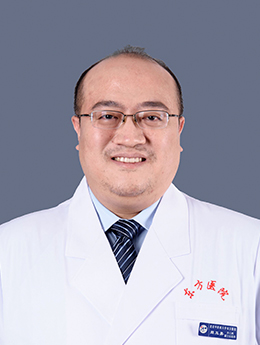 Yujia Zhou (周玉嘉)合作论文数Dongfang Hospital, Beijing University of Chinese Medicine15WenXin Wang (王文鑫)合作论文数12
 JiaLin Liu (刘佳霖)合作论文数Dongfang Hospital, Beijing University of Chinese Medicine12ZHENG Can (郑粲)合作论文数8Lei Wang (王雷)合作论文数8
 Rongjuan Guo (郭蓉娟)合作论文数Dongfang Hospital, Beijing University of Chinese Medicine8JiaYue Wang (王家悦)合作论文数6Cai Xu (徐彩)合作论文数6Long Sun (孙龙)合作论文数6PEI Zhenzhen (裴珍珍)合作论文数5Hang Xiong合作论文数4陈嘉琪合作论文数广州中医药大学第三临床医学院4Chongwen Song (宋崇文)合作论文数4
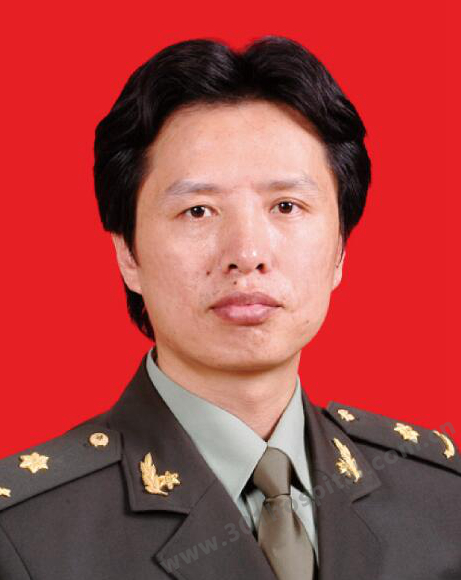 Zhenghui Sun (孙正辉)合作论文数Chinese PLA General Hospital4Tao Zheng合作论文数3Dan-qing Li (李丹青)合作论文数3Ruiping LI (李蕊萍)合作论文数3SiYe Men (门斯烨)合作论文数3
 Lin Ma (马林)合作论文数Chinese PLA General Hospital;School of Medicine, Nankai University3Yulai Wang (王玉来)合作论文数Dongfang Hospital Beijing University of Chinese Medicine3
 Pengxiang Wei (韦鹏翔)合作论文数Dongfang Hospital Beijing University of Chinese Medicine3Guanglu Li合作论文数2Shaojie Duan合作论文数2WANG Qinghua (王清华)合作论文数2Shumin ZHANG (张淑敏)合作论文数2
 Zhe Xue合作论文数2YU Binyang (于滨洋)合作论文数2
 Jianghai Ruan合作论文数2Cong Zhao (赵聪)合作论文数2XiaoHan Liu (刘晓汉)合作论文数2ZhiZhi Dong (董致郅)合作论文数2
 Zunjing Liu (刘尊敬)合作论文数China-Japan Friendship Hospital2
 Fanfan Zhang (张凡帆)合作论文数Dongfang Hospital, Beijing University of Chinese Medicine2Dexiang Liu (刘德祥)合作论文数2
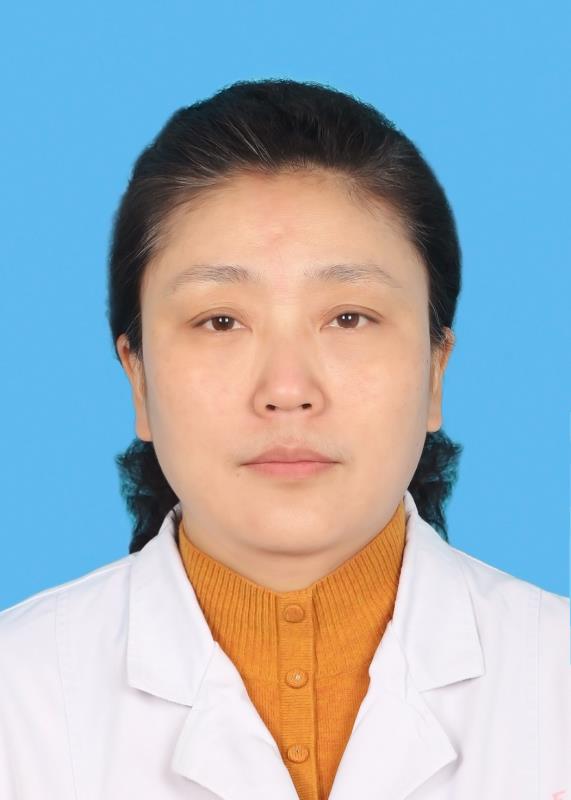 Jing Liu (刘靖)合作论文数Dongfang Hospital, Beijing University of Chinese Medicine2
 Shaohui Zhang (张少辉)合作论文数Dongfang Hospital Beijing University of Chinese Medicine2
 Zhichen Zhang (张志辰)合作论文数Dongfang Hospital Beijing University of Chinese Medicine2
 Jinmin Liu (刘金民)合作论文数Dongfang Hospital Beijing University of Chinese Medicine2
 Yunling Zhang (张允岭)合作论文数Dongfang Hospital, Beijing University of Chinese Medicine2Hong Liu合作论文数1Peiming Wang合作论文数1Yang Wang合作论文数1Guangge Peng合作论文数1Chongchong Liu合作论文数1Guisheng Jiang合作论文数1Wen-Feng Cao合作论文数1




