Immunosuppression can be withdrawn from selected liver transplant recipients, although robust clinical predictors of tolerance remain elusive. The Immune Tolerance Network ITN056ST study (OPTIMAL; NCT02533180) assessed clinical outcomes and mechanistic correlates of phased immunosuppression withdrawal (ISW) in nonautoimmune, nonviral adult liver transplant recipients. Enrolled subjects were >3 years posttransplant with minimal/absent inflammation or fibrosis on a screening liver biopsy. The primary end point was operational tolerance at 52 weeks following complete ISW. Of 61 subjects who initiated ISW, 34 failed during ISW and 10 restarted immunosuppression after completing ISW due to clinically manifest acute rejection. Only 10 of 17 clinically stable subjects remaining off immunosuppression at 1 year were ultimately deemed tolerant by biopsy. There were no cases of chronic rejection or graft loss; 28.3% developed de novo donor-specific antibody during ISW, which persisted in 11.3%. The majority of subjects (78.6%), including those who experienced rejection, ended the study on same or less calcineurin inhibitor than at baseline. A minority (16.4%) of histologically and clinically stable long-term adult liver transplant recipients can successfully discontinue and remain off immunosuppression. Increased frequency of donor-specific T cell senescence, C4d deposition, and higher density of immune synapses on the screening liver biopsy emerged as potential candidate biomarkers for operational tolerance.
Kidney dysfunction is associated with decreased survival in liver transplant (LT) candidates, yet serum creatinine (sCr) is a poor surrogate for glomerular filtration rate (GFR) in this population. Serum cystatin C (CysC) may provide a more accurate assessment of kidney function and predict outcomes. We performed a multicenter prospective cohort study of consecutive candidates for LT. CysC was obtained at LT evaluation (n = 244), and a subset underwent simultaneous I-125-iothalamate clearance for measured GFR (mGFR) assessment (n = 137). Patients were followed to assess the need for pre-LT renal replacement therapy, simultaneous liver and kidney transplant, and survival. Estimated GFR (eGFR) based on MDRD-4, GRAIL, Royal Free Hospital Cirrhosis GFR, and the CKD-EPI equations was assessed for bias, precision, and accuracy in reference to mGFR. Receiver operator characteristic (AUROC) and competing risk survival analyses were performed. CysC more accurately discriminated mGFR than sCr at thresholds of <= 60 and <= 30 mL/min/1.73 m(2) with AUROC 0.92 (p = 0.005) and 0.96 (p=0.01), respectively. All eGFR equations overestimated GFR, especially among females (p < 0.05). The GRAIL equation demonstrated the least bias, while CKD-EPI-cystatin C was associated with the greatest precision and lowest frequency of GFR overestimation. Among 165 recipients of LT, CysC discriminated pre-LT renal replacement therapy and the need for simultaneous liver and kidney transplant with AUROC of 0.70 and 0.85, respectively. Cumulative incidence of death, accounting for LT as a competing event, increased with CysC (p = 0.002) but was not observed with sCr overall or among subgroups (p = NS). CysC more accurately predicts thresholds of mGFR than sCr in candidates for LT. Elevated CysC discriminates pre-LT renal replacement therapy and simultaneous liver and kidney transplant and is strongly associated with survival in contrast with sCr. CysC is a promising tool to improve prognostication among candidates for LT.
In the United States, glomerular filtration rate (GFR) is commonly estimated using serum creatinine and the 2021 Chronic Kidney Disease Epidemiology Collaboration (CKD-EPI) equation for individuals older than 18 years or the 2021 Chronic Kidney Disease in Children Under 25 Study (CKiD-U25) equation for those between 1 and 25 years of age with CKD (Item S1).1,2 These equations may result in different estimated GFR (eGFR) values at 18 years and older, leading to uncertainty in assessment of severity of disease, progression rate, and clinical decisions based on level of GFR.
Background:Acute cellular rejection (ACR) remains a common complication causing significant morbidity post-liver transplantation. Non-human leukocyte antigen (non-HLA) mismatches were associated with an increased risk of ACR in kidney transplantation. Therefore, we hypothesized that donor-recipient non-HLA genetic mismatch is associated with increased ACR incidence post-liver transplantation.Methods:We conducted an international multicenter case-control genome-wide association study of donor-recipient liver transplant pairs in 3 independent cohorts, totaling 1846 pairs. To assess genetic mismatch burden, we calculated sum scores for single-nucleotide polymorphism (SNP) mismatch based on all non-HLA functional SNPs, specifically SNPs coding for transmembrane or secreted proteins as they more likely affect the immune system. We analyzed the association between the non-HLA mismatch scores and ACR in a multivariable Cox regression model per cohort, followed by a weighted meta-analysis.Results:During the first year post-transplantation, 90 of 689 (13%), 161 of 720 (22%), and 48 of 437 (11%) recipients experienced ACR in cohorts 1-3, respectively. Weighted meta-analyses showed that higher mismatch in functional non-HLA SNPs was associated with an increased incidence of ACR (HR 5.99; 95% CI: 1.39-20.08; p=0.011). Moreover, we found a larger effect of mismatch in SNPs coding for transmembrane or secreted proteins on ACR (HR 7.54; 95% CI 1.95-28.79; p=0.003). Sensitivity analyses showed that imputed HLA mismatch did not affect the associations between both non-HLA mismatch scores and ACR.Conclusions:Donor-recipient mismatch of functional non-HLA SNPs overall and, especially, of SNPs encoding transmembrane or secreted proteins correlated with 1-year ACR post-liver transplantation. Identifying high-risk immunological burdens between pairs may prevent early graft rejection and aid in personalizing immunosuppressive therapy. Future studies are, however, needed to validate our findings using a genotyped HLA cohort.
The long-term (>5 y) outcomes following liver transplantation (LT) have not been extensively reported. The aim was to evaluate outcomes of LT recipients who have survived the first 5 years. A multicenter retrospective analysis of prospectively collected data from 3 high volume LT centers (Dallas-USA, Birmingham-UK, and Barcelona-Spain) was undertaken. All adult patients, who underwent LT since the inception of the program to December 31, 2010, and survived at least 5 years since their LT were included. Patient survival was the primary outcome. A total of 3682 patients who survived at least 5 years following LT (long-term survivors) were included. Overall, median age at LT was 52 years (IQR 44–58); 53.1% were males; and 84.6% were Caucasians. A total of 49.4% (n=1820) died during a follow-up period of 36,828 person-years (mean follow-up 10 y). A total of 80.2% (n=1460) of all deaths were premature deaths. Age-standardized all-cause mortality as compared to general population was 3 times higher for males and 5 times higher for females. On adjusted analysis, besides older recipients and older donors, predictors of long-term mortality were malignancy, cardiovascular disease, and dialysis. Implementation of strategies such as noninvasive cancer screening, minimizing immunosuppression, and intensive primary/secondary cardiovascular prevention could further improve survival.
HCC recurrence following liver transplantation (LT) is highly morbid and occurs despite strict patient selection criteria. Individualized prediction of post-LT HCC recurrence risk remains an important need. Clinico-radiologic and pathologic data of 4981 patients with HCC undergoing LT from the US Multicenter HCC Transplant Consortium (UMHTC) were analyzed to develop a REcurrent Liver cAncer Prediction ScorE (RELAPSE). Multivariable Fine and Gray competing risk analysis and machine learning algorithms (Random Survival Forest and Classification and Regression Tree models) identified variables to model HCC recurrence. RELAPSE was externally validated in 1160 HCC LT recipients from the European Hepatocellular Cancer Liver Transplant study group. Of 4981 UMHTC patients with HCC undergoing LT, 71.9% were within Milan criteria, 16.1% were initially beyond Milan criteria with 9.4% downstaged before LT, and 12.0% had incidental HCC on explant pathology. Overall and recurrence-free survival at 1, 3, and 5 years was 89.7%, 78.6%, and 69.8% and 86.8%, 74.9%, and 66.7%, respectively, with a 5-year incidence of HCC recurrence of 12.5% (median 16 months) and non-HCC mortality of 20.8%. A multivariable model identified maximum alpha-fetoprotein (HR = 1.35 per-log SD, 95% CI,1.22-1.50, p < 0.001), neutrophil-lymphocyte ratio (HR = 1.16 per-log SD, 95% CI,1.04-1.28, p < 0.006), pathologic maximum tumor diameter (HR = 1.53 per-log SD, 95% CI, 1.35-1.73, p < 0.001), microvascular (HR = 2.37, 95%-CI, 1.87-2.99, p < 0.001) and macrovascular (HR = 3.38, 95% CI, 2.41-4.75, p < 0.001) invasion, and tumor differentiation (moderate HR = 1.75, 95% CI, 1.29-2.37, p < 0.001; poor HR = 2.62, 95% CI, 1.54-3.32, p < 0.001) as independent variables predicting post-LT HCC recurrence (C-statistic = 0.78). Machine learning algorithms incorporating additional covariates improved prediction of recurrence (Random Survival Forest C-statistic = 0.81). Despite significant differences in European Hepatocellular Cancer Liver Transplant recipient radiologic, treatment, and pathologic characteristics, external validation of RELAPSE demonstrated consistent 2- and 5-year recurrence risk discrimination (AUCs 0.77 and 0.75, respectively). We developed and externally validated a RELAPSE score that accurately discriminates post-LT HCC recurrence risk and may allow for individualized post-LT surveillance, immunosuppression modification, and selection of high-risk patients for adjuvant therapies.
Background. Liver allografts protect renal allografts from the same donor from some, but not all, preformed donor specific alloantibodies (DSA). However, the precise mechanisms of protection and the potential for more subtle alterations/injuries within the grafts resulting from DSA interactions require further study. Methods. We reevaluated allograft biopsies from simultaneous liver-kidney transplant recipients who had both allografts biopsied within 60 d of one another and within 30 d of DSA being positive in serum (positive: mean florescence intensity ≥5000). Routine histology, C4d staining, and specialized immunohistochemistry for Kupffer cells (KCs; CD163) and a C4d receptor immunoglobulin-like transcript-4 were carried out in 4 patients with 6 paired biopsies. Results. Overt antibody-mediated rejection was found in 3 of 4 renal and liver allografts. One patient had biopsy-confirmed renal and liver allograft antibody-mediated rejection despite serum clearance of DSA. All biopsies showed KC hypertrophy (minimal: 1; mild: 2; moderate: 1; severe: 2) and cytoplasmic C4d KC staining was easily detected in 2 biopsies from 2 patients; minimal and negative in 2 biopsies each. Implications of which are discussed. Control 1-y protocol liver allograft biopsies from DSA– recipients showed neither KC hypertrophy nor KC C4d staining (n = 6). Conclusions. Partial renal allograft protection by a liver allograft from the same donor may be partially mediated by phagocytosis/elimination of antibody and complement split products by KCs, as shown decades ago in controlled sensitized experimental animal experiments.
Background. Deceased donor and recipient predictors of posttransplant steatosis/steatohepatitis and fibrosis are not well known. Our aim was to evaluate the prevalence and assess donor and recipient predictors of steatosis, steatohepatitis, and fibrosis in liver transplantation recipients. Methods. Using the immune tolerance network A-WISH multicenter study (NCT00135694), donor and recipient demographic and clinical features were collected. Liver biopsies were taken from the donor liver at transplant, and from recipients per protocol and for-cause (ie, abnormal transaminases and to rule out rejection) and were interpreted by a central pathologist. Results. One hundred eighty-three paired donor/recipients liver biopsies at the time of transplant and posttransplant follow-up (median time 582 d; average time to last biopsies was 704 d [SD ± 402 d]) were analyzed. Donor steatosis did not influence recipient steatosis or fibrosis. Ten of 183 recipients had steatohepatitis on the last biopsy. Recipient body mass index at the time of liver biopsy was the most influential factor associated with posttransplant steatosis. Both donor and recipient metabolic syndrome features were not associated with graft steatosis. Untreated hepatitis C viral (HCV) infection was the most influential factor associated with the development of allograft fibrosis. Conclusions. In a large experience evaluating paired donor and recipient characteristics, recipient body mass index at the time of liver biopsy was most significantly associated with posttransplant steatosis. Untreated HCV etiology influenced graft fibrosis. Thus relative to untreated HCV, hepatic fibrosis in those with steatosis/steatohepatitis is less common though long-term follow-up is needed to determine the course of posttransplant fibrosis. Emphasis on recipient weight control is essential.
Background. T cell–mediated rejection that appears and persists late after transplantation is often associated with development of de novo donor-specific antibodies. Treatment of this condition often presents a conundrum because of the uncertainty regarding the trade-off between immunosuppression-related toxicities/complications and restoration of allograft function and structure. Methods. Herein, we report an illustrative case of a young 20-y-old otherwise healthy woman who underwent liver replacement for Alagille’s syndrome from an ABO-compatible, 6 antigen-mismatched crossmatch-negative 24-y-old man. Although triple baseline immunosuppression was used (tacrolimus, mycophenolate mofetil, and prednisone), she developed rejection 3 d after liver replacement. Despite verified continual immunosuppression compliance, 1.5 y after liver replacement she experienced 6 more rejection episodes over the following 18 mo and development of de novo donor-specific antibody. Results. Treatment with belatacept began 3.5 y after transplantation, normalizing her liver tests with no further rejections. A biopsy obtained 6 y after transplantation (postoperative day 2221) was normal, appearing without inflammation or residual fibrosis. Conclusions. Belatacept may be a useful treatment approach in this setting.
Post-transplant diabetes mellitus (PTDM) reduces allograft and recipient life span. Polygenic risk scores (PRSs) show robust association with greater risk of developing type 2 diabetes (T2D). We examined the association of PTDM with T2D PRS in liver recipients ( n = 1,581) and their donors ( n = 1,555), and kidney recipients ( n = 2,062) and their donors ( n = 533). Recipient T2D PRS was associated with pre-transplant T2D and the development of PTDM. T2D PRS in liver donors, but not in kidney donors, was an independent risk factor for PTDM development. The inclusion of a combined liver donor and recipient T2D PRS significantly improved PTDM prediction compared with a model that included only clinical characteristics: the area under the curve (AUC) was 67.6% (95% confidence interval (CI) 64.1–71.1%) for the combined T2D PRS versus 62.3% (95% CI 58.8–65.8%) for the clinical characteristics model ( P = 0.0001). Liver recipients in the highest quintile of combined donor and recipient T2D PRS had the greatest risk of PTDM, with an odds ratio of 3.22 (95% CI 2.07–5.00) (P = 1.92 × 10 −7 ) compared with those in the lowest quintile. In conclusion, T2D PRS identifies transplant candidates with high risk of PTDM for which pre-emptive diabetes management and donor selection may be warranted.
There are parallels between the history of Enhanced Recovery after Surgery (ERAS) and liver transplantation. Both have been established and advanced by innovative individuals, often going against perceived wisdom and convention. Liver transplantation has traditionally been considered too complex for ERAS pathways, despite a small number of trials showing them to be both safe and of benefit. To date, there are very few randomized controlled trials and cohort studies publishing outcomes on liver transplant patients enrolled in comprehensive ERAS pathways. To progress our field, the 2022 International Liver Transplantation Society's Consensus Conference has created expert panels to analyze the evidence in 32 domains of the liver transplantation pathway using the Grading of Recommendations, Assessment, Development and Evaluations (GRADE) approach to generate expert recommendations. These recommendations will be voted on by the international community to gain consensus using the Danish model, and create the ERAS4OLT.org Enhanced Recovery after Liver Transplantation Pathway.
Regulatory B cells (Bregs) contribute to immune regulation. However, the mechanisms of action of Bregs remain elusive. Here, we report that T cell immunoreceptor with Ig and ITIM domains (TIGIT) expressed on human memory B cells especially CD19+CD24hiCD27+CD39hiIgD-IgM+CD1c+ B cells is essential for effective immune regulation. Mechanistically, TIGIT on memory B cells controls immune response by directly acting on T cells and by arresting proinflammatory function of dendritic cells, resulting in the suppression of Th1, Th2, Th17, and CXCR5+ICOS+ T cell response while promoting immune regulatory function of T cells. TIGIT+ memory B cells are also superior to other B cells at expressing additional inhibitory molecules, including IL-10, TGFβ1, granzyme B, PD-L1, CD39/CD73, and TIM-1. Lack or decrease of TIGIT+ memory B cells is associated with increased donor-specific antibody and TFH response, and decreased Treg response in renal and liver allograft patients. Therefore, TIGIT+ human memory B cells play critical roles in immune regulation.
Post-transplant diabetes mellitus (PTDM) is a complication which reduces allograft and recipient life-span. Polygenic risk scores (PRS) robustly show association with greater type 2 diabetes (T2D) development risk. We examined T2D-PRS in transplant recipients and donors using genome-wide genotyping in 1581 liver recipients, and 1555 donors and 2062 kidney recipients and 533 donors from four centers. Liver and kidney recipient T2D-PRS was associated with pre-transplant T2D and PTDM development. Liver donor, but not kidney donor, T2D-PRS was an independent risk factor for PTDM development. Inclusion of a combined liver recipient and donor T2D-PRS significantly improved PTDM prediction vs clinical characteristics-only models: AUC (95%CI): 67.6% (64.1% − 71.1%) vs. 62.3% (58.8% − 65.8%), p = 0.0001. Liver recipients in the highest quintile of recipient-donor combined T2D-PRS had the greatest PTDM risk: OR (95%CI) = 3.22 (2.07–5.00), p = 1.92E-07, compared to the lowest quintile. T2D-PRS allows identification of transplant candidates with high PTDM risk, for whom early preemptive diabetes management is warranted. Pre-transplant knowledge of donor T2D-PRS in the setting of living liver donation should optimized selection of donors to reduce PTDM.
To extend previous molecular analyses of rejection in liver transplant biopsies in the INTERLIVER study (ClinicalTrials.gov #NCT03193151), the present study aimed to define the gene expression selective for parenchymal injury, fibrosis, and steatohepatitis. We analyzed genome-wide microarray measurements from 337 liver transplant biopsies from 13 centers. We examined expression of genes previously annotated as increased in injury and fibrosis using principal component analysis (PCA). PC1 reflected parenchymal injury and related inflammation in the early posttransplant period, slowly regressing over many months. PC2 separated early injury from late fibrosis. Positive PC3 identified a distinct mildly inflamed state correlating with histologic steatohepatitis. Injury PCs correlated with liver function and histologic abnormalities. A classifier trained on histologic steatohepatitis predicted histologic steatohepatitis with cross-validated AUC = 0.83, and was associated with pathways reflecting metabolic abnormalities distinct from fibrosis. PC2 predicted histologic fibrosis (AUC = 0.80), as did a molecular fibrosis classifier (AUC = 0.74). The fibrosis classifier correlated with matrix remodeling pathways with minimal overlap with those selective for steatohepatitis, although some biopsies had both. Genome-wide assessment of liver transplant biopsies can not only detect molecular changes induced by rejection but also those correlating with parenchymal injury, steatohepatitis, and fibrosis, offering potential insights into disease mechanisms for primary diseases.
The global severe acute respiratory syndrome coronavirus 2 (SARS-CoV-2) pandemic leading to coronavirus disease 2019 (COVID-19) is straining hospitals. Judicious resource allocation is paramount but difficult due to the unpredictable disease course. Once hospitalized, discerning which patients may progress to critical disease would be valuable for resource planning. Medical records were reviewed for consecutive hospitalized patients with COVID-19 in a large healthcare system in Texas. The main outcome was progression to critical disease within 10 days from admission. Albumin trends from admission to 7 days were analyzed using mixed-effects models, and progression to critical disease was modeled by multivariable logistic regression of laboratory results. Risk models were evaluated in an independent group. Of 153 non-critical patients, 28 (18%) progressed to critical disease. The rate of decrease in mean baseline-corrected (Δ) albumin was −0.08 g/dL/day (95% CI −0.11 to −0.04; p<0.001) or four times faster, in those who progressed compared with those who did not progress. A model of Δ albumin combined with lymphocyte percentage predicting progression to critical disease was validated in 60 separate patients (sensitivity, 0.70; specificity, 0.74). ALLY (delta albumin and lymphocyte percentage) is a simple tool to identify patients with COVID-19 at higher risk of disease progression when: (1) a 0.9 g/dL or greater albumin drop from baseline within 5 days of admission or (2) baseline lymphocyte of ≤10% is observed. The ALLY tool identified >70% of hospitalized cases that progressed to critical COVID-19 disease. We recommend prospectively tracking albumin. This is a globally applicable tool for all healthcare systems.
The incidence of hepatocellular carcinoma (HCC) is growing in the United States, especially among the elderly. Older patients are increasingly receiving transplants as a result of HCC, but the impact of advancing age on long‐term posttransplant outcomes is not clear. To study this, we used data from the US Multicenter HCC Transplant Consortium of 4980 patients. We divided the patients into 4 groups by age at transplantation: 18 to 64 years (n = 4001), 65 to 69 years (n = 683), 70 to 74 years (n = 252), and ≥75 years (n = 44). There were no differences in HCC tumor stage, type of bridging locoregional therapy, or explant residual tumor between the groups. Older age was confirmed to be an independent and significant predictor of overall survival even after adjusting for demographic, etiologic, and cancer‐related factors on multivariable analysis. A dose‐response effect of age on survival was observed, with every 5‐year increase in age older than 50 years resulting in an absolute increase of 8.3% in the mortality rate. Competing risk analysis revealed that older patients experienced higher rates of non–HCC‐related mortality (P = 0.004), and not HCC‐related death (P = 0.24). To delineate the precise cause of death, we further analyzed a single‐center cohort of patients who received a transplant as a result of HCC (n = 302). Patients older than 65 years had a higher incidence of de novo cancer (18.1% versus 7.6%; P = 0.006) after transplantation and higher overall cancer‐related mortality (14.3% versus 6.6%; P = 0.03). Even carefully selected elderly patients with HCC have significantly worse posttransplant survival rates, which are mostly driven by non–HCC‐related causes. Minimizing immunosuppression and closer surveillance for de novo cancers can potentially improve the outcomes in elderly patients who received a transplant as a result of HCC.
 Robert M. Goldstein合作论文数148
 Marlon F. Levy合作论文数Division of Transplant Surgery, Department of Surgery, Virginia Commonwealth University;Hume-Lee Transplant Center, VCU Health120
 Greg J. Mckenna合作论文数99Nicholas Onaca合作论文数93Richard Ruiz合作论文数90Linda W. Jennings合作论文数84Sanchez Edmund Q合作论文数75Giuliano Testa合作论文数57Srinath Chinnakotla合作论文数57James F. Trotter合作论文数Department of Medicine, University of Colorado55
 H B Randall合作论文数54
 Jacqueline O'Leary合作论文数Division of Digestive and Liver Diseases, Department of Internal Medicine, UT Southwestern Medical Center42
 Gary L. Davis合作论文数Baylor University Medical Center30
 Saracino Giovanna合作论文数28
 Sumeet Kumar Asrani合作论文数Baylor University Medical Center, Baylor Scott & White Health;Baylor Scott & White Heart and Vascular Hospital - Dallas;Baylor Scott & White Medical Center - Waxahachie27Anthony Tiffany L合作论文数26TA GONWA合作论文数20Pruett Timothy L合作论文数20
 Tariq Khan合作论文数19
 Ronald Busuttil合作论文数Division of Liver and Pancreas Transplantation, Department of Surgery, University of California, Los Angeles;Jonsson Comprehensive Cancer Center, University of California, Los Angeles19Carlos G. Fasola合作论文数19Marlon F Levy合作论文数18
 Hugo Kaneku合作论文数Terasaki Foundation Laboratory18Dmitriy Nikitin合作论文数17
 Paul Terasaki (寺崎一郎)合作论文数Department of Surgery, School of Medicine, University of California, Los Angeles16
 Thomas Gonwa合作论文数Mayo Medical School16
 R. Mark Ghobrial合作论文数Houston Methodist Hospital16Brian Susskind合作论文数15Peter Kim合作论文数15
 Nina Singh合作论文数Department of Medicine, University of Pittsburgh School of Medicine14
 Johnny C. Hong合作论文数Pfleger Liver Institute, University of California14Bo S. Husberg合作论文数14BS HUSBERG合作论文数13
 Valentina Stosor合作论文数Infectious Diseases, Department of Medicine, Feinberg School of Medicine, Northwestern University13
 Shahid Husain合作论文数Toronto General Hospital Research Institute;University of Toronto13Ramon Del Busto合作论文数13
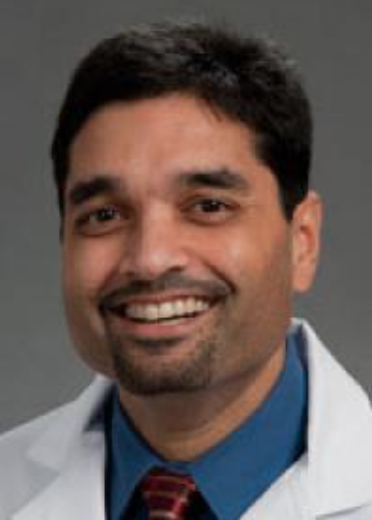 Ajit P. Limaye合作论文数University of Washington13
 Stevan Gonzalez合作论文数Baylor Regional Transplant Institute, Baylor University Medical Center13Sally Houston合作论文数13Hoylan Fernandez合作论文数12
 Atul Humar合作论文数Toronto General Hospital Research Institute12
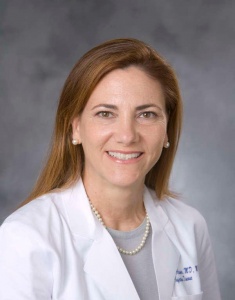 Barbara Dudley Alexander合作论文数Department of Medicine, School of Medicine, Duke University;Department of Molecular Genetics and Microbiology, School of Medicine, Duke University12
 Ernesto Molmenti合作论文数12
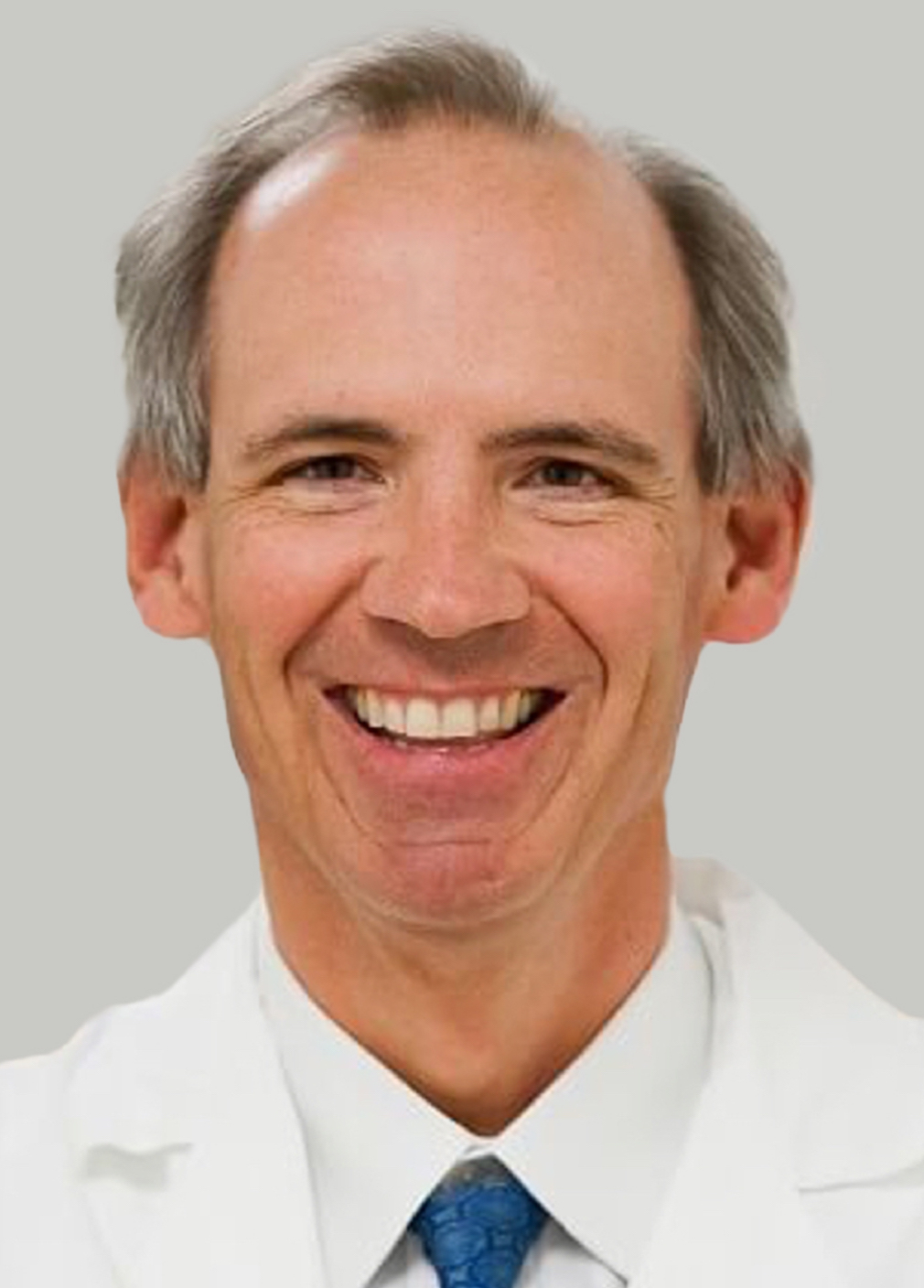 James F. Markmann合作论文数Division of Transplant Surgery, Massachusetts General Hospital;Transplant Center, Massachusetts General Hospital;Harvard Medical School12
 Amar Kumar Gupta合作论文数12
 Susan Louise Orloff合作论文数Department of Surgery, Oregon Health and Science University12
 Julia B Garcia-Diaz合作论文数12
 G. Lyon III合作论文数Division of Infectious Diseases, Department of Medicine, School of Medicine, Emory University12




