Organic liquid scintillators are used since several decades, especially in neutrino physics. They excel at the detection of low-energy particles where energy and timing information is required. Organic liquid scintillators have advantages such as high light yield, radio purity, cost effectiveness, and more. However, they also exhibit disadvantages, most prominently a lack of vertex resolution and particle identification. Various novel ideas have emerged over the course of the last decade to improve the performance of organic liquid scintillators. Among them are most prominently hybrid and opaque scintillators. In this proceedings, these novel scintillators are reviewed and their current applications in the research fields of neutrino and dark matter physics are illustrated.
Particle physics, when taught in the classroom or lecture theatre, suffers from a lack of practical experience by students. Thus, we describe the construction of a fully working small particle physics detector using state of the art detector technology for demonstration in educational context. Most of our setup can be constructed with relatively moderate effort, given that a home-level 3D-printer, a photosensor and readout electronics (at least an oscilloscope) are available.
Double beta plus decay is a rare nuclear disintegration process. Difficulties in its measurement arise from suppressed decay probabilities, experimentally challenging decay signatures and low natural abundances of suitable candidate nuclei. In this article, we propose a new detector concept to overcome these challenges. It is based on the first-time combination of hybrid and opaque scintillation detector technology paired with novel light read-out techniques. This approach is particularly suitable for detecting positrons (beta plus) signatures. We expect to discover two-neutrino double beta plus decay modes within 1 tonne-week exposure and are able to probe neutrinoless double beta plus decays at several orders of magnitude improved significance compared to current experimental limits.
Double beta plus decay is a rare nuclear disintegration process. Difficulties in its measurement arise from suppressed decay probabilities, experimentally challenging decay signatures and low natural abundances of suitable candidate nuclei. In this presentation, we propose NuDoubt++, a new detector concept to overcome these challenges. It is based on the first-time combination of hybrid and opaque scintillation detector technology paired with novel light read-out techniques. This approach is particularly suitable detecting positron (beta plus) signatures. We expect to discover two-neutrino double beta plus decay modes within 1 tonne-week exposure and are able to probe neutrinoless double beta plus decays at several orders of magnitude improved significance compared to current experimental limits.
For several decades now, scintillator detectors have found a wide range of applications in particle physics, including neutrino detection, the search for dark matter and even medical imaging. These detectors so far have strongly relied on the transparency of the scintillating medium, through which light is typically propagated to surrounding photosensors. In this work, we present the results of a 10 litre prototype based on a novel detection approach where an opaque scintillator medium is used to confine light near its creation point that is then collected by a grid of wavelength-shifting fibres traversing the detector. The prototype is operated with different media, including the novel opaque scintillator NoWaSH whose scattering length varies with temperature. Our results progressively demonstrate the temperature-dependent stochastic confinement of the light, with 90 radius of 5 cm (4 cm) when the scattering length is on the order of a few millimetres. The results also demonstrate the pulse shape resolution of our setup capable of resolving Cherenkov and scintillation light. Altogether, the observations match the performance expected for this new type of detector, whose capabilities are expected to include the imaging of particle interactions down to MeV-energies.
Plastic scintillators are widely used in particle physics experiments. Additive manufacturing techniques allow the production of parts with free shapes and, depending on the application, direct integration with other detector components. This opens up new possibilities for the development of, for example, trigger and veto systems or 3D-segmented detectors like high-granularity calorimeters utilizing structured scintillators with diffuse reflective subdivisions. ARBURG Plastic Freeforming (APF) devices feature the processing of several different granulates at the same time including in-line drying, melting points up to 350 degrees C and high-frequency droplet discharging. The usage of granulates to 3D-print plastic scintillators has the advantage that original materials produced without plasticizers or polymerization starters can be used. However, it must be investigated whether the materials degrade under the high process temperatures to which they are exposed. Achieving high transparency and surface quality are further challenges, as with other techniques. Using the APF process, we have 3D-printed scintillator samples made from granulate based on polystyrene. We have used both commercial granulate with POPOP and p-terphenyl wavelength-shifting additives as well as self-made granulate with PPO and bis-MSB. With these samples we have performed several measurements to evaluate their performance with regard to transparency, fluorescence behavior, decay time and light-yield. We present the results by comparison with reference scintillators and polymethylmethacrylate samples.
Nuclear reactors are uniquely powerful, abundant, and flavor-pure sources of antineutrinos that have played a central role in the discovery of the neutrinos and in elucidation of their properties. This continues through a broad range of experiments investigating topics including Standard Model and short-baseline oscillations, beyond-the-Standard-Model physics searches, and reactor flux and spectrum modelling. This Report will survey the state of the reactor antineutrino physics field and summarize the ways in which current and future reactor antineutrino experiments can play a critical role in advancing the field of particle physics in the next decade.
LiquidO is an innovative scintillator-based radiation detector concept. The core idea is to achieve the self-segmentation of a detector by exploiting stochastic light confinement in a highly scattering medium. Key components include an opaque scintillator with short scattering and long absorption lengths, along with a wavelength-shifting fibre lattice for efficient collection of scintillation light, enabling confining and collecting light near its creation point. At the University of Sussex, the focus is on investigating the performance of the LiquidO technology on cosmic-ray muons detection. We developed the design of a 3D-printable 64 fibres cube. The cube has a length of a few centimetres and contains an $8 x 8$ grid of optical fibres along one direction, with a 3-millimetre pitch, read-out by silicon photomultipliers. Wax-based opaque liquid scintillators are used to fill the cube. Using this LiquidO detector, ‘ light cylinders” produced by cosmic-ray muons in a LiquidO detector are observed. The distinct LiquidO event topology is used to identify and reconstruct the muons track. A sub-millimetre one-dimensional position resolution is demonstrated, surpassing the capability of a physically segmented detector with identical pixel pitch. Room for improvements to further enhance the position resolution of the 64 -fibre cube comprises tuning the scintillator properties, supported by the study of the setup in Monte Carlo simulations. Additionally, a ten times larger prototype with 256 fibres along two perpendicular directions is being commissioned and will soon be used to acquire cosmic-ray muons data. These results demonstrate the potential of LiquidO detectors in muons imaging techniques and advance the understanding of the novel LiquidO technology. Finally, these prototypes constitute a fundamental step towards the first large-scale detector under development by the LiquidO consortium, CLOUD (Chooz LiquidO Ultra-near Detector).
Eos is a technology demonstrator, designed to explore the capabilities of hybrid event detection technology, leveraging both Cherenkov and scintillation light simultaneously. With a fiducial mass of four tons, Eos is designed to operate in a high-precision regime, with sufficient size to utilize time-of-flight information for full event reconstruction, flexibility to demonstrate a range of cutting edge technologies, and simplicity of design to facilitate potential future deployment at alternative sites. Results from Eos can inform the design of future neutrino detectors for both fundamental physics and nonproliferation applications. This paper describes the conceptual design and potential applications of the Eos detector.
The precise modeling of the de-excitation of Gd isotopes is of great interest for experimental studies of neutrinos using Gd-loaded organic liquid scintillators. The FIFRELIN code was recently used within the purposes of the STEREO experiment for the modeling of the Gd de-excitation after neutron capture in order to achieve a good control of the detection efficiency. In this work, we report on the recent additions in the FIFRELIN de-excitation model with the purpose of enhancing further the de-excitation description. Experimental transition intensities from the EGAF database are now included in the FIFRELIN cascades, in order to improve the description of the higher energy part of the spectrum. Furthermore, the angular correlations between γ rays are now implemented in FIFRELIN, to account for the relative anisotropies between them. In addition, conversion electrons are now treated more precisely in the whole spectrum range, while the subsequent emission of X rays is also accounted for. The impact of the aforementioned improvements in FIFRELIN is tested by simulating neutron captures in various positions inside the STEREO detector. A repository of up-to-date FIFRELIN simulations of the Gd isotopes is made available for the community, with the possibility of expanding for other isotopes which can be suitable for different applications.
Organic liquid scintillators have been used for decades in many neutrino physics experiments. They are particularly suited for the detection of low-energy neutrinos where energy and timing information is required. Organic liquid scintillators exhibit advantages such as high light yield, cost effectiveness, radio purity, and more. However, they also entail disadvantages, most prominently a lack of vertex resolution and particle identification. In recent years, various novel ideas have emerged to improve the performance of organic liquid scintillators. In this review, novel approaches to organic liquid scintillators in neutrino experiments as of 2022 are reviewed and their prospects and applications compared.
Nuclear reactors are uniquely powerful, abundant, and flavor-pure sources of antineutrinos that continue to play a vital role in the US neutrino physics program. The US reactor antineutrino physics community is a diverse interest group encompassing many detection technologies and many particle physics topics, including Standard Model and short-baseline oscillations, BSM physics searches, and reactor flux and spectrum modeling. The community's aims offer strong complimentary with numerous aspects of the wider US neutrino program and have direct relevance to most of the topical sub-groups composing the Snowmass 2021 Neutrino Frontier. Reactor neutrino experiments also have a direct societal impact and have become a strong workforce and technology development pipeline for DOE National Laboratories and universities. This white paper, prepared as a submission to the Snowmass 2021 community organizing exercise, will survey the state of the reactor antineutrino physics field and summarize the ways in which current and future reactor antineutrino experiments can play a critical role in advancing the field of particle physics in the next decade.
Immunotherapy has recently led to a major breakthrough in the treatment of metastatic gastroesophageal cancer patients. Yet, further analyses of large trials investigating checkpoint inhibitor monotherapy or combination with standard chemotherapy suggest, that only a subgroup of patients might benefit from addition of immunotherapy to chemotherapy. Despite these advances, prognosis remains poor, especially in patients with Caucasian ethnicity. Thus, novel prognostic as well as predictive biomarkers are desperately needed to improve patient management. Further knowledge on the complex local inflammatory mechanisms might help to improve our understanding on the efficacy of immunotherapy. Thus, the aim of this study was to further characterize local inflammatory processes in patients with advanced gastroesophageal cancer and investigate their association with systemic inflammation as well as the overall survival (OS). We analyzed local inflammatory biomarkers for T-cells (CD3, CD8), macrophages (CD68) and immune checkpoint inhibition (Lymphocyte-activation gene 3 (LAG3)) in previously untreated, primary tumor tissue samples of advanced gastroesophageal cancer patients treated at the Medical University of Vienna between 2003 and 2016. FFPE tissue was stained using an automated immunohistochemistry slide staining system (Roche Ventana Medical Systems Inc., Tucson, AZ, USA). Analyses of the immunohistochemical staining was performed by Definiens Tissue Studio 4.0 software. Systemic serum inflammatory parameters including leucocyte levels (WBC), C-reactive protein levels (CRP) and albumin (Alb) as well as the OS was evaluated retrospectively by hospital chart review. Local inflammatory parameters were then associated with systemic parameters and the OS using log-rank test and Kruskal-Wallis-test. Primary tumor tissue samples (localization: 29% esopheageal, 25% gastroesophageal junction, 46% stomach; histological subtype: 77% adenocarcinoma, 23% squamous cell carcinoma) of 48 patients (65% male) were analyzed. CD3 was positive in 5.6%, CD8 in 1.8%, CD68 in 2.4% and LAG3 in 0.24% of analyzed cells. Slides were then divided by the median expression into samples with more positive and less positive cells. The median OS of the cohort was 7.6 months (95%CI 5.3-9.9). Local inflammatory biomarker could not be statistically significantly associated with the OS (CD3: p=0.317; CD8: p=0.905, CD68: p=0.369; LAG3: p=0.428). In addition, no clinically significant association with systemic inflammatory parameters could be identified (CD3: CRP p=0.168, WBC p=0.706, Alb p=0.849; CD8: CRP p=0.214, WBC p=0.275, Alb p=0.340; CD68: CRP p=0.499, WBC p=0.992, Alb p=0.181; LAG3: CRP p=0.766, WBC p=0.384), only Alb was associated with LAG3 expression (p=0.048). Local inflammation might play an important role as a prognostic and predictive tool. However, the understanding of local inflammation in gastroesophageal cancer is still scarce and, thus, further research is warranted to identify promising novel biomarkers. Additional staining for further local inflammatory markers as well as expansion of sample size are underway to further characterize the local inflammatory microenvironment in advanced gastroesophageal cancer patients.
EOS is a technology demonstrator, designed to explore the capabilities of hybrid event detection technology, leveraging both Cherenkov and scintillation light simultaneously. With a fiducial mass of four tons, EOS is designed to operate in a high-precision regime, with sufficient size to utilize time-of-flight information for full event reconstruction, flexibility to demonstrate a range of cutting edge technologies, and simplicity of design to facilitate potential future deployment at alternative sites. Results from EOS can inform the design of future neutrino detectors for both fundamental physics and nonproliferation applications.
Different extensions of the standard model of particle physics, such as braneworld or mirror matter models, predict the existence of a neutron sterile state, possibly as a dark matter candidate. This Letter reports a new experimental constraint on the probability p for neutron conversion into a hidden neutron, set by the STEREO experiment at the high flux reactor of the Institut Laue-Langevin. The limit is p<3.1×10^{-11} at 95% C.L. improving the previous limit by a factor of 13. This result demonstrates that short-baseline neutrino experiments can be used as competitive passing-through-walls neutron experiments to search for hidden neutrons.
The High Energy Physics community can benefit from a natural synergy in research activities into next-generation large-scale water and scintillator neutrino detectors, now being studied for remote reactor monitoring, discovery and exclusion applications in cooperative nonproliferation contexts. Since approximately 2010, US nonproliferation researchers, supported by the National Nuclear Security Administration (NNSA), have been studying a range of possible applications of relatively large (100 ton) to very large (hundreds of kiloton) water and scintillator neutrino detectors. In parallel, the fundamental physics community has been developing detectors at similar scales and with similar design features for a range of high-priority physics topics, primarily in fundamental neutrino physics. These topics include neutrino oscillation studies at beams and reactors, solar, and geological neutrino measurements, supernova studies, and others. Examples of ongoing synergistic work at U.S. national laboratories and universities include prototype gadolinium-doped water and water-based and opaque scintillator test-beds and demonstrators, extensive testing and industry partnerships related to large area fast position-sensitive photomultiplier tubes, and the development of concepts for a possible underground kiloton-scale water-based detector for reactor monitoring and technology demonstrations. Some opportunities for engagement between the two communities include bi-annual Applied Antineutrino Physics conferences, collaboration with U.S. National Laboratories engaging in this research, and occasional NNSA funding opportunities supporting a blend of nonproliferation and basic science R&D, directed at the U.S. academic community.
The PROSPECT and STEREO collaborations present a combined measurement of the pure ^{235}U antineutrino spectrum, without site specific corrections or detector-dependent effects. The spectral measurements of the two highest precision experiments at research reactors are found to be compatible with χ^{2}/ndf=24.1/21, allowing a joint unfolding of the prompt energy measurements into antineutrino energy. This ν[over ¯]_{e} energy spectrum is provided to the community, and an excess of events relative to the Huber model is found in the 5-6 MeV region. When a Gaussian bump is fitted to the excess, the data-model χ^{2} value is improved, corresponding to a 2.4σ significance.
This article describes the setup and performance of the near and far detectors in the Double Chooz experiment. The electron antineutrinos of the Chooz nuclear power plant were measured in two identically designed detectors with different average baselines of about 400 m and 1050 m from the two reactor cores. Over many years of data taking the neutrino signals were extracted from interactions in the detectors with the goal of measuring a fundamental parameter in the context of neutrino oscillation, the mixing angle θ13. The central part of the Double Chooz detectors was a main detector comprising four cylindrical volumes filled with organic liquids. From the inside towards the outside there were volumes containing gadolinium-loaded scintillator, gadolinium-free scintillator, a buffer oil and, optically separated, another liquid scintillator acting as veto system. Above this main detector an additional outer veto system using plastic scintillator strips was installed. The technologies developed in Double Chooz were inspiration for several other antineutrino detectors in the field. The detector design allowed implementation of efficient background rejection techniques including use of pulse shape information provided by the data acquisition system. The Double Chooz detectors featured remarkable stability, in particular for the detected photons, as well as high radiopurity of the detector components.
 Christian Buck合作论文数31D. Lhuillier合作论文数29
 Manfred Lindner合作论文数Max Planck Institute for Nuclear Physics29
 Simon Roth合作论文数28F. Sato合作论文数26Th. A. Mueller合作论文数26A. Letourneau合作论文数24
 Julia Haser合作论文数23L. Pickard合作论文数23P. Novella合作论文数23Olivier Drapier合作论文数CNRS22G. De Rosa合作论文数22J. Imber合作论文数22AK Ichikawa合作论文数22C. Densham合作论文数22S. Bhadra合作论文数22M. Batkiewicz合作论文数22G. Collazuol合作论文数22C. Giganti合作论文数22M. Friend合作论文数22
 J. Maricic合作论文数Department of Physics and Astronomy, University of Hawai'i22A. Cervera合作论文数22A. Dabrowska合作论文数22
 D. Cherdack合作论文数University of Houston22
 Edward Blucher合作论文数Department of Physics, The University of Chicago;Enrico Fermi Institute, The University of Chicago22Kabirnezhad M合作论文数22Hiraki T合作论文数Department of Physics, Kyoto University22P. Jonsson合作论文数22M.G. Catanesi合作论文数Laboratoire de Physique des Particules (LAPP),, IN2P3-CNRS22
 Alessandro Bravar合作论文数Département de Physique Nucléaire et Corpusculaire, Université de Genève22
 V. Berardi合作论文数INFN Sezione di Bari and Politecnico di Bari22Jacek Holeczek合作论文数22
 Chang Kee Jung合作论文数Department of Physics and Astronomy, College of Arts and Sciences, Stony Brook University22
 Yoshinari Hayato (早戸良成)合作论文数Kamioka Observatory, Institute for Cosmic Ray Research, The University of Tokyo;Kavli Institute for the Physics and Mathematics of the Universe, The University of Tokyo22
 Eric D. Zimmerman合作论文数Department of Physics, College of Arts and Sciences, University of Colorado Boulder22
 Akitaka Ariga (有賀昭貴)合作论文数Graduate School of Science, Chiba University;Laboratory for High Energy Physics, Physics Institute, Faculty of;Science, Universität Bern;Albert Einstein Center for Fundamental Physics, Universität Bern22
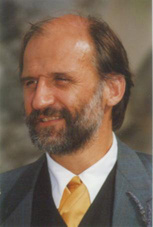 Alain Blondel合作论文数Department of Particle Physics, University of Geneva22
 Costas Andreopoulos合作论文数Department of Physics, School of Physical Sciences, Faculty of Science and Engineering, University of Liverpool22Takanori Hara (原隆宣)合作论文数High Energy Accelerator Research Organization21H. Kakuno合作论文数21Y. Fukuda合作论文数21S. R. Dennis合作论文数21T. Kutter合作论文数21A. Izmaylov合作论文数21M. J. Wilking合作论文数21J. L. Palomino合作论文数Dept Phys, IIT21M. R. Vagins合作论文数21
 Caravaca Rodríguez J合作论文数Institut de Fisica d'Altes Energies (IFAE), Bellaterra (Barcelona), Spain.21Dealtry T合作论文数21




