The human silencing hub (HUSH) complex is an epigenetic repressor complex whose role has emerged as an important guardian of genome integrity. It protects the genome from exogenous DNA invasion and regulates endogenous retroelements by recruiting histone methyltransferases catalyzing histone 3 lysine 9 trimethylation (H3K9me3) and additional proteins involved in chromatin compaction. In particular, its regulation of transcriptionally active LINE1 retroelements, by binding to and neutralizing LINE1 transcripts, has been well characterized. HUSH is required for mouse embryogenesis and is associated with disease, in particular cancer. Here we provide insights into the structural and biochemical features of the HUSH complex. Furthermore, we discuss the molecular mechanisms by which the HUSH complex is recruited to specific genomic regions and how it silences transcription. Finally, we discuss the role of HUSH complex members in mammalian development, antiretroviral immunity, and diseases such as cancer. Here, the authors discuss the various roles of the HUSH transcriptional silencing complex and its dysregulation in disease.
Abstract The tumor immune microenvironment is influenced by the epigenetic landscape of the tumor. Here, we have identified the SETDB1–TRIM28 complex as a critical suppressor of antitumor immunity. An epigenetic CRISPR–Cas9 screen of 1,218 chromatin regulators identified TRIM28 as a suppressor of PD-L1 expression. We then revealed that expression of the SETDB1–TRIM28 complex negatively correlated with infiltration of effector CD8+ T cells. Inhibition of SETDB1–TRIM28 simultaneously upregulated PD-L1 and activated the cyclic GMP–AMP synthase (cGAS)–stimulator of interferon genes (STING) innate immune response pathway to increase infiltration of CD8+ T cells. Mechanistically, SETDB1–TRIM28 inhibition led to micronuclei formation in the cytoplasm, which is known to activate the cGAS–STING pathway. Thus, SETDB1–TRIM28 inhibition bridges innate and adaptive immunity. Indeed, SETDB1 knockout enhanced the antitumor effects of immune checkpoint blockade with anti–PD-L1 in a mouse model of ovarian cancer in a cGAS-dependent manner. Our findings establish the SETDB1–TRIM28 complex as a regulator of antitumor immunity and demonstrate that its loss activates cGAS–STING innate immunity to boost the antitumor effects of immune checkpoint blockade.
Table S3 shows the correlation between TRIM28 expression and clinical response to anti-PD1 therapy in melanoma based on a published proteomics database
Generation of functionally mature organs requires exquisite control of transcriptional programs governing cell state transitions during development. Despite advances in understanding the behavior of adult intestinal stem cells and their progeny, the transcriptional regulators that control the emergence of the mature intestinal phenotype remain largely unknown. Using mouse fetal and adult small intestinal organoids, we uncover transcriptional differences between the fetal and adult state and identify rare adult-like cells present in fetal organoids. This suggests that fetal organoids have an inherent potential to mature, which is locked by a regulatory program. By implementing a CRISPR-Cas9 screen targeting transcriptional regulators expressed in fetal organoids, we establish Smarca4 and Smarcc1 as important factors safeguarding the immature progenitor state. Our approach demonstrates the utility of organoid models in the identification of factors regulating cell fate and state transitions during tissue maturation and reveals that SMARCA4 and SMARCC1 prevent precocious differentiation during intestinal development.
Table S1 shows the results of A CRISPR/Cas9 screen for chromatin regulators of PD-L1 expression
Transposable elements (TEs) are widespread genetic parasites known to be kept under tight transcriptional control. Here, we describe a functional connection between the mouse-orthologous "nuclear exosome targeting" (NEXT) and "human silencing hub" (HUSH) complexes, involved in nuclear RNA decay and the epigenetic silencing of TEs, respectively. Knocking out the NEXT component ZCCHC8 in embryonic stem cells results in elevated TE RNA levels. We identify a physical interaction between ZCCHC8 and the MPP8 protein of HUSH and establish that HUSH recruits NEXT to chromatin at MPP8-bound TE loci. However, while NEXT and HUSH both dampen TE RNA expression, their activities predominantly affect shorter non-polyadenylated and full-length polyadenylated transcripts, respectively. Indeed, our data suggest that the repressive action of HUSH promotes a condition favoring NEXT RNA decay activity. In this way, transcriptional and post-transcriptional machineries synergize to suppress the genotoxic potential of TE RNAs.
BACKGROUND:Gremlin-1 is a cystine knot protein and is expressed in organs developing fibrosis. Transient ischaemia leads to myocardial fibrosis, a major determinant of impaired myocardial function.MATERIALS AND METHODS:Expression of Gremlin-1 was investigated in infarcted myocardium by real-time PCR, Western blot analysis, histological and immunohistochemistry staining. We further elaborated the colocalization of Gremlin-1 and TGF-β proteins by confocal microscopy and co-immunoprecipitation experiments. The interaction between Gremlin-1 and TGF-β was analysed by photon correlation spectroscopy. Gremlin-1 modulation of the TGF-β-dependent collagen I synthesis in fibroblasts was investigated using ELISA and immunohistochemistry experiments. The effect of prolonged administration of recombinant Gremlin-1 on myocardial function following ischaemia/reperfusion was accessed by echocardiography and immunohistochemistry.RESULTS:Gremlin-1 is expressed in myocardial tissue and infiltrating cells after transient myocardial ischaemia (P < .05). Gremlin-1 colocalizes with the pro-fibrotic cytokine transforming growth factor-β (TGF-β) expressed in fibroblasts and inflammatory cell infiltrates (P < .05). Gremlin-1 reduces TGF-β-induced collagen production of myocardial fibroblasts by approximately 20% (P < .05). We found that Gremlin-1 binds with high affinity to TGF-β (KD = 54 nmol/L) as evidenced by photon correlation spectroscopy and co-immunoprecipitation. intravenous administration of m Gremlin-1-Fc, but not of equivalent amount of Fc control, significantly reduced infarct size by approximately 20%. In the m Gremlin-1-Fc group, infarct area was reduced by up to 30% in comparison with mice treated with Fc control (I/LV: 4.8 ± 1.2% vs 6.0 ± 1.2% P < .05; I/AaR: 15.2 ± 1.5% vs 21.1 ± 5%, P < .05).CONCLUSIONS:The present data disclose Gremlin-1 as an antagonist of TGF-β and presume a role for Gremlin-1/TGF-β interaction in myocardial remodelling following myocardial ischaemia.
The tumor immune microenvironment is influenced by the epigenetic landscape of the tumor. Here, we have identified the SETDB1-TRIM28 complex as a critical suppressor of antitumor immunity. An epigenetic CRISPR-Cas9 screen of 1,218 chromatin regulators identified TRIM28 as a suppressor of PD-L1 expression. We then revealed that expression of the SETDB1-TRIM28 complex negatively correlated with infiltration of effector CD8(+) T cells. Inhibition of SETDB1-TRIM28 simultaneously upregulated PD-L1 and activated the cyclic GMP-AMP synthase (cGAS)-stimulator of interferon genes (STING) innate immune response pathway to increase infiltration of CD8(+) T cells. Mechanistically, SETDB1-TRIM28 inhibition led to micronuclei formation in the cytoplasm, which is known to activate the cGAS-STING pathway. Thus, SETDB1-TRIM28 inhibition bridges innate and adaptive immunity. Indeed, SETDB1 knockout enhanced the antitumor effects of immune checkpoint blockade with anti-PD-L1 in a mouse model of ovarian cancer in a cGAS-dependent manner. Our findings establish the SETDB1-TRIM28 complex as a regulator of antitumor immunity and demonstrate that its loss activates cGAS-STING innate immunity to boost the antitumor effects of immune checkpoint blockade.
Deciphering the mechanisms that control the pluripotent ground state is key for understanding embryonic development. Nonetheless, the epigenetic regulation of ground-state mouse embryonic stem cells (mESCs) is not fully understood. Here, we identify the epigenetic protein MPP8 as being essential for ground-state pluripotency. Its depletion leads to cell cycle arrest and spontaneous differentiation. MPP8 has been suggested to repress LINE1 elements by recruiting the human silencing hub (HUSH) complex to H3K9me3-rich regions. Unexpectedly, we find that LINE1 elements are efficiently repressed by MPP8 lacking the chromodomain, while the unannotated C-terminus is essential for its function. Moreover, we show that SETDB1 recruits MPP8 to its genomic target loci, whereas transcriptional repression of LINE1 elements is maintained without retaining H3K9me3 levels. Taken together, our findings demonstrate that MPP8 protects the DNA-hypomethylated pluripotent ground state through its association with the HUSH core complex, however, independently of detectable chromatin binding and maintenance of H3K9me3.
CRISPR-Cas9 technology has transformed the ability to edit genomic sequences and control gene expression with unprecedented ease and scale. However, precise genomic insertions of coding sequences using this technology remain time-consuming and inefficient because they require introducing adjacent single-strand cuts through Cas9 nickase action and invoking the host-encoded homology-directed repair program through the concomitant introduction of large repair templates. Here, we present a system for the rapid study of any protein-of-interest in two neuronal cell models following its inducible expression from the human AAVS1 safe harbor locus. With lox-flanked foundation cassettes in the AAVS1 site and a tailor-made plasmid for accepting coding sequences-of-interest in place, the system allows investigators to produce their own neuronal cell models for the inducible expression of any coding sequence in less than a month. Due to the availability of preinserted enhanced green fluorescent protein (EGFP) coding sequences that can be fused to the protein-of-interest, the system facilitates functional investigations that track a protein-of-interest by live-cell microscopy as well as interactome analyses that capitalize on the availability of exquisitely efficient EGFP capture matrices.
Reward availability and the potential for danger or safety potently regulate emotion. Despite women being more likely than men to develop emotion dysregulation disorders, there are comparatively few studies investigating fear, safety and reward regulation in females. Here, we show that female Long Evans rats did not suppress conditioned freezing in the presence of a safety cue, nor did they extinguish their freezing response, whereas males did both. Females were also more reward responsive during the reward cue until the first footshock exposure, at which point there were no sex differences in reward seeking to the reward cue. Darting analyses suggest females were able to regulate this behavior in response to the safety cue, suggesting they were able to discriminate between fear and safety cues but did not demonstrate this with conditioned suppression of freezing behavior. However, levels of darting in this study were too low to make any definitive conclusions. In summary, females showed a significantly different behavioral profile than males in a task that tested the ability to discriminate among fear, safety and reward cues. This paradigm offers a great opportunity to test for mechanisms that are generating these behavioral sex differences in learned safety and reward seeking.
Protein interactions of Tau are of interest in efforts to decipher pathogenesis in Alzheimer's disease, a subset of frontotemporal dementias, and other tauopathies. We CRISPR-Cas9 edited two human cell lines to generate broadly adaptable models for neurodegeneration research. We applied the system to inducibly express balanced levels of 3-repeat and 4-repeat wild-type or P301L mutant Tau. Following 12-h induction, quantitative mass spectrometry revealed the Parkinson's disease-causing protein DJ-1 and non-muscle myosins as Tau interactors whose binding to Tau was profoundly influenced by the presence or absence of the P301L mutation. The presence of wild-type Tau stabilized non-muscle myosins at higher steady-state levels. Strikingly, in human differentiated co-cultures of neuronal and glial cells, the preferential interaction of non-muscle myosins to wild-type Tau depended on myosin ATPase activity. Consistently, transgenic P301L Tau mice exhibited reduced phosphorylation of regulatory myosin light chains known to activate this ATPase. The direct link of Tau to non-muscle myosins corroborates independently proposed roles of Tau in maintaining dendritic spines and mitochondrial fission biology, two subcellular niches affected early in tauopathies.
Fear and reward memories formed in adulthood are influenced by prior experiences. Experiences that occur during sensitive periods, such as adolescence, can have an especially high impact on later learning. Fear and reward memories form when aversive or appetitive events co-occur with initially neutral stimuli, that then gain negative or positive emotional load. Fear and reward seeking behaviours are influenced by safety cues, signalling the non-occurrence of a threat. It is unclear how adolescent fear or reward pre-conditioning influences later dynamics of these conditioned emotions, and conditioned safety. In this study, we presented male rats with adolescent fear or reward pre-conditioning, followed by discriminative conditioning in adulthood. In this discriminative task, rats are simultaneously conditioned to reward, fear and safety cues. We show that adolescent reward pre-conditioning did not affect the rate of adult reward conditioning, but instead accelerated adult safety conditioning. Adolescent fear pre-conditioning accelerated adult fear and reward seeking behaviours but delayed adult safety expression. Together, our results suggest that the dynamics of safety conditioning can be influenced by adolescent priming of different valences. Taking adolescent experiences into consideration can have implications on how we approach therapy options for later learned fear disorders where safety learning is compromised.
ALBRECHT, A., MULLER, L, ARDI, Z, CALISKAN, G., GRUBER, D., IVENS, S., SEGAL, M., BEHR, J., HEINEMANN, U., STORK, O., and RICHTER-LEVIN, G. Neurobiological consequences of juvenile stress: A GABAergic perspective on risk and resilience. NEUROSCI BIOBEHAV REV XXX-XXX, 2016. - Childhood adversity is among the most potent risk factors for developing mood and anxiety disorders later in life. Therefore, understanding how stress during childhood shapes and rewires the brain may optimize preventive and therapeutic strategies for these disorders.To this end, animal models of stress exposure in rodents during their post-weaning and pre-pubertal life phase have been developed. Such 'juvenile stress' has a long-lasting impact on mood and anxiety like behavior and on stress coping in adulthood, accompanied by alterations of the GABAergic system within core regions for the stress processing such as the amygdala, prefrontal cortex and hippocampus. While many regionally diverse molecular and electrophysiological changes are observed, not all of them correlate with juvenile stress-induced behavioral disturbances. It rather seems that certain juvenile stress-induced alterations reflect the system's attempts to maintain homeostasis and thus promote stress resilience. Analysis tools such as individual behavioral profiling may allow the association of behavioral and neurobiological alterations more clearly and the dissection of alterations related to the pathology from those related to resilience. (C) 2017 Elsevier Ltd. All rights reserved.
Aims Hyperlipidaemia enhances susceptibility to thrombosis, while platelet oxidixed LDL (oxLDL) binding in acute coronary syndrome (ACS) correlates with activation status. This study explores the platelet lipidome in symptomatic coronary artery disease (CAD) patients and the functional consequences of the chemokine CXCL12 and its receptors CXCR-4/-7 on lipid uptake in platelets. Methods and results Platelet-oxLDL detected by flow cytometry was enhanced (P = 0.04) in CAD patients, moderately correlated with platelet CXCR7 surface expression (ρ = 0.39; P < 0.001), while inversely with CXCR4 (ρ = 0.35; P < 0.001). Platelet-oxLDL was elevated (P = 0.01) in ACS patients with angiographic evidence of intracoronary thrombi. Ex vivo analysis of intracoronary thrombi sections revealed oxLDL deposition in platelet-enriched areas verified by immunofluorescence confocal microscopy. LDL-oxLDL uptake enhanced reactive oxygen species, mitochondrial superoxide generation, intraplatelet LDL to oxLDL conversion, and lipid peroxidation, counteracted by SOD2-mimetic MnTMPyP. Lipidomic analysis revealed enhanced intraplatelet-oxidized phospholipids, cholesteryl esters, sphingomyelin, ceramides, di- and triacylglycerols, acylcarnitines in CAD patients compared with age-matched controls as ascertained by liquid chromatography hyphenated to high-resolution mass spectrometry. LDL-oxLDL induced degranulation, αIIbβ3-integrin activation, apoptosis, thrombin generation estimated by calibrated automated thrombinoscopy, and shape change verified by live imaging using scanning ion conductance microscopy. Further, LDL-oxLDL enhanced thrombus formation ex vivo and in vivo in mice (ferric chloride-induced carotid artery injury). LDL-oxLDL enhanced platelet CXCL12 release, differentially regulated CXCR4-CXCR7 surface exposure, while CXCL12 prompted LDL-oxLDL uptake and synergistically augmented the LDL-oxLDL-induced pro-oxidative, thrombogenic impact on platelet function. Conclusion An altered platelet lipidome might be associated with thrombotic disposition in CAD, a mechanism potentially regulated by CXCL12-CXCR4-CXCR7 axis.
Parvalbumin-positive (PV) basket cells provide perisomatic inhibition in the cortex and hippocampus and control generation of memory-related network activity patterns, such as sharp wave ripples (SPW-R). Deterioration of this class of fast-spiking interneurons has been observed in neuropsychiatric disorders and evidence from animal models suggests their involvement in the acquisition and extinction of fear memories. Here, we used mice with neuron type-targeted expression of the presynaptic gain-of-function glycine receptor RNA variant GlyR α3L(185L)to genetically enhance the network activity of PV interneurons. These mice showed reduced extinction of contextual fear memory but normal auditory cued fear memory. They furthermore displayed increase of SPW-R activity in area CA3 and CA1 and facilitated propagation of this particular network activity pattern, as determined in ventral hippocampal slice preparations. Individual freezing levels during extinction and SPW-R propagation were correlated across genotypes. The same was true for parvalbumin immunoreactivity in the ventral hippocampus, which was generally augmented in the GlyR mutant mice and correlated with individual freezing levels. Together, these results identify PV interneurons as critical cellular substrate of fear memory persistence and associated SPW-R activity in the hippocampus. Our findings may be relevant for the identification and characterization of physiological correlates for posttraumatic stress and anxiety disorders.
A key open question in the tauopathy field is how tau proteins aggregate and cause proteotoxic stress. We recently published a first in-depth tau interactome, which revealed that tau carrying the P301L frontotemporal dementia mutation exhibits reduced interactions with heat shock proteins and the proteasome (1). Our previous work captured steady-state interactions of a specific mutated and plasmid-encoded tau isoform. However, as disease evolves dynamically, critically needed are next generation models that can be induced to reveal the chronology of events underlying tau’s aggregation and proteotoxicity. We are poised to fill this unmet need with novel CRISPR/Cas9-generated cell models that can be induced to express human tau alleles. Specifically, inducible tau IMR-32 human neuroblastoma cells were created in a two-step gene engineering workflow: first, a pair of foundation lox sites was inserted into the AAVS1 human genome safe harbor locus via a CRISPR/Cas9 nickase strategy. Second, wild-type or P301L tau C-terminally fused to the enhanced green fluorescent protein were inserted into the primed AAVS1 locus via Cre recombinase-mediated heterologous gene exchange using the foundation lox sites. The system can be used for time-course transcriptome and proteome analyses. Accurate transgene insertion was confirmed by genomic PCR and sequencing. Marked induction and tight leakage control of the inducible model were validated by Western blotting after treating the cells with doxycycline for 0-18 h. A preliminary mass spectrometry analysis confirmed that tau interacts with a large segment of the cellular ribonucleoproteome and chaperones. Data collected to date establish the successful implementation of an inducible tau-EGFP expression system that will allow us to dissect the time-course of aberrant tau interactions underlying proteotoxic stress. Targeted insertion minimizes the deleterious effects of random integrations, and the flexible two-step process can potentially accommodate any genes of interest.
 Meinrad Paul Gawaz合作论文数Inneren Medizin III, Universitätsklinikum Tübingen26
 Kristian Helin合作论文数The Institute of Cancer Research11
 Tobias Geisler合作论文数Medizinische Klinik III, Kardiologie und Kreislauferkrankungen, Eberhard-Karls-Universität Tübingen11
 Karin Muller合作论文数10
 Peter Seizer合作论文数9Oliver Borst合作论文数Medizinische Klinik, Universitätsklinikum Tübingen7Harald Langer合作论文数7
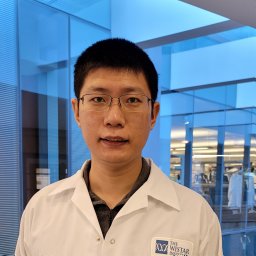 Wei Zhou合作论文数Sch Med, Nankai Univ6
 Ronny Drapkin合作论文数Perelman School of Medicine, University of Pennsylvania;Penn Ovarian Cancer Research Center, University of Pennsylvania;United States Department of Defense6
 Madhumita Chatterjee合作论文数Department of Cardiology and Cardiovascular Diseases, Eberhard Karls University Tübingen6
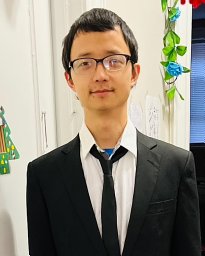 Heng Liu合作论文数Shanghai Institute for Biological Sciences Chinese Academy of Sciences, Chinese Academy of Sciences6
 Rugang Zhang合作论文数The Wistar Institute Cancer Center;Department of Genetics, Perelman School of Medicine, University of Pennsylvania6
 Borna Relja合作论文数Zentrum der Chirurgie, Klinik für Urologie und Kinderurologie;Johann Wolfgang Goethe-Universität;Frankfurt am Main6Tobias Engl合作论文数6
 Oliver Stork合作论文数5Martina Schneider合作论文数5
 Florian Lang合作论文数Institute of Physiology, Universitat Tubingen;Department of Physiology, University of Tübingen5Roman A. Blaheta合作论文数5
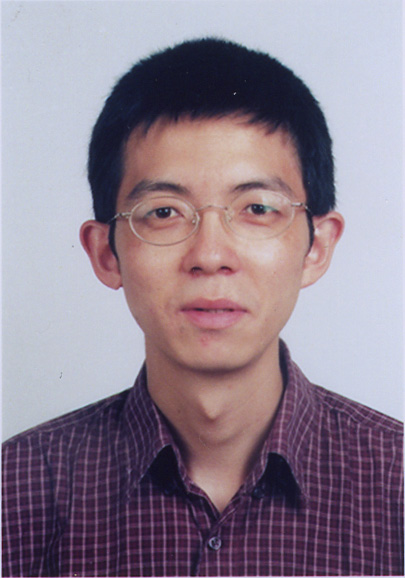 Chen Wang (王琛)合作论文数中国药科大学生命科学与技术学院5
 Steffen Massberg合作论文数Department of Cardiology, University Clinic Munich, Ludwig-Maximilian-University Munich;Department of Medicine I, University Hospital Munich, Medical Faculty, Ludwig-Maximilian-University Munich5Tanja Schonberger合作论文数5Dietger Jonas合作论文数5
 Iyad Natsheh合作论文数Faculty of Zarqa, Al-Balqa Applied University5Xinzhu Wang合作论文数4Gerold Schmitt-Ulms合作论文数Department of Laboratory Medicine and Pathobiology, Temerty Faculty of Medicine, University of Toronto4Bitler Benjamin G合作论文数4Rath Dominik合作论文数4Vogel Sebastian合作论文数Department of Cardiology and Cardiovascular Diseases, Eberhard Karls University Tübingen4Bigalke Boris合作论文数4Wolf-Dietrich Beecken合作论文数4WD Beecken合作论文数3
 C. Schaechtele合作论文数3Christian Schulz合作论文数3Ramona Dukart合作论文数3Tony Yu合作论文数3
 Hans-Jorg Weig合作论文数3Kossenkov Andrew V合作论文数3Makarević Jasmina合作论文数3Schmid Martina合作论文数3Thomas Simmet合作论文数3
 Ela W. Knapik合作论文数Department of Cell and Developmental Biology, Vanderbilt University;Division of Genetic Medicine and Clinical Pharmacology, Department of Medicine, School of Medicine, Vanderbilt University Medical Center3
 Konstantinos Stellos合作论文数Medizinische Klinik III, Kardiologie und Kreislauferkrankungen, Eberhard Karls Universität3Norbert Esser合作论文数3
 Antonis Hatzopoulos合作论文数3Gal Richter-Levin合作论文数3Ulrike Fiedler合作论文数3
 Ralph Graeser合作论文数3Florian Appenzeller合作论文数2




