Spätestens seit Beginn der Covid-19 Pandemie im Frühjahr 2020 werden die Begriffe "Vulnerabilität" und "vulnerable Gruppen" auch in der Gesundheitsforschung und den populären Medien vermehrt genutzt. Das Thema ist aktuell wie nie und in einer zunehmend diversen Gesellschafft scheint es angemessen, alle Bevölkerungsschichten in der Forschung zu betrachten und nicht von homogenen Gruppen auszugehen.
Purpose We examined how migration background is associated with awareness and usage of psycho-oncology services. Methods Oncologists in community-based practices and outpatient clinics asked their patients and their relatives to complete a questionnaire. Migrants were purposely over-sampled. The questionnaire was provided in Arabic, English, Farsi, French, German, Hindi, Kurdish, Pashto, Russian, Somali, Turkish, Urdu, and Vietnamese. Results From 9 collaborators, 177 participants were enrolled (130 with and 47 without migration background). The existence of outpatient cancer counselling centres was known to 38% of the participants without and 32% with migration background, self-help groups to 32 vs. 12%, and psychotherapy to 43 vs. 25%. Respondents from the Near and Middle East were less likely to know about psychotherapy (odds ratio (OR) 0.1, p = 0.01); those from the Commonwealth of the Independent States or former Yugoslavia were less often informed about self-help groups (OR 0.1, p = 0.06). Migrants retrieved information less frequently from the internet than non-migrants (10 vs. 25%). At least one service had been used by 27% of migrants and 42% of non-migrants (OR 0.5, p = 0.06). After adjusting for gender, age, education, and patient-relative status, there was no evidence for an association between migration background and service use. Conclusions Migrants should be better informed about psychotherapy and self-help groups, in particular the ones coming from the Near or Middle East and the Commonwealth of the Independent States or former Yugoslavia. The under-use of psychosocial services can largely be explained by confounding factors. Therefore, these factors must always be taken into account when analysing the use of psychosocial services in the aforementioned populations.
Einleitung Herz-Kreislauf-Erkrankungen sind zu 80 % durch den Lebensstil verursacht. Besonders Menschen aus vulnerablen Risikogruppen, mit einem geringen sozioökonomischen Status, Bildungsferne und Migrationsgeschichte, haben ein erhöhtes Risiko.
We aimed at investigating the predictors of linguistic barriers among office-based haemato-oncologists during consultation with migrant cancer patients in Germany. Physicians from haemato-oncological practices were invited to participate in a cross-sectional study. Linguistic barriers and family factors were ascertained using a newly developed online-questionnaire with the scales “Overall linguistic barriers”, “Self-perceived linguistic barriers” and “Family factors – antagonistic behaviour”. Predictors of linguistic barriers were identified using multivariate ANOVA via step-wise backwards selection. Fifty-five physicians participated in the study. Treating patients from Sub-Saharan Africa predicted higher overall and self-perceived linguistic barriers (F [2,46] = 4.51, p = .04; and F [3,45] = 5.44, p = .02, respectively). Working in an single practice (F [3,45] = 4.19; p = .05) predicted higher self-perceived linguistic barriers. Employees who could act as translators predicted lower barriers in form of antagonistic behaviour from relatives (F [2,48] = 6.12; p = .02). The results indicate that linguistic barriers are affected by the level of linguistic concordance between patients and medical personnel. A temporary solution might be the presence of linguistically competent personnel in the practice. However, the results of this study highlight the need for greater availability of linguistic competent translators for consultations in haemato-oncological practices.
Background Diabetes is one of the most common diseases worldwide and is associated with increased morbidity, mortality, and reduced quality of life. Many patients experience high diabetes-related distress as well as depression and anxiety symptoms, which are associated with poor diabetes self-management. As disease management is a central component in diabetes treatment, poor management enhances the occurrence of micro- and macrovascular complications. This emphasizes the relevance of reducing diabetes-related distress and providing adequate treatment options addressing the individual psychosocial burden of patients with diabetes. Since patients’ perspectives diverge significantly from those of practitioners in terms of relevant treatment aspects, the patient perspective on, for example, barriers to and facilitators of diabetes treatment is crucial for adequate and effective treatment as well as improvements to self-management and therefore, needs to be further explored. Objective This study aims to examine diabetes-related distress, the course of distress throughout diabetes management, as well as barriers and facilitating factors in dealing with diabetes from the individual perspective of patients with type 1 and type 2 diabetes. Methods The study employs a mixed methods design combining qualitative and quantitative data. Semistructured interviews (N=40) will be conducted with patients with type 1 diabetes (n=20) and patients with type 2 diabetes (n=20). The primary outcomes comprise (1) diabetes-related distress, (2) the severity of distress, (3) the course of distress throughout diabetes management, (4) barriers, and (5) facilitating factors. Questionnaires will provide data on the following secondary outcomes: diabetes-related emotional distress (the Problem Areas in Diabetes scale), symptoms of depression and anxiety (Patient Health Questionnaire, German version), personality functioning (Operationalized Psychodynamic Diagnosis-Structure Questionnaire), mentalizing capacities (Mentalization Questionnaire), epistemic trust (Epistemic Trust, Mistrust and Credulity Questionnaire) and experiences of child maltreatment (Childhood Trauma Questionnaire), and the overall health status of the patient (routine medical data). Results As of April 2022, the conceptualization phase of the study was finalized. Ethics approval was received in January 2022 from the local ethics committee of the Justus Liebig University Giessen – Faculty of Medicine (AZ 161/21). Conclusions This study will provide insights into the individual perspective of patients with type 1 and type 2 diabetes regarding their experiences with diabetes management and what they perceive to be relevant, obstructive, or beneficial. The insights gained could help further tailor diabetes treatment to the individual needs of patients with diabetes and therefore optimize diabetes self-management. Trial Registration German Clinical Trial Register DRKS00024999; https://tinyurl.com/2wb4xdh8 International Registered Report Identifier (IRRID) PRR1-10.2196/38477
Der Identifikation psychoonkologischer Versorgungsbedarfe und der Einleitung von Unterstützungsmaßnahmen kommt in der ambulanten onkologischen Versorgung eine zunehmend größere Bedeutung zu. Bei fremdsprachigen Krebspatient*innen ohne ausreichende Deutschkenntnisse müssen oftmals Angehörige das ärztliche Gespräch übersetzen. Untersucht werden sollte die Perspektive von Krebspatient*innen und Angehörigen hinsichtlich der Übersetzung des ärztlichen Gesprächs. Krebspatient*innen und Angehörige wurden in 7 hämatologisch-onkologischen Praxen und 2 onkologischen Klinikambulanzen mit Fragebögen in 13 Sprachen befragt. Insgesamt nahmen 184 Personen an der Befragung teil. Von den Patient*innen, die angaben, dass das ärztliche Gespräch übersetzt werden muss (34 %), fühlten sich 16 % bei der Übersetzung durch die begleitende Person (eher) nicht wohl, 22 % konnten (eher) keine intimen Themen ansprechen. Etwa 27 % der Angehörigen gaben an, (eher) nicht alle Inhalte des ärztlichen Gesprächs zu übersetzen, um die erkrankte Person zu schützen, und 13 % übersetzten (eher) ungern intime Themen. Die Übersetzung durch eine professionelle Person würden 42 % der Patient*innen und 17 % der übersetzenden Angehörigen (eher) bevorzugen. Die Ergebnisse deuten auf mögliche Schwierigkeiten bei der Übersetzung des ärztlichen Gesprächs durch Angehörige hin, insbesondere was die Ansprache sensibler Themen betrifft. Fremdsprachige Screeninginstrumente könnten die Identifikation psychoonkologischen bzw. psychosozialen Versorgungsbedarfs unterstützen.
We compared the perception of office-based haematologists and oncologists regarding the availability of outpatient psycho-social support services (PSSS) for patients with cancer and a migration background, as well as their different experiences with these services. Data were collected via an online survey addressing the doctors’ socio-demographic characteristics and their perception of-and experience with PSSS. The association between socio-demographic characteristics of the doctors and their experiences with PSSS was tested using Pearson’s chi-squared test and Kruskal–Wallis test. A total of 55 doctors were included in this study. More than three doctors in four reported non-sufficient presence of PSSS in foreign languages in their region; one in two reported that the services for patients with migration background should be improved. Most doctors reported missing PSSS in Turkish and Arabic in their region. Doctors with less experience referred patients more often to PSSS hosted in patients’ associations (75
Background: The process of enrolling participants is an important component and often a time-consuming step in scientific research projects. Due to different financial, organisational and ethical framework conditions, the enrolment of participants is often a challenge. In this article, we report our experiences of enrolling patients in clinical trials made in the project "Psycho-oncological care of cancer patients with a migration background - a mixed methods study" (POM). Methods: Participants were recruited through outpatient haemato-oncology practices. Patients and relatives were primarily made aware of the project by the treating physicians and recruited to participate in qualitative interviews. Results: Nine patients and relatives were interviewed nationwide in individual qualitative interviews. In addition to the COVID-19 pandemic, there were other patient enrolment challenges. In many cases, participation was refused. The reasons included: "not interested", the use of the terms "psycho-oncology" or "person with a migration background", family denying permission to participate, no face-to-face interview due to the COVID-19 pandemic as well as too much emotional distress and deterioration of health after prior consent. Discussion: Enrolling study participants from vulnerable groups for a sensitive topic such as psycho-oncology entails multiple challenges. In order to achieve successful study inclusion, regular telephone and written exchanges with the respective practice staff proved to be helpful, allowing an overview of challenges to be gained and study inclusion to be evaluated and adjusted in a timely manner. Conclusion: In research projects with vulnerable groups and on sensitive topics, both a target-group-specific, sensitive approach in plain language (layman's terms) and regular consultations with the persons responsible for study inclusion in care facilities should take place in order to adapt the existing procedure during the study inclusion process, if necessary.
Zusammenfassung Hintergrund Menschen mit Migrationshintergrund stellen eine heterogene Bevölkerungsgruppe dar mit einer Vielfalt an Ethnien, kulturellen und religiösen Ansichten und Erfahrungen. Die Diagnose und anschließende Behandlung einer Krebserkrankung gehen mit vielfältigen psychosozialen Belastungen einher. Daher war es Ziel dieser Studie, die aktuelle Perspektive von Ärzt/innen bezüglich Barrieren bei der psychoonkologischen Versorgung von MMH zu untersuchen sowie benötigte Hilfestellungen zu analysieren. Methode Es wurden bundesweit acht niedergelassene Ärzt/innen aus der hämatologisch-onkologischen Versorgung in qualitativen Einzelinterviews befragt. Die Interviews wurden digital aufgezeichnet und transkribiert. Die Auswertung erfolgte nach der inhaltlich strukturierenden Inhaltsanalyse mithilfe des Softwareprogramms MAXQDA 2020. Ergebnisse Identifiziert wurden 255 Codes in den Hauptkategorien „Definition Menschen mit Migrationshintergrund“, „Kommunikation“, „Kulturelle Unterschiede“, „Psychoonkologische Versorgung“, „Koordinierung & Vermittlung von psychoonkologischen Versorgungsangeboten“ sowie „Optimale psychoonkologische Versorgung“. Die Ergebnisse geben einen aktuellen Einblick in alltägliche und praxisrelevante Probleme, die sich in der transkulturellen Kommunikation, Barrieren hinsichtlich der Identifizierung von Bedürfnissen, in der psychoonkologischen Weiterversorgung oder auch während der Übersetzung durch Angehörige erkennen lassen. Diskussion Bereits die Identifizierung von Bedürfnissen während der ärztlichen Behandlung ist mit diversen Barrieren verbunden. Screening-Instrumente für Menschen mit Migrationshintergrund und Angehörige auf verschiedenen Sprachen und für unterschiedliche Kulturkreise könnten die Identifizierung unterstützen. Zudem müssten Netzwerke geschaffen werden, um Patient/innen anschließend auch psychoonkologisch versorgen zu können.
Während das deutsche Gesundheitssystem über eine hervorragende medizinische Akutversorgung (Stroke Unit) von Menschen nach Schlaganfall verfügt, sind es der Entlassungsprozess und die poststationäre Betreuung nach Abschluss einer Rehabilitationsmaßnahme, in denen noch immer Unter- und Fehlversorgungen auftreten. Ziel der hier vorgestellten Studie war es, basierend auf den Erfahrungen aller Teilnehmenden Empfehlungen für eine Verbesserung im Nachsorgeprozess zu formulieren. Insgesamt wurden 19 Personen mithilfe von leitfadengestützten Interviews befragt, sechs Expertinnen und Experten aus der ärztlichen und therapeutischen Versorgung sowie sieben Menschen nach Schlaganfall und sechs Angehörige. Die audiodokumentierten Interviews wurden mit der Analysesoftware MAXQDA transkribiert und nach dem Verfahren der qualitativen Inhaltsanalyse nach KUCKARTZ (2016) ausgewertet. Die Ergebnisse zeigen, dass insbesondere der Zeitpunkt der Weitergabe von Informationen, die Einbindung der Angehörigen sowie die Budgetierung im deutschen Gesundheitswesen Versorgungslücken und Versorgungsabbrüche in der Nachsorge beeinflussen und somit Ansatzpunkte zur Verbesserung bieten können.
Die Mehrzahl der hämatoonkologischen Schwerpunktpraxen hat unter anderem mit einer Einführung von Telefonsprechstunden auf die Pandemie reagiert. Ein kleinerer Teil (12 %) hat sogar Videosprechstunden eingeführt. Insgesamt ist die Nachfrage nach Videosprechstunden vonseiten der Betroffenen aufgrund des höheren Durchschnittsalters geringer. Das könnte sich mit zukünftigen Generationen aber ändern. © Qwenergy / stock.adobe.com (Symbolbild mit Fotomodell)
Background The diagnosis and treatment of cancer are accompanied by various types of psychosocial burden. So far, little is known about the need for and use of psycho-oncological care services by people with a migration background from the Near and Middle East. Objectives Assessing the handling of psychological burden and the support needs for psycho-oncological support of cancer patients and their relatives from the Near and Middle East. Methods A nationwide survey of patients and relatives was conducted via haemato-oncological practices with qualitative individual interviews. The interviews were digitally recorded and transcribed verbatim. The analysis was carried out using the structuring content analysis with MAXQDA 2020. Results Nine interviews were conducted. Reason and need for support do often not only result directly from the disease. Religion, secrecy about the diagnosis and political conflicts in the home country can lead to multiple stresses and have a negative impact on well-being. The family provides support, for example in the case of emotional stress, especially in the acute phase of the disease. The use of external support services depends on whether knowledge about services is available and the point in time during the course of the disease. Many respondents do not know what psycho-oncological services entail and how to make use of them. Conclusion Using plain language and providing continuous information throughout the entire period of illness is necessary to enable the use of psycho-oncological services and to lessen patients and their relatives of the burden. Other reasons for psychological stress, such as migration phase or political/violent conflicts in the home country, should be considered, as they can represent additional stress.
The process of enrolling participants is an important component and often a time-consuming step in scientific research projects. Due to different financial, organisational and ethical framework conditions, the enrolment of participants is often a challenge. In this article, we report our experiences of enrolling patients in clinical trials made in the project "Psycho-oncological care of cancer patients with a migration background - a mixed methods study" (POM).Participants were recruited through outpatient haemato-oncology practices. Patients and relatives were primarily made aware of the project by the treating physicians and recruited to participate in qualitative interviews.Nine patients and relatives were interviewed nationwide in individual qualitative interviews. In addition to the COVID-19 pandemic, there were other patient enrolment challenges. In many cases, participation was refused. The reasons included: "not interested", the use of the terms "psycho-oncology" or "person with a migration background", family denying permission to participate, no face-to-face interview due to the COVID-19 pandemic as well as too much emotional distress and deterioration of health after prior consent.Enrolling study participants from vulnerable groups for a sensitive topic such as psycho-oncology entails multiple challenges. In order to achieve successful study inclusion, regular telephone and written exchanges with the respective practice staff proved to be helpful, allowing an overview of challenges to be gained and study inclusion to be evaluated and adjusted in a timely manner.In research projects with vulnerable groups and on sensitive topics, both a target-group-specific, sensitive approach in plain language (layman's terms) and regular consultations with the persons responsible for study inclusion in care facilities should take place in order to adapt the existing procedure during the study inclusion process, if necessary.
Background People with a migration background represent a heterogeneous population group with different ethnic, cultural, and religious views and experiences. Cancer diagnosis and treatment are associated with a variety of psychosocial burdens.Objective The aim of this study was to investigate the current perspective of physicians regarding barriers in psycho-oncological care of people with a migration background and to analyse the assistance they need. In addition, the study also aimed to determine the need for as well as structures and processes of psycho-oncological care in order to develop recommendations for improvements in this area of medical care.Methods Eight physicians in private practices from the field of hematological-oncological care across Germany were interviewed individually in qualitative interviews that were digitally recorded and transcribed. The evaluation was carried out using content analysis with the software program MAXQDA 2020.Results 255 codes were identified in the main categories "Definition of people with a migration background", "Communication", "Cultural differences", "Psycho-oncological care", "Coordination and referral to psycho-oncological care services", and "Optimal psycho-oncological care". The results provided insight into daily and practical issues that arise while caring for this group of people, such as transcultural communication, barriers regarding the identification of needs, psychooncological continuing care, or translation by relatives.Discussion Even the identification of needs during medical treatment is associated with barriers. Screening instruments for people with a migration background in different languages and for different cultures could help the identification. In addition, networks would have to be created in order to provide psycho-oncological care to patients afterwards.
OBJECTIVE OF THE STUDY:The aim was to develop an evidence-based treatment concept which describes a standard of performance for stroke patients in neurological follow-up rehabilitation, contracted by a statutory health insurance agency.METHOD:The treatment concept was developed in several steps: a) first of all, a systematic literature search for guidelines was conducted and an online discussion forum was established, followed by b) formation of an expert group, as well as c) two expert workshops, two working groups and several written follow-up surveys. The implementation of the concept was scientifically accompanied by project team members from the eight pilot facilities selected.RESULTS:The treatment concept in its current version provides eleven modules, ten of which refer to the rehabilitation itself and one to the interface of acute care and rehabilitation. An innovative feature of this treatment concept is that the often contradictory demands for standardization and flexibility of individual cases according to the patients' needs are brought in line by freely selectable intensity standards. However, the commitment of a total minimum of therapy times is important. Since mid-March 2018, the treatment concept has been initially implemented in various pilot facilities occupied by the AOK Baden-Württemberg.CONCLUSION:The evidence-based and consensus-based concept is characterized by being individually and flexibly applicable to the individual patient. In this way, it meets the given demands and fulfils the requirements of a heterogeneous group of patients. It is intended to incorporate the treatment concept into the routine healthcare services offered by the AOK Baden-Württemberg. In addition, the treatment concept will be the basis for the development of performance-based remuneration.
Background To avoid long-term care after stroke and to promote occupational reintegration as well as to continue improving rehabilitation results, a good inpatient and outpatient care is necessary. More importantly a gapless transition into aftercare is required. The aim of this study was to gather expert opinions and experiences on the current care process during rehabilitation discharge and aftercare as well as to identify barriers and to discuss possible solutions. Methods Clinicians from inpatient neurological rehabilitation, general practitioners and physiotherapists working in outpatient rehabilitation from Baden-Wurttemberg (BW) and Bavaria (BY) took part in an online survey on poststroke care (n= 77). The following topics were addressed: discharge process into follow-up care, follow-up care after rehabilitation; as well as cooperation and communication in the discharge process and during follow-up care. The online survey was conducted between 1 June 2017 and 3 August 2017 and was descriptively analyzed. Results The perceptions of inpatient and outpatient experts with respect to significance and barriers of the factors involved in the discharge process and in the aftercare were mainly discrepant. In particular, the interdisciplinary cooperation and communication were criticized. Differences were mentioned depending on the occupational group, when asked about the leading cause that makes it difficult for the patient to return to their home environment. Discussion Practitioner networks and standardized communication pathways can help to strengthen intradisciplinary and interdisciplinary cooperation and communication and thus achieve an improvement in the discharge process as well as in the aftercare system.
Um Pflegebedürftigkeit nach einem Schlaganfallereignis zu vermeiden und erreichte Rehabilitationsergebnisse auch nach Abschluss der Rehabilitation weiterhin zu verbessern, bedarf es einer guten stationären und ambulanten Versorgung sowie eines lückenlosen Überganges in die Nachsorge. Ziel dieser Studie ist es, Expertenmeinungen zum aktuellen Versorgungsablauf im Rehaentlassungsprozess und in der Nachsorge zu erheben, Barrieren aufzuzeigen und Lösungsmöglichkeiten zu diskutieren.
BACKGROUND:Although Germany's acute care for stroke patients already has a good reputation, continuous follow-up care is still not widely available, a problem originating in the strict separation of inpatient and outpatient care. This gap in the German health care system does not just lead to patients' potential readmission to inpatient care and compromise the sustainability of what they have accomplished during medical rehabilitation; it also places a burden on caregivers.METHODS:To illustrate the current procedures on follow-up care of stroke patients in Germany, a systematic literature search was conducted to gather all available evidence. Research articles in the English or German language were searched between 2007 and 2017. Different study designs ranging from non-experimental descriptive studies, expert reports and opinions were included and categorised by two independent researchers. Relevant data was electronically searched through international and national databases and incorporated in a summary grid to investigate research outcomes and realise a narrative synthesis.RESULTS:A literature search was conducted to identify all relevant information on how current follow-up care is carried out and evaluated in Germany. We identified no systematic reviews on this topic, but included a total of 18 publications of various original studies, reviews and expert opinions. Included study populations also differed in either: experts, caregivers or stroke patients, including their viewpoints on the outpatient care situation of stroke patients; to capture their need for assistance or to investigate caregivers need and use for assistance. So far there is no standardised follow-up care in Germany, but this review reveals that multidisciplinary cooperation within occupational groups in outpatient rehabilitation is a key item that can influence and improve the follow-up care of stroke patients.CONCLUSION:This review was conducted to provide a broadly based overview of the current follow-up care of stroke patients in Germany. Both the new implementation of a standardised, discharge service that supports early support, to be initiated this year and numerous approaches are promising steps into the right direction to close the follow-up gap in German health care provision.
 Kerstin Hermes-Moll合作论文数12Vitali Heidt合作论文数11
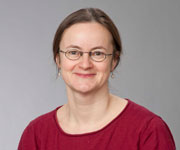 Susanne Singer合作论文数Institute of Medical Biostatistics, Epidemiology and Informatics, University Medical Center, Johannes Gutenberg University Mainz10Nicola Riccetti合作论文数9Ulrike Thielhorn合作论文数4Erik Farin合作论文数Abt. Qualitätsmanagement und Sozialmedizin, Universitätsklinikum Freiburg4Thomas Walawgo合作论文数3A. Mosthaf Franz合作论文数3Marius Fried合作论文数3
 Andy Rustam Maun合作论文数Institute of General Practice / Family Medicine, University of Freiburg3
 Hanna Kampling合作论文数Joint last author.3Martin Merbach合作论文数2Jorge Riera Knorrenschild合作论文数2Stephan Schmitz合作论文数1Vitalii Minin合作论文数1
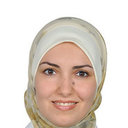 Louma Kalie合作论文数1Henning Pelz合作论文数1Ingo Schwaner合作论文数1Jana Becker合作论文数1Sandra Osburg合作论文数1Cindy Höhn合作论文数1
 Sandra Zara合作论文数1Anna Maria Leveling合作论文数1Jana Schmitz合作论文数1
 Rieka von der Warth合作论文数1
 Johannes Kruse合作论文数1Heymanns Jochen合作论文数1Woitha Kathrin合作论文数1
 Oliver Bayer合作论文数University Medical Centre, Johannes Gutenberg University1Jürgen M. Giesler合作论文数1Geothy Chakupurakal合作论文数1Marcel Reiser合作论文数1
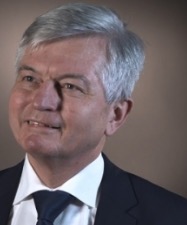 Wolfgang Knauf合作论文数Agaplesion Bethanien Krankenhaus1




