BACKGROUND:Chronic kidney disease (CKD) affects over 37 million adults in the United States, and people living with HIV (PLWH) are at greater risk for progression to end-stage kidney disease. Although both conditions are common among PLWH, the potential pathways through which depression and use of medications with nephrotoxic potential may influence CKD development remain underexplored. We evaluated the relationships of depression and nephrotoxic medication use with CKD prevalence among PLWH, and investigated the potential mediating effects of these factors on the pathway to CKD among PLWH. METHODS:We analyzed data from the Multicenter AIDS Cohort Study (MACS)/Women's Interagency HIV Study (WIHS) Combined Cohort Study (MWCCS). Baseline CKD prevalence was estimated using Visit 101 only (November 2020-September 2021). To examine associations with CKD over time, we fit generalized estimating equations (GEE) using repeated observations from Visits 101-103 (November 2020-March 30, 2023) with a Poisson distribution and log link to estimate relative risks (RR) and account for within-participant correlation. Counterfactual-based causal mediation analyses were conducted using Visit 101-103 data to evaluate whether elevated depressive symptoms (CES-D ≥ 16) or nephrotoxic medication use mediated the HIV-CKD association while adjusting for baseline confounders. RESULTS:Among 2,530 participants [1,622 PLWH and 908 people living without HIV (PLWoH)], CKD prevalence was higher in PLWH (18.1%) compared to PLWoH (9.7%). In univariate repeated-measures GEE models, HIV serostatus (RR = 1.37, 95% CI: 1.28-1.48, p < 0.0001) and Nephrotoxic medication use (RR = 1.49, 95% CI: 1.30-1.71, p < 0.0001) were significantly associated with higher CKD risk. Several covariates were also associated with CKD in univariate GEE models, including age (RR = 1.03, 95% CI: 1.03-1.03, p < 0.0001), non-Hispanic Black (RR = 1.19, 95% CI: 1.11-1.27, p < 0.0001) compared to non-Hispanic White, diabetes (RR = 1.26, 95% CI: 1.17-1.35, p < 0.0001), and higher income (RR = 0.99, 95% CI: 0.98-1.00, p = 0.005). Depressive symptoms were not associated with CKD in mediation-model adjusted analyses and did not mediate the HIV-CKD association. Mediation analysis indicated that nephrotoxic medication use accounted for a small but significant proportion of the HIV-CKD association (indirect effect OR = 1.02, 95% CI: 1.00-1.03, p = 0.02). CONCLUSIONS:While it is well established that PLWH have a higher prevalence of CKD compared to PLWoH, our findings suggest that nephrotoxic medication use may modestly amplify this risk. Although most of the risk appears to be attributable to the direct effects of HIV, these medications represent a modifiable contributor. PLWH receiving such treatments may benefit from closer kidney function monitoring. Future research should evaluate psychosocial contributors to CKD using designs that incorporate clinical depression diagnosis and treatment data to clarify depression-related pathways.
Background: People with HIV (PWH) exhibit a high risk of heart failure (HF). Immune dysregulation has been implicated, but the pathophysiology remains incompletely understood. Left ventricular global longitudinal strain (LVGLS) permits earlier detection of cardiac dysfunction than traditional echocardiography (Echo) measures, allowing evaluation of early mechanisms of disease. We performed proteomic profiling of PWH and sociodemographically similar people without HIV (PWOH) to identify proteins cross-sectionally associated with LVGLS. Methods: We included men from the Multicenter AIDS Cohort Study (MACS) and women from the Women’s Interagency HIV Study (WIHS) who completed Echo in 2014-2019 and had plasma for analysis using Olink Explore HT (5,416 proteins). We related individual proteins to LVGLS using multivariable linear regression adjusting for sociodemographic, behavioral and clinical factors in each cohort, and combined the results by fixed-effects meta-analysis. FDR<0.05 defined significance. Results: The study included 1152 MACS (age 58, Black 28%, HIV+ 54.6%) and 1602 WIHS (age 52, Black 75%, HIV+ 70.2%) participants. There was no interaction or heterogeneity by cohort. Meta-analysis identified 6 proteins associated with LVGLS, including two (UMOD, SHBG) with better, and four (MZB1, PRAP1, CES1, PXDNL) with worse, LVGLS (Figure). Both UMOD and SHBG have known inverse associations with CVD events, while PXDNL is upregulated in end-stage HF. The other proteins have not been previously linked to clinical HF. In mice, MZB1 modulates cardiac mitochondrial function and suppresses inflammation in heart and gut; PRAP1 facilitates gut apoB assembly and protects gut epithelium from apoptosis; and CES1, involved in lipid metabolism and drug detoxification, has been linked to atherosclerosis. There was no interaction by race/ethnicity or HIV in either cohort, except for COL3A1, which was associated with worse LVGLS only in women with HIV (WWH). Conclusions: We identified three novel plasma proteins associated with LV dysfunction in PWH and PWOH, extending three other proteins to the HIV setting. The new proteins have roles in cardiac mitochondrial homeostasis, intestinal epithelial function and lipid metabolism, dysregulation of which is prevalent in HIV. A signal for collagen type 3 in WWH suggests a more prominent role for cardiac fibrosis in this population. Additional work is needed to replicate these associations and evaluate their causal nature.
BACKGROUND:Weight gain is common following antiretroviral therapy (ART) initiation. Integrase strand transfer inhibitors (INSTIs) and tenofovir alafenamide (TAF) have been associated with greater weight gain, though prior analyses may have been confounded by the weight-suppressive effects of efavirenz (EFV) and tenofovir disoproxil fumarate (TDF). METHODS:Treatment-naïve adults in the North American AIDS Cohort Collaboration on Research and Design initiating ART between 2007-2020 were analyzed. Predicted weight change was modeled using linear mixed effects models adjusted for demographic and clinical factors, and nucleoside reverse transcriptase inhibitor (NRTI) backbone, with sub-analyses excluding EFV and stratifying by INSTI agent, NRTI, sex, and race. RESULTS:32,514 persons were included. At 2 years, INSTIs (4.9 kg, 95%CI 4.6-5.2) and protease inhibitors (PIs) (4.7 kg, 95%CI 4.4-5.1) were associated with greater mean predicted weight gain compared to non-nucleoside reverse transcriptase inhibitors (NNRTIs) (2.7 kg, 95%CI 2.4-2.9). Differences persisted when limiting analyses to TDF-containing regimens and excluding EFV. Among INSTIs, mean predicted weight gain was numerically highest with bictegravir (6.9 kg, 95%CI 5.8-7.9), followed by dolutegravir (5.3 kg, 95%CI 4.8-5.9), raltegravir (4.5 kg, 95%CI 3.8-5.3), and elvitegravir (4.0 kg, 95%CI 3.6-4.5). Participants receiving TAF with INSTIs gained more than those on TDF. Black females on bictegravir or dolutegravir with TAF had the highest gain at 2 years (10.0 kg, 95%CI 7.4-12.6). CONCLUSIONS:Weight gain with non-EFV NNRTIs was lower than with PIs and INSTIs, with the greatest increases observed among Black females starting TAF with contemporary INSTIs.
OBJECTIVE:Men with HIV have more coronary atherosclerosis than men without HIV. We examined whether plaque progression differed based on HIV serostatus. DESIGN:We examined plaque progression over a median of 4.5 years [interquartile range (IQR) 3.9-4.9] among 548 men with ( n = 313) or without ( n = 235) HIV from the Multicenter AIDS Cohort Study using coronary CT angiography. METHODS:Change in coronary plaque volume was calculated for total, calcified, noncalcified, and low attenuation plaque and categorized by tertile. Multinomial logistic regression models estimated the association between HIV and coronary plaque progression. RESULTS:The median age was 53 years and 30% were Black. Total plaque volume regressed among 2 and 20% remained without plaque, and 78% had progression with a median progression of 34 mm 3 (IQR 3-106). Compared to men without HIV, men with HIV had a statistically significant 1.99 higher odds of calcified plaque progression [95% confidence interval (CI) 1.16-3.44, P = 0.01] and elevated odds for progression in total plaque [odds ratio (OR) 1.62, 95% CI: 0.94-2.77, P = 0.08] and noncalcified plaque volume (OR 1.64, 95% CI 0.97-2.79, P = 0.07], although the latter findings did not meet the cutpoint for statistical significance. The progression of low attenuation plaque did not significantly differ by HIV serostatus (OR 1.34, 95% CI: 0.88-2.05, P = 0.18). HIV was significantly associated with the progression of total, calcified, and noncalcified plaque among non-Black participants, but not Black participants. CONCLUSION:These results suggest that men with HIV may have greater plaque progression, which may contribute to the observed higher incidence of coronary heart disease among men with HIV.
People living with HIV are at higher risk of heart failure and associated left atrial remodeling compared to people without HIV. Mechanisms are unclear but have been linked to inflammation and premature aging. Here we obtain plasma proteomics concurrently with cardiac magnetic resonance imaging in two independent study populations to identify parallels between HIV-related and aging-related immune dysfunction that could contribute to atrial remodeling and clinical heart failure. We discover a plasma proteomic signature that may in part reflect or contribute to HIV-associated atrial remodeling, many features of which are associated with older age and time to incident heart failure among an independent community-based cohort without HIV. This proteomic profile was statistically enriched for immune checkpoint proteins, tumor necrosis factor signaling, ephrin signaling, and extracellular matrix organization, identifying possible shared pathways in HIV and aging that may contribute to risk of heart failure. Mechanisms underlying excess risk of heart failure among people with HIV are unclear. Here, the authors identify a proteomic signature enriched in immune activation and extracellular matrix remodeling that may reflect shared pathways in HIV and aging that contribute to risk of heart failure.
OBJECTIVES: Longitudinal studies with biospecimen collection are rich for pharmacokinetics (PK)-adverse effects analyses but may lack time-after-dose (TAD). Using dolutegravir (DTG) PK and TAD in women (Women’s Interagency HIV Study; WIHS), we developed a novel method to infer TAD in men (Multicenter AIDS Cohort Study; MACS), which never collected TAD. METHODS: We observed a trimodal TAD distribution in WIHS women on DTG, with each of the 3 components characterized by mean, scale, and shape parameters of a skew-normal distribution. We assumed a similar distribution in MACS and verified it by comparing TAD in WIHS to TAD in MACS/WIHS Combined Cohort Study (MWCCS), which has collected TAD since 2020, with most participants originally from WIHS or MACS. We developed an algorithm inspired by the k-nearest neighbors algorithm and multiple imputation methods to impute TAD in MACS using WIHS (R v.4.3.2). Our algorithm assigned each MACS timeless DTG concentration to one of the WIHS TAD components by sampling from the predicted population-level distribution of WIHS DTG concentrations at each component’s mode. It then picked the component where the sampled concentration was closest in absolute distance to the timeless concentration, using a correction factor inversely proportional to the number of observations per component. A time was then sampled from the chosen component’s TAD distribution and paired with the timeless concentration. This process repeated for all concentrations over 1000 iterations, creating 1000 imputed datasets, which were fit in NONMEM using a 1-compartment PK model. Population-level PK parameters of 1000 estimates were summarized as median and median absolute deviation (MAD). RESULTS: Like WIHS, we observed a trimodal TAD distribution in MWCCS participants regardless of their HIV regimen, with 3 TAD modes reflecting 3 trends: 2 hrs (AM dose/AM visit), 13.5 hrs (PM dose/AM visit), and 24.5 hrs (AM dose on the day prior). For internal validation of algorithm performance, we used WIHS data for training and testing. The WIHS population estimate and 1000 estimates’ medians (MAD; % change) for clearance, volume of distribution, and absorption rate constant were 1.27 vs. 1.27 L/h (0.01; 0%), 36 vs. 30 L (3.3; -16%), and 1.23 vs. 1 h-1 (0.32; -23%), respectively. For external validation, we used WIHS for training and a Phase 1 DTG PK study in men [1] for testing. The corresponding values for the external dataset were 0.94 vs. 1.14 L/h (0.04; +20%), 20.8 vs. 20.8 L (2.3; 0%), and 1.91 vs. 2 h-1 (1.4; +4.5%). CONCLUSIONS: We observed a trimodal TAD distribution in WIHS and MWCCS that may apply to similar studies with daily dosing. Our method leverages known PK to predict TAD and allows the use of data with missing TAD. Future work includes adding a drug taken with DTG to the algorithm and exploring alternative statistical methods. Our goal is to estimate AUCs in MACS to analyze the causal effects of DTG exposure on cardiometabolic outcomes.Citations: [1] Greener et al., J Acquir Immune Defic Syndr. 2013;64(1):39-44. PMID: 23945251
STUDY OBJECTIVES:The landscape of HIV infection has shifted dramatically over the last few decades. An extended lifespan has led to an increase in comorbidities, including disorders of sleep. While self-reported sleep disturbances in people living with HIV are common, differences in sleep architecture between those living with and without HIV have not been previously described. METHODS:Polysomnography data from the Multicenter AIDS Cohort Study were used to characterize differences in sleep architecture between men living with and without HIV. Parameters assessed included total sleep time, sleep stage distribution, arousal index, and frequency of sleep stage transitions. Multivariable regression was employed to adjust for demographic variables and explore effect modification by sleep-disordered breathing (SDB) severity. RESULTS:Compared to men without HIV (N = 349), men with HIV (N = 447) exhibited comparable total sleep time, but lower sleep efficiency and greater wake time after sleep onset. Independent of HIV status, SDB was associated with a greater percentage of N1 sleep and lower percentages of N2 and REM sleep. However, those with both HIV and severe SDB displayed the lowest sleep efficiency, the highest percentage of N1 sleep, and the lowest frequency of sleep stage transitions from nonrapid eye movement (non-REM)-to-REM sleep compared to all other HIV and SDB subgroups. CONCLUSIONS:This study found an independent association between HIV, SDB, and altered sleep architecture, characterized by lower sleep efficiency, greater time in stage N1 sleep, and higher sleep stage instability. Further research is needed on the potential health implications of disrupted sleep in those with HIV and SDB.
BACKGROUND:In people with HIV (PWH), urine tubular biomarkers have been linked to kidney function decline, but urine concentration variability limits their clinical utility. Plasma biomarkers may offer more stable indicators of kidney tubular health. METHODS:We conducted a case-cohort study of 440 PWH from the Multicenter AIDS Cohort Study (MACS)/Women's Interagency HIV Study (WIHS) Combined Cohort Study (MWCCS). Cases developed rapid kidney function decline [RKFD: ≥30% estimated glomerular filtration rate (eGFR) reduction]. We measured plasma biomarkers of tubular injury [kidney injury molecule-1 (KIM-1)], inflammation [tumor necrosis factor receptor-1 (TNFr1) and tumor necrosis factor receptor-2 (TNFr2)], and synthetic function [uromodulin (UMOD) and epidermal growth factor (EGF)] at baseline and year 2. Associations with RKFD were assessed using multivariable risk regression, adjusting for chronic kidney disease (CKD) and HIV-related risk factors, eGFR, and albuminuria. In a random sub-cohort, linear mixed models evaluated associations with annualized eGFR change. RESULTS:At baseline, median age was 49 years; 33% were women; 69% were virally suppressed; eGFR was similar in cases vs. noncases (93 vs. 94 ml/min/1.73 m 2 ). Over a median of 4.5 years, 172 RKFD events occurred. Each 1-standard deviation higher baseline KIM-1, TNFr1, TNFr2, UMOD, and EGF level was associated with adjusted relative risks (RR) for RKFD of 1.26 [95% confidence interval (CI): 1.15-1.39], 1.39 (1.24-1.55), 1.40 (1.24-1.57), 0.84 (0.77-0.93), and 0.85 (0.78-0.92), respectively. Findings were similar at year 2 and for 2-year biomarker changes. In joint models, baseline KIM-1, TNFr2, and UMOD remained independently associated with RKFD [RR: 1.19 (1.08-1.31), 1.27 (1.12-1.43), and 0.86 (0.78-0.95)], respectively. No biomarker was associated with annualized eGFR change in the sub-cohort. CONCLUSION:In PWH, plasma biomarkers reflecting impaired kidney tubular health were independently associated with RKFD and may be useful prognosticators of adverse kidney outcomes.
To determine whether HIV persistence arises from the natural dynamics of memory (m)CD4+ T cells, we compare clonal dynamics of HIV proviruses and mCD4+ T cells from the same people living with HIV (PWH) on antiretroviral therapy and from matched HIV-seronegative people (N = 51). HIV proviruses are more clonal than mCD4+ T cells but similarly clonal to antigen-specific cells. Increasing reservoir clonality over time and differential decay of intact and defective proviruses are not explained by mCD4+ T cell kinetics alone. We develop and validate a stochastic model trained on 10 quantitative data metrics, which shows that negative selection against HIV-infected cells is necessary to explain all metrics. We estimate the strength of negative selection, finding that death of cells harboring intact and defective proviruses is infrequently (∼6% and ∼2% on average) due to HIV-specific factors. Thus, our data indicate that HIV persistence is mostly, but not entirely, driven by natural mCD4+ kinetics.
RATIONALE As survival with HIV infection improves, there is increased recognition of heightened risks for obstructive lung diseases among people with HIV (PWH). However, there are limited data on respiratory pharmacotherapy use among PWH with chronic lung diseases and how these treatments may differ among people without HIV (PWoH). METHODS The MACS/WIHS Combined Cohort Study (MWCCS) follows ∼5000 individuals with or at increased vulnerability for HIV in the US. In this analysis, we included MWCCS participants with asthma or COPD, each defined in two ways: 1) self-reported, and 2) robust (asthma: non-obstructed spirometry and reporting wheeze; COPD: spirometric post-bronchodilator obstruction and smoking history). Using standardized coding of self-reported medications from a biannual study visit in 2020-2023, we examined use of specific classes of respiratory medication by people with asthma or COPD, stratified by HIV serostatus. RESULTS Using the self-reported definition, 1008 participants with asthma and 473 with COPD were included (Table). Among those with asthma, a higher proportion of PWH than PWoH were female (71% vs. 62%). Maintenance and reliever inhaler use were low (16% and 32%, respectively) and did not differ by HIV serostatus. Maintenance inhaled corticosteroid monotherapy was more prevalent among PWH (4.9%) than PWoH (2.5%). Among those self-reporting COPD, PWH were younger than PWoH (mean 57.6 years vs. 60.8). Maintenance and reliever inhaler use were also low (23% and 32%, respectively). Inhaler use was less prevalent among PWH self-reporting COPD than among PWoH self-reporting COPD (maintenance: 20% vs. 29%; reliever: 29% vs. 36%). Use of specific subtypes of maintenance inhalers did not differ by HIV serostatus. There were no differences by HIV serostatus in non-inhaled respiratory medication use among the self-reported asthma and COPD cohorts. Using the robust asthma definition, maintenance inhaler use was 13% among PWH and 20% among PWoH. Inhaler use did not differ by HIV serostatus when COPD was defined using the robust definition. CONCLUSIONS In a large, multicenter cohort of PWH and epidemiologically-appropriate comparator PWoH, less than one-third of individuals self-reporting asthma or COPD reported inhaler use. Among participants self-reporting COPD, maintenance and inhaler use were less prevalent in PWH than PWoH. These observations support further evaluation of potential contextual factors driving gaps in care among PWH with chronic lung diseases.
A man living with HIV was found to lack expression of CD16A on his natural killer (NK) cells and monocytes. Genetic analysis revealed compound heterozygous deletion of FCGR3A, the gene encoding CD16A. The case’s NK cells showed: (a) no antibody-dependent cell-mediated cytotoxicity and very low spontaneous cytotoxicity; (b) an immature phenotype marked by high expression of CD94, CD2, NKG2A, and NKG2D, and low expression of KIR2DL2 and CD57; (c) no expression of KIR3DL1 and very low expression of FcRγ; and (d) normal cytokine production. The case’s monocytes and DCs were similar phenotypically and functionally to those from the donors matched for HIV status, age, and percentage of NK cells in the peripheral blood. In contrast to previously reported people with CD16A deficiency, this man did not have a history of severe infections with herpes viruses, suggesting that other immune cells and/or immunoregulatory function of NK cells may compensate for deficiency of cytolytic NK cells.
BACKGROUND High doses and prolonged duration of opioids are associated with tolerance, dependence, and increased mortality. Unfortunately, despite recent efforts to curb outpatient opioid prescribing because of the ongoing epidemic, utilization remains high in the intensive care setting, with intubated patients commonly receiving infusions with a potency much higher than doses required to achieve pain control. We attempted to use implementation science techniques to monitor and reduce excessive opioid prescribing in ventilated patients in our surgical intensive care unit (SICU). METHODS We conducted a prospective study investigating opioid administration in a closed SICU at an academic medical center over 18 months. Commonly accepted conversions were used to aggregate daily patient opioid use. Patients with a history of chronic opioid use and those being treated with an intracranial pressure monitor/drain, neuromuscular blocker, or extracorporeal membrane oxygenation were excluded. If the patient spent a portion of a day on a ventilator, that day's total was included in the “vent group.” morphine milligram equivalents per patient were collected for each patient and assigned to the on-call intensivist. Intensivists were blinded to the data for the first 7 months. They were then provided with academic detailing followed by audit and feedback over the subsequent 11 months, demonstrating how opioid utilization during their time in the SICU compared with the unit average and a blinded list of the other attendings. Student's t tests were performed to compare opioid utilization before and after initiation of academic detailing and audit and feedback. RESULTS Opioid utilization in patients on a ventilator decreased by 20.1% during the feedback period, including less variation among all intensivists and a 30.9% reduction by the highest prescribers. CONCLUSION Implementation science approaches can effectively reduce variation in opioid prescribing, especially for high outliers in a SICU. These interventions may reduce the risks associated with prolonged use of high-dose opioids. LEVEL OF EVIDENCE Therapeutic/Care Management; Level II.
Rationale: Nocturnal hypoxemia is common in sleep-disordered breathing (SDB) and is associated with increased morbidity and mortality. Although impaired diffusing capacity of the lung for carbon monoxide (DlCO) is associated with daytime hypoxemia, its influence on SDB-related nocturnal hypoxemia is not known. Objectives: To characterize the effects of DlCO impairment on SDB-related nocturnal hypoxemia and associated health outcomes. Methods: Data from a multicenter cohort of men with and without human immunodeficiency virus (HIV) infection, with concomitant measures of DlCO and home-based polysomnography (n = 544), were analyzed. Multivariable quantile regression models characterized associations between DlCO and several measures of SDB-related hypoxemia (e.g., total sleep time with oxygen saturation as measured by pulse oximetry [SpO2] < 90% [T90]). Structural equation models were used to assess associations of impaired DlCO and SDB-related hypoxemia measures with prevalent hypertension and type 2 diabetes. Results: DlCO impairment (<80% predicted) was associated with sleep-related hypoxemia. Participants with severe SDB (apnea-hypopnea index ⩾ 30 events/h) and impaired DlCO had higher T90 (median difference, 15.0% [95% confidence interval (CI), 10.3% to 19.7%]) and average SDB-related desaturation (median difference, 1.0 [95% CI, 0.5 to 1.5]) and lower nadir SpO2 (median difference, -8.2% [95% CI, -11.4% to -4.9%]) and average SpO2 during sleep (median difference, -1.1% [95% CI, -2.1% to -0.01%]) than those with severe SDB and preserved DlCO. Higher T90 was associated with higher adjusted odds of prevalent hypertension (odds ratio, 1.39 [95% CI, 1.14 to 1.70]) and type 2 diabetes (odds ratio, 1.25 [95% CI, 1.07 to 1.46]). Conclusions: DlCO impairment in severe SDB was associated with sleep-related hypoxemia, prevalent hypertension, and type 2 diabetes. Assessment of SDB should be considered in those with impaired DlCO to guide testing and risk stratification strategies.
Context:Cardiovascular disease (CVD) in transgender women (TW) may be affected by gender-affirming hormone therapy (GAHT) and HIV, but few data compare TW on contemporary GAHT to well-matched controls. Objective:We compared CVD burden and biomarker profiles between TW and matched cisgender men (CM). Methods:Adult TW on GAHT (n = 29) were recruited for a cross-sectional study (2018-2020). CM (n = 48) from the former Multicenter AIDS Cohort Study were matched 2:1 to TW on HIV serostatus, age ±5 years, race/ethnicity, BMI category and antiretroviral therapy (ART) type. Cardiac parameters were measured by CT and coronary atherosclerosis by coronary CT angiography; sex hormone and biomarker concentrations were measured centrally from stored samples. Results:Overall, median age was 53 years and BMI 29 kg/m2; 69% were non-white. All participants with HIV (71%) had viral suppression on ART. Only 31% of TW had testosterone suppression (<50 ng/dL, TW-S). Traditional CVD risk factors were similar between groups, except that TW-S had higher BMI than TW with non-suppressed testosterone (TW-T). TW-S had no evidence of non-calcified coronary plaque or advanced coronary stenosis, whereas TW-T and CM had similar burden. TW had lower prevalence of any coronary plaque, calcified plaque and mixed plaque than CM, regardless of testosterone concentrations and HIV serostatus. Estradiol but not testosterone concentrations moderately and negatively correlated with the presence of coronary plaque and stenosis. Small sample size limited statistical power. Conclusion:Older TW with suppressed total testosterone on GAHT had no CT evidence of non-calcified coronary plaque or advanced coronary stenosis. Longitudinal studies to understand relationships between GAHT and CVD risk in TW are needed.
Study Objectives Although poor sleep quality is associated with lower CD4+ T cell counts among people living with HIV (PLWH), the association between objective sleep metrics and T lymphocyte subset counts is unknown. We evaluated the association between polysomnography (PSG) derived sleep metrics and T lymphocyte subpopulations in a cohort of men living with HIV.Methods Virally suppressed men living with HIV participating in the Multicenter AIDS Cohort Study underwent home overnight PSG. We assessed the association of PSG parameters with CD4+ and CD8+ T cell counts and the CD4+/CD8+ T cell ratio.Results Overall, 289 men with mean (+/- SD) age 55.3 +/- 11.3 years and mean CD4+ T cell count 730 +/- 308 cells/mm3 were evaluated. Total sleep time (TST) was significantly associated with CD8+ but not CD4+ T cell counts. After adjusting for age, race, depressive symptoms, antidepressant use, and non-nucleoside reverse transcriptase inhibitors use, every hour of shorter TST was associated with an additional 33 circulating CD8+ T cells/mm3 (p = 0.05) and a 5.6% (p = 0.0007) decline in CD4+/CD8+ T cell ratio. In adjusted models, every hour of shorter rapid eye movement (REM) sleep was associated with an additional 113 CD8+ T cells/mm3 (p = 0.02) and a 15.1% lower CD4+/CD8+ T cell ratio (p = 0.006). In contrast, measures of sleep efficiency and sleep-disordered breathing were not associated with differences in T lymphocyte subpopulations.Conclusions Our findings suggest that shorter TST and REM sleep durations are associated with differences in T lymphocyte subpopulations among men living with HIV. Addressing sleep may reflect a novel opportunity to improve immune function in PLWH.
ABSTRACT Cytomegalovirus (CMV)-seropositive adults have large T cell responses to a wide range of CMV proteins; these responses have been associated with chronic inflammation and frailty in people with or without HIV infection. We analyzed the relationships between chronic HIV infection, frailty, and the breadth and polyfunctionality of CD4 and CD8 T cell responses to CMV. Peripheral blood mononuclear cells from 42 men (20 without HIV and 22 with virologically suppressed HIV) in the Multicenter AIDS Cohort Study (MACS) were stimulated with peptide pools spanning 19 CMV open reading frames (ORFs). As measured by flow cytometry and intracellular cytokine staining for IFN-γ, TNF-α, and IL-2, CD8 T cells from men with HIV responded to significantly more CMV ORFs than those from men without HIV. This was primarily due to a broader response to ORFs that are expressed during the late phase of CMV replication. The number of ORFs to which a participant’s T cells responded was positively correlated with the sum of all that individual’s T cell responses; these correlations were weaker in men with than without HIV. Polyfunctional CMV-specific CD4 responses (production of more than one cytokine) were significantly lower in men with than without HIV. Frailty status did not substantially affect the breadth or magnitude of the CMV-specific T cell responses. These results suggest that immune control of CMV infection is affected more by chronic HIV infection than by frailty. The differences between men with and without HIV were similar to those reported between young and older adults without HIV. IMPORTANCE T cell responses to chronic cytomegalovirus (CMV) infection have significant biological and clinical implications in HIV infection and aging. Here, we systematically analyzed the breadth, magnitude, and polyfunctionality of T cell responses to multiple CMV antigens in men with and without HIV in the Multicenter AIDS Cohort Study (MACS), a longstanding study of the natural and treated history of HIV-1 infection in men who have sex with men. We found that the breadth and polyfunctionality of T cell responses to CMV were different between men with chronic, treated HIV and those without HIV. The reason for these differences is unknown, but these findings suggest that people with treated HIV may have more frequent CMV reactivation than people without HIV. Differences between people with and without HIV also resembled differences reported between young and older adults without HIV, supporting a role for the immune responses to CMV in the aging process.
Long COVID (LongC) is associated with a myriad of symptoms including cognitive impairment. We reported at the beginning of the COVID-19 pandemic that neuronal-enriched or L1CAM+ extracellular vesicles (nEVs) from people with LongC contained proteins associated with Alzheimer’s disease (AD). Since that time, a subset of people with prior COVID infection continue to report neurological problems more than three months after infection. Blood markers to better characterize LongC are elusive. To further identify neuronal proteins associated with LongC, we maximized the number of nEVs isolated from plasma by developing a hybrid EV Microfluidic Affinity Purification (EV-MAP) technique. We isolated nEVs from people with LongC and neurological complaints, AD, and HIV infection with mild cognitive impairment. Using the OLINK platform that assesses 384 neurological proteins, we identified 11 significant proteins increased in LongC and 2 decreased (BST1, GGT1). Fourteen proteins were increased in AD and forty proteins associated with HIV cognitive impairment were elevated with one decreased (IVD). One common protein (BST1) was decreased in LongC and increased in HIV. Six proteins (MIF, ENO1, MESD, NUDT5, TNFSF14 and FYB1) were expressed in both LongC and AD and no proteins were common to HIV and AD. This study begins to identify differences and similarities in the neuronal response to LongC versus AD and HIV infection.
PURPOSE: Self-reported fatigue is prevalent in men living with HIV. Yet, the degree to which self-reported fatigue is explained by lower energy expenditure and daily physical activity remains unexplored. We hypothesized that men living with HIV have greater self-reported fatigue as measured by both objective measures of energy and physical activity than men without HIV. METHODS: Self-reported fatigue, energy expenditure (resting metabolic rate [kcal/day/kg]; peak walking VO2 [ml/kg/min] and walking efficiency [ml/kg/m]) and accelerometry (active minutes/day, peak activity counts in any five consecutively occurring minutes, and activity fragmentation defined as the reciprocal of average bout duration) data were used from 99 men (mean age 61.3 years; 51.5% HIV+) enrolled in an ancillary study of the Multicenter AIDS Cohort Study. Linear regression models estimated the difference in either energy expenditure or daily physical activity outcomes by self-reported fatigue status across three assessments: 1) “I felt that everything I did was an effort”; 2) “I could not get going”; 3) “I had work/activity difficulty due to physical health”. Age, BMI (kg/m2), and HIV status were adjusted as covariates. Interactions between HIV serostatus and each fatigue variable were tested. RESULTS: Men living with HIV had higher prevalence of “could not get going” (+4%) and “work/activity difficulty” (+10%), but not “everything was an effort” (-2%) compared HIV- men. No difference in energy expenditure was observed by fatigue. Those who reported they “could not get going” had -61 active minutes/day (p = 0.02) and + 5% activity fragmentation (p = 0.01), but similar peak activity counts (p = 0.19). Among those who “could not get going” versus “could”, men without HIV had 1.6% higher activity fragmentation than those living with HIV (interaction p = 0.04). No other HIV by fatigue interaction was observed. CONCLUSIONS: Findings suggest self-reported fatigue partly explained constricted and fragmented daily physical activity, but not lower energy expenditure. Opposite of our hypothesis, activity fragmentation appeared more related to self-reported “I could not get going” among men without HIV. Our findings suggest a need for improved methods to measure fatigue in relation to physiologic energy, particularly among men living with HIV.
 Lisa P. Jacobson合作论文数General Epidemiology and Methodology Division, Department of Epidemiology, Bloomberg School of Public Health, Johns Hopkins University;Data Analysis Center, Bloomberg School of Public Health, Johns Hopkins University111
 Roger Detels合作论文数Department of Epidemiology, Fielding School of Public Health, University of California, Los Angeles61
 Charles R. Rinaldo合作论文数Division of Infectious Diseases, Department of Medicine, University of Pittsburgh57
 John P Phair合作论文数Infectious Diseases, Department of Medicine, Feinberg School of Medicine, Northwestern University46
 Frank J Palella合作论文数Infectious Diseases, Department of Medicine, Feinberg School of Medicine, Northwestern University44
 Todd T. Brown合作论文数Epidemiology, Bloomberg School of Public Health, Johns Hopkins University36
 Robert Siliciano合作论文数Department of Molecular Biology & Genetics, School of Medicine, Johns Hopkins University35
 Lawrence A Kingsley合作论文数Department of Infectious Diseases and Microbiology, School of Public Health, University of Pittsburgh;Department of Epidemiology, School of Public Health, University of Pittsburgh34
 Otoniel Martinez-Maza合作论文数Department of Microbiology, Immunology and Molecular Genetics, College of Life Sciences, University of California, Los Angeles;Department of Epidemiology, Fielding School of Public Health, University of California, Los Angeles33
 Wendy Post合作论文数Department of Epidemiology, Bloomberg School of Public Health, Johns Hopkins University;School of Medicine, Johns Hopkins University;Ciccarone Center for the Prevention of Cardiovascular Disease, Johns Hopkins University27
 Alvaro Munoz合作论文数Division of General Epidemiology and Methodology, Johns Hopkins Bloomberg School of Public Health27
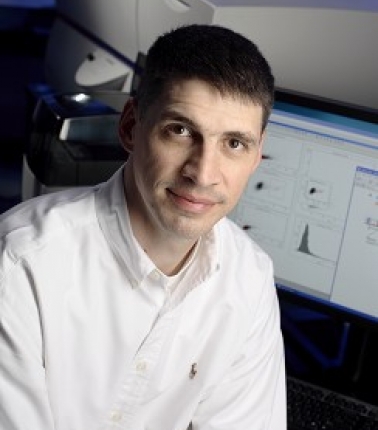 Jay H. Bream合作论文数Molecular Microbiology and Immunology, Bloomberg School of Public Health, Johns Hopkins University25
 Gypsyamber D’Souza合作论文数Bloomberg School of Public Health, Johns Hopkins University24
 Thomas Quinn合作论文数Global Disease Epidemiology and Control Division, Department of International Health, Bloomberg School of Public Health, Johns Hopkins University;Infectious Disease Epidemiology Division, Department of Epidemiology, Bloomberg School of Public Health, Johns Hopkins University;Laboratory of Immunoregulation, National Institute of Allergy and Infectious Diseases23Hao Zhang (浩章)合作论文数22
 Stephen J. Gange合作论文数Department of Epidemiology, Bloomberg School of Public Health, Johns Hopkins University21
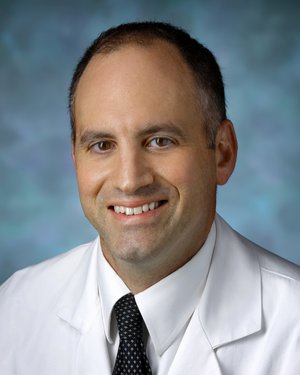 Todd Tarquin Brown合作论文数Department of Medicine, Johns Hopkins School of Medicine21
 Sabina Annette Haberlen合作论文数Epidemiology, Bloomberg School of Public Health, Johns Hopkins University19
 Gregory D. Kirk合作论文数School of Medicine, Johns Hopkins University;Division of Infectious Disease Epidemiology, Johns Hopkins University;Bloomberg School of Public Health, Johns Hopkins University;Center for Global Health, Johns Hopkins University18Karen Chadwick合作论文数18Mallory D. Witt合作论文数18Siliciano Janet D合作论文数Dept Med, Johns Hopkins Univ17
 David Vlahov合作论文数School of Nursing, Yale University;School of Public Health, Yale University;Journal of Urban Health17Beth D. Jamieson合作论文数David Geffen School of Medicine, University of California17Xiuhong Li合作论文数17Homayoon Farzadegan合作论文数17
 Tricia L Nilles合作论文数17Jeremy Martinson合作论文数15Sean X. Leng合作论文数Molecular Microbiology and Immunology, Bloomberg School of Public Health, Johns Hopkins University15
 Matthew Budoff合作论文数The Lundquist Institute;Division of Cardiology, Harbor-UCLA Medical Center;David Geffen School of Medicine, University of California, Los Angeles15
 Jordan E. Lake合作论文数Department of Internal Medicine, McGovern Medical School, The University of Texas Health Science Center at Houston15
 Joan S Chmiel合作论文数Department of Preventive Medicine, Feinberg School of Medicine, Northwestern University14
 Valentina Stosor合作论文数Infectious Diseases, Department of Medicine, Feinberg School of Medicine, Northwestern University14
 Michael William Plankey合作论文数Department of Medicine, Division of Infectious Diseases, Georgetown University Medical Center14
 Kristine Erlandson合作论文数Division of Infectious Diseases, School of Medicine, University of Colorado;University of Colorado Hospital14
 Abraham Alison G合作论文数Johns Hopkins Bloomberg School of Public Health.13Susan J Langan合作论文数13
 Eric Seaberg合作论文数Department of Epidemiology, Bloomberg School of Public Health, Johns Hopkins University;Center for AIDS Research, Johns Hopkins University12
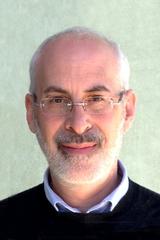 Steven Wolinsky合作论文数Feinberg School of Medicine, Northwestern University;Northwestern Memorial Hospital12Richard A. Kaslow合作论文数12
 Huifen Li合作论文数11
 Dorothy Wiley合作论文数School of Nursing, University of California, Los Angeles11
 Ross Cranston合作论文数Hospital Clinic of Barcelona11
 John W. Mellors合作论文数Department of Medicine, School of Medicine, University of Pittsburgh11Adrian S. Dobs合作论文数11
 James I Mullins合作论文数Department of Global Health, School of Public Health, University of Washington;Department of Global Health, School of Medicine, University of Washington11
 Liang Shan (单梁)合作论文数Shenzhen Medical Academy of Research and Translation10
 Keri N. Althoff合作论文数Department of Epidemiology, Bloomberg School of Public Health, Johns Hopkins University10
 Steven Deeks合作论文数School of Medicine, University of California, San Francisco;Division of HIV, Infectious Diseases and Global Medicine, Zuckerberg San Francisco General Hospital10




