Integrating two U.S. datasets – the Climate Change in the American Mind survey of climate change attitudes and the Council on Environmental Quality's Climate and Economic Justice Screening Tool – we explore climate change-related beliefs and attitudes among people located in areas at disproportionate risk of harm from global warming (i.e., frontline communities, or FLC) compared with those not in FLC. Overall, we find nearly two-thirds of people in both FLC and non-FLC are worried about global warming, but the level of worry does not differ significantly between them. People in FLC have slightly greater worry about several climate change impacts, but they are not more likely to say they have personally experienced global warming. People in FLC are less likely to talk about global warming or hear about it in the media. Additional geographic analysis reveals variation in the relationships between FLC status and global warming worry by county.
As climate change increasingly harms public health, these impacts have potential to catalyze stronger public support for policies that protect the climate and public health. Prior research has examined Americans’ views about the health harms of climate change, but the current state of Americans’ views is unknown. This article presents a longitudinal comparison based on a 2014 study, mapping public perceptions among politically partisan audiences. We analyzed data from a 2024 nationally representative sample of U.S. adults ( N = 1013), comparing it to previous nationally representative surveys conducted in 2014 ( N = 1275) and 2018 ( N = 1114). Relative to 2014, we find that in 2024 more Americans are able to identify specific health harms caused by climate change (+5%). They are also more aware that climate change is harming other Americans’ health (+8%); various health harms will become more common in their communities over the next 10 years (+26%); the health impacts of climate change will disproportionately harm certain communities (+13%); and that natural gas harms health (+8%). They are also more trusting of various sources of information about climate and health, especially their primary care doctors (+11%), and more supportive of federal agencies increasing their efforts to protect people from the health harms of climate change (+7%). However, more Americans now incorrectly believe that wind (+9%) and solar (+7%) harm health. These increases in Americans’ awareness of climate and health are driven largely by Democrats, with Republicans’ awareness generally remaining constant or decreasing. We discuss the implications of these results for climate-health communicators and researchers.
In the US, health professionals are a highly trusted source of information on climate change. A small but growing set of empirical studies suggest that health professionals who educate audiences about the climate change/human health nexus can build public support for climate policies, an effect seen across much of the political spectrum. Here, in a 2 × 2 factorial experiment plus a no message control group ( n = 1007), we tested four versions of a brief fictitious yet realistic news article to answer two questions with regard to six possible communication outcomes (e.g. support for fossil fuels, support for renewable energy, trust in health professionals as sources of climate change information): (1) Are do-more-good frames (about the need to use more renewable energy) or do-less-bad frames (about the need to phase out fossil fuels) more effective, and (2) Are gain frames (about health benefits) or loss frames (about health harms) more effective? In addition, we surveyed a cohort of health professionals who advocate for climate action ( n = 806) to test their willingness to use each of these message frames. We found that reading any of the four versions of the news article led to a small increase in trust in health professionals as a source of information on climate change relative to the control group, and the stop/loss and start/gain framed articles led to a small decrease in participants’ support for fossil fuels. The health professionals surveyed had a strong preference for gain-framed messages; however, many also mentioned a sense of duty to warn audiences of the health harms of climate change. Overall, these results provide further evidence of the effectiveness of health professionals advocating for a clean energy transition, and suggest there are no major differences between the effectiveness of gain vs loss frames or start vs stop frames in climate-health advocacy messages.
Introduction Climate change and public health present interlinked challenges that could be more effectively addressed through stronger integration of climate and health policies. In this case report, we reflect on the process of developing and implementing a complex, multinational climate and health research project on a compressed timeframe. This research examined challenges and possibilities for climate-health policy and involved in-depth interviews with high-level policy stakeholders. Methodology Drawing on interviews with our research partners conducted after the project’s conclusion, we describe some of the benefits and challenges of using a centralized “hub and spoke” co-production model to manage international research collaborations. Findings While this approach enabled us to balance expediency with collaborative decision-making, it can raise tensions between standardization and adaptability of research methodologies. We also describe external challenges such as accelerated timelines and administrative hurdles and provide insights into our approaches to dealing with these challenges. Conclusion We conclude by offering project management lessons for other international research collaborations.
Municipalities across the United States and the world face profound climate adaptation and mitigation challenges. To assess current engagement and future potential of various professional communities to communicate about and contribute to such efforts, we conducted 56 in-depth interviews with members of five communities of practice (elected officials, environmental advocates, emergency management planners, firefighters, and regional planning officials)—sampled from Virginia's six climatic regions. We selected these communities of practice for their potential to partner with Virginia's public universities in communicating climate change risk information to hard-to-reach members of their city, county, or region. Interviews focused on participants’ views about how climate change was affecting their jobs, if at all, how they were responding and/or would like to respond, and their perceived responsibility for communicating climate change to the public. We conclude that firefighters, and to a lesser degree, emergency management planners, are particularly well suited as strategic climate communication partners.
Climate change impacts everyone, but those impacts are not distributed equally. Frontline communities (FLCs) face disproportionate climate change harms, but that may not entail greater worry about them. Worries shape community priorities, and understanding these worries can improve engagement strategies. Here, we integrate Climate Change in the American Mind project data (n = 6,183) with the US Climate and Economic Justice Screening Tool to explore climate change attitudes among people located in FLCs compared with those not in FLCs. People in FLCs and non-FLCs are equally worried about global warming. However, people in FLCs are slightly more worried about several climate change impacts and are less likely to think there is scientific consensus that global warming is happening. Geographic analysis shows where FLCs are most and least worried about global warming. This study shows a need for strategic communication in FLCs regarding the connections between climate impacts and climate change.
Background Climate change harms human health and wellbeing, and climate solutions often have public health benefits. Previous research has shown how news media engages and shapes public understanding of climate change, yet few studies have examined how news media reports on climate change as a public health issue. Understanding how and how much news media reports on the public health implications of climate change can shed light on public engagement in climate change, which has been deemed a public health crisis. Methods Using online databases, articles were collected from five mainstream newspapers and one news agency for each of the three countries—China, India, and the USA—between Jan 1, 2012, and Dec 31, 2023. The headline or lead paragraph of all articles were searched by newspaper and within years using both climate change and public health keywords. Articles having at least one keyword from both sets (ie, climate change and public health) were included in the study, resulting in a total of 5173 articles: 1473 from China, 1487 from India, and 2213 from the USA. A detailed content analysis was then done on a randomly selected 20% of the 5173 public health-related climate change articles, which provided a dataset of 1027 articles for analysis: 294 from China, 295 from India, and 438 from the USA. Articles were then thoroughly reviewed and discarded if they were not substantively focused on climate change and public health or were non-articles (eg, obituaries, sports sections, content summaries, or letters to the editors), providing a final dataset of 3234 public health-focused climate change articles for in-depth analysis: 50 from China, 137 from India, and 137 from the USA. Each article was then coded for four sets of variables: public health impacts; vulnerable populations; solutions; and health experts as sources. Findings Across all countries and all years, 64 073 (0·3%) of 22 562 365 articles had a climate change keyword in their lead paragraph or title, although this varied significantly by country (p<0·0001) and time (p<0·0001). 5173 (8·1%) of 64 073 articles also included public health keywords, which also varied by country (p<0·0001). Among the randomly sampled 20% of articles (1025 of 5173), 3234 (31·5%) were determined to be public health-focused climate change articles. Thus, 1626 (<0·1%) of 22 562 365 articles in the total newshole (all articles published in these countries over the past decade) focused on the public health relevance of climate change, a proportion that varied by country (p<0·0001) and time (p<0·0001). 321 (99·1%) of 324 public health-focused articles reported at least one health impact, most commonly general public health (252 [77·8%] articles); extreme heat (166 [51·2%] articles); extreme weather (142 [43·8%] articles); poor air quality (115 [35·5%] articles); and food insecurity (80 [24·7%] articles). Rates of reporting on certain impacts varied by country and year, although most did not. 78 [54·9%] of 324 articles that were substantively about the public health relevance of climate change reported on at least one vulnerable group, most commonly by region (132 [40·7%] articles); demographic group (77 [23·8%] articles); socioeconomic group (36 [11·1%] articles); social determinants of health (29 [9·0%] articles); and occupational risk (27 [8·3%] articles). The prevalence of reporting on each type of vulnerable group varied by country (except for socioeconomic and ability groups), but not by year. 157 (48·5%) of 324 articles that were substantively about the public health relevance of climate change reported at least one solution, most commonly political action (79 [24·4%] articles); energy (69 [21·2%] articles); transportation (29 [9·0%] articles); consumption (25 [7·7%] articles); and cities or communities (25 [7·7%] articles). The rate of reporting on solutions varied by country, apart from cities or communities and buildings, and only political action varied by year. 199 (36·7%) of 324 of the articles substantively about the public health relevance of climate change reported at least one expert source, including organisational sources (73 [22·5%] articles) and individual sources (67 [20·7%] articles). Interpretation By examining news media discourse surrounding climate change in health contexts, this study provides an assessment of how climate change is being presented as a public health issue to the global public. This study provides an assessment of how and how frequently the public health implications of climate change are being reported to the public by newspapers in the world’s three leading carbon-emitting nations. Although we found cross-national differences in the prevalence and type of reporting, the most striking finding is the relative absence of such reporting in all three countries, although it has increased in the past few years. This finding aligns with previous research, which notes that the public health frame has historically been under-represented in climate change news. Our findings also highlight broader structural challenges in climate reporting, including inadequate engagement with expert sources who can speak to health-related consequences and insufficient journalistic focus on victims and vulnerable populations. These deficiencies might hinder public understanding and reduce the sense of urgency surrounding climate-related public health risks, despite the scientific consensus about their severity. Funding None.
Science is integral to society because it can inform individual, government, corporate, and civil society decision-making on issues such as public health, new technologies or climate change. Yet, public distrust and populist sentiment challenge the relationship between science and society. To help researchers analyse the science-society nexus across different geographical and cultural contexts, we undertook a cross-sectional population survey resulting in a dataset of 71,922 participants in 68 countries. The data were collected between November 2022 and August 2023 as part of the global Many Labs study “Trust in Science and Science-Related Populism” (TISP). The questionnaire contained comprehensive measures for individuals’ trust in scientists, science-related populist attitudes, perceptions of the role of science in society, science media use and communication behaviour, attitudes to climate change and support for environmental policies, personality traits, political and religious views and demographic characteristics. Here, we describe the dataset, survey materials and psychometric properties of key variables. We encourage researchers to use this unique dataset for global comparative analyses on public perceptions of science and its role in society and policy-making.
Health professionals have a crucial role to play in educating the public and advocating with policymakers about the human health relevance of climate change. Here, we review 93 studies published between the years 2000–2023 on the roles health professionals can play in addressing climate change as a health issue, their knowledge of and concern about the issue, their willingness to engage with the issue, barriers they perceive to that engagement, and strategies to overcome these challenges. Overall, we found health professionals have a growing understanding of and concern about climate change’s impacts on human health and are interested in communicating about the issue and advocating for climate and health solutions. Continued efforts are needed to develop effective programming and resources to help activate, train, and support health professionals as trusted voices on the issue.
Motivating people to take collective climate action is an ongoing challenge. Recent research suggests that focusing on climate change as a human health issue is an encouraging approach. Here, we review the persuasive potential of healthframed climate messages and the importance of health professionals as trusted messengers in engaging audiences and increasing support for collective action, especially among people with lower levels of climate concern. We also examine the current state of the climate-health information environment. Our review suggests that: 1) communicating the health relevance of climate change and the health benefits of climate solutions has considerable potential to promote collective action, especially when communicated by health professionals; 2) many health professionals are motivated to communicate about this topic; and 3) information about this important topic is under-represented in the broader information environment.
This 68-country survey (n = 71,922) examines science information diets and communication behavior, identifies cross-country differences, and tests how such differences are associated with sociopolitical and economic conditions. We find that social media are the most used sources of science information in most countries, except those with democratic-corporatist media systems where news media tend to be used more widely. People in collectivist societies are less outspoken about science in daily life, whereas lower education is associated with higher outspokenness. Limited access to digital media is correlated with participation in public protests on science matters. We discuss implications for future research, policy, and practice.
Science is crucial for evidence-based decision-making. Public trust in scientists can help decision makers act on the basis of the best available evidence, especially during crises. However, in recent years the epistemic authority of science has been challenged, causing concerns about low public trust in scientists. We interrogated these concerns with a preregistered 68-country survey of 71,922 respondents and found that in most countries, most people trust scientists and agree that scientists should engage more in society and policymaking. We found variations between and within countries, which we explain with individual- and country-level variables, including political orientation. While there is no widespread lack of trust in scientists, we cannot discount the concern that lack of trust in scientists by even a small minority may affect considerations of scientific evidence in policymaking. These findings have implications for scientists and policymakers seeking to maintain and increase trust in scientists.
Introduction: Many experts have called for integrating climate policy with health policy. We investigated U.S. federal policy stakeholders’ views on these goals and strategies for achieving them. Materials and methods: We conducted 65 semi-structured interviews from January 2024 to April 2024 with stakeholders working on climate policy, health policy, the climate-health intersection, and related areas. We performed a qualitative content analysis of these interviews. Results: Most stakeholders perceived that federal climate policy and health policy were mostly separate, but were becoming more integrated. They believed further integration could increase support for climate policy and maximize its health benefits. Barriers included lack of funding; competing priorities; conservative opposition; low public awareness; lack of data; and silos in federal agencies and professional communities. Opportunities included growing awareness and policy support; new funding sources, data, and technologies; the president’s ability to take executive actions; policy windows in diverse sectors, including agriculture, transportation, and housing; and potential healthcare cost savings. Proposed strategies included enhancing communication, education, and research; strengthening intra- and interagency initiatives; participatory policymaking; mobilizing existing funding; focusing first on politically feasible policies; and persistent advocacy. Discussion: These results extend previous observations of separations between climate policy and health policy and suggest ways to address these separations. Conclusion: There is potential to integrate U.S. federal climate policy and health policy, and doing so is perceived as advantageous by most. While there are barriers to climate-health policy integration and advancement, there are also promising opportunities, which may be more relevant under future presidential administrations or at the sub-federal level.
Our understanding of who museums reach, and how effective these institutions are in communicating climate change, is not well studied. Moreover, museums focusing solely on the issue of climate change are rare. We present an analysis of the Climate Museum, the first U.S. museum focused on climate change, which combines art, learning, and opportunities for action. We collected pre-post survey data (n = 143) as well as conducted qualitative interviews (n = 39) with visitors over a six-month period. We found that visitors – more than 80% of whom were Alarmed about climate change – were more determined and confident in speaking about climate change, more hopeful it can be solved, and clearer about how much others are concerned, after visiting the museum. Our qualitative analysis complements these findings and identifies three key themes visitors learned about and planned to share with others: the intertwining of climate change and social inequality, the history of deception by the fossil fuel industry, and the prevailing public opinion when it comes to who is concerned about climate change. Our findings provide important foundational evidence that climate-oriented museums have an important role to play engaging various publics on climate change. There is an opportunity for museums to present not just ‘the science’ of climate change, but the important social dimensions and implications that climate impacts will have on the world.
With the impacts of climate change on health becoming increasingly severe and far-reaching, effective communication to diverse audiences is more crucial than ever. This review analyzes 93 studies published between 2000 and 2023 on public understanding and responses to information about climate change and health. We synthesize research on public perceptions of climate change and health, responses to health-framed climate information, and information about climate and health risks and solutions, and the depolarizing potential of health messaging. Our findings suggest that conveying the health relevance of climate change holds significant potential for enhancing public engagement and building support for climate action. Additionally, we identify research gaps, particularly in understanding how different demographic audiences perceive health-related climate information and suggest directions for future studies. This synthesis of international research provides valuable insights into how different populations perceive and react to health-related climate information, highlighting the importance of targeted and effective communication strategies in addressing the climate crisis. The findings and summaries in this review can serve as valuable tools for evidence-based initiatives to address the critical issue of climate change and its profound implications for public health.
Some climate activists use nonviolent civil disobedience (NVCD) to protest the slow pace of climate policy action. Civil disobedience theorists posit that building a critical mass of support for and participation in NVCD increases the likelihood of policy success. Here we investigate predictors of public support for and personal willingness to engage in NVCD using data from a nationally representative survey of U.S. adults (n = 1303). Linear regression analysis revealed the following significant predictors of public willingness to support and engage in NVCD: collective efficacy; anger; identification with climate activists; descriptive norms and exposure to liberal news media. Similarly, all these variables were significant in the relative weight analysis. These findings provide theoretical and practical insights into the role of NVCD in the climate movement.
Climate change is a pressing issue that requires action across multiple levels, from individual behavior to international cooperation. On the individual level, one of the easiest and most important actions people can take is to talk about climate change. However, relatively few Americans engage in climate change discussions with family and friends, creating what has been referred to as “climate silence”. Here we investigate factors that predict how often people have these discussions. Using data from three recent waves of a nationally representative survey of American adults, we find that worry, perceived risk, perceived social norms (descriptive and injunctive), perceived scientific consensus, and exposure to media coverage of global warming all significantly predict discussion of global warming with family and friends. We conclude with suggestions that can stimulate climate conversations.
Role model narratives—stories about specific people taking recommended actions—are a proven communication strategy for encouraging socially beneficial behaviors such as climate action. However, the extent to which climate activists share role model narratives on social media has yet to be investigated. To measure the prevalence of climate action role model narratives on social media, we manually collected Instagram and TikTok posts tagged with the hashtags #climateaction and #climateactivist (dated between August 2021 and October 2024) and conducted a content analysis of the posts (Instagram N = 457 and TikTok N = 188). We examined the types of actions featured in role model narratives, the presence and nature of any calls to action, and whether role model narratives are correlated with higher engagement than other types of content. We found that role model narratives appear in only 11% of the Instagram posts (N = 48) and 19% of the TikTok posts (N = 35), which suggests that they are an underutilized communication approach. Furthermore, only 28% of the role model narratives included calls to action, with joining an organization being the most common. Additionally, role model narratives did not have significantly different engagement compared to other posts in the sample, but were represented among the ten top-performing posts. Given the ease with which the role model narrative format can be adopted and the powerful reach of social media, climate groups and advocates have a unique opportunity to share their stories and lead by example, using their platforms to inspire greater and more concerted climate action.
Extreme heat poses a risk to public health, yet illness and death from heat exposure are largely preventable through behavioral adaptation. However, individuals’ perceptions of local heat risks often diverge from expert assessments, limiting protective behaviors. Here we introduce the Risk Analysis – Perception Framework, which quantifies the alignment between assessed risk, based on a standardized public health metric from the Centers for Disease Control and Prevention Heat and Health Index, and perceived risk, modeled using a multi-year national survey (2018–2022). Applying the framework across US counties, we find substantial misalignments between assessed and perceived risk, particularly in the Pacific Northwest and in Appalachia. These gaps highlight how personal experience, contextual cues, and mental shortcuts shape risk perceptions that often diverge from expert assessments of vulnerability. Through systematic risk alignment mapping, the Risk Analysis – Perception Framework provides an empirical approach to target climate risk communication, adaptation strategies, and policy interventions. This paper develops the Risk Analysis – Perception framework to analyze a national survey and public health metrics for public perceptions of extreme heat risk in the US, finding substantial misalignments between assessed and perceived risk.
BACKGROUND:Climate change is one of the greatest public health challenges of the 21st century, and a diverse cadre of professionals are increasingly pursuing opportunities to learn about this issue. Our goal was to evaluate an online climate change and health (CCH) certificate program for working professionals as a case study. METHODS:We utilized structured and free-text elements from course and overall program evaluations across seven cohorts of participants from 2018 to 2022 for a mixed-methods assessment of the program. RESULTS:A total of 579 enrollees' data were analyzed. The program completion rate was 90.0% and participants were diverse in their professional and geographic representation, but disproportionately from North America (82.4%). The program was rated favorably; i.e., 98.6% of participants would recommend the program to others. Qualitative analysis identified themes that were grouped as program strengths and opportunities for improvement. Strengths included (1) valuable curriculum, (2) peer-to-peer learning, and (3) a call to action. Opportunities for improvement included: (1) irrelevant course content, (2) challenges with course structure, and (3) insufficient opportunities for networking. CONCLUSIONS:The evaluations demonstrate the overall importance of educational offerings in CCH. Our case study demonstrated that working professionals in public health, allied health professions, and non-health professions express desire, benefit, and appreciation for educational opportunities on this important intersection. They especially valued strong, relevant course content, professional networking and peer-to-peer learning, and acquisition of effective skills for use in their work. We have used lessons learned from this case study to improve our program and encourage others to use them to improve their programs or to develop new ones. A workforce that is highly educated on CCH issues is essential to confront the existential public health challenge of climate change.
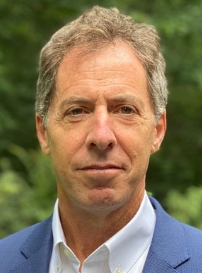 Edward Wile Maibach合作论文数Center for Climate Change Communication, George Mason University;Department of Communication, College of Humanities and Social Sciences, George Mason University56
 Anthony Leiserowitz合作论文数Yale School of the Environment, Yale University26
 Seth Rosenthal合作论文数School of the Environment, Yale University20
 Teresa A. Myers合作论文数State University;School of Communication Columbus;School of Communication Columbus, State University17
 Eryn Campbell合作论文数Ctr Climate Change Commun, George Mason Univ14
 Matthew T. Ballew合作论文数Yale University12
 Matthew H. Goldberg合作论文数Yale Univ, Yale Program Climate Change Commun, 205 Prospect St, New Haven, CT 06511 USA11
 Abel Gustafson合作论文数Department of Communication, University of Cincinnati9
 Emily K. Vraga合作论文数Hubbard School of Journalism and Mass Communication, College of Liberal Arts, University of Minnesota8
 Parrish Bergquist合作论文数McCourt School of Public Policy, Georgetown University7Sri Saahitya Uppalapati合作论文数6
 Jennifer Marlon合作论文数School of the Environment, Yale University6
 Niels G Mede合作论文数Dept Commun & Media Res IKMZ, Univ Zurich5
 Sander van der Linden合作论文数Department of Psychology, University of Cambridge;Churchill College5
 Naomi Oreskes合作论文数Department of the History of Science, Harvard University5
 Joanne M. Miller合作论文数Jefferson Medical College, Thomas Jefferson University5
 Adam R. Pearson合作论文数University of Delaware5
 Neil Stenhouse合作论文数5John R. Kerr合作论文数4Mikihito Tanaka合作论文数4Marcel Weber合作论文数4
 Balazs Aczel合作论文数4
 Kimberly C Doell合作论文数4
 Theofilos Gkinopoulos合作论文数4Lindsey Beall合作论文数4
 Dana Harari合作论文数Technion Israel Institute of Technology;Technion Israel Institute of Technology4Marinus Ferreira合作论文数Macquarie Univ4Alaa Aldoh合作论文数Sch Psychol, Univ Sussex4
 Amélie Bret合作论文数Nantes Université, Univ Angers4
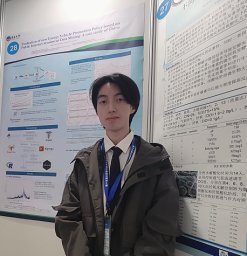 Ziqian Xia合作论文数School of Economics and Management, Tongji University4
 Izabela Warwas Kołodziejczyk-Olczak合作论文数Univ Lodz4
 Nevin Solak合作论文数TED University4
 Lina Koppel合作论文数Center for Medical Image Science and Visualization (CMIV),, Linköping University Hospital4Kathryn Thier合作论文数Department of Communication, University of Maryland4Sebastian Jungkunz合作论文数Chair Polit Sociol, Univ Bamberg4Ondrej Buchel合作论文数Minist Labor Family & Social Affairs Slovak Repub, Social Policy Inst4
 Daniel Toribio-Flórez合作论文数Tech Univ Munich4
 Myrto Pantazi合作论文数Center for Social and Cultural Psychology, Université libre de Bruxelles4
 Kristin Lunz Trujillo合作论文数Dept Polit Sci, Univ Minnesota4
 Mariana Kitsa合作论文数Dept Journalism & Mass Commun, Natl Univ Lviv Polytech4Leonhard Späth合作论文数ETH Zurich4
 Jochem van Noord合作论文数Univ Groningen4
 Ramit Debnath合作论文数Cambridge Zero, University of Cambridge4Christoph Feldhaus合作论文数4
 Barnabas Szaszi合作论文数Eotvos Lorand Univ, Inst Psychol, Budapest, Hungary4
 Mairead Hurley合作论文数Trinity College Dublin4Nigel Mantou Lou合作论文数4Małgorzata Dzimińska合作论文数4
 Christian T. Elbæk合作论文数Department of Management, Aarhus University4




