In Low Earth orbit (LEO) satellite networks, uneven user distributions and a limited number of active beams can cause local beam shortages. Meanwhile, allocating one beam to each user may leave part of the available beam capacity unused. Rapid topological variations in LEO networks further require beam scheduling decisions to be produced promptly. Existing iterative centralized optimization methods may struggle to meet the resulting requirements for computational efficiency and timely decision making. To address these challenges, we propose Graph Attention-based Two-Stage Distributed Beam Scheduling (GA-TDBS). Stage 1 uses a trained graph attention network to rapidly generate user clusters, thereby allowing multiple users to share one beam and reducing the number of beams required to serve them. Given these clusters, Stage 2 seeks to maximize average user satisfaction under beam capacity and interference constraints. It employs Finite-Improvement Bilateral Matching (FIBM) to determine the serving satellite for each cluster, after which each satellite assigns available beams to the clusters it serves. Using a potential function, we show that every admissible association update strictly increases the system objective. In the absence of an early cutoff, the finite matching space ensures that FIBM terminates after a finite number of updates at a matching that is stable under the proposed request–acceptance rule. Experiments evaluating user clustering, bilateral matching, and overall system performance show that GA-TDBS achieves higher throughput, user satisfaction, and cluster service rate than the considered baselines while requiring lower execution latency per scheduling slot.
A mega hybrid constellation comprising low Earth orbit (LEO) and geostationary orbit (GEO) satellites represents a prevalent architecture for future space-based networks. However, the emergence of mega constellations has exacerbated the shortage of spectrum resources. To address this issue, this paper investigates a method for LEO satellites within such constellations to expand their available spectrum by sharing the downlink spectrum of GEO satellites. Firstly, to avoid interference with GEO satellites and optimize the beam coverage for LEO user (LU), a coalition formation game model for LU based on cooperation criteria is constructed, and the existence of a stable coalition structure is proven. Secondly, to determine this stable coalition structure, a coalition formation game algorithm based on the best response (BR) is proposed, and its convergence is theoretically validated. Additionally, to more efficiently determine the beam radius and center covering the LU in the coalition, an improved algorithm for solving the outer circle of LU in the coalition using a K-dimensional tree is presented. Simulation results demonstrate that the proposed method effectively balances convergence time and accuracy. Without affecting GEO satellite communications, LEO satellites can share the downlink spectrum of GEO satellites, thereby enhancing the utilization of spectrum resources within the hybrid constellation.
This paper focuses on the research of anti-jamming issues for Low Earth Orbit (LEO) satellite constellations. Initially, the anti-jamming problem is modeled as a Local Interaction Markov Game (LIMG) and proven to be an Exact Potential Game (EPG), with at least one pure strategy Nash Equilibrium (NE) existing. Secondly, based on the theoretical analysis and the ”offline training and online execution” architecture, a Distributed Multi-Agent Deep Reinforcement Learning-based anti-jamming (DMDRLA) scheme is proposed, and its convergence and asymptotic optimality are theoretically analyzed. Finally, simulations validate that the proposed DM-DRLA scheme can effectively balance the training costs and performance optimization of the anti-jamming model, making it suitable for anti-jamming issues in resource-constrained LEO satellite networks.
The advancement of communication technologies has imposed increasingly stringent requirements on the precision and generalization capabilities of channel models. Traditional statistical and deterministic models frequently encounter challenges in achieving an optimal balance between these two aspects. To address this challenge, this letter introduces a channel prediction model based on deep learning and Fresnel zone propagation theory to achieve accurate prediction of path loss (PL) and delay spread (DS). To improve the extraction of environmental information from environmental images for channel prediction, an enhanced image environmental feature representation method is proposed. This method adaptively adjusts the dimensions of the input image based on the distance between the transmitter and receiver. Furthermore, an image importance distribution map is defined to delineate the variations in significance across the different regions of the environmental image. Subsequently, a model architecture capable of processing images of variable sizes is developed utilizing spatial pyramid pooling techniques. Finally, using channel measurement data obtained at 5.9 GHz in Changsha, the performance of the proposed model is validated employing a leave-one-out cross-validation method. Compared to existing models, the proposed prediction model achieves a reduction in the average root-mean-square error for PL and DS prediction by approximately 12.78% and 8.2%, respectively.
Orthogonal frequency division multiplexing with index modulation (OFDM-IM) outperforms conventional OFDM in bit error rate (BER) at low-to-medium rates and resists inter-carrier interference in fast-varying channels. However, it suffers from high peak-to-average power ratio (PAPR). This paper proposes combining improved active constellation extension (ACE) with least squares (LS) to reduce PAPR while preserving BER performance. Simulation results show the proposed method significantly lowers PAPR while maintaining excellent BER performance and fast convergence.
To accurately characterize wireless channel properties of very high frequency (VHF) communication systems in urban vehicular emergency scenarios and enhance the design of vehicular emergency VHF networks, field measurements were conducted at 240 MHz in typical urban environments in Changsha City, Hunan Province. Accounting for the dynamic diversity of vehicular emergency operations, satellite imagery and panoramic recordings classified propagation environments into quasi-line-of-sight (QLOS) and non-line-of-sight (NLOS) zones. Markov chain-based channel models were established using multipath parameters extracted via the space-alternating generalized expectation-maximization (SAGE) algorithm. Analyses of root-mean-square delay spread (RMS-DS) and stationarity time revealed significant non-stationarity in VHF channels for vehicular emergencies. Compared to QLOS zones, NLOS regions obstructed by high-rise buildings exhibited larger RMS-DS values (indicating dispersed multipath), reduced stationarity durations, lower K-factor and heightened susceptibility to frequency-selective fading.
A mega hybrid constellation of low-Earth orbit (LEO) and geosynchronous orbit (GEO) satellites represents a typical architecture for future space networks. However, the emergence of such large constellations exacerbates the shortage of spectrum resources. To address this issue, this article investigates a hierarchical optimization method for beam scheduling and power control of LEO satellites, aiming to extend the available spectrum by sharing the downlink spectrum of GEO satellites. In the upper layer optimization, a many-to-one matching game model is constructed to achieve optimal matching of LEO satellite beams and LEO users (LUs). A distributed beam matching learning algorithm (DBMLA) is designed to find a stable matching solution for the model, with the convergence of the algorithm theoretically proven. In the lower layer optimization, an LEO beam power level optimization game model is developed for discrete LEO beam power levels. This model is demonstrated to be an exact potential game with at least one Nash equilibrium (NE). To solve this NE, a dynamic power allocation logarithmic learning algorithm (DPALLA) is proposed. Simulation results verify that the proposed DBMLA-DPALLA hierarchical optimization scheme effectively balances convergence time and accuracy compared to traditional independent optimization strategies. By leveraging the combined effects of the two optimization strategies, it better mitigates the co-channel interference experienced by GEO satellites and improves the average network satisfaction of the LUs.
Affine frequency division multiplexing (AFDM) is a promising solution recently proposed to resist Doppler effects and enable reliable communications. Due to the openness of the channel, ensuring the security of communications is crucial, especially in scenarios like integrated sensing and communications (ISAC) in 6G networks. In this paper, we demonstrate that AFDM inherently offers security advantage, which is provided by its two adjustable parameters in the underlying discrete affine Fourier transform (DAFT). To further enhance physical layer security of AFDM-based system, we propose a novel scheme of chirp parameters hopping (CPH), where the parameters randomly change for each symbol over time. We derive the Cramer-Rao lower bound (CRLB) for the chirp parameters, considering the scenario where the eavesdropper knows the channel between legitimate transmitter and receiver, in order to determine the theoretical estimation accuracy achievable by the eavesdropper. Simulation results demonstrate that the proposed scheme effectively prevents information leakage and achieves excellent security performance.
The physical layer key generation technique provides an efficient method, which utilizes the natural dynamics of wireless channel. However, there are some extremely challenging security scenarios such as static or quasi-static environment, which lead to the low randomness of generated keys. Meanwhile, the coefficients of the static channel may be dropped into the guard space and discarded by the quantization approach, which causes low key generation rate. To tackle these issues, we propose a random coefficient-moving product based wireless key generation scheme (RCMP-WKG), where new random resources with remarkable fluctuations can be obtained by applying random coefficient and by moving product on the legitimate nodes. Furthermore, appropriate quantization approaches are used to increase the key generation rate. Moreover, the security of our proposed scheme is evaluated by analyzing different attacks and the eavesdropper's mean square error (MSE). The simulation results reveal that the proposed scheme can achieve better performances in key capacity, key inconsistency rate (KIR) and key generation rate (KGR) compared with the prior works in static environment. Besides, the proposed scheme can deteriorate the MSE performance of the eavesdropper and improve the key generation performance of legitimate nodes by controlling the length of the moving product.
Large-scale satellite constellations lead to a scarcity of spatial spectrum resources, especially for the overlapped spectrum between Low Earth Orbit ( LEO ) and Geostationary Orbit ( GEO )satellites in hybrid constellations. Hence, based on game theory, a distributed spectrum-sharing method is proposed for downlink spectrum sharing in large-scale hybrid satellite constellations. Specifically, the system cycle is divided into equal-spaced topological periods, and the beams of LEO satellites are assigned to LEO ground stations ( LGS ) during every topological period. A system model based on game theory is also developed to describe the mutual interference of links established between LEO satellites and LGS . Subsequently, the formulated game is proven to be an exact potential game, with at least one pure strategic Nash equilibrium (NE). Along the line, to obtain the NE solution, a dynamic channel allocation algorithm is proposed based on stochastic learning theory, and the convergence is proven. Finally, the simulation results demonstrate the proposed DCASLA’s effectiveness, which can balance the convergence speed and overall network satisfaction.
The Vehicle Communication Network(VCN) is one of the very important scenarios in the next generation of 6G communication. Integrated sensing and communication (ISAC) technology is considered as one of the key technologies in VCN scenario. ISAC system efficiently integrates communication and sensing modules through hardware share or signal fusion, with the ability to communicate and perceptive at the same time, which can improve performance and economize resources. This paper proposes a framework for communication and sensing performance evaluation for position sensing in VCN from the perspective of performance evaluation. For communication, the increase in communication capacity by the sensing-assisted beam alignment process is evaluated. For sensing, the Cramer-Rao lower bound(CRLB) for positional estimation was derived and the position estimation rate metric was used to indicate perceptual capacity. Theoretical analysis and simulation results demonstrate the improvement of perceptual-assisted communication and provide a trade-off curve for the communication-sensing power allocation design.
To defend against eavesdropping and spoofing attacks, the physical layer authentication (PLA) techniques utilize the unique attributes of channel or device for identifying attackers. Among these techniques, the PLA schemes based on channel phase responses use the secret key driven channel phase to authenticate the legitimate user, which have a better performance than the channel amplitude based schemes. However, the prior phase-based schemes only consider the perfect channel correlation coefficient between the two successive timeslots, which differs from the real scenarios. Meanwhile, the closed-form expressions of the theoretical analysis results are not comprehensive in the prior schemes, which are also not tight especially at low signal-to-noise ratio (SNR) regions. In this paper, we propose a PLA scheme based on the channel phase response, aiming to offset the performance loss introduced by the channel correlation coefficient. Moreover, we derive the closed-form expressions of the theoretical analysis results, such as the mean value, the variance and the probability density functions (PDFs), which can be utilized to provide the closed-form threshold for making decision instead of a great ideal of testing. Then, the security analysis is provided to verify the resistance of the proposed scheme under the attacks. Simulation results show that the proposed scheme outperforms the benchmarks and the proposed theoretical results match well with the simulated results even under low SNR regions.
Compared to linear accelerators, pulsed lasers have the characteristics of high efficiency, low cost, stable pulse output, and low environment interference for researching the transient dose rate effect (TDRE) on semiconductor devices. In this paper, pulsed laser radiation experiments are performed on a level-shifting transceiver. The experimental results are consistent with the results of the transient γ-ray radiation experiment, demonstrating the feasibility of using the pulsed laser in TDRE research on the level-shifting transceiver. This paper obtains theoretical and experimental conversion factors (CFs) through theoretical analysis and equivalency of the peak photocurrents, which are measured in pulsed laser and transient γ-ray radiation experiments. The CF results from the two approaches are within 7% of each other. In pulsed laser radiation experiments, an uncommon phenomenon is found. At the I/O (Input/Output) ports of the level-shifting transceiver, a trend of a positive photocurrent followed by a negative pulse is observed. A hypothesis is proposed that this photocurrent is produced by the turn-on and turn-off of the parasitic PNP (Positive-Negative-Positive) transistors in electrostatic discharge circuits at the level-shifting transceiver I/O ports. In addition, this hypothesis is verified by TCAD (Technology Computer Aided Design) simulations.
Dual-function radar and communication (DFRC) has recently drawn significant attention due to its enormous potential. This letter deals with waveform design of DFRC to improve target detectability embedded in clutter environment while guaranteeing the service quality of communication users. Our design objective is to maximize the output signal-to-clutter-plus-noise ratio (SCNR) of multiple-input multiple-output (MIMO) radar, subject to worst-case received symbol errors at communication users. Coordinate descent (CD) as an efficient iteration algorithm is proposed to solve above optimization problem, which splits high-dimensional problem into multiple one-dimensional problem. Furthermore, we introduce Dinkelbach algorithm (DA) to increase rate of convergence, which is an efficient way to reduce complexity. Finally, simulation results are presented to illustrate the effectiveness of the proposed techniques.
The breakthrough of artificial intelligence (AI) techniques has accelerated their applications in a wide range of industries, such as security protection, transportation, agriculture, and medical care. With the support of edge computing environments, providing latency guaranteed AI as a Service (AIaaS) can accelerate the deployment of data-intensive and computation-intensive AI applications and reduce the investment cost of the customers. However, the deployment architecture and working mechanism design, and performance optimization problems specific for AIaaS with configurable data quality and model complexity have not been studied in existing works. To address the problem, we propose a configurable model deployment architecture (CMDA) for edge AIaaS and present a flexible working mechanism by enabling the joint configuration of data quality ratios (DQRs) and model complexity ratios (MCRs) for the AI tasks. Along with commonly used resource allocation operations, the manager can improve the energy and delay performance of AI services with the desired quality of results (QoRs). We develop an energy-delay minimization problem under the framework of CMDA and propose a polynomial regression based relaxing method to solve the task configuration subproblem. We conduct experiments and simulations on the ImageNet classification and the common objects in context (COCO) object detection tasks using state-of-the-art deep learning models. We present the corresponding result quality tables (RQTs) and QoR regression models to illustrate the proposed method. The results of single task configuration and multi-task configuration and resource allocation on ImageNet classification and COCO object detection tasks demonstrate that the proposed method can achieve over $5\times$ HDEC improvement compared with non-optimization schemes, and also show that joint configuration of DQR and MCR can achieve over $1.2\times$ HDEC improvement compared with the methods that only configure DQR or MCR.
In non-terrestrial networks (NTN), optimal planning of the optimization problem of 3-dimensional (3D) trajectory is a key research topic. In this article, the optimization problem of the unmanned aerial vehicle (UAV) aided wireless sensor networks is addressed. To maximize the energy efficiency (EE) performance, we formulate the 3D trajectory optimization problem as a non-convex optimization and divide it into two sub-problems, the UAV's horizontal trajectory optimization problem with given altitude and the UAV's altitude optimization problem with given horizontal location. By combining with the discrete linear state-space approximation method, the energy-efficient algorithm with given transmit power of each sensor is proposed. Numerical results show that the proposed methods achieve significant improvements compared to the existing; EE schemes.
针对海上远距通信场景,基于无人机之间的无线通信链路,对接收功率进行实际测量.在大尺度路径损耗方面,采用对数距离线性模型进行拟合,分析海上远距空-空无线信道特征,获取路径损耗指数,并采用射线跟踪方法进行仿真验证,通过仿真所得信道冲激响应在多径时延和功率方面分析产生接收功率快速变化的原因.分析结果表明,近岸的多径反射会造成接收功率的波动,并且会造成路径损耗的升高.利用三种分布函数对测量数据进行分布拟合,分析海面和近岸两种通信条件下空-空无线信道的小尺度分布特征.测量分析结果表明,小尺度特征受陆地反射影响明显,在距离陆地较远的海面呈现高斯分布特征,而在近陆地处未呈现典型分布特征.
In order to reduce the Peak-to-Average Power Ratio (PAPR) and improve the security of the Orthogonal Time and Frequency Space (OTFS) system, a low PAPR secure transmission method based on the U matrix transformation in OTFS system is proposed in this paper. In this method, the initial key is generated through the Delay-Doppler (DD) domain of wireless channel, which is used to generate further chaotic sequences. The U matrix is designed by the chaotic sequence, which makes the symbols after the U matrix transformation are completely confused and noise-like. Besides, the U matrix selections can be controlled by the index. The transmitter sortes the OTFS time domain signals obtained from different U matrix transformations and selectes the signal with the lowest PAPR for transmission. The encrypted signal can be correctly obtained by the legitimate receiver after obtaining the index value. However, the eavesdropper cannot decrypt the information even if he obtained the transmitted index value. The simulation results show that the proposed scheme can reduce the PAPR of OTFS system effectively while ensuring the system reliability. In addition, the constellation diagram the U matrix transformation becomes spherical chaos, which makes the modulation method and information hidden. The decryption difficulty of the eavesdropper is greatly increased, and the security of the system is effectively enhanced.
To overcome the pilot pollution of large-scale multiple input multiple output (MIMO) systems caused by the repeated use of pilots in adjacent cells, a pilot assignment method based on time-shifting and space-division is proposed. Then, channel estimation error is analyzed. We derive the closed expression of the uplink and downlink rates to investigate the performance of the proposed scheme. Simulation results show that the proposed scheme can mitigate pilot contamination greatly and improve system performance.
 Jing Lei (雷菁)合作论文数National University of Defense Technology40
 Jibo Wei (魏急波)合作论文数National University of Defense Technology25
 Lu Xinjin合作论文数Natl Univ Def Technol, Coll Elect Sci, Changsha 410073, Hunan, Peoples R China18
 Longwang Cheng合作论文数Natl Univ Def Technol, Sch Elect Sci & Engn, Changsha 410073, Hunan, Peoples R China12
 Dongtang Ma (马东堂)合作论文数College of Electronic Science and Engineering, National University of Defense Technology11
 Pei Li合作论文数10
 Hui Wang (王晖)合作论文数10Yuxin Shi (施育鑫)合作论文数9Yanqun Tang (唐燕群)合作论文数School of Electronics and Communication Engineering, Sun Yat-sen University9
 Zhipeng Pan合作论文数Natl Univ Def Technol, Sch Elect Sci, Changsha 410073, Hunan, Peoples R China6
 Ying Huang (黄英)合作论文数6
 Pengyi Fan合作论文数6
 Jun Xiong合作论文数5
 Xiaoran Liu (刘潇然)合作论文数5
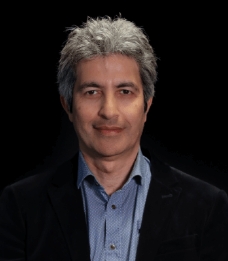 Mounir Ghogho合作论文数TIC Lab, Université Internationale de Rabat5
 Shan Wang合作论文数5
 Chun-Lin Xiong合作论文数5Sixin Wang合作论文数4
 Jinkun Zhu合作论文数4
 Luliang Jia合作论文数School of Space Information, Space Engineering University, Beijing, China4Yue Ma合作论文数4Zhihong Jiang (姜志宏)合作论文数4
 Syed Ali Raza Zaidi合作论文数School of Electronic and Electrical Engineering, Faculty of Engineering and Physical Sciences, University of Leeds4
 Des Mclernon合作论文数School of Electronic and Electrical Engineering, University of Leeds4
 Xiao-ying Zhang合作论文数3
 Chunsheng Zhu合作论文数3Weihu Zhao合作论文数3Xiaoqian Li合作论文数3De-gang Wang合作论文数3
 Di Zhang (张迪)合作论文数School of Intelligent Systems Engineering, Sun Yat-sen University3
 Victor C.M. Leung (梁中明)合作论文数Artificial Intelligence Research Institute, Shenzhen MSU-BIT University;Department of Electrical and Computer Engineering, The University of British Columbia3
 Ying-Wu Chen (陈英武)合作论文数National University of Defense Technology3
 Zhou Li (李洲)合作论文数Department of Electrical Engineering and Computer Science, The Henry Samueli School of Engineering, University of California, Irvine3
 Wei Liu (刘薇)合作论文数3Zhijie Mao合作论文数2Huaihai Hui合作论文数2
 Ke Lai合作论文数Natl Univ Def Technol, Dept Commun Engn, Changsha, Hunan, Peoples R China2Ao YUE (岳敖)合作论文数2
 Jing Feng合作论文数2Mei Gao合作论文数2
 Jianping Zheng (郑贱平)合作论文数School of Telecommunications Engineering, Xidian University2
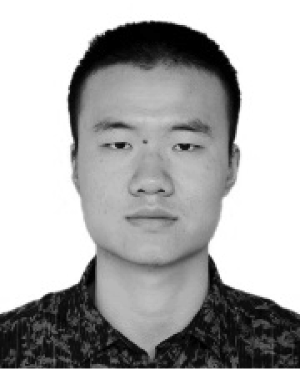 Siyu Tao合作论文数2GuiJin Xia (夏贵进)合作论文数2Shuai Ren (任帅)合作论文数2
 Nan Qi (戚楠)合作论文数College of Electronic and Information Engineering, Nanjing University of Aeronautics and Astronautics2Jungang Yan (严俊刚)合作论文数2Lin Zhou (周林)合作论文数2Bin Chen合作论文数Anhui University2




