Das deutsche G-DRG-System wurde im Rahmen des strukturierten Weiterentwicklungsverfahrens zur Systemversion 2011 erneut ausdifferenziert. Aus der Perspektive der Onkologie und Hämatoonkologie ergeben sich relevante Veränderungen bei Diagnosen, Prozeduren, Zusatzentgelten, Innovationsentgelten und der G-DRG-Struktur.
Background. The German diagnosis-related groups (G-DRG) system has been differentiated in the structured development process for the system version 2011 again. From the perspective of oncology and hematooncology significant changes with regard to the coding of diagnoses, medical procedures and co-payments were made.Methods. The relevant diagnoses, medical procedures, co-payment-structures and G-DRGs in the versions 2010 and 2011 based on the publications of the German DRG institute (InEK) and the German Institute of Medical Documentation and Information (DIMDI) were analyzed.Results. Significant changes for 2011 were the restructuring of the ICD coding of leukemia and lymphomas and the improvements in the allocation of complex scenarios within the G-DRG structures.Conclusion. The allocation of common cases with a standardized treatment pattern appears to be appropriate and the reimbursement adequate. For the less common and more complex cases the G-DRG 2011 system still shows a need for modification. The correct integration of the modified ICD classification for lymphomas and leukemia to the appropriate G-DRGs will be essential to maintain the high quality of the reimbursement structure for the future.
Das deutsche G-DRG-System wurde im Rahmen der Weiterentwicklung zur Systemversion 2009 erneut ausdifferenziert. Aus der Perspektive der Onkologie und Hämatoonkologie ergeben sich relevante Veränderungen bei Diagnosen, Prozeduren, Zusatzentgelten und der DRG-Struktur.
The German diagnosis-related group (DRG) system has advanced to version 2009. For the areas of oncology and haemato-oncology, significant changes were made concerning the coding of diagnoses and medical procedures, copayment structures, and the DRG structure.Analysis of relevant diagnoses, medical procedures, copayment structures, and DRGs in versions 2008 and 2009, based on the publications of the German DRG Institute (InEK) and the German Institute of Medical Documentation and Information (DIMDI).Changes for 2009 focussed on implementation of an ICD code for tumour lysis syndrome and adjustments of codes for medical procedures. Furthermore, differentiation of DRGs increased, and the DRG algorithm changed to improve the quality of case allocation, especially for complex haemato-oncological patients.For standard cases, the quality of case allocation and DRG reimbursement will be adequate in 2009. High demands are made for correct and complete coding of complex oncological and haemato-oncological cases. Nevertheless, further adjustments of the German DRG system, especially for complex haemato-oncological cases, are necessary, as the German DRG system has gained further complexity. For constellations with persistent poor quality of case allocation, solutions beyond the DRG system should be taken into account.
Das deutsche G-DRG-System wird jährlich weiterentwickelt und auch 2008 erneut ausdifferenziert. Aus der Perspektive der Onkologie und Hämatoonkologie ergeben sich relevante Veränderungen bei Diagnosen, Prozeduren und der DRG-Struktur.
Drug Prescribing for Patients with Chronic Kidney Disease in General Practice: a Cross-Sectional Study
Anpassungsbedarf in der Onkologie Das DRG-System in Deutschland sieht ausdrucklich vor, dass Verbande und Fachgesellschaften der InEK GmbH («Institut fur das Entgeltsystem im Krankenhaus», Institution der Selbstverwaltung) Anpassungsvorschlage fur das DRG-System vorlegen. Dies soll zu einer Verbesserung des Systems beitragen. Die Vorschlage sollen konstruktive Losungen im DRG System suchen und moglichst mit konkreten Zahlen von Behandlungsfallen belegt sein. Den deutschen Onkologen wurde rasch klar, dass innerhalb ihres Fachgebiets erhebliche Inhomogenitaten innerhalb der DRG-Fallpauschalen bestehen. Weiterhin besteht haufig eine systematische regionale Arbeitsteilung mit Kliniken unterschiedlicher Schwerpunkte, die das Problem verscharft. Es war also geboten, den Versorgungsaufwand fur onkologische Patienten systematisch zu evaluieren. Im Fruhjahr 2003 wurden aus einer Initiative der DGHO heraus deshalb zwei Projekte (eins zu den hamatologischen Neoplasien und eins zur internistischen Onkologie) ins Leben gerufen, die den Behandlungsaufwand in diesem Bereich analysieren sollten. Diese Projekte wurden gemeinsam von der Deutschen Krebsgesellschaft und der DRG-Research-Group in Munster getragen, mit inhaltlicher Unterstutzung durch Mitglieder der DGHO. In einem weiteren Projekt, uber das hier nicht berichtet wird, wurden durch die DAG-KBT ebenfalls mit Unterstutzung der DRG-Research-Group die Knochenmarkund Stammzelltransplantationen evaluiert. Einleitung
 Dominik Franz合作论文数10
 Helmut Ostermann合作论文数Department of Medicine III, University Hospital, Ludwig Maximilian University of Munich;Department of Hematology/Oncology, University Hospital of Munich10N. Roeder合作论文数9M. Thalheimer合作论文数9S. Abdelrahman合作论文数Klinikum Grosshadern Medical Center (KGMC),, Ludwig-Maximilians-University9Stefan W Krause合作论文数9
 Rolf D Issels合作论文数7S. Pachmann合作论文数6
 Ertl-Wagner Birgit合作论文数6C. Haag合作论文数6Moshe Schaffer合作论文数6G. Tschurtschenthaler合作论文数5H.W.H.M. van der Putten合作论文数5J.P. van Brussel合作论文数5G. Retalis合作论文数5T. Einzmann合作论文数5A Weisser合作论文数5M Fridrik合作论文数5Michael Stierer合作论文数5S. Woskanjan合作论文数5
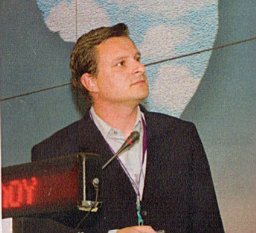 Konstantinos Evangelou合作论文数Medical School, University of Athens5Panayotis Zacharatos合作论文数Roy Castle International Institute for Lung Cancer Research5
 Brigitte Mlineritsch合作论文数5
 Anton Willer合作论文数5Eckhart Duhmke合作论文数5Angeliki Chrissafidou合作论文数5
 Wolfgang Hiddemann合作论文数Klinikum Großhadern Medizinische Klinik und Poliklinik III4
 Michael Gnant合作论文数Medical University of Vienna4Stefan Glocker合作论文数4J. Braess合作论文数3G H Mickisch合作论文数3M. Malek合作论文数3A. Reuter合作论文数3Haider Kamal合作论文数3
 Beat Thürlimann合作论文数Breast Center, Cantonal Hospital St. Gallen;University of Basle3
 Peter Krippl合作论文数3
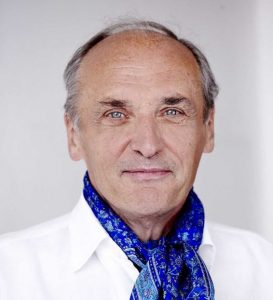 Raimund Jakesz合作论文数Abteilung für Allgemeinchirurgie, Chirurgische Universitatsklinik Wien3Ferdinand Ploner合作论文数3M Giannopoulou合作论文数2G.H.J. Mickisch合作论文数2B. Perunovic合作论文数2A Athanasiou合作论文数2D.G. Kieback合作论文数2G. van de Putte合作论文数2O. Krauß合作论文数2A Giannopoulos合作论文数2R. Schwarz合作论文数2G Steger合作论文数2




