AIMS:Mild induced hypothermia (MIH) is often applied in patients with cardiac arrest (CA), but its impact on patients with infarct-related cardiogenic shock (CS) and CA remains unclear. OBJECTIVES:To evaluate the characteristics and outcomes of patients with infarct-related CS and CA who received MIH vs. those who did not in the randomized CULPRIT-SHOCK trial and the accompanying registry. METHODS AND RESULTS:We included patients with CS and CA from the CULPRIT-SHOCK trial and registry. The primary endpoint was 1-year mortality. Secondary endpoints included death or renal replacement therapy within 30 days. A multivariate regression analysis was performed for 1-year mortality, adjusted for relevant baseline parameters. Among 550 patients with CA, 288 (52.4%) received MIH. Patients treated with MIH were younger (64 vs. 67 years, P = 0.03), had higher rates of mechanical ventilation (94.5% vs. 78.8%, P < 0.01), and higher mean arterial pressure (82 vs. 76 mmHg, P = 0.002). The unadjusted hazard ratio (HR) for 1-year mortality favoured MIH [HR: 0.77, 95% confidence interval (CI): 0.61-0.97, P = 0.024]; however, after multivariate adjustment, this effect was not statistically significant (HR: 0.83, 95% CI: 0.64-1.09, P = 0.18). MIH was associated with a higher need for renal replacement therapy (15.2% vs. 7.5%, P = 0.005) and less use of mechanical circulatory support (21.2% vs. 34.2%, P < 0.001). CONCLUSION:In this retrospective analysis MIH was not significantly associated with lower 1-year mortality in patients with infarct-related CS and CA. Because of the numerically lower mortality rate, further research is necessary to clarify the role of MIH in this patient population. TRIAL REGISTRATION:ClinicalTrials.gov Identifier: NCT01927549.
BACKGROUND:The purpose of this study was to prospectively validate the MIRACLE2 score in the GLOBAL-MIRACLE registry, a multicenter, international, prospective registry of patients admitted with resuscitated out-of-hospital cardiac arrest of presumed cardiac cause. METHODS:From January 1, 2022 to May 31, 2023, 770 patients were recruited from 11 centers across 5 countries. The primary end point was poor neurological outcome (Cerebral Performance Category 3-5) at hospital discharge. Model discrimination was assessed by the area under the receiver operating characteristic curve. We compared the discriminatory performance of the MIRACLE2 score against Cardiac Arrest Hospital Prognosis, out-of-hospital cardiac arrest, Target Temperature Management, NULL-PLEASE, C-GRAPH, and rCAST. RESULTS:The primary end point occurred in 395 (51.2%) patients. The MIRACLE2 score had an area under the curve of 0.861 (95% CI, 0.835-0.887). A MIRACLE2 score ≤2 had a negative predictive value of 87.8%, while a score of ≥7 had a positive predictive value of 98.3%. The MIRACLE2 score had equal performance to the TTM risk tool (P=0.12) but better discriminatory performance than other risk tools (P<0.0001). The MIRACLE2 score showed good performance in those with ST-segment-elevation myocardial infarction (0.851 [95% CI, 0.816-0.886]) and without ST-segment-elevation myocardial infarction (0.873 [95% CI, 0.834-0.912]) and in those with cardiogenic shock (0.832 [95% CI, 0.789-0.875]) and without cardiogenic shock (0.853 [95% CI, 0.810-0.895]). CONCLUSIONS:The MIRACLE2 score is a practical risk tool that shows excellent discrimination performance for poor neurological outcome after presumed cardiac cause out-of-hospital cardiac arrest, including based on hemodynamic status and admission 12-lead ECG. Early stratification of out-of-hospital cardiac arrest patients using the MIRACLE2 score should be evaluated in future randomized controlled trials.
BACKGROUND:Primary percutaneous coronary intervention (PCI) is the preferred reperfusion strategy for patients with ST-segment-elevation myocardial infarction (STEMI). We investigated the benefits and safety of pretreatment with unfractionated heparin (UFH) in patients with STEMI referred to primary PCI. METHODS:In HEPARIN-STEMI (Pretreatment With Unfractionated Heparin for ST Elevation Myocardial Infarction)-a single-center, open-label, randomized controlled trial-patients with STEMI with ≤6 hours symptom duration were assigned to receive either a 70- to 100-IE/kg bolus of UFH at first prehospital medical contact plus a supplemental dose before PCI, adjusted to activated clothing time ≥250 seconds, or to a control group receiving standard UFH at the time of PCI. The primary efficacy end point was TIMI (Thrombolysis in Myocardial Infarction) flow grade 2-3 in the infarct-related artery at initial coronary angiography. The primary safety end point was BARC (Bleeding Academic Research Consortium) type 3-5 bleeding during the index hospital stay. RESULTS:From March 2022 to February 2025, 298 patients were randomized to UFH pretreatment and 295 to the control group. The groups were comparable in age, sex, risk factors, previous cardiovascular events, and median delay from symptoms to coronary angiography (145 versus 150 minutes; P=0.814). The median time from UFH pretreatment to coronary angiography was 60 minutes (25th-75th interquartile range, 47-55 minutes). TIMI flow grade 2-3 in the infarct-related artery was documented in 43% of patients with UFH pretreatment and 27% of patients in the control group (relative risk, 1.59 [95% CI, 1.27-1.98]; P<0.001), with no significant difference in BARC type 3-5 bleeding (2.4% versus 2.0%; relative risk, 1.16 [95% CI, 0.39-3.45]; P=0.789). CONCLUSIONS:In patients with STEMI undergoing primary PCI, in a mature STEMI network, pretreatment with UFH at first prehospital medical contact was associated with an absolute 16% increase in infarct-related artery patency without an increased risk of bleeding. REGISTRATION:URL: https://www.clinicaltrials.gov; Unique identifier: NCT05247424.
Background: Out-of-hospital cardiac arrest (OHCA) remains a global health burden where neurological injury sustained is a key predictor of mortality but there are challenges in early risk stratification. This study aims to derive the Pre-MIRACLE2 score, which excludes pH as a component from the MIRACLE2 score, as a means of stratifying neurological risk in a pre-hospital setting. Methods: To validate the Pre-MIRACLE2 score, we used (i) the EUCAR Registry retrospectively analysed from 1 May 2012 to 31 December 2021, and (ii) the GLOBAL-MIRACLE Registry, a prospective cohort analysed from 1 January 2022 to 31 May 2023. The primary outcome was poor neurological outcome (defined as Cerebral Performance Category 3-5) at hospital discharge. Results: From 1 May 2012 until 31 May 2023, 2149 patients were resuscitated from OHCA with sustained return of spontaneous circulation. After excluding patients who remained non-comatose following return of spontaneous circulation and those with incomplete scores, 1402 patients from EUCAR and 747 from GLOBAL-MIRACLE were included in the final analysis. The primary endpoint occurred in 54.4% of the study cohort. The performance of the Pre-MIRACLE2 score for the primary endpoint was excellent, with an area under the receiver operating curve (AUROC) of 0.85 (95% CI 0.83, 0.87). From the prospective validation cohort (GLOBAL-MIRACLE), the AUROC was 0.85 (95% CI 0.82-0.88) with a calibration slope of 1.11 (95% CI 0.95-1.29). Conclusion: The Pre-MIRACLE2 score has the potential to be an effective and pragmatic risk stratification tool for prediction of poor neurological outcome in a pre-hospital environment or where the pH cannot be measured. ### Competing Interest Statement The authors have declared no competing interest. ### Funding Statement This study did not receive any funding. ### Author Declarations I confirm all relevant ethical guidelines have been followed, and any necessary IRB and/or ethics committee approvals have been obtained. Yes The details of the IRB/oversight body that provided approval or exemption for the research described are given below: The study was performed according to the principles of the Declaration of Helsinki and was approved by local research ethics or governance committees at each centre for both EUCAR (REC Name: South Central - Hampshire A Research Ethics Committee; REC Reference: 18/SC/0008, IRAS ID: 233062) and GLOBAL-MIRACLE (REC Name: Wales REC 5; REC Reference: 21/WA/0361; IRAS ID: 289784) registries. Both studies were affiliated with King's College Hospital NHS Foundation Trust. I confirm that all necessary patient/participant consent has been obtained and the appropriate institutional forms have been archived, and that any patient/participant/sample identifiers included were not known to anyone (e.g., hospital staff, patients or participants themselves) outside the research group so cannot be used to identify individuals. Yes I understand that all clinical trials and any other prospective interventional studies must be registered with an ICMJE-approved registry, such as ClinicalTrials.gov. I confirm that any such study reported in the manuscript has been registered and the trial registration ID is provided (note: if posting a prospective study registered retrospectively, please provide a statement in the trial ID field explaining why the study was not registered in advance). Yes I have followed all appropriate research reporting guidelines, such as any relevant EQUATOR Network research reporting checklist(s) and other pertinent material, if applicable. Yes All data produced in the present study are available upon reasonable request to the authors.
BACKGROUND:Cardiogenic shock (CS) frequently complicates ST-elevation myocardial infarction (STEMI) and may be associated with cardiac arrest occurring either as out-of-hospital (OHCA) or in-hospital cardiac arrest (IHCA). AIM:To compare clinical characteristics, coronary anatomy, management and survival among patients with CS without cardiac arrest (STEMI-CS-no CA), CS with OHCA (STEMI-CS-OHCA) and CS with IHCA (STEMI-CS-IHCA). METHODS:We conducted a retrospective study including consecutive patients with CS and STEMI undergoing immediate coronary angiography and percutaneous coronary intervention (PCI) who were admitted to two tertiary university hospitals between 2016 and 2025. RESULTS:Among 345 patients, 150 (43.5%) had STEMI-CS-no CA, 120 (34.8%) STEMI-CS-OHCA, and 75 (21.7%) STEMI-CS-IHCA. STEMI-CS-IHCA patients were older, less frequently presented with an initial shockable rhythm (36.0% vs 61.0%, p = 0.002) and had shorter time to return of spontaneous circulation (10.0 vs 19.6 min, p < 0.001) compared to STEMI-CS-OHCA. They had also lower arterial pressure, left ventricular ejection fraction, estimated glomerular filtration rate and higher arterial lactate compared to STEMI-CS-no CA and STEMI-CS-OHCA. Coronary complexity increased progressively with SYNTAX score rising from 18.6 in STEMI-CS-no CA to 21.5 in STEMI-CS-OHCA and to 27.2 in STEMI-CS-IHCA (p < 0.001). At 1-year, all-cause mortality was 67.3% in STEMI-CS-no CA, 78.3% in STEMI-CS-OHCA (p = 0.004) and 82.7% in STEMI-CS-IHCA (p < 0.001) without significant difference between cardiac arrest subgroups (p = 0.555). CONCLUSION:In STEMI-related CS, concomitant OHCA or IHCA is associated with distinct clinical profiles, coronary anatomy, intensity of treatment and markedly impaired long-term survival.
BACKGROUND:Out-of-hospital cardiac arrest (OHCA) remains a global health burden where neurological injury sustained is a key predictor of mortality but there are challenges in early risk stratification. This study aims to derive the Pre-MIRACLE2 score, which excludes pH as a component from the MIRACLE2 score, as a means of stratifying neurological risk in a pre-hospital setting. METHODS:To validate the Pre-MIRACLE2 score, we used (i) the EUCAR Registry retrospectively analysed from 1 May 2012 to 31 December 2021, and (ii) the GLOBAL-MIRACLE Registry, a prospective cohort analysed from 1 January 2022 to 31 May 2023. The primary outcome was poor neurological outcome (defined as Cerebral Performance Category 3-5) at hospital discharge. RESULTS:From 1 May 2012 until 31 May 2023, 2149 patients were resuscitated from OHCA with sustained return of spontaneous circulation. After excluding patients who remained non-comatose following return of spontaneous circulation and those with incomplete scores, 1402 patients from EUCAR and 747 from GLOBAL-MIRACLE were included in the final analysis. The primary endpoint occurred in 54.4% of the study cohort. The performance of the Pre-MIRACLE2 score for the primary endpoint was excellent, with an area under the receiver operating curve (AUROC) of 0.85 (95% CI 0.83, 0.87). From the prospective validation cohort (GLOBAL-MIRACLE), the AUROC was 0.85 (95% CI 0.82-0.88) with a calibration slope of 1.11 (95% CI 0.95-1.29). CONCLUSION:The Pre-MIRACLE2 score has the potential to be an effective and pragmatic risk stratification tool for prediction of poor neurological outcome in patients with resuscitated OHCA of suspected cardiac aetiology in a pre-hospital environment or where pH cannot be measured.
Background:There is a lack of studies systematically addressing long-term echocardiographic features after patent foramen ovale (PFO) closure. Thus, the present study investigated long-term echocardiographic features after percutaneous closure of PFO. Methods:This was a single-centre observational study based on the institutional registry of consecutive patients undergoing PFO closure. Clinical and echocardiographic features during the follow-up were investigated. Results:Between 2006 and 2023, 355 consecutive patients underwent PFO closure following transitory ischaemic attack (TIA) or cerebrovascular insult (CVI). Echocardiography immediately after the procedure and at 6 months was performed in 306 (86%) patients, who had repeat examinations at either between 1 and 5 years (median 1.32 years), between 5 and 10 years (median 7.10 years) or after 10 years (median 11.64 years). The percentage of patients with complete closure (no bubbles during the Valsalva manoeuvre) increased from 64% after the procedure to 80% at 6 months (p<0.05), and ranged between 77% and 81% thereafter (NS). Functional closure (≤10 bubbles) was observed in 93% of patients after the procedure and remained between 94% and 97% thereafter (NS). Except for decreased immediate complete closure (60% versus 83%; p<0.001), there was no difference between the Amplatzer PFO occluder and alternative devices. Among the 15 patients with greater than moderate residual shunt, reasons for the shunt were determined in 73% of patients and included leakage at the level of device, fenestration/atrial septal defect and pulmonary arteriovenous malformation. There was no late device embolisation, thrombus formation or pericardial effusion. Clinical follow-up revealed recurrent TIA and CVI rates of 0.11 and 0.06 per 100 patient-years, respectively. Conclusion:We demonstrated high (>90%) and persistent functional PFO closure beyond 10 years, independent of closure device. There was no late device embolisation, thrombus formation or pericardial effusion. Favourable echocardiographic features were associated with very low rates of recurrent TIA or CVI.
Cardiogenic shock occurs when the heart fails to provide sufficient perfusion of the organs. The cause of cardiogenic shock should be treated as soon as possible. Temporary mechanical circulatory support can help gain time to recovery of the heart or provide a bridge to permanent circulatory support or heart transplantation. Percutaneous mechanical support varies from the simplest aortic balloon pump (IABP) to arteriovenous extracorporeal circulation (VA ECMO) and left ventricular pump (Impella CP). The described methods which offer different levels of blood circulation support, can also be combined with each other. At the Clinical Department of Intensive Internal Medicine (KOIIM) of the University Clinical Center Ljubljana, based on important international research and our own clinical experience, we have gradually developed an algorithm for the use of percutaneous circulatory mechanical support. The practical application is demonstrated on the case of two patients.
Introduction:Cardiac troponin, which is frequently elevated in septic patients, represents a diagnostic challenge in everyday clinical practice. Aim:To investigate coronary features in septic patients with elevated cardiac troponin I (cTnI) and mechanisms of myocardial infarction. Material and methods:A single-center retrospective observational study was conducted in consecutive cTnI-positive septic patients undergoing coronary angiography during index hospitalization. Results:From January 2012 to December 2022, 74 patients with peak cTnI 16647 ng/l (normal < 40 ng/l), peak C-reactive protein 234 mg/l (normal < 5 mg/l), peak procalcitonin 14 µg/l (normal < 0.20 µg/l), arterial lactate 5.1 mmol/l (normal < 2.0 mmol/l), and positive hemocultures in 39% were enrolled. Obstructive coronary disease (> 70% diameter stenosis) was documented in 65%, with multivessel involvement in 51%. Chronic total occlusion (CTO) was present in 35%, and > 50% unprotected left main (ULM) stenosis in 22%. Definite or possible acute culprit lesions were documented in 9.5% and 6.8%, respectively. The median SYNTAX (Synergy between Percutaneous Coronary Intervention with Taxus and Cardiac Surgery) score was 16 (25th and 75th IQR 0-34). Peak cTnI was significantly elevated in patients with a definite acute culprit lesion (67,659 ng/l) compared to a possible (18,422 ng/l; p = 0.030) or no acute culprit lesion (13,410 ng/l; p = 0.021). Only a weak, non-linear correlation between SYNTAX score and peak cTnI was documented (r 2 = 0.088; p = 0.006). Conclusions:Two-thirds of septic patients with elevated cTnI have obstructive coronary disease, with multivessel involvement in around 50%, significant ULM stenosis in 20%, and CTO in 40%. An acute culprit lesion, which is present in up to 10%, is associated with significantly elevated cTnI compared to patients with stable coronary disease.
BACKGROUND AND AIMS:Fulminant myocarditis (FM) is a complex clinical syndrome characterized by acute myocardial inflammation and cardiogenic shock. Evidence on long-term outcomes, mortality risk factors, and targeted treatment options remains limited. METHODS:This retrospective analysis included consecutive adult patients admitted for FM between January 2012 and November 2022 at 26 European tertiary centres. According to endomyocardial biopsy (EMB) findings, patients were categorized as lymphocytic (LM), eosinophilic (EM), necrotizing eosinophilic (NEM), and giant-cell myocarditis (GCM) for the main analyses. Patients with inconclusive histopathology and those who did not undergo EMB were analysed separately. Primary outcomes were in-hospital and 1-year mortality. Multivariable logistic regression models were employed as generalized linear models to analyse the association of prespecified risk factors with mortality. Estimated associations are reported as odds ratios, generalized marginal effects, and adjusted prediction plots. RESULTS:A total of 271 patients [median age 43 years (interquartile range: 33-55 years), 58% male] were included in the analysis, of whom 146 fulfilled histopathologic criteria of LM (n = 99), EM (n = 18), NEM (n = 3), or GCM (n = 26). In the remaining 125 cases, EMB was inconclusive (n = 48) or not performed (n = 77). While there were no significant differences in cardiac arrest rate, admission Simplified Acute Physiology Score (SAPS) II, ventricular function, initial pH, and liver and kidney function parameters between histopathologic subgroups, the use of immunosuppressive medications and need for organ replacement varied. In the overall population, in-hospital and 1-year mortality were 31% and 34%, respectively. The highest 1-year mortality rate was observed among patients with GCM (LM: 25%, EM: 28%, NEM: 33%, GCM: 54%, P = .04). Patients who survived to discharge had an excellent functional outcome and long-term recovery of ventricular function. In total, 17 patients (6%) received a heart transplant during follow-up. Older age, lower pH, and histopathologic diagnosis of GCM were independently associated with in-hospital and 1-year mortality. CONCLUSIONS:In-hospital mortality among patients with FM remains high. Age, pH, and histopathological findings may serve as prognostic markers to identify high-risk patients and to guide treatment strategies. Long-term outcomes are excellent among those who survive to discharge.
We investigated echocardiographic and hemodynamic effects of intraaortic balloon pump (IABP) in 26 patients with cardiogenic shock on veno-arterial membrane oxygenation (VA ECMO). Our study demonstrated an 8.1% increase in left ventricular velocity time integral (p = 0.023) without reduction in left ventricular diameters and 4.7% decrease in right ventricular end diastolic base diameter (p = 0.05) when using IABP 1:1 mode compared to no augmentation. This was associated with a 3.2% decrease in heart rate (p < 0.001) and a 3.0% increase in mixed venous oxygen saturation (p = 0.057). Since the magnitude of the documented favorable changes is rather small, the clinical relevance of concomitant IABP in patients with cardiogenic shock on VA ECMO remains questionable.
High-risk acute pulmonary embolism (PE) is a life-threatening condition necessitating hemodynamic stabilization and rapid restoration of pulmonary perfusion. In this context, evidence regarding the benefit of advanced circulatory support and pulmonary recanalization strategies is still limited. In this observational study, we assessed data of 1060 patients treated for high-risk acute PE with 991 being included in a target trial emulation to investigate all-cause in-hospital mortality estimates with different advanced treatment strategies. The four treatment groups consisted of patients undergoing (I) veno-arterial extracorporeal membrane oxygenation (VA-ECMO) alone (n = 126), (II) intrahospital systemic thrombolysis (SYS) (n = 643), (III) surgical thrombectomy (ST) (n = 49), and (IV) percutaneous catheter-directed treatment (PCDT) (n = 173). VA-ECMO was allowed as bridging to pulmonary recanalization in groups II, III, and IV. Marginal causal contrasts were estimated using the g-formula with logistic regression models as the primary approach. Sensitivity analyses included targeted maximum likelihood estimation (TMLE) with machine learning, inverse probability of treatment weighting (IPTW), as well as variations of estimands, handling of missing values, and a complete target trial emulation excluding the VA-ECMO alone group. In the overall target trial population, the median age was 62.0 years, and 53.3
Air embolism can complicate extracorporeal membrane oxygenation (ECMO), as the negative pressure in the venous system can unintentionally draw in air. This air can disrupt pump function or enter the patient through the oxygenator, resulting in systemic air embolism. To examine this risk, a circuit model was created to study air entry through the central venous catheter (CVC) and its impact on ECMO performance at varying pump speeds in a veno-venous configuration. The research revealed that the unprotected lumen of the CVC is a potential air entry point. A closed three-way stopcock or clave effectively protects against this risk. Importantly, even small amounts of air produce a distinct hissing sound, serving as an early warning sign. At a pump speed of 4500 revolutions per minute (rpm), just 1 ml of air can pass through the oxygenator into the arterial portion, and 25 ml of air can halt the pump entirely. In conclusion, safeguarding the CVC with appropriate valves and being attentive to sounds in the circuit are critical measures to prevent air embolism during ECMO.
AIMS:We analysed consecutive patients with acute myocardial infarction complicated by cardiogenic shock (CS) who were enrolled into the CULPRIT-SHOCK randomized controlled trial (RCT) and those with exclusion criteria who were included into the accompanying registry.METHODS AND RESULTS:In total, 1075 patients with infarct-related CS were screened for CULPRIT-SHOCK in 83 specialized centres in Europe; 369 of them had exclusion criteria for the RCT and were enrolled into the registry. Patients were followed over 1 year. The mean age was 68 years and 260 (25%) were women. 13.5%, 30.9%, and 55.6% had one-vessel, two-vessel, and three-vessel coronary artery disease (CAD), respectively. Significant left main (LM) coronary artery stenosis was present in 8.0%. 54.2% of the patients had cardiac arrest before admission. Thrombolysis in myocardial infarction (TIMI) 3 patency of the infarct vessel after percutaneous coronary intervention was achieved in 83.6% of all patients. Mechanical circulatory support was applied in one-third of patients. Total mortality after 30 days and 1 year was 47.6% and 52.9%. Mortality after 1 year was highest in patients with LM coronary artery stenosis (63.5%), followed by three-vessel (56.6%), two-vessel (49.8%), and one-vessel CAD (38.6%), respectively. Mechanical complications were rare (21/1008; 2.1%) but associated with a high mortality of 66.7% after 1 year.CONCLUSION:In specialized centres in Europe, short- and long-term mortality of patients with infarct-related CS treated with an invasive strategy is still high and mainly depends on the extent of CAD. Therefore, there is still a need for improvement of care to improve the prognosis of infarct-related CS.
AIM:To determine the procedural characteristics, results, and long-term outcomes of the first 500 consecutive patients undergoing transcatheter aortic valve implantation (TAVI) at the MC Medicor International Center for Cardiovascular Diseases Izola (Slovenia). METHODS:Data were collected from the institutional registry. The date of death was obtained from the National BIRPIS system by using the patient's health insurance card number. The difference in 30-day mortality was assessed between two consecutive cohorts of 250 patients, patients who received self-expandable (SEV) and those with balloon-expandable (BEV) valves, and between patients ≤80 and >80 years old. RESULTS:Between December 2016 and September 2023, 500 patients (80±6 years, 52% men, EuroScore II, 4.09±4.11), including 3.2% with degenerated surgical prosthesis, underwent TAVI. After predilatation (57%), SEV was implanted in 87.5% and BEV in 12.5% of the patients. The mean postprocedural gradient was 10±4 mm Hg, with more than moderate regurgitation in 0.4%. Emergency cardiac/vascular surgery was performed in 1.4%, and stroke occurred in 0.8%. The new permanent pacemaker (PPM) rate decreased from 19% to 7% (P<0.001) in the second cohort, and the mean postprocedural transaortic gradient was significantly lower after SEV compared with BEV (9±4 vs 13±4 mm Hg; P<0.001). There was no difference in 30-day mortality between the first and second cohort of 250 patients (1.2% vs 1.2%; P=1.000), cohorts of 50 patients from number 0 to 500 (0% vs 2.0%; P=0.391), SEV and BEV groups (0.9% vs 1.6%; P=0.487), and patients ≤80 and >80 years old (2.0% vs 0.4%; P=0.119). CONCLUSION:TAVI results in our study are comparable with international standards. PPM rate decreased over time, and postprocedural gradient was lower after SEV. Learning curve, type of valve, and patient age did not affect 30-day mortality.
The use of venoarterial extracorporeal membrane oxygenation (VA-ECMO) for temporary mechanical circulatory support in various clinical scenarios has been increasing consistently, despite the lack of sufficient evidence regarding its benefit and safety from adequately powered randomized controlled trials. Although the ARREST trial (Advanced Reperfusion Strategies for Patients with Out-of-Hospital Cardiac Arrest and Refractory Ventricular Fibrillation) and a secondary analysis of the PRAGUE OHCA trial (Prague Out-of-Hospital Cardiac Arrest) provided some evidence in favor of VA-ECMO in the setting of out-of-hospital cardiac arrest, the INCEPTION trial (Early Initiation of Extracorporeal Life Support in Refractory Out-of-Hospital Cardiac Arrest) has not found a relevant improvement of short-term mortality with extracorporeal cardiopulmonary resuscitation. In addition, the results of the recently published ECLS-SHOCK trial (Extracorporeal Life Support in Cardiogenic Shock) and ECMO-CS trial (Extracorporeal Membrane Oxygenation in the Therapy of Cardiogenic Shock) discourage the routine use of VA-ECMO in patients with infarct-related cardiogenic shock. Ongoing clinical trials (ANCHOR [Assessment of ECMO in Acute Myocardial Infarction Cardiogenic Shock, NCT04184635], REVERSE [Impella CP With VA ECMO for Cardiogenic Shock, NCT03431467], UNLOAD ECMO [Left Ventricular Unloading to Improve Outcome in Cardiogenic Shock Patients on VA-ECMO, NCT05577195], PIONEER [Hemodynamic Support With ECMO and IABP in Elective Complex High-risk PCI, NCT04045873]) may clarify the usefulness of VA-ECMO in specific patient subpopulations and the efficacy of combined mechanical circulatory support strategies. Pending further data to refine patient selection and management recommendations for VA-ECMO, it remains uncertain whether the present usage of this device improves outcomes.
 Peter Radsel合作论文数Center for Intensive Internal Medicine, University Medical Center43
 Uwe Zeymer合作论文数Herzzentrum Ludwigshafen34
 Kurt Huber合作论文数Dept Cardiology and Emergency Medicine, Wilhelminenhospital29
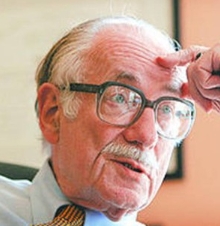 Max Harry Weil合作论文数Weil Institute of Critical Care Medicine29
 Dariusz Dudek合作论文数Institute of Cardiology, Jagiellonian University Medical College;Department of Clinical Cardiology, University Hospital of the Jagiellonian University21
 Holger Thiele合作论文数Department of Internal Medicine/Cardiology, Heart Center Leipzig, University of Leipzig20
 Misa Fister合作论文数19Steffen Desch合作论文数17Tomaž Goslar合作论文数17Metka Zorc合作论文数15Rihard Knafelj合作论文数15
 Vojka Gorjup合作论文数15Jazbec Anja合作论文数14
 C. Michael Gibson合作论文数Beth Israel Deaconess Medical Center, Harvard Medical School;Baim Institute for Clinical Research;CMichael Gibson Social Media;Clinical Trial Results14
 Michael Holzer合作论文数Department of Emergency Medicine, Medical University of Vienna;Vienna General Hospital14Simona Zorman合作论文数14
 Natasa Cernic Suligoj合作论文数13Maja Rojko合作论文数13Ouarrak Taoufik合作论文数13
 Klemen Steblovnik合作论文数13Spela Tadel Kocjancic合作论文数13D Stajer合作论文数12
 Giuseppe De Luca合作论文数Azienda Ospedaliera-Universitaria “Maggiore della Carità” 12
 Tomasz Rakowski合作论文数2nd Department of Cardiology, Jagiellonian University Medical College12Mauro Maioli合作论文数Division of Cardiology, Misericordia e Dolce Hospital12
 Philip A MacCarthy合作论文数12
 Georg Fuernau合作论文数Department of Internal Medicine–Cardiology, University of Leipzig–Heart Center12Francesco Bellandi合作论文数12Shijie Sun合作论文数11
 Nilesh Pareek合作论文数School of Cardiovascular Medicine & Sciences, King's College London11
 Gilles Montalescot合作论文数University of Paris VI;Cardiac Care Unit, Institute of Cardiology, Pitié-Salpêtrière University Hospital11Steffen Schneider合作论文数11Ayşe Emre合作论文数11H M Gabriel合作论文数10Peter Kordis合作论文数10Anne Freund合作论文数10
 David Erlinge合作论文数Department of Clinical Sciences, Faculty of Medicine, Lund University;Cardiology Department, Skane University Hospital10H.-R. Arntz合作论文数Klinikum Benjamin Franklin Med. Klinik II Hindenburgdamm 30 12200 Berlin, Germany DE10
 Jonathan Byrne合作论文数10
 Donald E. Cutlip合作论文数Cardiac Catherization Lab, Beth Israel Deaconess Medical Center;Harvard Medical School10
 Raúl Gazmuri合作论文数Resuscitation Institute, Rosalind Franklin University of Medicine and Science;Department of Clinical Sciences, Rosalind Franklin University of Medicine and Science;Department of Foundational Sciences and Humanities, Rosalind Franklin University of Medicine and Science10
 Arnoud van 't Hof合作论文数Faculty of Health, Medicine and Life Sciences, Maastricht University;Department of Interventional Cardiology, Maastricht University Medical Center;Cardiovascular Research Institute Maastricht, Maastricht University;Department of Interventional Cardiology, Zuyderland10Wc Tang合作论文数9
 Mendiz Oscar A合作论文数Department of Interventional Cardiology and Cardiovascular Surgery, Hospital Universitario9Franco Danilo合作论文数9Ibrahim Akin合作论文数8
 Thomas R Keeble合作论文数8
 Stephan Windecker合作论文数Faculty of Medicine, University of Bern;Department of Cardiology, University Cardiovascular Center Bern University Hospital8Joe Bisera合作论文数8




