Complex injuries of the hand and wrist lead to severe loss of function. Complex trauma of the upper extremities may lead to severe disabilities and therefore meticulous reconstruction is of utmost importance to enable good functional outcome and to assure an adequate quality of life. We demonstrate the case of a patient who suffered from complex bilateral injuries at the wrist level including a subtotal amputation of the left hand and third degree open wrist destruction on the contralateral side. Due to the immediate bilateral operation including the unilateral use of an osteocutaneous free fibula flap, both hands could be salvaged in this case. Severe hand and wrist injuries also require intensive postoperative treatment including intensive physiotherapy, occupational therapy, pain therapy and psychological support to achieve a good functional result.
Background. Large, ulcerating tumors of the chestwall require soft tissue coverage after resection. Depending on size and location usually a latissimus dorsi flap, VRAM or TRAM flap is performed. In very large defects a combined split ALT/TFL flap is a new technique for coverage. Patient and methods. In 4 patients (3 female, 1 male) a soft tissue reconstruction after tumor resection was necessary. The mean age was 54 years. The mean size of the defect was 656 cm(2). Results. In 3 cases the coverage was achieved by a unilateral, and in 1 case a bilateral combined split ALT/TFL flap. All flaps healed without flap loss. The donor site closure was achieved primarily in 2 cases. In 3 cases a small split skin graft was needed. Conclusion. The indications for combined split ALT/TFL flaps are large defects which cannot be covered by one single flap. The combination of these two long-known flaps on one pedicle is a new development.
We have previously shown experimental transplantation of living allogeneic bone to be feasible without long-term immunosuppression by development of a recipient-derived neoangiogenic circulation within bone. In this study, we examine the role of angiogenic cytokine delivery with biodegradable microspheres to enhance this process. Microsurgical femoral allotransplantation was performed from Dark Agouti to Piebald Virol Glaxo rats. Poly(D,L-lactide-co-glycolide) microspheres loaded with buffer, basic fibroblast growth factor (FGF), vascular endothelial growth factor (VEGF), or both, were inserted intramedullarly along with a recipient-derived arteriovenous (a/v) bundle. FK-506 was administered daily for 14 days, then discontinued. At 28 days, bone blood flow was measured using hydrogen washout. Microangiography, histologic, and histomorphometric analyses were performed. Capillary density was greater in the FGF+VEGF group (35.1%) than control (13.9%) (p < 0.05), and a linear trend was found from control, FGF, VEGF, to FGF+VEGF (p < 0.005). Bone formation rates were greater with VEGF (p < 0.01) and FGF+VEGF (p < 0.05). VEGF or FGF alone increased blood flow more than when combined. Histology rejection grading was low in all grafts. Local administration of vascular and fibroblast growth factors augments angiogenesis, bone formation, and bone blood flow from implanted blood vessels of donor origin in vascularized bone allografts after removal of immunosuppression.
Große ulzerierende Tumoren im Thoraxbereich erfordern nach Resektion eine plastische Deckung. Je nach Lokalisation und Ausdehnung erfolgt dies meist durch gestielte Latissimus dorsi, oder VRAM/TRAM-Lappen. Bei besonders großen Defekten steht mit dem kombinierten Split-ALT/TFL-Lappen eine neue Technik zur Defektdeckung zur Verfügung.
A 44-year-old woman presented with ulcerating stage IV breast cancer involving the chest wall. En bloc resection of the second to seventh ribs on the right side, parts of the second to eighth ribs on the left side, the sternum, the chest wall muscles, and skin was completed with immediate reconstruction using bilateral double free flaps consisting of anterior lateral thigh and tensor fascia latae elevated on the lateral circumflex femoral system and creating recipient vessels with an arteriovenous loop.
Ergebnisse einer Umfrage zeigen, dass weniger als 10% der betroffenen Frauen von den unterschiedlichen Möglichkeiten der Wiederherstellung der Brust wissen. Dabei hat gerade in der modernen Medizin der Zusammenhang zwischen seelischem Wohlbefinden und körperlicher Gesundheit einen neuen Stellenwert erlangt.
The results of a survey show that less then 10% of affected women are aware of the various options for breast reconstruction. However, in modern medicine the correlation between emotional well-being and physical health has been established as an important factor. The first successful autologous breast reconstruction was performed by Czerny in 1895. After introduction of silicon implants for breast augmentation this method was also increasingly used for breast reconstruction. Worldwide most reconstructions are implant based, however the symptomatic rate of capsular contracture is up to 38% and the reoperation rate for implant-based reconstruction and radiotherapy up to 35%. Autologous reconstruction procedures have a significantly lower complication rate. This article describes the modern microsurgical techniques for breast reconstruction and discusses the indications and achievable results.
BACKGROUND:Segmental bone defects pose reconstructive challenges. Composite tissue allotransplantation offers a potential solution but requires long-term immunosuppression with attendant health risks. This study demonstrates a novel method of composite-tissue allotransplantation, permitting long-term drug-free survival, with use of therapeutic angiogenesis of autogenous vessels to maintain circulation. METHODS:Ninety-three rats underwent femoral allotransplantation, isotransplantation, or allografting. Group-1 femora were transplanted across a major histocompatibility complex barrier, with microsurgical pedicle anastomoses. The contralateral saphenous artery and vein (termed the AV bundle) of the recipient animal were implanted within the medullary canal to allow development of an autogenous circulation. In Group 2, allotransplantation was also performed, but with AV bundle ligation. Group 3 bones were frozen allografts rather than composite-tissue allotransplantation femora, and Group 4 bones were isotransplants. Paired comparison allowed evaluation of AV bundle effect, bone allogenicity (isogeneic or allogeneic), and initial circulation and viability (allotransplant versus allograft). Two weeks of immunosuppression therapy maintained blood flow initially, during development of a neoangiogenic autogenous blood supply from the AV bundle in patent groups. At eighteen weeks, skin grafts from donor, recipient, and third-party rats were tested for immunocompetence and donor-specific tolerance. At twenty-one weeks, bone circulation was quantified and new bone formation was measured. RESULTS:Final circulatory status depended on both the initial viability of the graft and the successful development of neoangiogenic circulation. Median cortical blood flow was highest in Group 1 (4.6 mL/min/100 g), intermediate in Group 4 isotransplants (0.4 mL/min/100 g), and absent in others. Capillary proliferation and new bone formation were generally highest in allotransplants (15.0%, 6.4 μm³/μm²/yr) and isotransplants with patent AV bundles (16.6%, 50.3 μm³/μm²/yr) and less in allotransplants with ligated AV bundles (4.4%, 0.0 μm³/μm²/yr) or allografts (8.1%, 24.1 μm³/μm²/yr). Donor and third-party-type skin grafts were rejected, indicating immunocompetence without donor-specific tolerance. CONCLUSIONS:In the rat model, microvascular allogeneic bone transplantation in combination with short-term immunosuppression and AV bundle implantation creates an autogenous neoangiogenic circulation, permitting long-term allotransplant survival with measurable blood flow.
Devastating hand and forearm injuries almost exclusively need free flap transfer if reconstruction is attempted. Early active and passive motion is only possible with aggressive, early, and comprehensive reconstruction. Despite recent advances in compound flaps, in selected cases it might be wise to harvest several smaller flaps and microsurgically combine them to one "chain-linked" flap "system." Four microsurgically fabricated chimeric free flaps were used in four patients for complex hand and forearm injuries. The combinations were sensate anterolateral thigh (ALT) flap plus sensate extended lateral arm flap (2x), ALT plus free fibula, and ALT plus functional musculocutaneous gracilis muscle. All flaps survived completely. Functional rehabilitation was possible immediately after flap transfer. There were no donor-site complications except two widened scars. The microsurgical fabrication of chimeric free flaps, as well established in head and neck reconstruction, can be successfully adapted to massive hand injuries as well. Individual placement of selected tissue components, early comprehensive reconstruction, and reduction of the number of operations are beneficial in cases that need more than one free flap.
Objective: In some patients with chest wall defects, free tissue transfer is indicated. Complications arise if multiple operations have left the trunk devoid of recipient vessels. In such patients, an arteriovenous loop between the cepahlic vein and the thoracoacromial artery can be used.Methods: A review of all our patients who underwent chest wall reconstruction with a cephalic vein-thoracoacromial artery loop between 2000 and 2009 was performed (n = 29, 19 women and 10 men). The mean age was 64.9 years. Underlying causes were sternal osteomyelitis (n = 20), tumor (n = 4), and osteoradionecrosis (n = 5). All patients were in American Society of Anesthesiologists classes III and IV. Flap selection, intraoperative and postoperative complications, operative time, time of ventilatory support, mean hospital stay, and midterm survival were recorded.Results: Twenty-five patients received a tensor fascia lata flap, 2 a vertical rectus myocutaneuos flap, and 2 a deep inferior epigastric perforator flap. Mean duration of surgery was 6.8 hours (4.7-10.5 hours). Two transplanted tissue flaps died and/or had to be removed and 4 were revised successfully. Seven patients had wound complications such as infection or prolonged wound healing. Mean time for ventilator support was 93.6 hours (4-463 hours). The median intensive care unit time was 11 days and the overall hospital stay 27.4 days (11-102 days). One-year survival in the whole group was 69.8%.Conclusions: The concept of arteriovenous loops allows creation of neovessels at the recipient site and has proven to be a superb tool to facilitate free tissue transfer or to provide an exit strategy in situations with unexpected vascular problems at the recipient site. (J Thorac Cardiovasc Surg 2010;140:1283-7)
Chung Y‐G, Bishop AT, Giessler GA, Suzuki O, Platt JL, Pelzer M, Friedrich PF, Kremer T. Surgical angiogenesis: a new approach to maintain osseous viability in xenotransplantation. Xenotransplantation 2010; 17: 38–47. © 2010 John Wiley & Sons A/S.
Aim: Adipogenous tissue derived stem cells (ADSC) are available in abundance in the human body and can differentiate in the presence of lineage-specific induction factors in myogenic, adipogenic, chondrogenic and osteogenic cells. The aim of this study was to evaluate the impact of osteogenic induced ADSC’s (O-ADSC) on revascularization and cellular repopulization of avital cortical bone employing a vascularised bovine scaffold. Methods: An inguinal arterio-venous bundle was dissected in the groin of female white New Zealand rabbits (n = 6) and placed centrally inside an O-ADSC seeded scaffolds via a central drill hole. In the same surgical session avital cortical matrix from a donor rabbit was finally placed over this construct. Unseeded scaffolds, that were implanted and treated in the same fashion served as a controls (n = 6). To prevent external revascularization, all constructs were wrapped in silicon foil and finally implanted in the rabbits groin. Three months later, the constructs were explanted and checked for revascularization of a) the scaffold b) the surrounding cortical matrix. Histological stainings to obtain data on cell growth, cellular repopulization of the scaffold and the cortical bone, inflammation parameter were carried out. Results: O-ADSC seeded scaffolds showed a significant increase in new vessel formation in the scaffold as well as in the cortical matrix compared to unseeded scaffolds. Furthermore, new vital osteocytes as a sign of cellular repopularization inside the cortical matrix were found only in the treatment group. Conclusion: The presences of O-ADSC significantly induce neovascularisation and osteocytic repopulization of avital cortical bone matrix as opposed to unseeded scaffolds in a rabbit modell. Hence, this model might be of great value for future bone tissue engineering research and for reconstruction of large bone defects.
In situations of bony nonunions with poor skin coverage, transplantation of vascularized soft tissue in addition to bone graft is desirable. The use of the corticoperiosteal vascularized bone graft from the medial femoral condyle is well described. There are only anecdotal reports about its use as an osteocutaneous flap. This article presents our results with the use of an osteocutaneous flap from the medial femoral condyle. Between 2004 and 2009, four patients were treated with supracondylar osteocutaneous flaps for bony nonunions (tibia, ankle, calcaneous) with concomitant soft tissue defects. The size of the osseous grafts ranged from 3 x 5 to 6 x 5 cm. The supplying cutaneous vessels were an unnamed perforator of the descending genicular artery (two cases) or the saphenous branch (two cases). The first three cases healed primarily. Bony union was achieved between 32 and 170 days. The follow-up of the fourth case was too short to achieve a bony union. There was no flap loss or surgery-related complications at the donor site. The transfer of free combined vascularized corticoperiosteal-cutaneous flaps seems to be ideally suited for postradiation-induced fractures or chronic nonunions with poor chances of spontaneous healing and a concomitant small skin defect.
Auf dem Gebiet der Frakturbehandlung wurden in den letzten Jahrzehnten erhebliche Fortschritte erzielt. Gleiches gilt für die Entwicklung plastisch-rekonstruktiver Verfahren zum Verschluss von Weichteildefekten. Aber die sinnvolle Kombination dieser eigentlich perfekt aufeinander abgestimmten Verfahren im klinischen Alltag lässt leider ideale Gesamtkonzepte zur Ausnahme werden. Kontraproduktive Abrechnungsverfahren wie die „diagnosis related groups“ (DRG) werten eine Amputation häufig günstiger für eine Klinik als den Erhaltungsversuch einer geschädigten Extremität. Aber auch Informationslücken der Ärzte/-innen über die heute gängigen Verfahren der anderen Gebiete sind nicht wegzudiskutieren. Die Spezialisierung wird häufig so weit vorangetrieben, dass ein Gesamtüberblick und daraus resultierend ein Gesamtkonzept fehlen. Die Ursachen dafür sind mannigfaltig, aber nicht mit persönlichem Desinteresse zu erklären. Überlastung und stupide EDV-Tätigkeiten sind hier führend zu nennen, da diese den Arbeitsalltag zunehmend weg vom Patienten orientieren. Ziel dieser Arbeit ist es, auf möglichst einfach nachvollziehbarem Weg Grundkenntnisse in der Lösung schwieriger Komplexfälle zu vermitteln.
Mechanisms underlying successful composite tissue transplantation must include an analysis of transplant chimerism, which is little studied, particularly in calcified tissue. We have developed a new method enabling determination of lineage of selected cells in our model of vascularized bone allotransplantation. Vascularized femoral allotransplantation was performed from female Dark Agouti (DA) donor rats to male Piebald Virol Glaxo (PVG) recipients, representing a major histocompatibility mismatch. Four groups differed in use of immunosuppression (+/-2 weeks Tacrolimus) and surgical revascularization, by implantation of either a patent or a ligated saphenous arteriovenous (AV) bundle. Results were assessed at 18 weeks. Bone blood flow was measured by the hydrogen washout technique and transverse specimens were prepared for histology. Real-time PCR was performed on DNA from laser capture microdissected cortical bone regions to determine the extent of chimerism. To do so, we analyzed the relative expression ratio of the sex-determining region Y (Sry) gene, specific only for recipient male rat DNA, to the cyclophilin housekeeper gene. Substantial transplant chimerism was seen in cortical bone of all groups (range 77-97%). Rats without immunosuppression and with a patent AV bundle revealed significantly higher chimerism than those with immunosuppression and a ligated AV bundle, which maintained transplant cell viability. We describe a new method to study the extent of chimerism in rat vascularized bone allotransplants, including a sex-mismatched transplantation model, laser capture microdissection of selected bone regions, and calculation of the relative expression ratio.
Nach abdominellen, chirurgischen Eingriffen kommt es mit sehr hoher Wahrscheinlichkeit zur Ausbildung von peritonealen Adhäsionen. Die Folgen von Verwachsungen sind häufig Schmerzen im abdominellen Bereich und Infertilität. Verklebungen des Peritoneums können jedoch auch zum lebensbedrohlichen Verschluss des Darms führen (3,4). Diese Folgen sind besonders in der Kinderchirurgie sehr bedeutend. Fortschritte in der Neonatologie führen zu größeren Überlebenschancen von Frühgeborenen. Im Rahmen einer retrospektiven Studie haben wir die alle vlbw mit einem akuten Abdomen in der Zeit von 1995 bis 2005 nachuntersucht. Betrachtet werden konnten insgesamt 100 Erst-Operationen, dabei zeigte sich bei 55 Kindern die Notwendigkeit zur Re-OP, davon in 38% infolge eines Adhäsionsileus. An Hand eines Tiermodells wurde ein chirurgisches Trauma ausgelöst und die Ausbildung von Adhäsionen analysiert, wobei verschiedene antiphlogistische Substanzen getestet wurden, um Adhäsionen zu verringern bzw. zu vermeiden. Dies wurde zusätzlich mit dosis- und zeitabhängigen Faktoren gekoppelt. Nach dem makroskopischen Easyscore (1, 2) bezogen auf die Adhäsionsprophylaxe, hat die Behandlung mit FC –77 (PFC) im Vergleich mit den beiden weiteren Gruppen (Kontrolle und Adept) zu einem besseren Ergebnis geführt.
Peritoneal adhesions are a well-known and frequently occurring postoperative complication. Many published studies have looked into the prophylaxis of adhesions following abdominal surgery, but only few clinically relevant agents have been reported. Most publications refer to adult patients and not to paediatric patient collectives. This experimental study in a rat model compares the effect of perfluorocarbons as adhesion prophylaxis with those of a well-known anti-adhesive agent Adept (R) and with an untreated control group. We hypothesized that PFC might have a double effect: initially it could suppress the accumulation of monocytes and neutrophilic granulocytes, and subsequently it would work as a barrier to prevent contact between the visceral and parietal layers of the peritoneum. After a standardised operation, PFC was injected into the abdominal cavity of rats in the study group. Macroscopically, the PFC group did not fare significantly better, but nevertheless a clear tendency towards fewer adhesions after the application of PFC could be ascertained.
Accurate and reproducible measurement of bone blood flow has important clinical and experimental applications. Hydrogen washout is simple, safe, and widely used, but its use in bone tissue has not been validated. To this end, we have compared cortical bone blood flow measurements obtained by radioactive‐labeled microsphere entrapment with those from hydrogen washout. Blood flow was measured in tibial cortical bone of 12 New Zealand White rabbits by radioactive microsphere entrapment and by hydrogen washout. Besides a control group (n = 6), four animals were treated with systemic epinephrine (0.8 µg/kg/min) (group 2) and two with nitroprusside (100 µg/kg/min) (group 3). Furthermore, nine femora from seven rats were isolated on their vascular pedicles and repeated bone blood flow measurements were made at each location with the hydrogen washout method to confirm reproducibility of blood flow determinations by hydrogen washout. An average flow of 2.3 ± 2.0 mL/min/100 g was obtained with the microsphere method and 2.0 ± 0.5 mL/min/100 g with the hydrogen washout method. There was a significant correlation and agreement: R2 = 0.97 (p < 0.01). No consistent flow variations were found with systemic vasoactive drug administration. Hydrogen washout provided reproducible results and showed high sensitivity to flow changes. Hydrogen washout is both sensitive and reproducible in measuring bone blood flow. Results agree well with flow values obtained by labeled microsphere entrapment. © 2008 Orthopaedic Research Society. Published by Wiley Periodicals, Inc. J Orthop Res 26:746–752, 2008
Nach abdominellen, chirurgischen Eingriffen kommt es mit sehr hoher Wahrscheinlichkeit zur Ausbildung von peritonealen Adhäsionen. Die Folgen von Verwachsungen sind häufig Schmerzen im abdominellen Bereich und Infertilität. Verklebungen des Peritoneums können jedoch auch zum lebensbedrohlichen Verschluss des Darms führen. Diese Folgen, die in vielen Fällen zu einem Zweiteingriff führen, sind besonders in der Kinderchirurgie sehr bedeutend. Fortschritte in der Neonatologie führen zu größeren Überlebenschancen von Frühgeborenen. Besonders auffallend ist die Zunahme von Operationen infolge Necrotisierender Enterokolitis (NEC), fokal intestinaler Perforationen und Mekoniumstransportstörungen. Eine klinische Studie an 4500 laparotomierten Kinden zeigte, dass in 198 Fällen (4,4%) ein Adhäsionsileus auftrat. Die Rate des postoperativen Ileus durch Adhäsionen bei Neonaten erhöht sich dagegen auf 8%. Dabei beträgt die Letalitätsquote durch einen Adhäsionsileus bei Säuglingen im 1. Trimenon 40,4%. Hinzu kommt, dass jede chirurgische Maßnahme für die vlbw-infants ein erhöhtes Letalitätsrisiko darstellt. Somit kann die gezielte Vermeidung von Re-Eingriffen, die oftmals Folgen von Adhäsionen sind, die Säuglingssterblichkeit deutlich senken. Im Rahmen einer retrospektiven Studie haben wir die alle vlbw mit einem akuten Abdomen in der zeit von 1995 bis 2005 nachuntersucht. Betrachtet werden konnten insgesamt 100 Erst-Operationen, dabei zeigte sich bei 55 Kindern die Notwendigkeit zur Re-OP, davon in 38% infolge eines Adhäsionsileus. Wir schlossen eine tierexperimentelle Untersuchung an, die wir im Folgenden vorstellen wollen. An Hand eines Tiermodells wurde ein chirurgisches Trauma ausgelöst und die Ausbildung von Adhäsionen analysiert, wobei verschiedene antiphlogistische Substanzen getestet wurden, um Adhäsionen zu verringern bzw. zu vermeiden. Dies wurde zusätzlich mit dosis- und zeitabhängigen Faktoren gekoppelt. Nach dem makroskopischen Easyscore (Moreno und Zühlke et al., 1990) bezogen auf die Adhäsionsprophylaxe, hat die Behandlung mit FC –77 (PFC) im Vergleich mit den beiden weiteren Gruppen (Kontrolle und Adept) zu einem besseren Ergebnis geführt. Zwar sind die Unterschiede im Vergleich mit der Kontroll- und der Adeptgruppe nicht signifikant. Die Mediane (Mediane: PFC-G=17,0; A-G=22,0; K-G=23,0) lassen eine klare Tendenz zugunsten der FC –77-Gruppe erkennen. Auch nach dem errechneten Mittelwert weist die FC –77 Gruppe weniger Adhäsionen auf (Mittelwerte: FC-77-G.=13,5; A-G.=16,7; K-G=19,7). Demgegenüber ergibt der Easyscore in der Adept – und der Kontrollgruppe fast identische Ergebnisse.
 G. Germann合作论文数39Michael Sauerbier合作论文数22Christoph Heitmann合作论文数11Mikko Larsen合作论文数10H. Menke合作论文数8
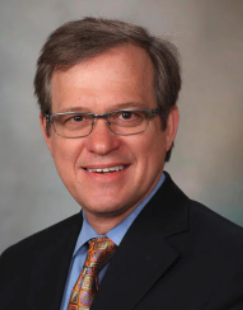 Allen T. Bishop合作论文数Department of Orthopedic Surgeon, Mayo Clinic8Günter Germann合作论文数7Markus Trankle合作论文数7Patricia F. Friedrich合作论文数7Henning Ryssel合作论文数6Th Raff合作论文数6
 Holger Engel合作论文数6A Jester合作论文数5Berthold Bickert合作论文数5D. Diekmann合作论文数4Patricia Friedrich合作论文数4
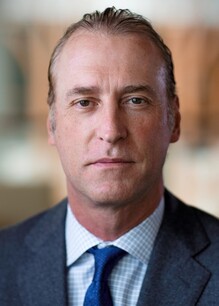 Detlev Erdmann合作论文数Department of Orthopaedic Surgery, Duke University School of Medicine4Chung Yang-Guk合作论文数4Steven D Bruner合作论文数4S Blome-Eberwein合作论文数4Teruyasu Ohno合作论文数4H. Von Gregory合作论文数3S. Kluge合作论文数3B Fischer合作论文数3G Holle合作论文数3
 Matthias A Reichenberger合作论文数3Czermak C合作论文数3
 Emre Gazyakan合作论文数3M Kuentscher合作论文数3Petra Degenhardt合作论文数3M Küntscher合作论文数2K. Riedel合作论文数2S Kraft合作论文数2N Südkamp合作论文数2
 Kai Megerle合作论文数2G Germann合作论文数2Patrick S Harenberg合作论文数2
 Goetz A Giessler合作论文数2
 Andreas Ludwig合作论文数Department of Metallurgy, Montanuniversität Leoben2Reichenberger M合作论文数2Lothar Kinzl合作论文数2
 Jeffrey L. Platt合作论文数Samuel and Jean Frankel Cardiovascular Center, Medical School, University of Michigan;School of Medicine Pathology, Case Western Reserve University2Volker Buhren合作论文数2
 Thomas Kremer合作论文数2Lucien Christoph Olivier合作论文数2




