Antibiotic residues in gastrointestinal and environmental compartments promote the selection of resistant bacteria and the emergence of antimicrobial resistance (AMR). This study evaluates spray drying as a scalable method to produce crosslinked zinc-alginate (Zn-Alg-SD) microparticles for antibiotic removal from water via metal complexation, using ciprofloxacin (CIPRO) and amoxicillin (AMOX) as model compounds. Zn-Alg-SD microparticles were prepared by spray drying at varying zinc (Zn2+) concentrations. Particle characteristics were assessed by FTIR, optical particle size analysis, SEM, and ICP-MS, demonstrating improved particle uniformity, surface area, water stability, and crosslinking density. Zn-Alg-SD microparticles prepared with 0.25% and 0.5% (w/v) Zn2+ exhibited minimal swelling in aqueous media, indicating enhanced structural integrity. Antibiotic removal studies showed high adsorption capacity, particularly for CIPRO, with a 20-fold increase compared to Zn-Alg beads produced by conventional ionotropic gelation. Kinetic modelling indicated a chemosorption mechanism for both antibiotics, supporting Zn2+-mediated complexation within the crosslinked alginate matrix. Overall, spray drying represents an efficient alternative to ionotropic gelation for producing crosslinked alginate adsorbents, offering a scalable platform for biological and environmental antibiotic removal.
Background/Objectives: Curcumin (CUR) is a potent anticancer agent whose clinical application is hindered by its extremely poor aqueous solubility. This study reports the development of enzyme-responsive whey protein isolate (WPI) nanoparticles for CUR targeted delivery. Methods: To overcome the initial solubility barrier, CUR was first formulated as a solid dispersion with WPI using freeze-drying. This process resulted in a significant enhancement in aqueous solubility (up to 1478-fold), with CUR existing in molecular dispersion or in an amorphous state within the protein matrix as confirmed by Differential Scanning Calorimetry (DSC) and Fourier-transform infrared (FT-IR) spectroscopy. The solubilized CUR-WPI solid dispersion was subsequently used to generate nanoparticles via a thermal gelation method, avoiding the use of organic solvents or toxic chemical crosslinkers. Results: The resulting nanoparticles exhibited a high drug loading efficiency of 85%. In vitro release studies demonstrated minimal CUR release in physiological buffer (pH 7.4) over 24 h, whereas exposure to trypsin, a nonspecific serine protease used as an in vitro model for tumor-associated proteolytic activity, triggered rapid nanoparticle degradation and released 95% of CUR within 3 h. Conclusions: These findings suggest that WPI-based nanoparticles developed from solid dispersions offer a promising, biocompatible platform for the solubility enhancement and protease-triggered delivery of hydrophobic anticancer drugs.
Background: Pulmonary drug delivery represents a promising approach for the potential localised treatment of respiratory of non-small-cell lung cancer (NSCLC). However, the efficient delivery of poorly water-soluble drugs remains challenging due to limited solubility and inadequate aerodynamic performance. This study aimed to develop and characterise inhalable dry powder formulations of zinc diethyldithiocarbamate (Zn(DDC)2) complexes with hydroxypropyl-β-cyclodextrin (HP-β-CD) and sulfobutylether-β-cyclodextrin (SBE-β-CD) for potential pulmonary administration. Methods: Formulations were prepared by freeze-drying and spray-drying, with leucine incorporated at 0%, 5%, and 10% w/w. Formulations were prepared via freeze-drying and spray-drying with leucine incorporation (0%, 5% and 10% w/w) to evaluate their physicochemical properties, flowability and aerodynamic performance. Results: Spray-dried formulations exhibited significantly lower densities (as low as 1.03 ± 0.71 g/cm3), enhanced flowability, improved aerosolisation and higher fine particle fraction (FPF) values (up to 40.12 ± 0.60%) compared to freeze-dried powders (20.03 ± 2.79%). The incorporation of leucine further reduced powder density down to 0.72 ± 0.34 g/cm3 and increased surface corrugation as shown in SEM images, improving aerosolisation performance, with FPF values up to 76.77 ± 1.18%. Next Generation Impactor (NGI) analysis confirmed that leucine-containing formulations exhibited a greater proportion of particles within the respirable aerodynamic diameter range (1-5 μm), suggesting suitability for deep lung deposition. Conclusions: These results demonstrate that spray-dried Zn(DDC)2-cyclodextrin powders, particularly those modified with 10% leucine, offer excellent potential for pulmonary delivery in NSCLC therapy. Further in vivo studies are warranted to evaluate therapeutic efficacy and safety.
Background: Steric stabilization of liposomes using PEGylation has been used widely in pharmaceutical research to overcome the limitations of conventional liposomes and to extend circulation time. PEGylation tended to improve the physicochemical stability and reverse the chemoresistance in multidrug-resistant (MDR) breast cancer cell lines. In this study, PEGylated formulations of disulfiram (DS) and paclitaxel (PAC) were developed using the ethanol-based proliposome technology. Methods: PEGylated liposomal formulations of disulfiram (DS) and paclitaxel (PAC) were developed using the ethanol-based proliposome approach combined with high-pressure homogenization (HPH). The liposomes were characterized for particle size, polydispersity index (PDI), zeta potential, drug loading efficiency (DLE%), and drug entrapment efficiency (DEE%). Cytotoxicity studies were performed on sensitive (MCF7, MDA-MB-231) and chemoresistant (MDA-MB-231PAC10) breast cancer cell lines using the MTT assay to assess the anti-ancer potential of the formulations. Synergistic cytotoxic effects of DS and PAC co-delivery were also evaluated. Results: There was no significant difference in drug loading (DLE%) and drug entrapment efficiency (EE%) between conventional liposomes and the developed PEGylated vesicles. DS demonstrated higher loading in liposomes than PAC, and a greater cytotoxic effect on both sensitive (MCF7 and MDA-MB-231) and chemoresistant (MDA-MB-231PAC10) human breast cancer cell lines. For both DS- and PAC-loaded liposomes, PEGylation did not compromise the cytotoxic effect on both sensitive and chemoresistant cells. Interestingly, the combination of DS- and PAC-loaded PEGylated liposomes had significantly higher cytotoxic effect and lower IC50 than that of each drug alone. Conclusions: Overall, PEGylated liposomal formulation of DS and PAC acted synergistically to reverse the multidrug resistance in breast cancer cells and could serve as a promising system for delivery of PAC and DS simultaneously in one formulation using an alcohol-based proliposome formulation.
Disulfiram (DSF), a well-known anti-alcoholism drug, exhibits potent anticancer activity via its metabolite, diethyldithiocarbamate (DDC), which forms a cytotoxic copper complex that selectively targets cancer stem cells. However, its clinical utility is limited by poor solubility and rapid plasma metabolism. This study explores saccharide-linked DDCs as novel prodrugs designed to enhance stability, solubility, and tumour-selective activation. These compounds feature thioglycosidic bonds that shield the DDC moiety from premature degradation while retaining its metal-chelating function to form the active copper(II)bis(N,N-diethyldithiocarbamate) (Cu(DDC)2) complex. The synthesised derivatives were characterised and evaluated for serum stability and in vitro cytotoxicity across several cancer cell lines, including colorectal, breast, lung, and brain cancers. Copper-complexed saccharide-DDC prodrugs demonstrated remarkable cytotoxicity, with improved biostability and solubility profiles. These findings highlight the potential of saccharide-linked DDCs as stable, copper-activated prodrugs for cancer therapy. Further in vivo studies are warranted to validate their pharmacokinetics and clinical relevance.
Exosomes, diminutive extracellular vesicles, are integral to intercellular communication, harbouring potential for applications in regenerative medicine and aesthetic interventions. The field, however, grapples with the complexities of harmonising exosome characterisation protocols and safeguarding therapeutic integrity. In this scholarly overview, systematic adherence to the Cochrane Collaboration and Preferred Reporting Items for Overviews of Reviews guidelines was observed, scrutinising the congruence of exosome-related therapies with the Minimal Information for Studies of Extracellular Vesicles standards delineated by the International Society for Extracellular Vesicles, alongside criteria set forth by the International Society for Cell Therapy and the International Society for Stem Cell Research. A meticulous search strategy spanning databases such as PubMed, Scopus, Web of Science, EMBASE, and Cochrane database was employed to encapsulate studies pertinent to the isolation, characterisation, and functional assessment of exosomes. The initial search yielded 225 articles, of which 17 systematic reviews were selected based on predefined criteria, encompassing 556 primary studies. Notwithstanding the acknowledged therapeutic promise of exosome modalities, the synthesis illuminated a prevalent deficiency in adherence to established reporting and experimental benchmarks, notably in exosome source characterisation and bioactive constituent delineation. A critical appraisal employing the AMSTAR-2 tool underscored a pervasive shortfall in methodological rigour. This review accentuates the imperative for stringent methodological standardisation within exosome research to fortify the validity and reproducibility of empirical findings. Amidst the burgeoning therapeutic optimism, the discipline must rectify methodological disparities and comply with regulatory mandates, ensuring the ethically sound and scientifically robust advancement of exosome-based therapeutic modalities. This journal requires that authors assign a level of evidence to each article. For a full description of these Evidence-Based Medicine ratings, please refer to the Table of Contents or the online Instructions to Authors www.springer.com/00266 .
Cancer stem cells (CSCs) play a key role in non-small cell lung cancer (NSCLC) chemoresistance and metastasis. In this study, we used two NSCLC cell lines to investigate the regulating effect of hypoxia in the induction and maintenance of CSC traits. Our study demonstrated hypoxia-induced stemness and chemoresistance at levels comparable to those in typical CSC sphere culture. Activation of the NF-κB pathway (by transfection of NF-κB-p65) plays a key role in NSCLC CSCs and chemoresistance. Disulfiram (DS), an anti-alcoholism drug, showed a strong in vitro anti-CSC effect. It blocked cancer cell sphere reformation and clonogenicity, synergistically enhanced the cytotoxicity of four anti-NSCLC drugs (doxorubicin, gemcitabine, oxaliplatin and paclitaxel) and reversed hypoxia-induced resistance. The effect of DS on CSCs is copper-dependent. A very short half-life in the bloodstream is the major limitation for the translation of DS into a cancer treatment. Our team previously developed a poly lactic-co-glycolic acid (PLGA) nanoparticle encapsulated DS (DS-PLGA) with a long half-life in the bloodstream. Intra venous injection of DS-PLGA in combination with the oral application of copper gluconate has strong anticancer efficacy in a metastatic NSCLC mouse model. Further study may be able to translate DS-PLGA into cancer applications.
Zinc diethyldithiocarbamate (Zn (DDC)2), a disulfiram metabolite (anti-alcoholism drug), has shown a strong anti-cancer activity in vitro. However, its application was limited by its low aqueous solubility and rapid metabolism. In this study, the solubility enhancement of Zn (DDC)2 is investigated by forming inclusion complexes with cyclodextrins. The inclusion complexes were prepared using two different types of beta-cyclodextrins, SBE-CD and HP-CD. Phase solubility diagrams for the resulting solutions were assessed; subsequently, the solutions were freeze-dried for further characterisation studies using DSC, TGA, XRD, and FTIR. The cytotoxic activity of the produced inclusion complexes was evaluated on human lung carcinoma cells using the MTT assay. The solubility of Zn (DDC)2 increased significantly upon adding beta-cyclodextrins, reaching approximately 4 mg/mL for 20% w/w CD solutions. The phase solubility diagram of Zn (DDC)2 was of the Ap-type according to the Higuchi and Connors model. Characterisation studies confirmed the inclusion of the amorphous drug in the CD-Zn (DDC)2 complexes. The cytotoxicity of Zn (DDC)2 was enhanced 10-fold by the inclusion complexes compared to the free drug. Overall, the resulting CD-Zn (DDC)2 inclusion complexes have a potential for treatment against lung cancer.
Disulfiram (DS) has been shown to have potent anti-cancer activity; however, it is also characterised by its low water solubility and rapid metabolism in vivo. Biodegradable polylactic-co-glycolic acid (PLGA) polymers have been frequently employed in the manufacturing of PLGA nano-carrier drug delivery systems. Thus, to develop DS-loaded PLGA nanoparticles (NPs) capable of overcoming DS’s limitations, two methodologies were used to formulate the NPs: direct nanoprecipitation (DNP) and single emulsion/solvent evaporation (SE), followed by particle size reduction. The DNP method was demonstrated to produce NPs of superior characteristics in terms of size (151.3 nm), PDI (0.083), charge (−37.9 mV), and loading efficiency (65.3%). Consequently, NPs consisting of PLGA and encapsulated DS coated with mPEG2k-PLGA at adjustable ratios were prepared using the DNP method. Formulations were then characterised, and their stability in horse serum was assessed. Results revealed the PEGylated DS-loaded PLGA nano-carriers to be more efficient; hence, in-vitro studies testing these formulations were subsequently performed using two distinct breast cancer cell lines, showing great potential to significantly enhance cancer therapy.
A major hallmark of cancer is the reprogramming of cellular metabolism from oxidative phosphorylation (OXPHOS) to glycolysis, a phenomenon known as the Warburg effect. To sustain high rates of glycolysis, cancer cells overexpress GLUT transporters and glycolytic enzymes, allowing for the enhanced uptake and consumption of glucose. The Warburg effect may be exploited in the treatment of cancer; certain epimers and derivatives of glucose can enter cancer cells and inhibit glycolytic enzymes, stunting metabolism and causing cell death. These include common dietary monosaccharides (ᴅ-mannose, ᴅ-galactose, ᴅ-glucosamine, ʟ-fucose), as well as some rare monosaccharides (xylitol, ᴅ-allose, ʟ-sorbose, ʟ-rhamnose). This article reviews the literature on these sugars in in vitro and in vivo models of cancer, discussing their mechanisms of cytotoxicity. In addition to this, the anticancer potential of some synthetically modified monosaccharides, such as 2-deoxy-ᴅ-glucose and its acetylated and halogenated derivatives, is reviewed. Further, this article reviews how certain monosaccharides can be used in combination with anticancer drugs to potentiate conventional chemotherapies and to help overcome chemoresistance. Finally, the limitations of administering two separate agents, a sugar and a chemotherapeutic drug, are discussed. The potential of the glycoconjugation of classical or repurposed chemotherapy drugs as a solution to these limitations is reviewed.
Polynucleotides (PDRN) have gained attention in aesthetic and regenerative medicine for their potential to enhance tissue regeneration, improve skin quality, and deliver superior aesthetic outcomes. However, the transition from theoretical benefits to proven clinical outcomes faces challenges due to inconsistencies and methodological shortcomings in the existing evidence base. This systematic review aims to critically evaluate the scientific basis and empirical evidence supporting the use of PDRN in aesthetic and regenerative medicine, highlighting the quality, reproducibility, and reliability of existing research, and identifying gaps and inconsistencies within the current literature. Adhering to PRISMA guidelines and registered with PROSPERO, this review formulated a research question using the PICO framework to assess the efficacy of PDRN applications. A comprehensive literature search across PubMed–MEDLINE, EMBASE, and Web of Science was conducted. The inclusion criteria focused on clinical studies applying PDRN in regenerative or aesthetic medicine with clear outcome measures. Quality assessment utilized Cochrane Risk of Bias tool, ROBINS-I, and Newcastle Ottawa Scale. Data synthesis was qualitative due to anticipated heterogeneity. From 360 identified studies, 16 clinical trials met the inclusion criteria, encompassing various study designs and a total of 750 participants. The studies investigated PDRN's efficacy across different conditions and applications. Findings revealed a lack of specificity in PDRN sequencing, molecular targets, and dosage details, with a noted variability in source and manufacturing standards. Most studies demonstrated a low risk of bias, suggesting methodological rigor, yet the absence of comprehensive reporting on sequencing, targeted mechanisms, and molecular length was evident. The review underscores the embryonic stage of PDRN research and the necessity for more rigorous studies to validate clinical outcomes. The potential of PDRN in aesthetic and regenerative medicine is significant, yet the current state of evidence necessitates a cautious and evidence-based approach to their clinical integration. Future research should focus on overcoming the highlighted gaps and inconsistencies, ensuring that the innovation in treatments does not compromise patient safety and efficacy. Regulatory frameworks must evolve to address the unique challenges presented by PDRN technologies, ensuring their safe and ethical application. Level of evidence: Level I, Therapeutic.
Traces of antibiotics reaching aquatic environment lead to the emergence of antimicrobial resistance (AMR). The efficient removal of antibiotics (ATBs) traces from wastewater is essential to tackle the AMR. In this study, a novel solid-state crosslinking method of alginate (ALG) was developed and applied to specifically remove ATBs from water. A wide range of crosslinkers (Ca2+, Zn2+, Cu2+, Ni2+, Fe3+ and Al3+) was used and the crosslinking nature, density, and distribution were evidenced by FTIR, ICP-MS, and SEM-EDS. Compared with ionotropic gelation, the novel solid-state crosslinking method proved superior in term of ease of production, high cross -linking degree, and ATBs removal capacity. Fe-ALG and Zn-ALG showed high removal capacity of ciprofloxacin (356.5 mg/g and 928.6 mg/g) and doxycycline (90 mg/g and 690 mg/g), however, they were less effective toward amoxicillin (11.5 mg/g and 6 mg/g). Removal isotherms and kinetics followed type I and pseudo-second order suggesting a chemisorption removal mechanism. Fe-ALG was successfully regenerated with no loss in ATB removal capacity. The microbiological assay showed significant reductions of antibacterial activities after ATBs removal from water. Overall, metal-ALG systems obtained by solid-state crosslinking are promising for ATBs removal from wastewater giving the ease of production, high efficiency, regenerability, and scalability potential.
Nanomedicine becomes a key player especially as next generation medicine. Antibody-conjugated nanomedicine could significantly upgrade the treatment and expand application areas. However, there are extensive challenges of manufacturing those formulations as a final drug product. Here we provided the general technical guidance from the initial formulation construction including antibody conjugation to the downstream formulation development. We hope this technical note can help accelerate the translation of productizing the antibody-conjugated nanomedicines.
Oral aphthous stomatitis is a common disorder treated with the immunomodulatory drug Amlexanox (AMX), that was administered as a mucoadhesive paste (Aphthasol (R)). This product was discontinued by FDA in 2014 due to the associated undesired adverse reactions of the formulation. Here, we have developed AMX-loaded nanoliposome formulation as a potential alternative for the localised oromucosal delivery of AMX. Nano-liposomes were prepared using Soya phosphatidylcholine (SPC) and Cholesterol (Chol) mixtures at three different molar ratios to formulate vesicles using thin-film hydration, and were characterised for size, zeta po-tential and entrapment efficiency. The optimal formulation was found to be SPC:Chol 3:1 with drug entrapment efficiency of 94%, post sonication. To evaluate anti-inflammatory activity, macrophages developed by differ-entiation of human leukaemia monocytic cell line, THP-1, were polarised by Interferon gamma (IFN gamma) and lipopolysaccharide (LPS) to M1 state. Macrophages M1 cells treated with D-L1 formulation (SPC:Chol 3:1, 500 mu g/mL total lipid, and 27.6 mu M AMX) showed a significant suppression in TNF-alpha expression levels (43 +/- 2.7% of untreated control, p < 0.05) compared to those treated with either empty liposomes or AMX alone. Notably, % TNF-alpha dramatically decreased to 57 +/- 4.05% of control, for cells treated with drug-free liposomes (500 mu g/mL total lipid) indicating the anti-inflammatory activity of SPC lipid component per se, which led to synergistic effect as evident from the augmentation of AMX anti-inflammatory activity in D-L1 formulation. Our findings highlight the potential of using AMX nanoliposomes as a promising advanced formulation for reviving AMX treatment for management of inflammatory conditions of oral mucosa.
(DDC)2Zn, disulfiram (DS) metabolite, has shown promisinganticancer effects in vitro but further investigations in vivo are limited by itspoor water solubility. In this study, liposomes are assessed as a deliverysystem for (DDC)2Zn. Liposomes were prepared by the thin-filmhydration method, followed by high-pressure homogenisation (HPH) for sizereduction. The nano-liposomes were then characterised by size, polydispersityindex (PDI), zeta potential (ZP), drug loading and encapsulation efficiencies(DLE% and EE%), and MTT cytotoxicity assay. The HSPC-based (PBS) liposomesshowed a nano-range of sizes (< 200nm), good PDI (<0.5) but moderate EE%(<40%). However, (DDC)2Zn liposomal formulations showed enhanced cytotoxicactivities toward colorectal cancer cells. Therefore, liposomal formulations of(DDC)2Zn with improved DLE% and EE% might have immense potential incancer therapy.
Glioblastoma stem cell (GSC) is the major cause of glioblastoma multiforme (GBM) chemotherapy failure. Hypoxia is one of the determinants of GSC. NFκB plays a pivotal link between hypoxia and cancer stem cells (CSCs). Disulfiram (DS), an antialcoholism drug, has very strong NFκB-inhibiting and anti-CSC activity. In this study, the in vitro anti-GSC activity of DS and in vivo anti-GBM efficacy of poly lactic-co-glycolic acid nanoparticle-encapsulated DS (DS-PLGA) were examined. We attempt to elucidate the molecular network between hypoxia and GSCs, and also examined the anti-GSC activity of DS in vitro and in vivo. The influence of GSCs and hypoxia on GBM chemoresistance and invasiveness was studied in hypoxic and spheroid cultures. The molecular regulatory roles of NFκB, HIF1α and HIF2α were investigated using stably transfected U373MG cell lines. The hypoxia in neurospheres determines the cancer stem cell characters of the sphere-cultured GBM cell lines (U87MG, U251MG, U373MG). NFκB is located at a higher hierarchical position than HIF1α/HIF2α in hypoxic regulatory network and plays a key role in hypoxia-induced GSC characters. DS inhibits NFκB activity and targets hypoxia-induced GSCs. It showed selective toxicity to GBM cells, eradicates GSC and blocks migration and invasion at very low concentrations. DS-PLGA efficaciously inhibits orthotopic and subcutaneous U87MG xenograft in mouse models with no toxicity to vital organs.
Disulfiram (DS), known as an anti-alcoholism drug, has shown a potent antiviral activity. Still, the potential clinical application of DS is limited by its low water solubility and rapid metabolism. Cyclodextrins (CDs) have been widely used to improve the solubility of drugs in water. In this study, five concentrations of hydroxypropyl β-cyclodextrin (HP) and sulfobutyl ether β-cyclodextrin (SBE) were used to form inclusion complexes of DS for enhanced solubility. Solutions were freeze-dried, and the interaction between DS and CD was characterized using differential scanning calorimetry (DSC), thermogravimetric analysis (TGA), and Fourier transform infrared spectroscopy (FTIR). In addition, the nebulization properties of the DS–CD solutions were studied. The aqueous solubility of DS increased significantly when loaded to either of both CDs. The phase solubility of both complexes was a linear function of the CD concentration (AL type). Furthermore, physicochemical characterization studies showed a potent inclusion of the drug in the CD–DS complexes. Aerosolization studies demonstrated that these formulations are suitable for inhalation. Overall, the CD inclusion complexes have great potential for the enhancement of DS solubility. However, further studies are needed to assess the efficacy of DS–CD inclusion complexes against SARS-CoV-2 via nebulization.
Diethyldithiocarbamate zinc (Zn(DDC)2), has shown promising antineoplastic effects against a wide variety of cancers. However, this application was hindered by its poor water solubility. Therefore, complexation with cyclodextrin was used to enhance the solubility. Five different concentrations of 2-hydroxyl beta-cyclodextrin (HP) and ether beta-cyclodextrin (SBE) were used. CD-Zn(DDC)2 solutions were freez-dried for further characterisation using DSC, TGA and FT-IR. The phase solubility study showed a significant water-solubility enchantment of Zn(DDC)2, and the characterisation studies confirmed the formation of inclusion complexes CD-Zn(DDC)2. Overall, CDs have improved Zn(DDC)2 solubility significantly and showed a promising anticancer activity against lung cancer cells. Hence, CD-Zn(DDC)2 complexes have a great potential for further studies against cancer.
 Abdelbary Elhissi合作论文数24
 Antony D'Emanuele合作论文数De Montfort University;Kilmory Consultancy Services19
 Waqar A. Khan合作论文数Department of Mechanical Engineering, College of Engineering, Prince Mohammad Bin Fahd University;School of Mathematical Sciences, Universiti Sains Malaysia12
 David Attwood合作论文数Division of Pharmacy & Optometry, School of Health Sciences, University of Manchester10
 Mouhamad Khoder合作论文数University Al Baath, Faculty of Pharmacy, Homs, Syria9
 Kevin Taylor合作论文数Department of Pharmaceutics, School of Pharmacy, Faculty of Life Sciences, University College London8
 Basel Arafat合作论文数Anglia Ruskin University8
 Tolaymat Ibrahim合作论文数8
 Sally Freeman合作论文数8Weiguang Wang合作论文数8Ayse Kaya合作论文数6David A. Phoenix合作论文数6
 Vinodh Kannappan合作论文数Research Institute in Healthcare Science, University of Wolverhampton6Dan Alves合作论文数5
 Ayman Karam合作论文数5
 Ammar Said Suliman合作论文数Fac Hlth Educ Med & Social Care, Anglia Ruskin Univ5
 Wang Zhipeng合作论文数Department of Frontier Materials, Nagoya Institute of Technology5
 Mohamed Alhnan合作论文数Institute of Pharmaceutical Science, School of Cancer & Pharmaceutical Sciences, Faculty of Life Sciences & Medicine, King’s College London;Centre for Pharmaceutical Medicine, School of Cancer & Pharmaceutical Sciences, Faculty of Life Sciences & Medicine, King’s College London;Epinostics5Zhengyuan Zhou合作论文数South China Normal University, South China Normal University5
 Raid G Alany合作论文数Division of Pharmacy;University of Auckland;Division of Pharmacy, University of Auckland5Niusha Ansari-Fard合作论文数4Kurusamy Sathishkumar合作论文数4
 Chris McConville合作论文数Institute of Clinical Sciences, College of Medical and Dental Sciences, University of Birmingham4Wan Ka-Wai合作论文数3
 Barbara Krystyna Pierscionek合作论文数Faculty of Health, Education, Medicine and Social Care, Anglia Ruskin University3Hany Niamey Abu-Farsakh合作论文数2Patricia E. Garcia合作论文数2Sotirios Ioannidis合作论文数2
 Karim Sayed合作论文数2Parinitha Rao合作论文数2William Richard Webb合作论文数2adnan al dalaty合作论文数2Mindaugas Rudokas合作论文数2
 Faheem Ahmed合作论文数College of Science, King Faisal University2
 Eqram Rahman合作论文数Royal Free Hosp, Dept Plast & Reconstruct Surg, Pond St, London NW3 2QG, England2
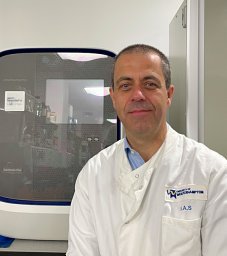 Mark R Morris合作论文数Cancer Research UK Renal Molecular Oncology Group, University of Birmingham2
 El-Shaer Amr M合作论文数2
 Wolfgang G. Philipp-Dormston合作论文数Hautzentrum Köln2
 Alisha Kadam合作论文数School of Pharmacy and Biomedical Sciences, University of Central Lancashire2
 Iftikhar Khan合作论文数School of Pharmacy and Biomedical Sciences, University of Central Lancashire2Liu Peng合作论文数2Nanze Yu合作论文数2
 Omer Huner K合作论文数2
 James D Frame合作论文数2Younes Husam合作论文数2
 Alastair Carruthers合作论文数Department of Dermatology and Skin Science, University of British Columbia2
 Angel L Armesilla合作论文数Research Institute in Healthcare Science, University of Wolverhampton2Jufen Zhang合作论文数2Ash Mosahebi合作论文数2




