Coastal wetland (‘blue carbon’) restoration is widely recognised as a strategy for climate change mitigation and coastal resilience, yet the economic viability of small-scale projects (< 12 ha), the scale at which local councils and community groups most commonly operate, remains poorly understood. This study presents a benefit-cost analysis of active mangrove and saltmarsh restoration using biodegradable structures at five coastal wetland sites in Victoria, Australia. We evaluated four structure coverage intensities (20–80%) over three temporal horizons (25-year, 100-year, and full vegetation maturity). Implementation costs scaled proportionally with coverage intensity, with imported biodegradable structures representing the largest single expense. Subsequent deployments substantially reduced costs through equipment reuse. A medium-intensity strategy (40% coverage) achieved the most favourable economic outcomes, balancing upfront investment against long-term ecosystem service delivery across carbon sequestration, nitrogen cycling, fisheries enhancement, and coastal protection. Critically, the cumulative cost of inaction, foregone ecosystem services at unrestored sites, exceeded total restoration investment within 11–42 years at every site, well within local government planning horizons. However, full cost-recovery timescales substantially exceed the 25-year timeframe of existing Australian carbon credit schemes, revealing a structural misalignment between current market mechanisms and restoration economics. These results provide empirical evidence that small-scale active coastal restoration delivers net economic benefits over multi-decadal timescales. Three priorities emerge: 1) adopting medium-intensity coverage to optimise cost against long-term service delivery, 2) developing local supply chains to reduce structure costs, and 3) reforming carbon crediting frameworks to recognise progressive ecosystem service accumulation in restored coastal wetlands.
Saltmarshes play a key role in climate change mitigation through long-term carbon sequestration (termed ’blue carbon) in their soils over centuries. However, widespread degradation from livestock grazing has reduced the ecological condition and carbon storage capacity of these ecosystems, prompting a global push for restoration. One low-cost approach is livestock (’ungulates’) exclusion via fencing, yet its effectiveness in Australian saltmarshes remains poorly quantified, especially for soil carbon accumulation. Here, we examined the impact of livestock exclusion on soil carbon accumulation in the temperate saltmarshes of southeast Australia using a chronosequence approach. We compared natural, actively grazed saltmarshes, and sites where livestock had been excluded for 15 - 18 years and 25 years. We found that livestock exclusion significantly increased vegetation cover and soil carbon accumulation rates. Natural and restored saltmarshes accumulated substantially more carbon than actively grazed marshes, with CAR ranging from 0.64 ± 0.18 to 0.95 ± 0.01 t Corg ha⁻¹ yr⁻¹, while actively grazed saltmarshes showed no carbon accumulation. Vegetation cover was 70-75% higher in fenced sites compared to grazed sites. These carbon gains, equivalent to approximately 2.3–3.5 t CO₂-e ha⁻¹ yr⁻¹, highlight the potential for livestock exclusion to contribute to emerging blue carbon accounting and carbon market methodologies. Overall, our findings demonstrate that excluding livestock can restore vegetation cover and re-establish soil carbon sequestration within decades, providing a simple, cost-effective and scalable approach for saltmarsh restoration.
Coastal wetlands, including saltmarsh, are highly productive ecosystems, with carbon- and nutrient-rich soils supporting biodiversity. Beyond carbon stocks and sequestration, the responses to restoration of these nutrient-rich and structurally complex soils remain poorly defined for coastal wetlands, especially in saltmarsh ecosystems restored by exclusion fencing. This study used a space-for-time approach to evaluate belowground responses in Salicornia quinqueflora-dominated saltmarshes 25 years after livestock exclusion in Swan Bay, Victoria, Australia. We monitored surficial soil physicochemical characteristics, root and standardised litter decomposition, and root molecular composition across Grazed, Restored, and Natural Reference sites. Restored and Reference sites had >= 20 % higher vegetation cover and 2-3-fold higher percent soil carbon and nitrogen content, with 2.5-fold lower shear vane soil strength compared to Grazed sites. However, carbon and nitrogen stocks in the top 10 cm were not significantly different across sites (means ranging 30-36 Mg C ha-1) due to elevated bulk density at Grazed sites caused by compaction from ungulates. Salicornia quinqueflora root litter decomposition was slowest in Natural Reference sites, with molecular composition showing preservation of recalcitrant lignin in the Reference and Restored sites, indicating greater soil carbon preservation capacity. In contrast, roots decomposing in Grazed sites showed increased nitrogen and phenolic compounds, indicating greater microbial-driven turnover. This study demonstrates that exclusion fencing can restore saltmarsh soil function and promote long-term resilience, particularly through improved preservation of recalcitrant organic matter, decades after intervention. By highlighting shifts in surface soil structure and organic matter preservation, this study shows why soil quality metrics beyond carbon stocks are essential for accurately evaluating restoration outcomes.
Wetlands play a disproportionally important role in the global methane cycle due to their unique hydrological and biogeochemical characteristics. Understanding the complex interplay among microbial communities, habitat and geochemical processes is key for assessing their response to environmental changes and their contribution to greenhouse gas dynamics. This study investigated the spatiotemporal and depth relationships among methane fluxes, soil geochemistry, and microbiome communities in a subtropical wetland using 16S rRNA sequencing, methane flux measurements, and soil profiling. We find that soil chemical properties and methane are linked to the variations in soil microbial communities. However, soil depth is the primary factor structuring microbial communities, with surface soils supporting high abundance of iron-methane cycling microbes and evidence of direct interspecies electron transfer (DIET) pathways. Interconnected processes involving methanogens, syntrophs, sulphur reducing bacteria, and fermentative bacteria were prominent in surface soils, likely facilitating organic matter decomposition and methane production. Variations in diurnal methane dynamics and water chemistry were linked to shifts in the relative abundance of microbial taxa, such as Methylomirabilaceae, Syntrophobacter, and Syntrophorhabdus. Water lilies (Nymphaea sp.) are possibly influencing microbial activity and methane emissions in wetlands by supplying organic matter and oxygen to the soil. Overall, our results show that soils depth drove microbial community, with abiotic (e.g. temperature) and biotic factors (e.g. vegetation) influencing spatiotemporal variation in wetland methane fluxes. Understanding the complex drivers of methanogenesis in wetlands is essential for refining global methane budgets and accurately modelling future climate scenarios in the face of accelerating environmental change.
Kelp forests are globally significant ecosystems providing critical ecosystem services, including fish production, nutrient cycling, carbon sequestration, and recreational uses. However, widespread degradation caused by anthropogenic pressures has led to significant declines in kelp forests, necessitating cost-effective restoration strategies. This study performs a spatially explicit benefit-cost analysis of kelp forest restoration in southern Australia to explore how variations in costs and benefits can inform prioritisation of restoration strategies. Costs of ecosystem restoration were calculated based on the time to cull overabundant sea urchins from each location and for active kelp restoration costs. We found that investing in kelp forest restoration at the broad-scale (3,291 ha) returns a positive benefit-cost ratio of 1.10 (where 1.0 is break-even). There was substantial site-specific variation in the benefit-cost ratio (0.33 to 3.4), driven by variation in predicted kelp biomass and thus nitrogen storage benefits ($0 - $105,000 /ha). For culling costs, this varied based on urchin density, the depth (dive time) and travel time to the site. Given this variation, we considered another scenario where only the reefs that returned a positive benefit-cost ration were restored (1,221 ha), which would deliver $92.1 million in benefits, from an investment of $43.9 million and would result in a benefit-cost ratio of 2.10. This research demonstrates how spatial prioritisation can guide investments in marine ecosystem restoration to maximise return on investment. However, while kelp restoration proves beneficial, realising its potential will require robust funding mechanisms (perhaps via market-based incentives), which are currently lacking.
The restoration of coastal wetlands or ‘blue carbon ecosystems’ will be an essential tool for achieving climate change mitigation and biodiversity targets entrenched in policies at all levels of government. Despite increasing demand for coastal wetland restoration projects across the public and private sectors, the implementation and scalability of blue carbon projects in Australia remain limited. This study aimed to characterise the permits and approvals for coastal wetland restoration projects in the Australian state of Victoria and to evaluate the effectiveness of existing legislative pathways for enabling restoration at scale. We found there were 22 separate permits and approvals across local, state and federal levels of government that may be required to carry out coastal wetland restoration projects in Victoria, excluding specific permissions associated with National Parks, marine reserves and state forests. These depend on restoration activities and land tenure as well as Planning Scheme zoning and overlays. The complexity of permitting and approval processes has been a key barrier to the widespread implementation of coastal wetland restoration projects in Victoria. We highlight the need to streamline existing legislation, advocating general permits for restoration activities in areas with high coastal wetland restoration potential. We suggest refinements to state government risk assessment methodologies and highlight the need for incentives and long-term funding to reduce financial uncertainty and advance coastal wetland restoration projects.
Global salt marshes are significant carbon reserves, and with the growth in "blue carbon" projects, reliable quantification of its carbon storage is required. While methods for the quantification of carbon content in soils are well established, we often lack models for estimating carbon bound within plant biomass due to the high variability of growth forms among plant species. The present study aimed to develop species-specific allometric equations and carbon conversion factors that will enable the estimation of carbon stocks in above-ground biomass (AGB) of two dominant Australian saltmarsh shrubs. The linear regression models developed used lab-derived biomass and field-derived measurements of canopy diameter and/or shrub height to predict carbon content, allowing us to explain 89.3 % of observed variance in AGB for Tecticornia arbuscula and 61.5 % of observed variance in Suaeda australis. Microelemental analysis of woody tissues revealed a mean carbon content of approximately 46-48 % across both shrub species and all size classes. The species-specific AGB equations and carbon conversion factors presented here provide land managers, scientists and policymakers with nondestructive methods for rapid quantification of vegetative biomass and carbon stocks in Southeast Australian saltmarshes.
Wind-powered recreational (WPR) activities are increasingly popular and occur in many areas of high conservation value. Possible impacts are poorly understood; existing reviews do not generally include recent widespread forms of WPR or have narrow taxonomic/ecological scopes. We identify the coastal ecosystems/wildlife that may interact with WPR and potential impacts: a) noise, movement and other stimuli, b) direct contact, c) disruption of substrates, and d) transport of pests. Almost all available evidence on impacts involves coastal birdlife, specifically their escape responses. Most studies are a) non-peer reviewed, largely anecdotal or otherwise limited in scope and b) from temperate locations. Sustainable use of WPR craft is required despite the prevailing information gaps. We suggest a precautionary, proactive approach which likely requires a combination of site-based management, plus policy and education initiatives.
Australian alpine peatlands are critically important ecosystems that deliver a range of valuable services. However, our understanding of these services in Australia, particularly peatland carbon cycling, is lacking. Here, we quantified peat soil carbon (C) and nitrogen (N) concentrations, C:N ratios, and C density in eight Sphagnum-dominated peatlands on the Bogong High Plains, southeastern Australia. Soil C and N concentrations averaged 16.5 ± 13.2
SummaryThe United Nations has declared 2021–2030 as the Decade on Ecosystem Restoration and the Decade of Ocean Science for Sustainable Development. These declarations emphasise the importance of restoring degraded marine and coastal ecosystems and supporting research and knowledge. The number and scale of marine and coastal restoration projects have been increasing in Australia and New Zealand over the past 40 years. However, the lack of a central repository of projects and their results limits opportunities to share knowledge to improve effectiveness. To address this gap, we developed the Australian and New Zealand Marine and Coastal Restoration Database. Information for this database was gathered from publicly available documents (peer‐reviewed journal articles and technical reports) and discussions with key organisations that lead projects in Australia and New Zealand. For each project, we recorded the start date, duration, spatial scale, location, details on monitoring, and success criteria. The database includes information up until 1 June 2020. It is available online via the Australian Coastal Restoration Network website.
Managing coastal wetlands is one of the most promising activities to reduce atmospheric greenhouse gases, and it also contributes to meeting the United Nations Sustainable Development Goals. One of the options is through blue carbon projects, in which mangroves, saltmarshes, and seagrass are managed to increase carbon sequestration and reduce greenhouse gas emissions. However, other tidal wetlands align with the characteristics of blue carbon. These wetlands are called tidal freshwater wetlands in the United States, supratidal wetlands in Australia, transitional forests in Southeast Asia, and estuarine forests in South Africa. They have similar or larger potential for atmospheric carbon sequestration and emission reductions than the currently considered blue carbon ecosystems and have been highly exploited. In the present article, we suggest that all wetlands directly or indirectly influenced by tides should be considered blue carbon. Their protection and restoration through carbon offsets could reduce emissions while providing multiple cobenefits, including biodiversity.
IntroductionTo counteract the rapid loss of marine forests globally and meet international commitments of the UN Decade on Ecosystem Restoration and the Convention on Biological Diversity ‘30 by 30’ targets, there is an urgent need to enhance our capacity for macroalgal restoration. The Green Gravel Action Group (GGAG) is a global network of 67 members that are working on the restoration of a diverse range of macroalgal forests and it aims to facilitate knowledge exchange to fast-track innovation and implementation of outplanting approaches worldwide. MethodsHere, we overview 25 projects conducted by members of the group that are focused on testing and developing techniques for macroalgal restoration. Based on these projects, we summarise the major challenges associated with scaling up the area of marine forests restored. ResultsWe identify several critical challenges that currently impede more widespread rollout of effective large-scale macroalgal restoration worldwide: 1) funding and capacity limitations, 2) difficulties arising from conditions at restoration sites, 3) technical barriers, and 4) challenges at the restoration-policy interface. DiscussionDespite these challenges, there has been substantial progress, with an increasing number of efforts, community engagement and momentum towards scaling up activities in recent years. Drawing on the collective expertise of the GGAG, we outline key recommendations for the scaling up of restoration efforts to match the goals of international commitments. These include the establishment of novel pathways to fund macroalgal restoration activities, building skills and capacity, harnessing emerging innovations in mobile hatchery and seeding technologies, and the development of the scientific and governance frameworks necessary to implement and monitor macroalgal restoration projects at scale.
Tidal marshes are coastal wetlands with high biodiversity value, which provide many benefits to society including carbon sequestration and fisheries enhancement. The threats they face globally mean restoration and creation will be critical for securing their future, but we lack understanding of ecosystem services produced from these interventions. By assessing potential indicators of ecosystem services, this global literature review quantifies ecosystem services from restored and created tidal marshes across different regions and climates over time. It quantifies timeframes for ecosystem service recovery to reference levels. Of 152 studies, 67% were from restored and 33% from created marshes. Vegetation cover, organic carbon, aboveground biomass, belowground biomass, stem density, vertical accretion, carbon accumulation, fish density, and bird abundance were on average the same as equivalent reference marshes within five years. There were significant improvements in vegetation cover, aboveground biomass, and soil carbon, which increased six-fold within ten years. However, soil carbon stocks remained lower, on average, than reference marshes after 30 years and may take longer to recover. Only 13 studies examined restoration outcomes beyond 30 years, highlighting a shortage of long-term studies and the need for consistent funding to enable ongoing monitoring. We indicate the need to standardise ecosystem service indicators and integrate socio-cultural values to increase comparability and implementation of studies. Future research should investigate recovery of ecosystem functions across seasons, marsh zones, project area sizes, connectivity levels, and nutrient regimes. Understanding ecosystem services provided by restored/created tidal marshes over time will help optimise conservation planning and inform wetland restoration.
Coastal wetlands (i.e., mangroves, saltmarshes, and seagrasses) have been recognised as an efficient natural climate solution to help mitigate and adapt to climate change. These ecosystems are also known to provide additional ecosystem services to coastal communities (e.g., fisheries and biodiversity enhancement, nutrient removal). Despite their importance to coasts and coastal communities, we lack spatially explicit information on the values of these ecosystems and the estimated return on investment from coastal management activities to rehabilitate them. Here, we aligned an environmental economic accounting framework combined with a scenario analysis to develop a set of accounts for mangroves, saltmarshes, and seagrasses across the state of Victoria (Australia) as a case study, including the following ecosystem services: commercial and recreational fisheries, carbon and nitrogen sequestration, and coastal hazard mitigation. Importantly, we assessed the current extent, condition, and ecosystem services (physical and monetary) from these coastal ecosystems and examined how they could be improved through management actions. Overall, we found that the combined benefit (i.e., nitrogen and carbon sequestration, fisheries, and coastal hazard mitigation) provided by existing mangroves, saltmarshes, and seagrasses in Victoria is approximately AUD120.9 billion per year. Considering the management scenarios included in this study, our analysis showed that levee removal plus managed retreat had the highest cost at AUD7.6 billion; however, it also provided the highest net benefit of AUD134.8 trillion after 50 years, with a 5 % discount rate. In contrast, fencing was the cheapest management action to restore mangroves and saltmarshes, delivering more than AUD140 billion after 50 years. While our results demonstrate a large return on investment if coastal wetlands are restored at large scale, the implementation of small-scale projects is still a major challenge. However, this study demonstrates that an environmental economic accounting framework combined with a scenario analysis is a powerful approach to guide the decision-making process, providing critical information on the estimated return-on-investment from restoration of mangroves and saltmarshes, with encouraging implications of the impacts of actions at local scales.
Natural disturbances influence wetland carbon cycling, and fire is a key driver of terrestrial carbon stocks. However, the influence of fire on wetland carbon cycling remains poorly understood. Here, we investigated how prescribed fire and wildfire impact soil carbon storage in a forested floodplain of south-eastern Australia. We sampled four areas within Murray Valley National Park, the world's largest river red gum (Eucalyptus camaldulensis) stand, and compared soil carbon (C), nitrogen (N) and C:N ratios between control (unburnt in the 50 years prior to sampling), prescribed burn and wildfire-impacted floodplain areas. Mean soil C and N concentrations were 4.7% +/- 0.32% and 0.36% +/- 0.02%, respectively, and mean C:N ratios were 14.23 +/- 0.33. Carbon concentrations and C:N were highest in control areas of the floodplain, while N concentrations were highest at wildfire-impacted areas. However, flood frequency was a stronger driver of soil C than fire disturbance. Soils at more frequently flooded areas had higher C concentrations compared to less frequently flooded areas, suggesting that resilience to C loss through fire could be enhanced through hydrological restoration. We believe this warrants further research as a potential nature-based climate measure. Mean C density data indicate soil C stocks of 9.4 Tg across Barmah-Millewa Forest, highlighting the significant carbon storage value of this ecosystem.
While marine kelp forests have provided valuable ecosystem services for millennia, the global ecological and economic value of those services is largely unresolved. Kelp forests are diminishing in many regions worldwide, and efforts to manage these ecosystems are hindered without accurate estimates of the value of the services that kelp forests provide to human societies. Here, we present a global estimate of the ecological and economic potential of three key ecosystem services - fisheries production, nutrient cycling, and carbon removal provided by six major forest forming kelp genera (Ecklonia, Laminaria, Lessonia, Macrocystis, Nereocystis, and Saccharina). Each of these genera creates a potential value of between $64,400 and $147,100/hectare each year. Collectively, they generate between $465 and $562 billion/year worldwide, with an average of $500 billion. These values are primarily driven by fisheries production (mean $29,900, 904 Kg/Ha/year) and nitrogen removal ($73,800, 657 Kg N/Ha/year), though kelp forests are also estimated to sequester 4.91 megatons of carbon from the atmosphere/year highlighting their potential as blue carbon systems for climate change mitigation. These findings highlight the ecological and economic value of kelp forests to society and will facilitate better informed marine management and conservation decisions.
The soil in terrestrial and coastal blue carbon ecosystems is an important carbon sink. National carbon inventories require accurate assessments of soil carbon in these ecosystems to aid conservation, preservation, and nature-based climate change mitigation strategies. Here we harmonise measurements from Australia’s terrestrial and blue carbon ecosystems and apply multi-scale machine learning to derive spatially explicit estimates of soil carbon stocks and the environmental drivers of variation. We find that climate and vegetation are the primary drivers of variation at the continental scale, while ecosystem type, terrain, clay content, mineralogy and nutrients drive subregional variations. We estimate that in the top 0–30 cm soil layer, terrestrial ecosystems hold 27.6 Gt (19.6–39.0 Gt), and blue carbon ecosystems 0.35 Gt (0.20–0.62 Gt). Tall open eucalypt and mangrove forests have the largest soil carbon content by area, while eucalypt woodlands and hummock grasslands have the largest total carbon stock due to the vast areas they occupy. Our findings suggest these are essential ecosystems for conservation, preservation, emissions avoidance, and climate change mitigation because of the additional co-benefits they provide.
Wetlands are amongst the world's most effective natural carbon sinks, and also have the potential to emit large quantities of stored carbon back into the atmosphere if disturbed. In the Murray-Darling Basin, high consumptive demand for water has led to widespread wetland loss and degradation. Remaining wetlands are commonly under additional pressure from grazing and trampling by feral herbivores or livestock and unseasonal flooding in summer to meet peak irrigation demand. Here, during a summer flood in Barmah National Park, we compared soil carbon and nitrogen and carbon emissions within, and outside of, a feral herbivore exclusion plot. The sustained global warming potential from the whole wetland (i.e., both within- and outside of the exclusion plot), totalled from both carbon dioxide (CO2) and methane (CH4) emissions, averaged 132.27 ± 9.88 g CO2-e m−2 d−1, an estimated 28- to 89-fold higher than the global average for natural wetlands. The high warming potential of the wetland was driven strongly by CH4 emissions, which made up over 90% of total CO2-equivalents, with CO2 contributing <10%. We expect these values represent peak CH4 emissions from the site due to high water and soil temperatures, and low water levels, at the time of sampling. Soil carbon and nitrogen did not differ significantly within and outside of the exclusion plot, but surface soil samples indicated recent condition improvement in the absence of feral herbivores. We suggest that an emissions avoidance incentive could be developed around unseasonal, summer watering of forested floodplains where flood timing can be controlled.
Nutrient input from estuarine producers underpins coastal fisheries production and knowing which producers are the most responsible for fish diet helps effectively protect and restore coastal ecosystems. Focussing on the Richmond River in Australia as a case study, we sampled the main estuarine producers and estimated their proportional contributions of nutritional input to seven commercially important fisheries species using Bayesian isotope mixing models. We valued the dietary input of estuarine producers to the commercial fisheries by combining dietary contribution estimates with total annual catch data from commercial fishers. A conservative estimate is that estuarine producers in the Richmond River Estuary contribute at least 82 725 kg (78%) of the total annual catch of the seven commercially important fish with an estimated annual value of $AU 450 117. Sea mullet and Mud crab contributed 95% of the total catch, and 93% of the total value assigned to estuarine producers. The two highest valued estuarine producers were tidal marsh (Juncus kraussii) $AU 82 432 and seagrass (Zostera capricorni) $AU 65 423. This study demonstrates the substantial role of estuarine producers to commercial fisheries production and the fisheries economy more broadly. With large areas of estuarine producers under threat globally from land clearing for agriculture, aquaculture and urbanisation, the results presented here provide evidence to support the value of coastal habitats and benefits of their preservation and restoration.
The restoration of blue carbon ecosystems, such as mangrove forests, is increasingly used as a management tool to mitigate climate change by removing and sequestering atmospheric carbon in the ground. However, estimates of carbon-offset potential are currently based on data from natural mangrove forests, potentially leading to overestimating the carbon-offset potential from restored mangroves. Here, in the first study of its kind, we utilise 210Pb sediment age-dating techniques and greenhouse gas flux measures to estimate blue carbon additionality in restored mangrove forests, ranging from 13 to 35 years old. As expected, mangrove age had a significant effect on carbon additionality and carbon accretion rate, with the older mangrove stands (17 and 35 years old) holding double the total carbon stocks (aboveground + soil stocks; ∼115 tonnes C ha-1) and double the soil sequestration rates (∼3 tonnes C ha-1 yr-1) than the youngest mangrove stand (13 years old). Although soil carbon stocks increased with mangrove age, the aboveground plant stocks were highest in the 17-year-old stand. Mangrove age also had a significant effect on soil carbon fluxes, with the older mangroves (≥17 years) releasing one-fourth of the CH4 emissions, but double the CO2 flux compared to young stands. Our study suggests that the carbon sink capacity of restored mangrove forests increases with age, but stabilises once they mature (e.g., >17 years). This means that by using carbon sequestration and emissions from natural forests, mangrove restoration projects may be overestimating their carbon sequestration potential.
 Peter Macreadie合作论文数CSIRO, P-Health;CSIRO Molecular and Health Technologies;CSIRO, CSIRO Molecular and Health Technologies43
 Daniel Ierodiaconou合作论文数School of Life and Environmental Sciences, Deakin University17
 Trevathan-Tackett Stacey合作论文数Plant Functional Biology and Climate Change Cluster, University of Technology, Sydney16
 Mary Young合作论文数11
 Carolyn J. Ewers Lewis合作论文数Sch Life & Environm Sci, Deakin Univ10
 Catherine Lovelock合作论文数School of the Environment, The University of Queensland;Facultyof Science, The University of Queensland;Centre for Biodiversity and Conservation Science, The University of Queensland8
 Oscar Serrano合作论文数Centro de Estudios Avanzados de Blanes8
 Jonathan Sanderman合作论文数Woodwell Climate Research Center7
 Emily Nicholson合作论文数Department of Life Sciences, Imperial College London7
 Jeff Baldock合作论文数The Commonwealth Scientific and Industrial Research Organisation7
 Sarah Treby合作论文数6
 Giuditta Bonetti合作论文数Corresponding author.6
 Holger Jänes合作论文数Marine Institute, University of Tartu6
 Carlos M. Duarte合作论文数Biological and Environmental Science and Engineering Division, King Abdullah University of Science and Technology6
 Jeff Kelleway合作论文数Dept Environm Sci, Macquarie Univ6Paweł Waryszak合作论文数5
 Michael Keough合作论文数Department of Zoology, The University of Melbourne5
 Rod Connolly合作论文数Coastal and Marine Research Centre, Griffith University5
 Pere Masqué合作论文数School of Science, Edith Cowan University;Oceans Institute, The University of Western Australia;School of Physics, The University of Western Australia5
 Paul Lavery合作论文数School of Science, Edith Cowan University;WestCycle5
 Trisha B. Atwood合作论文数Dept Watershed Sci, Utah State Univ5
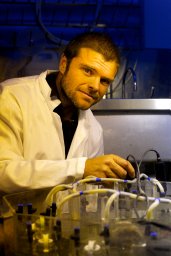 Damien Troy Maher合作论文数Centre for Coastal Biogeochemistry, Southern Cross University4
 Christian Sanders合作论文数National Marine Science Centre, Faculty of Science and Engineering, Southern Cross University;National Centre for Flood Research, Southern Cross University4Melissa Wartman合作论文数3Katy E. Limpert合作论文数3
 Margot Hessing-Lewis合作论文数Hakai Institute3
 Aaron M. Eger合作论文数Kelp Forest Alliance, Sydney, NSW, 2034, Australia. aaron.eger@unsw.edu.au.3Maria G Palacios合作论文数3
 Steven Andrew D L合作论文数3
 Adriana Vergés合作论文数School of Biological, Earth and Environmental Sciences, Faculty of Science, The University of New South Wales3
 Isaac Rodrigues Dos Santos合作论文数Department of Marine Sciences, Faculty of Science and Technology, University of Gothenburg3
 Fernanda Adame合作论文数Centre for Marine Studies, University of Queensland3Philine S. E. zu Ermgassen合作论文数Aquatic Ecology Group, University of Cambridge3Alejandro Navarro合作论文数2
 Anna Lafratta合作论文数Edith Cowan Univ, Ctr Marine Ecosyst Res, Sch Sci, 270 Joondalup Dr, Joondalup, WA 6027, Australia2
 Luke Jeffrey合作论文数Southern Cross Univ, Southern Cross Geosci, Lismore, NSW, Australia2
 Micheli Duarte de Paula Costa合作论文数School of Life and Environmental Sciences, Deakin University2
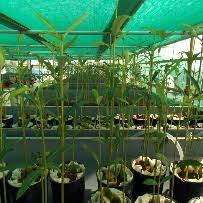 Hanan Almahasheer合作论文数Imam Abdulrahman Bin Faisal Univ IAU, Coll Sci, Dept Biol, Dammam 314411982, Saudi Arabia2
 Jonathan Gair合作论文数Astrophysical and Cosmological Relativity Division, Albert Einstein Institute2
 Ziggy Marzinelli合作论文数School of Life and Environmental Sciences, Faculty of Science, The University of Sydney2
 Xabier Irigoien合作论文数AZTI2
 Duncan Clare合作论文数Institute of Zoology, Zoological Society of London2
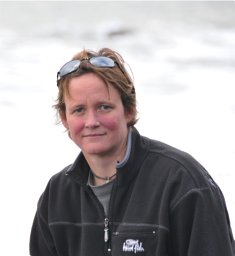 Pippa Moore合作论文数Inst Biol Environm & Rural Sci, Aberystwyth Univ2Kwang Young Kim合作论文数2
 Jacqueline B. Pocklington合作论文数2Chang Geun Choi合作论文数2
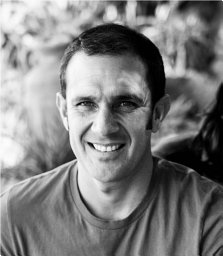 Julio Lorda合作论文数2
 Dan Smale合作论文数Marine Biological Association of the United Kingdom2
 Laura K. Blamey合作论文数2




