This study comprehensively evaluated the fruit and oil characteristics of 26 olive genotypes from 2016/17-2019/20. The research focused on physicochemical quality parameters and purity criteria to classify the oils as extra virgin olive oil (EVOO) and explore their genetic and biochemical diversity. All analyzed oils met EVOO standards for free acidity (<= 0.8% oleic acid), peroxide value, and UV absorbance (K232, K270), except one sample (Ters Yaprak). Phenolic content ranged widely (160.40-738.94 mg CAE/kg oil), correlating with oxidative stability (6.00-20.80 h). Oleic acid (65.29%-76.88%) and linoleic acid (5.63%-15.10%) were the dominant fatty acids, with variations linked to cultivar and climate. Total beta-sitosterol (93.59%-96.55%) and Delta 7-stigmastenol (0.18%-0.72%) were key markers for authenticity, though two samples exceeded Delta 7-stigmastenol limits. alpha-Tocopherol (159.91-423.48 mg/kg) was the primary antioxidant, with Memecik, Ayval & imath;k cultivars showing high levels. Phenolic content strongly influenced these attributes. Principal Component Analysis (PCA) revealed that phenolic content, oxidative stability, and fatty acid composition were the primary discriminators among cultivars. PCA results showed that variation in fatty acid, TAG, sterol compositions across 26 olive genotypes from 2016/17-2019/20 was primarily driven by genotype and harvest year, with no strong geographical clustering but distinct profiles for certain varieties such as Domat, Uslu, and E & scedil;ek Zeytini. Olive Varieties of the Aegean Region demonstrated exceptional quality, meeting EVOO standards with high phenolic and tocopherol content. Notable varieties such as Memecik, Ayval & imath;k exhibited superior oxidative stability underscoring their commercial and nutritional value. This study provides critical data for conserving genetic resources and promoting regional olive oils in competitive markets.
This study investigated the effectiveness of the cloud point extraction (CPE) method for the recovery of bioactive phenolic and flavonoid compounds from peanut shells. Key parameters affecting extraction efficiency, including salt concentration, pH, temperature, and sample amount, were systematically evaluated. The findings revealed that the optimal salt concentration for higher total phenolic content was 10%, whereas the maximum yield of total flavonoid compounds was obtained at a 12% salt concentration. Beyond these concentrations, a decline in extraction efficiency was observed for both compound groups. In terms of pH, the highest recovery of total phenolics occurred at pH 4, while total flavonoids reached their peak at pH 4.5. Overall, acidic conditions were found to enhance extraction performance. Regarding temperature, both phenolic and flavonoid yields were maximized at 90 °C. For the sample amount, the optimum recovery was achieved with 0.05 grams, while higher sample quantities led to decreased efficiency. These results underscore the critical importance of precisely optimizing CPE conditions to ensure efficient extraction of phenolic and flavonoid compounds from peanut shell biomass.
ABSTRACT Arthrospira platensis , despite its high protein content and valuable micronutrients, faces limited consumer acceptance due to its strong seaweed‐like aroma. In this study, laboratory‐grown (L) and commercial (C) samples were fermented with Lactiplantibacillus plantarum (LP), Lactobacillus acidophilus (LA), and their mixture (Mix) to reduce undesirable aroma characteristics. Fermentation increased the total amino acid content by 25%–65%, especially enriching glutamic and aspartic acids. Headspace‐SPME‐GC/MS analysis revealed, for the first time, the presence of d ‐limonene, styrene, and 1‐phenyl‐1‐butene, highlighting significant volatile biotransformations. Among the strains, L. plantarum most effectively enhanced umami taste, reduced off‐odours, and achieved the highest sensory acceptability scores. Furthermore, elevated levels of lactic, acetic, and gluconic acids contributed to improved nutritional and flavor properties. Overall, this study demonstrates that probiotic fermentation of A. platensis allows the development of functional beverages with enhanced nutritional value, better sensory qualities, and a broader volatile profile. To our knowledge, this is the first report documenting both strain‐specific amino acid enrichment and novel volatile formation in LAB‐fermented A. platensis beverages.
Allicin, the most critical bioactive compound of garlic (Allium sativum L.), is of significant industrial importance when extracted at high purity while preserving its structural integrity. In this study, the combined use of supercritical-CO2 (SC-CO2) extraction and molecular distillation (MD) techniques was investigated to obtain garlic extracts with high allicin content from Gaziantep (Araban) garlic. The SC-CO2 extraction process was optimized using Response Surface Methodology (RSM) within a range of 150-300 bar pressure, 50-80% co-solvent concentration and 0.5-3.0 mL/min solvent flow rate. The obtained extracts were characterized by LC-ESI-DAD-MS/MS, and their biological activities were evaluated using a comprehensive in vitro digestion model. Allicin in vitro digestion was performed using models simulating gastrointestinal conditions of young adults (<65 years) and older adults (>65 years), and its bioactive properties were comparatively evaluated. In the antimicrobial analysis, for SC-CO2, a strong activity was demonstrated against Staphylococcus aureus and Escherichia coli in the oral phase of the in vitro digestion model, with inhibition zones of 36.33 mm and 26.50 mm in young samples and 34.67 mm and 25.83 mm in older samples, respectively. Owing to the immediate nucleophilic attack triggered by the subsequent alkaline pH shift and pancreatic enzymatic stress, free allicin underwent total structural degradation, falling below detectable limits within the intestinal chyme. In terms of purification performance, allicin content increased from 45.77% after SC-CO2 extraction to 67.10% after molecular distillation. Crucially, due to the immediate nucleophilic attack driven by the subsequent alkaline pH shift and pancreatic enzymatic stress, free allicin underwent complete structural degradation and was rendered strictly undetectable within the intestinal chyme. This approach provides a sustainable and environmentally friendly purification strategy that effectively limits the thermal degradation of allicin. The results present a practical framework for the scalable production of allicin-rich nutraceutical intermediates and functional food ingredients.
Olive leaf polyphenols are bioactive components that known for their health-protective properties. It is well established that oleuropein and its main hydrolysis product, hydroxytyrosol, possess some biologically active properties, including antioxidant and antimicrobial activities. However, these compounds may lose their beneficial properties in unprotected form, resulting in undesirable flavors in food products. In the present study, nanocapsules containing the lyophilised olive leaf brine extract (OLBE) in the form of proniosomes, were added to yoghurt (post-fermentation) and milk (pre-fermentation) samples at varying concentrations. The yoghurt samples were then analyzed for physicochemical properties, antioxidant capacity, microbiological properties, textural properties, bioaccessibility of bioactive compounds by the in vitro digestive system method, volatile compound analysis, and sensory properties. The effect of fermentation was similar in both methods and the best results were obtained with the addition of 0.5 g proniosome. The incorporation of nanocapsules into yoghurt resulted in an enhancement of antioxidant activity during both fermentation processes. No significant change was observed in physicochemical and sensory properties, but the syneresis rate decreased compared to yoghurt containing unencapsulated extract. At the end of simulated in vitro digestion, the antioxidant activities determined by DPPH and ABTS methods of yoghurt with post-fermentation additions were significantly higher than those with pre-fermentation additions. The present findings emphasize the potential of fermented olive leaf extract-loaded proniosomes as a functionally enhanced yoghurt additive. This additive has the capacity to fortify yoghurt while concurrently enhancing its nutritional value and quality.
BACKGROUND:Olive leaves are rich in bioactive compounds with potential health benefits; however, their limited bioavailability and stability hinder their effective utilization. Emerging technologies, nanocarrier-based delivery systems, have shown promise in enhancing these properties. RESULTS:The optimal conditions for proniosome formulation were 50 rpm rotational speed and 35 °C, achieving 81.20 ± 0.80% encapsulation efficiency. Particle sizes ranged from 188.6 to 248.9 nm, with a zeta potential of ~-30 mV, indicating high stability and resistance to aggregation. Advanced instrumental analysis confirmed interactions between the extract and proniosome components. After 30 days at 4 °C, extract-loaded proniosomes maintained better homogeneity and lower polydispersity index. Cytotoxicity studies showed that both the extract and its proniosomal form were nontoxic to HEK293T cells up to 200 μg mL-1. In zebrafish assays, minimal larval mortality was observed up to 3200 μg mL-1 for the extract, while no mortality occurred up to 1600 μg mL-1 for the proniosomal extract, highlighting its improved safety profile. CONCLUSION:The findings from this research could contribute to the advancement of sustainable and health-promoting food innovations by integrating cutting-edge nanotechnology-driven encapsulation strategies into plant-based food formulations. © 2025 Society of Chemical Industry.
Quorum sensing (QS) controls the production of virulence factors in many pathogenic bacterial species, making QS inhibition a potential strategy for preventing antibiotic resistance. This study aimed to investigate the effect of different extraction methods including conventional solvent (CS), microwave-assisted (MA), and ultrasound-assisted (UA) extraction of olive leaf on QS inhibition. Olive leaf was extracted using methanol:water (MW) (50/50, v/v), ethanol:water (EW) (50/50, v/v), and water (W). The extracts were also analyzed for their total phenolic content, with the microwave-assisted water extract (MAW) showing the highest amount (113.33 ± 0.94 mg GAE/g), while the classical solvent water extract (CSW) had the lowest content (24.46 ± 0.97 mg GAE/g). The MAW demonstrated better antioxidant capacity with a values of 316.62 ± 7.82 µmol Trolox/g (DPPH method) and 314.45 ± 1.12 TEAC/mg (ABTS method). Moreover, CSEW, CSMW, UAEW, MAW, and MAEW extracts exhibited antibacterial activity against all test bacteria except Escherichia coli by agar well diffusion method. The extracts were also evaluated for their QS inhibition effects on model bacteria, including Chromobacterium violaceum (C. violaceum) CV026, C. violaceum CECT 494, and Pseudomonas aeruginosa PA01. The microwave-assisted water extract exhibited QS inhibition without affecting bacterial growth, as confirmed by qRT-PCR analysis at minimum inhibition concentration (MIC)/2 (1.875 mg/mL), MIC/4 (0.938 mg/mL), and MIC/8 (0.469 mg/mL). Additionally, the SEM images provided evidence of extract homogeneity. The present study demonstrates the potential of a microwave-assisted water extract of olive leaf, obtained through green technology and using a non-toxic solvent, as a natural antibacterial agent.
In this study, the maceration (MAC), microwave-assisted extraction (MAE), ultrasound-assisted extraction (UAE) and supercritical carbon dioxide (SC-CO2) extraction methods were compared for the extraction from peanut skin. Various method parameters were examined by one-factor experiments (ethanol concentration, extraction time and solvent/material ratio, microwave power, extraction temperature and pressure). The total phenolic content (TPC) of peanut skin was measured and the antioxidant activity was assessed by 2,2-diphenyl-1-picrylhydrazyl. (DPPH) and 2,2’-azino-bis (3-ethylbenzothiazoline-6-sulfonic acid (ABTS) assays. Among the methods, SC-CO2 was most effective for peanut skin, achieving a TPC of 99.39 mg GAE/g and a DPPH activity of 776.35 µmol TE/g, while MAC showed a similarly high TPC (96.06 mg GAE/g) but lower antioxidant capacity. SC-CO2 extraction was selected as the optimal technique due to its effectiveness in extracting bioactive compounds. The SC-CO2 extract was freeze-dried and then the lyophilized extract was solved in water and ethanol (50
This study investigates how the chemical composition and bioactive properties of commercial (C) and laboratorygrown (L) Arthrospira platensis are influenced by fermentation with different lactic acid bacteria. The protein content in the L samples (49-70 %) was significantly higher compared to the C samples (27.6-65.6 %). Chlorophyll a (53.34 mu g/L DW), phycocyanin (55.37 mg/L DW), total carotenoids (19.47 mu g/L DW), and antioxidant activity (DPPH and ABTS) reached their highest levels on the 2nd day of fermentation in samples grown in the laboratory and fermented with Lactiplantibacillus plantarum (L-LP) strain. Fermentation also increased the ACE inhibitory potential, with samples fermented with Lactiplantibacillus plantarum (LP) showing the most significant effects. Sixteen phenolic compounds were identified by LC-MS/MS, and novel compounds such as apigenin 6-Cpentosyl-8-C-(2 ''-O-hydroxy feruloyl)-pentoside, tricaffeoyl-glucosyl-glucoside, vanillic-4-sulfate, and quercetin3-O-rutinoside were reported for the first time. In vitro bioaccessibility analysis revealed the superior release of antioxidants and phenolics in L samples during digestion, with the intestinal phase showing the highest values. These findings demonstrate that A. platensis is a promising substrate for enhancing bioactive properties through fermentation.
Despite Türkiye’s significant garlic production, limited data exist comparing the biochemical and bioactive profiles of garlic from different regions. Garlic (Allium sativum L.), a member of the Liliaceae family, is widely recognised for its distinctive flavour and health-promoting properties. This study aimed to compare the general composition and bioactive characteristics of garlic cultivated in two major production areas of Türkiye: Gaziantep and Kahramanmaraş. Comprehensive analyses were conducted to determine moisture and protein content, color parameters, antioxidant capacity, Ferric reducing antioxidant power (FRAP), 2,2-Diphenyl-1-picrylhydrazyl (DPPH), and Cupric ion reducing antioxidant capacity (CUPRAC) assays were used to evaluate the antioxidant activity, total phenolic content, sugar, amino acid profiles and total organosulfur compounds, including allicin. Color analysis indicated regional variations in the brightness and hue of garlic samples. The results revealed that garlic from Gaziantep generally exhibited higher levels of amino acids (488.81 mg/100 g), organosulfur compounds (7.84 mg/g), sugars (sucrose: 1276.51 mg/kg, glucose: 1055.70 mg/kg, fructose: 477.14 mg/kg), and allicin (2.51 mg/g) compared to Kahramanmaraş garlic (417.34 mg/100 g, 6.58 mg/g, 938.61 mg/kg, 895.58 mg/kg, 463.00 mg/kg, and 2.37 mg/g, respectively). Arginine was identified as the predominant amino acid in both regions. Antioxidant assays indicated that Gaziantep garlic showed superior reducing capacity across FRAP, DPPH, and CUPRAC methods, which was consistent with its higher total phenolic content. These findings demonstrate that environmental and genetic factors significantly affect the nutritional and functional composition of garlic, offering valuable insights for the development of region-specific functional foods and supporting geographical indication initiatives.
The phenolic and organosulfur compound profiles of black garlic samples produced at different temperatures, humidity and durations were determined using liquid chromatography-electrospray tandem mass spectrometry (LC-ESI-MS/MS) and their bioactive properties were compared with those of the white garlic samples. The total concentrations of the phenolic compounds in the white (fresh) garlic samples were observed at 24.15 mg/kg and it was found that caffeic and ferulic acids, epicatechin, apigenin and p-hydroxybenzoic acid were dominant. Resveratrol, which is present in trace amounts in fresh garlic, has shown a significant increase in black garlic. Allicin was found to be the predominant organosulfur compound in white garlic, whereas S-allyl-L-cysteine was dominant in black garlic. Antimicrobial activity and minimum inhibitory concentration of the garlic samples were evaluated on two test microorganisms (Staphylococcus auereus and Escherichia coli). The effects of the garlic extracts on cancer cell lines (A549, HuH-7, MCF-7, HCT-116) were also assessed. The anticancer effect of the black garlic extracts was observed at higher concentrations than the white garlic water extracts, but the white garlic and black garlic methanolic extracts were effective on all cancer cell lines within the concentration range used in the study.
Background and aims:Thymbra spicata L. has been widely recognized as a food additive due to its therapeutic benefits and low toxicity risk. This study focuses on the chemical constituents of T. spicata essential oil, antimicrobial, and antioxidant properties of essential oil (EO)-based nanoemulsions (NEs) and for the first time their effect on the preservation of curd cheese. Methods:Nanoemulsions containing three different concentrations of EO (1%, 3%, and 5%) were tested for conductivity, droplet size, pH, polydispersity index (PDI), rheological properties, viscosity, and zeta potential. In addition, chemical composition was analyzed using gas chromatography-mass spectrometry. Moreover, the antimicrobial properties of the EOs and its nanoemulsion forms were evaluated in vitro against Staphylococcus aureus, Escherichia coli, Pseudomonas aeruginosa, and Bacillus subtilis using the agar well diffusion assay. After in vitro studies, the nanoemulsion concentrations of 1%, 3%, and 5% and pure EO were incorporated into curd cheese. Curd cheese treatments were assessed in terms of total yeast and mold, mesophilic aerobic and lactic acid bacteria count, and quality analyses for 28 days. Results:The results showed that the dispersions with a spherical shape and droplet sizes were smaller than 165 nm for all three concentrations (154.9, 165.0, and 151.3 nm, respectively). All formulations maintained their physical properties even after stability tests. Major components in the essential oil (EO) were identified as γ-terpinene, thymol, carvacrol, and p-cymene. The nanoemulsion delayed the growth of mold and yeast for up to 28 days. Conclusions:Consequently, these findings indicate that T. spicata EO and derived nanoemulsions could be used as vital sources for developing new and impactful antimicrobial agents for food and different industries.
Olive leaf, a by-product of the olive oil industry, is rich in bioactive compounds, including the antioxidant and anti-inflammatory oleuropein. Olive leaf extracts have been explored for nutraceutical applications, but oleuropein's low bioavailability and stability limit its use in food and supplements. This work aimed to mitigate these issues by nano-encapsulating the olive leaf extract in proniosomes-free-flowing powders that form niosomes upon hydration. These niosomes can then be further processed into dosage forms or incorporated into functional foods. Proniosomes based on lactose or mannitol were developed and characterized. Hydration of the proniosomes yielded niosomes with high oleuropein loading and antioxidant activity. These niosomes controlled oleuropein release in simulated gastric and intestinal fluids, protecting it from degradation. Furthermore, niosomal encapsulation enhanced protection against oxidative stress in intestinal cells compared to the unformulated extract, suggesting improved intracellular delivery and making this formulation a suitable candidate as a functional food ingredient.
Abstract In this study, Box–Behnken experimental design was employed to optimize Ultrasound‐assisted extraction (UAE) method to obtain oleuropein‐rich extract from olive leaf. The effect of three parameters, ethanol concentration (30%–70%), amplitude (30%–50%), and ultrasonication time (5–15 min) on oleuropein content were evaluated through experimental design. The total phenolic content, antioxidant capacity, DNA damage scavenging activity, aroma profile, and antimicrobial activity of olive leaf were also investigated. The optimum extraction condition was determined as 30% amplitude, 70% ethanol, and 5 min extraction time. The amount of oleuropein was found to be 42.621 mg/g dry leaves at the optimum condition. The total phenolic content of the optimized extract was found as 45.13 mg GAE/g dry leaves while the antioxidant capacity of the optimized extract was 216 µmol Trolox/g in DPPH and 213.19 µmol Trolox/g in ABTS method. Twenty‐three volatile compounds were identified in extracts, mainly aldehydes and alcohols. The extracts showed high antimicrobial activity against selected bacterial strains. DNA damage protecting activity of extracts on plasmid DNA was clearly demonstrated. UAE has an important effect on the phenolic content and antioxidant capacity of olive leaves. Moreover, oleuropein‐rich extract can have potential as a therapeutic agent depending on its antimicrobial and DNA‐protecting activity.
Consumers’ demand for foods with health benefits and different tastes is on an increasing trend. Juniper berries (“andiz” in Turkish) are the fruits of perennial, aromatic, and resinous Juniperus drupacea trees. In this study, quality properties of herbal coffee samples obtained from juniper berries roasted at three different temperatures (120, 160, and 200 °C) and four different durations (10, 25, 32.5, and 55 min) were elucidated. The herbal coffee samples were prepared from roasted and powdered fruits, and their total phenolic contents (TPCs), sugar profiles, antioxidant activities (AAs), and other quality parameters were examined. The highest AA value was determined as 17.99 and 29.36 mM Trolox/L (DPPH and ABTS, respectively) in the herbal coffee prepared from berries roasted at 120 °C for 25 min. Sucrose and glucose were dominant in all herbal coffee samples. Sixteen phenolic compounds were identified and quantified by a LC-ESI-MS/MS device. The TPC values of the herbal coffee varied from 236.7 to 917.0 g/L, and the procyanidin dimer, amentoflavone, methyl-biflavone, and digalloylquinic acid were dominant in all samples. The hydroxymethylfurfural (HMF) content of the herbal coffee varied between 0.01 and 0.39 mg/kg. According to a sensory analysis, the herbal coffee obtained from fruits roasted at 120 °C for 25 min was the most appreciated sample. In sum, this work shows that herbal coffee is non-caffeinated and is an alternative to regular coffee drinks derived from juniper berries roasted at lower temperatures and has more significant phenolic and antioxidant contents. It also has the potential to offer innovative and healthy alternatives to the food industry. Future research should focus on investigating how this herbal coffee can be positioned in the market and can influence consumer preference.
This study was performed to determine the optimum process parameters for black garlic production. Central composite design (CCD) of the response surface methodology (RSM) was utilized to examine the effects of fermentation conditions (temperature, humidity and time) on the alliin, S-allyl cysteine (SAC), total phenolic content (TPC), antioxidant capacity, moisture, and 5-Hydroxymethylfurfural (HMF) contents of the black garlic samples. Liquid chromatography coupled to diode array detection and electrospray ionization tandem mass spectrometry (LC-DAD-ESI-MS/MS) was used for the identification and quantification of alliin, SAC and HMF. SEM and FT-IR techniques were also utilized to characterize the samples. The optimized fermentation parameters were determined as 65 degrees C temperature, 85% humidity, and a duration of 24 days. TPC was found to be 1152.46 mg GAE/100 g dry matter with the highest antioxidant capacity while SAC and alliin contents were 80.21 and 5.16 mg/100 g, respectively. The HMF was quantified as 0.60 g/kg using the optimized parameters. It was also found that decreased temperature and fermentation time yielded a decrement in HMF and an increment in the bioactivity of black garlic.
The present study investigates the aroma, key odorants and sensory profile of extra virgin olive oils from five well-known Turkish cultivars. The aromatic extract obtained by the purge and trap extraction system, according to a sensory analysis, resembled the odor of olive oil. A total of 22, 21, 18, 22 and 21 aroma-active compounds were detected in the extracts of Ayvalık, Memecik, Gemlik, Sarı Ulak and Beylik olive oils, respectively. The results show that Ayvalık has the highest flavor dilution (FD) value of 1024 with hexanal, (E)-2-hexenal and α-farnesene. Memecik has the highest FD value at 2048 with (E)-2-hexenal. Gemlik has the highest FD value of 1024 with (Z)-3-hexenyl acetate, (E)-2-hexen-1-ol and α-farnesene. Sarı Ulak has the highest FD value at 2048 with (E)-2-hexenal. Beylik has the highest FD value of 2048 with (E)-2-hexenal and hexanal. All cultivars represent the characteristic green, cut-grass, fruity odor notes.
Olive leaves are important by-products for the recovery of phenolic compounds and extracts with high phenolic content using lactic acid bacteria during fermentation. Lactiplantibacillus plantarum (L. plantarum) strains as glucosidase-positive strains are starter cultures used to control the fermentation process. The main objective of the present work is to determine the most effective strain for the biodegradation of oleuropein to hydroxytyrosol using two L. plantarum strains for the fermentation of olive leaves. Box–Behnken experimental design was applied to determine the optimum ultrasound-assisted extraction (UAE) conditions to obtain hydroxytyrosol-rich extract using the brine of the fermented leaves. L. plantarum ATCC 14917 (hydroxytyrosol; 126.89 ± 1.59 mg/L) strain showed higher oleuropeinolytic activity than L. plantarum ATCC-BAA 793 (85.93 ± 0.70 mg/L) in olive leaf brine. When the UAE method was applied, it was seen that the hydroxytyrosol concentration of samples that were inoculated with L. plantarum ATCC 14917 (362.29 ± 2.31 mg/L) compared to L. plantarum ATCC-BAA 793 (248.79 ± 4.14) increased. The optimum UAE conditions were determined as 30% amplitude-5 min-30% ethanol for ATCC 14917 and 45% amplitude-9 min-10% ethanol for BAA 793 strain. This study showed that the brines of fermented olive leaves with oleuropeinolytic strains can be considered high added value products.
The purpose of this study was to optimize black garlic encapsulation parameters (core/coating ratio, extract concentration, and coacervate/maltodextrin [MD] ratio) using central composite design of the response surface methodology based on encapsulation efficiency (EE) (%). The optimum parameters were determined as 4.0 for the coating material/core ratio, 50% for the extract concentration, and 6.0 for the MD/coacervate ratio depending on the EE (%). The antioxidant activity values were determined as 101 and 134 µmol Trolox/100 g dry weight (DW) for the 2,2-diphenyl-1-picrylhydrazyl and 2,2'-azino-bis(3-ethylbenzothiazoline-6-sulfonic acid) methods, respectively, whereas the total phenolic content was 49 mg gallic acid equivalent/100 g DW for the encapsulated black garlic samples. S-Allyl-l-cysteine (SAC), γ-l-glutamyl-SAC (GSAC), γ-l-glutamyl-(S)-trans-1-propenyl-l-cysteine, and allicin were the organosulfur (OS) compounds determined in the samples. The SAC concentration of the encapsulated black garlic samples was determined as 22.36 mg/g, whereas the GSAC content was found at a lower concentration (0.33 mg/g) compared to SAC. The allicin content was quantified to be 0.31 mg/g. The encapsulated samples were also characterized by scanning electron microscopy (SEM) and Fourier transform infrared (FT-IR) spectroscopy. The FT-IR analysis revealed specific functional groups, including hydroxyl, carbonyl, and glycosidic linkage. The interaction between lentil protein isolate and pectin was strong enough to encourage capsule formation as visualized in the SEM images. This study shows the potential of black garlic coacervates as a functional ingredient for the food industry due to their stability, solubility, and preservation of OS and antioxidant compounds.
Quality parameters and bioactive compounds of two white garlic samples from two regions of Turkey (Gaziantep and Kastamonu) and five commercial black garlic samples were investigated. It was found that the black garlic samples had greater total sugar content. Black garlic samples had also higher total amino acids (112.9–684.8 mg/100 g) as compared to the white garlics (250.8–411.9 mg/100 g). Arginine and glutamic acid were the dominant amino acids in both product types. Cysteine, the key amino acid responsible for the principal health-promoting properties of garlics, was found to be much higher in black garlic samples (112.0 µg/100 g in BG4) when compared to white garlic samples (21.4 µg/100 g in KWG). Black garlic samples had 4–7 times more antioxidant potential as compared to the white garlics. It was also found that the predominant sugar compound was sucrose (702.3–884.7 mg/100 g) in white garlic and fructose (3277.0–27,232.2 mg/100 g) in black garlic samples and the total amount of sugar was 4- to 17-fold higher in black garlic compared to the white garlic. 13 and 14 phenolic compounds were quantified by LC-DAD-ESI-MS/MS in the white and black garlic samples, respectively. Black garlic was found to have a higher phenolic content (26.3–37.9 mg/100 g) than white garlic (18.0–23.3 mg/100 g) while caffeic acid was the dominant phenolic in both product types. In general, black garlic could be recommended to consumers due to its higher potential of bioactive compounds.
 Hasim Kelebek合作论文数Faculty of Agriculture, University of Cukurova21
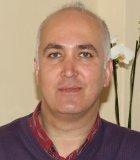 Serkan Selli合作论文数Faculty of Agriculture, University of Cukurova15
 Didar Sevim合作论文数9
 Ceren Ilgaz合作论文数7
 O. Koseoglu合作论文数6
 Turkan Uzlasır合作论文数6
 Hatice Kubra Sasmaz合作论文数5
 Figen Korel合作论文数4Halil Ekici合作论文数3
 Sevgin Diblan合作论文数Faculty of Engineering, Adana Alparslan Türkeş Science and Technology University3Eda Adal合作论文数3
 Onur Sevindik合作论文数Faculty of Engineering, Adana AlparslanTurkes Science and Technology University3
 Gamze GUCLU合作论文数Faculty of Agriculture, Cukurova University3Başak Çetiner合作论文数2
 Levent Yurdaer Aydemir合作论文数2
 Songul Kesen合作论文数Naci Topcuoglu Vocational High School, Gaziantep University2
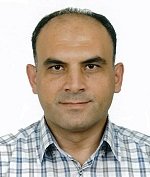 Osman Kola合作论文数Faculty of Engineering, Sakarya University2F. Korel合作论文数2
 Cagatay Ceylan合作论文数Food Engineering Department, Izmir Institute of Technology2U. Kaya合作论文数1M. Ulas合作论文数1Ayşen YILDIRIM合作论文数1
 Mehmet Hakan合作论文数1Ozge Aksay合作论文数1Fatma Gizem Akçakaya合作论文数1Yeşim Altunoğlu合作论文数1
 Nurten Cengiz合作论文数1Erkan Susamcı合作论文数1Şahnur Irmak合作论文数Research Institute for Olive Culture1
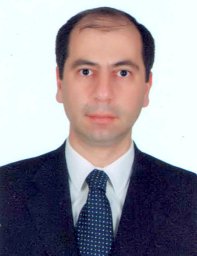 Kemal Kemahlioglu合作论文数Ege Vocat Sch, Ege Univ1U. Yücel合作论文数1fikret pazir合作论文数1
 Aslı Yıldırım Vardin合作论文数Fac Engn, Adnan Menderes Univ1Ferişte Öztürk Güngör合作论文数1
 Bilal Agirman合作论文数Faculty of Agriculture, Cukurova University1
 Sezgin-Bayindir Zerrin合作论文数Faculty of Pharmacy, Ankara University1
 Sonmezdag A Salih合作论文数Araban Vocational High School, University of Gaziantep1
 Alper Yuksel合作论文数1
 Gunes Ozhan合作论文数Biotechnology Center, Technische Universität Dresden1
 Esra Capanoglu合作论文数Department of Food Engineering, Istanbul Technical University1
 Matteo Pardo合作论文数SENSOR Laboratory, University of Brescia1
 Figen Tokatli合作论文数Department of Food Engineering, Izmir Institute of Technology1
 Erhan Akkuzu合作论文数Ziraat Fakültesi1
 Gulay Pamuk合作论文数1Özgür Cem Erkin合作论文数Graduate School of Science, Hiroshima University1Semih Otles合作论文数Ege University;Food Engineering Department;Food Engineering Department, Ege University1
 Matteo Bordiga合作论文数1
 Gulden Ova合作论文数1




