ObjectiveIn the randomized Scleroderma: Cyclophosphamide or Transplantation (SCOT) trial, myeloablation, followed by hematopoietic stem cell transplantation (HSCT), led to the normalization of systemic sclerosis (SSc) peripheral blood cell (PBC) gene expression signature at the 26‐month visit. Herein, we examined long‐term molecular changes ensuing 54 months after randomization for individuals receiving an HSCT or 12 months of intravenous cyclophosphamide (CYC).MethodsGlobal PBC transcript studies were performed in study participants at pretreatment baseline and at 38 months and 54 months after randomization, as well as in healthy controls using Illumina HT‐12 arrays.ResultsThirty (HSCT = 19 and CYC = 11) participants had 38‐month samples available, and 26 (HSCT = 16 and CYC = 11) had 54‐month samples available. In the paired comparison to baseline, a significant down‐regulation of interferon modules and an up‐regulation of cytotoxic/natural killer module were observed at the 38‐month and 54‐month visits in the HSCT arm, indicating a long‐term normalization of baseline SSc gene expression signature. No differentially expressed modules were detected in the CYC arm. In comparison to samples from healthy controls, 38‐month visit samples in the HSCT arm showed an up‐regulation of B cell and plasmablast modules and a down‐regulation of myeloid and inflammation modules. Importantly, 54‐month HSCT samples did not show any differentially expressed modules compared to healthy control samples, suggesting completion of immune reconstitution. Participants in the CYC arm continued to show an SSc transcript signature in comparison to controls at both time points.ConclusionParalleling the observed clinical benefit, HSCT leads to durable long‐term normalization of the molecular signature in SSc, with completion of immune resetting to 54 months after HSCT.image
ZUMA-1 safety management cohort 6 investigated the impact of prophylactic corticosteroids and earlier corticosteroids and/or tocilizumab on the incidence and severity of cytokine release syndrome (CRS) and neurologic events (NEs) following axicabtagene ciloleucel (axi-cel) in patients with relapsed/refractory large B-cell lymphoma (R/R LBCL). Prior analyses of cohort 6 with limited follow-up demonstrated no Grade ≥3 CRS, a low rate of NEs, and high response rates, without negatively impacting axi-cel pharmacokinetics. Herein, long-term outcomes of cohort 6 (N = 40) are reported (median follow-up, 26.9 months). Since the 1-year analysis (Oluwole, et al. Blood. 2022;138[suppl 1]:2832), no new CRS was reported. Two new NEs occurred in two patients (Grade 2 dementia unrelated to axi-cel; Grade 5 axi-cel–related leukoencephalopathy). Six new infections and eight deaths (five progressive disease; one leukoencephalopathy; two COVID-19) occurred. Objective and complete response rates remained at 95% and 80%, respectively. Median duration of response and progression-free survival were reached at 25.9 and 26.8 months, respectively. Median overall survival has not yet been reached. Eighteen patients (45%) remained in ongoing response at data cutoff. With ≥2 years of follow-up, prophylactic corticosteroids and earlier corticosteroids and/or tocilizumab continued to demonstrate CRS improvement without compromising efficacy outcomes, which remained high and durable.
Objectives Myeloablative autologous haematopoietic stem cell transplant (HSCT) was recently demonstrated to provide significant benefit over cyclophosphamide (CYC) in the treatment of diffuse cutaneous systemic sclerosis (dcSSc) in the Scleroderma: Cyclophosphamide or Transplantation (SCOT) trial. As dysregulation of the B cell compartment has previously been described in dcSSc, we sought to gain insight into the effects of myeloablative autologous HSCT as compared with CYC. Methods We sequenced the peripheral blood immunoglobulin heavy chain (IGH) repertoires in patients with dcSSc enrolled in the SCOT trial. Results Myeloablative autologous HSCT was associated with a sustained increase in IgM isotype antibodies bearing a low mutation rate. Clonal expression was reduced in IGH repertoires following myeloablative autologous HSCT. Additionally, we identified a underusage of immunoglobulin heavy chain V gene 5–51 in patients with dcSSc, and usage normalised following myeloablative autologous HSCT but not CYC treatment. Conclusions Together, these findings suggest that myeloablative autologous HSCT resets the IGH repertoire to a more naïve state characterised by IgM-expressing B cells, providing a possible mechanism for the elimination of pathogenic B cells that may contribute to the benefit of HSCT over CYC in the treatment of dcSSc.
PURPOSE:Brexucabtagene autoleucel (KTE-X19) autologous anti-CD19 chimeric antigen receptor (CAR) T-cell therapy is approved for the treatment of relapsed/refractory mantle cell lymphoma (MCL). Outcomes after a 3-year follow-up in the pivotal ZUMA-2 study of KTE-X19 in relapsed/refractory MCL are reported, including for subgroups by prior therapy (bendamustine and type of Bruton tyrosine kinase inhibitor [BTKi]) or high-risk characteristics.METHODS:Patients with relapsed/refractory MCL (one to five prior therapies, including prior BTKi exposure) received a single infusion of KTE-X19 (2 × 10⁶ CAR T cells/kg).RESULTS:After a median follow-up of 35.6 months, the objective response rate among all 68 treated patients was 91% (95% CI, 81.8 to 96.7) with 68% complete responses (95% CI, 55.2 to 78.5); medians for duration of response, progression-free survival, and overall survival were 28.2 months (95% CI, 13.5 to 47.1), 25.8 months (95% CI, 9.6 to 47.6), and 46.6 months (95% CI, 24.9 to not estimable), respectively. Post hoc analyses showed that objective response rates and ongoing response rates were consistent among prespecified subgroups by prior BTKi exposure or high-risk characteristics. In an exploratory analysis, patients with prior bendamustine benefited from KTE-X19, but showed a trend toward attenuated T-cell functionality, with more impact of bendamustine given within 6 versus 12 months of leukapheresis. Late-onset toxicities were infrequent; only 3% of treatment-emergent adverse events of interest in ZUMA-2 occurred during this longer follow-up period. Translational assessments revealed associations with long-term benefits of KTE-X19 including high-peak CAR T-cell expansion in responders and the predictive value of minimal residual disease for relapse.CONCLUSION:These data, representing the longest follow-up of CAR T-cell therapy in patients with MCL to date, suggest that KTE-X19 induced durable long-term responses with manageable safety in patients with relapsed/refractory MCL and may also benefit those with high-risk characteristics.
Objectives Results from the SCOT (Scleroderma: Cyclophosphamide Or Transplantation) clinical trial demonstrated significant benefits of haematopoietic stem cell transplant (HSCT) versus cyclophosphamide (CTX) in patients with systemic sclerosis. The objective of this study was to test the hypothesis that transplantation stabilises the autoantibody repertoire in patients with favourable clinical outcomes. Methods We used a bead-based array containing 221 protein antigens to profile serum IgG autoantibodies in participants of the SCOT trial. Results Comparison of autoantibody profiles at month 26 (n=23 HSCT; n=22 CTX) revealed antibodies against two viral antigens and six self-proteins (SSB/La, CX3CL1, glycyl-tRNA synthetase (EJ), parietal cell antigen, bactericidal permeability-increasing protein and epidermal growth factor receptor (EGFR)) that were significantly different between treatment groups. Linear mixed model analysis identified temporal increases in antibody levels for hepatitis B surface antigen, CCL3 and EGFR in HSCT-treated patients. Eight of 32 HSCT-treated participants and one of 31 CTX-treated participants had temporally varying serum antibody profiles for one or more of 14 antigens. Baseline autoantibody levels against 20 unique antigens, including 9 secreted proteins (interleukins, IL-18, IL-22, IL-23 and IL-27), interferon-α2A, stem cell factor, transforming growth factor-β, macrophage colony-stimulating factor and macrophage migration inhibitory factor were significantly higher in patients who survived event-free to month 54. Conclusions Our results suggest that HSCT favourably alters the autoantibody repertoire, which remains virtually unchanged in CTX-treated patients. Although antibodies recognising secreted proteins are generally thought to be pathogenic, our results suggest a subset could potentially modulate HSCT in scleroderma.
Abstract Objective Myasthenia gravis (MG) is an autoantibody‐mediated neuromuscular junction disorder involving the acetylcholine receptors on the motor endplate. The safety and response to high‐dose chemotherapy (HDIT) and autologous hematopoietic cell transplantation (HCT) were assessed in a patient with severe refractory MG. Methods As part of a pilot study of HDIT/HCT for patients with treatment‐resistant autoimmune neurological disorders, a patient with severe refractory MG underwent treatment. After mobilization of hematopoietic stem cells with rituximab, prednisone, and G‐CSF, the patient had HDIT consisting of carmustine, etoposide, cytarabine, melphalan, and rabbit antithymocyte globulin, followed by autologous HCT. The effect of treatment on the autoantibody to the acetylcholine receptor (AChR) was assessed. Results The patient had been diagnosed with AChR antibody‐positive MG 14 years before HDIT/HCT and had failed thymectomy, therapeutic plasma exchange, and multiple immunomodulatory agents. The Myasthenia Gravis Foundation of America (MGFA) clinical classification was IVb before HDIT/HCT. She tolerated HDIT/HCT well and started to improve clinically within days of treatment. At both 1 and 2 years after HDIT/HCT, patients remained symptom‐free. After HDIT/HCT, AChR‐binding autoantibodies persisted, and the relative frequency of immune cell subtypes shifted. Interpretation HDIT/HCT induced a complete response of disease activity in a patient with severe refractory MG. This response may suggest that a cell‐mediated etiology may be a significant contributing factor in refractory MG cases. A phase 2 clinical trial is warranted to establish if HDIT/HCT can be an effective therapy for severe refractory MG and to gain a further understanding of disease pathogenesis.
Key Points • Axicabtagene ciloleucel induced long-term survival with no new safety signals in patients with refractory LBCL.• Durable responses were associated with expansion of chimeric antigen receptor T cells early after intravenous infusion.
In phase 2 of ZUMA-1, a single-arm, multicenter, registrational trial, axicabtagene ciloleucel (axi-cel) autologous anti-CD19 chimeric antigen receptor (CAR) T-cell therapy demonstrated durable responses at 2 years in patients with refractory large B-cell lymphoma (LBCL). Here, we aimed to assess survival and safety in ZUMA-1 after 5 years of follow-up. Eligible adults with refractory LBCL (diffuse large B-cell lymphoma, primary mediastinal B-cell lymphoma, and transformed follicular lymphoma) received lymphodepleting chemotherapy followed by axi-cel infusion targeted at 2×10⁶ cells/kg. Investigator-assessed response, updated survival, safety, and pharmacokinetic outcomes were assessed in treated patients. The objective response rate in the 101 treated patients was 83% (58% complete response rate), and with a median follow-up of 63.1 months, responses were ongoing at data cutoff in 31%. Median overall survival (OS) was 25.8 months and the estimated 5-year OS rate was 42.6%. Disease-specific survival (excluding deaths unrelated to disease progression) estimated at 5 years was 51.0%. No new serious adverse events or deaths related to axi-cel were observed after additional follow-up. Peripheral blood B cells were detectable in all evaluable patients at 3 years with polyclonal B-cell recovery in 91%. Ongoing responses at 60 months were associated with early CAR T-cell expansion. In conclusion, this 5-year follow-up analysis of ZUMA-1 demonstrates sustained overall and disease-specific survival, with no new safety signals in patients with refractory LBCL. Protracted B-cell aplasia was not required for durable responses. These findings support the curative potential of axi-cel in a subset of patients with aggressive B-cell lymphomas. ClinicalTrials.gov, number NCT02348216
OBJECTIVES:The Scleroderma: Cyclophosphamide or Transplantation (SCOT) trial compared hematopoietic stem cell transplant to CYC treatment in patients with early SSc with progressive skin and lung or kidney involvement. Here we describe lymphocyte phenotype abnormalities at study entry and the relation to prior DMARD therapy. METHODS:Lymphocyte subsets (n = 26) measured by flow cytometry were compared in 123 heathy controls and 71 SCOT participants, including those given (n = 57) or not given (n = 14) DMARDs within 12 months of randomization. RESULTS:Compared with healthy controls, individuals with SSc showed significant reductions in central memory CD8 T cells, activated total and CD4 T cells, γ/δ T cells, memory B cells, myeloid and plasmacytoid dendritic cells and FOXP3+CD25+ Treg cells and increases in naïve CD4 T cells, effector memory CD4 T cells and effector CD8 T cells. A greater bias towards a IL-4+ Th2/T cytotoxic 2 (Tc2) phenotype based on the Th2:Th1 CD4 ratio and Tc2:Tc1 CD8 T cells was also found. Notably, no difference in any lymphocyte subset was observed between those given or not given prior DMARDs. CONCLUSIONS:In patients with early, severe SSc, significant lymphocyte subset abnormalities were observed. Prior treatment with immunosuppressive therapy did not impact the immunophenotype, suggesting that lymphocyte disturbances in scleroderma appeared to be due to the disease itself. TRIAL REGISTRATION:ClinicalTrials.gov (https://clinicaltrials.gov), NCT00114530.
Background: ZUMA-1 is the registrational Phase 1/2 study of axi-cel, an autologous anti-CD19 chimeric antigen receptor (CAR) T-cell therapy, in pts with refractory LBCL. In ZUMA-1 Cohorts 1+2 (C1+2; N=101), rates of Grade (Gr) ≥3 cytokine release syndrome (CRS) and neurologic events (NEs) were 13% and 28%, respectively, at the 6-mo primary analysis; the objective response rate (ORR) was 82% (54% complete response [CR]; Neelapu et al. NEJM. 2017). ZUMA-1 safety management C6 assessed whether prophylactic and earlier corticosteroids and/or tocilizumab could reduce incidence and severity of CRS and NEs. With a median follow-up of 8.9 mo (N=40) for C6, there were no Gr ≥3 CRS, a low rate of Gr ≥3 NEs (13%), and high response rates (Oluwole et al. BJH. 2021). Here, we present a 1-yr updated analysis of C6 supported by propensity score matching (PSM) analysis to compare outcomes for pts in C6 vs C1+2. Methods: Eligible pts could receive optional bridging therapy after leukapheresis. Pts received conditioning chemotherapy for 3 d prior to a single axi-cel infusion. Pts received once-daily oral dexamethasone 10 mg on Days 0 (before axi-cel), 1, and 2; corticosteroids and/or tocilizumab for adverse event (AE) management were given earlier vs C1+2. The primary endpoints were incidence and severity of CRS and NEs. Other endpoints included efficacy outcomes and biomarker analyses. To ensure comparability for pts in C6 and C1+2, an exploratory PSM analysis was performed after balancing for key baseline disease characteristics (tumor burden, IPI score, no. of prior lines of chemotherapy, disease stage, and LDH level). Results: As of December 16, 2020, the median follow-up time was 14.9 mo. Gr ≥3 AEs were reported in all 40 treated pts, and the most common were neutropenia (45%), neutrophil count decreased (33%), and white blood cell count decreased (23%). No Gr ≥3 CRS occurred. Gr ≥3 NEs were reported in 15% of pts. Median time to CRS and NE onset was 5 and 6 d, respectively, after axi-cel infusion. Infections of any grade occurred in 50% of pts (20% Gr ≥3). Since the 6-mo analysis, no new cases of CRS were observed. Four new axi-cel-related NEs occurred in 2 pts (pt 1: Gr 2 mental status changes and seizure-like phenomena both on Day 441; pt 2: Gr 1 dementia [occurred on Day 93 but was reported late] and Gr 5 toxic encephalopathy on Day 369 [resultant from a Gr 4 event that started on Day 351]). Two new infections of Gr 2 pneumonia and Gr 1 bronchitis were observed; the latter was axi-cel-related. One death due to progressive disease occurred. The investigator-assessed ORR was 95% (80% CR). Median DOR, PFS, and OS were not reached. Kaplan-Meier estimates of the 12-mo DOR, PFS, and OS rates were 60%, 63%, and 82%, respectively. At data cutoff, 53% of pts were in ongoing response. Median peak CAR T-cell levels were comparably high in pts with ongoing response and relapse (64 cells/µL [n=21] and 66 cells/µL [n=15], respectively) at 12 mo and considerably lower in nonresponders (18 cells/µL [n=2]). In all, 32 matched pts each in C6 and C1+2 were identified during PSM analysis; 8 pts from C6 were not included due to nonavailability of matched pts in C1+2. No Gr ≥3 CRS was observed in C6 vs 13% of pts in C1+2. Incidence of Gr ≥3 NEs was comparable in C6 and C1+2 (19% and 22%, respectively), with median time to onset of 12 d in C6 vs 7 d in C1+2. The ORR was 94% in both C6 and matched C1+2 (75% and 78% CR rates, respectively); 47% and 59% of pts were in ongoing response at 12 mo. The Kaplan-Meier estimate of the 12-mo PFS rate was 61% in both C6 and matched C1+2. Median peak CAR T-cell levels were 65 and 43 cells/µL, respectively, in C6 and C1+2. Serum levels of inflammatory biomarkers associated with CAR T-cell treatment-related AEs (IFN-γ, IL-2, GM-CSF, and ferritin) were lower in C6 vs C1+2. Median cumulative corticosteroid dose including prophylaxis was 1252 mg in C6 (n=32) and 7418 mg in C1+2 (n=6). Conclusion: With ≥1-y follow-up, prophylactic and earlier corticosteroid and/or tocilizumab intervention continued to demonstrate a manageable safety profile, absence of new safety signals, and high, durable response rates, which was corroborated by PSM analysis. Although fewer pts in C1+2 received corticosteroids after matching, the median cumulative corticosteroid dose was 4-fold lower in C6 vs C1+2. These findings suggest that the C6 AE management strategy can improve long-term safety of axi-cel in R/R LBCL without compromising durability of responses. Oluwole: Pfizer: Consultancy; Curio Science: Consultancy; Janssen: Consultancy; Kite, a Gilead Company: Consultancy, Research Funding. Forcade: Jazz: Other: Travel Support, Speakers Bureau; MSD: Other: Travel Support; Gilead: Other: Travel Support, Speakers Bureau; Novartis: Consultancy, Other: Travel Support, Speakers Bureau. Muñoz: Targeted Oncology: Honoraria; Seagen: Consultancy, Honoraria, Speakers Bureau; Physicians' Education Resource: Honoraria; Kyowa Kirin: Consultancy, Honoraria, Speakers Bureau; OncView: Honoraria; Pharmacyclics: Consultancy, Speakers Bureau; Bayer: Consultancy, Speakers Bureau; Kite, a Gilead Company: Consultancy, Speakers Bureau; Pfizer: Consultancy; Janssen: Consultancy, Speakers Bureau; Juno/Celgene: Consultancy; Bristol Myers Squibb: Consultancy; Alexion: Consultancy; BeiGene: Consultancy, Speakers Bureau; Fosunkite: Consultancy; Innovent: Consultancy; Debiopharma: Consultancy; Karyopharm: Consultancy; Genmab: Consultancy; ADC Therapeutics: Consultancy; Epizyme: Consultancy; Servier: Consultancy; Acrotech: Speakers Bureau; Verastem: Speakers Bureau; AstraZeneca: Speakers Bureau; Celgene/Bristol Myers Squibb: Speakers Bureau; Genentech: Speakers Bureau; Aurobindo: Speakers Bureau. de Guibert: Gilead: Consultancy, Honoraria; AbbVie: Consultancy, Honoraria; Janssen: Consultancy, Honoraria. Vose: Kite, a Gilead Company: Honoraria, Research Funding. Bartlett: Roche/Genentech: Consultancy; Seagen: Consultancy, Research Funding; Autolus: Research Funding; Bristol Myers Squibb: Research Funding; Celgene: Research Funding; Forty Seven: Research Funding; Genentech: Research Funding; Janssen: Research Funding; Kite, a Gilead Company: Research Funding; Merck: Research Funding; Millennium: Research Funding; Pharmacyclics: Research Funding; ADC Therapeutics: Consultancy, Research Funding. Lin: Juno: Consultancy; Takeda: Research Funding; Gamida Cell: Consultancy; Vineti: Consultancy; Merck: Research Funding; Sorrento: Consultancy; Legend: Consultancy; Celgene: Consultancy, Research Funding; Novartis: Consultancy; Janssen: Consultancy, Research Funding; Bluebird Bio: Consultancy, Research Funding; Kite, a Gilead Company: Consultancy, Research Funding. Deol: Kite, a Gilead Company: Consultancy. McSweeney: Kite, a Gilead Company: Consultancy, Honoraria, Research Funding, Speakers Bureau; Novartis: Research Funding; Autolus: Research Funding; Allovir: Research Funding. Goy: Acerta: Consultancy, Research Funding; AstraZeneca: Membership on an entity's Board of Directors or advisory committees; Xcenda: Consultancy, Honoraria; Vincerx: Honoraria, Membership on an entity's Board of Directors or advisory committees; Elsevier's Practice Update Oncology, Intellisphere, LLC(Targeted Oncology): Consultancy; MorphoSys: Honoraria, Other; Janssen: Consultancy, Honoraria, Membership on an entity's Board of Directors or advisory committees, Research Funding; Novartis: Consultancy, Honoraria; Bristol Meyers Squibb: Consultancy, Honoraria, Membership on an entity's Board of Directors or advisory committees; AbbVie/Pharmacyclics: Consultancy, Honoraria, Membership on an entity's Board of Directors or advisory committees, Research Funding; LLC(Targeted Oncology): Consultancy; Kite Pharma: Membership on an entity's Board of Directors or advisory committees; OncLive Peer Exchange: Honoraria; Rosewell Park: Consultancy; Genomic Testing Cooperative: Current holder of stock options in a privately-held company, Membership on an entity's Board of Directors or advisory committees, Other: Leadership role; COTA (Cancer Outcome Tracking Analysis): Current holder of stock options in a privately-held company, Membership on an entity's Board of Directors or advisory committees, Other: Leadership role; Celgene: Consultancy, Honoraria, Research Funding; Xcenda: Consultancy; Gilead: Membership on an entity's Board of Directors or advisory committees; Michael J Hennessey Associates INC: Consultancy; Bristol Meyers Squibb: Membership on an entity's Board of Directors or advisory committees; Medscape: Consultancy; AbbVie/Pharmacyclics: Membership on an entity's Board of Directors or advisory committees; Hoffman la Roche: Consultancy; Infinity/Verastem: Research Funding; Genentech/Hoffman la Roche: Research Funding; Physicians' Education Resource: Consultancy, Other: Meeting/travel support; Janssen: Membership on an entity's Board of Directors or advisory committees; Vincerx pharma: Membership on an entity's Board of Directors or advisory committees; Incyte: Honoraria; AstraZeneca: Honoraria, Membership on an entity's Board of Directors or advisory committees, Research Funding; Kite, a Gilead Company: Consultancy, Honoraria, Membership on an entity's Board of Directors or advisory committees, Research Funding; Elsevier PracticeUpdate: Oncology: Consultancy, Honoraria; Janssen: Research Funding; Karyopharm: Research Funding; Phamacyclics: Research Funding; Constellation: Research Funding; Hackensack Meridian Health, Regional Cancer Care Associates/OMI: Current Employment. Kersten: Miltenyi Biotec: Consultancy, Honoraria, Other: Travel support; Roche: Consultancy, Honoraria, Other: Travel support, Research Funding; BMS/Celgene: Consultancy, Honoraria; Takeda: Research Funding; Celgene: Research Funding; Kite, a Gilead Company: Consultancy, Honoraria, Other: Travel support, Research Funding; Novartis: Consultancy, Honoraria, Other: Travel support. Jacobson: Nkarta: Consultancy, Honoraria; No
Objective Among individuals with systemic sclerosis (SSc) randomized to cyclophosphamide (CYC) (n = 34) or hematopoietic stem cell transplantation (HSCT) (n = 33), we examined longitudinal trends of clinical, pulmonary function, and quality of life measures while accounting for the influence of early failures on treatment comparisons. Methods Assuming that data were missing at random, mixed‐effects regression models were used to estimate longitudinal trends for clinical measures when comparing treatment groups. Results were compared to observed means and to longitudinal trends estimated from shared parameter models, assuming that data were missing not at random. Longitudinal trends for SSc intrinsic molecular subsets defined by baseline gene expression signatures (normal‐like, inflammatory, and fibroproliferative signatures) were also studied. Results Available observed means for pulmonary function tests appeared to improve over time in both arms. However, after accounting for participant loss, forced vital capacity in HSCT recipients increased by 0.77 percentage points/year but worsened by –3.70/year for CYC ( P = 0.004). Similar results were found for diffusing capacity for carbon monoxide and quality of life indicators. Results for both analytic models were consistent. HSCT recipients in the inflammatory (n = 20) and fibroproliferative (n = 20) subsets had superior long‐term trends compared to CYC for pulmonary and quality of life measures. HSCT was also superior for modified Rodnan skin thickness scores in the fibroproliferative subset. For the normal‐like subset (n = 22), superiority of HSCT was less apparent. Conclusion Longitudinal trends estimated from 2 statistical models affirm the efficacy of HSCT over CYC in severe SSc. Failure to account for early loss of participants may distort estimated clinical trends over the long term.
Background: Axi-cel is an autologous anti-CD19 chimeric antigen receptor (CAR) T cell therapy approved for the treatment of patients (pts) with relapsed/refractory large B cell lymphoma (LBCL) with ≥ 2 prior systemic therapies. ZUMA-1 is the multicenter, single-arm, registrational Phase 1/2 study of axi-cel in pts with refractory LBCL. In a 2-year analysis of ZUMA-1 (median follow-up, 27.1 months; N=101), axi-cel demonstrated objective response, complete response (CR), and ongoing response rates of 83%, 58%, and 39%, respectively (Locke et al. Lancet Oncol. 2019). Here, we present additional survival follow up and recovery of normal, polyclonal B cells from ongoing responders in ZUMA-1. Methods: Eligible pts with refractory large B cell lymphoma (diffuse large B cell lymphoma, primary mediastinal B cell lymphoma, transformed follicular lymphoma) underwent leukapheresis at enrollment and subsequently received low-dose conditioning chemotherapy (fludarabine and cyclophosphamide) followed by a target dose of 2 × 10⁶ anti-CD19 CAR T cells/kg (Neelapu et al. NEJM. 2017; NCT02348216). The primary endpoint was objective response rate (ORR), and the first response assessment was 4 weeks post infusion. Response assessments were performed per protocol up to 24 months or disease progression, whichever occurred first. For pts in ongoing response beyond Month 24, response assessments continued per institutional standard-of-care (SOC). Blood levels of CAR T cells were quantified using polymerase chain reaction and B cells were characterized using flow cytometry in pts with ongoing responses and evaluable samples. Results: A total of 111 pts were enrolled, and axi-cel was administered to 101 pts. As previously reported in the ZUMA-1 2-year analysis, among pts who received axi-cel, the median time from axi-cel infusion to both objective response and CR was 1.0 month (range, 1 - 12 months; Locke et al. Lancet Oncol 2019). When the entire enrolled population (N = 111) was included on an intent-to-treat basis, the median manufacturing time was 17 days (range, 14 - 51; n = 110 as manufacturing was not feasible for 1 pt). Additionally, among the 111 pts, the median time from enrollment/leukapheresis to objective response and CR was 1.7 months (range, 0.7 - 12.9) and 1.9 months (range, 0.7 - 13.3), respectively. Responses have been durable, and with a minimum of 3 years of follow-up (median, 39.1 months), the median overall survival (OS) was 25.8 months, and the 3-year OS rate was 47%. Importantly, no axi-cel-related secondary malignancies have been reported. As previously reported, pts in ongoing response after 2 years had significantly greater peak CAR T cell expansion in blood 7 - 14 days after axi-cel infusion than did those with relapse (P = 0.014) or no response (P = 0.0003; Locke et al. Lancet Oncol 2019). Blood samples from 22 pts in ongoing response (per institutional SOC) at ≥ 3 years were available for analysis of CAR T cells and evaluation of B cell recovery. All evaluable pts had detectable B cells in blood at 3 years post axi-cel. Notably, 91% of pts in ongoing response at 3-year follow-up demonstrated recovery of polyclonal B cells measured by presence of both kappa and lambda light chains on non-malignant CD19+CD20+ B cells. The median kappa-lambda ratio of 1.6 and relative levels of key B cell subsets, including memory and naive B cell immunophenotypes, suggested reconstitution of B cell repertoire, consistent with published data from healthy individuals (Deneys et al. J Immunol Methods 2001; Scott et al. J Clin Pathol 2018). Additionally, 15/22 (68%) had both minimal levels of detectable CAR gene-marked cells and detectable polyclonal B cells in blood. Altogether, these findings support the hypothesis that persistence of functional CAR T cells is not necessary for durable remissions of LBCL. Overall survival and translational findings with ≥ 4 years of follow-up will be presented. Conclusions: Axi-cel produced rapid responses and longterm disease control in pts with refractory LBCL. Most responses occurred by the first assessment, and the brief time elapsed between enrollment and response supports both the speed and success of manufacturing. Furthermore, axi-cel-treated pts with ongoing responses at ≥ 3 years showed evidence of restoration of a normal B cell compartment and clearance of functional CAR T cells, a critical component of the long-term safety of CD19-directed CAR T cell therapies. Disclosures Locke: Kite, a Gilead Company: Consultancy, Research Funding; Wugen: Consultancy; Calibr: Consultancy; Allogene: Consultancy; Cellular Biomedicine Group: Other: Consultancy with grant options; GammaDelta Therapeutics: Consultancy; Celgene/Bristol-Myers Squibb: Consultancy; Novartis: Consultancy. Ghobadi:Celegene: Consultancy; Wugen: Consultancy; Atara: Consultancy; Kite, a Gilead Company: Consultancy, Research Funding, Speakers Bureau; EUSA: Consultancy. Miklos:Novartis: Consultancy, Other: Travel support, Research Funding; Allogene Therapeutics Inc.: Research Funding; Juno-Celgene-Bristol-Myers Squibb: Consultancy, Other: Travel support, Research Funding; Janssen: Consultancy, Other: Travel support; Miltenyi Biotec: Research Funding; Pharmacyclics: Consultancy, Other: Travel support, Patents & Royalties, Research Funding; Adaptive Biotech: Consultancy, Other: Travel support, Research Funding; Kite-Gilead: Consultancy, Membership on an entity's Board of Directors or advisory committees, Other: Travel support, Research Funding. Oluwole:Pfizer: Consultancy; Kite, a Gilead Company: Consultancy, Honoraria, Research Funding; Spectrum Pharmaceuticals: Consultancy; Bayer: Consultancy. Lin:Legend BioTech: Consultancy; Juno: Consultancy; Bluebird Bio: Consultancy, Research Funding; Celgene: Consultancy, Research Funding; Novartis: Consultancy; Janssen: Consultancy, Research Funding; Kite, a Gilead Company: Consultancy, Research Funding; Gamida Cells: Consultancy; Sorrento: Consultancy, Membership on an entity's Board of Directors or advisory committees; Takeda: Research Funding; Merck: Research Funding; Vineti: Consultancy. Hill:Kite, a Gilead Company: Consultancy, Honoraria, Research Funding; AstraZenica: Consultancy, Honoraria, Research Funding; Beigene: Consultancy, Honoraria, Research Funding; Novartis: Consultancy, Honoraria; BMS: Consultancy, Honoraria, Research Funding; Celgene: Consultancy, Honoraria, Research Funding; Takeda: Research Funding; Karyopharm: Consultancy, Honoraria, Research Funding; Pharmacyclics: Consultancy, Honoraria, Research Funding; Abbvie: Consultancy, Honoraria, Research Funding; Genentech: Consultancy, Honoraria, Research Funding. Timmerman:Merck: Research Funding; Corvus: Current equity holder in publicly-traded company; Marker Therapeutics: Current equity holder in publicly-traded company; Immune Design: Honoraria; Celldex Therapeutics: Consultancy; BMS: Other: Travel support, Research Funding; Spectrum Pharmaceuticals: Research Funding; Kite, a Gilead Company: Consultancy, Other: Travel support, Research Funding; Bluebird Bio: Current equity holder in publicly-traded company; Genmab: Current equity holder in publicly-traded company; Valor: Research Funding. Deol:Novartis: Consultancy; Kite, a Gilead Company: Consultancy. Reagan:Kite, a Gilead Company: Consultancy; Curis: Consultancy; Seattle Genetics: Research Funding. Stiff:Kite, a Gilead Company: Research Funding; Delta-Fly: Research Funding; Gamida Cell: Research Funding; Atara: Research Funding; Unum: Research Funding; Macrogenics: Research Funding; Amgen: Research Funding. Flinn:Celgene: Research Funding; TG Therapeutics: Consultancy, Research Funding; Trillium Therapeutics: Research Funding; Curio Science: Consultancy; Merck: Research Funding; Constellation Pharmaceuticals: Research Funding; BeiGene: Consultancy, Research Funding; ArQule: Research Funding; Kite Pharma: Consultancy, Research Funding; Genentech, Inc.: Research Funding; Pfizer: Research Funding; Calithera Biosciences: Research Funding; Agios: Research Funding; Karyopharm Therapeutics: Research Funding; AstraZeneca: Consultancy, Research Funding; Forty Seven: Research Funding; Forma Therapeutics: Research Funding; Loxo: Research Funding; F. Hoffmann-La Roche: Research Funding; Incyte: Research Funding; Pharmacyclics LLC, an AbbVie Company: Consultancy, Research Funding; Novartis: Research Funding; MorphoSys: Consultancy, Research Funding; Rhizen Pharmaceuticals: Research Funding; Yingli Pharmaceuticals ≠: Consultancy, Research Funding; Johnson & Johnson: Other; Roche: Consultancy, Research Funding; Vincera Pharma: Consultancy; Gilead Sciences: Consultancy, Research Funding; AbbVie: Consultancy, Research Funding; Janssen: Consultancy, Research Funding; Iksuda Therapeutics: Consultancy; Great Point Partners: Consultancy; Curis: Research Funding; Nurix Therapeutics: Consultancy; Portola Pharmaceuticals: Research Funding; Acerta Pharma: Research Funding; Juno Therapeutics: Consultancy, Research Funding; Unum Therapeutics: Consultancy, Research Funding; Infinity Pharmaceuticals: Research Funding; IGM Biosciences: Research Funding; Takeda: Consultancy, Research Funding; Teva: Research Funding; Seattle Genetics: Consultancy, Research Funding; Triphase Research & Development Corp.: Research Funding; Verastem: Consultancy, Research Funding. Farooq:Kite, a Gilead Company: Honoraria. Goy:COTA: Consultancy, Current equity holder in publicly-traded company, Other: leadership role; Karyopharm: Research Funding; Genentech/Roche: Research Funding; Constellation: Research Funding; Bayer: Research Funding; CALBG: Research Funding; PracticeUpdate Oncology: Consultancy; RCCA/OMI: Current Employment; Acerta: Consultancy, Honoraria, Other: leadership role, Research Funding; AstraZeneca: Consultancy, Membership on an entity's Board of Directors or advisory committees, Other: leadership role, Research Funding; Celgene: Honoraria, Research Funding; Hackensack UMC and University of Nebraska: Research Funding; Infinity: Research Funding; Xcenda: Consultancy; Infinity Verastem: Research Funding; Morphosys: Research Funding; AbbVie: Research Funding; MD Anderson: Research Funding; Regional Cancer Care Associates/OMI: Current Employment; Kite, a Gilead Company: Consultancy, Current equity holder in publicly-traded company, Honoraria, Other: leadership role, Research Funding; Janssen: Consultancy, Honoraria, Other: leadership role, Research Funding. McSweeney:Kite, a Gilead Company: Consultancy, Honoraria, Research Funding, Speakers Bureau; Colorado Blood Cancer Institute: Current Employment; Fred Hutchinson: Patents & Royalties. Munoz:Juno/Celgene/BMS: Consultancy, Research Funding, Speakers Bureau; Alexion: Consultancy; Beigene: Consultancy, Speakers Bureau; Fosunkite: Consultancy; Innovent: Consultancy; Acrotech/Aurobindo: Speakers Bureau; Kyowa: Consultancy, Honoraria, Speakers Bureau; Janssen: Consultancy, Research Funding, Speakers Bureau; Pfizer: Consultancy; Verastem: Speakers Bureau; AstraZeneca: Speakers Bureau; Genentech/Roche: Research Funding, Speakers Bureau; AbbVie: Consultancy, Speakers Bureau; Merck: Research Funding; Portola: Research Funding; Incyte: Research Funding; Millenium: Research Funding; Kite, a Gilead Company: Consultancy, Research Funding, Speakers Bureau; Pharmacyclics: Consultancy, Research Funding, Speakers Bureau; Bayer: Consultancy, Research Funding, Speakers Bureau; Seattle Genetics: Consultancy, Honoraria, Research Funding, Speakers Bureau. Siddiqi:Oncternal: Research Funding; TG Therapeutics: Research Funding; Janssen: Speakers Bureau; Seattle Genetics: Speakers Bureau; AstraZeneca: Consultancy, Research Funding, Speakers Bureau; BeiGene: Consultancy, Research Funding; Pharmacyclics: Consultancy, Research Funding, Speakers Bureau; Celgene: Consultancy, Research Funding; Juno: Consultancy, Research Funding; Kite, a Gilead Company: Consultancy, Research Funding. Rossi:Gilead Sciences: Current equity holder in publicly-traded company; Kite, a Gilead Company: Current Employment. Bot:Kite, a Gilead Company: Current Employment; Gilead Sciences: Consultancy, Current equity holder in publicly-traded company, Other: Travel support . Zheng:Kite, a Gilead Company: Current Employment; Gilead Sciences: Current equity holder in publicly-traded company. Vezan:Merck: Current equity holder in publicly-traded company; Abbvie: Current equity holder in publicly-traded company; Kite, a Gilead Company: Current Employment, Honoraria, Other: Travel support. Bashir:Kite, a Gilead Company: Current Employment; OmniacPharmConsult Ltd: Current Employment, Current equity holder in private company. Kim:Kite, a Gilead Company: Current Employment; Gilead Sciences: Current equity holder in publicly-traded company. Chu:Kite, a Gilead Company: Current Employment; Gilead Sciences: Current equity holder in publicly-traded company; Amgen: Current equity holder in publicly-traded company; Celgene: Current equity holder in publicly-traded company. Neelapu:N/A: Other; Takeda Pharmaceuticals: Patents & Royalties; Acerta: Research Funding; Karus Therapeutics: Research Funding; Cellectis: Research Funding; Poseida: Research Funding; Unum Therapeutics: Other, Research Funding; Calibr: Other; Kite, a Gilead Company: Other: personal fees, Research Funding; Bristol-Myers Squibb: Other: personal fees, Research Funding; Merck: Other: personal fees, Research Funding; Novartis: Other: personal fees; Celgene: Other: personal fees, Research Funding; Pfizer: Other: personal fees; Allogene Therapeutics: Other: personal fees, Research Funding; Adicet Bio: Other; Legend Biotech: Other; Precision Biosciences: Other: personal fees, Research Funding; Incyte: Other: personal fees; Cell Medica/Kuur: Other: personal fees.
BACKGROUND Patient outcomes are poor for aggressive B-cell non-Hodgkin's lymphomas not responding to or progressing within 12 months after first-line therapy. Tisagenlecleucel is an anti-CD19 chimeric antigen receptor T-cell therapy approved for diffuse large B-cell lymphoma after at least two treatment lines. METHODS We conducted an international phase 3 trial involving patients with aggressive lymphoma that was refractory to or progressing within 12 months after first-line therapy. Patients were randomly assigned to receive tisagenlecleucel with optional bridging therapy (tisagenlecleucel group) or salvage chemotherapy and autologous hematopoietic stem-cell transplantation (HSCT) (standard-care group). The primary end point was event-free survival, defined as the time from randomization to stable or progressive disease at or after the week 12 assessment or death. Crossover to receive tisagenlecleucel was allowed if a defined event occurred at or after the week 12 assessment. Other end points included response and safety. RESULTS A total of 322 patients underwent randomization. At baseline, the percentage of patients with high-grade lymphomas was higher in the tisagenlecleucel group than in the standard-care group (24.1% vs. 16.9%), as was the percentage with an International Prognostic Index score (range, 0 to 5, with higher scores indicating a worse prognosis) of 2 or higher (65.4% vs. 57.5%). A total of 95.7% of the patients in the tisagenlecleucel group received tisagenlecleucel; 32.5% of the patients in the standard-care group received autologous HSCT. The median time from leukapheresis to tisagenlecleucel infusion was 52 days. A total of 25.9% of the patients in the tisagenlecleucel group had lymphoma progression at week 6, as compared with 13.8% of those in the standard-care group. The median event-free survival in both groups was 3.0 months (hazard ratio for event or death in the tisagenlecleucel group, 1.07; 95% confidence interval, 0.82 to 1.40; P = 0.61). A response occurred in 46.3% of the patients in the tisagenlecleucel group and in 42.5% in the standard-care group. Ten patients in the tisagenlecleucel group and 13 in the standard-care group died from adverse events. CONCLUSIONS Tisagenlecleucel was not superior to standard salvage therapy in this trial. Additional studies are needed to assess which patients may obtain the most benefit from each approach. (Funded by Novartis; BELINDA ClinicalTrials.gov number, NCT03570892.).
Background: KTE-X19, an autologous anti-CD19 chimeric antigen receptor (CAR) T cell therapy, is currently being evaluated in patients with relapsed/refractory (R/R) mantle cell lymphoma (MCL) who received 1 - 5 prior therapies (including a Bruton tyrosine kinase inhibitor) in the Phase 2, registrational, multicenter ZUMA-2 study. With a median follow-up of 12.3 months, we previously reported an objective response rate (ORR) of 93% (67% complete response [CR] rate) with KTE-X19 treatment in the 60 efficacy-evaluable patients in ZUMA-2 (Wang et al. N Engl J Med. 2020;382:1331). Here, we present an updated analysis of efficacy, safety, and pharmacology for all patients with a minimum follow-up of 1 year. Methods: Eligible patients with R/R MCL underwent leukapheresis and conditioning chemotherapy followed by a single infusion of KTE-X19 (2 × 10⁶ CAR T cells/kg; Wang et al. N Engl J Med. 2020;382:1331). The primary endpoint was ORR (CR + partial response) as assessed by an Independent Review Committee according to the Lugano Classification (Cheson et al. J Clin Oncol. 2014;32:3059). Efficacy data are reported for the 60 treated patients with ≥ 1 year of follow-up; safety data are presented for all 68 treated patients. Results: As of December 31, 2019, the median follow-up was 17.5 months (range, 12.3 - 37.6). The ORR was 92% (95% CI, 81.6 - 97.2), with a CR rate of 67% (95% CI, 53.3 - 78.3). Of all efficacy-evaluable patients, 48% had ongoing responses at the data cutoff. Medians were not reached for duration of response, progression-free survival (PFS), or overall survival; 15-month estimates were 58.6% (95% CI, 42.5 - 71.7), 59.2% (95% CI, 44.6 - 71.2), or 76.0% (95% CI, 62.8 - 85.1), respectively. In patients who achieved a CR, the median PFS was not reached (15-month rate, 75.1% [95% CI, 56.8 - 86.5]); in those who achieved a partial response, the median PFS was 3.1 months (95% CI, 2.3 - 5.2). Median PFS was 1.1 months (95% CI, 0.9 - 3.0) in nonresponding patients. The first 28 patients treated had a median follow-up of 32.3 months (range, 30.6 - 37.6); 39.3% of these patients remain in remission with no further therapy. Common grade ≥ 3 adverse events were neutropenia (85%), thrombocytopenia (53%), anemia (53%), and infections (34%). Grade ≥ 3 cytopenias were reported in 60% of patients ≥ 30 days post-infusion. Grade ≥ 3 cytokine release syndrome (CRS; per Lee et al. [Blood. 2014;124:188]) occurred in 15% of patients; 59% received tocilizumab for management of CRS. Grade ≥ 3 neurologic events (NEs) were reported in 31% of patients, and 38% received steroids for NE management. All CRS events and most NEs (37/43) resolved, as previously reported. There were no Grade 5 CRS events or NEs, and no new Grade 5 events occurred with additional follow-up. As previously reported, there were 2 cases of Grade 2 cytomegalovirus infection, 1 case each of Grade ≥ 3 hypogammaglobulinemia and Grade ≥ 3 tumor lysis syndrome, and no cases of Epstein-Barr virus-associated lymphoproliferation, replication-competent retrovirus, hemophagocytic lymphohistiocytosis, or KTE-X19-related secondary cancers. Median peak CAR T cell levels and median area under the curve (Days 0 - 28) were 98.9 cells/µL (range, 0.2 - 2565.8) and 1394.9 cells/µL (range, 3.8 - 27,700) in patients with ongoing responses at 12 months, 202.6 cells/µL (range, 1.6 - 2589.5) and 2312.3 cells/µL (range, 19.0 - 27,200) in patients who were relapsed at 12 months, and 0.4 cells/µL (range, 0.2 - 95.9) and 5.5 cells/µL (range, 1.8 - 1089.1) in nonresponders. Of the 57 efficacy-evaluable patients with data available, 84% had B cells detectable by flow cytometry at baseline. Of those in ongoing responses at 12 months, 10 of 26 patients (38%) with evaluable samples had B cells detectable at 3 months, and 10 of 18 (56%) had detectable B cells at 12 months; gene-marked CAR T cells were no longer detectable at 12 months in 5 of 28 evaluable patients (17%). Conclusions: The ZUMA-2 study continues to demonstrate substantial and durable clinical benefit of KTE-X19 therapy with manageable safety in patients with R/R MCL. Within this patient population, which lacks curative treatment options, most patients achieved durable CR, and no new safety signals were reported. Although early CAR T cell expansion was higher in patients who achieved an objective response, those who later relapsed showed elevated CAR T cell levels pointing to alternate mechanisms of secondary treatment failure in MCL. Disclosures Wang: Verastem: Research Funding; Molecular Templates: Research Funding; Kite Pharma: Consultancy, Other: Travel, accommodation, expenses, Research Funding; Dava Oncology: Honoraria; Targeted Oncology: Honoraria; VelosBio: Research Funding; BioInvent: Research Funding; Juno: Consultancy, Research Funding; OncLive: Honoraria; Pulse Biosciences: Consultancy; Loxo Oncology: Consultancy, Research Funding; Guidepoint Global: Consultancy; OMI: Honoraria, Other: Travel, accommodation, expenses; Nobel Insights: Consultancy; Acerta Pharma: Research Funding; Oncternal: Consultancy, Research Funding; Celgene: Consultancy, Other: Travel, accommodation, expenses, Research Funding; AstraZeneca: Consultancy, Honoraria, Other: Travel, accommodation, expenses, Research Funding; Pharmacyclics: Consultancy, Honoraria, Other: Travel, accommodation, expenses, Research Funding; Janssen: Consultancy, Honoraria, Other: Travel, accommodation, expenses, Research Funding; MoreHealth: Consultancy; InnoCare: Consultancy; Beijing Medical Award Foundation: Honoraria; Lu Daopei Medical Group: Honoraria. Munoz:Merck: Research Funding; Portola: Research Funding; Incyte: Research Funding; AbbVie: Consultancy, Speakers Bureau; Genentech/Roche: Research Funding, Speakers Bureau; AstraZeneca: Speakers Bureau; Verastem: Speakers Bureau; Acrotech/Aurobindo: Speakers Bureau; Innovent: Consultancy; Fosunkite: Consultancy; Beigene: Consultancy, Speakers Bureau; Alexion: Consultancy; Juno/Celgene/BMS: Consultancy, Research Funding, Speakers Bureau; Janssen: Consultancy, Research Funding, Speakers Bureau; Pfizer: Consultancy; Kite, a Gilead Company: Consultancy, Research Funding, Speakers Bureau; Bayer: Consultancy, Research Funding, Speakers Bureau; Pharmacyclics: Consultancy, Research Funding, Speakers Bureau; Seattle Genetics: Consultancy, Honoraria, Research Funding, Speakers Bureau; Kyowa: Consultancy, Honoraria, Speakers Bureau; Millenium: Research Funding. Goy:MD Anderson: Research Funding; Regional Cancer Care Associates/OMI: Current Employment; Xcenda: Consultancy; AbbVie: Research Funding; Acerta: Consultancy, Honoraria, Other: leadership role, Research Funding; AstraZeneca: Consultancy, Membership on an entity's Board of Directors or advisory committees, Other: leadership role, Research Funding; Celgene: Honoraria, Research Funding; Janssen: Consultancy, Honoraria, Other: leadership role, Research Funding; Kite, a Gilead Company: Consultancy, Current equity holder in publicly-traded company, Honoraria, Other: leadership role, Research Funding; COTA: Consultancy, Current equity holder in publicly-traded company, Other: leadership role; Hackensack UMC and University of Nebraska: Research Funding; Infinity Verastem: Research Funding; Morphosys: Research Funding; Karyopharm: Research Funding; Infinity: Research Funding; Constellation: Research Funding; Genentech/Roche: Research Funding; CALBG: Research Funding; Bayer: Research Funding; PracticeUpdate Oncology: Consultancy; RCCA/OMI: Current Employment. Locke:Wugen: Consultancy; GammaDelta Therapeutics: Consultancy; Celgene/Bristol-Myers Squibb: Consultancy; Novartis: Consultancy; Kite, a Gilead Company: Consultancy, Research Funding; Calibr: Consultancy; Allogene: Consultancy; Cellular Biomedicine Group: Other: Consultancy with grant options. Hill:Genentech: Consultancy, Honoraria, Research Funding; Abbvie: Consultancy, Honoraria, Research Funding; Pharmacyclics: Consultancy, Honoraria, Research Funding; Beigene: Consultancy, Honoraria, Research Funding; AstraZenica: Consultancy, Honoraria, Research Funding; Kite, a Gilead Company: Consultancy, Honoraria, Research Funding; Novartis: Consultancy, Honoraria; BMS: Consultancy, Honoraria, Research Funding; Celgene: Consultancy, Honoraria, Research Funding; Takeda: Research Funding; Karyopharm: Consultancy, Honoraria, Research Funding. Timmerman:Corvus: Current equity holder in publicly-traded company; Marker Therapeutics: Current equity holder in publicly-traded company; Bluebird Bio: Current equity holder in publicly-traded company; Kite, a Gilead Company: Consultancy, Other: Travel support, Research Funding; Immune Design: Honoraria; Celldex Therapeutics: Consultancy; BMS: Other: Travel support, Research Funding; Spectrum Pharmaceuticals: Research Funding; Merck: Research Funding; Valor: Research Funding; Genmab: Current equity holder in publicly-traded company. Holmes:Texas Oncology PA: Current Employment; Gilead/Kite, Celgene/Juno, Rigel, Karyopharm, Janssen, Dova: Consultancy; Gilead/Kite, Novartis, Autolus, Celgene/Juno/bluebird, Genentech, Inc., Rigel, Janssen, Unum, ADC Therapeutics, Seattle Genetics, Incyte, Verastem: Research Funding; Kite, Karyopharm, Seattle Genetics, Rigel, Dova: Speakers Bureau. Jaglowski:CRISPR: Consultancy; Novartis: Consultancy, Research Funding; Juno: Consultancy; Kite, a Gilead Company: Consultancy, Research Funding. Flinn:Karyopharm Therapeutics: Research Funding; AstraZeneca: Consultancy, Research Funding; Roche: Consultancy, Research Funding; Vincera Pharma: Consultancy; Iksuda Therapeutics: Consultancy; Janssen: Consultancy, Research Funding; Agios: Research Funding; ArQule: Research Funding; Infinity Pharmaceuticals: Research Funding; Unum Therapeutics: Consultancy, Research Funding; Forma Therapeutics: Research Funding; Forty Seven: Research Funding; Great Point Partners: Consultancy; Pfizer: Research Funding; Pharmacyclics LLC, an AbbVie Company: Consultancy, Research Funding; Novartis: Research Funding; Nurix Therapeutics: Consultancy; Curis: Research Funding; MorphoSys: Consultancy, Research Funding; Juno Therapeutics: Consultancy, Research Funding; Incyte: Research Funding; Acerta Pharma: Research Funding; Genentech, Inc.: Research Funding; Gilead Sciences: Consultancy, Research Funding; F. Hoffmann-La Roche: Research Funding; AbbVie: Consultancy, Research Funding; Takeda: Consultancy, Research Funding; IGM Biosciences: Research Funding; TG Therapeutics: Consultancy, Research Funding; Trillium Therapeutics: Research Funding; Triphase Research & Development Corp.: Research Funding; Verastem: Consultancy, Research Funding; Yingli Pharmaceuticals ≠: Consultancy, Research Funding; Rhizen Pharmaceuticals: Research Funding; Johnson & Johnson: Other; Teva: Research Funding; Seattle Genetics: Consultancy, Research Funding; Portola Pharmaceuticals: Research Funding; Constellation Pharmaceuticals: Research Funding; Merck: Research Funding; Celgene: Research Funding; Calithera Biosciences: Research Funding; BeiGene: Consultancy, Research Funding; Loxo: Research Funding; Kite Pharma: Consultancy, Research Funding; Curio Science: Consultancy. McSweeney:Fred Hutchinson: Patents & Royalties; Colorado Blood Cancer Institute: Current Employment; Kite, a Gilead Company: Consultancy, Honoraria, Research Funding, Speakers Bureau. Miklos:Adaptive Biotech: Consultancy, Other: Travel support, Research Funding; Janssen: Consultancy, Other: Travel support; Pharmacyclics: Consultancy, Other: Travel support, Patents & Royalties, Research Funding; Novartis: Consultancy, Other: Travel support, Research Funding; Allogene Therapeutics Inc.: Research Funding; Juno-Celgene-Bristol-Myers Squibb: Consultancy, Other: Travel support, Research Funding; Kite-Gilead: Consultancy, Membership on an entity's Board of Directors or advisory committees, Other: Travel support, Research Funding; Miltenyi Biotec: Research Funding. Pagel:Gilead, Pharmacyclics LLC, an AbbVie Company, and AstraZeneca: Consultancy. Kersten:Novartis: Consultancy, Honoraria, Other: travel support; Kite, a Gilead Company: Consultancy, Honoraria, Other: travel support; Celgene: Research Funding; Roche: Research Funding; Takeda: Research Funding; Miltenyi: Consultancy, Honoraria, Other: travel support. Milpied:Celgene: Other: Travel support; Gilead Sciences: Other: consultancy or advisory role; Janssen: Honoraria; Sandoz: Honoraria, Other: consultancy or advisory role; Astellas: Honoraria; Roche: Honoraria, Other: Travel support. Fung:Takeda: Honoraria, Other: speakers' bureau, travel support; Sanotif: Honoraria, Other: speakers' bureau, travel support; Genentech: Honoraria, Other: speakers' bureau, travel support; AbbVie: Honoraria, Other: speakers' bureau, travel support; Kite, a Gilead Company: Honoraria, Other: speakers' bureau, travel support; AstraZeneca: Honoraria, Other: speakers' bureau, travel support; Janssen Oncology: Honoraria, Other: speakers' bureau, travel support. Topp:Amgen, Boehringer Ingelheim, KITE, Regeneron, Roche: Research Funding; Amgen, KITE, Novartis, Regeneron, Roche: Consultancy. Houot:Janssen: Honoraria; Gilead: Other: Personal fees; Bristol-Myers Squibb: Honoraria; Novartis: Honoraria; Celgene: Honoraria. Beitinjaneh:Jazz: Other: speaker's bureau; Kite, a Gilead Company: Honoraria, Other: consulting or advisory role, speaker's bureau, ; ATARA: Research Funding; Gilead: Research Funding. Peng:Kite, a Gilead Company: Current Employment; Gilead Sciences: Current equity holder in publicly-traded company. Zheng:Gilead Sciences: Current equity holder in publicly-traded company; Kite, a Gilead Company: Current Employment. Rossi:Kite, a Gilead Company: Current Employment; Gilead Sciences: Current equity holder in publicly-traded company. Murugappan:Gilead Sciences: Current equity holder in publicly-traded company; Kite, a Gilead Company: Current Employment. Kloos:Kite, a Gilead Company: Current Employment, Current equity holder in publicly-traded company. Reagan:Curis: Consultancy; Seattle Genetics: Research Funding; Kite, a Gilead Company: Consultancy.
Background: Standard of care (SOC) for second-line (2L) therapy (tx) of relapsed/refractory aggressive B-cell non-Hodgkin lymphomas (R/R aNHL) includes platinum-based chemotherapy (PCT) followed by autologous hematopoietic cell transplantation (aHCT) in responders. Outcomes are poor for patients (pts) with R/R aNHL who experience progression during or within 12 months (mo) of 1L tx. Tisagenlecleucel (tisa-cel) is an autologous chimeric antigen receptor (CAR) T-cell tx targeting CD19 approved for pts with large B-cell lymphoma (LBCL; US) and diffuse LBCL (non-US) after ≥2 lines of tx. BELINDA (NCT03570892) is a Phase III, randomized, global (18 countries) study of tisa-cel vs SOC as 2L tx for R/R aNHL. Methods: Adults with confirmed R/R aNHL within 12 mo after 1L chemo-immunotherapy were eligible. All pts underwent leukapheresis for tisa-cel production and were randomized 1:1 to receive tisa-cel (Arm A) or SOC (Arm B) and stratified by 1L duration of response, International Prognostic Index (IPI), and geographic region. Arm A received optional bridging tx (investigator choice of protocol-defined PCT regimens) followed by lymphodepletion (LD; generally, fludarabine 25 mg/m 2/day [d] + cyclophosphamide 250 mg/m 2/d for 3 d) and followed by a single tisa-cel infusion (0.6-6×10 8 CAR-T cells). Arm B received investigator choice of PCT regimen followed by aHCT in responders or a second PCT in nonresponders. Disease assessments were performed at 6 and 12 weeks (wk), then planned every 3 mo for year (y) 1 and every 6 mo for y 2. The primary endpoint was event-free survival (EFS), defined as time from randomization to stable disease (SD) or progressive disease (PD) at or after wk 12 assessment or death at any time. SD/PD at wk 6 was not considered an event on either Arm. Arm A's wk 6 assessment evaluated disease burden before tisa-cel infusion and after bridging if administered. Arm B's wk 6 assessment determined if response was sufficient for aHCT or if a second PCT regimen was needed prior to aHCT. Results: As of May 6, 2021, 322 pts were randomized: 162 to Arm A and 160 to Arm B. In Arms A and B, 33% and 29% were ≥65 y, and 66% and 67% had primary refractory disease, respectively. Baseline characteristics indicated imbalances with more high-grade B-cell lymphomas (24% vs 17%) and IPI ≥2 (65% vs 58%) in Arm A vs B. In Arm A, 47% received ≥2 cycles of bridging PCT, 36% received 1 cycle, and 17% received 0. In Arm A, 96% received tisa-cel; the median dose was 2.9×10 8 cells. In Arm B, 96% received ≥2 PCT cycles and 54% received ≥2 different PCT regimens; 33% received aHCT, including 10% requiring ≥2 different PCT regimens before aHCT. Median time from randomization to aHCT was 92 d (range, 61-158 d). Median follow-up was 10 mo (range, 2.9-23.2 mo). At wk 6 assessment, 26% had PD in Arm A vs 14% in Arm B. Median EFS in Arms A and B was 3 mo (HR 1.07; 95% CI, 0.82-1.40; P=0.69); Arm A pts with PD at wk 6 had shorter EFS. Overall response rate (ORR) at wk 12 in Arm A was 46% vs 43% in Arm B; complete response rate in both arms was 28%. Some pts responded to tisa-cel after SD/PD at wk 12 without additional tx but were counted as an event in EFS analysis. In Arm B, 81 pts (51%) crossed over to receive tisa-cel, 71 without receiving aHCT. Of 72 crossover pts with response assessment, ORR to tisa-cel was 40%. Overall survival was immature at data cutoff. In Arm A, 84% had a grade ≥3 adverse event (AE; vs 90% in Arm B), including grade ≥3 cytokine release syndrome in 5% (CRS; Lee 2014) and grade ≥3 neurologic events (NE) in 3% (CTCAE v5.0), with no grade 5 CRS/NE. Median times to CRS and NE onset were 4 and 5 d, respectively; median time to resolution was 5 and 9 d. Fifty-two (32%) and 45 (28%) pts in Arms A and B died on study, including 42 (26%) and 32 (20%) deaths due to PD, respectively. Ten pts in Arm A and 13 in Arm B died of AEs. Conclusions: Tisa-cel as 2L tx in R/R aNHL pts did not have a higher EFS vs SOC. Possible contributing factors include study design elements, such as optional PCT bridging tx in Arm A with potential delay of tisa-cel infusion until after wk 6 assessment, allowance of a different PCT regimen to reach aHCT in Arm B after inadequate response to first PCT, and imbalances in relevant pt characteristics. Insights from this randomized Phase III study will inform use of cellular tx in the 2L R/R aNHL setting and the design of future CAR-T trials. Figure 1 Figure 1. Bishop: Arcellx, Autolus, Bristol-Myers Squibb, CRISPR, Kite/Gilead, and Novartis: Consultancy, Research Funding; Bristol-Myers Squibb and Kite/Gilead: Other: fees for non-CME/CE services . Dickinson: Novartis: Consultancy, Honoraria, Research Funding, Speakers Bureau; Roche: Consultancy, Honoraria, Other: travel, accommodation, expenses, Research Funding, Speakers Bureau; Gilead Sciences: Consultancy, Honoraria, Speakers Bureau; MSD: Consultancy, Honoraria, Research Funding, Speakers Bureau; Janssen: Consultancy, Honoraria; Bristol-Myers Squibb: Consultancy, Honoraria; Takeda: Research Funding; Celgene: Research Funding; Amgen: Honoraria. Purtill: Novartis: Honoraria; Gilead: Honoraria; BMS Celgene: Honoraria. Barba: Amgen, Celgene, Gilead, Incyte, Jazz Pharmaceuticals, MSD, Novartis, Pfizer and Roche, Jazz Phar,aceuticals: Honoraria; Cqrlos III heqlth Institute, aSOCIACION espanola contra el cancer, PERIS: Research Funding. Santoro: Arqule: Consultancy, Speakers Bureau; Sanofi: Consultancy; Takeda: Speakers Bureau; BMS: Membership on an entity's Board of Directors or advisory committees, Speakers Bureau; Roche: Speakers Bureau; AbbVie: Speakers Bureau; Amgen: Speakers Bureau; Celgene: Speakers Bureau; Servier: Membership on an entity's Board of Directors or advisory committees, Speakers Bureau; Gilead: Membership on an entity's Board of Directors or advisory committees, Speakers Bureau; AstraZeneca: Speakers Bureau; Pfizer: Membership on an entity's Board of Directors or advisory committees, Speakers Bureau; Eli-Lilly: Speakers Bureau; Sandoz: Speakers Bureau; Eisai: Membership on an entity's Board of Directors or advisory committees, Speakers Bureau; Novartis: Speakers Bureau; Bayer: Membership on an entity's Board of Directors or advisory committees, Speakers Bureau; MSD: Membership on an entity's Board of Directors or advisory committees, Speakers Bureau. Hamad: Novartis: Membership on an entity's Board of Directors or advisory committees, Speakers Bureau. Kato: Abbvie: Consultancy, Research Funding; AstraZeneca: Consultancy; Bristol-Myers Squibb: Honoraria, Research Funding; Celgene: Consultancy, Honoraria, Research Funding; Chugai: Consultancy, Honoraria, Research Funding; Daiichi Sankyo: Consultancy, Research Funding; Dainippon-Sumitomo: Honoraria; Eisai: Consultancy, Research Funding; Janssen: Consultancy, Honoraria, Research Funding; Kyowa Kirin: Honoraria, Research Funding; MSD: Honoraria; Mundi: Honoraria; Novartis: Consultancy, Research Funding; Ono: Honoraria, Research Funding. Sureda: Takeda: Consultancy, Honoraria, Membership on an entity's Board of Directors or advisory committees, Other: Support for attending meetings and/or travel, Research Funding, Speakers Bureau; BMS/Celgene: Consultancy, Honoraria, Membership on an entity's Board of Directors or advisory committees, Other: Support for attending meetings and/or travel, Speakers Bureau; MSD: Consultancy, Honoraria, Speakers Bureau; Novartis: Consultancy, Honoraria, Membership on an entity's Board of Directors or advisory committees, Speakers Bureau; Kite, a Gilead Company: Consultancy, Honoraria, Membership on an entity's Board of Directors or advisory committees, Speakers Bureau; Janssen: Consultancy, Honoraria, Membership on an entity's Board of Directors or advisory committees, Speakers Bureau; Amgen: Consultancy, Honoraria, Membership on an entity's Board of Directors or advisory committees, Speakers Bureau; Sanofi: Consultancy, Honoraria, Membership on an entity's Board of Directors or advisory committees, Speakers Bureau; GSK: Consultancy, Honoraria, Speakers Bureau; Roche: Other: Support for attending meetings and/or travel; Bluebird: Membership on an entity's Board of Directors or advisory committees; Mundipharma: Consultancy. Greil: Celgene: Consultancy, Honoraria, Membership on an entity's Board of Directors or advisory committees, Other: Travel, Accommodations, Expenses, Research Funding; Novartis: Consultancy, Honoraria, Membership on an entity's Board of Directors or advisory committees, Other: Travel, Accommodations, Expenses, Research Funding; F. Hoffmann-La Roche Ltd: Consultancy, Honoraria, Membership on an entity's Board of Directors or advisory committees, Other: Travel, Accommodations, Expenses, Research Funding; Bristol-Myers Squibb: Consultancy, Honoraria, Membership on an entity's Board of Directors or advisory committees, Other: Travel, Accommodations, Expenses, Research Funding; Takeda: Consultancy, Honoraria, Membership on an entity's Board of Directors or advisory committees, Research Funding; AbbVie: Consultancy, Honoraria, Membership on an entity's Board of Directors or advisory committees, Other: Travel, Accommodations, Expenses, Research Funding; AstraZeneca: Consultancy, Honoraria, Membership on an entity's Board of Directors or advisory committees, Other: Travel, Accommodations, Expenses, Research Funding; Janssen: Consultancy, Membership on an entity's Board of Directors or advisory committees, Other: Travel, Accommodations, Expenses; Merck Sharp & Dohme: Consultancy, Honoraria, Membership on an entity's Board of Directors or advisory committees, Other: Travel, Accommodations, Expenses, Research Funding; Gilead: Consultancy, Honoraria, Membership on an entity's Board of Directors or advisory committees, Other: Travel, Accommodations, Expenses, Research Funding; Daiichi Sankyo: Consultancy, Honoraria, Membership on an entity's Board of Directors or advisory committees, Other: Travel, Accommodations, Expenses, Research Fundin
7547 Background: KTE-X19 is an autologous anti-CD19 CAR T-cell therapy approved in the US and EU for the treatment of R/R MCL. In the ZUMA-2 study of KTE-X19 in R/R MCL, the objective response rate (ORR) at a median 17.5-mo follow-up was 92% (67% complete responses [CR]; Wang et al. ASH 2020 #1120). Here, we report results in pts with or w/o POD24, an indicator of poor outcomes (Visco et al. Br J Haematol 2019). Methods: Eligible pts with R/R MCL underwent leukapheresis and conditioning chemotherapy followed by a single infusion of KTE-X19. Efficacy results are reported for the 60 treated pts with ≥1 y of follow-up (median 17.5 mo); safety results are presented for all 68 treated pts. Results: High-risk disease characteristics were common in pts with (n=33) and w/o POD24 (n=35), although pts with POD24 had higher tumor burden and lactate dehydrogenase (LDH) levels, and more had blastoid type MCL (Table). ORR in pts with (n=28) and w/o POD24 (n=32) was 93% and 91%, with CR rates of 61% and 72%. In pts with and w/o POD24, median progression-free survival (PFS) was 11.3 mo (range, 0.9–30.3) and 29.3 mo (range, 0–35.9). Medians for duration of response (DOR) and overall survival (OS) were not reached in either group. Most common Grade ≥3 adverse events (AEs) in pts with vs w/o POD24 were neutropenia (91% vs 80%), thrombocytopenia (61% vs 46%), and anemia (55% vs 51%); Grade ≥3 cytokine release syndrome (CRS) and neurologic events occurred in 9% vs 20% and 27% vs 34%, respectively. There were no cases of Grade 5 CRS, KTE-X19–related secondary cancers, or replication-competent retrovirus in either group. In pts with vs w/o POD24, median peak CAR T-cell levels and median area under the curve were 53.4 cells/µL (range, 0.2–2566) and 583.4 cells/µL (range, 1.8–27,743.6) vs 112.4 cells/µL (range, 0.2–2589) and 1588.3 cells/µL (range, 3.8–27,238.7); by 12 mo, B cells were detectable in 8/11 (73%) vs 7/15 pts (47%) in ongoing response. Conclusions: KTE-X19 provided a high CR rate across all pts, with median DOR and OS not reached. Pts with POD24 had more aggressive high-risk disease characteristics (tumor burden, LDH levels, and blastoid MCL) and generally lower CAR T-cell expansion and PFS vs pts w/o POD24. Earlier intervention with CD19-directed CAR T-cell therapy may benefit pts with MCL with known high-risk factors. Clinical trial information: NCT02601313. [Table: see text]
 Rainer Storb合作论文数Clinical Research Division, Fred Hutchinson Cancer Center;Division of Medical Oncology, School of Medicine, University of Washington36
 Richard A. Nash合作论文数36
 Keith Michael Sullivan合作论文数Division of Hematologic Malignancies and Cellular Therapy, Department of Medicine, Duke University School of Medicine;Duke Cancer Institute, Duke University29
 David G. Maloney合作论文数Translational Science and Therapeutics Division, Fred Hutch;Immunotherapy Integrated Research Center, Fred Hutch28
 Brenda M Sandmaier合作论文数University of Washington27Barry Storer合作论文数Clinical Research Division, Fred Hutchinson Cancer Center;Public Health Sciences Division, Fred Hutchinson Cancer Center27
 Thomas R. Chauncey合作论文数Division of Hematology & Oncology, University of Washington27
 Maureen D. Mayes合作论文数Division of Rheumatology, Department of Internal Medicine, McGovern Medical School, University of Texas Health Science Center at Houston26Leslie J. Crofford合作论文数26
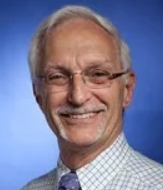 Daniel E. Furst合作论文数Department of Medicine, University of California, Los Angeles Medical Center22
 Barbara Bruno合作论文数University of Torino22Lynette Keyeselstein合作论文数21Edward D. Agura合作论文数21
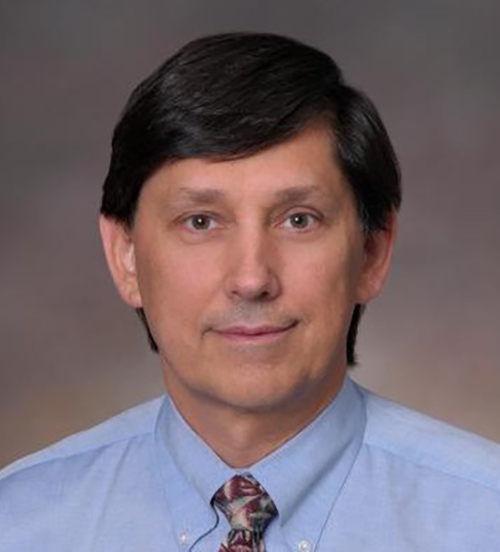 Richard T. Maziarz合作论文数Oregon Health and Science University20Ellen Goldmuntz合作论文数National Institutes of Health20Michael Maris合作论文数20Munoz Javier合作论文数19
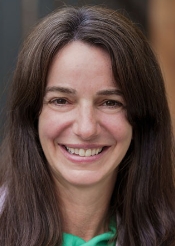 Caron A. Jacobson合作论文数Dana-Farber Cancer Institute;Harvard Medical School19
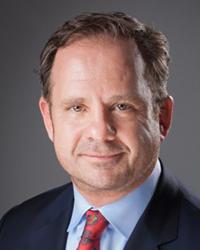 Andre Henri Goy合作论文数John Theurer Cancer Center, Hackensack University Medical Center;Georgetown University;School of Medicine, Hackensack Meridian Health19John M. Timmerman合作论文数18
 Judith Shizuru合作论文数Pediatrics Department, Stanford University17Sorror Mohamed L合作论文数16
 Dietger Niederwieser合作论文数Universität Leipzig15Ashley Pinckney合作论文数15Michael A. Pulsipher合作论文数14Patrick Stiff合作论文数14
 Ian Flinn合作论文数Center for Blood Cancers, Tennessee Oncology;OneOncology14
 Amelia A. Langston合作论文数Winship Cancer Institute, Emory University;Department of Hematology and Medical Oncology, School of Medicine, Emory University14
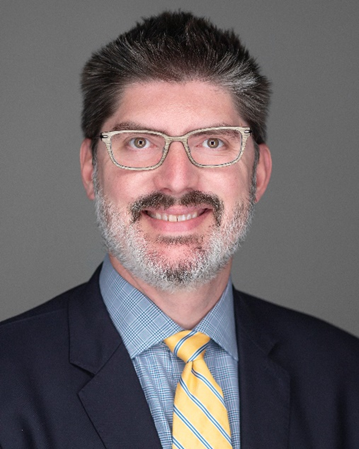 Frederick Locke合作论文数Department of Blood and Marrow Transplant and Cellular Immunotherapy, Moffitt Cancer Center14
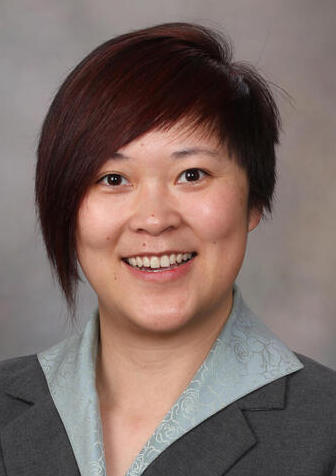 Yi Lin合作论文数Division of Hematology, Department of Internal Medicine, Mayo Clinic;Mayo Clinic Comprehensive Cancer Center13
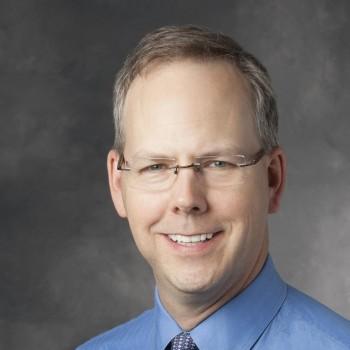 David Miklos合作论文数Blood and Marrow Transplantation & Cellular Therapy Division, School of Medicine, Stanford University;Stanford Cancer Institute, School of Medicine, Stanford University13Abhinav Deol合作论文数13Beverly Welch合作论文数12Umar Farooq合作论文数12
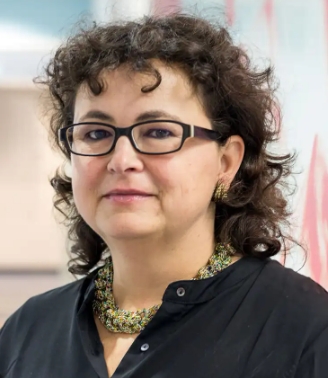 Marie José Kersten合作论文数Cancer Center Amsterdam, Amsterdam University Medical Center;Department of Hematology, Faculty of Medicine, Amsterdam University12
 Patrick M. Reagan合作论文数Department of Medicine, University of Rochester12
 Ogundeji Oluwole合作论文数12Jenny J. Kim合作论文数11
 Brian T. Hill合作论文数Department of Hematology and Medical Oncology, Cleveland Clinic;Department of Medicine, School of Medicine, Case Comprehensive Cancer Center, Case Western Reserve University11
 Nancy L. Bartlett合作论文数Divisions of Hematology & Oncology, Department of Medicine, Washington University School of Medicine in St. Louis11Firoozeh Sahebi合作论文数11
 Chirag R. Parikh合作论文数Bloomberg School of Public Health, Johns Hopkins University;Division of Nephrology, Johns Hopkins University School of Medicine10
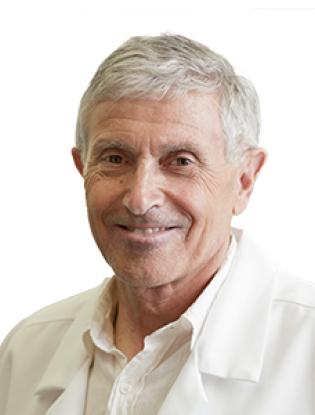 John J. Rossi合作论文数Department of Molecular and Cellular Biology, City of Hope;Center for RNA Biology and Therapeutics, Beckman Research Institute of City of Hope;Irell & Manella Graduate School of Biological Sciences, Beckman Research Institute of City of Hope9Michael Pulsipher合作论文数8
 Tanya Siddiqi合作论文数8
 Parameswaran Hari合作论文数Department of Medicine, Medical College of Wisconsin;Clinical & Translational Science Institute, Medical College of Wisconsin;Froedtert Cancer Center, Medical College of Wisconsin8
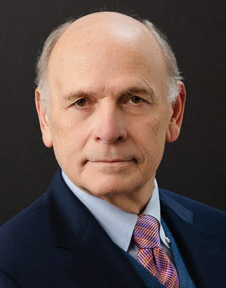 James L. Wade III合作论文数Feinberg School of Medicine, Northwestern University;Decatur Memorial Hospital;Cancer Care Specialists of Illinois8
 Catherine Thieblemont合作论文数Hemato-Oncology Department, Hôpital Saint-Louis8Jan Storek合作论文数8




