Background Evomela, a propylene-glycol–free melphalan formulation, allows prolonged stability and flexible infusion duration as a preparative regimen in autologous hematopoietic-cell transplantation (ASCT). A prospective phase I/II randomized trial compared short (30–60 min; S-IV) versus long (8–9 h; L-IV) infusion schedules of evomela as conditioning for ASCT in newly diagnosed multiple myeloma (MM). Methods Patients were randomized fairly to S-IV or L-IV evomela (225 mg/m²). Evomela plasma concentrations at various time points were determined using liquid chromatography-mass spectrometry for pharmacokinetic (PK) analysis using non-compartmental method. Best response (BR) after ASCT was defined as minimal residual disease (MRD)-negative complete response (CR). A 1:1 propensity-matched Melphalan 200 mg/m² (MEL200) cohort served as a historical control comparator. Results Sixty patients (30 per arm, median age 59.5 yrs) were enrolled. Five (17%) patients in S-IV and 11 (37%) patients in L-IV had high-risk cytogenetics. All patients, except 1 (early progression) received maintenance therapy after ASCT. BR at day-90 (before starting maintenance therapy) was 47% (L-IV) vs 43% (S-IV). BR at 1-year was 60% vs 63%, respectively. Median PFS was 58 mo (L-IV) vs not reached (S-IV), p=0.49. In a fitted Bayesian regression model, a higher area under curve (AUC) correlated with improved BR (probability of beneficial effect [PBE] = 0.966). There were no grade ≥4 toxicities. The most frequent grade 3 events were febrile neutropenia (8 L-IV, 7 S-IV) and diarrhea (5 L-IV, 7 S-IV). One year treatment-related mortality (TRM) was 0; three late non-relapse deaths (second malignancy, n=2, and diffuse alveolar hemorrhage, n=1) occurred beyond 3 yrs. ROC analysis identified an AUC ≈17,800 µg·h/L with Youden’s index 0.6 (good performance) as a potential PK target for L-IV in high-risk patients.Because there was no significant difference between the long and short evomela infusion schedules, they were combined for a matched pairs comparison to the historical MEL200 data. In this comparison (Evomela, vs MEL200, n = 60, matched pairs), BR rates at day-90 were 45% vs 30%, respectively. Median PFS was 58 months vs 50 months (p = 0.48) (Figure). Regression modeling showed an approximately 87% probability that evomela improved BR at day-90 compared to MEL200, and an approximately 86% probability of longer PFS vs Melphalan-200, suggesting a likely but not definitive benefit. Conclusion Evomela 225 mg/m2 given over either 30 min or 8–9 h was safe and effective. Compared with MEL200, evomela showed a higher probability of achieving MRD-negative CR after ASCT. PK modeling identified AUC ≈ 17,800 µg·h/L as a potential target goal for L-IV in high-risk patients, supporting further evaluation of PK-guided evomela dosing as a conditioning regimen for ASCT in MM.
An early phase dose-finding trial of a new cell therapy may involve one or more manufacturing modifications made during the trial, known as "tweaks," to improve the cell product quality. For example, a tweak may change the cell culture duration, cytokine cocktail, or donor criteria. Ideally, a tweak can be done without changing the treatment so much that the trial must be restarted as if the treatment were entirely new. However, a statistical design still should account for changes in the dose-response distribution due to the tweak. For such settings, we propose a Bayesian AutoRegressive Phase 1-2 (BAR12) design that accounts for manufacturing tweaks during a phase 1-2 trial by using a first order autoregressive model with spike-and-slab priors having components corresponding to pre- and post-tweak distributions of toxicity and efficacy parameters. Simulations under a broad range of dose-response functions were conducted to compare BAR12 to conventional phase 1-2 designs that either assume the tweak had no effect and use all available data, or ignore the pre-tweak data. The simulations show that BAR12 has superior operating characteristics, including higher probabilities of correct dose selection, allocation of more patients to optimal doses, and more efficient monitoring for identifying unsafe or ineffective doses.
For first-in-human dose-finding trials, to protect patient safety, regulatory agencies may enforce strict within-cohort staggering rules that require delaying treatment of each patient in the first cohort at an untried dose until dose-limiting toxicities (DLTs) of all previously treated patients have been evaluated. Consequently, many new patients may face therapy delays, which reduces their probability of achieving a response due to disease progression, or be treated off-protocol, which may significantly extend trial duration. To address this, we propose a Bayesian phase 1-2 design, Adaptive Stagger, that reduces delays while protecting patients by making adaptive within-cohort staggering decisions. Adaptive Stagger exploits the relationship between the number of low-grade toxicities and DLT, and accounts for the risk of disease progression. A utility function is used to quantify the tradeoff between DLT and response, with a patient's treatment delayed only if it has greater expected utility than immediate treatment at the current recommended dose, or the current dose fails a safety requirement. Otherwise, the patient is treated without delay at the current dose. Simulations show that, compared to a design with strict within-cohort staggering rules, Adaptive Stagger improves safety slightly, increases the optimal dose selection rate, and substantially shortens trial duration. The design is illustrated by a trial of CD70 natural killer cells for treating hematologic malignancies. Supplementary materials for this article are available online, including a standardized description of the materials available for reproducing the work.
Melphalan 200 mg/m² is the standard conditioning regimen for autologous hematopoietic stem cell transplantation (ASCT) in multiple myeloma, but further dose escalation is limited by toxicity. Evomela, a propylene‑glycol-free melphalan with enhanced stability, enables safer dose intensification and pharmacokinetic (PK) optimization. We conducted a prospective phase I/II trial to optimize Evomela dosing and infusion schedule in newly diagnosed myeloma patients undergoing ASCT. Primary objectives included dose/schedule optimization using a Bayesian design and PK characterization; secondary objectives included minimal residual disease (MRD)‑negative complete response (CR) at day 90, toxicity, and progression‑free survival (PFS). Sixty patients were randomized to short (30-60 mins) or long (8-9 hrs) Evomela infusions at 200 or 225 mg/m². No grade ≥4 non‑hematologic toxicities or day‑100 non‑relapse mortality occurred. MRD-negative stringent (s)CR/CR at day 90 was 45% (43% in the short infusion arm and 47% in the long infusion arm), with similar toxicity and PFS between the schedules. A higher melphalan area under the concentration-time curve (AUC) was strongly associated with MRD‑negative sCR/CR (posterior probability of benefit [PBE] = 0.99) without increased toxicity, but not with PFS. In propensity‑matched comparisons, Evomela was associated with longer PFS than melphalan 200 mg/m² (MEL200) (PBE = 0.90). These results support Evomela as a platform for safe dose intensification and AUC‑guided conditioning in newly diagnosed myeloma patients undergoing ASCT. (NCT03417284).
PURPOSE:Sequential high-dose chemotherapy (HDC) using carboplatin/etoposide with autologous stem cell transplant can be curative in relapsed germ cell tumors (GCT). However, outcomes are poor for multiply relapsed/refractory tumors. We studied gemcitabine/docetaxel/melphalan/carboplatin (GemDMC), which exploits DNA damage repair inhibition. We hypothesized that concurrent bevacizumab, targeting the high vascularity of GCT, would synergize with HDC. PATIENTS AND METHODS:Trial eligibility included second or later relapse or poor-risk first relapse and adequate end-organ function. Treatment consisted of sequential bevacizumab-GemDMC (HDC cycle 1) and bevacizumab-ifosfamide/carboplatin/etoposide (C2) in three consecutive cohorts: bevacizumab/full-dose GemDMC (cohort 1), bevacizumab/reduced-dose GemDMC (cohort 2), and no bevacizumab/reduced-dose GemDMC (cohort 3). The trial was powered to distinguish a target 50% 2-year relapse-free survival rate from an expected <25%. We validated its results in an off-trial fourth cohort treated the same as cohort 3. RESULTS:We treated 165 male patients (65 trial and 100 cohort 4 patients), after a median of three prior therapy lines, mostly with cisplatin-refractory tumors at relapse (45% refractory and 23% absolutely refractory) and 19% primary mediastinal tumors. The overall response rate was 84.5% (77% complete response/partial response with negative markers). The treatment-related mortality rates in cohorts 1 to 4 were 13%, 8%, 4%, and 4%, respectively. Resection of residual lesions in 74 patients found no viable GCT in 76%. The 5-year relapse-free survival and overall survival rates were 57.1% and 58.3%, respectively, without differences between trial and cohort 4 patients or between patients receiving bevacizumab (cohorts 1 and 2) and those not receiving it (cohorts 3 and 4). CONCLUSIONS:Sequential GemDMC-carboplatin/etoposide with or without ifosfamide shows outcomes that exceed the anticipated results in multiply, poor-risk relapsed GCT. Bevacizumab did not improve outcomes. See related commentary by Kollmannsberger et al., p. 257.
Phase 1-2 designs provide a methodological advance over phase 1 designs for dose finding by using both clinical response and toxicity. A phase 1-2 trial still may fail to select a truly optimal dose. because early response is not a perfect surrogate for long term therapeutic success. To address this problem, a generalized phase 1-2 design first uses a phase 1-2 design's components to identify a set of candidate doses, adaptively randomizes patients among the candidates, and after longer follow up selects a dose to maximize long-term success rate. In this paper, we extend this paradigm by proposing a design that exploits an early treatment-related, real-valued biological outcome, such as pharmacodynamic activity or an immunological effect, that may act as a mediator between dose and clinical outcomes, including tumor response, toxicity, and survival time. We assume multivariate dose-outcome models that include effects appearing in causal pathways from dose to the clinical outcomes. Bayesian model selection is used to identify and eliminate biologically inactive doses. At the end of the trial, a therapeutically optimal dose is chosen from the set of doses that are acceptably safe, clinically effective, and biologically active to maximize restricted mean survival time. Results of a simulation study show that the proposed design may provide substantial improvements over designs that ignore the biological variable.
Randomization is a well-established statistical tool for obtaining fair treatment comparisons in clinical trials. Despite this, most investigators conducting small early-phase oncology trials of different experimental treatments or doses of a single agent do not randomize patients. This may be due to convention, physicians’ desire to choose personalized treatments for their patients, or the belief that randomization is of little value in small trials. We argue that, when it is feasible and ethical, randomization is very desirable in early-phase trials because it gives fair treatment comparisons despite the small sample sizes. Illustrations are provided of how confounding and bias may arise when comparing treatments using data from separate single-arm trials. By eliminating confounding treatment effects with between-study differences in known or unknown prognostic variables, randomization provides unbiased treatment comparisons. To facilitate the planning and analysis of small randomized trials, Bayesian criteria for comparing treatments based on response and toxicity rates are provided. Practical guidelines are given for determining sample sizes, specifying Bayesian safety and futility monitoring rules, and constructing a balanced randomization scheme. The methods are illustrated by a trial of engineered cells for treating steroid-refractory graft-versus-host disease.
A new family of precision Bayesian dose optimization designs, PGen I-II, based on early efficacy, early toxicity, and long-term time to treatment failure is proposed. A PGen I-II design refines a Gen I-II design by accounting for patient heterogeneity characterized by subgroups that may be defined by prognostic levels, disease subtypes, or biomarker categories. The design makes subgroup-specific decisions, which may be to drop an unacceptably toxic or inefficacious dose, randomize patients among acceptable doses, or identify a best dose in terms of treatment success defined in terms of time to failure over long-term follow-up. A piecewise exponential distribution for failure time is assumed, including subgroup-specific effects of dose, response, and toxicity. Latent variables are used to adaptively cluster subgroups found to have similar dose-outcome distributions, with the model simplified to borrow strength between subgroups in the same cluster. Guidelines and user-friendly computer software for implementing the design are provided. A simulation study is reported that shows the PGen I-II design is superior to similarly structured designs that either assume patient homogeneity or conduct separate trials within subgroups.
Objective Reirradiation is increasingly considered for recurrent pediatric brain tumors, but dosimetric guidelines are lacking. To identify composite dose-volume constraints for reirradiation of recurrent brain tumors in children, a prospective trial was conducted. Methods Nine children with recurrent brain tumors previously treated with radiation were prospectively reirradiated. Three had GBM, two had AT/RT, and one each had ependymoma, NGGCT, medulloblastoma, or meningioma. For all patients, DICOM format records of their prior radiation (RT1) fields were obtained and deformed onto the CT simulation for their second course of radiation (RT2). Conventionally fractionated treatment plans for RT2 satisfied dose constraints for RT2 alone and the composite sum of both courses (RT1+RT2). The primary endpoint was the rate of symptomatic brain necrosis at 6 months after RT2. Results Median age at RT2 was 9.7y (range, 2.9 -6.8 y). Median interval between RT1 and RT2 was 19 months (range, 7–82 months). Treatment modality for RT2 was VMAT for seven patients and proton therapy for two patients. Median prescription dose for RT2 was 45 Gy (range, 30.6-60 Gy). Five patients were evaluable for the primary endpoint; none had symptomatic brain necrosis at 6 months after RT2. Four patients were not evaluble at 6 months due to death (n=2) or transition to hospice (n=2) by 6 months, all due to progression of disease. Median overall survival from RT2 start for all patients was 10.7 months (range, 5.2-46.4 months). Conclusions This prospective study suggests that conventionally fractionated reirradiation for recurrent brain tumors in children may be performed safely. These results provide a starting point for development of dose-volume constraints for pediatric brain reirradiation. Advanced technologies such as proton therapy may allow for reirradiation dose escalation while minimizing dose to surrounding critical structures.
Abstract Purpose: More active high-dose chemotherapy (HDC) regimens are needed for autologous stem cell transplantation (ASCT) for refractory lymphomas. Seeking HDC enhancement with a PARP inhibitor, we observed marked synergy between olaparib and vorinostat/gemcitabine/busulfan/melphalan (GemBuMel) against lymphoma cell lines, mediated by the inhibition of DNA damage repair. Our preclinical work led us to clinically study olaparib/vorinostat/GemBuMel with ASCT. Patients and Methods: Patients ages 15 to 65 years with refractory lymphoma and adequate end-organ function were eligible for this phase I trial. The olaparib dosage was escalated from 25 mg orally twice a day on days −11 to −3, plus vorinostat (1,000 mg orally/day, days −10 to −3), gemcitabine (2,475 mg/m2/day i.v., days −8 and −3), busulfan (target AUC 4,000 µmol/L.minute−1/day i.v., days −8 to −5), melphalan (60 mg/m2/day i.v., days −3 and −2), and rituximab (CD20+ tumors; 375 mg/m2, day −10), with ASCT. Results: Fifty patients were enrolled (23 with Hodgkin lymphoma, 18 with diffuse large B-cell lymphoma, and 9 with T-cell non–Hodgkin lymphoma); the median age was 35 years (range, 20–61); patients received a median of three prior lines of therapy (range, 2–7); 17 patients had previously relapsed after chimeric antigen receptor T-cell therapy or other cellular immunotherapies; 23 patients had PET-positive tumors at HDC (9 in progression). An olaparib dosage of 150 mg orally twice a day was identified as the recommended phase II dosage. The main extramedullary toxicity was mucositis. The overall response rate and complete response rate were 100% and 90%, respectively. At the median follow-up of 30 (range, 12–56) months, the event-free survival and overall survival rates were 72% and 82% in all patients and 71% and 88% in patients with prior CAR T-cell failure, respectively. Conclusions: In this first trial combining a PARP inhibitor with HDC, olaparib/vorinostat/GemBuMel was safe and showed promising activity in refractory lymphomas, including post–CAR-T relapses.
6561 Background: Myeloablative conditioning for allogeneic stem cell transplant (allo-SCT) can be given safely to older patients by extending the duration of busulfan (Bu) administration. This allows the addition of agents like sorafenib for a 3-week period to synergize with the conditioning. Here, we studied 4 doses of sorafenib with myeloablative fludarabine and fractionated Bu (f-Bu) in a phase 1/2 study (NCT03247088). Methods: From 3/2018-9/2023, 59 AML patients 18-70 years old with 8/8-HLA matched donors were enrolled prospectively. Sorafenib dose finding was done in phase 1 with a Bayesian Model Averaging Continual Reassessment Method with target toxicity probability .30 and cohort size 3, with DLT defined as grade >3 regimen-related toxicity occurring on days -24 to 30. Subsample sizes were 3 patients at 200, 400, and 600mg, and 50 patients at the highest tolerated dose of 800mg (400mg bid), given daily on days -24 to -5. The f-Bu dose targeted an area under the concentration vs time curve of 20,000 ± 12% μmol.min, given over 3 weeks. The first 2 doses (80 mg/m2 each) were given outpatient on days -20 and -13. The last 4 pharmacokinetically guided doses were given inpatient after Flu 40mg/m2 on days -6 to -3. GVHD prophylaxis was cyclophosphamide 50mg/kg on days 3-4 and tacrolimus. Unrelated donor graft recipients also received MMF. All patients were eligible for sorafenib maintenance for 1 year post-transplant. 30 (51%) patients began this maintenance and 13 (21%) completed 1 year. Results: Median age was 53 years (range, 24-70). Disease status at SCT was CR1 in 42 (71%) patients, CRi in 6 (10%), and advanced disease in 11 (19%). 34 (58%) had ELN22 adverse risk disease, 31 (53%) were MRD+, 17 (29%) had FLT3 ITD, donor was unrelated in 37 (63%), and peripheral blood was the graft source in 53 (90%). The cohort’s 2-year overall survival (OS) was 74.9% (95% credible interval (CrI) 61.8-84.8%), with a median follow-up in 43 surviving patients of 2.2 years. A fitted Bayesian Weibull regression model for OS showed a higher risk of death with MRD+ disease (posterior mean HR = 3.13, 95% CrI 1.01–12.03) and age > 60 (posterior mean HR = 2.22, 95% CrI 0.76–6.91). No association was seen with OS or PFS and comorbidity score, remission status, or ELN22 risk group. Outcomes were similar in FLT3 ITD and wild type patients. Conclusions: The f-Bu regimen with sorafenib results in promising outcomes for AML patients. Clinical trial information: NCT03247088 . Outcomes (n=59). 1 year 2 years OS 86% 75% PFS 83% 69% Relapse 12% 22% NRM 10% 10% Percent Acute GVHD II-IV, day 100 36% Acute GVHD III-IV, day 100 3% Chronic GVHD, 2 years 14% Mod/Severe Chronic GVHD 9% Median (range) days Neutrophil Engraftment 15 (12-28) Platelet Engraftment 23 (14-164) T Cell Chimerism, day 30 100 (33-100) Myeloid Chimerism, day 30 100 (91-100) Grade 3-5 toxicity, day 100 (>10%) Events Percent Febrile Neutropenia 24 41% Bacterial infection 21 36% Pneumonitis/IPS 8 14% Rash 6 10%
Patients (pts) with aggressive lymphomas in refractory relapse are often considered for an alloSCT pursuing a graft-vs-lymphoma effect. While reduced intensity conditioning regimens have increased its safety, aggressive lymphomas often progress rapidly, partly due to tumor growth outpacing GVL. Outcomes are particularly poor for patients with active disease at alloSCT. Thus, development of safe more effective conditioning regimens for aggressive lymphomas is a major need. To this end we developed a new myeloablative regimen of Gem/Clo/Bu, which showed high activity and reduced toxicity for alloSCT (as reported in a separate abstract). We wished to compare the outcomes of pts enrolled in this trial with matched controls receiving Flu/Mel. We compared EFS and OS of pts with aggressive lymphomas enrolled in a phase I/II trial of Gem/Clo/Bu for matched donor alloSCT to our own concurrent controls treated with Flu/Mel. We utilized propensity score matching including the following variables: sex, age, donor type, diagnosis, response at alloSCT, disease risk and No. prior therapy lines. After matching, we estimated the survival curves by Kaplan-Meier, compared groups by log rank, and used the Cox proportional hazard model on the weighted sample to estimate the relative hazard ratios. We compared 64 pts enrolled in the Gem/Clo/Bu trial between 11/2012-04/2021 to 113 controls treated with Flu/Mel between 01/2008-03/2022 (Table). The median follow-up of Gem/Clo/Bu pts was 80 months (mo) (range, 72-107) vs. 54 months (45-125) for controls. The median EFS times of Gem/Clo/Bu and control Flu/Mel patients were 12 mo (8-25.5) and 3.3 mo (2.8-10.6), respectively; their respective median OS times were 25 mo (15.5-N/A) vs 7.0 mo (3.3-37.7). The following were independent favorable outcome predictors: receiving Gem/Clo/Bu [hazard ratio (HR)0.38 (0.23,0.62), P=0.001 for EFS; HR 0.45 (0.27,0.73), P=0.01 for OS], Hodgkin diagnosis [HR 0.29 (0.12, 0.72), P=0.008 for OS], and response to prior salvage therapy [HR 0.35 (0.21,0.58), P<0.001 for EFS; HR 0.50 (0.31,0.83), P=0.007 for OS]. Conversely, >3 prior therapy lines [HR 2.13 (1.23, 3.70), P=0.007) was independently associated with worse EFS. Gem/Clo/Bu results in improved EFS and OS as compared with Flu/Mel for pts with aggressive relapsed lymphoma receiving a matched alloSCT.
 Richard E. Champlin合作论文数Department of Stem Cell Transplantation and Cellular Therapy, Division of Cancer Medicine, The University of Texas MD Anderson Cancer Center;Division of Internal Medicine, The University of Texas Health Science Center95
 Chitra Hosing合作论文数Department of Stem Cell Transplantation and Cellular Therapy, Division of Cancer Medicine, The University of Texas MD Anderson Cancer Center64
 Elizabeth J. Shpall合作论文数Department of Stem Cell Transplantation and Cellular Therapy, Division of Cancer Medicine, The University of Texas MD Anderson Cancer Center64
 Kebriaei Partow合作论文数53
 Borje S. Andersson合作论文数Department of Stem Cell Transplantation and Cellular Therapy, Division of Cancer Medicine, The University of Texas MD Anderson Cancer Center;College of Pharmacy, University of Houston52
 Muzaffar H. Qazilbash合作论文数Department of Stem Cell Transplantation, Division of Cancer Medicine, The University of Texas MD Anderson Cancer Center;James A. Baker III Institute for Public Policy, Rice University51
 Elihu Estey合作论文数Fred Hutchinson cancver Research Center49
 Yago L. Nieto合作论文数Department of Stem Cell Transplantation and Cellular Therapy, Division of Cancer Medicine, The University of Texas MD Anderson Cancer Center44
 Uday R Popat合作论文数Department of Stem Cell Transplantation, Division of Cancer Medicine, The University of Texas MD Anderson Cancer Center;Department of Stem Cell Transplant Fellowship, The University of Texas MD Anderson Cancer Center40
 Amin M. Alousi合作论文数Department of Stem Cell Transplantation and Cellular Therapy, Division of Cancer Medicine, The University of Texas MD Anderson Cancer Center39
 Xuemei Wang合作论文数Department of Biostatistics, Division of Quantitative Sciences, The University of Texas MD Anderson Cancer Center38
 Sergio A. Giralt合作论文数Division of Hematologic Malignancies, Memorial Sloan Kettering Cancer Center;Weill Cornell Medical College, Memorial Sloan Kettering Cancer Center37
 Hagop M. Kantarjian合作论文数Department of Leukemia, Division of Cancer Medicine, The University of Texas MD Anderson Cancer Center34Qaiser Bashir合作论文数31de Lima Marcos J合作论文数29Nguyen Hoang Q合作论文数28Gabriela Rondon合作论文数23Betul Oran合作论文数22Yuan Ying合作论文数21
 Nina Shah合作论文数School of Medicine, University of California, San Francisco21
 Sairah Ahmed合作论文数Department of Lymphoma/Myeloma, Division of Cancer Medicine, The University of Texas MD Anderson Cancer Center20
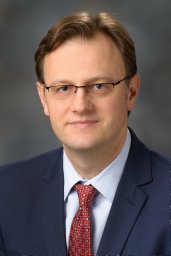 Stefan Octavian Ciurea合作论文数School of Medicine, University of California, Irvine20
 Johannes Ernst Wolff合作论文数19
 Richard Simon合作论文数Division of Cancer Treatment & Diagnosis, National Cancer Institute, National Institutes of Health;Computational & Systems Biology Branch, National Institutes of Health19
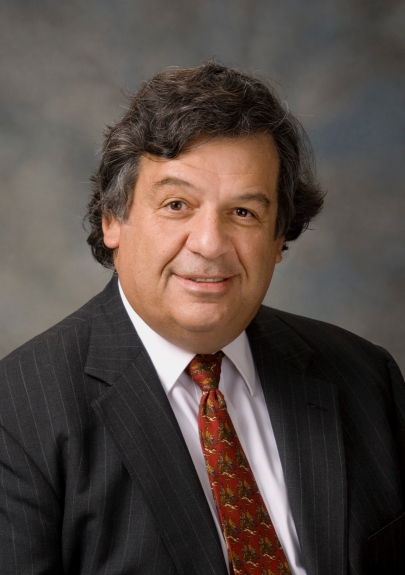 Christopher J. Logothetis合作论文数Department of Genitourinary Medical Oncology, Division of Cancer Medicine, The University of Texas MD Anderson Cancer Center;Department of The David H. Koch Center for Applied Research of Genitourinary Cancers, The University of Texas MD Anderson Cancer Center19M de Lima合作论文数18Parmar Simrit合作论文数18
 Lin Ruitao合作论文数18
 Alison Gulbis合作论文数MD Anderson Cancer Center18Benigno C. Valdez合作论文数17Lee Juhee合作论文数Department of Biostatistics, UT M.D. Anderson Cancer Center Houston17
 Nizar M. Tannir合作论文数Department of Genitourinary Medical Oncology, Division of Cancer Medicine, The University of Texas MD Anderson Cancer Center16David Marin合作论文数16
 Roy B. Jones合作论文数University of Texas MD Anderson Cancer Center;Memorial Sloan Kettering Cancer Center15
 Michael J. Keating合作论文数University of Texas MD Anderson Cancer Center15
 Jorge Cortes合作论文数Georgia Cancer Center, Augusta University;Department of Medicine, Medical College of Georgia, Augusta University;The Graduate School, Augusta University;Latin America Leukemia Net Lalnet15Paul Mathew合作论文数15
 Anita Mahajan合作论文数Department of Radiation Oncology, Mayo Clinic;Department of Pediatric and Adolescent Medicine, Mayo Clinic15Paolo Anderlini合作论文数15
 Steven M. Kornblau合作论文数Department of Leukemia, Division of Cancer Medicine, University of Texas MD Anderson Cancer Center;Department of Stem Cell Transplantation, Division of Cancer Medicine, The University of Texas MD Anderson Cancer Center14
 Lance C. Pagliaro合作论文数Division of Medical Oncology, Department of Oncology, Mayo Clinic14Roland L. Bassett合作论文数The University of Texas MD Anderson Cancer Center14
 Steven H. Lin合作论文数Department of Experimental Radiation Oncology, The University of Texas MD Anderson Cancer Center/Department of Radiation Oncology, The University of Texas MD Anderson Cancer Center14Richard E Champlin合作论文数14Jeremy L Ramdial合作论文数13
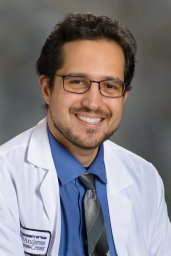 Pavlos Msaouel合作论文数Department of Genitourinary Medical Oncology, The University of Texas MD Anderson Cancer Center13
 Zhongxing Liao合作论文数Department of Radiation Oncology, Division of Radiation Oncology, The University of Texas MD Anderson Cancer Center13
 Robert Z. Orlowski合作论文数Department of Lymphoma - Myeloma, Division of Cancer Medicine, The University of Texas MD Anderson Cancer Center;Department of Experimental Therapeutics, Division of Cancer Medicine, The University of Texas MD Anderson Cancer Center13Samer Srour合作论文数12




