Abstract The ability to harness the power of next generation sequencing for characterizing the cancer genome would be extremely valuable to the cancer research community and ultimately improve diagnosis and individualized therapy. We present a targeted approach using massively parallel sequencing to simultaneously detect mutations, translocations and copy-number variations in archived clinical tumor specimen. Targeted sequencing was achieved by designing RNA baits to capture the exons of 504 genes with relevance to cancer. The bait set was augmented with specific intronic sequences to detect translocations often involved in cancer. The overall performance of the hybrid capture was improved by optimizing the tiling strategy of the baits. These improvements significantly shifted fragments with low or no-coverage closer to the overall mean, resulting in a more uniform coverage distribution. To validate the targeted gene panel we sequenced tumor samples harboring mutations, translocations and copy-number alterations that were previously identified by clinically approved assays. All the known alterations were confirmed with additional potentially actionable mutations. The ultimate goal of the targeted panel is to screen cancer patients quickly and economically allowing simultaneous detection of all common genomic alterations in the cancer genome. Citation Format: Paul Van Hummelen, Matthew Ducar, Robert T. Jones, Alina Raza, Ashwini Sunkavalli, Megan Hanna, Adri Mills, Ravali Adusumilli, Prateek Kumar, Laura Schubert, Marc Breneiser, Anna C. Cooley, Elizabeth Garcia, Lynette M. Scholl, Neal I. Lindeman, Nikhil Wagle, Levi Garraway, Kristian Cibulskis, Scott L. Carter, Michael Lawrence, Gad Getz, Matthew L. Meyerson, William C. Hahn, Laura E. MacConaill. Targeted sequencing to detect somatic mutations, translocations and copy-number variation in human tumors simultaneously. [abstract]. In: Proceedings of the 104th Annual Meeting of the American Association for Cancer Research; 2013 Apr 6-10; Washington, DC. Philadelphia (PA): AACR; Cancer Res 2013;73(8 Suppl):Abstract nr 819. doi:10.1158/1538-7445.AM2013-819
Proceedings: AACR 103rd Annual Meeting 2012‐‐ Mar 31‐Apr 4, 2012; Chicago, IL Formalin-fixed paraffin embedded (FFPE) tissues are far more abundant in most tissue banks and pathology departments than fresh or fresh frozen (FF) samples, but typically yield varying degrees of degraded DNA as a result of the fixation process. The quality of FFPE tissues may vary based on a number of factors such as: age of the block, fixation time, storage and handling conditions. Being able to harness the power of next generation sequencing technologies to genomically characterize these abundant and diverse achieved samples would be tremendously valuable to the cancer research community and would enable the use of this material for clinical purposes. The goal of this study was to assess the performance of FFPE samples in next generation sequencing applications. We monitored close to 100 samples from tumor and normal tissues of FFPE, FF and blood origin. These samples underwent several processes for whole-exome or targeted sequencing, including DNA fragmentation, size selection, library preparation, and hybrid-capture enrichment. We observed variable performance across these samples at several of the above steps, which correlated predominantly with FFPE tissues and the age of block. Other quality metrics that showed relative lower performance of FFPE DNA were the cluster density, duplication rate or library complexity. Most FFPE samples still generated good quality sequence, however, older FFPE blocks, over 10 years, may need more input DNA or higher sequence depth to reach minimum coverage if somatic mutation analysis is the goal. There was no difference in performance between DNA from tumor and normal tissues. Citation Format: {Authors}. {Abstract title} [abstract]. In: Proceedings of the 103rd Annual Meeting of the American Association for Cancer Research; 2012 Mar 31-Apr 4; Chicago, IL. Philadelphia (PA): AACR; Cancer Res 2012;72(8 Suppl):Abstract nr 3178. doi:1538-7445.AM2012-3178
Formalin fixation followed by paraffin embedment (FFPE) is the most common method of preserving resected tissues. FFPEs can be easily stored, retrieved and processed for further analysis when compared to the logistical complications of processing fresh frozen (FF) material. Conversely, they may not be ideal for sequencing because of the nucleic acid fragmentation and artifacts introduced by fixation. Here we report our efforts in performing next-generation sequencing on more than 70 specimens comprising >40 FFPE samples, from low to high quality, and compared the performance of FFPE, FF and commercially available cell lines.
 adri mills合作论文数3Ashwini Sunkavalli合作论文数3
 Robert T Jones合作论文数Dept Pharmacol, Univ Colorado3Alina Raza合作论文数3Ducar Matthew D合作论文数Ctr Canc Genome Discovery, Dana Farber Canc Inst3Adusumilli Ravali合作论文数3
 William C. Hahn合作论文数Department of Medical Oncology, Dana-Farber Cancer Institute;Harvard Medical School;Broad Institute, MIT3Megan Hanna合作论文数3Laura E Macconaill合作论文数Harvard Medical School, Dana-Farber Cancer Institute3
 Paul Van hummelen合作论文数Dana Farber Canc Inst3
 Matthew L. Meyerson合作论文数Harvard Medical School;Center for Cancer Genomics, Dana-Farber Cancer Institute3Charles Hatton合作论文数2Palescandolo Emanuele合作论文数Ctr Canc Genome Discovery, Dana Farber Canc Inst2Roden Christine合作论文数2Christina Go合作论文数2
 Priscilla Brastianos合作论文数Division of Medical Sciences, Harvard Medical School2Marc Breneiser合作论文数1
 Levi Garraway合作论文数Roche;Genentech1
 Nikhil Wagle合作论文数Dana-Farber / Harvard Cancer;Harvard Medical School;Genentech1Garcia Elizabeth P合作论文数1
 Gad A. Getz合作论文数Harvard Medical School;Department of Pathology, Massachusetts General Hospital;Broad Institute of Harvard and MIT1
 Scott L. Carter合作论文数Division of Medical Sciences, Harvard Medical School;Joint Center for Cancer Precision Medicine, Dana-Farber Cancer Institute;Harvard T.H. Chan School of Public Health1Schubert Laura合作论文数Center for Cancer Genome Discovery, Dana-Farber Cancer Institute1
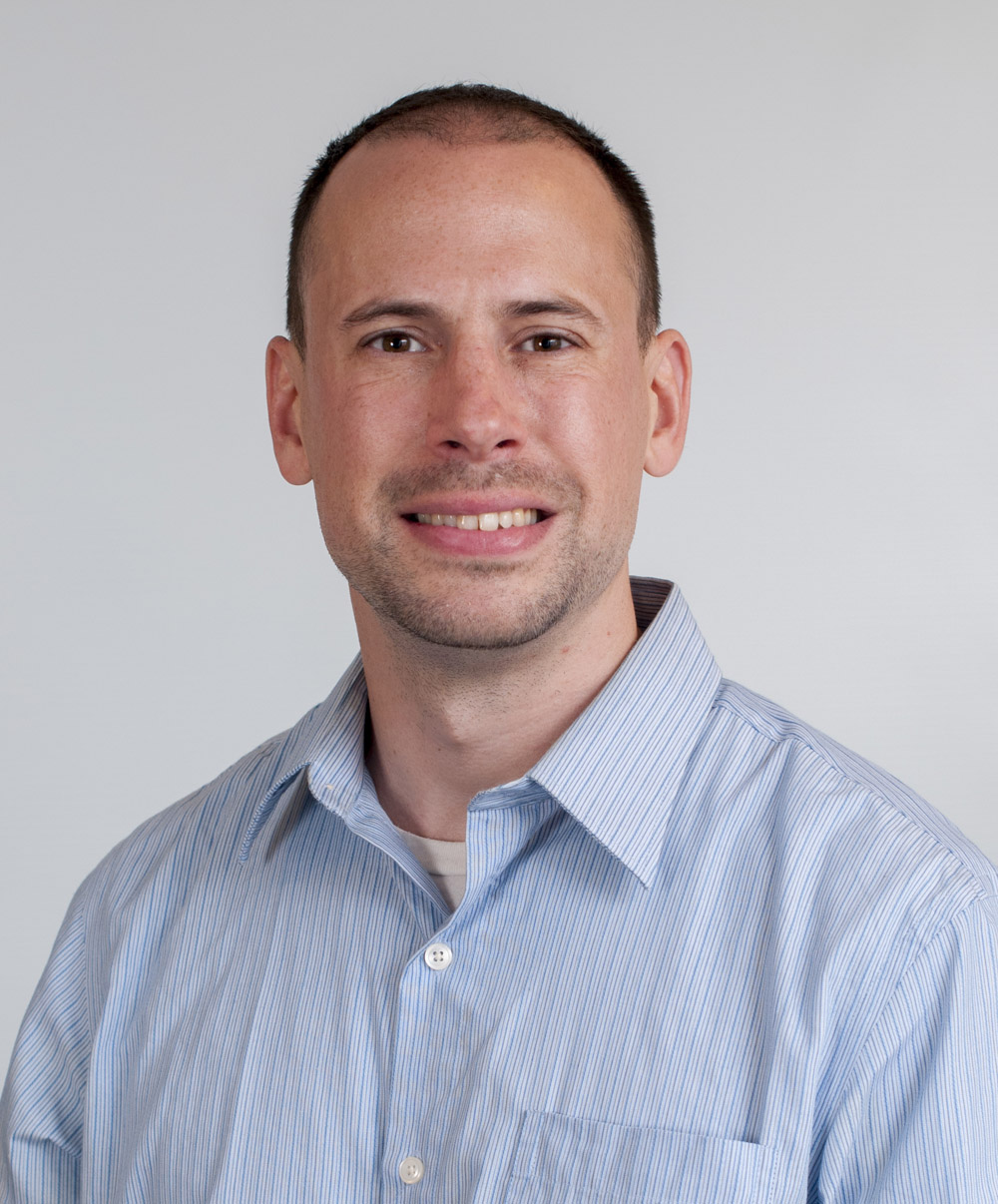 Michael S. Lawrence合作论文数Harvard Medical School;Lawrence Laboratory, Mass General Cancer Center, Massachusetts General Hospital1
 Neal Lindeman合作论文数Laboratory Medicine and Molecular Pathology, Weill Cornell Medicine1
 Rachel Erlich合作论文数Blueprint Medicines1
 Kristian Cibulskis合作论文数Genetic Analysis Platform, Broad Institute of MIT and Harvard1




