Polaritons are quasiparticles formed via light-matter interaction (e.g., with electrons or phonons). They confine light to subwavelength scales, enhance electromagnetic fields in Fabry-P & eacute;rot polaritonic resonators, and tune cavity resonance via adjusting external parameters (light frequency or dielectric environment). Thus, we propose tuning Fabry-P & eacute;rot polaritonic resonators by modifying the dielectric environment through substrate phase transitions. We perform mid-infrared nanoimaging of alpha-MoO3 nanocavities on phase-change VO2 at varying temperatures. At 25 degrees C (VO2 insulating phase), adjusting incident light frequency tunes the highly sensitive Fabry-P & eacute;rot phononic polaritonic resonator order from 10 to 2; at 90 degrees C (VO2 metallic phase), the order tunes from 7 to 2. With incident light fixed at 992 cm-1, the alpha-MoO3 nanocavity/VO2 heterojunction undergoes a low-high-low temperature cycle, showing a maximum Fabry-P & eacute;rot resonance order change of 3, along with reversible tuning ability and delayed recovery. Simulations indicate higher-order Fabry-P & eacute;rot resonant modes can be achieved in thinner and wider alpha-MoO3 nanocavities. This method provides new means and experimental support for designing tunable Fabry-P & eacute;rot resonant devices.
Direct air capture (DAC) represents a pivotal technology for achieving negative carbon emissions, offering the potential to extract CO2 directly from ambient air and thereby contribute to global Net Zero targets. Despite its promise, large-scale DAC deployment remains constrained by substantial energy requirements and economic challenges. This review provides a comprehensive and critical assessment of recent advances in DAC technologies, emphasizing their development from tailored chemistry to process engineering. Each capture strategy is systematically examined with particular focus on capture mechanism, energy consumption minimization, capture efficiency enhancement, and environmental impact mitigation. Special attention is given to the synergistic integration of DAC systems with renewable energy sources and industrial waste heat recovery, which offers viable pathways to lower overall energy intensity and improve scalability. Furthermore, this review compares commercialized DAC technologies with those currently under development, providing a holistic discussion of their technical progress, cost trajectories, and deployment challenges. Finally, key insights and future directions are presented to guide scientists, engineers, and policymakers in designing tailored DAC solutions, optimizing system performance, and accelerating the implementation of sustainable and economically viable carbon removal strategies.
NiS2 with high theoretical capacitance shows great potential for supercapacitors (SCs). However, the poor cycling stability and sluggish redox kinetics have limited the development of high-rate NiS2-based SCs. Integrating materials with high conductivity potentially reinforces its structure and improves its rate capability. 1T-MoS2 featuring extended interlayer spacing and superior electronic conductivity emerges as an ideal candidate. Therefore, we designed a hybrid material with an alternating interconnected structure of NiS2 and MoS2 with adjustable content of 1T-MoS2. Owing to the improved ion/electron transmittability and the mutual shielding effect, an obvious positive correlation between rate capability and stability with 1T-MoS2 content was established. The optimized 1T-MoS2/NiS2 nanosheets (NMS-2) with 1T phase purity of up to 67.6 % in MoS2 demonstrated exceptional specific capacity (579.4 C g -1 at 1 A g -1 ) and impressive rate capability (345.0 C g -1 at 30 A g-1), which suggests much faster kinetics compared to pure NiS2. Notably, the hybrid supercapacitor (HSC) assembled with NMS-2 as the cathode and activated carbon as the anode (NMS-2//AC HSC) exhibited a maximum specific capacitance of 137.4 F g - 1 at 1 A g -1 . Furthermore, this HSC can deliver a high energy density of 45.9 Wh kg-1 at 774.9 W kg-1, and could retain 17.7 Wh kg-1 even at a high power density of 7731.7 W kg-1. After 50 0 0 cycles at a high current density of 5 A g -1 , the HSC still remained 93.23 % of its initial capacitance with an extremely low fading rate of 0.0014 % per cycle. (c) 2025 Published by Elsevier Ltd on behalf of The editorial office of Journal of Materials Science & Technology.
Using renewable energy to reduce carbon dioxide (CO2) into a value-added chemical or fuel is regarded as an effective way to achieve energy conversion, chemical energy storage, and carbon neutrality. Borocagene is a cage-like borophene structure with large surface area, good chemical stability, and electrical conductivity. This research employs density functional theory (DFT) to construct metal atom-loaded borocagene (TM@Bcg) as a potential catalyst for the CO2 reduction reaction (CO2RR). The results indicate that TM@Bcg exhibit good stability and conductivity, and significantly inhibit the hydrogen evolution reaction (HER). Co@Bcg and Ni@Bcg are located at the top of the volcano where the CO and HCOOH product is generated with overpotential of 0.08 and 0.03 V, implying minimal additional voltage required to reduce CO2 to CO and HCOOH. Furthermore, Ni@Bcg shows superior catalytic activity for reducing CO2 to CH3OH and CH4, primarily due to its optimal adsorption strength for the crucial *CO intermediate, with Gibbs free energy of only 0.23 eV for the potential determining step (PDS). This study provides valuable guidance for the rational design of highly active and selective CO2RR catalysts
Sodium Y (NaY) zeolite is a promising adsorbent for carbon capture. The template-free synthesis of NaY zeolite has gained considerable interests to minimize its costs and environmental effects. However, NaY zeolites synthesized through template-free methods exhibited lower CO2 adsorption capacities (similar to 4.07 mmolg(-1)) compared to template-assisted counterparts, often requiring longer crystallization time and higher energy penalty. This study systematically compared the microstructural characteristics and CO2 adsorption performance of NaY zeolites synthesized with and without templates, including those from the commercial markets. Through process optimization, the CO2 adsorption capacity of the template-free NaY zeolite was significantly enhanced, surpassing those template-assisted samples. Notably, it achieved CO2 adsorption capacities of 6.51 mmolg(-1) at 25 degrees C and 0.1 MPa, and 7.40 mmolg(-1) at 0 degrees C and 0.1 MPa, outperforming both commercial NaY and template-assisted samples. The structural differences, including crystal integrity, pore size distribution and surface properties, were systematically discussed. The optimized synthesis method increased the specific surface area and the ratio of microporous structures. The template-free NaY also showed superior CO2 capture capacity, moisture resistance, breakthrough performance and stability, indicating its application potential for carbon capture. (c) 2025 The Chemical Industry and Engineering Society of China, and Chemical Industry Press Co., Ltd. All rights are reserved, including those for text and data mining, AI training, and similar technologies.
Transient plasmonic quasiparticles in semiconductors, activated by photogenerated carriers, enable ultrafast light manipulation at the nanoscale. Here, we focus on creating and manipulating robust transient plasmons in germanium (Ge) nanowires, a model indirect bandgap semiconductor that provides an ideal platform for exploring non-equilibrium dynamics and emergent optical properties under optical excitation. Using state-of-the-art near-field spectroscopic analysis and real-space optical imaging, we uncover the transient plasmonic behavior of Ge nanowires characterized by carrier dynamics. Our results demonstrate that transient plasmons in Ge nanowires achieve a spectral tuning range exceeding 1000 cm-1, together with a prolonged lifetime exceeding 7.2 picoseconds (ps). These findings highlight the potential of optical pumping as a versatile and powerful tool for generating and controlling quasiparticles in indirect bandgap semiconductors.
The efficient purification of natural gas, especially from unconventional sources such as shale, tight, and coal seam gas, is crucial for advancing the transition to a low-carbon economy. A key challenge in this process is the selective removal of nitrogen (N2), which shares similar physical and chemical properties with methane (CH4), complicating its separation and making it difficult to achieve the required purity levels for compression, transportation, and utilization. This review critically assesses the current state of CH4/N2 separation technologies and compares their performances numerically, including cryogenic distillation, absorption, adsorption, membrane separation, and hydrate-based processes. Each technology is evaluated based on its methane recovery efficiency, nitrogen removal performance, as well as the material, energy, and environmental impacts associated with its use. Despite notable advancements in these methods, challenges related to energy consumption, scalability, and cost-effectiveness persist, limiting their widespread industrial adoption. Future developments are suggested to focus on improving the efficiency and scalability of these processes. Cryogenic distillation will benefit from advancements in process optimization, including real-time monitoring and integration with renewable energy sources to reduce its energy demands. Membrane separation technologies are evolving towards the development of highly selective, molecularly engineered membranes that can improve separation efficiency. Adsorption processes are increasingly incorporating high-capacity materials such as porous carbon, zeolites and metal organic frameworks (MOFs) to enhance performance, while hydrate-based methods are advancing through the use of green accelerators and milder operating conditions. Collectively, these innovations aim to improve both the economic and environmental sustainability of natural gas purification, ultimately enabling more efficient, cost-effective, and eco-friendly utilization of natural gas resources in the future.
Electrocatalytic conversion of CO2 into chemical or fuel is regarded as a viable approach to attain energy conversion, chemical energy storage and carbon neutrality. Borophene exhibits great potential as an electrocatalyst owing to its exceptional physical and chemical attributes. β12-borophene incorporated transition metal (TM) as single atom catalysts (SACs) have been devised for the electrocatalysis of the carbon dioxide reduction reaction (CO2RR). Through the exploration of the most favorable CO2RR pathway and the comparison of Gibbs free energy (ΔG) during the potential determination step (PDS), the catalyst exhibiting remarkable catalytic activity for CO2RR are chosen. Wherein, the overpotential of Nb-β12 and Ru-β12 produce CO is only 0.02 and 0.03 V. The overpotential of Ru-β12 and Rh-β12 in generation of HCOOH product is only 0.03 and 0.06 V. Additionally, the catalytic performance of Rh-β12 in CO2 reduction to CH3OH and CH4 showcases exceptional performance, with overpotential of 0.65 and 0.79 V. Unexpectedly, the overpotential of Cd-β12 and Mo-β12 are 0.01 and 0.09 V for hydrogen evolution reaction (HER). The research offers invaluable insight for systematic designs and screening of catalysts for the electrochemical CO2RR.
Ammonia (NH 3 ), as a high energy density chemical and hydrogen energy storage medium, has garnered significant interest in the realms of energy storage and catalysis. In contrast to the traditional Haber -Bosch process, the electrocatalysis nitrogen reduction reaction (eNRR) can synthesize green ammonia under mild reaction conditions. Based on density functional theory (DFT), the potential of 2D borophene supported transition metals as bimetallic atomic catalysts (BACs) in eNRR was investigated. Progressive screening through energy -oriented screening mechanism, Sc 2 B 12 , Ti 2 B 12 , V 2 B 12 and Zr 2 B 12 were identified as potential eNRR catalysts. Their complete reaction pathways and Gibbs free energy ( Delta G) were further explored, and corresponding overpotentials were obtained. The results showed that overpotentials of the potential determining steps (PDS) of these catalysts were 0.34, 0.40, 0.39 and 0.13 V, respectively, demonstrating excellent eNRR catalytic activity and good selectivity. Cu 2 B 12 shows remarkable hydrogen evolution reaction (HER) catalytic activity with an overpotential ( eta) of only 0.05 V. The study also revealed that the catalytic activity of TM 2 B 12 is derived from its excellent conductivity, and the charge transmission enhances the catalyst activity of eNRR. Consequently, this study provides significant theoretical guidance and support for the synthesis of novel eNRR catalysts, and promotes further advancement in the field of catalysis.
The capture of carbon dioxide (CO2) has attracted significant attention to reduce the emissions of greenhouse gases. However, the development of adsorptive materials remains to be a grand challenge. In this work, we successfully synthesized low silica X (LSX) zeolites from low-grade coal gangue (mass ratio of Al2O3/SiO2 < 0.50), a major byproduct in the coal mining industry, without additional Si or Al source via a two-step activation method (TA). The LSX zeolite had a Si/Al mole ratio of 1.05 and a specific surface area of 634 m(2)/g. Synthesis conditions including calcination temperature, alkali fusion temperature, potassium hydroxide dosage and crystallization time were systematically investigated to understand the reaction mechanism and optimize the synthesis conditions. Results showed that quartz was the main impurity remained in the product and thermal activation at 1200 degrees C was beneficial to decompose quartz and suppress the formation of sodalite impurity. Zeolite A could be eliminated by optimizing potassium hydroxide dosage and crystallization time. Compared to the conventional alkali fusion method and calcination activation method, the zeolites synthesized via TA method had better crystallinity and higher purity. The LSX product showed a high CO2 uptake of 4.99 mmol/g at 298 K and 1 bar. The ideal adsorption solution theory (IAST) selectivity of CO2/N-2 (15/85) and CO2/CH4 (50/50) were 376 and 200 at 298 K and 1 bar, respectively. The separation performance was further demonstrated using Aspen Adsorption and results showed a high purity and recovery of 92.6% and 91.3%, respectively, while using 50% CO2 in N-2 as the feed gas at the adsorption pressure of 211 kPa and desorption pressure of 22 kPa.
Representing the next-generation technology in lithium-ion batteries, lithium-sulfur (Li-S) batteries offer increased specific energy without relying on scarce metals like nickel and cobalt, but suffer from a low practical specific energy due to poor conductivity and a short lifespan due to the shuttle effect of polysulfides. Balancing the confinement of polysulfides and the transport of lithium ions requires highly elaborate modifiers for separators. Hollow multi-shelled structures (HoMSs) show promise as hierarchical mesostructures for separators, offering multiple shell layers and internal cavities that effectively inhibit polysulfide shuttle. Thoughtful design of these structures is crucial to address these challenges effectively. In this study, nitrogen-doped carbon HoMS (NC HoMS) was created using polymer templates through a precisely controlled polymerization process. Batteries featuring NC HoMS-modified separators exhibit improved capacity and cycling stability in comparison to those utilizing commercial separators. Especially, triple-shelled NC HoMS strikes a balance in polysulfide containment and lithium ion transport. Featuring a sulfur loading of 6.34 mg/cm2, the Li-S battery can consistently complete 100 charge-discharge cycles, starting with a discharge capacity of 966.4 mA·h/g with a 75.8
The utilization of electricity generated from renewable energy sources for carbon dioxide reduction reaction (CO2RR) to produce high-value chemical resources is of significant importance for reducing CO2 emissions and for energy storage. However, the search for environmentally friendly and efficient metal-free catalysts to facilitate CO2 conversion continues to present numerous challenges. This study employs density functional theory (DFT) calculation to explore the potential of two-dimensional metal-free borophene catalysts in the activation and conversion of CO2. Through molecular dynamics simulations, energy band and density of states analysis, the stability and electronic properties of metal-free borophene were thoroughly examined. The calculations demonstrated that two specific sites on electron-deficient zigzag borophene possess strong adsorption capabilities for CO2, enabling effective activation of CO2. Further investigation revealed that the reduction of CO2 at site 1 on zigzag borophene efficiently produces CO, HCOOH, CH3OH, and CH4, with the potential determining steps (PDS) requiring overpotentials of 0.11V, 0.20V, 0.38V, and 0.52V, respectively. In summary, this research provides theoretical foundation for the use of metal-free borophene as an efficient catalyst for CO2RR.
The utilization of electricity generated from renewable energy sources for carbon dioxide reduction reaction (CO2RR) 2 RR) to produce high-value chemical resources is of significant importance for reducing CO2 2 emissions and for energy storage. However, the search for environmentally friendly and efficient metal-free catalysts to facilitate CO2 2 conversion continues to present numerous challenges. This study employs density functional theory (DFT) calculation to explore the potential of two-dimensional metal-free borophene catalysts in the activation and conversion of CO2. 2 . Through molecular dynamics simulations, energy band and density of states analysis, the stability and electronic properties of metal-free borophene were thoroughly examined. The calculations demonstrated that two specific sites on electron-deficient zigzag borophene possess strong adsorption capabilities for CO2, 2 , enabling effective activation of CO2. 2 . Further investigation revealed that the reduction of CO2 2 at site 1 on zigzag borophene efficiently produces CO, HCOOH, CH3OH, 3 OH, and CH4, 4 , with the potential determining steps (PDS) requiring overpotentials of 0.11 V, 0.20 V, 0.38 V, and 0.52 V, respectively. In summary, this research provides theoretical foundation for the use of metal-free borophene as an efficient catalyst for CO2RR. 2 RR.
Y-type zeolites are widely used in the carbon dioxide (CO2) adsorption applications due to their exceptional ion exchange performance and high stability. However, the pelletization of Y powder by adding binders such as kaolin often results in performance drops, which has limited its industrial application. This study employs a zeolite-kaolin blend to produce cylindrical pelletized Y zeolite, in which the kaolin is then transformed to zeolites via hydrothermal crystallization, resulting in binder-free Y pellets. The Design-Expert software and the response surface method (RSM) are employed to optimize the hydrothermal crystallization conditions for binder transformation, with the objective of attaining a maximized capacity for CO2 adsorption. Results demonstrate that optimized synthesis conditions yield cylindrical Y zeolite with a notable CO2 adsorption capacity of 5.52 mmol/g at 298 K and 1 bar, surpassing that of the initial Y powder. The average crushing strength is 110 N per particle (Diameter × Height = 3 mm × 3 mm). The IAST selectivity of CO2/N2 (15/85) is 824 at 298 K and 1 bar. The reaction mechanisms of the binder transformation are also investigated via experiments and DFT simulation. This study presents a simple and reliable method for manufacturing binder free Y zeolite, which is promising for carbon capture applications.
Tuning the electrocatalytic selectivity and long-term stability for industrially significant, yet reactively unfavorable products, remains a challenge in oxygen reduction. Herein, the Au/TiO2 catalysts with strong metal-support interactions (SMSI) are designed and synthesized through an in situ auto-reduction of Au-modified Ti-MOF. Highly dispersed ultra-low loading of Au NPs strongly capsulated in porous TiO2 substrate, together with conductive carbon derivated from MOFs, enables Au/TiO2 electrocatalysts to achieve excellent H2O2 electrosynthesis through the two-electron oxygen reduction reaction (2e ORR). Au(1.0)/TiO2 (0.52 wt% Au loading) exhibited a high selectivity of 90%, a remarkable Faradaic efficiency of 98%, and 72.2 mg L-1 h(-1) H2O2 production. Highly dispersed Au NPs promote active site exposure, while the conductive carbon and the porous superstructure enhance mass diffusion. Notably, the SMSI between Au NPs and TiO2 substrate leads to superb stability (over 168 h) of the electrocatalysts, as it ensures continuous electronic interactions. Experimental characterizations and density functional theory (DFT) simulations further revealed that the SMSI effect medicates the activation of the *OOH intermediate formation and the d-band center, which are conductive to 2e ORR. Moreover, this strategy provides a potential way toward high-performance electrocatalysts in flow system devices for continuously purifying sewage and chemical bleaching in extreme environments.
Ammonia (NH3) is an ideal zero-carbon clean energy source because of its substantial hydrogen capacity, high-energy density and facile transportability. Compared to disadvantages of Haber–Bosch processes, such as demanding reaction conditions, high energy consumption and inefficiency, the electrocatalysis nitrogen reduction reaction (NRR) can achieve green synthesis of NH3 due to mild reactive conditions. Utilizing density functional theory (DFT), explored the potential of borophene-supported transition metals as single atom catalysts (SACs) for NRR. The NRR pathways and Gibbs free-energy (ΔG) of the selected V@Bβ12, Cr@Bβ12, Zr@Bβ12 and Mo@Bβ12 were studied in detail after rigorous screening processes. The limiting potentials of NRR in optimal path are -0.10, -0.27, -0.18 and -0.07 V, respectively, which are excellent catalysts for NRR. Under operating voltage conditions, TM@Bβ12 has excellent ability to resist surface oxidation and inhibit hydrogen evolution reaction (HER). In addition, V@Bβ12, Cr@Bβ12, Zr@Bβ12 and Mo@Bβ12 have good selectivity for NRR. Cr@Bβ12 and Mo@Bβ12 are also potential catalysts for HER. The source of TM@Bβ12 catalytic activity in NRR fully confirms the good conductive properties, and the transmission of the charge contribute to improve catalytical activity of NRR. This paper provides theoretical guidance on the synthesis of a new type of NRR catalyst.
Anisotropic materials with oppositely signed dielectric tensors support hyperbolic polaritons, displaying enhanced electromagnetic localization and directional energy flow. However, the most reported hyperbolic phonon polaritons are difficult to apply for active electro-optical modulations and optoelectronic devices. Here, we report a dynamic topological plasmonic dispersion transition in black phosphorus via photo-induced carrier injection, i.e., transforming the iso-frequency contour from a pristine ellipsoid to a non-equilibrium hyperboloid. Our work also demonstrates the peculiar transient plasmonic properties of the studied layered semiconductor, such as the ultrafast transition, low propagation losses, efficient optical emission from the black phosphorus’s edges, and the characterization of different transient plasmon modes. Our results may be relevant for the development of future optoelectronic applications.
Tin telluride (SnTe), as a narrow bandgap semiconductor material, has great potential for developing photodetectors with wide spectra and ultra-fast response. At the same time, it is also an important topological crystal insulator material, with different topological surface states on several common surfaces. Here, we introduce different Sn sources and control the growth of regular SnTe nanosheets along the (100) and (111) planes through the atmospheric pressure chemical vapor deposition method. It has been proven through various characterizations that the synthesized SnTe is a high-quality single crystal. In addition, the angular resolved Raman spectra of SnTe nanosheets grown on different crystal planes are first demonstrated. The experimental results showed that square SnTe nanosheets grown along the (100) plane exhibit in-plane anisotropy. At the same time, we use micro-nanofabrication technology to manufacture SnTe-based field effect transistors and photodetectors to explore their electrical and optoelectronic properties. It has been confirmed that transistors based on grown SnTe nanosheets exhibit p-type semiconductor characteristics and have a high response to infrared light. This work provides a new approach for the controllable synthesis of SnTe and adds new content to the research of SnTe-based infrared detectors.
Recycling of spent lithium-ion batteries (LIBs) has attracted widespread attention because of their dual attributes to environmental protection and resource conservation. Utilization of strong corrosive acids is currently the preferred way to recover valuable metals from spent LIBs, but the extensive use of chemical reagents can pose serious environmental risks. Herein, this research proposes a green process for selective recovery of lithium using the material of spent LIBs itself without adding exogenous reagents, mechanochemistry induced phase transition. The leaching efficiency of Li can reach 94% by employing the copper foil separated from spent LIBs as the co-grinding additive during the mechanochemical reaction process. Then, the high value LiOH·H2O can be prepared through direct evaporation and crystallization without adding any precipitant. Meanwhile, cobalt is almost remained in the leaching residue which can be recovered through a step-by-step separation process. XRD, XPS, and SEM-EDS characterizations show that LiCoO2 and copper foil are transformed into the soluble Li2O, and insoluble CuO and CoO under the mechanical force. Finally, the soluble Li2O is dissolved in water to prepare the LiOH solution, and the insoluble CuO and CoO are transformed into Cu2O and Co(OH)2. On the basis of the experimental investigation, it is proven that the proposed process is suitable for selectively recovering Li from all types of cathode materials without generating salty wastewater or introducing chemical reagents. Thus, the proposed approach can ensure the efficient recovery of valuable metals from spent LIBs while avoiding the potential threat to the environment and human health.
With the rapid development of the LED industry, gallium (Ga)-bearing waste generated is regarded as one of the most hazardous as it typically contains heavy metals and combustible organics. Traditional technologies are characterized by long processing routes, complex metal separation processes and significant secondary pollution emission. In this study, we proposed an innovative and green strategy to selectively recovery Ga from Ga-bearing waste by using a quantitative phase-controlling transition process. In the phase-controlling transition process, the gallium nitride (GaN) and indium (In) are converted to alkali-soluble gallium (III) oxide (Ga2O3) and alkali-insoluble indium oxides (In2O3) by oxidation calcination, while nitrogen is converted into diatomic nitrogen gas instead of ammonia/ammonium (NH3/NH4+). By selective leaching with NaOH solution, nearly 92.65% of Ga can be recycled with a leaching selectivity of 99.3%, while little emissions of NH3/NH4+. Ga2O3 with a purity of 99.97% was obtained from the leachate which is also economy promising by economic assessment. Therefore, the proposed methodology compared to the conventional acid and alkali leaching methods is potentially greener and more efficient process for extracting valuable metals from nitrogen-bearing solid waste.
 Chao Liu合作论文数6Meiling Liu合作论文数6
 Z.H.I. Sun (孙峙)合作论文数Institute of Process Engineering, Chinese Academy of Sciences;University of Chinese Academy of Sciences6
 Xiaohong Zheng (郑小宏)合作论文数College of Information Science and Technology, Nanjing Forestry University;Hefei Institutes of Physical Science, Chinese Academy of Sciences5
 Xihua Zhang合作论文数5Chunfa Liao合作论文数4Weiguang Lv合作论文数4
 Guoping Hu (胡国平)合作论文数Chinese Academy of Sciences4
 Mengfei Xue合作论文数3
 Peifan Yao (姚沛帆)合作论文数Sch Resources & Environm Engn, Shanghai Polytech Univ3
 Tao Qi (齐涛)合作论文数Institute of process Engineering, Chinese Academy of Sciences;University of Chinese Academy of Sciences;Ganjiang Innovation Academy, Chinese Academy of Sciences3
 Ranbo Yu (于然波)合作论文数College of Chemistry and Environmental Engineering, Shenzhen University3
 Jianing Chen (陈佳宁)合作论文数University of Chinese Academy of Sciences;Institute of Physics, Chinese Academy of Sciences3Qiming Fu合作论文数2Zhifan Song合作论文数2Mengqi Liao合作论文数2Yilei He合作论文数2
 Jiangyan Wang (王江艳)合作论文数Institute of Process Engineering, Chinese Academy of Sciences;University of Chinese Academy of Sciences2Tianyi Tao (陶天一)合作论文数2
 Yanze Wei (魏延泽)合作论文数2
 Zumin Wang (王祖敏)合作论文数School of Materials Science and Engineering,Tianjin University2
 Jingwei Wang (王景伟)合作论文数Shanghai Polytechnic University2
 Dan Wang (王丹)合作论文数College of Chemistry and Environmental Engineering, Shenzhen University;Institute of Process Engineering, Chinese Academy of Sciences2Guobiao Li合作论文数1
 Yongqian Zhao合作论文数1
 Yusong Qu合作论文数1Chuyun Ding合作论文数1Guoqin Leng合作论文数1Feng Wang合作论文数1Boxuan Li合作论文数1Runkun Chen合作论文数1Ruyi Bi合作论文数1boli chen (陈博利)合作论文数1
 Qian Liu (刘前)合作论文数National Center for Nanoscience and Technology, Chinese Academy of Sciences;University of Chinese Academy of Sciences1Xia Tian合作论文数1
 Yalou Guo合作论文数Department of Chemical Engineering, University of Melbourne Parkville1
 Wenfang Gao合作论文数School of Energy and Environmental Engineering, Hebei University of Technology1Kaili Chang合作论文数1Zhe Lu合作论文数1
 Yifan Yang (杨依帆)合作论文数1
 Jia Lin合作论文数Department of Physics, Shanghai University of Electric Power1
 Chunwei Liu合作论文数1Ping Xu合作论文数1Xiaolin Liu合作论文数1
 Ma En (马恩)合作论文数1
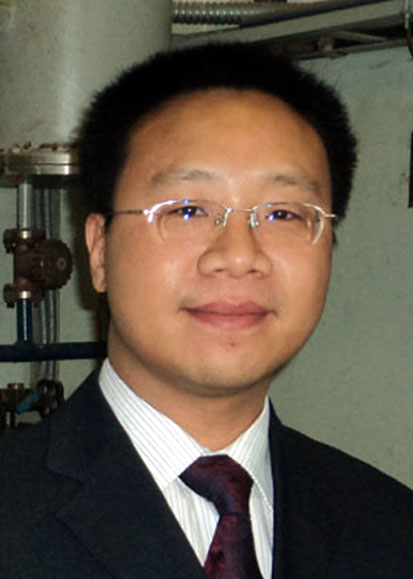 Hui Zhang (张绘)合作论文数Institute of Process Engineering, Chinese Academy of Sciences;University of Chinese Academy of Sciences1
 Xiaofeng Xie (谢晓峰)合作论文数Shanghai Institute of Ceramics, Chinese Academy of Sciences1
 Shengyao Chen (陈胜垚)合作论文数School of Electronic and Optical Engineering, Nanjing University of Science and Technology1Xiaoyu Chen合作论文数1




