Glycogen synthase kinase-3 (GSK3) inhibitors induce differentiation and growth inhibition of acute myeloid leukemia (AML) cells. Our pre-clinical studies showed GSK3 inhibition leads to sensitization of AML cells to tretinoin-mediated differentiation. We conducted a phase I trial of lithium, a GSK3 inhibitor, plus tretinoin for relapsed, refractory non-promyelocytic AML. Nine patients with median (range) age 65 (42-82) years were enrolled. All subjects had relapsed leukemia after prior therapy, with a median (range) of 3 (1-3) prior therapies. Oral lithium carbonate 300 mg was given 2-3 times daily and adjusted to meet target serum concentration (0.6 to 1.0 mmol/L); tretinoin 22.5 or 45 mg/m2/day (two equally divided doses) was administered orally on days 1-7 and 15-21 of a 28-day cycle. Four patients attained disease stability with no increase in circulating blasts for ≥4 weeks. Median (range) survival was 106 days (60-502). Target serum lithium concentration was achieved in all patients and correlated with GSK3 inhibition in leukemic cells. Immunophenotypic changes associated with myeloid differentiation were observed in five patients. The combination treatment led to a reduction in the CD34+ CD38- AML stem cell population both in vivo and in vitro. The combination of lithium and tretinoin is well-tolerated, induces differentiation of leukemic cells, and may target AML stem cells, but has limited clinical activity in the absence of other antileukemic agents. The results of this clinical trial suggest GSK3 inhibition can result in AML cell differentiation and may be a novel therapeutic strategy in this disease, particularly in combination with other antileukemic agents. Lithium is a weak GSK3 inhibitor and future strategies in AML treatment will probably require more potent agents targeting this pathway or combinations with other antileukemic agents. This trial is registered at ClinicalTrials.gov NCT01820624.
Introduction Tacrolimus (tacro) is commonly used for the prevention of graft vs host disease (GVHD) after allogeneic stem cell transplantation (allo-SCT). Due to concerns of inadequate absorption, tacro is commonly administered intravenously (IV) in the immediate post allogeneic transplant period. Advantages to oral (PO) tacro include decreased need for multi lumen IV catheters, improved patients (pts) convenience, and reduced cost. We retrospectively analyzed differences in safety, tolerability, time to achieve therapeutic levels during the 1st 4 weeks and rates of acute GVHD. Methods IV tacro at 0.02 mg/kg by continuous infusion or PO tacro at 0.03 mg/kg twice daily was started between T-3 and T+5. Levels were assessed 3 times weekly. Dose was titrated to achieve a steady level between 7 and 14 ng/ml. GVHD was graded according to CIBMTR criteria. Results 54 pts were treated between Sep 2016 and July 2018. 21 who received PO tacro and 27 who received IV tacro were studied. 6 pts on PO tacro are still within 100 days post-transplant and will be reported in follow up. The median age was 59 years (range, 21-74), 52% were females, diagnoses were AML (54%), MDS (19%), ALL (15%), CML (6%), NHL (4%) and MF (2%). HCT-CI was 0, 1-3 and >3 in 23%, 54% and 23% of pts, respectively. Donors were match-unrelated (58%), match-related (27%), haploidentical (6%) and double umbilical cord (6%). Conditioning regimens were myeloablative (60%) and reduced intensity (40%). 60% of pts received rabbit ATG (3 mg/Kg). GVHD prophylaxis also included mini-MTX on days +1, +3, +5 and +11 (79%), MMF (15%), and MMF + post-transplant Cy (6%). Pts characteristics were similar between the 2 groups. 7 pts (33%) who initially started on PO tacro switched to IV due to poor absorption (3), mucositis (1), toxicity (1), GVHD (1) and patient's concern (1). Target therapeutic level was reached in 67% vs 81% during week 1, 86% vs 96% during week 2, 95% vs 96% during week 3, and 100% vs 96% during week 4, of pts on PO vs IV tacro, respectively. Median tacro level during the 1st 4 weeks was 12.6 ng/ml vs 11.2 ng/ml, acute kidney injury occurred in 23.8% vs 33.3% (p=.47) and increased bilirubin occurred in 4.7% vs 22.2% (p=.09), in pts on PO vs IV tacro. Posterior reversible encephalopathy was observed in 1 patient on PO tacro. Grade I and Grade II-IV acute GVHD incidence was 47.6% vs 14.8% (p=.01) and 47.6% vs 44.4% (p=.82) of pts on PO vs IV tacro. Stage 1-2 skin aGVHD rate was higher in the PO vs. IV group (90% vs 33.3%; p=.0001). There was no difference in rates of stage 3 skin (4.7% vs 3.7%), stage 1 GI (33.3% vs 33.3%), or stage 2-4 GI (14% vs 7.4%) aGVHD. None of the pts had stage 4 skin or any stage liver aGVHD. Conclusion PO tacro is safe and effective in the prevention of aGVHD in pts receiving myeloablative or RIC allo-SCT. The use of PO tacro during the 1st 4 weeks post-transplant was found to be associated with higher rate of stage 1-2 skin aGVHD and warrants further study.
High-dose melphalan (HDM) followed by autologous hematopoietic cell transplantation (auto-HCT) remains the standard-of-care therapy for multiple myeloma (MM) even with the availability of proteasome inhibitors and immunomodulatory drugs. Gastrointestinal (GI) toxicity is the main cause of morbidity after HDM. Amifostine, a cytoprotective agent, may reduce HDM-associated GI toxicity. We conducted a case control study comparing HDM+auto-HCT with or without amifostine for MM patients. One hundred and seven patients treated at University Hospitals Cleveland Medical Center who received pre-transplant amifostine were compared to 114 patients treated at MD Anderson Cancer Center without use of this agent. Amifostine 740mg/m(2) was administered as a bolus infusion at 24h and 15min before HDM. Patients' characteristics were similar in both the groups. Amifostine therapy was well tolerated without any significant adverse effects. Grade II or greater oral mucositis (27.1% vs 47.4%; p=.002), nausea (31.8% vs. 86.0%; p=.0001), vomiting (18.7% vs. 52.6%; p=.0001) and diarrhea (56.1% vs. 72.7%; p=.006) occurred less frequently in the amifostine-treated group. There was no discernable effect of amifostine on engraftment, progression-free or overall survival. Our results indicate that amifostine decreases GI toxicity while preserving anti-myeloma efficacy of HDM and auto-HCT.
Background: Current therapies for CLL/SLL have frequent toxicities, are non-curative, and several trials have demonstrated that early treatment of the disease doesn't result in longer overall survival. In high doses, both curcumin (CM), from turmeric, and vitamin D (VD) have been shown to be safe in multiple clinical trials of solid tumors. Curcumin was shown to disrupt CLL cell interactions with the microenvironment, induce apoptosis independent of DNA damage, and upregulate vitamin D receptor (VDR) in malignant lymphoid cells. We hypothesized that the combination of CM and VD is safe and active in CLL/SLL and would delay disease progression.
Anti-thymocyte globulin (ATG) is often added to hematopoietic stem cell transplant conditioning regimens to prevent graft rejection and reduce graft-versus-host disease (GVHD). Doses used in retrospective and prospective clinical trials have ranged from 2.5 to 20 mg/kg with rates of grade II-IV acute GVHD and chronic GVHD up to 40 and 60%, respectively. We retrospectively compared outcomes in recipients of matched unrelated donor (MUD) grafts given low dose rabbit ATG IV 3 mg/kg (n = 52) versus recipients of matched related donor (MRD) grafts (n = 48) without ATG. One year cumulative incidence of chronic GVHD was 25.2% in the MUD group versus 33.3% in the MRD group (p = .5). One-year cumulative incidence of extensive chronic GVHD was 9.6% in the MUD group versus 26.6% in the MRD group (p = .042). Our analysis supports the use of low dose ATG in MUD transplantation as an effective therapy to prevent chronic GVHD.
Introduction Induction chemotherapy with cytarabine and an anthracycline (7+3) remains the standard of care for acute myeloid leukemia (AML). Patients and Methods We retrospectively analyzed 183 newly diagnosed AML patients to compare the utility of rapid peripheral blast clearance (PBC), day of peripheral blast disappearance, residual blasts, and cellularity at day 14 bone marrow biopsy (D14BM) in predicting clinical response to 7+3 induction, overall survival (OS), and relapse-free survival (RFS). Results In multivariable logistic regression analysis, day 2 PBC > 85% [P = .0016] was the only predictor of remission status, with sensitivity and specificity of 75%. Peripheral blast disappearance within 5 days after induction and < 10% cellularity in D14BM predicted superior OS and RFS in multivariate analysis. Median follow-up of patients was 28 months since diagnosis. Two-year OS and RFS for patients with ≤ 10% versus > 10% cellularity at D14BM was 60.6% [95% confidence interval (CI), 50.8%-72.2%] versus 32.5% [95% CI, 23.0%-45.8%], and 51.9% [95% CI, 41.9%-64.3%] versus 28.8% [95% CI, 19.1%-43.4%], respectively [P = .0003 for OS and .002 for RFS]. Conclusion Rapid PBC after 7+3 induction showed a significant improvement in specificity compared with D14BM, with similar sensitivity. Neither of these methods were reliably specific tools for the decision of early reinduction, despite their prognostic value. Our findings indicate that morphological cellularity in D14BM is an independent prognostic factor for OS and RFS, regardless of blast percentage, and that ≤ 10% cellularity defines D14BM hypoplasia.
Background: Reduced intensity conditioning (RIC) for hematopoietic cell transplant (HCT) are better tolerated than myeloablative conditioning regimens and permit HCT in patients with advanced age. However, RIC is associated with increased risk of disease relapse. The addition of targeted marrow irradiation (TMI) to RIC may permit intensification and increased disease control without additional toxicity. We conducted a phase I dose escalation trial of TMI in combination with fludarabine and busulfan (flu/bu) RIC for high-risk hematologic malignancy patients. Methods: Eligible patients were 18 years or older, diagnosed with high-risk hematologic malignancies and candidates for an allogeneic HCT with available matched related (MRD) or unrelated donor (MUD). Eligible subjects were not candidates to receive myeloablative conditioning. TMI, 1.5 Gy was given twice daily on days T-10 through T-7. Dose escalation was done by increasing the number of fractions; dose levels included 1.5 Gy (n = 3), 3 Gy (n = 4), 4.5 Gy (n = 3) and 6 Gy (n = 2); fludarabine, 30 mg/m2/day, was given on T-6 through T-2 and busulfan was given on days T-5 and T-4 with a daily dose of 4800 microM⋅minute. Results: 9 subjects were enrolled, median age was 66 years (range 25-74), baseline diagnoses included acute myeloid leukemia (n = 3), myelodysplastic syndrome (n = 2), myeloproliferative disorder, non-Hodgkin lymphoma, multiple myeloma and T prolymphocytic leukemia (all n = 1). Median number of prior treatments was 3 (range 1-10). Median Charlson comorbidity index (CCMI) was 4 (range 1-7) and Hematopoietic Cell Transplantation-Specific Comorbidity Index (HCT-CI) was 1 (range 1-5). Stem cell source was a MUD in all cases. Neutrophil and platelet engraftment occurred at a median of 15 (range 11-17) and 24 (range 15-11) days, respectively. The maximum tolerated dose (MTD) of TMI was 4.5 Gy, with 2 subjects experiencing grade IV mucositis at the 6 Gy dose level. Grade 3 hyperbilirubinemia was observed in both subjects treated at the 6 Gy dose level, secondary to hepatic veno-occlusive disease and to severe sepsis and hypotension. Three subjects presented grade II-III acute GVDH. At a median follow up of 6 months, six patients have died; Kaplan Meier estimate of overall survival was 60%, with relapse free survival of 50%; the incidence of non-relapse mortality was 11%. Conclusions: The combination of TMI with flu/bu conditioning prior to transplant is feasible in a population of high-risk hematologic malignancy patients, with a MTD of 4.5 Gy. Mucositis and reversible hepatotoxicity are the dose limiting toxicities of this combination. Careful patient selection and monitoring may allow use of TMI plus flu/bu conditioning in patients at high risk of toxicity and relapse after transplant. Future studies are aimed at investigating whether further dose escalation of TMI is feasible in younger, fitter HCT patients.
Background: Central venous access is indispensable for patients undergoing hematopoietic stem cell transplantation for administration of chemotherapy drugs, stem cells, antimicrobials and blood products. However, central-line associated bloodstream infections (CLABSI) cause significant morbidity and mortality in this subset of immunocompromised patients. This study was conducted to evaluate the risk of CLABSI with the use different types of central-lines used at out institution. Methods: All consecutive patients from January 2015 to December 2016 were selected for the study. Patients who received stem cell transplantation prior to mid-December 2015 underwent tunneled, non-trialysis catheterization, while those afterwards underwent non-tunneled, trialysis catheterization. Rate of central-line associated infection, bacteremia, duration of catheter days and reasons for catheter removal were recorded. Chi-square and Fischer's exact tests were used to determine association. The level of significance was pre-determined at < .05. Results: At total of 175 patients were selected for the study period. There were 99 (56.5%) patients with allogeneic transplantation and 76 (43.5%) patients with autologous transplantation. Sixty-eight (38.8%) patients had tunneled, non-trialysis catheters whereas 107 (61.2%) patients had non-tunneled, trialysis catheters. All patients received antibacterial, antiviral and antifungal prophylaxis. Sixty-six (61.6%) patients with trialysis catheters and 41 (60.2%) patients with non-trialysis catheters developed neutropenic fever, but the difference was not statistically significant (P = .87). There was no difference in the rate of neutropenic fever between the two groups in autologous (40 vs 19; P = .66) or allogeneic (26 vs 12; P = .81) transplantation patients. Despite a higher number of patients in non-trialysis catheter group who developed line-associated bacteremia as compared to trialysis catheter group, a statistical significance was not achieved (12 [21.4%] vs 8 [7.5%]; P = .052). There were 23 (21.5%) early trialysis line removals for various reasons: 6 bacteremia, 9 fever, 4 local catheter site infection and 4 others. Conslusion: In our study, there was no difference in the rate of CLABSI associated with tunneled, non-trialysis catheters and non-tunneled, trialysis catheters. Local central line management and infection control measures remain the key to prevent line associated infections and bacteremia in patients undergoing hematopoietic stem cell transplantation.
Background: G-CSF is utilized to hasten neutrophil engraftment following high-dose chemotherapy and autologous stem cell transplantation. There is conflicting data with respect to the optimal timing of G-CSF initiation. Methods: All consecutive patients with multiple myeloma and lymphoma from January 2016 to September 2017 who underwent autologous stem cell transplantation at Seidman Cancer Center were enrolled. All patients prior to mid-November 2016 received G-CSF beginning at day 0 (early initiation), whereas those afterwards received G-CSF beginning at day +5 (late initiation). Data on time to neutrophil engraftment and platelet recovery were collected and compared. Results: A total of 82 patients were selected, 51 (62%) males and 31 (38%) females. Median age was 60.6 years (range, 19.1-77.3). There were 47 (57.3%) patients with multiple myeloma, 1 (1.2%) with amyloidosis, 30 (36.5%) with non-Hodgkin and 4 (4.8%) with Hodgkin lymphomas. All patients received peripheral blood stem cell transplantation. Stem cell mobilization methods included filgastrim with plerixafor in 69 (84%), filgastrim with cyclophosphamide in 1 (1.2%) and filgastrim alone in 11 (13.4%) patients. Conditioning regimens included Mel140 (n = 26, 31.3%), Mel 200 (n = 23, 27.7%) and BEAM (n = 34, 41%). Forty-seven (57.3%) patients received G-CSF starting on day 0 and 35 (42.7%) received starting on day +5. G-CSF dosing was similar in both groups, and other supportive measures did not change during the study period. Median number ofCD34+ cells infused was 6.02 × 10⁶/kg (range, 1.45-16.04 × 10⁶/kg). Median neutrophil engraftment was significantly faster in early G-CSF initiation group as compared to late initiation group (day +10 [range, +9 to +12] vs day +11 [range, +10 to +18]; P=.000), Figure 1. Further, median number of days of G-CSF administration was significantly higher in early G-CSF initiation than late initiation group (11 [range, 6-22] vs 7 [range, 6-15]; P=.000). Median platelet recovery occurred on day +13 (range, +10 to +23) and +13 (range, +9 to +28) for early and late G-CSF initiation groups, respectively. Timing of G-CSF administration did not affect platelet recovery (Figure 2), length of hospitalization (Figure 3) and number of days with neutropenic fevers (P>.05). There was no transplant-related mortality.Figure 2Purple horizontal line indicates median value.View Large Image Figure ViewerDownload Hi-res image Download (PPT)Figure 3Purple horizontal line indicates median value.View Large Image Figure ViewerDownload Hi-res image Download (PPT) Conclusion: Our results indicate that early G-CSF initiation is associated with significantly faster neutrophil engraftment but longer G-CSF therapy. Because duration of hospitalization and infectious complications remain unaffected, late initiation could save approximately four days of G-CSF use and its associated cost.
Abstract Background The human microbiome has been associated with allogeneic hematopoietic cell transplantation (HCT) outcomes. To date, there are no studies describing the longitudinal changes in the oral or gastrointestinal microbiome in the setting of autologous HCT. We conducted a prospective study to determine the longitudinal microbial profile in patients undergoing HCT for multiple myeloma (MM), and whether changes in microbial abundance correlate with HCT outcomes and/or toxicities. Methods Samples were collected from 15 MM patients on admission (baseline, T-2), during marrow aplasia (T+7) and after engraftment (T+30) (Table 1- summarizes baseline characteristics). We evaluated the bacterial and fungal microbiome of 15 patients using Ion-Torrent PGM workflow. The amplicons generated from the 16s rRNA and the ITS genes were sequenced for bacterial and fungal identification, respectively. Sequencing reads were clustered into operational taxonomic units (OTUs, 3% distance) and taxonomically classified via Qiime bioinformatics pipeline. Statistical analysis was performed using the statistical programming language R. Multivariate distance based association between communities and outcome was performed using the Adonis function as implemented in the R package vegan using Bray-curtis dissimilarities distances with and without presence/absence standardization (BrayPA). Non-parametric Spearman correlation and wilcoxon rank-sum test were used for association with continuous outcome and binary outcome respectively. Results Relative abundance was determined at the phylum and genus levels across each time point, in the oral and fecal microbiome, both bacterial and fungal. At the bacterial phylum level, the oral bacterial community composition significantly changed at T+30 compared to baseline (Bray-curtis, p=0.046) and T+7 (Bray-curtis, p=0.025). When examining the changes in the mycobiome composition, test for dissimilarity showed a significant difference in the fecal fungal genus between baseline and T+30 (BrayPA, p=0.025). No other statistically significant differences were noted. Next, we correlated the microbial community (Table 2) and individual composition with outcome and transplant related toxicity, the later will be reported here. In fecal samples, the bacterial phylum Bacteriodetes present at T+7 was associated with the development and severity of diarrhea, such that patients with higher abundance of Bacteroidetes experienced lower gastrointestinal toxicity (pAdj=0.03). Additionally, the 2 genera Blautia and Ruminococcus, both belonging to the Firmicutes phylum and Clostridium Class, when detected at T+7 were associated with a higher development and severity of vomiting after exposure to high dose melphan (pAdj=0.05 for both respectively). In oral samples, the presence of the genus Glomerella at T+7 was negatively associated with rates of neutrophil engraftment (pAdj=0.03). Conclusion and Future Directions While acknowledging the limitation inherent in the small sample size, our results show that oral and fecal microbiota undergo dynamic changes in their diversity (Abstract ID 120038), composition and relative abundance during the course of transplantation. This change is likely multifactorial owing to the conditioning regimen, antimicrobial exposure and immune dysregulation. Our data suggest the bacterial and fungal microbiota present specifically at count nadir could be important players in this population of patients. Interestingly, the relative abundance of particularly the anaerobic bacterial phyla, Bacteroidetes and Firciumtes (Blautia and Ruminococcus) during marrow aplasia, correlated with transplant related toxicities in our cohort. This could further contribute to our knowledge of the role anaerobic organisms play in HCT outcomes, in accordance to what has been described in the allogeneic HCT literature. Amifostine was used as a cytoprotectant before high dose melphalan for our patients. The effect of this organic thiophosphate on the microbiota is unclear and warrants future investigations. Further studies conducted on a larger scale and incorporating metabolomics and proteomics will help elucidate the interactions between the host and the microbiome and their effect on short term and long term transplantation outcomes as well as toxicities. Disclosures Lazarus: Pluristem Ltd.: Consultancy. Malek:Amgen: Consultancy, Speakers Bureau; Takeda: Consultancy, Speakers Bureau; Sanofi: Consultancy, Speakers Bureau; Celgene: Consultancy, Speakers Bureau; Janssen: Consultancy, Speakers Bureau.
Introduction: Secondary engraftment failure after hematopoietic stem cell transplant (HSCT) is characterized by pancytopenia and 1-year mortality reported to reach as high as 75% (1) secondary to infectious and bleeding complications. It is frequently associated with treatment of CMV reactivation. Reinfusion of a second graft from the original donor is the preferred treatment but carries the risk of graft versus host disease (GVHD) given high T lymphocyte graft content. The CliniMACS® CD34 reagent system permits in vitro selection and enrichment of CD34+ cells from heterogeneous hematologic cell populations and is used for T cell depletion of HSCT. We report the results of a pilot study of infusion of CD34+ selected stem cell boost for treatment of post-transplant secondary engraftment failure.
Background Central nervous system (CNS) relapse of diffuse large B cell lymphoma (DLBCL) is an infrequent outcome with very poor prognosis. Initial studies have identified risk factors for CNS relapse and the CNS international prognostic score ((CNS-IPI) (Schmitz et al, JCO 2016) has been validated in various cohorts. Biologic characteristics of the disease are not included in the derivation of this model. We sought to validate this risk factor model in our single center DLBCL population in search for additional disease - specific factors that could further improve prediction of CNS relapse.
Discharge planning of stem cell transplant (SCT) patients is a complex and dynamic process. The transition of care requires continuation of expensive treatments entailing time consuming prior authorizations and proactive planning. Our program's mean length of stay (LOS) for autologous and allogeneic transplants exceeded national benchmarks by 4 and 17 days, respectively. Increased LOS impacts the cost of care delivery, increases the risks for hospital acquired complications, and decreases overall patient satisfaction. The purpose of this project was to streamline discharge process to reduce length of stay, overall health care delivery costs and infection risk while improving satisfaction of SCT recipients. Lean Six Sigma methodology was utilized to address the problem of our SCT LOS rates. A multidisciplinary team was formed to identify problems and provide solutions. The current discharge process was mapped to identify delays, barriers, and complications. A fishbone diagram was utilized to identify root causes of problems. The data were analyzed, solutions were identified and a future state process was developed. The new process relied on the collaboration, coordination, and education of team members to proactively plan for all anticipated needs and redefine plans as needed. Over 12 months of using a proactive discharge process, the LOS for autologous and allogeneic SCT was reduced by 4 and 16 days, respectively. This resulted in reduced room and board costs of approximately $320,000 annually. Additionally, our program was able to reduce our central line blood stream infection rate from 6.2 to 3.9 per 1000 line days while maintaining high scores of patient satisfaction in discharge information. Lean Six Sigma methodology is effective in improving dynamic, complex processes that involve numerous healthcare disciplines. Insight from multiple disciplines is key to identifying barriers and providing timely solutions. A proactive discharge approach improves patient outcomes and reduces healthcare costs.
Autologous stem cell transplantation remains a clinical option to consolidate some adult patients with acute myelogenous leukemia (AML) in first complete remission (CR1). In a small cohort of patients, we have previously shown better outcomes following Busulfan and Melphalan (BUMEL) over Busulfan and Cyclophosphamide (BUCY). To identify the subpopulations that might get the highest benefit with BUMEL, we designed a larger study. All adult patients with primary AML and available cytogenetics, autografted from January 2000 to December 2016 in CR1, were included: 1137 patients received BUCY and 512 BUMEL. All factors differing in distribution between the 2 conditioning groups were introduced in multivariate analyzes. In a primary analysis, we found an interaction between conditioning and the poor risk group defined as poor cytogenetics and/or presence of the FLT3-ITD mutation. During analysis of the poor risk group, 176 patients received BUCY and 62 BUMEL. BUMEL was associated with a lower RI at 5 years (53% versus 69%, HR: 0.52, P=.002), a better Leukaemia-free survival (LFS) (42% versus 25%, HR: 0.54, P=.002) and a better OS (54% versus 36%, HR: 0.61, P=.02). During analysis of the non poor risk group, 961 patients received BUCY and 450 BUMEL. At 5 years, the RI was 50% and 47%, the LFS 45% and 48% and the OS 56% and 60% respectively, with no significant difference. We conclude that BUMEL is the preferable conditioning regimen for the poor risk leukemic patients, while in AML patients without poor risk cytogenetics or FLT3 both conditioning regimens are valid.
Early autologous hematopoietic stem cell transplantation (auto-HCT) is recommended for transplant-eligible patients (pts) with newly diagnosed multiple myeloma (MM). However, gastrointestinal toxicities, i.e., oral mucositis (OM), nausea and diarrhea, are the major limitation to the use of auto-HCT especially in the elderly population which constitute a significant proportion of MM pts, where the median age at diagnosis is 68 years. There is an unmet need for measures to minimize non-hematological toxicities without compromising melphalan anti-myeloma efficacy; this could lead to expansion of transplant eligibility to older pts. Amifostine, a FDA-approved cytoprotective agent to prevent OM for Head and Neck cancer, may reduce HDM-associated GI toxicity. We conducted a case-control study comparing auto-HCT with or without amifostine for MM pts.
Background Azacitadine (AZA) is a cytidine analogue that incorporates into replicating DNA or RNA and binds to DNA methyltransferase (DNMT1) leading to its degradation and global DNA hypomethylation. The optimal dosing of AZA for DNA hypomethylation without overt cytotoxicity is not well understood. We used a novel flow cytometry-based assay to measure DNMT1 in leukemia cells as a pharmacodynamic marker of intracellular drug targeting in patients receiving low dose AZA for relapsed AML/MDS post hematopoietic cell transplantation (HCT).Disease relapse is the most common cause of treatment failure post-HCT with no established standard of care. Time to relapse is the major factor impacting outcome and survival in those with relapsed disease within 6 months is estimated to be less <5% (Bejanyan N etal BBMT 2015;21(3):454-9).
Introduction: The clinical course of follicular lymphoma (FL) is characterized by recurrent relapses and progressively shorter remissions, with many patients surviving beyond one decade from initial diagnosis. During this time, patients will receive several courses of therapy, which can be complicated by significant toxicities, particularly in elderly patients with multiple comorbidities. While the incidence and outcomes of cardiovascular toxicities observed in subjects with aggressive lymphomas treated with anthracycline based chemotherapy are well known, there is limited information regarding the incidence of cardiovascular events (CVE) in FL patients, many of whom have historically received similar antineoplastic regimens. We conducted a retrospective study to observe the incidence of CVE in FL patients from the time of diagnosis and their effect on patient outcomes.
 Hillard M. Lazarus合作论文数Department of Medicine, School of Medicine, Case Western Reserve University55
 Brenda W. Cooper合作论文数45
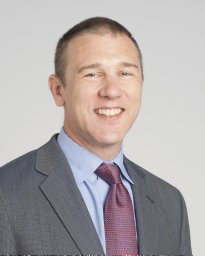 Paolo F. Caimi合作论文数Department of Medicine, Division of Hematology and Oncology, School of Medicine, Case Western Reserve University;Case Comprehensive Cancer Center, Case Western Reserve University;Department of Hematology and Medical Oncology, Cleveland Clinic33de Lima Marcos J合作论文数30
 Stanton L. Gerson合作论文数Case Comprehensive Cancer Center, Case Western Reserve University;School of Medicine, Case Western Reserve University25H M Lazarus合作论文数21
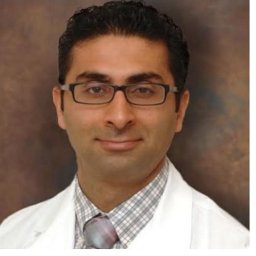 Ehsan Malek合作论文数University of Cincinnati College of Medicine, University of Cincinnati College of Medicine19Metheny Leland合作论文数17
 Mary J. Laughlin合作论文数Cleveland Cord Blood Center17
 Pingfu Fu合作论文数Department of Population and Quantitative Health Sciences, School of Medicine, Case Western Reserve University;Case Comprehensive Cancer Center, Case Western Reserve University15
 Merle Kolk合作论文数12
 William Basem M合作论文数University Hospitals Seidman Cancer Center, Case Western Reserve University11Benjamin K Tomlinson合作论文数10Otegbeye F合作论文数10tamila l kindwallkeller合作论文数8Rm Fox合作论文数7On Koc合作论文数7
 Michael Jacobs合作论文数Department of Pathology, School of Medicine, Case Western Reserve University;University Hospitals Cleveland Medical Center7
 Masumi Ueda合作论文数6
 Naveed Ali合作论文数Clin Res Div, Univ Washington6Ben K. Tomlinson合作论文数6
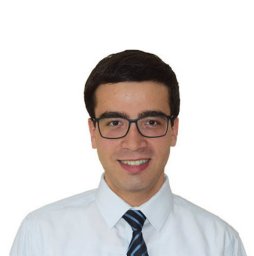 Fahrettin Covut合作论文数Cleveland Clin, Dept Med, Cleveland, OH 44195 USA6Campagnaro Erica合作论文数6
 Molly Gallogly合作论文数6
 Paul M. Barr合作论文数Wilmot Cancer Center, University of Rochester Medical Center6RM Fox合作论文数5Brister Lauren合作论文数5Fox Robert J合作论文数5Howard Meyerson合作论文数5Ta Stellato合作论文数4Najla El Jurdi合作论文数Department of Medicine, University of Minnesota4Gupta Vinita合作论文数4Fox R M合作论文数4Larry H. Danziger合作论文数4Lisa M. Arfons合作论文数4Rasim Gucalp合作论文数4Niculae Ciobanu合作论文数4PD Wadhwa合作论文数3Stan L. Gerson合作论文数3Bernadette McQuigg合作论文数3Kirsten M. Boughan合作论文数3Anant Vatsayan合作论文数Department of Pediatrics, University of Pennsylvania3
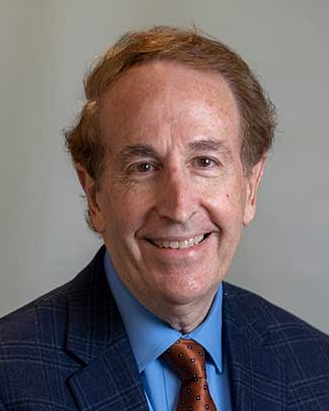 Thomas Spitzer合作论文数Mass General Cancer Center, Massachusetts General Hospital;Harvard Medical School3
 William Tse合作论文数3Jane A. Little合作论文数3T.L. Kindwall-Keller合作论文数3Teja Bedi合作论文数3Sabarish Ayyappan合作论文数2




