The ITER WAVS (visible and infrared Wide Angle Viewing System) provides measurements of surface temperature for the plasma facing components by infrared thermography. One of its most important roles of WAVS is to protect the plasma facing components from damage. It also takes images of the plasma visible spectral range emission. The WAVS diagnostic consists of 15 views distributed in four equatorial ports (3, 9, 12 and 17), and it will contribute to Machine protection, Basic control and Physics analysis. The final design of the WAVS system in the equatorial port 12 (EP12) includes three lines of sight (LoS) that have to installed for ITER first plasma.This paper is focussed on the final design for the opto-mechanical ex-vessel components in equatorial port 12 (EP12). The most important function of the ex-vessel optics is to relay the image produced by the Port Plug optics at the vacuum window, up to the detectors placed at the backend of the optical chain in the Port Cell, while keeping the required performance. The image relays through the Interspace, Bioshield and Port Cell covers around 10 m in length before reaching the cameras. The ex-vessel optics is arranged in several optical modules, assembled on the EP12 support structures, i.e. Interspace Support Structure (ISS) and Port Cell Support Structure (PCSS). A detailed description of the opto-mechanical design that supports the optical modules, including the alignment capabilities, will be presented in the paper. Moreover, the assembly and alignment strategies planned for the ex-vessel subsystems, taking into account all constraints imposed on the site, are also described in the paper.
Electromagnetic (EM) analyses are carried out when designing fusion reactor components to verify that they withstand the EM loads developed during transient plasma events, thus ensuring their proper functioning. A complete methodology has been developed to conduct EM analyses by creating algorithms to guide the analyst during the decisions and actions to be taken, from the selection of the case events and the calculation method to the validation of the final results. This methodology has been applied to the EM analyses of the exvessel components of the ITER diagnostic Wide-Angle Viewing System (WAVS) in its final design stage. The calculation method selected is the Spheres-Worst instant method, implemented with a 3D finite element model. The paper includes a verification analysis of the simplifications made and a method to optimize the resources needed for the EM analysis.
In the framework of fusion energy research based on magnetic confinement, stellarators allow numerous degrees of freedom for the design of the magnetic trap and plasma shape. Taking advantage of these features, some plasma shapes might benefit several of the many integrated elements involved in commercial fusion reactors, like, e.g., decreasing the number, mass and complexity of replaced activated in-vessel components (IVC) (i.e., by using liquids), extraction of large power, tritium generation, and remote maintenance. Certainly, free-surface liquid materials were proposed for tokamaks and field-reversed configuration (FRC) to try to improve some of such elements, i.e., in advanced power extraction (APEX) studies. Some reactor-relevant quasi-isodynamic (QI) magnetic configurations exhibit a relatively straight sector of plasma and high magnetic mirror. The combination of those elements and possibilities in a single stellarator reactor concept might have some advantages, in spite of the uncertainties due to the current low technological readiness level (TRL). The proposed and studied reactor concept is based on a vacuum vessel having short curved sectors and longer wide cylindrical sectors, which encloses a high-mirror low-vertical-excursion magnetic configuration, and swirling liquids or rotating cylinders, which centrifuge molten Li salts located at the low field region. Thus, the molten salts (if possible covered by a thin layer of liquid lithium) would be located on the internal perimeter of the cylinder, to act as particle exhaust (except for helium), neutron power extractor, and tritium breeder. The high-mirror feature tries to concentrate the neutron power at the cylindrical sectors, which might avoid using breeding materials at the curved sectors. The different elements of the concept are exploratorily studied and defined, and the difficulties assessed.
The ITER Visible/Infrared Wide Angle Viewing System (WAVS) is a machine protection optical diagnostic that is being developed for ITER. The first two ex-vessel components of WAVS are the Optical Hinge (OH) and Optical Relay Unit (ORU) and both share a common support structure. Equatorial Port 12 (EP12) WAVS should be operational for the first plasma and its facing its Final Design Review (FDR). It is being developed by the Consortium constituted by CEA, CIEMAT, INTA and Bertin Technologies through a Grant Agreement financed by F4E.To compensate vacuum vessel vertical displacements respect to the building during operation, an Optical Hinge (OH) will be placed at the beginning of the ex-vessel area for each Line of Sight (LoS). Each OH is formed by a pair of mirrors one of which is moveable using a piezoactuator. The OHs are attached to the common support which is, in turn, fixed to the Interspace Support Structure.To assure the optical performance, the common support structure has to withstand operational loads with low deviation and tilt. In addition, the structural integrity of the common structure has to be maintained in case of seismic or accidental loads as it is classified as a Safety Relevant component.This work exposes the analyses performed to face the FDR of ex-vessel WAVS in EP12. It comprises the structural analyses performed by CIEMAT for the OHORU common support structure to assure its integrity according to RCC-MR Code and the detailed model of one OH LoS to check also the diagnostic optical requirements.
We provide an overview of activities carried out at the TJ-II stellarator for improving our understanding of- and developing plasma physics models for particle density profiles in stellarators. Namely, we report on recent progress in turbulent particle transport simulation, validation of pellet deposition models, density profile shaping for performance control and new experimental techniques for edge turbulence and plasma-neutral interaction.
The Wide Angle Viewing System (WAVS) for ITER is a major diagnostic for machine protection, plasma control and physics analysis. The diagnostic will measure the surface temperature of the plasma facing components by infrared thermography being one of its main roles to protect them from damage. It will also image the plasma emission in the visible range. The full system is composed of 15 lines of sights located in four equatorial ports (3, 9, 12 and 17). As part of the ex-vessel optics, the first element of the optical chain is the Optical Hinge (OH). It is constituted by two folding mirrors which face the port plug exit optical beam. The mission of this component is to compensate the differential motion between the vacuum vessel and the building, during normal operation and baking. This function will be performed by means of a piezo actuator coupled to the OH upper mirror (and a set of reference switches) to drive the vertical displacement of the mirror in order to get the desired alignment position of the optical beam. The piezo actuator has been identified as the main critical item of the OH what has motivated the fabrication of an OH prototype (for one line of sight) aimed at performing a set of tests to validate the piezo actuator under operation conditions. The tests have consisted in the characterization of the piezo actuator behavior with the nominal load after being irradiated to 272.40 kGy of total accumulated gamma dose, which is the dose expected in ITER. Moreover, additional tests have been conducted to find out the influence of the cable length from the piezo actuator to the controller in the performance. A description of these tests and the results obtained will be presented in the paper.
The potential advantages of high-field stellarators are currently being recognised, as previously happened with tokamaks. However, the winding packs and the electrical insulation of the conductors in high-field stellarators require particularly high strength, and still keeping the dimensional accuracy and long-term positioning of the conductors in contorted coils. Radial plates in ITER, and stacked conductors with strong metallic jacket and internal insulation in FFHR heliotron have been validated and studied. However, radial plates for modular stellarators still require further studies and validation due the extreme accuracy required for the grooves in contorted plates, which increases with the number of turns per pancake. A third alternative is studied and experimented in this work. The concept implies casting a strong low-melting point metal in-between conductors, which are properly wound on a supporting structure. Thus, after solidification, the conductors (acting as inserts in a mould) and the metallic alloy act as a single solid structure. Essentially, the concept aims at relaxing the required accuracy in radial-plate grooves and to create a solid structure without spaces amongst conductors and without insulation external to the conductors. Therefore, a large number of conductors per winding pack may be created, which decreases certain stresses in the insulation and conductor. The drawbacks and difficulties found for this approach during the experiments with a scaled-down prototype are also presented and discussed.
The aim is to provide an assessment of radiation damage in coated films on refractive substrates that could be used as relevant information to protect the field lenses in optical diagnostics for ITER. Radiation-resistant optical materials with transparent properties should transfer light from plasma to detectors through the interspace until the port cell area where they are located (more than 10 m from the vacuum window). These optical coatings and substrates should have resilience enough to withstand neutron and gamma irradiation without significant degradation of their transmittance. Coated sapphire (Al2O3 windows), YAG with Broad Band Anti-Reflective (BBAR) and substrates of BaF2/CaF2 protected with anti-humidity coating (Parylene-C) were extensively tested. After testing, transmission measurements and analysis of optical surfaces yield significant discoveries. All substrates showed good refractive performance under gamma radiation. On the contrary, Parylene-C did not resist temperatures above 100 degrees Celsius as expected, according to manufacturing specifications. In addition, it was observed that with an energy dose of 332 kGy of gamma rays and a significantly lower temperature of 50 degrees Celsius, the Parylene-C protection is also damaged. Coated sapphire had the best overall performance with respect to the neutron irradiation tests. Nevertheless, the decrease in transmission observed in the YAG and BaF2 coated samples is not significant for the expected cumulative neutron dose that these samples will receive at their location within the diagnostic. This information was considered for the selection of the best candidates as refractive lenses and optical coatings for the Preliminary Design Review (PDR) of ex-vessel components that will integrate the Wide-Angle Viewing System (WAVS) for ITER Equatorial Port 12.
The ITER Visible and Infrared Wide Angle Viewing System (WAVS) is a diagnostic aiming to optically monitor the tokamak first wall and divertor for machine protection, plasma control and physics analysis. The Interspace Afocal Module (IAM) is a refractive optical system, being one of the WAVS components located in the Interspace area. In order to assure the optical performance, the IAM has to withstand all the relevant loads defined for the Final Design, including the electromagnetic (EM) loads developed in the Interspace area under EM events. Volumetric forces during transient EM events arise from the interaction of the background magnetic field with the eddy currents induced in the conductive components when they experience time-varying magnetic fields. In case of Category III and IV loads, including load combinations with certain Major Disruption and Vertical Displacement Event cases, the IAM integrity has to be ensured since its structure is classified as Safety Relevant. The EM volumetric loads are calculated through a 3D Finite element model and will serve as inputs for the later structural analysis. The paper summarizes the EM analysis of the IAM, performed by CIEMAT, to validate its Final Design.
The Interspace Afocal Module (IAM) is one integral component of the ITER Visible/Infrared Wide Angle Viewing System (WAVS), which is an optical diagnostic aimed at monitoring the ITER plasma facing components for machine protection. The diagnostic comprises 15 lines of sight (LoS), strategically distributed in the ITER Equatorial Ports (EP) 3, 9, 12 and 17. Design of WAVS in EP12 is critical, since it has to be fully operational for the first plasma of ITER; it is at its Preliminary stage, carried out by the Consortium constituted by CEA, CIEMAT and Bertin Technologies, within the Framework Partnership Agreement financed by F4E. The WAVS in EP12 comprises three LoS that pass through the IAM, consisting in a refractive optical system that relays the pupil forward and controls the beam diameter. It includes two doublets of lenses for each LoS, made of Shappire and Calcium Fluoride, with diameters up to 128 mm. The afocal sets (up to 1.9 m in length) are tightly held in place by the support structure of the IAM, which is directly attached to the Interspace Support Structure (ISS). The IAM structural requirements are highly demanding, given the optical performance that has to be assured under thermal and inertial loads in normal operation, including seismic SL1. In addition, it also has to withstand loads in Category III and IV, including higher seismic events SMHV and SL2, or accidental loads such as the loss of coolant or fire events, since the IAM structure is classified as ITER Safety Relevant, due to its attachment to the ISS. The paper summarizes the structural analyses performed by CIEMAT to validate the mechanical behaviour of the IAM Preliminary design in EP12, to guarantee both the structural integrity and the optical performance, in accordance with the RCC-MR Code.
The utilization of metal additively manufactured radial plates and conductors for high-field modular-stellarator coils is assessed, particularly, for resistive coils having turns of variable cross-section (additively manufactured aluminium or copper turns). This concept of radial plates might also be applicable to superconducting wire and resistive conductors of constant cross-section. Modular coils and their winding packs for (high-field) stellarators require high precision, durability under high internal Lorentz forces and thermal stresses, stiffness and strength, in rather contorted components. Radial plates have been utilized in tokamaks (i.e. ITER) and are proposed for tokamak and stellarator reactors (i.e. FFHR), particularly when the high Lorentz forces may compromise the mechanical integrity of the insulation and winding pack. Radial plates for tokamaks have been produced by milling steel plate, and welding different segments if the size requires it. However, the contorted shape of stellarator modular coils makes the manufacturing of radial plates more challenging. This suggests the possible use of additive manufacturing, which is particularly appropriate for short series of geometrically complex parts. In relation to those matters, this work investigates whether metal additive manufacturing of contorted radial plates and metallic conductor turns (windings, to be introduced in the radial plates) of variable cross-section and proper insulation, may be satisfactory for small or middle size high-field stellarators. The emphasis is placed on the accuracy, mechanical properties and cost of those parts. The feasibility, advantages and weakness of the additive manufacturing process and the assembling procedure are tested and studied. With the present commercial metal 3D printers, metal additively manufactured radial plates will require final milling to achieve enough accuracy. Coil casings appear feasible without final milling, and windings of variable cross-section, produced from brazing modified flexible copper wire, are promising.
TJ-II stellarator results on modelling and validation of plasma flow asymmetries due to on-surface potential variations, plasma fuelling physics, Alfvén eigenmodes (AEs) control and stability, the interplay between turbulence and neoclassical (NC) mechanisms and liquid metals are reported. Regarding the validation of the neoclassically predicted potential asymmetries, its impact on the radial electric field along the flux surface has been successfully validated against Doppler reflectometry measurements. Research on the physics and modelling of plasma core fuelling with pellets and tracer encapsulated solid pellet injection has shown that, although post-injection particle radial redistributions can be understood qualitatively from NC mechanisms, turbulence and fluctuations are strongly affected during the ablation process. Advanced analysis tools based on transfer entropy have shown that radial electric fields do not only affect the radial turbulence correlation length but are also capable of reducing the propagation of turbulence from the edge into the scrape-off layer. Direct experimental observation of long range correlated structures show that zonal flow structures are ubiquitous in the whole plasma cross-section in the TJ-II stellarator. Alfvénic activity control strategies using ECRH and ECCD as well as the relation between zonal structures and AEs are reported. Finally, the behaviour of liquid metals exposed to hot and cold plasmas in a capillary porous system container was investigated.
The utilization of composites layered on an additive manufactured substrate, for the production of coil supports for modular coils in small or middle size experimental stellarators is assessed. The focus of the study is a monolithic coil support comprising the coils of a half-period of a stellarator, somewhat similar to the ones in UST_2 and ARIES-CS stellarators. However, the concept may be applicable to quasi-monolithic coil supports (coil forms of NCSX type) or individual coil casings (W7-X type). Coil supports for stellarators require high precision, stiffness and strength for large contorted parts. Traditionally, monolithic coil supports are produced by steel casting/forging and final machining. This production method and material gives accurate, stiff and strong coil supports, but the method may be expensive for monolithic supports due to the geometrical complexity and required accuracy of the structure. In relation to those matters, this work investigates whether a monolithic coil support comprising an additive manufactured resin substrate, which is externally (outward from the coils) surrounded with a thick layer of fibre-reinforced resin, may achieve enough strength and stiffness under middle/high magnetic fields. Finite element calculations are produced to obtain the direction of the principal stresses and their values in compression and tension at different areas of the monolithic support, which is relevant for anisotropic materials. The feasibility of directional application of (carbon) fibres on the winding surface of the stellarator outward from the coils is experimentally tested on a scaled-down additively manufactured prototype of a monolithic support. The strength and stiffness of the composite structure appears sufficient for common magnetic fields in experimental stellarators, and the 3D-composite design and manufacturing was technically feasible.
Shutdown dose rate (SDDR) calculations have been performed to give support to the design of the Interspace (IS) VIS/IR WAVS diagnostic components of the Equatorial Port 12 (EP12), in the framework of the F4E-FPA-407 SG04 project. The Vis/IR WAVS comprises the viewing systems in four Equatorial Ports: 3, 9, 12 and 17, reminding that the present results are relative to the EP12 specifically. The Vis/IR WAVS is an optical diagnostic aimed at monitoring in visible and infrared radiation the ITER plasma facing components for machine protection. This paper describes the methodology used and shows the results obtained. The objective of the assessment is to evaluate whether the design meets the ALARA criteria in the IS area. In this work, once the materials have been selected to contribute as less as possible to the activation, the main criterion is that the contribution of all diagnostics installed in the port should not overcome the target of the biological dose rate of 100 mu Sv/h in the IS area after 106s of decay time. The main conclusion of the analysis is that the contribution of the VIS/IR WAVS IS components to the SDDR meets with the ALARA criterion in the IS. The contribution of the VIS/IR WAVS IS components to the SDDR in the IS, concerning the contribution of the whole ITER model, is about 9.6% in the left corridor and 5.5% in the right corridor. Besides, the percentage of contribution of the SS316L structure with respect to the total SDDR induced by the IS VIS/IR WAVS components is 99.3% in the left corridor and 99.5% in the right corridor. However, it has to be taken into account that these values have been obtained using a local model, therefore these values will be lower than the realistic values. Therefore, these values should be taken only as relative values.
We report an observation of new bottom baryons produced in p (cid:1) p collisions at the Tevatron. Using 1 : 1 fb (cid:2) 1 of data collected by the CDF II detector, we observe four (cid:2) 0 b (cid:1) (cid:3) resonances in the fully reconstructed decay mode (cid:2) 0 b ! (cid:2) (cid:4) c (cid:1) (cid:2) , where (cid:2) (cid:4) c ! pK (cid:2) (cid:1) (cid:4) . We interpret these states as the (cid:3) (cid:5)(cid:1)(cid:6)(cid:3) b baryons and measure the following masses: m (cid:3) (cid:4) b (cid:7) 5807 : 8 (cid:4) 2 : 0 (cid:2) 2 : 2 (cid:5) stat : (cid:6) (cid:3) 1 : 7 (cid:5) syst : (cid:6) MeV =c 2 , m (cid:3)
This study shows the development and performance assessment of a novel set-up that enables the research of structural materials for fusion reactors, by making possible simultaneous application of temperature (up to 450 degrees C) and magnetic field (close to 0.6 T) during irradiation experiments. These aspects become critical as structural materials in fusion reactors are exposed to intense radiation levels under the presence of strong magnetic fields. Moreover, material microstructure could be modified by radiation-induced propagating defects, which are thought to be sensitive to magnetic fields. The device has three main components: magnetic closure, sample holder with integrated heater, and radiation shield. It is provided with a thermal shield to prevent other elements of the device to heat up and fail. A mapping of the magnetic flux in the region where sample and heater are located has been modeled by finite elements simulation software and correlated with magnetic measurements.
The main results obtained in the TJ-II stellarator in the last two years are reported. The most important topics investigated have been modelling and validation of impurity transport, validation of gyrokinetic simulations, turbulence characterisation, effect of magnetic configuration on transport, fuelling with pellet injection, fast particles and liquid metal plasma facing components. As regards impurity transport research, a number of working lines exploring several recently discovered effects have been developed: the effect of tangential drifts on stellarator neoclassical transport, the impurity flux driven by electric fields tangent to magnetic surfaces and attempts of experimental validation with Doppler reflectometry of the variation of the radial electric field on the flux surface. Concerning gyrokinetic simulations, two validation activities have been performed, the comparison with measurements of zonal flow relaxation in pellet-induced fast transients and the comparison with experimental poloidal variation of fluctuations amplitude. The impact of radial electric fields on turbulence spreading in the edge and scrape-off layer has been also experimentally characterized using a 2D Langmuir probe array. Another remarkable piece of work has been the investigation of the radial propagation of small temperature perturbations using transfer entropy. Research on the physics and modelling of plasma core fuelling with pellet and tracer-encapsulated solid-pellet injection has produced also relevant results. Neutral beam injection driven Alfvénic activity and its possible control by electron cyclotron current drive has been examined as well in TJ-II. Finally, recent results on alternative plasma facing components based on liquid metals are also presented.
An efficient reduction of gaseous hydrogen isotope permeation through a metal wall is essential in several applications for the tritium inventory control of fusion energy devices. Tritium is also a safety and biological hazard and tritium losses by permeation through the materials is a critical point to be avoided to ensure safety in fusion energy. Ceramic coatings are candidates to reduce tritium permeation, into the breeder blankets of future devices, due to its low hydrogen permeation rate, excellent corrosion resistance and good mechanical properties. Furthermore, these functional materials of future fusion reactors are expected to be subjected to elevated temperature and high level of radiation fluxes and their impact on the tritium inventory has not been properly assessed mainly due to the lack of data available in the literature on this effect. Radiation induced changes in the composition and microstructure of the materials may alter tritium control in future devices. In this context, a new permeation facility "Radiation Induced Permeation" (RIPER) has been developed at CIEMAT in order to obtain relevant data on permeation of hydrogen isotopes in structural/functional materials under irradiation. This system allows one to differentiate and characterize gas concentration driven permeation, and permeation due to different parameters applied to the sample conditions like temperature, irradiation dose or electric field. The reliability of the system has been checked by means of permeation measurements for different materials in comparison with values found in literature and different measurements during irradiation have been performed. The experimental challenges of these types of measurements are reflected in this paper.
The main results obtained in the TJ-II stellarator in the last two years are reported. The most important topics investigated have been: modelling and validation of impurity transport, validation of gyrokinetic simulations, turbulence characterisation, effect of magnetic configuration on transport, fuelling with pellet injection, fast particles and liquid metal PFCs. It must be noted that work done on TJ-II is relevant for W7-X.
DELPHI results are presented on the inclusive production of the neutral mesons , f0(980), f2(1270), K 0 2 (1430) and f 0 2(1525) in hadronic Z 0 decays. They are based on about 2 million multihadronic events collected in 1994 and 1995, using the particle identi cation capabilities of the DELPHI Ring Imaging Cherenkov detectors and measured ionization losses in the Time Projection Chamber. The total production rates per hadronic Z decay have been determined to be: 1:19 0:10 for ; 0:164 0:021 for f0(980); 0:214 0:038 for f2(1270); 0:073 0:023 for K 0 2 (1430); and 0:012 0:006 for f 0 2(1525). The total production rates for all mesons and di erential cross-sections for the , f0(980) and f2(1270) are compared with the results of other LEP experiments and with models. (Accepted by Physics Letters B)
 Daniela Bortoletto合作论文数Department of Physics, University of Oxford490
 M. Feindt合作论文数487
 Dario Bisello合作论文数Department of Physics and Astronomy "Galileo Galilei", University of Padova484
 C. Bromberg合作论文数Michigan State University, USA483
 Morris Binkley合作论文数Collider Detector Facility Department, Fermi National Accelerator Laboratory480
 Arie Bodek合作论文数Department of Physics and Astronomy, School of Arts & Sciences, University of Rochester480
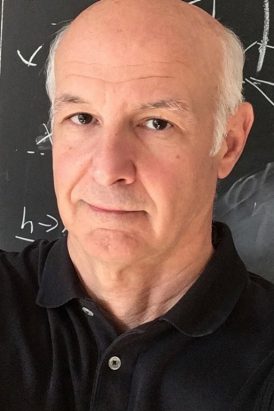 Dante Amidei合作论文数Department of Physics, College of Literature, Science, and the Arts, University of Michigan478A. Artikov合作论文数476
 Giorgio Apollinari合作论文数Fermi National Accelerator Laboratory475
 Giorgio Chiarelli合作论文数Istituto Nazionale di Fisica Nucleare473
 Julian Budagov合作论文数Joint Institute for Nuclear Research471
 Joseph Boudreau合作论文数Department of Physics and Astronomy, University of Pittsburgh469A. Cerri合作论文数A.G. Clark467
 Bill Ashmanskas合作论文数Department of Physics & Astronomy, College of Arts & Sciences, University of Pennsylvania463Guram Chlachidze合作论文数463I. Gorelov合作论文数462B. Blumenfeld合作论文数461K. Goulianos合作论文数460Franco Bedeschi合作论文数Istituto Nazionale di Fisica Nucleare Sezione di Pisa459C. Ciobanu合作论文数459M. A. Ciocci合作论文数459
 Fabio Happacher合作论文数Istituto Nazionale di Fisica Nucleare459
 Anwar Bhatti合作论文数Department of Physics, College of Computer, Mathematical, & Natural Sciences, University of Maryland459C. Blocker合作论文数458
 Steven Errede合作论文数Department of Physics, The Grainger College of Engineering, University of Illinois Urbana-Champaign458
 Andrey Korytov合作论文数Institute for High Energy Physics and Astrophysics, Department of Physics, College of Liberal Arts and Sciences, University of Florida;European Center for Nuclear Research;Fermilab457
 Satyajit Behari合作论文数Univar Solutions456
 Melissa Franklin合作论文数Department of Physics, Harvard University455
 Bruce Barnett合作论文数William H. Miller III Department of Physics and Astronomy, Krieger School of Arts and Sciences, Johns Hopkins University455
 Pawel De Barbaro合作论文数Department of Physics and Astronomy, School of Arts and Sciences, University of Rochester;CERN455E. Brubaker合作论文数454
 Tommaso Dorigo合作论文数Italian Institute for Nuclear Physics;University of Padova454
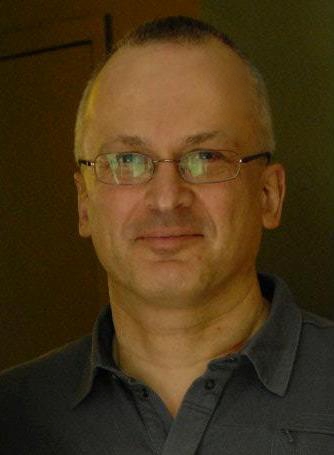 Luc Demortier合作论文数Laboratory of Experimental High Energy Physics, The Rockefeller University453
 Gerry Bauer合作论文数Massachusetts Institute of Technology452
 Ray Culbertson合作论文数Fermi National Accelerator Laboratory451C. Grosso-Pilcher合作论文数451Andrea Bocci合作论文数CERN451P. Giannetti合作论文数INFN Sezione di Pisa449
 Joey W Huston合作论文数Department of Physics & Astronomy, College of Natural Science, Michigan State University449
 Javier Cuevas Maestro合作论文数Universidad de Oviedo;European Organization for Nuclear Research448
 Doug Glenzinski合作论文数Fermi National Accelerator Laboratory446G. Latino合作论文数INFN Sezione di Firenze, Università di Firenze445William David Dagenhart合作论文数Fermilab445James Bellinger合作论文数Department of Physics, University of Wisconsin–Madison444J. Antos合作论文数443
 Matthew Herndon合作论文数Department of Physics, University of Wisconsin–Madison443Alvin Laasanen合作论文数Purdue University443
 Ben Kilminster合作论文数Physik-Institut, University of Zurich443
 Patrick Lukens合作论文数Particle Physics Division, Fermi National Accelerator Laboratory443




