Background: Human Papillomavirus (HPV) infection is a major public health concern and a well-established cause of cervical cancer and other anogenital and oropharyngeal malignancies. Despite the availability of effective HPV vaccines, awareness and uptake remain suboptimal in many parts of India. Limited data are available regarding HPV-related knowledge among the general population in Himachal Pradesh. Objectives: To assess the level of knowledge regarding HPV infection and HPV vaccination among adults in Himachal Pradesh and to examine the association between socio-demographic characteristics and knowledge levels. Methods: A community-based cross-sectional study was conducted from October to December 2025 using a Google Form-based online survey. Adults aged 18 years and above residing in Himachal Pradesh were recruited through convenience sampling. A structured, self-administered questionnaire assessed socio-demographic characteristics and knowledge related to HPV infection and HPV vaccination. Knowledge scores ranged from 0 to 20 and were categorized as poor (<= 6), moderate (7-13), or good (>= 14). Data were analyzed using Epi Info version 7, and associations were tested using the chi-square test with a significance level set at p < 0.05. Results: A total of 800 participants were included in the analysis. Overall awareness of HPV was reported by 40.8% of participants. Knowledge regarding HPV transmission, associated cancers, and vaccination was generally low, with correct responses ranging from 17.6% to 44.8% across individual items. More than two-thirds of participants (68.1%) demonstrated poor knowledge, while only 17.4% had good knowledge. A statistically significant association was observed between age and knowledge level (chi & sup2; = 20.58, p = 0.002), with younger participants showing better knowledge. No significant association was found between gender and knowledge level (p = 0.999). Conclusion: The study reveals considerable gaps in knowledge regarding HPV and HPV vaccination among adults in Himachal Pradesh. These findings highlight the urgent need for targeted awareness campaigns, strengthened health education initiatives, and improved dissemination of information to enhance HPV prevention efforts in the region
Background: Communicable disease outbreaks remain a significant public health concern in hilly regions such as Himachal Pradesh, where environmental and seasonal factors influence transmission. This study aimed to analyse outbreak patterns over a five-year period (2021-2025) to understand their temporal, spatial and disease-specific distribution. Methods: A retrospective descriptive study was conducted using secondary data from the Integrated Disease Surveillance Programme (IDSP) for January 2021 to December 2025. Data on district, disease/illness, number of cases, deaths and time of occurrence were analysed. Descriptive epidemiological methods were applied to assess distribution by time, place and disease. Seasonal trends were evaluated by grouping months into four categories. Frequencies, proportions and percentage contributions were calculated. Results: A total of 34 outbreaks were reported, comprising 3,937 cases and 2 deaths. The highest number of outbreaks occurred in 2024 (17, 50.0%), accounting for the majority of cases (2,964) and all deaths. Acute diarrheal disease was the most common outbreak (18 outbreaks; 2,796 cases, 71.0%), followed by Hepatitis A (8 outbreaks; 702 cases, 17.8%). Dengue contributed 9.6% of cases, while HFMD and jaundice were minimal. Hamirpur (22.0%), Solan (20.6%) and Mandi (20.4%) together contributed over 60% of total cases. Most outbreaks occurred during monsoon (15 outbreaks; 1,478 cases) and post-monsoon periods (6 outbreaks; 1,208 cases), with peaks in November, October and June. Conclusion: Outbreaks were predominantly waterborne with clear seasonal clustering and geographic variation. Strengthening surveillance and targeted preventive measures are essential to reduce outbreak burden.
The conductivity and structural properties of poly(ethyl methacrylate) (PEMA)-based plasticized electrolytes are modified by adding carbon nanotubes (CNT) as nanoparticle. The PEMA + KI (40% wt) and EC (60% wt) have maximum conductivity of 4.65x10(-5) S/cm using solution casting technique. CNT is dissolved into this maximum conducting sample. On addition of 9% wt of CNT, we obtained maximum ionic conductivity of 3.5x10(-4) S/cm. The morphology of the conductive sample is investigated using SEM technique, amorphicity is studied by FTIR technique, and a comparison of crystalline structure between maximum conducting samples of PEMA + KI + EC and PEMA + KI + EC + CNT is done by XRD technique to identify polymer composite's amorphous nature. DSSC is prepared using doctor blade method using maximum conducting sample, and it is observed that energy conversion efficiency is 2.27% at 1 sun condition with open circuit voltage of 0.6887 V, short circuit current density 3.88 A/cm(2), and fill factor 81.11%.
The detail study of structural and ionic conductivity characterization of Poly (ethyl methacrylate) (PEMA) based polymer composite electrolyte were modified by the incorporation of Cadmium sulphide (CdS) nanomaterial. PEMA in addition with 40 % wt. potassium iodide (KI) and ethylene carbonate (EC) having 60 % wt., has the highest ionic conductivity of 4.65 x 10⁻⁵ S/cm when employed the solution casting technique. Cadmium Sulphide (CdS) was incorporated with PEMA + KI 40 % wt. + EC 60 % wt. sample to get maximum conductivity sample. The highest ionic conductivity 2.65x10- 3S/cm, was attained at 7 % weight percentage of Cadmium sulphide (CdS). The conductive sample's morphology was examined using SEM, its amorphicity and crystalline structure was investigated using Fourier transform infrared (FTIR) technique, and FTIR 'wavenumbers of the maximum conductive sample of PEMA polymer + KI salt + EC plastizer and PEMA polymer + KI salt + EC plastizer + CdS nanoparticles were compared. X-ray diffraction (XRD) was used to identify the amorphous nature of the maximum conductive sample of polymer composite electrolyte. Differential scanning calorimetry (DSC) analysis was used to find out the glass transition (Tg) temperature of maximum conducting sample of polymer composite. The doctor blade method was employed to develop the dye sensitized solar cell (DSSC), and it had been observed that, under one sunlight situation, the energy conversion efficiency was 2.09 %, having parameters fill factor was 79.77 %.
A 90 nm NMOS MOSFET model is simulated using Silvaco Visual T-CAD simulator. The materials used to simulate NMOS MOSFET are Al, Si, NpolySi, and SiO2. To overcome the problem of short circuits, lightly-doped drain (LDD) implantation is applied in NMOS model. The analysis of the model is determined with T-CAD simulator and obtained threshold voltage (V th) 2.568 V, while keeping oxide thickness (T ox) 2.373 nm and gate length 0.09 mu m. The obtained result is compared with standard ITRS road map and gets almost similar results.
Background: Smartphones have become indispensable to modern medical students, offering academic support but also fostering excessive use and psychological dependence, including nomophobia. Understanding these patterns is essential for safeguarding students' well-being. This study assessed smartphone usage behaviours, health effects and nomophobia among MBBS students at IGMC Shimla. Methods: A descriptive cross-sectional study was conducted among 406 MBBS students using a structured, self-administered Google Form. The questionnaire captured sociodemographic data, smartphone ownership and usage patterns, behavioural practices, sleep and health effects and nomophobia using selected core items of the validated NMP-Q. Descriptive statistics were applied for analysis. Results: Participants were mainly aged 20-22 years (52.8%) with slightly more females (52.2%) and most belonged to urban areas (58.1%). Nearly all owned smartphones (99.3%), primarily Android devices (75.4%) and had used them for an average of 5.84 +/- 1.92 years. Daily screen-time exceeded four hours for 70.2% of students and 89.9% had constant internet access. Social media (89.7%), entertainment (81.5%), academics (73.4%) and communication (68%) were the most common uses. Behavioural dependence was notable: 86% used phones before sleep, 81.5% after waking, 78.1% in the toilet, 71.2% during lectures and 23.2% woke at night to check phones. Sleep delay (64.8%), sleep disturbances (55.4%), headaches/eyestrain (50.7%) and daytime sleepiness (40.1%) were frequently reported. Social media apps were most used (90.4%). Item-wise NMP-Q scores showed high reliance on convenience and information access. Overall, moderate nomophobia affected 70.7% of students, while 19% had severe nomophobia. Conclusion: Medical students showed extensive smartphone use, strong behavioural attachment, significant sleep disturbances and high levels of nomophobia, highlighting the need for targeted digital wellness interventions.
Background: Menstrual health is a critical but often neglected component of adolescent well-being. Despite increasing attention in India, knowledge gaps, unsafe practices, socio-cultural restrictions, and inequities persist. Evidence from Himachal Pradesh is limited, despite its high literacy rates and strong cultural traditions. This study aimed to assess menstrual knowledge, hygiene practices, socio-cultural restrictions, and health-seeking behavior among school-going adolescent girls in Shimla district, and to examine their associations with socio-demographic variables. Methods: A school-based cross-sectional survey was conducted by Department of Community Medicine, Indira Gandhi Medical College, Shimla, Himachal Pardesh among 5,433 adolescent girls enrolled in government secondary and senior secondary schools in Shimla. Data were collected using a structured, pretested questionnaire administered via Google Forms, circulated to school principals by the Department of Education. Domains included socio-demographic profile, knowledge and awareness, hygiene practices, socio-cultural restrictions, and health-seeking behavior. Data were analyzed using descriptive statistics and chi-square tests to assess associations, with p<0.05 considered statistically significant. Results: Most girls (92.1%) had heard about menstruation before menarche, primarily from mothers (84.8%), but misconceptions persisted regarding the source of menstrual blood (uterus: 43.9%; bladder: 43.4%). Sanitary pad use was near-universal (94.3%), yet safe disposal practices varied, and 2.5% reported unsafe disposal (flushing/open). Socio-cultural restrictions were widespread, with 83.4% restricted from temples and 46.8% made to stay separately during menstruation. Health-seeking behavior was relatively high (81.3% consulted someone), but only half (50.6%) recognized all warning signs requiring medical attention. Across domains, better outcomes were consistently associated with older age, higher class, parental education, and family income (p<0.001 in most cases), while family type showed no significant effect. Conclusion: Although menstrual hygiene adoption was encouraging, significant knowledge deficits, unsafe disposal practices, entrenched cultural restrictions, and incomplete recognition of menstrual morbidities remain. Socio-economic and educational disparities strongly shape menstrual experiences. Targeted interventions-strengthening school-based education, engaging parents and communities, improving waste management, and promoting adolescent-friendly health services-are urgently needed. Addressing both informational and cultural dimensions of menstruation will advance adolescent health, gender equity, and dignity.
Background: Medical students often face high academic stress, irregular schedules and lifestyle disruptions that predispose them to unhealthy behaviors. These include poor dietary patterns, inadequate physical activity, sleep deprivation and increased screen time, which can contribute to long-term non-communicable diseases (NCDs). Despite their importance as the future healthcare workforce, limited evidence exists on the comprehensive health and lifestyle profile of medical students in Himachal Pradesh, India. Methods: A descriptive cross-sectional online survey was conducted in 2024 among MBBS students from all six government medical colleges in Himachal Pradesh. Data were collected through a structured, pre-tested Google Form disseminated via social media platforms. The questionnaire assessed sociodemographic profile, dietary habits, physical activity, lifestyle behaviors, health status, family history, mental health, academic and social patterns and clustering of risk factors. Descriptive statistics were applied and results were expressed as frequencies and percentages. Results: Of the 999 students, 44.1% were aged 19-20 years and 56.7% were female. Normal BMI was observed in 73.4%, while 11.2% were overweight and 1.1% obese. Non-vegetarian or mixed diet was reported by 57.7%, with frequent junk food intake in 33.1%. Regular exercise was practiced by 61.3%, though 29.6% exercised rarely or never. Smoking and alcohol use at admission were 6.7% and 7.8%, respectively but increased to 11.3 and 19.7% currently. Sleep deprivation (<6 hours) was noted in 18.2%, while 53.8% reported screen/mobile use exceeding 5 hours daily. Self-reported stress was prevalent (33.3% moderate, 14.9% severe) and 34.4% reported fair or poor sleep quality. Academic burnout was identified in 34.4% of students. Importantly, clustering of multiple lifestyle risks was observed, with 19.4% reporting three and 11.3% reporting four or more risk factors. Conclusion: This study highlights concerning levels of unhealthy dietary habits, sedentary lifestyle, substance use, high stress and risk factor clustering among medical students in Himachal Pradesh. The findings underscore the urgent need for structured wellness programs, mental health support and lifestyle interventions within medical institutions to promote long-term health and professional sustainability of future doctors.
Background Infection of hepatitis B virus (HBV) and/ or hepatitis C virus (HCV) is a global public health concern. We aimed to estimate the prevalence of viral hepatitis B and C in the Buddhist tribal area of Kaza health block in Lahaul and Spiti district in Himachal Pradesh, India, and to identify the determinants. Methods The study was conducted by the departments of Gastroenterology, Community Medicine and Microbiology, Indira Gandhi Medical College, Shimla between June 2015 and October 2017. Using a two-stage sampling method, 4231 participants in 40 clusters were enrolled. For each subject, a pre-tested interview schedule was administered, and blood was tested for hepatitis B surface antigen (HBsAg) and antibodies to HCV (anti-HCV). Those samples which tested positive for HBsAg were further tested for hepatitis B core antigen (HBeAg) and antibody to HBeAg (anti-HBe). Results Among the 4231 participants, HBsAg and anti-HCV were detected in 961 (22.7%) and 33 (0.9%), respectively, including 6 (0.1%) who tested positive for both. HBsAg positivity was not associated with religion (p=0.07), caste (p=0.16), level of education (p=0.58) or marital status (p=0.73). Of all the participants, 588 (13.9%) reported a history of HBV vaccination. Of those who were HBsAg positive (961), 21.6% were positive for HBeAg and 58.3% were positive for anti-HBe. Conclusion The prevalence of HBV infection in the Kaza health block was high, and no specific associations were identified. Interventions such as public health education and universal childhood immunization at birth may help reduce the high rate of transmission of HBV in this population.
Background: Soul of India lives in its villages with >65% population living in rural settings. Saturation of all services especially Health services is at core of “leave no one behind” in line with principle of ‘Antyodaya’ reaching out at all. To build momentum with Pradhan Mantri Jan Arogya Yojana Ayushman Health Camps were organised by IGMC Shimla at secondary level facilities under flagship campaign Ayushman Bhavah Objective: Evaluation of health care services delivered by IGMC Shimla in Ayushmann Health Melas at secondary level facilities of 03 districts of Himachal Pradesh. Methodology: Ayushman Melas organised by IGMC Shimla at secondary level facilities from September 2023 to December 2023 in 03 districts Shimla (25); Solan (12) and Bilaspur (13) for providing clinical services to beneficiaries. Real time portal based reporting and analysis of same alongwith specialitywise footfallbifurcation is core. Results: As per Real time-based portal report analysis a footfall of 10379 registered out of which 9055 (87.24%) availed specialists services and 1324(12.74%) general physician services. A net of 2672 (29.5%) beneficiaries availed internal medicine specialist services, 458 (5.05%) surgical, 1619 (17.87%) orthopaedics, 772 (8.52%) obstetrics and gynaecology, 1460 (16.12%) Opthalmology, 698 (7.7%) Otorhinolaryngology, 152 (1.67%) psychiatry, 493 (5.44%) dermatology and 731 (8.07%) paediatric services respectively. 1012(9.75%) new diagnosed Hypertensives and 945 (9.10%) new diagnosed Diabetics, 1492 14.37%) beneficiaries screened for Oral Cancers, 804 (7.75%) for breast cancers and 468 (4.5%) for cervical Cancers. 299 (2.88%) new diagnosed cataract cases. 10379 beneficiaries were tested for 11102 tests (106.96%). Conclusion: Comprehensive health care service delivery by camps to unreachable for screening, diagnosis, one stop multi-speciality consultancy, referral and digitalisation of health vitals.
Background: Global population is experiencing a rapid increase in the proportion of older adults, posing unique challenges to healthcare systems. Objective: To conduct a comprehensive geriatric assessment in Shimla, a hilly city in Northern India Methodology: A total of 408 participants aged 60 years and above were included in the study. Data were collected through structured interviews using a specifically designed questionnaire covering wide range of topics including socio-demographic characteristics, medical history, functional assessment, cognitive function assessment, psychosocial assessment, nutritional assessment, physical examination, fall risk assessment, and polypharmacy assessment. Results: The study involved 408 participants, with an average age of 70 years, comprising 53% males and 47% females. Functional assessment indicated theneed for assistance in various activities of daily living (ADLs) (16-32%) and instrumental activities of daily living (IADLs) (28-42%) Cognitive function assessment using the Mini-Mental State Examination (MMSE) and the Montreal Cognitive Assessment (MoCA) revealed cognitive impairment in 32% and 42%, respectively. The Clock Drawing Test indicated difficulties in time representation and spatial organization in 28%. Psychosocial assessment highlighted the prevalence of symptoms of depression in 36% and f anxiety in 27%. Nutritional assessment revealed that 29% were malnourished, and 34% were at high risk of malnutrition according to the Malnutrition Universal Screening Tool (MUST). Musculoskeletal disorders were found in 42%, while sensory impairments were observed in 28%. The fall risk assessment using the Timed Up and Go (TUG) test and the Berg Balance Scale indicated an increased risk of falls in 36% and 41%, respectively. Polypharmacy assessment highlighted that 82 were taking multiple medications concurrently. Conclusion: The findings emphasize the importance of addressing the specific challenges faced by older adults in such geographical contexts. The results can guide the development of effective healthcare interventions and policies that are tailored to the unique needs of older adults in hilly areas.
Background: The elderly population is vulnerable to a range of physical, cognitive, psychosocial, and nutritional issues, compounded by the difficult terrain and limited healthcare infrastructure. This study aims to provide a comprehensive assessment of the health status of older adults in Shimla using the Comprehensive Geriatric Assessment (CGA) to better understand their multifaceted health needs and identify areas for targeted intervention. Material & Methods: A community-based cross-sectional study was conducted between January and June 2023 in Shimla, including 408 participants aged 60 years and above, selected through stratified random sampling. Data were collected using a semi-structured questionnaire assessing socio-demographic characteristics, medical history, functional abilities, cognitive function, psychosocial well-being, nutritional status, and polypharmacy. Standardized tools such as the Mini-Mental State Examination (MMSE), Geriatric Depression Scale (GDS), Mini Nutritional Assessment (MNA), and fall risk assessments were employed. Data were analyzed using Microsoft Excel and Epi Info version 7.2. Results: The study revealed a high prevalence of chronic conditions, including hypertension (26%), arthritis (38%), and diabetes (20%). Most participants were independent in basic Activities of Daily Living (ADLs), but a notable proportion required assistance with Instrumental Activities of Daily Living (IADLs), particularly managing finances (47%) and meal preparation (42%). Cognitive decline was detected in 9% of participants, and significant levels of depression (31%) and anxiety (28%) were reported. Nutritional assessments showed that 17% were at risk of malnutrition, and 22% experienced unintentional weight loss. Fall risks were substantial, with 39-42% of participants at low to moderate risk and 11% at high risk. Polypharmacy was common, with 95% of participants using multiple medications, and 33% reported missed doses or poor medication adherence. Conclusion: This study highlights the pressing health challenges faced by older adults in Shimla, emphasizing the need for integrated, community-based healthcare interventions. The high prevalence of chronic diseases, cognitive impairment, psychosocial distress, malnutrition, and fall risks calls for a multidisciplinary approach to care that addresses the physical, cognitive, and psychosocial needs of the elderly
Background: Women in Himachal Pradesh encounter various restrictions impacting their reproductive health practices, including menstrual hygiene, breastfeeding, and complementary feeding. This qualitative survey aimed to explore these practices, beliefs, and challenges to inform targeted interventions. Methods: A qualitative survey was conducted from March 2021 to August 2022 across 20 selected blocks in 11 districts of Himachal Pradesh. Focus group discussions (FGDs) included a diverse range of participants, such as women of reproductive age, lactating mothers, Anganwadi workers, ASHAs, and other stakeholders. Thematic analysis identified common themes and patterns related to menstrual hygiene, breastfeeding, and complementary feeding. Results: Thematic analysis revealed key findings in each area. Menstrual hygiene practices included the continued use of cloth instead of sanitary pads, improper disposal of menstrual products, and prevalent social and religious taboos and myths. Despite awareness of breastfeeding benefits, misconceptions about alternative feeding methods persisted. Complementary feeding practices were generally well understood, but certain communities held beliefs against non-vegetarian foods and relied on commercially prepared products. Conclusion: The study underscores the need to address cultural beliefs, provide accurate information, and promote evidence-based practices to enhance reproductive health in Himachal Pradesh. Targeted interventions, education programs, and community-based awareness campaigns are essential to dispel myths, promote positive practices, and empower women to make informed decisions.
Background: Hepatitis B and C virus infection is an issue for public health worldwide. We conducted this study to assess the Knowledge about HBV infection and its association with HBsAg positivity among residents of Kaza sub- division of district Lahaul & Spiti in Himachal Pradesh. Material & Methods: From June 2015 to October 2017, the study was carried out at Kaza, a division of Lahaul & Spiti, by the department of gastroenterology, community medicine, and microbiology of Indira Gandhi Medical College Shimla. By using the cluster sampling technique, the target sample size of 4000 was attained. 40 Clusters were chosen using probability proportionate to size sampling, and 100 research participants were added to each Cluster. For data collection, a pretested interview plan was used. Five millilitres of blood were drawn from each study participant and tested for HBsAg. Results: Around 53% participants had not heard about the disease. Breast feeding as a mode of transmission was known among 18.8% of population. Traditional medicine was thought to be the cure of Hepatitis B in 13.9% population. Around one fourth of the population knew that there is no effective treatment for hepatitis B (25.2%) and there is a vaccine to prevent the same (25.7%). Around one third of the study population (32.6%) who have heard about Hepatitis B infection were tested to be positive for the same as compared to 34.1% among those who have had no knowledge about it. (OR: 0.93; 95%CI:0.80-1.09; p: 0.41). There was 50% less risk of HBsAg positive among vaccinated as compared to those who were not (p<0.001) Receiving information about HBV infection from more than one source (print media, health service providers and entertainment media) had 80% less risk of HBV infection as compared to those who have never heard of the infection (OR: 0.20; 95% CI: 0.07-0.61; p:0.01). Immunization against HBV was a significant independent protective factor against the infection as compared to non immunized (OR: 0.52; 95% CI: 0.40-0.68; p<0.001). Conclusion: Present study concluded that knowledge of source of infection, and immunization against HBV emerged as independent factors associated with HBsAg positive test after adjusting for confounders.
Background: Alzheimer’s disease is the most common type of dementia which is a progressive disease beginning with mild memory loss and possibly leading to loss of the ability to carry on a conversation and respond to the environment. Currently more than 55 million people have dementia worldwide, over 60% of whom live in low-and middle-income countries. Objectives: This study aims to assess the level of knowledge regarding Alzheimer’s Disease among healthcare workers in Shimla District. Methodology: It was a cross-sectional study conducted from September to October 2023 in Shimla region. The participants were invited openly through social media platform (e.g. WhatsApp, Facebook, Instagram) by sending Google form links, we obtained total of 400 responses. Responses were then recorded in a Google Excel spreadsheet, the information from which was used to generate graphical display. Statistical analysis was done by using Epi Info 7. Results: Around 52% of healthcare workers had good knowledge regarding the disease and around 25% had very good knowledge regarding the same. Most of the participants belonged to the age group of 18-30 years and results were found to be statistically significant in this case. Education played an important role and was found to be statistically significant. Conclusion: Awareness among healthcare workers is important as they can screen the patients early, educate them, and refer them when needed. Medical management can improve the quality of life for individuals and for their caregivers.
Background/Aims: The prevalence of hepatitis B is higher in tribal populations, compared to non-tribal populations in India. Therefore, this study aimed to investigate the risk factors, virological and biochemical profle of patients with hepatitis B in a tribal population. Methods: This study analyzed data collected from a communitybased project conducted in Spiti, Himachal Pradesh, from July 2015 to 2017. The study included adults and children inhabiting 40 cluster villages out of 82 villages in the subdivision. The blood samples were collected for liver panel, hepatitis B surface antigen (HBsAg), hepatitis Be antigen (HBeAg), Anti-HBe antibody (anti-HBe Ab) and Hepatitis B virus DNA (HBV-DNA). Results: HBsAg was positive in 23.08% of the population (968/4201), with a prevalence of 13.51% in children under 5 years of age. HBeAg positivity was seen in 22.4% of the participants, while anti-HBe Ab positivity was seen in 59.03% of the participants. HBeAg positive infection, HBeAg positive hepatitis, HBeAg negative hepatitis and HBeAg negative infection were seen in 18.06%, 1.98%, 6.17% and 74.01% of the participants, respectively. HBeAg positivity was highest in 2nd decade (40.83% vs 22% overall). Patients with HBeAg positivity exhibited higher levels of HBV DNA [1960 (IQR: 0-108) IU/ml vs 97.2 (IQR: 0-2090) IU/ml, P < 0.001] and alanine transaminase (ALT) [22.5 (IQR: 16-33) U/L vs 19 (IQR: 14-26) U/L, P = 0.003] levels compared to HBeAg negative patients. Conclusion: This study shows a high prevalence of hepatitis B in tribal population, particularly among children under 5 years of age. ( J CLIN EXP HEPATOL 2024;14:101336)
Introduction Hepatitis C virus (HCV) infection is a major cause of liver disease worldwide. There is no data on sociodemographic profile, risk factors, genotype, and response to therapy of HCV infection from Himachal Pradesh. Methods In this single-center study, we retrospectively analyzed data from HCV-infected patients treated with new oral direct-acting antiviral drugs from September 2019 to March 2022. Data on the sociodemographic profile of HCV-infected patients, along with risk factors for its transmission, HCV genotype, and response to therapy, was analyzed. Results A total of 189 patients were included, with a mean age of 30.9 ± 13.8 years. Most were males and were students. Predominant risk factor for HCV transmission was intravenous drug use (61.4%), tattooing (11.7%), and hemodialysis (11.1%). A majority of the patients were students (72%). The predominant genotype was GT 3. Most (95.2%) patients were without cirrhosis, so sofosbuvir plus daclatasvir for 12 weeks was the most common regimen used. Sustained virological response was achieved in 94.7% of patients. Conclusion This study, alarmingly, shows that intravenous drug users and tattooing are important risk factors for HCV infection in Himachal Pradesh. Further, students were the most frequently infected group.
The key goals in developing electrolytes for batteries and solar panels are mechanical strength, ionic conductivity, leakage resistance, and safety. To improve ionic conductivity and mechanical strength, a PEMA-based electrolyte with potassium iodide as salt, ethylene carbonate as plasticizer, and nanofillers is used. To make a thin polymer matrix film, a solution casting approach is used. PEMA+40% wt. KI+60% wt. EC has a maximum ionic conductivity of 4.65x10(-5) S cm(-1) when measured using the LC method. After adding CNT, the conductivity of this sample reaches 2.95x10(-3) S cm(-1). Scanning electron microscopy is used to analyze the surface morphology and crystallinity determined by XRD measurements. FTIR research verifies the existence of several components in solid polymer electrolyte.
This study investigates the possibilities of a sensible indoor horticulture system that blends horticulture activities and hence IoT technology in order to solve critical social crises and the discovery of a today's society. The advantages of gardening are stressed in order to raise living conditions. Personal horticulture is confined for a variety of reasons, which include a shortage of horticulture and living arrangements housing systems. As a result, indoor horticulture has attracted attention, yet it remains a difficulty. Prior literature and techniques have proven that IoT technology may be used in a variety of situations and could perhaps provide a solution to those horticulture issues. To solve the issues, this research suggests a feasible and reasonable indoor horticulture system.
To resolve the challenges that portable devices confront, polymer electrolytes should be developed. Polymer electrolytes have a number of advantages, including nonflammability, low cost, high stability, no leakage, and a long lifespan. In the present research work, PEMA host polymer with potassium iodide salt enclosure is used with ethylene carbonate (EC) plasticizer to enhance mechanical strength and ionic conductivity. The PEMA+40% wt Kl sample conductivity is measured by complex impedance spectroscopy technique and the maximum conductivity obtained is 3.80x10(-6) S cm(-1) at room temperature. When EC is added into the solution, there is an increase in conductivity, and the maximum conductivity measured is 4.65x10(-5) S cm(-1) with sample PEMA+40% wt KI+ %60 wt EC. The prepared electrolyte structural changes and complex formation are subjected to FTIR and XRD characterization techniques. The pore nature of the synthesized polymer electrolyte is investigated using surface electron microscopy.
 Anmol Gupta合作论文数Department of Community Medicine, Indira Gandhi Medical College16
 Pramod Singh合作论文数13
 Palvinder Singh合作论文数10
 Cherry Bhargava合作论文数Institute of Laboratory Medicine, Clinical Chemistry and Pathobiochemistry, Charité-Universitätsmedizin Berlin10Brij Sharma合作论文数8Neetu Sharma合作论文数6
 Vishal Bodh合作论文数5Pardeep Kumar Sharma合作论文数4
 Rakesh Bahl合作论文数4
 Vijay K. Barwal合作论文数Indira Gandhi Medical College, Indira Gandhi Medical College4
 Devender Kumar合作论文数4
 Bhattacharya Bhaskar合作论文数School of Basic Sciences and Research, Sharda University4
 Rajesh Sharma合作论文数4
 Shaina Chamotra合作论文数3Dikshant Sharma合作论文数3Deepesh Barall合作论文数3K. Narayanasamy合作论文数3Raghunath Misra合作论文数3Jyotsna Naik合作论文数3Ankita Panigrahy合作论文数3Jai Prakash Pankaj合作论文数3Sashi Bhusan Biswal合作论文数3Kusum Lata Gaur合作论文数3Dharmesh Kumar Sharma合作论文数3Oshima Sachin合作论文数3Sharminder Kaur合作论文数3
 Ankit Chaudhary合作论文数3
 Maninder Pal Singh合作论文数3Narender Mahajan合作论文数3
 Kavitha Rajsekar合作论文数Ministry of Health and Family Welfare, Government of India3
 Chitra Annamalai合作论文数Sch. of Electr. Eng., VIT Univ.;c3
 Avijit Hazra合作论文数Dept Pharmacol, Postgrad Inst Med Educ & Res3
 Patel Prakash B合作论文数Department of Community Medicine, Surat Municipal Institute of Medical Education and Research3
 Pulaganti Madhusudana合作论文数Department of Biochemistry, Sri Krishnadevaraya University3Gajanan D Velhal合作论文数PSM Department, T.N. Medical College3
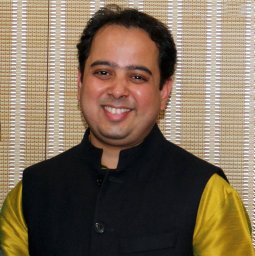 Setu Sinha合作论文数C. E. S., Indian Institute of Technology3
 Sandeep Dogra合作论文数Mahatma Gandhi Institute of Medical Sciences3
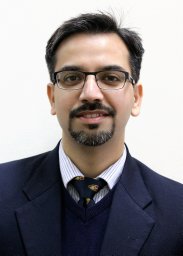 Shankar Prinja合作论文数School of Public Health, Post Graduate Institute of Medical Education and Research3
 Divya Mehrotra合作论文数Department of Oral and Maxillofacial Surgery, CSMMU (Formerly King George’s Medical University),3Ruchita Mahajan合作论文数2Amit C Patel合作论文数2Anu Nagar合作论文数2Shishupalsingh Thakur合作论文数2Sarika Ghai合作论文数2
 Shruti Singh合作论文数2
 Sanjay Kumar合作论文数2
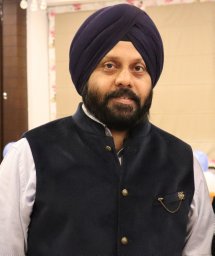 Harshvardhan Singh合作论文数Department of Dermatology, Venereology, and Leprosy, Dr S. N. Medical College2Annubhawi Annu合作论文数2
 Roja Singh合作论文数Karlsruhe Inst Technol KIT, Light Technol Inst2




