In this paper, we consider the problem of identifying a feasible set of aggressor nets that would induce maximum crosstalk noise or delay pushout on a coupled victim net, under given logical constraints. We present a novel mathematical formulation of this problem and propose a Lagrangian relaxation-based approach for solving it efficiently and optimally. Experimental results show that the proposed approach is run-time efficient by a factor of up to 800 times in comparison to an exhaustive search approach and reduces timing pessimism by up to 36%. We also formulate and solve this problem while considering the noise susceptibility of the victim's receiving gate.
This paper describes a waveform compression technique suitable for the efficient utilization, storage and interchange of the emerging current source model (CSM) based cell libraries. The technique is based on pre-processing of a collection of voltage/current waveforms for the cells in the library and then, constructing an orthogonal time-voltage/time-current waveform basis using singular-value decomposition. Compression is achieved by representing all waveforms as linear combination coefficients of adaptive subset of the basis waveforms. Experimental results indicate that adaptive waveform representation results in higher compression ratios than the waveform representation as a function of fixed set of basis functions. Interpolation and further compression are obtained by representing the coefficients as simple functions of various parameters, e.g., input slew, load capacitance, supply voltage, and temperature. The methods introduced in this paper are tested and validated on several industrial strength libraries, with spectacular compression results.
Static timing analysis of VLSI circuits relies on tabular models of logic gates obtained during library characterization. At characterization time logic gates are simulated at the circuit level with a range of input waveforms (e.g., saturated ramps with different slews) and various output loads. At timing analysis time the same gates are driven by input waveforms that differ from the class of characterization waveforms. This paper proposes a method for mapping the waveforms that arise in static timing analysis to members of the class of waveforms used to characterize gate timing performance during library characterization. The method is based on the moments of the input waveform, which describe concisely the salient features of the waveform. The mapping between the input waveform and the effective characterization waveform is accomplished by positing functional relationships between the input waveform's moments and the parameters of the characterization waveform. The unknown coefficients of this functional relationship are determined by minimizing the worst case error of the output waveform over a representative set of input waveforms and gate loads. The technique requires no change to the library characterization procedure, and minimal change to the static timing tool with little to no additional computational burden on the timer.
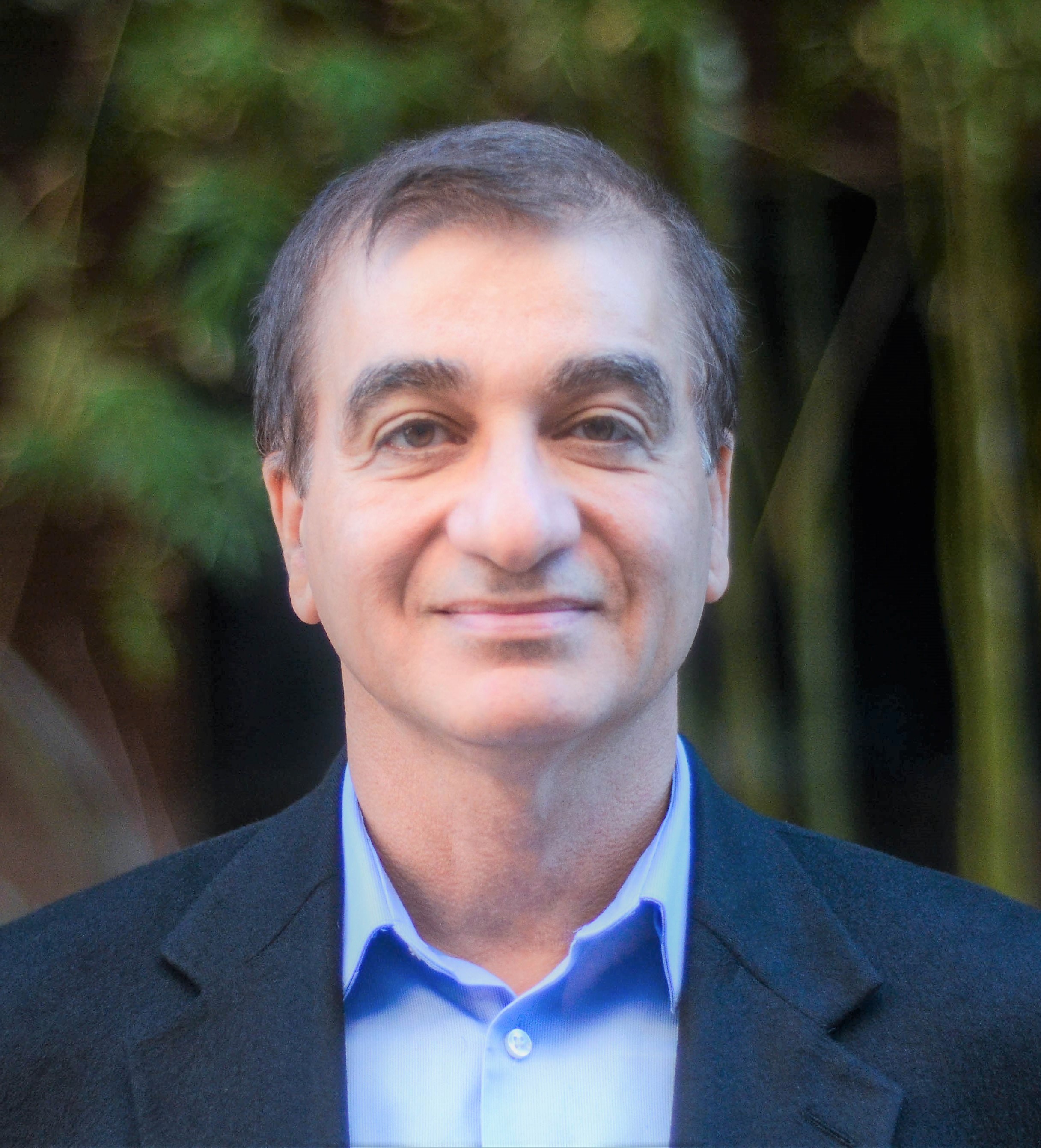 Massoud Pedram合作论文数Ming Hsieh Department of Electrical and Computer Engineering, Viterbi School of Engineering, University of Southern California16
 Peter Feldmann合作论文数D. E. Shaw Research16
 Debjit Sinha合作论文数Google7
 Chandu Visweswariah合作论文数CURE100 and Croton1006
 Hanif Fatemi合作论文数University of Southern California6
 gregory schaeffer合作论文数4
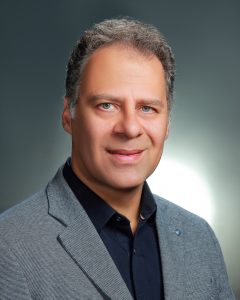 Payam Heydari合作论文数Department of Electrical Engineering and Computer Science, Samueli School of Engineering, University of California, Irvine;Nanoscale Communication Integrated Circuits Labs, University of California, Irvine4
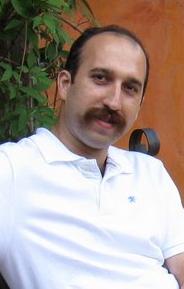 Safar Hatami合作论文数University of Southern California4david ling合作论文数3
 Amir H. Ajami合作论文数Magma Design Automation3adil bhanji合作论文数2Emre Tuncer合作论文数2
 Revanta Banerji合作论文数IBM Electronic Design Automation2
 Chandramouli V. Kashyap合作论文数2
 Vladimir Zolotov合作论文数IBM Thomas J. Watson Research Center2Rubin, A.合作论文数1
 David J. Hathaway合作论文数1jeffrey m ritzinger合作论文数1
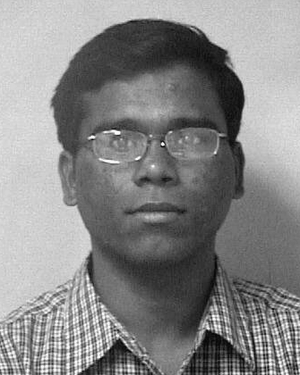 Sampath Dechu合作论文数IBM1David Widiger合作论文数1
 Jinjun Xiong合作论文数College of AI, Cyber and Computing, The University of Texas at San Antonio1Alex Rubin合作论文数1Hemlata Gupta合作论文数1
 Andrea Acquaviva合作论文数Department of Electrical, Electronic, and Information Engineering, Alma Mater Studiorum – Università di Bologna1David J Hathaway合作论文数1Gary S. Ditlow合作论文数1
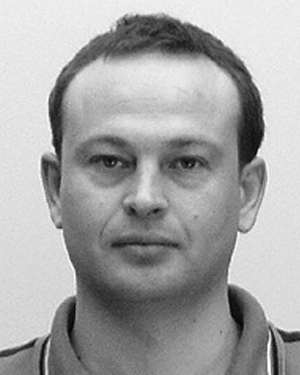 Erkan Acar合作论文数Duke University1
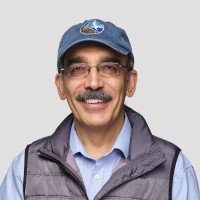 Ruchir Puri合作论文数IBM Research1
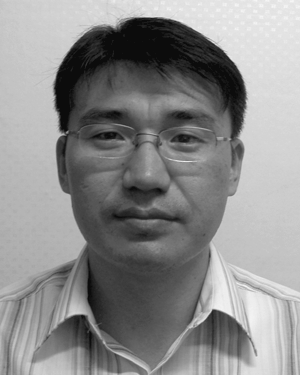 Chang Woo Kang合作论文数1
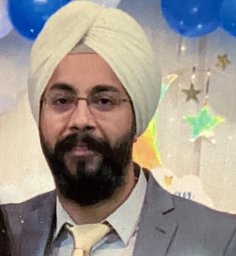 Ratan Deep Singh合作论文数1
 Peter A. Habitz合作论文数1Ibm Eda合作论文数1Frank Borkam合作论文数1




