Marine gearboxes operate under harsh engine-room conditions, where strong environmental noise, limited sensor installation space, and heterogeneous signal characteristics significantly degrade the reliability of bearing fault diagnosis. Under such conditions, conventional single-sensor monitoring and noise-agnostic diagnostic models often fail to deliver stable performance. To address these challenges, this paper proposes a Multimodal-Enhanced Hybrid Denoising Network (MEHD-Net) for robust bearing fault diagnosis in marine gearboxes. MEHD-Net is designed to jointly handle noise suppression, multimodal fusion, and data scarcity. Acoustic and multi-axis vibration signals are transformed into time-frequency representations and processed using convolutional feature extractors. An improved unimodal purifying network (IUPN) performs explicit front-end denoising through adaptive time-frequency masking, effectively suppressing broadband interference commonly observed in engine-room environments. A cross-dimensional fusion (CDF) module then integrates vibration and acoustic features via attention-gated mechanisms, enabling reliable fusion across heterogeneous, asynchronously sampled sensors. Furthermore, a self-distillation strategy is introduced to stabilize training and enhance generalization under limited data conditions. The proposed method is evaluated on the public KAIST bearing dataset and a self-constructed Multimodal Bearing Fault Diagnosis (MBFD) dataset designed to reflect realistic shipboard operating conditions. Experimental results demonstrate that MEHD-Net achieves 98.68% diagnostic accuracy on the KAIST dataset, outperforming representative comparison methods and maintaining robust performance under multi-speed and small-sample scenarios. These results indicate that MEHD-Net provides a practical solution for marine gearbox condition monitoring and predictive maintenance.
The intrinsic capacitor characteristic of the triboelectric nanogenerator (TENG) raises a significant challenge in achieving high energy harvesting efficiency. Power management has been treated as one of the most promising way to address this problem. Different from management only by traditional rectifier bridge, passive power management is more in line with the actual scenario of energy harvesting since it can eliminate the dependence on an external power supply. In this work, it introduces an innovative passive power management circuit (PMC) that employs cycles for maximized energy output strategy (CMEO) and unidirectional LC oscillation. Simulation results show that the proposed PMC can shorten the charging time to a 47 mu F capacitor by 88.3 %, and increase the effective output power at 1 M Omega by 17.35 times. The sources of energy loss are revealed by numerical analysis for energy transfer. Furthermore, the relationship between these losses and semiconductor device selection is investigated through simulation, and further validated experimentally. This contributes to improving the power management performance and expanding the range of available TENGs. Through optimizing device selection, the fabricated PMC operates efficiently for a TENG with maximized effective output of 6.7 mu W, and its excellent adaptable potential to various TENGs is demonstrated.
Ship speed prediction is crucial for ship operation and safe navigation, providing precise data support for route planning and optimization, port operational efficiency enhancement, navigation system development, etc. Currently, the computational accuracy of the existing ship speed prediction methods faces great challenges. To enhance the precision and efficiency of ship speed prediction, an innovative method applying time series imaging technology for ship speed prediction is proposed. In this method, time series data is first sliced and converted into two-dimensional images. The data points of each period are converted into pixels in the image, and the intensity or color depth of the pixels represents the corresponding size of the data values. Subsequently, a deep convolutional network prediction model is constructed and trained to predict ship speed accurately. Finally, the effectiveness of the proposed method is validated using two sets of ship speed data, with a mean square error of 0.08 on the open-source dataset and 0.026 on the real ship dataset. The results indicate that the proposed method can achieve accurate prediction of ship speed.
With advances in automation and intelligent manufacturing, where mechanical vibration monitoring has become critical for equipment health assessment, a high‐sensitivity triboelectric vibration sensor using carbon nanotube (CNT)‐modified conductive sponge architecture is proposed. The developed sensor consists of a porous conductive sponge matrix uniformly coated with carbon nanotube solution and a fluorinated ethylene‐propylene (FEP) film. Systematic characterization revealed that the CNT‐functionalized sensor exhibited a remarkable enhancement in output voltage (ΔV = 204% at 80 m −1 s 2 acceleration) compared to original counterparts, demonstrating superior sensitivity (4.47 mV m⁻¹ s 2 ) across an extended acceleration range (5–80 m −1 s 2 ). The optimized structural configuration (0.1 mm gap, 0.5 mm sponge thickness) enabled broadband frequency detection from 1 to 500 Hz. In the durability test of up to 216 000 working cycles, its output voltage remains stable, showing no significant attenuation or drift. Moreover, tests conducted on marine equipment such as blowers and air compressors further validate the sensor's precise vibration monitoring capability, as the measured frequency highly matches the actual vibration. This research provides new ideas for mechanical vibration sensing technology and is expected to be widely applied in industries such as manufacturing and shipping, contributing to the intelligent upgrading and sustainable development of various industries.
In modern industrial systems spanning aerospace, automotive manufacturing, and biomedical engineering, precise real-time monitoring of mechanical vibrations constitutes a critical requirement for ensuring operational stability, predictive maintenance, and performance optimization. We present a novel liquid metal-based triboelectric nanogenerator (LM-TENG) featuring enhanced sensitivity for vibration sensing applications. The device architecture employs an innovative freestanding triboelectric-layer configuration comprising eutectic gallium-indium-tin alloy (Ga:In:Sn = 68.5:21.5:10 wt%) droplets encapsulated between fluorinated ethylene propylene (FEP) dielectric films with conductive fabric electrodes, all contained within a silicone matrix. This design capitalizes on the unique viscoelastic properties and interfacial adaptability of liquid metals to achieve efficient mechanoelectrical conversion through optimized contact electrification and electrostatic induction processes. Through parametric optimization studies, we established the following operational parameters for peak performance: 1.5 g liquid metal mass with 2.75 mm interelectrode spacing. Quantitative characterization revealed superior output characteristics including a linear voltage response (R2 = 0.995) within the acceleration range of (5-50 m/s2), a sensitivity of 0.218 V center dot m-1 center dot s2, and a wide frequency bandwidth (1-5000 Hz). Accelerated lifetime testing confirmed its operational stability, with hardly any signal decay after 216,000 mechanical cycles. In practical applications, LM-TENG has been successfully used for monitoring vibrations in marine blowers and air compressors. Detection results closely match the actual operating equipment's vibration frequencies, validating its reliability and applicability. It is anticipated to be deeply integrated into various industries, offer robust support for the upgrade of smart sensors, and propel industries to move forward in the direction of sustainable development.
Triboelectric nanogenerator (TENG), an emerging energy conversion technology, offers innovative pathways for energy harvesting and self-powered sensing. To achieve superior performance, researchers commonly employ substantial quantities of original or treated polymers, resulting in high energy and precise sensing. Nevertheless, the sustainable development of TENGs faces significant challenges related to environmental compatibility, pollution hazards, and high production and disposal costs. To address this issue, numerous green materials for diverse TENGs are introduced and advanced. These materials may encompass natural resources, household waste, and recyclable materials, among others. Consequently, a review of the progress in TENGs based on green materials, which can be called green TENGs, becomes imperative to advance its sustainable development. To this end, this work comprehensively elucidates the development of green TENGs from the perspective of materials processing and treatment degree for the first time. Various green TENGs, including food waste, discarded daily-use items, plant organs, biodegradable industrial products, and natural cellulose, are meticulously categorized. This review not only systematically synthesizes the latest research advancements in green TENGs, but also offers insight into their processing methodologies, working characteristics, and potential application scenarios. Finally, it envisions the challenges, proposed solutions, and future research directions for the development of green TENGs. Recent advances in green TENGs are comprehensively reviewed in this work. The structure, processing method, working principle, output performance, sensing characteristics, application scenario, etc., are systematically investigated. The challenge and development orientation are deeply discussed. This work provides a new and significant reference for the exploitation of green TENGs. image
Marine diesel engines typically use multivariate time series for health condition monitoring, the anomaly detection of which is fundamental and critical for an entity's operation and management. However, detecting anomalies in multivariate time series remains a grand challenge due to the complex behavior of marine machinery. Therefore, this research proposes a binary adversarial autoencoder model to overcome this issue. The framework is built upon the principles of reconstruction models by fusing Generative Adversarial Networks and Adversarial Autoencoder approaches to analyze the degree of anomaly in multivariate time series. Additionally, it identifies anomalies through a threshold obtained by a statistical distribution-based and unsupervised setting method. To emphasize the model's performance, multivariate condition parameters from actual ship diesel engines are utilized for validation. Two membership functions are recognized as the model metrics to characterize its best performance, evidenced by scores of 0.937 for F1 scores and 0.910 for precision. The proposed strategy can be applied to different types of monitoring systems in the ship's engine room to realize system-level operation and maintenance.
With the rapid advances of electronics/materials and manufacturing, marine sensors have made significant progress in the field of ship and ocean engineering, which could cater to the development trend of marine Internet of Things (MIoT) and intelligent ship. As the number of marine sensors increases and the range of distribution expands, developing a continuous, sustainable, and ubiquitous power source is critical for ocean sensing, but it is an unsolved scientific challenge. Marine self-powered sensing through triboelectric nanogenerators (TENGs) may be a promising approach to this emergency. TENG can efficiently convert mechanical triggers from the surrounding environment into electrical signals. It has the advantages of highly efficient mechanical-to-electrical energy conversion, self-sustainability, broad material availability, low cost and good scalability. This article reviews the working principle of marine triboelectric sensors and their applications in the field of ship and ocean engineering. They are mainly divided into five categories: tactile sensor, displacement sensor, flow sensor, vibration sensor and velocity sensor, involving their advanced structure designs, functional material innovations and marine application scenarios. Finally, we highlight the academic challenges and future prospects of these technologies, as well as the key points to be considered in transforming them into commercial applications.
Fire disaster causes damage to ships, pollute the environment, and threatens people's lives, so making early detection and reasonable decision is essential for avoiding catastrophic accidents. Smoke, as the main feature of fire, plays a significant role in early fire identification. However, challenged by the complex engine room (E/R) environment and shooting issues, the recognition performances of current smoke detection methods based on machine vision are unsatisfactory at the early fire stage. To address the issues, this paper proposes a proactive machine vision model based on the fusion of the transfer learning method and proactive perception technology for smoke detection. Firstly, a smoke images database is established based on similar environments (indoor and ship fire scenes) for the transfer learning module training, where more smoke features are extracted and learned from complex scenes. Afterward, real-time images are input into the trained model for local significance analysis which is applied as a triggering criterion for active smoke perception. When the significance indicator reaches the trigger condition, the proactive perception technology adopts reinforcement learning and proactive vision for further identifying detailed information about scenarios. By this processing, the internal and external parameters of the camera are adjusted to narrow and focus the targets of interest in the current scene. Finally, the ship E/R workshop and distribution box fire cases are selected to validate the proposed method. The experiment results indicate that the proposed model outperforms the existing techniques in accuracy as it has the potential to detect earlier smoke features.
To achieve the failure warning of marine systems and their equipment (MSAE), the threshold is one of the most prominent issues that should be solved first. In this study, a fusion model based on sparse Bayes and probabilistic statistical methods is applied to determine a new and more accurate adaptive alarm threshold. A multistep relevance vector machine (RVM) model is established to realize the parameter reconstruction in which the internal uncertainties caused by the degradation process and the external uncertainty caused by the loading, environment, and disturbances were considered. Then, a varying moving window (VMW) method is employed to determine the window size and achieve continuous data reconstruction. Further, the model based on Johnson distribution systems is utilized to complete the transformation of the residual parameters and calculate the adaptive threshold. Finally, the proposed adaptive decision threshold is successfully involved in the actual examples of the peak pressure and exhaust temperature of marine diesel engines. The results show that the proposed method can realize the continuous health condition monitoring of MSAE, successfully detect abnormal conditions in advance, achieve an early warning of failure, and reserve sufficient time for decision-making to prevent the occurrence of catastrophic disasters.
Vibration sensors for continuous and reliable condition monitoring of mechanical equipment, especially detection points of curved surfaces, remain a great challenge and are highly desired. Herein, a highly flexible and adaptive triboelectric vibration sensor for high-fidelity and continuous monitoring of mechanical vibration conditions is proposed. The sensor is entirely composed of flexible materials. It consists of a conductive sponge-silicone layer and a fluorinated ethylene propylene film. It can detect vibration acceleration of 5 to 50 m s-2 and vibration frequency of 10 to 100 Hz. It has strong robustness and stability, and the output performance barely changes after the durability test of 168 000 working cycles. Additionally, the flexible sensor can work even when the detection point of the mechanical equipment is curved, and the linear fit of the output voltage and acceleration is very close to that when the detection point is flat. Finally, it can be applied to monitoring the working condition of blower and vehicle engine, and can transmit vibration signal to mobile phone application through Wi-Fi module for real-time monitoring. The flexible triboelectric vibration sensor is expected to provide a practical paradigm for smart, green, and sustainable wireless sensor system in the era of Internet of Things. A highly flexible and adaptive triboelectric vibration sensor with conductive sponge-silicone is proposed. It can work even when the detection point of the mechanical equipment is curved and can transmit vibration signal to mobile phone application for real-time monitoring, which will greatly accelerate the development of wireless sensor networks and provide sustainable energy solutions for smart sensing systems. image
The working environment of ship propulsion shafting is harsh and the force condition is complex, which often produces all-directional vibration. Its working condition will directly affect the navigation performance of the ship. To overcome the limitations of complicated installation route, tedious maintenance process and high cost of traditional contact vibration sensors, an approach of transverse vibration identification model based on machine vision was proposed to realize multi-point vibration displacement sensing and anomaly analysis of shafting. The displacement information of the video signal is extracted by the displacement sensing strip labeling method, and the abnormal state of the ship propulsion shafting is analyzed by the dynamic kernel principal component analysis (DKPCA) algorithm. The experimental results show that the approach can accurately detect the continuous vibration displacement of shafting in the range of 180 r/min, and can work normally under two abnormal conditions: sudden external excitation and continuous uneven external excitation. In addition, this approach can quickly and accurately monitor the motion state of shafting, and realize the perception and recognition of abnormal vibration state of shafting. The research and application of this approach in ship shafting vibration monitoring is of great significance to the development of unmanned and intelligent ships.
Implantable electronic tags are crucial for the conservation of marine biodiversity. However, the power supply associated with these tags remains a significant challenge. In this study, an underwater flexible triboelectric nanogenerator (UF-TENG) was proposed to harvest the biomechanical energy from the movements of marine life, ensuring a consistent power source for the implantable devices. The UF-TENG, which is watertight by the protection of a hydrophobic poly(tetrafluoroethylene) film, consists of high stretchable carbon black-silicone as electrode and silicone as a dielectric material. This innovative design enhances the UF-TENG’s adaptability and biocompatibility with marine organisms. The UF-TENG’s performance was rigorously assessed under various conditions. Experimental data highlight a peak output of 14 V, 0.43 μA and 38 nC, with a peak power of 2.9 μW from only one unit. Notably, its performance exhibited minimal degradation even after three weeks, showing its excellent robustness. Furthermore, the UF-TENG is promising in the self-powered sensing of the environmental parameter and the marine life movement. Finally, a continuous power supply of an underwater temperature is achieved by paralleling UF-TENGs. These findings indicate the broad potential of UF-TENG technology in powering implantable electronic tags.
Implementation of new emissions regulations calls for a reassessment of the emissions levels of newly built ships sailing in Chinese regions. In this paper, marine diesel engines are subjected to emissions bench tests using high-precision testing equipment. A total of 135 marine diesel engines meeting the Limits and Measurement Methods for Exhaust Pollutants from Marine Engines (CHINA I/II) were first systematically analyzed. The emission factors of marine main engines (ME) and auxiliary engines (AE) were obtained under different displacements. The results show that the fuel-based emission factors for NOX + HC and CO meeting CHINA I/II are 25.80~44.87/16.47~46.35 and 2.47~13.22/1.64~5.62 kg/t-fuel, respectively. The energy-based emission factors for NOX + HC, CO, CO2, and PM satisfying CHINA I/II are 5.70~9.24/3.70~9.07, 0.49~2.30/0.36~0.99, 620~683/612~718, and 0.05~0.36/0.05~0.27 g/kWh, respectively. Additionally, the specific emission of NOx rises with the increase in single-cylinder displacement, so the CO emission limit of pure diesel fuel is recommended to be lower than 5 g/kWh. The results in this paper provide valuable basic data for research on and estimation of ship emissions in waterway transportation and for understanding the emission characteristics of marine diesel engines.
船舶能效智能优化作为智能船舶的重要一环,是实现船舶智能化和绿色化发展的有效措施.船舶智能能效关键技术的研究与应用对提升船舶的智能化与绿色化水平具有重要意义.通过采用大数据和人工智能技术,可以实现船舶能效的分析预测与智能优化.面向基于大数据及人工智能的船舶能效智能优化技术,从全船用能监测分析、通航环境智能识别、船舶能效智能评估及其影响因素关联关系分析,以及船舶能效智能预测、船舶航速、航线及纵倾智能优化方面,系统地分析了基于大数据与人工智能的船舶能效智能优化技术的研究现状,剖析了大数据与人工智能在船舶能效智能优化应用中存在的问题,并对未来发展方向进行了展望,以期为船舶能效的智能优化管理提供参考,从而促进船舶的智能化与绿色化发展.
Leak monitoring is essential for the intelligent operation and maintenance of marine systems, and can effectively prevent catastrophic accidents on ships. In response to this challenge, a machine vision-based leak model is proposed in this study and applied to leak detection in different types of marine system in complex engine room environments. Firstly, an image-based leak database is established, and image enhancement and expansion methods are applied to the images. Then, Standard Convolution and Fast Spatial Pyramid Pooling modules are added to the YOLOv5 backbone network to reduce the floating-point operations involved in the leak feature channel fusion process, thereby improving the detection speed. Additionally, Bottleneck Transformer and Shuffle Attention modules are introduced to the backbone and neck networks, respectively, to enhance the feature representation performance, select critical information for the leak detection task, and suppress non-critical information to improve detection accuracy. Finally, the proposed model’s effectiveness is verified using leak images collected by the ship’s video system. The test results demonstrate that the proposed model exhibits excellent recognition performance for various types of leak, especially for drop-type leaks (for which the accuracy reaches 0.97).
An enormous number of wireless sensing nodes (WSNs) are of great significance for the Internet of Things (IoT). It is tremendously prospective to realize the in-situ power supply of WSNs by harvesting unutilized mechanical vibration energy. A harmonic silicone rubber triboelectric nanogenerator (HSR-TENG) is developed focusing on ubiquitous constant working frequency machinery. The unique design of the strip serving as a flexible resonator realizes both soft contact and high and broadband output. The significant factors influencing the 1st-order vibration mode of the strip are developed for realizing the harmonic frequency adaptation to external vibration. The surface treatment of the strip improves the output performance of HSR-TENG by 49.1
Ensuring the normal operation of bearings is crucial for the safety of the equipment. In order to better monitor the condition of bearings, a smart triboelectric nanogenerator embedded cylindrical roller bearing (TCRB) is proposed. Its cylindrical rollers are made of polyetheretherketone (PEEK), and the outer ring consists of grid electrodes coated with nylon film. The present TCRB is demonstrated to achieve long-term stable operation. Experimentally, the TCRB can deliver a maximum output with an open-circuit voltage of 26.56 V and a shortcircuit current of 2.45 mu A at 600 rpm, and the generated electricity is sufficient to drive small sensors. Moreover, the output can also be processed to realize the self-powered monitoring of the rotational speed with an error of less than 2%. Lastly, four distinct classification methods are utilized to diagnose typical bearing faults using the triboelectric signal, and the diagnostic method with both high levels of accuracy and robustness is determined. This study demonstrates the excellent performance of the TCRB in self-powering, self-sensing and self-diagnosing, providing a viable solution for the development of smart bearings.
In the wake of the rapid development of the Internet of Things (IoT) and artificial intelligence (AI) technology, a huge amount of wireless sensing nodes (WSNs) is urgently in demand in all aspects of daily production and living, such as smart cities, smart transportation, and intelligent monitoring. However, it has become one of the crucial challenges in the development of IoT technology to fulfill the requirements of energy consumption for enormous amounts of WSNs. Therefore, it not only possesses great potential to realize in situ power supply of WSNs by harvesting environmental energy but also can address the problems of durability, maintenance, and cost that exist in battery power supply. In particular, acoustic energy is ubiquitous in the environment but not efficiently utilized. Meanwhile, piezoelectric nanogenerators (PENG) and triboelectric nanogenerators (TENG) are capable of accomplishing efficient conversion of broadband, high entropy, and weak energy as the new energy conversion technology. Therefore, the basic principle of acoustic energy harvester based on nanogenerators (NGs) is firstly discussed. Then, the advances of acoustic energy harvesters based on NGs in the viewpoint of acoustic energy resonator structures are systematically reviewed for the first time. This review not only covers the working mechanism, structural design, and application scenarios of acoustic energy harvesters but also explores the advances in ultrasonic energy harvesting based on NGs. Finally, existing challenges and prospects for future development are systematically discussed, which will facilitate the development of acoustic energy harvesting based on NGs.
With the rapid development of advanced materials and manufacturing technologies, flow sensors have made significant progress in the field of mechanical engineering, which could cater to the development trend of the Internet of Things (IoT) and the ongoing Fourth Industrial Revolution. However, traditional power supply modes such as lithium batteries require regular recharging or replacement, which greatly causes too much inconvenience and maintenance consumption, and may also pose potential risks to the marine environment. The triboelectric nanogenerators (TENGs), based on the coupling effect of contact electrification and electrostatic induction, have been demonstrated to convert mechanical movements of the fluid into electrical signals with various features such as flexibility, conformability, and user‐friendliness. This review systematically summarizes for the first time the fundamental working mechanism, rational structural design, and analysis of practical application scenarios of triboelectric flow sensor as an emerging technology for flow monitoring of the Industrial IoT. According to the different fluid objects monitored, the latest representative achievements of triboelectric flow sensors can be divided into gas flow sensors, liquid flow sensors, and two‐phase flow sensors. Finally, the current challenges and future development directions of triboelectric flow sensors are examined, which can promote the further development of the field of the flow sensors.
 Yongjiu Zou (邹永久)合作论文数College of Marine Engineering, Dalian Maritime University38
 Yuewen Zhang (张跃文)合作论文数Marine Engineering College of Dalian Maritime University36
 Taili Du (杜太利)合作论文数Marine Engineering College, Dalian Maritime University27
 Lianzhong Huang (黄连忠)合作论文数Marine Engineering College of Dalian Maritime University26
 WU Gui-tao合作论文数25Peng Zhang合作论文数22
 Minyi Xu (徐敏义)合作论文数College of Artificial Intelligence, Dalian Maritime University;Marine Engineering College, Dalian Maritime University22Wei Hai-jun合作论文数18Bin Li (李斌)合作论文数16Shulin Duan合作论文数15Dongfang Yang合作论文数12
 Zibin Yin (尹自斌)合作论文数School of Marine Engineering, Jimei University12
 Kai Wang (王凯)合作论文数Marine Engineering College, Dalian Maritime University11Hongying Ren合作论文数11
 Hongliang Yu (于洪亮)合作论文数10Ranqi Ma合作论文数8KeShun Li (李可顺)合作论文数8
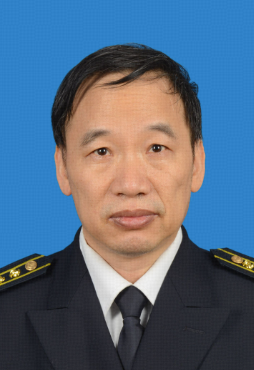 Jundong Zhang (张均东)合作论文数Marine Engineering College of Dalian Maritime University8
 Yifan Liu (刘伊凡)合作论文数Faculty of Maritime and Transportation, Ningbo University7Xingjia Jiang (姜兴家)合作论文数7Zeyu Gao合作论文数6HaiJun Wei (魏海军)合作论文数6Bingsong Yang (杨昺崧)合作论文数6
 Xi Ziyue合作论文数5Minzheng Sun合作论文数5Junhao Zhao合作论文数5Di WANG (王迪)合作论文数5Guang Ren (任光)合作论文数5
 Hao Wang (王昊)合作论文数Marine Engineering College of Dalian Maritime University5
 Wenbin Cui (崔文彬)合作论文数Marine Engineering College of Dalian Maritime University5Meixian Zhu合作论文数4Hongfei Qu合作论文数4
 Haichao Yuan合作论文数Marine Engineering College, Dalian Maritime University4taoli wei (魏桃李)合作论文数4Hao Xu合作论文数4
 Yulong Ji (纪玉龙)合作论文数Marine Engineering College of Dalian Maritime University4Youtao Zhao合作论文数4
 Yingjun Zhang (张英俊)合作论文数Navigation College of Dalian Maritime University4
 Hongming Wang (王红明)合作论文数School of Chemistry and Chemical Engineering, Nanchang University4
 Yimin Zhu (朱益民)合作论文数College of Environmental Sciences and Engineering, Dalian Maritime University4Feng Ding (丁奉)合作论文数4Delin Guan合作论文数4Yida Xin合作论文数3
 Fangming Li合作论文数3Zhongmin Ma合作论文数3Hongjiang Cui合作论文数3Chen LI (李臣)合作论文数3Kun Dang (党坤)合作论文数3DaiChen Lv (吕代臣)合作论文数3




