Laterite ore deposits in Brazil and other tropical countries harbor large amounts of nickel and cobalt resources, along with other critical raw materials. The conventional methods of recovering nickel and cobalt, such as pyrometallurgy or high-pressure acid leaching, entail high energy, reagent costs, and expensive equipment. To address this, the German-Brazilian project BioProLat aims to develop an integrated, low-energy, and environmentally friendly biohydrometallurgical process for metal recovery from Brazilian laterite ores. The process involves leveraging acidophilic bacteria that use sulfur as an electron donor, coupling sulfur oxidation to the reduction of ferric iron, ultimately converting insoluble metal compounds into water-soluble forms. This generates sulfuric acid, creating the necessary acidic conditions to keep iron and other metals soluble. Laboratory-scale bioreactor experiments optimized parameters like pH, temperature, and a suitable bacterial consortium for bioleaching nickel and cobalt. Results from aerobic bioleaching of laterite with a consortium of Acidithiobacillus thiooxidans strains showed an extraction of 85% for both cobalt and nickel. Mineralogical and geochemical analyses were conducted to identify mineral phases, which are attacked by bioleaching, and estimate the portions of cobalt and nickel released by bioleaching of different mineral phases. The goal is to scale up the optimized process, converting untapped ores and limonite stockpiles into valuable resources and unlocking new raw material reserves by enhancing metal recovery from existing mines.
Limonitic laterites consist of a high amount of iron oxides/hydroxides, such as goethite and hematite, being recalcitrant in hydrometallurgical processing for nickel and cobalt recovery. High pressure acid leaching (HPAL) is the currently most applied processing technology for limonitic laterites. Still, research is ongoing to develop technologies with less energy consumption and a lower carbon footprint. Among these, chemical leaching under mild conditions and bioleaching were investigated, as well as using hydrogen gas as a reductant. In this study, these approaches were combined. Bioleaching of laterite ore using hydrogen was shown for the first time, and anaerobic batch incubation with Acidithiobacillus ferrooxidans showed that bioleaching with hydrogen was as efficient in metal extraction as with addition of elemental sulfur. Chemical laterite leaching with hydrogen under pressure at 50 bar and ambient temperature also succeeded in metal extraction; however, the leaching efficiency strongly depended on the laterite mineralogical composition.
Bioleaching processes and acid mine drainage (AMD) generation are mainly driven by aerobic microbial iron(II) and inorganic sulfur/compound oxidation. Dissimilatory iron(III) reduction coupled to sulfur/compound oxidation (DIRSO) by acidophilic microorganisms has been described for anaerobic cultures, but iron reduction was observed under aerobic conditions as well. Aim of this study was to explore reaction rates and mechanisms of this process. Cell-specific iron(III) reduction rates for different Acidithiobacillus (At.) strains during batch culture growth or stationary phase with iron(III) (similar to 40 mM) as electron acceptor and elemental sulfur or tetrathionate as electron donor (1% or 5 mM, respectively) were determined. The rates were highest under anaerobic conditions for the At. ferrooxidans type strain with 6.8 x 10(6) and 1.1 x 10(7) reduced iron(III) ions per second per cell for growth on elemental sulfur and tetrathionate, respectively. The iron(III) reduction rates were somehow lower for the anaerobically sulfur grown archaeon Ferroplasma acidiphilum, and lowest for the sulfur grown At. caldus type strain under aerobic conditions (1.7 x 10(6) and 7.3 x 10(4) reduced iron(III) ions per second per cell, respectively). The rates for five strains of At. thiooxidans (aerobe) were in between those for At. ferrooxidans (anaerobe) and At. caldus (aerobe). There was no pronounced pH dependence of iron(III) reduction rates in the range of pH 1.0-1.9 for the type strains of all species but rates increased with increasing pH for four other At. thiooxidans strains. Thiosulfate as sulfur intermediate was found for At. ferrooxidans during anaerobic growths on tetrathionate and iron(III) but not during anaerobic growths on elemental sulfur and iron(III), and a small concentration was measured during aerobic growths on tetrathionate without iron(III). For the At. thiooxidans type strain thiosulfate was found with tetrathionate grown cells under aerobic conditions in presence and absence of iron(III), but not with sulfur grown cells. Evidence for hydrogen sulfide production at low pH was found for the At. ferrooxidans as well as the At. thiooxidans type strains during microaerophilic growth on elemental sulfur and for At. ferrooxidans during anaerobic growths on tetrathionate and iron(III). The occurrence of sulfur compound intermediates supports the hypothesis that chemical reduction of iron(III) ions takes place by sulfur compounds released by the microbial cells.
Heap leaching of laterites for extraction of nickel and cobalt is an attractive alternative to capital and energy intensive high pressure acid leaching, the dominant hydrometallurgical processing technology for limonitic laterites. Conventional approach for heap leaching of laterites is leaching with sulfuric acid. Consumption of sulfuric acid during heap leaching is substantial and industrial-scale operations require construction of a sulfuric acid production plant on site. In this study, heap bioleaching of laterites was simulated in laboratory scale column percolators and bioleaching of nickel and cobalt from lateritic material was successfully demonstrated for the first time. The process is based on biooxidation of the bacterially modified "wet sulfur" inside column percolators by sulfur-oxidizing acidophilic bacteria Acidithiobacillus thiooxidans. The "wet sulfur" was generated in a bioreactor with the bacterial culture, harvested, and mixed with lateritic ore before forming agglomerates to be filled in the percolator columns. Liquid was circulated with a flow rate of 8 mL/min. Maximum metal extraction was 66% nickel, 95% cobalt, 10% iron, 55% magnesium and 89% manganese from the Piaui lateritic ore after one month bioleaching. For comparison, chemical leaching with 1 M sulfuric acid with or without addition of 10 g/L of ferrous sulfate heptahydrate as reductant resulted in extraction of approximately 80% nickel, 86% cobalt, 33% iron, 50% magnesium and 81% manganese. With bioleaching a higher cobalt but lower nickel and iron extraction was achieved, i.e. a better selectivity of nickel over iron extraction, as well as a relatively higher pH of the pregnant leach solution requiring less limestone and, consequently, lower CO2 emission and generation of iron cake waste in case of laterite bioleaching. Overall, the results are promising and show potential of laterite heap bioleaching to be further developed to application on industrial scale.
This study investigated two bioleaching strategies for removing heavy metals from three mine tailings fractions generated by flotation processes. On the one hand, bioleaching with microbial consortia of acidophilic mesophiles and moderate thermophiles efficiently extracted Co, Cu, Zn, and As, while the leaching of Pb was facilitated through the use of organic acids produced by a heterotrophic bacterium and a fungus. Approximately 100% Co, 68% Zn, 63% As, and 31% Cu were bioleached with acidophilic mesophiles from the barite tailings (BT) sample after 14 days, whereas for the barite concentrate (BC) sample the results showed about 100% Co, 70% Zn and As, and 45% Cu removal at the same period. The sulfide concentrate (SC) sample underwent bioleaching with both consortia, acidophilic mesophiles and moderate thermophiles over 28 days. Approximately, 67% of Co, 28% of Zn, 56% of As, 28% of Cu, and 6% of Mn were extracted from the sample using mesophiles, whereas the leaching efficiency with the moderate thermophiles was about 72% of Co, 50% of Zn, 28% of As, 36% of Cu, and 5% of Mn in 20 L bioreactors. On the other hand, bioleaching of Pb was explored using the bacterium Gluconobacter oxydans and the fungus Penicillium simplicissimum for the production of gluconic acid and citric acid, respectively. Additionally, besides glucose-based media, glycerol and crystal sugar were tested as alternative and cheaper carbon sources. The metabolic activity of P. simplicissimum allowed a maximum Pb leaching of 39-43% from the BT sample in 28 days in glycerol-based medium, while for the BC sample, the maximum Pb extraction was around 60% in glucose-based medium. A lower extraction of Pb was achieved with G. oxydans for both samples. The maximum extraction of 34% and 39% of Pb was reached within 7 days when glucose was used as the carbon source. Further optimization should address both the enhancement of metals removal and - especially for the organic acid bioleaching - the reduction of costs related to media formulation and fungal biomass production on a larger scale.
Previous studies have reported the role of some species of acidophilic bacteria in accelerating the dissolution of goethite under aerobic and anaerobic conditions. This has relevance for environments impacted by acid mine drainage and for the potential bioleaching of limonitic laterite ores. In this study, natural well-characterized goethite mineral samples and synthetic goethite were used in aerobic and anaerobic laboratory batch culture incubation experiments with ferric iron-reducing, acidophilic bacteria, including the lithoautotrophic species Acidithiobacillus (At.) thiooxidans, At. ferrooxidans, and At. caldus, as well as two strains of the organoheterotrophic species Acidiphilium cryptum. All bacteria remained alive throughout the experiments and efficiently reduced soluble ferric iron in solution in positive control assays. However, goethite dissolution was low to negligible in all experimental assays with natural goethite, while some dissolution occurred with synthetic goethite in agreement with previous publications. The results indicate that ferric iron-reducing microbial activity at low pH is less relevant for goethite dissolution than the oxidation of elemental sulfur to sulfuric acid. Microbial ferric iron reduction enhances but does not initiate goethite dissolution in very acidic liquors.
Chemolithoautotrophic Hydrogenovibrio are ubiquitous and abundant at hydrothermal vents. They can oxidize sulfur, hydrogen, or iron, but none are known to use all three energy sources. This ability though would be advantageous in vents hallmarked by highly dynamic environmental conditions. We isolated three Hydrogenovibrio strains from vents along the Indian Ridge, which grow on all three electron donors. We present transcriptomic data from strains grown on iron, hydrogen, or thiosulfate with respective oxidation and autotrophic carbon dioxide (CO2) fixation rates, RubisCO activity, SEM, and EDX. Maximum estimates of one strain's oxidation potential were 10, 24, and 952 mmol for iron, hydrogen, and thiosulfate oxidation and 0.3, 1, and 84 mmol CO2 fixation, respectively, per vent per hour indicating their relevance for element cycling in-situ. Several genes were up- or downregulated depending on the inorganic electron donor provided. Although no known genes of iron-oxidation were detected, upregulated transcripts suggested iron-acquisition and so far unknown iron-oxidation-pathways.
Die Biohydrometallurgie als Teilgebiet der Hydrometallurgie macht sich spezielle Stoffwechselleistungen von Mikroorganismen zur Metallgewinnung zu nutze. Biomining ist die angewandte Biolaugung zur Metallgewinnung aus sulfidischen Erzen. Für das Recycling, also die Metallgewinnung aus Abfall und Reststoffen, gibt es bisher noch keine angewandten biohydrometallurgischen Verfahren, aber vielversprechende Laborversuche zur Metallextraktion aus Feststoffen. In diesem Übersichtsartikel werden diese zusammenfassend dargestellt und Perspektiven aufgezeigt.
Sands containing placers enriched with heavy minerals such as zircon, garnet, ilmenite, rutile, magnetite and monazite are recovered as construction material from the German Baltic Sea coast. The heavy minerals could be concentrated by gravity and magnetic separation. Rare earth elements (REE) were enriched in zircon concen-trates as well as in concentrates of the zirconium-containing mineral eudialyte from a deposit in Greenland. In order to test bioleaching for REE extraction from these concentrates, experiments with cultures of mesophilic as well as moderately thermophilic, acidophilic, lithoautotrophic bacteria and gluconic acid-producing organo-heterotrophic bacteria were run in shake flasks or pH-controlled 2 L bioreactors at 30 degrees C or 42 degrees C. Elemental sulfur and glucose served as substrate for the autotrophs and heterotrophs, respectively. Chemical leaching experiments as controls for bioleaching by the autotrophs were run without bacteria and adjusted over time to the same pH by sulfuric acid addition as previously measured in the inoculated bioreactors, in order to estimate bioleaching versus chemical leaching at the same pH. Chemical leaching experiments as controls for bioleaching by the heterotrophs were run with added gluconic acid as well as other organic acids. The results showed no significant differences in REE extraction between chemical and biological runs under same conditions (pH, temperature or gluconic acid concentration), indicating that bioleaching was in fact acid leaching based on the enzymatic oxidation of elemental sulfur to sulfuric acid in case of the autotrophs and gluconic acid production from glucose in case of the heterotrophs. The amount of extracted REEs increased with decreasing pH. Meso-philes versus moderate thermophiles did not show remarkable differences. The extraction efficiency for the single REEs was maximum 35% for zircon concentrates but up to about 70% for the eudialyte concentrate. This study allows for a comparison of chemical leaching vs. bioleaching and shows the limitation of bioleaching for pro-cessing heavy minerals for REE extraction.
The reductive leaching behaviour of manganese (Mn) and cobalt (Co) in a laterite and a pure manganese ore was investigated by varying and optimising various leaching parameters for the recovery of Mn and Co. The effect of different reducing agents (FeSO4, Na2SO3), sulfuric acid concentration, reductant/ore mass ratio, leaching time, and reaction temperature on the dissolution of Mn and Co from the laterite and manganese ores were studied. Furthermore, the kinetics of Mn and Co leaching from laterite ore was studied. The Mn and Co recovery from both ores increased with increasing H2SO4 concentration, reductant/ore mass ratio, leaching time, and reaction temperature. Based on the manganese and cobalt extraction efficiency, FeSO4 was the best reductant among the two evaluated reductants. The optimum leaching of Mn and Co from the laterite ore occurred at a H2SO4 concentration of 0.51 M, a reductant/ore mass ratio of 2.7, a leaching time of 5 h, and a reaction temperature of 363.15 K. For the manganese ore the optimum leaching of these elements at the same temperature occurred at a higher H2SO4 concentration of 1.02 M, a reductant/ore mass ratio of 2.4, and a shorter leaching time of 2 h. The results from the optimization studies showed that the leaching trends of Mn and Co phases in the manganese ore are similar to those of the Mn and Co phases in the laterite ore. Moreover, Co was co-leached together with Mn suggesting a degree of correlation of cobalt to manganese mineral phases in both, the laterite, and the manganese ores. The kinetics of the reductive leaching of Mn and Co for the laterite ore could well be described by the Avrami model reflected by high correlation coefficient values of R2 > 0.95. The leaching of Mn and Co occurred rapidly at the initial leaching stage but gradually slowed down with prolonged leaching time. This was indicated by the modal parameter (n) values that were <1, at varying reaction temperatures. The experiments showed further that Mn and Co leaching in laterite ore is a diffusion-controlled reaction, which was indicated by the apparent activation energy of 11.7 kJ mol- 1 and 11.1 kJ mol-1, respectively.
This work presents results of an initial exploration of nickel and cobalt bioleaching from lateritic ores in small percolators, which serve as simulations of the heap leaching process. Heap leaching offers an attractive alternative to high-pressure acid leaching of laterites, owing to its relatively simple technology, reduced capital and operational expenses, and lower carbon dioxide emissions. Conventional heap leaching of laterites relies on sulfuric acid leaching. Typically, this process consumes 400-500 kg/t of ore, necessitating the construction of a costly on-site sulfuric acid plant. However, the metabolic activity of sulfur-oxidizing bacteria can generate sulfuric acid while reducing ferric to ferrous iron, facilitating mineral dissolution through a combined protonation and reduction effect. Implementing this process eliminates the need for a sulfuric acid production plant, as the bacteria oxidize sulfur within the leaching heap. The results presented in this paper demonstrate comparable efficiencies between bioleaching and chemical leaching with sulfuric acid for nickel extraction, underscoring the importance of ferrous iron in enhancing leaching efficiency.
In order to expand the knowledge of microbial ecosystems from deep-sea hydrothermal vent systems located on the Central and South-East Indian Ridge, we sampled hydrothermal fluids, massive sulfides, ambient water and sediments of six distinct vent fields. Most of these vent sites were only recently discovered in the course of the German exploration program for massive sulfide deposits and no previous studies of the respective microbial communities exist. Apart from typically vent-associated chemosynthetic members of the orders Campylobacterales, Mariprofundales, and Thiomicrospirales, high numbers of uncultured and unspecified Bacteria were identified via 16S rRNA gene analyses in hydrothermal fluid and massive sulfide samples. The sampled sediments however, were characterized by an overall lack of chemosynthetic Bacteria and the presence of high proportions of low abundant bacterial groups. The archaeal communities were generally less diverse and mostly dominated by members of Nitrosopumilales and Woesearchaeales, partly exhibiting high proportions of unassigned Archaea. Correlations with environmental parameters were primarily observed for sediment communities and for microbial species (associated with the nitrogen cycle) in samples from a recently identified vent field, which was geochemically distinct from all other sampled sites. Enrichment cultures of diffuse fluids demonstrated a great potential for hydrogen oxidation coupled to the reduction of various electron-acceptors with high abundances of Hydrogenovibrio and Sulfurimonas species. Overall, given the large number of currently uncultured and unspecified microorganisms identified in the vent communities, their respective metabolic traits, ecosystem functions and mediated biogeochemical processes have still to be resolved for estimating consequences of potential environmental disturbances by future mining activities.
Chalcopyrite is the most abundant Cu-sulfide and economically the most important copper mineral in the world. It is known to be recalcitrant in hydrometallurgical processing and therefore chalcopyrite bioleaching has been thoroughly studied for improvement of processing. In this study, the microbial diversity in 22 samples from the Sarcheshmeh copper mine in Iran was investigated via 16S rRNA gene sequencing. In total, 1063 species were recognized after metagenomic analysis including the ferrous iron- and sulfur-oxidizing acidophilic genera Acidithiobacillus, Leptospirillum, Sulfobacillus and Ferroplasma. Mesophilic as well as moderately thermophilic acidophilic ferrous iron- and sulfur-oxidizing microorganisms were enriched from these samples and bioleaching was studied in shake flask experiments using a chalcopyrite-containing ore sample from the same mine. These enrichment cultures were further used as inoculum for bioleaching experiments in percolation columns for simulating heap bioleaching. Addition of 100 mM NaCl to the bioleaching medium was assessed to improve the dissolution rate of chalcopyrite. For comparison, bioleaching in stirred tank reactors with a defined microbial consortium was carried out as well. While just maximal 32% copper could be extracted in the flask bioleaching experiments, 73% and 76% of copper recovery was recorded after 30 and 10 days bioleaching in columns and bioreactors, respectively. Based on the results, both, the application of moderately thermophilic acidophilic bacteria in stirred tank bioreactors, and natural enrichment cultures of mesoacidophiles, with addition of 100 mM NaCl in column percolators with agglomerated ore allowed for a robust chalcopyrite dissolution and copper recovery from Sarcheshmeh copper ore via bioleaching.
Iron-rich, limonitic laterites may contain economic grades of nickel and cobalt, but efficient extraction of these metals from such ores is still a challenge. In this study, four samples of limonitic laterites originating from the Barro Alto mine in Brazil were subjected to detailed quantitative mineralogical examination followed by bioleaching and chemical leaching tests including mineralogical leaching residue analyses. Bioleaching experiments with pure cultures and addition of elemental sulfur were conducted in 2L bioreactors under aerobic conditions with the sulfur-oxidizing acidophilic bacteria Acidithiobacillus (At.) thiooxidans and At. caldus, and under anaerobic conditions with At. ferrooxidans. Aerobic bioleaching of laterites with At. thiooxidans and At. caldus allowed for a lower pH of 1.0 and 1.1 respectively, and thus a higher Ni and Co extraction than anaerobic bioleaching with At. ferrooxidans at pH 1.5. Extraction of cobalt via bioleaching was in the range of 68-88 %, while extraction of nickel was between 17 % and 56 %. Mineralogical and geochemical analysis (XRD, SEM-MLA, DSC, LA-ICP-TOFMS, XRF) was conducted to (i) identify mineral phases, which are attacked by bioleaching and (ii) estimate the portions of Co and Ni, which are released by bioleaching of different mineral phases. Cobalt was mostly hosted by Mn-rich mineral phases, which were dissolved after reduction with ferrous iron generated by bacterial metabolism during oxidation of sulfur. Nickel was mostly hosted by goethite, the most abundant mineral phase, but nickel was also present in Mn-rich minerals (e.g. asbolane) and magnesium silicates (e.g. serpentine). Mineralogical and geochemical data revealed that goethite was almost unleached in all samples and nickel was mostly released from Mn-rich mineral phases and magnesium silicates. Results of this research were able to confirm reductive bioleaching of Mn-rich phases. Chemical leaching tests performed with different concentrations of sulfuric acid and with hydrochloric acid, and with sulfuric acid plus ferrous iron as a reducing agent supported bioleaching results. The results are not supporting published data on substantial reductive dissolution of goethite via ferric iron reduction activity of acidophilic bacteria.
Granulated blast furnace slag (GGBFS) is a potential resource of rare earth elements (REEs), and due to the complex mineralogy, extraction by conventional hydrometallurgical process makes it an acid-consuming method. Bioleaching is thus investigated using a chemo-organotrophic bacterium Gluconobacter oxydans (DSMZ 46616) for REE extraction from GGBFS containing 157 ppm Ce, 90 ppm La, 71 ppm Nd and 40 ppm Er, hosted in a Ca-Al-Si matrix. The gluconic acid generation by G. oxydans was assessed for its role in REE extraction from GGBFS. With 5% (w/v) GGBFS using a mixture of a non-adapted and a GGBFS-adapted culture, a maximum solubilization of 67% and 88% Nd was observed after 12 and 40 days of incubation, respectively. The total amount of gluconic acid excreted by the bacteria increased with leaching duration, which contributed to a rise in metal extraction. Scanning electron microscope-energy dispersive analysis (SEM-EDAX) analysis of the solid residue showed bacterial cells in corrosion pits, and thereby assisting in metal solubilization.
A novel thermoacidophilic archeaon, strain J1T (=DSM 112778T,=JCM 34702T), was isolated from a hot pool in a volcanic area of Java, Indonesia. Cells of the strain were irregular, motile cocci of 1.0-1.2 µm diameter. Aerobic, organoheterotrophic growth with casamino acids was observed at an optimum temperature of 70 °C in a range of 55-78 °C and at an optimum pH of 3 in a range of 1.5 to 5. Various organic compounds were utilized, including a greater variety of sugars than has been reported for growth of other species of the genus. Chemolithoautotrophic growth was observed with reduced sulphur compounds, including mineral sulphides. Ferric iron was reduced during anaerobic growth with elemental sulphur. Cellular lipids were calditoglycerocaldarchaeol and caldarchaeol with some derivates. The organism contained the respiratory quinone caldariellaquinone. On the basis of phylogenetic and chemotaxonomic comparison with its closest relatives, it was concluded that strain J1T represents a novel species, for which the name Metallosphaera javensis is proposed. Low DNA-DNA relatedness values (16S rRNA gene <98.4%, average nucleotide identity (ANI) <80.1%) distinguished J1T from other species of the genus Metallosphaera and the DNA G+C content of 47.3% is the highest among the known species of the genus.
The automotive industry is in the process of transformation from the traditional production of vehicles with engines powered by the combustion of fossil fuels to vehicles powered by electric energy. This revolutionary transformation will generate a growing demand for metallic raw materials that are a crucial part of batteries-nickel and cobalt, among others. Providing enough raw materials for e-mobility in a sustainable way will be a challenge in the years to come. The region of South-Eastern Europe (SEE) and Turkey is relatively rich in lateritic Ni-Co deposits, and this region has the potential to partially replace the import of nickel and cobalt intermediates to the European Union from distant overseas locations. Possibilities for the sustainable sourcing of nickel and cobalt from the SEE region are reviewed in this paper, with an overview of the global demand and production of these metals, lateritic mineral resources of SEE, the current status of production, and the prospective development of nickel and cobalt production in this region.
Bioleaching of metal sulfides is performed by a diverse group of microorganisms. The dissolution chemistry of metal sulfides follows two pathways, which are determined by the mineralogy and the acid solubility of the metal sulfides: the thiosulfate and the polysulfide pathways. Bacterial cells can effect this metal sulfide dissolution via iron(II) ion and sulfur compound oxidation. Thereby, iron(III) ions and protons, the metal sulfide-attacking agents, are available. Cells can be active either in planktonic state or in forming biofilms on the mineral surface; however, the latter is much more efficient in terms of bioleaching kinetics. In the case of Acidithiobacillus ferrooxidans, bacterial exopolymers contain iron(III) ions, each complexed by two uronic acid residues. The resulting positive charge allows an electrostatic attachment to the negatively charged pyrite. Thus, the first function of complexed iron(III) ions is the mediation of cell attachment, while their second function is oxidative dissolution of the metal sulfide, similar to the role of free iron(III) ions in non-contact leaching. In both cases, the electrons extracted from the metal sulfide reduce molecular oxygen via a redox chain forming a supercomplex spanning the periplasmic space and connecting both outer and inner membranes. In this review, we summarize some recent discoveries relevant to leaching bacteria which contribute to a better understanding of these fascinating microorganisms. These include surface science, biochemistry of iron and sulfur metabolism, anaerobic metabolism, and biofilm formation. The study of microbial interactions among multispecies leaching consortia, including cell-to-cell communication mechanisms, must be considered in order to reveal more insights into the biology of bioleaching microorganisms and their potential biotechnological use.
This review provides an update to the last mini-review with the same title pertaining to recent developments in bioleaching and biooxidation published in 2013 (Brierley and Brierley). In the intervening almost 10 years, microbial processes for sulfide minerals have seen increased acceptance and ongoing but also declining commercial application in copper, gold, nickel and cobalt production. These processes have been applied to heap and tank leaching, nowadays termed biomining, but increasing concerns about the social acceptance of mining has also seen the re-emergence of in situ leaching and quest for broader applicability beyond uranium and copper. Besides metal sulfide oxidation, mineral dissolution via reductive microbial activities has seen experimental application to laterite minerals. And as resources decline or costs for their exploitation rise, mine waste rock and tailings have become more attractive to consider as easily accessible resources. As an advantage, they have already been removed from the ground and in some cases contain ore grades exceeding that of those currently being mined. These factors promote concepts of circular economy and efficient use and valorization of waste materials. KEY POINTS: • Bioleaching of copper sulfide ore deposits is producing less copper today • Biooxidation of refractory gold ores is producing more gold than in the past • Available data suggest bioleaching and biooxidation processes reduce carbon emissions.
 Sabrina Hedrich合作论文数College of Natural Sciences, Bangor University28
 Wolfgang Sand合作论文数College of Environmental Science and Engineering, Donghua University;Biofilm Centre, University of Duisburg-Essen10Anja Breuker合作论文数9
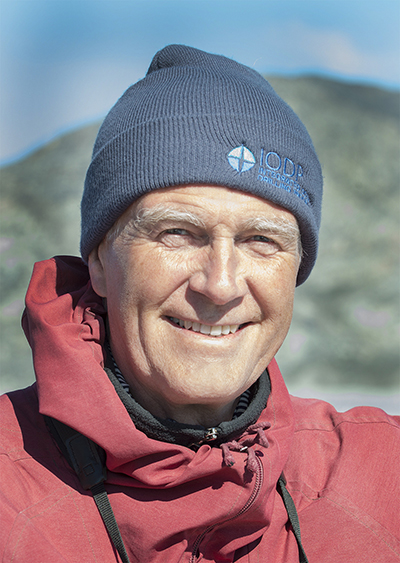 Bo Barker Jørgensen合作论文数Department of Biology, Aarhus University9
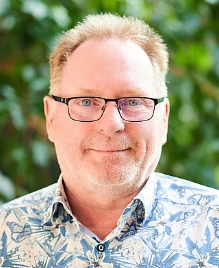 Georg Guggenberger合作论文数Institute of Soil Science, Faculty of Natural Sciences, Leibniz University Hannover9Franz Glombitza合作论文数9Dagmar Kock合作论文数9
 Robert Mikutta合作论文数9
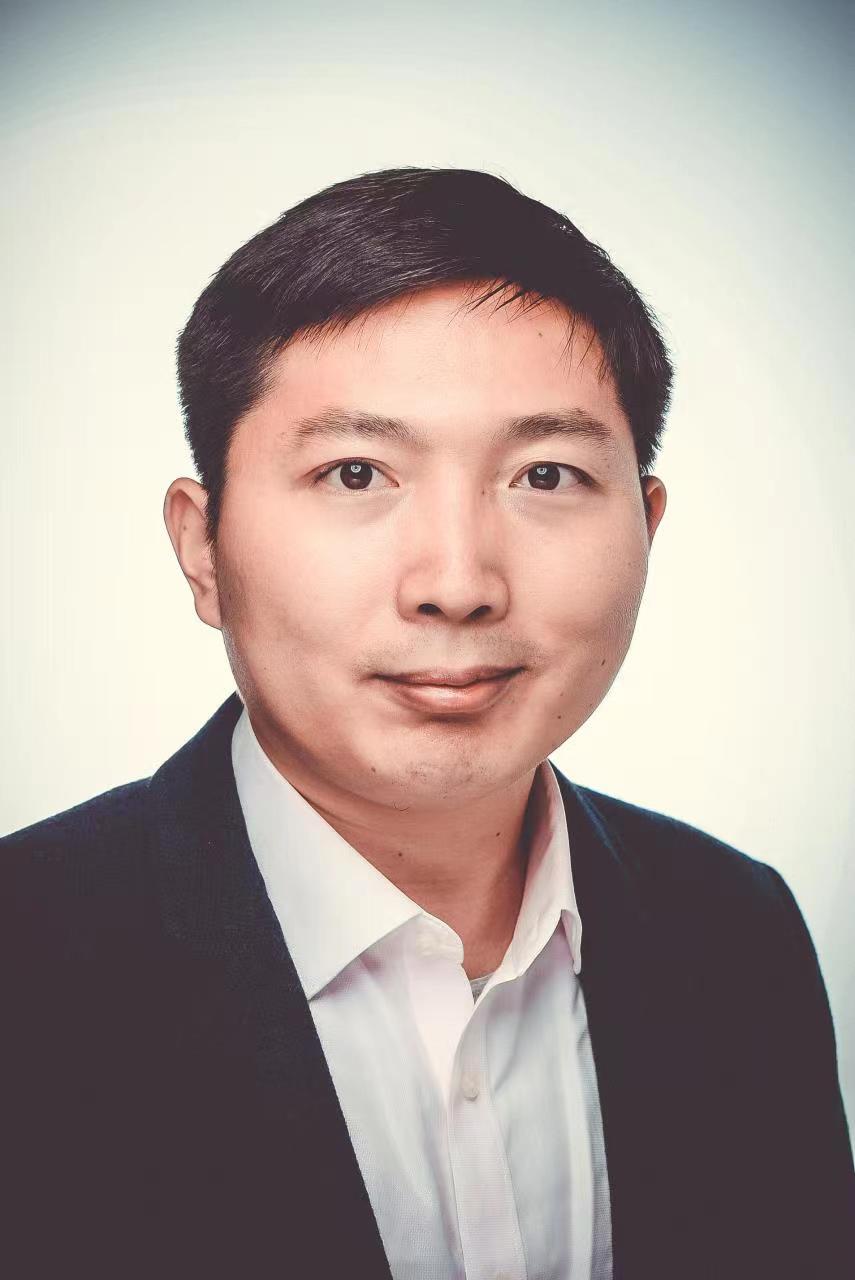 Ruiyong Zhang (张瑞永)合作论文数Institute of Oceanology, Chinese Academy of Sciences;University of Chinese Academy of Sciences8Stephanie Turner合作论文数7PG Jozsa合作论文数7
 Reiner Dohrmann合作论文数Bundesanstalt für Geowissenschaften und Rohstoffe Stille7Anna Blazejak合作论文数6
 Srđan Stankovic合作论文数Faculty of Biology, University of Belgrade6
 Andreas Teske合作论文数Department of Earth, Marine and Environmental Sciences, College of Art And Sciences, University of North Carolina at Chapel Hill6
 Tim Ferdelman合作论文数Biogeochemistry Group, Department of Biogeochemistry, Max Planck Institute for Marine Microbiology6Mirko Martin合作论文数5René Kermer合作论文数5
 Perner Mirjam合作论文数Microbiology and Biotechnology Unit, University of Hamburg5Eberhard Janneck合作论文数5Torsten Graupner合作论文数5Sabine Willscher合作论文数5Barry A. Cragg合作论文数5
 D. Barrie Johnson合作论文数School of Natural Sciences, College of Natural Sciences, Bangor University5
 R John Parkes合作论文数Cardiff University5Christoph Tanne合作论文数4Sandra Meyer-Stüve合作论文数4
 Anne-Gwenaelle Guezennec合作论文数4
 Ken Takai合作论文数Institute of Biogeosciences, Japan Agency for Marine-Earth Science and Technology4
 Heribert Cypionka合作论文数University of Oldenburg4Takuro Nunoura合作论文数Laboratory of Marine Microbiology;Graduate School of Agriculture;Kyoto University;Graduate School of Agriculture, Kyoto University4Lev N. Neretin合作论文数4Ln Neretin合作论文数3Frank Melcher合作论文数3Cathrin Spröer合作论文数3Marius Stranghoener合作论文数3
 Nicole Adam-Beyer合作论文数3andreas kamradt合作论文数3Mahin Schaffie合作论文数Department of Petroleum Engineering, Shahid Bahonar University of Kerman3
 Katja Laufer-Meiser合作论文数GEOMAR Helmholtz Ctr Ocean Res3
 David C Smith合作论文数Univ Rhode Isl, Grad Sch Oceanog, Narragansett, RI 02882 USA3Yuchen Han合作论文数3Peter Schumann合作论文数3Köweker Gerrit合作论文数3Reichel Susan合作论文数3
 Harald Behrens合作论文数Institute of Mineralogy, Naturwissenschaftliche Fakultat, Leibniz University Hannover3
 Mohammad Ranjbar合作论文数Department of Petroleum Engineering, Shahid Bahonar University of Kerman3




