Objective To evaluate diagnostic method and treatment strategy for free floating thrombus in carotid artery.Methods From Ju12016 to Oct 2017,7 patients with free floating thrombus in carotid artery was diagnosed at our department.The medical history,symptoms,diagnosis,treatment strategy and prognosis of those patients were analyzed retrospectively.Results Among 7 patients,4 were symptomatic;4 patients were concomitant with severe carotid artery stenosis and 3 with mild to moderate stenosis.3 received carotid endarterectomy and patch angioplasty.4 received carotid artery stenting with distal cerebral protection divice.There was no perioperative and 30-day stroke,myocardial infarction,death or hyperperfusion syndrome occurred.The 12-month follow up showed no restenosis,no free floating thrombus recurrence and no ischemic cerebrovascular event.Conclusion Free floating filling defect in carotid artery is a typical sign for unstable plaque.Both carotid endarterectomy and carotid artery stenting can be used for the treatment of free floating thrombus.
Objective To compare the outcome of combined and staged approach on concomitant carotid and coronary severe stenosis.Methods From March 2013 to May 2015,27 patients with concomitant carotid and coronary severe stenosis were treated by carotid endarterectomy and coronary artery bypass grafting,15 cases received one-stage operation and 12 staged.The basic characteristics,details during surgery,complications,quality of life score,hospital stay and cost were compared.Results 27 patients received carotid endarterectomy and off-pump coronary artery bypass grafting under general anesthesia.Revascularization were performed on 27 carotid and 82 coronary artery.The characteristics of patients were similar between two groups,reflected with WIC,combined approach subgroup was (5.27 ± 0.88) and staged subgroup was (4.92 ± 1.24).The operation time was significantly decreased in the synchronous group [(295.33 ± 49.73)min vs (390.83 ± 73.45) min,P < 0.001].Hospital stay days was also reduced [(30.20 ± 12.91) days vs(44.67 ± 6.34) days,P =0.002],the medical cost was lower in combined approach group,but no significant statistical difference.The complications including 1 case TIA,1 recurrent nerve injury in one-stage group and 1 case myocardial infarction,1 mediastinal bleeding post-operation and 1 pulmonary infection in stage group.No cerebral infarction and death.Quality of life scores(SF-36) of the two groups was 5.53 ± 1.30 and 5.75 ± 1.36 respectively,no significant difference.Conclusion The efficacy and safety of treatment for concomitant carotid and coronary severe stenosis patients with combined or staged approach was similar.But the combined approach program can reduce the hospital stay time and cost in some degree.
OBJECTIVE:To analyze the outcomes of synchronous revascularization for patients concomitant carotid and coronary artery severe stenosis.METHODS:From May 2012 to April 2014, 12 cases who received one-stage operation was retrospective analyzed, including the characteristics, methods of treatment, perioperative complications and health survey 30 days post procedure. Two subgroups were divided according to the different treatment methods on carotid artery, WIC and SF-36 scale were applied to compare the basic condition and recovery situation between 2 groups, the hospital stay time, costs, ventilation time, drainage and blood transfusion volume were also be compared.RESULTS:Totally 30 coronary vessels 8 carotid endarterectomy (CEA) and 5 carotid artery stenting (CAS) were performed on 12 patients. One patient also received coronary artery bypass grafting and bilateral carotid artery revascularization (CEA on right and CAS on left). Two (16.67%) minor stroke, 1 (8.33%) TIA, 1 wound infection occurred within 30 days post procedure, and 11 (91.67%) received blood component transfusion. No myocardial infarction and death occured. The average hospital stay time were (36.5 ± 25.3) days, ventilator application (37.5 ± 31.2) hours, postoperative drainage volume from pericardial and mediastinal was (347.92 ± 105.69) ml, infusion of concentrated red cell was 4.3 U. WIC was (5.57 ± 1.51) in CEA and (4.25 ± 1.50) in CAS subgroup, there was no significantly statistical difference (t = 1.40, P > 0.05). the results of SF-36 was (3.63 ± 1.76) and (5.44 ± 1.05) in CEA and CAS subgroup, there was no significantly statistical difference (t = -1.85, P > 0.05). In hospital stay time, ventilator application time, transfusion and drainage volume, hospitalization costs were also no significant statistical difference between two groups.CONCLUSIONS:The early outcome of synchronous revascularization on concomitant carotid and coronary severe stenosis disease is satisfactory. The clinical results are similar in the CEA and CAS subgroup.
Objective To study the clinical outcome of endoscopic vessel harvesting system (EVH) for the treatment of lower limbs varicose veins.Methods Patients (n =41) with varicose veins admitted from Jan 2011 to May 2013 were randomly divided into EVH group (n =20) and stripping group (n =21).Indexes as postoperative VAPS (48 hours and 1 week),subcutaneous ecchymosis (1 week),hematoma(1 week),skin numbness (1 week),CEAP classification (3 months),surgery effect and satisfaction scores(3 months) were compared between the two groups.Results 48 hours and 1 week VAPS was lower in EVH group(P <0.01).After EVH there was less subcutaneous ecchymosis (1 week),hematoma(1 week) and skin numbness (1 week) (all P < 0.01).Postoperative CEAP classification improved significantly in both groups (P < 0.01),while surgery effect and satisfaction scores (3 months) were better in EVH group (P < 0.05).Conclusions EVH is a safe and minimally invasive technique in treatment of varicose veins of the lower limbs.
Objective To summarize the etiologic factors and evaluate the clinical outcome of reoperations on 119 limbs of recurrent varicose veins.Methods Retrospective analysis was made on etiologic factors of 119 limbs (113 patients) of recurrent varicose veins admitted to our hospital from January 2007 to June 2013.All patients underwent color duplex ultrasonography and anterograde venography of the lower extremity and were treated by reoperations.Results In the 119 limbs,102 limbs (85.7%) had residual main great saphenous veins or tributaries,97 limbs (81.5%) had incompetent perforator veins,23 limbs (19.3%) had neovascularization,9 limbs (7.6%) had incompetent small saphenous veins,21 limbs (17.6%) had incompetent femoral veins,6 limbs (5.0%) had iliac vein compression syndrome,and Budd Chiari syndrome was found as the cause of recurrence in 1 limb (0.8%).Postoperative patients were followed-up for 6-72 m (32-± 7 m).The cure rate of varicose veins were 100%.There was not recurrence of varicose veins,postoperative VCSS was 0-5 (1.2 ±0.5) vs preoperative 1-17 (6.2 ±2.5)(P < 0.01).Conclusions Residual and incompetent great saphenous veins or tributaries and incompetent perforator veins were the main etiologic factors of postoperative recurrent varicose veins.Therapeutic principle for recurrent varicose veins is to eliminating the reverse flow of superficial vein system and ligate incompetent perforator veins.
AIM The aim of this retrospective observational study was to investigate the effect of on-pump versus off-pump coronary artery bypass grafting (CABG) for patients with coronary artery diseases (CAD). METHODS A retrospective observational study was performed using a propensity score analysis in 290 consecutive patients undergoing CABG between April 2009 and March 2014, of them, 54 patients undergoing off-pump CABG (OPCABG) were matched with 54 patients undergoing on-pump CABG (ONCABG) by propensity score. The perioperative complications and hospital mortality were documented. RESULTS Preoperative characteristics were comparable in both groups following propensity matching. Postoperative myocardial infarction (MI) incidence was lower in OPCABG group than in ONCABG group (3.7% vs. 14.8%, P=0.046); both hospital mortality and the major complications rates were similar in the two groups after propensity adjustment for preoperative characteristics. CONCLUSIONS The perioperative complications are similar in both off-pump and on pump CABG groups, the short-term effect of OPCABG is similar to that of ONCABG.
<正>患者男性,31岁,因双侧下肢间歇性跛行11年,加重6个月,右足溃疡1个月入院。患者于11年前出现双下肢间歇性跛行、行走约100 m。入院前6个月,跛行距离缩短为50 m。入院前1个月出现静息痛、足部溃疡,右足先后3处皮肤破溃、迁延不愈,跛行距离缩短为10m。在外院住院查下肢动脉B超提示:双侧髂总、股总、股浅、腘动脉及足背动
Introduction: Multiple cardiac ruptures after radiofrequency catheter ablation that requires surgical repair are uncommon.Methods and Results: We describe a 64-year old male patient with paroxysmal atrial fibrillation who had a cardiac tamponade following radiofrequency ablation. Surgical exploration demonstrated two ruptures in the left atrium, one in the right atrium, and one hematoma in the right atrium. MEDLINE, the Cochrane Library, and related databases were searched up to June 2011 without language restrictions, and related literature was reviewed and discussed. The patient has survived from prompt cardiac repair of cardiac ruptures and recovered from surgery without complications.Conclusions: Urgent exploratory surgery with cardiopulmonary bypass is the key to salvage the patient.
OBJECTIVE To compare the effect of combined carotid endarterectomy (CEA) and coronary artery bypass grafting (CABG) with solely CEA. METHODS During a five-year period ending December 2009, 25 consecutive patients received concomitant CEA and CABG, whereas, 62 consecutive patients underwent only CEA. They were followed at the median for 64.5 months. The Kaplan-Meier method was used to evaluate the survival rate of patients in both groups. RESULTS There was no significant difference in terms of age, proportion of gender, risk factors of coronary artery disease and carotid artery stenosis. The degree of carotid artery stenosis was identical in both study groups. One patient in CEA/CABG group had 60% stenosis of carotid artery with ulcerative plaque. There was no early death in the short postoperative period. Restenosis was found on ultrasonography in 4 patients in the CEA/CABG group, and 12 patients in the CEA group; no statistical difference was found between both groups (P = 0.952). The intubation time, ICU stay, and hospital stay in CEA/CABG group were longer than in solely CEA group (P <0.001). The median duration of follow-up was 64.5 months (IQR 24-84 months). The survival rate was 88 %(22/25) in CEA/CABG group and 80.6 %(50/62) in CEA group, product-limit analysis showed that there was no significant difference in survival rates between two groups (P >0.05). CONCLUSION concomitant carotid endarterectomy and CABG can be safely performed, it could prevent stroke and would not increase the overall risk of surgery.
Objective To analyze complications of carotid artery stenting (CAS) and preventions.Methods Clinical data and treatment outcomes of 72 consecutive patients ( 80 stents ) from July 2006 to January 2012 with carotid stenosis were analyzed.Asprin 100 mg and clopedigrel 75 mg were given orally 5 days before CAS.Distal embolic protection device were implanted in all patients,pre-dilatation was done for those with carotid stenosis > 90% and post-dilatation was done for those of residual stenesis > 30%.Severe complications of CAS mean death,myocardial infarction (MI) and stroke.Other minom included transient ischemic attack ( TIA ),hyperperfusion and intracranial hemorrhage ( ICH ),bradycardia and/or hypotension,hypertension,access hematoma or bleeding.Results In 72 patients a total of 80 self-expandable bare stents were successfully implanted.Distal embolic protection devices were used in all cases.Combined procedure was taken in 5 cases including OPCABG in 2 cases,left subclavain artery stenting in 2 cases and renal artery stenting in 1 case.The overall in-hospital complications was 37.5% (27 of 72).Of these events,1 case had minor strokes defined as a modified Rankin Scale score less than 3 at 1-year follow-up,2 patients (2.78% ) experienced a hemispheric TIA (neurological symptoms that resolved within 24 hours),1 patient experienced hyperperfusion syndrome.The overall mortality rate was 0,21 cases (29.2% ) experienced hemodynamic instability (hypotension in 15 cases,bradycardia in 5 cases and hypertension in 1 case) and 2 others had access hematoms.The 30-day death/stroke/myocardial infarction risk was 1.39% (1 minor stroke).Conclusions Hemedynamic instability (hypotension and bredycardia) is main complications of carotid artery stenting in patients with carotid artery stenosis,severe complications are rare.
Objective To evaluate the clinical outcomes of stenting for iliac venous occlusion complicated with acute deep vein thrombosis(DVT).Methods From October 2008 to September 2011,a total of 19 patients with acute DVT underwent thrombectomy combined with endovascular stenting in the ipsilateral iliac vein at our hospital.The DVT was detected in the femoro-ilio-caval vein in 3 cases,bilateral ilio-femoral vein in 2 cases,and left iliac vein in 14 cases.All the patients had leg swelling and 12 of them had severe limb pain.The mean course of DVT was(3.2±1.3) days.An inferior vena cava filter was inserted before thrombectomy,those whose venography showed iliac vein stenosis received balloon dilatation and a self-expandable stent immediately.Results Intraoperative venography showed severe venous stenosis in 18 patients including 15(15/18 78.9%) iliac vein compression syndrome ICVS) and 3 cases of residual stenosis.Total 22 self-expandable stents were inserted successfully(success rate: 100%),one of them suffered from incisional hematoma after the operation.We lost three patients to follow-up,the other 16 patients were followed up for 2 to 26 months with a mean of 10.3 months.All of them had the pain disappeared,two patients showed slight leg swelling,and no recurrent thrombosis were recovered.Conclusion Endovascular Stenting is safe for iliac venous occlusion complicated with acute DVT with a satisfying early-stage outcome.
Objective To explore the effect and safety of carotid endarterectomy(CEA) in the treatment of severe carotid stenosis.Methods The clinical data of 126 patients with carotid artery stenosis who were treated with CEA in our hospital from January 2007 to February 2011 were retrospectively analyzed.Transient ischemic attack(TIA) was found in 108 patients,cerebral infarction in 17 patients,and absence of symptoms in one patient(>90% stenosis) before operations.All patients with coronary artery stenosis were determined with selective angiography,whose incidence of artery stenosis was of 70% to 99%.Preoperative coronary angiography was performed in 35 patients.CEA and coronary artery bypass grafting(CABG) were simultaneously performed in 6 patients.Results One patient died of the perioperative cerebral hemorrhage after operations,the clinical symptoms significantly improved in all of other patients.One patient died of heart attack during follow-up.Conclusion CEA is still the most important and effective treatment for patients with severe carotid stenosis.
OBJECTIVE:To evaluate the clinical outcome of surgical venous thrombectomy and simultaneous stenting in patients with acute, symptomatic iliofemoral deep venous thrombosis (DVT).METHODS:From October 2008 to December 2010, a total of 15 patients with acute symptomatic DVT underwent combined surgical venous thrombectomy and endovascular stenting in ipsilateral iliac vein. There were 6 male and 9 female patients, with a mean age of 57.4 years (ranging from 36 to 71 years). All patients underwent Duplex ultrasonography for diagnosis of DVT. The location of thrombosis was femoro-ilio-caval vein in 2 cases, bilateral iliac vein in 1 case and left iliofemoral vein in 12 cases. All patients had leg swelling and 12 cases had severe leg pain. The mean time of symptomatic DVT occurring at operation was 3.3 d. The factors related to DVT were operation in 6 cases, DVT reoccur in 2 cases. Coexist diseases were digestive tract bleeding in 1 case, gastric ulcer in 1 case, hypertension in 3 cases and 1 case had cerebral infarction. The inferior vena cava filter was inserted before thrombectomy, iliac vein compression and residual stenosis were treated with a self-expandable stent after thrombectomy.RESULTS:Intraoperative venography showed severe venous stenosis in all patients including 80% of iliac vein compression syndrome, 18 self-expandable stents were inserted successfully, the procedural successful rate was 100%, the 30-day mortality rate was 0.One case was suffered from hematoma at incision after operation. 3 patients were lost during follow-up. Median follow-up was 10.3 months (ranging from 2 to 26 months). There was no case of re-thrombosis. Leg pain was disappeared in all cases and only 2 patients showed slight leg swelling after excise.CONCLUSION:Combined surgical thrombectomy and endovascular treatment for patients with acute symptomatic iliofemoral venous thrombosis is an effective and safe technique with low morbidity and good clinical results.
Objective To observe the change of contralateral internal carotid artery after carotid endarterectomy(CEA).Methods The clinical data of 127 patients with high-grade stenosis in one side of internal carotid endartenectomy who underwent CEA were analyzed retrospectively.The ultrasonic testing of bilateral carotid arteries was performed on all the patients every 2 years to examine the stenosis in bilateral carotid arteries.Results All the patients were followed up for 1 to 110 months with a mean period of 32.8 months.It was about 50.7 months from the implementation of CEA to the appearance of significant stenosis in contralateral carotid artery.The contralateral carotid artery progressive stenosis which came up to 70% occured in 12 patients.There was no significant difference between patients with nonprogressive stenosis and 12 patients with progressive stenosis,although these patients had hypertension,hyperlipidemia or coronary diseases(P>0.05).Conclusions The significant risk factors which may cause progressive stenosis in contralateral internal carotid artery after CEA have not been discovered.The regular inspections and close observation of prognosis are very important.
OBJECTIVE:To explore the mid-term surgical results of arterial revascularization for femoro-popliteal arterial occlusive disease (lesion type C and D).METHODS:From January 2005 to February 2009, 191 arterial bypass had been performed on 170 patients (21 cases bilateral). There were 108 male and 62 female, age ranged from 45 to 85 years old with an average of 67 years old. The operative indication was claudication in 78 cases, rest pain in 62 cases, ischemic ulcer in 19 cases, and distal tissue necrosis in 11 cases. Arterial angiography were performed on all cases. According to TASC II document, type C lesions were seen in 127 limbs, type D lesions were seen in 64 limbs. Autogenous greater saphenous vein bypass in situ were done on 15 limbs, autogenous greater saphenous vein bypass reversed in 20 limbs, revascularization with artificial prosthesis in 128 limbs, composite grafts consisting of a prosthetic conduit with a distal venous segment in 28 limbs.RESULTS:There were no 30-day mortality. Follow-up periods ranged 6 to 36 months with an average of (24 + or - 6) months. Seventy-three cases were lost during follow-up periods, follow-up rate was 57% (109/191). Primary patency rate was 84.4% (92/109). The patency rate was 88.2% with artificial prosthesis, 70.8% with greater saphenous vein (in situ or reversed). Secondary patency rate was 89.9%.CONCLUSIONS:Arterial revascularization with artificial prosthesis is main treatment for diffused superficial femoral artery occlusive disease (TASC II type C and D lesion) with satisfied surgical results.
Objective To compare the clinical results of endovenous laser treatment(EVLT),radiofrequency endovenous occlusion(RFO)and conventional stripping combined with transilluminated powered phlebectomy(TIPP)for lower extremity varicose vein.Methods From Jun 2004 to Jan 2007,200 cases(232 limbs)were treated by EVLT with TIPP,80 cases(88 limbs)by RFO with TIPP,and 180 cases(202 limbs)by conventional stripping with TIPP.Operation time,number of the incision made,intraoperative bleeding,postoperative hospital stay,complications,and one-year recurrence rate were compared with each other. Results Operation time was longer(41±8)min in RFO group than that in other two groups.Postoperative hospital stay was shorter in EVLT group(1.2±0.4 d)and RFO group (2.1±0.8 d)than that in stripping and TIPP group(P<0.05).Patients in stripping group also suffered from more intra-operative bleeding more often incidental nervus saphenus injury and more incision numbers when compared with other two groups(P<0.05).There was no significant difierence in one-year recurrence rate among patients in the three groups. Conclusions The clinical efficacy is almost the same among the three groups in terms of eradication of the varicose veins.EVLT and RFO are safe and minimal invasive for the treatment of lower extremity varicose vein. Key words: Varicose veins; Lasers; Radiofrequency; Stripping
Objective To study the safety of the patients with triple coronary artery disease(stenosis rate>75%) undergone by OPCAB with preoperative insertion of IABP.Method To review the results of 27 patients,mean age 64.8 years,sex m/f 19/8,operated by OPCAB with preoperative insertion of IABP between 2001 to 2007.The indications for preoperative insertion of IABP was severe triple coronary artery disease with severe unstable angina and/or acute myocardial infarction.Most of these patients(15/27) were also with severe LMA stenosis(>75%).Results Postoperatively there was one patient died in the group because of renal failure.There were grafts per patient(3.2±1.1).No one needs conversion from OPCAB to ONCAB and there was no any IABP related complications in the Group.Conclusion Severe three vessel disease can be operated safely by OPCAB with preoperative insertion of IABP,which can certainly avoid the potential complications of CPB and avoid high risk of emergency conversion from OPCAB to ONCAB for the high risk patients.
Objective Long-term results of the patients with coronary artery complete revascularization with two sequential saphenous vein grafts were retrospectively studied.Methods Follow-up consecutive 11 patients survival condition,who received CABG from Nov 1989 and Dec 1992 and saphenous vein graft patency saturation.Results There was no mortality 5,10 and 15 year survival rate were 11/11,10/11 and 9/11 patients respectively.3 patients had coronary angiography examination made,4 distal anastomoses in 2 patients and 5 distal anastomoses in 1patients were patency and 1 had CTA,in which 1 graft was complete occluded due to severe calcification in LAD,the other sequential graft with two distal anastomoses were patency and no soft plaque and calcification were found in the vein graft.All the saphenous vein graft had normal morphology without severe narrowing and extension at morphology of coronary angiography.Conclusion Expect the other factors to influence the vein graft patency rate,the sequential grafts with good quality anastomoses were one of the important factors to long term patency rate of the vein graft,so that when the saphenous vein was used as a graft,high good quality anastonosis must be assured.
<正>阻生的下颌第三磨牙拔除是最常施行的一种口腔外科手术。该手术因神经损伤导致术后感觉障碍是一种少见的并发症,发生率为3.9%、1.3%、0.4%、1.1%及2.2%[1~5]。由于下齿槽神经(inferior alveolar nerve,IAN)靠近阻生的下颌第三磨牙,在拔除时可能损伤IAN而导致感觉异常。术前准确的预测神经损伤的危险因素,是通过拍摄全景曲面断层X线片了解第三磨牙牙根与IAN的关系。许多因素可引起并发症,如下唇感觉减退与年龄的关系[2~5],牙齿根尖和下颌管之间的X线关系[2,3,5,7~11]以及手术者的经验、解剖学上牙根的形态、数目等[1,2,7~10,12]。本文介绍了与拔除下颌第三磨牙IAN损伤相关的危险因素,特别是曲面断层X线片上的危险因素,以帮助临床医生术前更准确地了解、评估和预防IAN损伤的危险性。
Objective To retrospective study the safety and advantage and disadvantage of the patients with severe left main artery stenosis (85%) with three-vessel-disease (80%) undergone either by on-pump or off-pump CABG. Methods To compare the results of 25 patients, from Jan.2002 to Dec.2005, operated by on-pump CABG 13 patients as group one and by off-pump, 12 patients as group two with preoperative insertion of IABP. LIMA, LRA and SVG were as grafts. The indications for preoperative insertion of IABP was severe left main artery stenosis with three-vessel-disease with severe unstable angina and/or acute myocardial infarction. Results Postoperatively there was 1 patient died in each group. There were grafts per patient (4.4±1.3) vs (3.1±1.1),P0.05. Group I had more frequency of complications than Group Ⅱ had. No one needs conversion from OPCABG to ONCAB and there was no any IABP related complications in Group Ⅱ. Conclusion Severe left main artery stenosis with severe three vessel disease can be operated safely by either on-pump without IABP or off-pump with preoperative insertion of IABP, which can certainly avoid the potential complications of CPB and avoid high risk of emergency conversion from no-pump to of-pump for the high risk patients.
 Peng Liu (刘鹏)合作论文数Tianjin Key Laboratory of Molecular Design and Drug Discovery,Tianjin Institute of Pharmaceutical Research,Tianjin ,China27
 ZhiDong Ye (叶志东)合作论文数19Fan Lin (林凡)合作论文数16
 Fenglin Wang (王凤林)合作论文数China-Japan Friendship Hospital15DeSheng Cao (曹德生)合作论文数12YuGuang Yang (杨煜光)合作论文数12SongYi Qian (钱松屹)合作论文数11XueQiang Fan (樊雪强)合作论文数10Shiyan Ren合作论文数5Ming Zhou (周明)合作论文数5Jie Chen (陈捷)合作论文数5Yanan Zhen合作论文数4Zheng Xia合作论文数4Jianbin Zhang合作论文数2JiangTao Liu (刘江涛)合作论文数2
 Yongtong Cao (曹永彤)合作论文数China-Japan Friendship Hospital2Tianpeng He合作论文数1Guang Sun合作论文数1Zhi-yong ZHOU (周智勇)合作论文数1ZhaoYong Wu (吴赵永)合作论文数1ShaoGang Li (栗绍刚)合作论文数1JinYong Li (李金勇)合作论文数1LiYan Cao (曹力燕)合作论文数1ZengZhu Guo (郭增柱)合作论文数1ManLing Feng (冯曼玲)合作论文数1AiPing Ji (纪爱萍)合作论文数1Long Fang (房龙)合作论文数1Fang Zhang (张芳)合作论文数1ShaoBo Gan (甘绍伯)合作论文数1
 Chenghong Yin (阴赪宏)合作论文数Beijing Obstetrics and Gynecology Hospital, Capital Medical University1
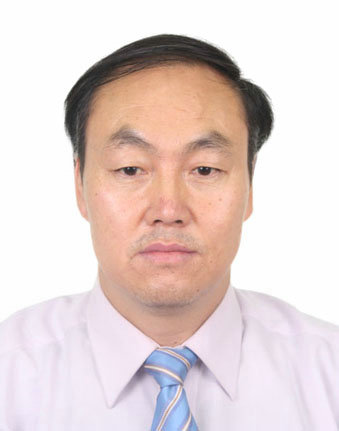 Guolin Ma (马国林)合作论文数China-Japan Friendship Hospital;Peking University Health Science Center;Peking Union Medical College;Capital Medical University1
 Yunting Wang (王云亭)合作论文数China-Japan Friendship Hospital1S. Wan合作论文数1Guangxiang Hong合作论文数1Yuan Jing合作论文数1Yan-ling Wang (王彦铃)合作论文数1
 Jinghong Li (李京宏)合作论文数北京中日友好医院心脏血管外科.电化疗科1Jianyan Wen (温见艳)合作论文数Dept.of Cardiology,China-Japan Friendship Hospital,Beijing ,China1
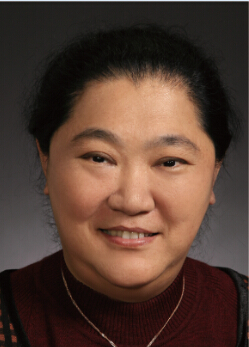 Xiaoqian Han (韩小茜)合作论文数Beijing Tongren Hospital, CMU1
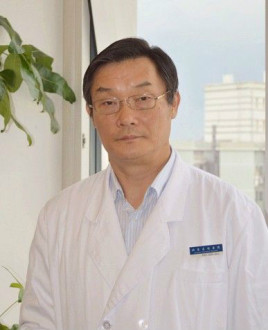 Jian Liu (刘建)合作论文数Beijing Friendship Hospital, Capital Medical University1
 Yanbing Yu (于炎冰)合作论文数China-Japan Friendship Hospital1




