BACKGROUND:Understanding how food matrix interactions influence flavonoid digestion and gut microbiota modulation is essential for designing functional foods. This study investigated citrus pectin-naringin-zein ternary complexes, focusing on the effects of pectin modification (alkali treatment versus amidation) on naringin bioaccessibility and gut microbial regulation. RESULTS:Hydrophobic interactions dominated the formation of ternary complexes, while hydrogen bonding intensified during gastric digestion and weakened after intestinal digestion. Alkali-modified pectin-naringin-zein complexes significantly reduced naringin bioaccessibility by 3.4-11.2% compared with the corresponding low-methoxyl pectin-naringin-zein complexes during simulated digestion, suggesting improved protection against premature degradation and greater naringin retention during gastrointestinal digestion. In vitro fermentation demonstrated notable prebiotic potential, with selective enrichment of beneficial microbiota, particularly Bacteroidetes and Actinobacteria. Additionally, the ternary complexes markedly promoted short-chain fatty acid production, with acetic acid concentration reaching up to 16.50 mmol L-1, while valeric acid and branched-chain short-chain fatty acids (isobutyric and isovaleric acids) were also elevated. Among the formulations, the high-amidation/low-alkali modified pectin complex showed favorable overall performance in improving naringin stability and microbiota modulation, while different pectin modifications exhibited distinct advantages across bioaccessibility and microbiota-related parameters. CONCLUSION:These findings provide mechanistic insights into polysaccharide-protein-flavonoid interactions and offer a rational strategy for developing functional foods that improve flavonoid stability during digestion and promote gut health. © 2026 Society of Chemical Industry.
Irradiation, as a non-thermal processing technology, can effectively improve the quality of dried foods. This study explored the effects of irradiation on flavonoids and volatile flavor compounds in Citri Grandis Exocarpium. The color parameters of Citri Grandis Exocarpium had no significant changes after different doses of irradiation. 11 key flavonoid metabolites in Citri Grandis Exocarpium were obtained by flavonoid-targeted metabolomics, and 9 key flavor-active volatile compounds were analyzed by HS-GC-IMS with the analysis of the relative odor activity values. Moreover, the metabolic pathways of irradiation-induced flavonoid and flavor remodeling in Citri Grandis Exocarpium were finally elaborated, and the irradiation treatments were associated with the pathways of flavonoid biosynthesis, flavone and flavonol biosynthesis, phenylpropanoid biosynthesis, and fatty acid metabolism. The findings could provide a theoretical and research foundation for the application and development of irradiation technology in dried foods, as well as for the enhancement of flavonoids and flavor compounds.
The widespread application of Monascus pigment (MP) is limited by its poor stability. To address this, a Holo-OVT/MP complex was constructed to enhance MP stability. The binding mechanism was investigated using multispectral analysis and computational simulations. Spectroscopic studies confirmed the specific binding of MP to Holo-OVT, inducing static fluorescence quenching of the protein. The thermodynamic parameters derived from Trp/Tyr fluorescence spectroscopy indicated spontaneous interactions. The lowest binding energy for the Holo-OVT/ MP complex was calculated as -6.49 kJ/mol. Hydrogen bonding, hydrophobic interactions, and van der Waals forces were the primary driving forces for the formation and stability of the complex. CD spectroscopy showed a 5.5 % decrease in α-helix and a 29.7 % increase in β-sheet content in Holo-OVT. MD results further demonstrated that MP binding induced conformational changes in Holo-OVT's secondary and tertiary structures. These findings provide a mechanistic basis for developing stable MP formulations applicable to food processing and storage.
Whole-fruit juicing represents a sustainable zero-waste approach for citrus processing, yet it introduces significant stability challenges due to the complex colloidal system. This study investigated high-pressure homogenization (HPH) as a physical intervention to stabilize whole-fruit Gonggan juice. Results demonstrated that HPH treatment above 200 bar significantly improved suspension stability by reducing particle size and increasing aggregation symmetry. Treatment at 400 bar/2 cycles yielded the most negative Zeta potential. HPH effectively released tightly bound pectin. Water-soluble pectin (WSP) content increased by 1.46 times, while chelate-soluble pectin (CSP) first rose then fell, and sodium carbonate-soluble pectin (NSP) remained stable. HPH increased RG-I branching , especially in WSP treated at 400 bar for 2 cycles ((Gal+Ara)/Rha ratio reached 28.70 ± 0.24). the Atomic force microscopy (AFM) revealed WSP backbone degradation under high pressure, while CSP and NSP chains exhibited enhanced aggregation. HPH promoted aggregation in high molecular weight pectins (CSP, NSP), with low molecular weight fragments likely converting to WSP. This study identified the appropriate HPH parameters for whole-fruit Gonggan juice, providing a scientific basis for optimizing this key processing step.
Blood orange juice (BOJ) is a processed product rich in flavonoids, offering multiple health benefits. This study investigated the transformation patterns of structurally diverse flavonoids during gastrointestinal digestion of BOJ. Analyses were conducted through in vitro digestion models, random forest algorithms, and correlation studies. Findings: total flavonoid content decreased with digestion duration, showing a significant decline after 0.5 h of gastric digestion. Four key flavonoids were identified, with their transformation patterns exhibiting three distinct digestive modes: anthocyanins predominated in the stomach, flavonones in the intestine, and flavonols and chalcones in continuous gastrointestinal digestion. Descriptive factors including ring number, double bond number, oil-water partition coefficient, and hydroxyl electro-topological state showed significant correlations (p < 0.05) with conversion rates at different digestive sites. This study provides theoretical foundations and design references for stabilising flavonoid protection, elucidating physiological functions, and structure-directed optimization.
ObjectiveThis study aims to investigate the characteristics of protein components and the types of cloudy proteins in Tribute citrus turbid juice.MethodsProteomics was used to analyze the proteomic features of the supernatant proteins and precipitated proteins in Tribute citrus turbid juice.ResultsThere were significant differences in the electrophoresis bands of the supernatant proteins and precipitated proteins in Tribute citrus turbid juice. Compared with the supernatant proteins, precipitated proteins contained 2 897 differential proteins, including 2 487 up-regulated differential proteins and 410 down-regulated differential proteins. The up-regulated differential proteins in Tribute citrus turbid juice were mainly enriched in metabolic pathways including tyrosine metabolism, fatty acid degradation, and phagosome, mainly from cellular components such as chloroplasts, cytoplasm, and nucleus. Six types of cloudy proteins were screened from up-regulated differential proteins in Tribute citrus turbid juice, including one pathogenesis-related protein and five glycoproteins.ConclusionProteomics can be used to explore the protein differences in Tribute citrus turbid juice.
A gold nanoparticle-based colorimetric assay was developed for patulin, a mycotoxin, detection in fruit juice. Eight patulin-specific aptamers were rigorously screened using molecular docking and specific binding analyses to select the optimal candidate. The optimized assay exhibited a wide linear detection range of 5.0–200.0 ng/mL in the buffer reaction system and high specificity for patulin. Its reliability for real-world samples was validated by achieving good recoveries (83.6
Alternaria alternata is a common fruit-decaying fungus that is potentially hazardous to fruit quality and human health. In this study, volatile and non-volatile compounds in cherry quality after artificial inoculation with A. alternata during cold storage were investigated using HS-GC-IMS and LC-MS. After fungal exposure, cherry samples exhibited significant changes in fungal counts, fruit firmness, and total soluble solid. A total of 36 volatile compounds, including 15 alcohols, 9 aldehydes, 5 esters, 4 ketones, 2 sulfur compounds, and 1 hydrocarbon were detected in the cherries by HS-GC-IMS. Changes in various aldehydes and sulfur compounds occurred in the early and middle storage stages, and changes in alcohols, esters, and ketones occurred in the middle-later storage stages. Seven types of non-volatile compounds were identified as key differential metabolites including 2-hydroxyphenylacetic acid O-b-D-glucoside, 2-O-benzoyl-D-glucose, gluconic acid, D-glucuronic acid, malonic acid, portulacaxanthin II, and altenusin, which are involved in the biosynthesis pathways of glucose, glycoside compounds, betalain, and fungal metabolites. This study provides further understanding of the relationship between the contamination of A. alternata and the quality of cherry fruit and lays the foundation for preservation technology for fresh fruit.
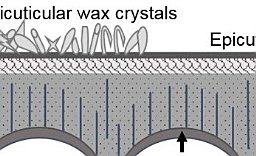
'Tuogu' and 'Bingtang' plums display unique textural responses to salt curing, manifesting in volume reduction, surface wrinkling, and alterations in color and texture, alongside ongoing material exchange. Over a seven-day salting period, 'Tuogu' plums lost 14.9 % of their moisture, compared to 'Bingtang' plums' 24.8 %, with salt permeability rates of 5.0 % and 5.2 %, respectively. Cuticle analysis revealed that the dominant component of the cutin monomers in both fruits was fatty acids, accounting for over 90 %, while the wax composition was predominantly very long-chain alkanes and triterpenoids, also constituting over 90 %. 'Tuogu' plums, with their rich waxes and dense, thick cuticle, showed enhanced barrier properties against material exchange, whereas 'Bingtang' plums, with their abundant cutin monomers, exhibited increased elasticity and material exchange capacity.
The directional design of multivalent aptamers significantly impacts the development of aptamer-mediated rapid detection methods. In this study, ten kinds of dimeric aptamers were designed using different flexible linkers. The dimeric aptamer of 1AS2 with the "A" base spacer demonstrated the best fluorescence activity and binding activity for patulin when combined with the fluorescence probe of thioflavin T (ThT). A label-free fluorescence aptasensor for patulin detection was developed based on the G-quadruplex/ThT platform using the dimeric aptamer of 1AS2. This fluorescence aptasensor had a wide detection range of 0.5-200.0 ng/mL for patulin within the operation time of 10 min and showed negligible cross-reactions with common mycotoxins. The assay exhibited good recoveries of 85.3 % ∼ 99.3 % in juice samples by the aptasensor, and the results were validated by HPLC analysis with good correlations. This study brings a new strategy for generating multivalent aptamers and label-free aptasensors for the accurate detection of food contaminants.
Camelia oleifera Abel. (C. oleifera) is one of the four important woody oil-bearing crops worldwide. The fruit shells are the main by-product of C. oleifera processing, and contain a variety of polyphenols. This study attempted to evaluate the anti-Listeria monocytogenes (LM) abilities of C. oleifera shells polyphenols (CSP) in culture medium and sea bass matrix. Results showed that CSP exhibited strong anti-LM potential with a minimum inhibitory concentration of 400 mu g/mL. The anti-LM activities of CSP was achieved by disrupting the integrity of cell membrane and wall, destroying the membrane protein conformation. Results from liposome model showed that CSP could interfere the lipid-water interface and hydrophobic core of cell membrane. Additionally, CSP had strong anti-biofilm activities against LM by inhibiting the bacterial aggregation and the production of biofilm protein and polysaccharide. Moreover, CSP was found to suppress the growth of microorganisms, prevent protein degradation and lipid oxidation, delay moisture migration, and keep sensory properties of sea bass fillets contaminated with LM during storage at 4 degrees C for 7 days. These findings suggested that CSP could be a natural and promising preservative for controlling LM in the fish products.
Citrus pectin is an anionic polysaccharide in citrus, which may improve the stability of citrus juices. This study investigated the influence of citrus pectin on the stability of protein-polyphenol complexes in the citrus juice model system and its interaction mechanism by multispectral and molecular dynamics (MD) simulations. Dynamic light scattering (DLS) and differential scanning calorimetry (DSC) showed that the citrus pectin-proanthocyanidin-zein complex improved the model citrus juices' cloud and thermal stability. Molecular dynamics (MD) simulations suggested that both pectin and proanthocyanidin bound to the U-shaped cavity of the zein molecules. Electrostatic and van der Waals forces were predominant in citrus pectin-zein. In contrast, van der Waals forces predominantly drove in proanthocyanidin-zein. This study indicated that citrus pectin could stabilize juice by delaying the onset of protein-polyphenol haze formation, which may provide new strategies for improving the quality, stability, and nutritional profile of fruit juice systems.
This study investigated flavor evolution in four plum varieties, namely ‘Tuogu’ plum (TG), ‘Bingtang’ plum (BT), ‘Qilin’ plum (QL) and ‘Pingguo’ plum (PG) during salting using gas chromatography-ion mobility spectrometry (GC-IMS). We identified 57 volatile organic compounds (VOCs) in fresh/salted fruits, with eight key VOCs (heptanal, propanal, 3-methylbutanal, etc.) contributing apple, grassy, and fruity notes through ROAV analysis. Fresh TG exhibited dominant grassy/fruity flavors from heptanal and hexanal, while BT/QL/PG showed stronger apple notes from 3-methylbutyraldehyde. Salting reduced aldehydes but increased esters/alkenes/alcohols, with eight VOCs showing significant changes. Notably, S-TG preserved original aromas, whereas S-PG underwent flavor remodeling. Metabolic pathway modulation drove the transition from fresh grassy to complex salted-fruity profiles, providing critical insights for plum processing optimization.
Peanut sclerotium blight is a globally widespread plant disease caused by Sclerotium rolfsii Sacc., often leading to significant reductions in peanut crop yields. Due to its soil-borne transmission, effective control of this pathogen remains challenging. This study developed a tea tree oil (TTO) Pickering emulsion (Teb/TTO-PE5) for delivering the fungicide tebuconazole (Teb) by using a covalent conjugate of sodium lignosulfonate (SLS) and deamidated zein (DA-zein) as stabilizers, with further stability enhanced by adding 0.3 wt% xanthan gum (XG), producing another TTO Pickering emulsion (Teb/XG/TTO-PE5). The stability of Teb/XG/TTO-PE5 was directly demonstrated by its ability to avoid phase separation after being stored at room temperature for 21 days. Additionally, it minimized droplet rebound and enhanced surface wetting, which facilitated efficient interfacial transfer during application. The dual active components in TTO Pickering emulsions exhibited controlled release behavior, enhancing both the targeting and control of the fungicide. Seed germination assays confirmed that the TTO Pickering emulsions did not significantly affect peanut seed germination. Pot experiments revealed that Teb/XG/ TTO-PE5 therapeutic intervention group maintained an average lesion rate of below 5 % in peanut plants infected with 21-day-old Sclerotium rolfsii Sacc. strains. The successful development of these Pickering emulsion fungicide delivery system offers an environmentally sustainable and crop-safe strategy for controlling peanut sclerotium blight.
This is the first work to screen an optimal extraction method for Citrus reticulata Blanco cv. Tankan peel polysaccharides (CPP). The CPP was extracted using hot water extraction (HWE), acid extraction (AAE), enzyme extraction (EAE), high-pressure extraction (HPE), and ultrasound extraction (UAE), named CPP-W, CPP-A, CPP-E, CPP-P, and CPP-U, respectively. Results showed that CPP-A and CPP-P had higher extraction yields than other CPPs. The five CPPs varied chemically in molecular weight, monosaccharide composition, and microstructure, but shared similar IR spectra and core glycosidic linkages, indicating differential degradation while preserving core structures during extraction. Among these CPPs, CPP-A, CPP-E, and CPP-U exhibited stronger immunological activities, attributed to high galacturonic acid and low molecular weight. Moreover, CPPs significantly promoted secretion of cytokines (nitric oxide, NO; prostaglandin E2, PGE2; interleukin-6, IL-6; tumor necrosis factor-α, TNF-α) by activating downstream inducible nitric oxide synthase (iNOS) and cyclooxygenase-2 (COX-2)-related mitogen-activated protein kinases (MAPK) pathways. Overall, CPP-E possessed high extraction yield, low molecular weight, and strong immuno-stimulatory activity, suggesting that enzyme-assisted extraction was the optimal approach for extracting CPP.
A cold-adapted protease (Chprotease) from Colwellia hornerae, identified through genomic screening, was cloned, heterologously expressed and purified. The purified Chprotease had a molecular weight of 53.3 kDa and showed maximum specific activity (35.36 U/mL) at 20 °C, with casein as substrate. It was stable and active between the temperature range of 15-25 °C and pH 6.0-8.0, with an optimum temperature of 20 °C at pH 7.0, and it present a good hydrolytic activity to hemoglobin and gluten protein. Moreover, it displayed better tolerance to organic solvents, surfactants, metal ions and reducing agents. Notably, the enzyme exhibited increased activity in the presence of surfactants, showing enhancements of 38 % with 1 % Tween-20 and 13 % with 5 % Tween-80, respectively. Furthermore, it retained over 70 % of its activity in the presence of 5 % SDS, EDTA, β-mercaptoethanol (β-ME), and PMSF. Because of these properties, the Chprotease shows potential for applications in food processing and the production of laundry products.
Patulin, an emerging mycotoxin with high toxicity, poses great risks to public health. Considering the poor antibody production in patulin immunization, this study focuses on the four-dimensional data-independent acquisition (4D-DIA) quantitative proteomics to reveal the immune response of patulin in rabbits. The rabbit immunization was performed with the complete developed antigens of patulin, followed by the identification of the immune serum. A total of 554 differential proteins, including 292 up-regulated proteins and 262 down-regulated proteins, were screened; the differential proteins were annotated; and functional enrichment analysis was performed. The differential proteins were associated with the pathways of metabolism, gene information processing, environmental information processing, cellular processes, and organismal systems. The functional enrichment analysis indicated that the immunization procedures mostly resulted in the regulation of biochemical metabolic and signal transduction pathways, including the biosynthesis of amino acid (glycine, serine, and threonine), ascorbate, and aldarate metabolism; fatty acid degradation; and antigen processing and presentation. The 14 key proteins with high connectivity included G1U9T1, B6V9S9, G1SCN8, G1TMS5, G1U9U0, A0A0G2JH20, G1SR03, A0A5F9DAT4, G1SSA2, G1SZ14, G1T670, P30947, P29694, and A0A5F9C804, which were obtained by the analysis of protein-protein interaction networks. This study could provide potential directions for protein interaction and antibody production for food hazards in animal immunization.
AREB/ABF (ABA response element binding) proteins in plants are essential for stress responses, while our understanding of AREB/ABFs from orchid species, important traditional medicinal and ornamental plants, is limited. Here, twelve AREB/ABF genes were identified within three orchids’ complete genomes and classified into three groups through phylogenetic analysis, which was further supported with a combined analysis of their conserved motifs and gene structures. The cis-element analysis revealed that hormone response elements as well as light and stress response elements were widely rich in the AREB/ABFs. A prediction analysis of the orchid ABRE/ABF-mediated regulatory network was further constructed through cis-regulatory element (CRE) analysis of their promoter regions. And it revealed that several dominant transcriptional factor (TF) gene families were abundant as potential regulators of these orchid AREB/ABFs. Expression profile analysis using public transcriptomic data suggested that most AREB/ABF genes have distinct tissue-specific expression patterns in orchid plants. Additionally, DcaABI5 as a homolog of ABA INSENSITIVE 5 (ABI5) from Arabidopsis was selected for further analysis. The results showed that transgenic Arabidopsis overexpressing DcaABI5 could rescue the ABA-insensitive phenotype in the mutant abi5. Collectively, these findings will provide valuable information on AREB/ABF genes in orchids.
In the present study, the effects of 60Co-γ irradiation on the diversity of fungal microflora in blueberries during cold storage have been explored in detail. The effects of irradiation on the fungal microflora in blueberries could be observed at the lowest effective dose of 1.0 kGy. The genome library of fungal microflora in blueberries was evaluated by tusing Shannon, Simpson, Chao1, and ACE indices, presenting good coverage of blueberry samples. Principal coordinate analysis clarified the differences in the evolution and clustering of fungi in blueberries under different irradiation levels. The composition and diversity of fungal microflora in blueberries treated with different doses of radiation exhibited significant differences under cold storage of 4°C. However, most of the fungi belonged to the Ascomycota at the phylum. The fungal microflora was relatively stable at the initial stage of cold storage, however, the diversity of fungal species in irradiated blueberries varied greatly in the middle stage around the 15th day. This comprehensive study provides deeper insight about the effects of irradiation on the evolution of fungal microflora in blueberries during cold storage. The findings of this study lay a good foundation for post-harvest storage and preservation of blueberries.
Oats (Avena sativa L.) are one of the worldwide cereal crops. Avenanthramides (AVNs), the unique plant alkaloids of secondary metabolites found in oats, are nutritionally important for humans and animals. Numerous bioactivities of AVNs have been investigated and demonstrated in vivo and in vitro. Despite all these, researchers from all over the world are taking efforts to learn more knowledge about AVNs. In this work, we highlighted the recent updated findings that have increased our understanding of AVNs bioactivity, distribution, and especially the AVNs biosynthesis. Since the limits content of AVNs in oats strictly hinders the demand, understanding the mechanisms underlying AVN biosynthesis is important not only for developing a renewable, sustainable, and environmentally friendly source in both plants and microorganisms but also for designing effective strategies for enhancing their production via induction and metabolic engineering. Future directions for improving AVN production in native producers and heterologous systems for food and feed use are also discussed. This summary will provide a broad view of these specific natural products from oats.
 Gengsheng Xiao (肖更生)合作论文数Guangdong Academy of Agricultural Sciences,Guangzhou ,China36
 Huifan Liu合作论文数31
 Lukai Ma (马路凯)合作论文数Zhongkai University of Agriculture and Engineering28
 Wen Qi-biao合作论文数23Weidong Bai (白卫东)合作论文数21ZiBian Qu (区子弁)合作论文数19Lin Jiang (蒋林)合作论文数School of Pharmaceutical Sciences, Sun Yat-sen University17LIU Dongjie (刘东杰)合作论文数14Jian Cheng (成坚)合作论文数13
 Xi Xie (谢曦)合作论文数12
 Jianliang Liu (柳建良)合作论文数仲恺农业工程学院园艺园林学院11Yuming Zhong合作论文数10YiFan Liu (刘祎帆)合作论文数10Dengle Duan (段邓乐)合作论文数9Su-fen LI (李素芬)合作论文数8Jinming Peng合作论文数8Yue Ying (应月)合作论文数7Mei Tang (汤梅)合作论文数6JieYing Luo (罗洁莹)合作论文数6Yan-fu LI (李妍馥)合作论文数5Nuoyi LIN (林诺怡)合作论文数5Feng Wang合作论文数4Yangwen Gao合作论文数4Huanyou Zhang合作论文数4Ruijing Liu合作论文数4ShaoXin Guo (郭少新)合作论文数4YingZhu Feng (冯颖竹)合作论文数4Ying Shao (邵颖)合作论文数4Jiayin Fu合作论文数3HUANG Guozhong (黄国中)合作论文数3Qian Min合作论文数3Ying-jun LIU (刘映君)合作论文数3Liu-yin LUO (罗柳茵)合作论文数3Jia-yong LI (李家泳)合作论文数3
 Hua Huang合作论文数Key Lab South Subtrop Fruit Biol & Genet Resource, Inst Fruit Tree Res3
 Wenhua Yang (杨文华)合作论文数College of Chemistry and Bioengineering, Yichun University3HongKe Lu (路宏科)合作论文数3LiHong Mo (莫丽红)合作论文数3CaiBing Ming (明彩兵)合作论文数3YuanXin Qiu (丘苑新)合作论文数3ZiLiang Pan (潘兹亮)合作论文数3AiWu Zhang (张爱武)合作论文数3Rui Liu (刘锐)合作论文数3WenHong Zhao (赵文红)合作论文数3
 Qiang Yu (余强)合作论文数College of Food Science & Technology, Nanchang University;International Institute of Food Innovation, Nanchang University3
 Yuting Wang (王玉婷)合作论文数College of Food Science and Technology, Nanchang University;State Key Laboratory of Food Science and Resources, Nanchang University3Jueyu Zhang (张爵玉)合作论文数3Xiyun Huang (黄希韵)合作论文数3




