6085 Background: The efficacy of adding programmed death-1 (PD-1) inhibitors to neoadjuvant chemotherapy (NACT) for improving survival in locally advanced laryngeal/hypopharyngeal carcinoma remains unclear. This study aimed to compare progression-free survival (PFS) between patients receiving NACT with or without a PD-1 inhibitor (NACT+PD-1i). Methods: This multicenter retrospective study enrolled 267 patients with T2-4N0-3M0 laryngeal/hypopharyngeal squamous cell carcinoma who received NACT with (n=165) or without (n=102) a PD-1 inhibitor, followed by definitive radiotherapy, between 2019 and 2024, from Fudan University Shanghai Cancer Center, Fujian Cancer Hospital and Sun Yat-sen University Cancer Center. The primary endpoint was PFS. Inverse probability of treatment weighting (IPTW) was used to adjust for baseline imbalances. Results: The NACT+PD-1i group demonstrated significantly improved PFS versus NACT alone (median PFS: not reached vs. 33.0 months; hazard ratio [HR]=0.61, 95% confidence interval [CI]: 0.41–0.90; p=0.012). The 2-year PFS rates were 70.2% and 56.5%, respectively. This PFS benefit persisted after IPTW (p=0.012). PD-1 inhibition was an independent favorable factor for PFS in multivariable analysis (unadjusted, HR=0.54, p=0.005; IPTW-adjusted, HR= 0.63, p=0.040). Notably, the NACT+PD-1i group showed superior regional recurrence-free survival (RRFS) (2-year RRFS: 92.1% vs. 81.0%; HR=0.31, p=0.001) and higher objective response rate (ORR) (93.9% vs. 85.9%, p=0.027), particularly for cervical lymph nodes (94.2% vs. 81.6%, p=0.002). Achieving an ORR after neoadjuvant therapy was a strong predictor for improved outcome, either in unadjusted PFS (HR=0.40, p=0.0005) or in IPTW-adjusted PFS (HR=0.49, p=0.0005). Conclusions: In this real-world analysis, adding a PD-1 inhibitor to NACT significantly improved ORR and PFS in locally advanced laryngeal/hypopharyngeal carcinoma, supporting its further evaluation in neoadjuvant strategies.
The Hippo signaling pathway regulates cell proliferation, differentiation, and survival. LATS kinases (LATS1 and LATS2) are central kinases in this pathway, activated by MST/MAP4Ks through phosphorylation at the hydrophobic motif, which primes subsequent autophosphorylation at the activation loop. Here, we identify a conserved autophosphorylation site (Ser872 in LATS1 and Ser835 in LATS2) within a canonical HXRXXS motif of the kinase domain, designated as the canonical LATS1/2 substrate site. Phosphorylation at the canonical LATS1/2 substrate site is required for the full activation of LATS kinases, as substitution of this serine with alanine significantly impairs YAP phosphorylation, thereby enhancing the oncogenic activity of YAP, a key downstream effector of LATS kinases. These results provide new mechanistic insights into the regulation of LATS kinase activity and the biological function of the Hippo pathway.
Effective systemic therapy for refractory or recurrent/metastatic adenoid cystic carcinoma (ACC) remains an unmet clinical need. Although antibody-drug conjugates (ADCs) have revolutionized treatment for other solid tumors, their application in ACC is limited by an inadequate understanding of targetable antigen expression. We performed immunohistochemical analysis of five ADC targets (EGFR, TROP2, B7-H4, Nectin-4, and AXL) across 265 ACC cases (193 non-solid subtype and 72 solid subtype) and examined their expression in relation to clinicopathological features, histological subtypes, and prognosis. Additionally, we conducted preliminary biomarker-guided ADC therapy in two selected patients. EGFR and TROP2 were frequently expressed at moderate-to-high levels (81% of cases for EGFR and 77% for TROP2), mainly in non-solid ACC, with high expression rates of 72% and 55%, respectively. Conversely, B7-H4 and Nectin-4 showed moderate-to-high expression in 59% and 55% of the overall cohort, but were notably enriched in the aggressive solid subtype, with high expression observed in 66% and 75% of cases, respectively. AXL expression was either negative or low. High B7-H4 and Nectin-4 expression levels were independently associated with reduced overall survival (p < 0.05), whereas EGFR and TROP2 expression showed no significant prognostic value. Importantly, early clinical studies demonstrated that the EGFR-targeted ADC MRG003 and the TROP2-targeted ADC Sac-TMT showed notable efficacy in patients with refractory ACC and high expression of these targets. This pioneering study introduces a biomarker-based stratification system, categorizing ACC patients by histological subtype and target expression profiles, EGFR/TROP2 for non-solid ACC and B7-H4/Nectin-4 for solid ACC, to inform ADC therapy decisions.
In recent years, the continuous accumulation of evidence from molecular biology, medical imaging, and evidence-based medicine has driven a systematic reshaping of diagnostic and therapeutic paradigms for thyroid cancer. Differentiated thyroid carcinoma (DTC) is generally associated with a favorable prognosis; however, marked biological and clinical heterogeneity exists across different risk populations. In contrast, poorly differentiated thyroid carcinoma (PDTC) and anaplastic thyroid carcinoma (ATC) remain characterized by high aggressiveness, rapid progression, and limited therapeutic options, accounting for the majority of thyroid cancer-related mortality. How to achieve precise risk stratification and optimize therapeutic strategies based on tumor biology and disease stage has therefore emerged as a central challenge in the field. Entering 2025, the integration of expanding evidence-based data and technological innovation has further accelerated this paradigm shift. On one hand, continuous updates to clinical practice guidelines, centered on risk stratification and dynamic assessment, have promoted a transition in early-stage DTC management toward individualized care and long-term quality-of-life-oriented strategies. On the other hand, advances in artificial intelligence (AI)-assisted diagnostics, novel molecular imaging techniques, and multi-omics analyses are redefining diagnostic pathways and risk assessment frameworks for thyroid cancer. For patients with advanced disease and radioiodine-refractory (RAIR) thyroid cancer, the therapeutic landscape continues to expand with the development of molecular targeted therapies, immunotherapy, and redifferentiation strategies. In parallel, innovative approaches such as cell-based therapies, exemplified by chimeric antigen receptor T (CAR-T) cell therapy, have begun to enter early-phase clinical exploration. Meanwhile, fundamental research paradigms are undergoing a notable shift. Research focus is moving beyond single driver mutations toward a systems-level understanding encompassing tumor metabolic reprogramming, epigenetic regulation, and complex interactions within the tumor microenvironment (TME). Integrative multi-omics and spatial transcriptomic analyses have revealed that the extreme aggressiveness of ATC is not solely determined by tumor cell-intrinsic abnormalities, but rather arises from the coordinated influence of immunosuppressive microenvironments, metabolic remodeling, and intercellular signaling networks. These insights provide a theoretical foundation for combination therapies and microenvironment-targeted interventions. Against this background, this review systematically summarizes the key advances in thyroid cancer research in 2025, including updates to clinical practice guidelines, innovations in diagnostic technologies, evolution of systemic treatment strategies, and breakthroughs in mechanistic studies, with the aim of providing a comprehensive reference framework for clinical practice and future research directions.
ABSTRACT Background This study evaluated the long‐term survival outcomes of concurrent chemoradiation (CCRT) for high‐risk salivary gland carcinomas (SGCs). Method Postoperative patients with high‐risk SGCs, other than adenoid cystic carcinoma (ACC), with T3‐4/N1‐3M0 disease were enrolled. This study included a cohort of 55 patients who received CCRT, derived from a prospective phase II trial, and a retrospective cohort of 61 patients treated with RT alone. Results The median follow‐up for survivors was 54.1 months. In the subgroup analysis, patients without ENE treated with CCRT showed significantly better 5‐year OS (83.4% vs. 69.0%, p = 0.032), with a numerically higher 5‐year DFS (57.3% vs. 41.6%, p = 0.062). In the subgroup of patients with N0‐1 disease, those treated with CCRT showed a numerically higher 5‐year DFS (69.1% vs. 44.9%, p = 0.073) and OS (90.7% vs. 76.2%, p = 0.057). On multivariate analyses, CCRT significantly predicted superior DFS (p = 0.021) and OS (p = 0.004) for patients without ENE and superior DFS (p = 0.027) for patients with N0‐1 disease. Conclusion For postoperative high‐risk non‐ACC SGCs, CCRT was associated with improved long‐term survival outcomes in patients without ENE or with N0‐1 disease, which need further evaluation in randomized trials. However, for patients with ENE or N2‐3 disease, they may need alternative treatment strategies to enhance their prognosis. Trial Registration The prospective cohort analyzed in this study originated from the non‐ACC group enrolled in a phase 2 clinical trial (NCT02776163)
Medullary thyroid carcinoma (MTC) is a rare, aggressive neuroendocrine tumor with limited treatment options and frequent recurrence. Comprehensive recurrence risk stratification remains lacking. Here, we profile 482 MTC samples from 452 patients across ten Chinese clinical centers, identifying 10,092 proteins and mutations in 87.0% of patients. Clinically, MTC grading, concurrent papillary thyroid carcinoma, and lymph node metastasis are significant recurrence risk factors, whereas at the genetic level, RET M918T and RET S891A mutations are correlated with high recurrence risk in sporadic and hereditary MTC, respectively. Ubiquitinomics show downregulated E3 ligases CUL4B and TRIM32 are associated with structural recurrence. We define three molecular subtypes with distinct outcomes and present an integrative machine learning model combining clinical, genomic, and proteomic features, validated in an independent test dataset of 105 patients and a published dataset. This multi-center, multi-omics study enhances the understanding of MTC heterogeneity and facilitates personalized patient management.
The clinical management of advanced thyroid carcinoma presents substantial therapeutic challenges due to non-curative surgical outcomes and resistance to both radioiodine therapy and conventional chemotherapeutic agents. Emerging evidence implicates copper dysregulation in thyroid cancer pathogenesis, yet monotherapy with copper ionophores demonstrates constrained efficacy due to tumor-intrinsic adaptive resistance mechanisms. In this study, we investigated the therapeutic potential of combining Sunitinib with copper ionophore Elesclomol as a novel strategy against thyroid carcinoma. Mechanically, we identified that Sunitinib treatment induces ROS accumulation, activating the stress-responsive transcription factor ATF3, which directly binds and transactivates the copper transporter gene SLC31A1. Clinically, TCGA analysis reveals SLC31A1 as a vulnerability in advanced thyroid cancer, with expression significantly downregulated in metastatic lesions, a deficit rescued by Sunitinib. Overall, these results demonstrate that Sunitinib and copper ionophores can induce synergistic cytotoxic effect, shedding light on therapeutic strategy for advanced thyroid carcinomas.
Preoperative distinction between follicular thyroid carcinoma (FTC) and follicular thyroid adenoma (FTA) remains a clinical challenge, largely due to the substantial cytomorphological overlap observed in fine-needle aspiration samples. We hypothesised that deep learning could capture subvisual cytomorphological patterns that reflect underlying biological differences between these entities.Preoperative distinction between follicular thyroid carcinoma (FTC) and follicular thyroid adenoma (FTA) remains a clinical challenge, largely due to the substantial cytomorphological overlap observed in fine-needle aspiration samples. entities. We hypothesised that deep learning could capture subvisual cytomorphological patterns that reflect underlying biological differences between these entities. This retrospective multicentre study enrolled 255 patients with surgically confirmed follicular thyroid neoplasms (FTNs) across 10 institutions, all of whom underwent preoperative liquid-based cytology (LBC) testing. Patients were allocated to a training cohort (n = 127; 48,560 patches), an internal validation cohort (n = 44; 17,226 patches), and an external validation cohort (n = 84; 17,192 patches). We developed a multi‑bag clustering‑ constrained attention multiple instance learning (CLAM_MB) model to classify LBC whole‑slide images. The model leveraged pathologist‑annotated follicular cell clusters to guide instance sampling without requiring instance‑level labels, thereby enabling phenotype pattern discovery under weak supervision. Model performance was benchmarked against single‑bag CLAM (CLAM_SB) and max‑pooling multiple instance learning (MIL) architectures. The CLAM_MB model demonstrated robust classification performance across all cohorts, with no significant performance degradation between validation settings (all P > 0.05). In the internal validation cohort, CLAM_MB achieved an area under the receiver operating characteristic curve (AUC) of 0.817, significantly outperforming CLAM_SB (0.766) and max‑pooling MIL (0.786; both P < 0.001). Similarly, in the external validation cohort, CLAM_MB yielded an AUC of 0.827, compared with 0.796 for CLAM_SB and 0.619 for max‑pooling MIL (both P < 0.001). At optimal cutoffs, the model attained sensitivities of 68.8% and 81.8%, and specificities of 78.4% and 92.9% in the internal and external validation cohorts, respectively. Subgroup analyses further confirmed consistent diagnostic performance across age and sex strata (both P > 0.05). The CLAM_MB model effectively identifies subvisual cytomorphological signatures in LBC samples that distinguish FTC from FTA with high accuracy. These findings support its potential utility as a preoperative decision-support tool for the differential diagnosis of FTNs, warranting further prospective validation. None
Coexisting medullary and papillary thyroid cancer (MTC–PTC) are rare, and large-scale studies with sufficient sample sizes to delineate its distinct characteristics remain limited. This study included 87 patients pathologically diagnosed with MTC–PTC. For comparison, two additional cohorts consisting of 709 patients with solitary MTC and 1,178 patients with solitary PTC were included. Biological features and survival outcomes were systematically evaluated across patients. Compared with solitary MTC, the MTC–PTC cohort had significantly lower preoperative calcitonin, fewer RET mutations and earlier tumor stages in MTC components (all P < 0.05). MTC–PTC cases were further divided into ipsilateral and contralateral groups according to their spatial locations. Compared with both the contralateral and solitary MTC groups, the ipsilateral group consisted exclusively of sporadic MTCs and demonstrated the lowest frequency of RETM918T mutations, the highest proportion of T1-stage tumors, and the lowest calcitonin levels (all P < 0.05). Multivariable Cox regression also identified the ipsilateral group as an independent predictor of improved structural recurrence–free survival (P < 0.001). PTC lesions in contralateral group exhibited less aggressive features than ipsilateral and solitary PTCs, including lower rates of extrathyroidal extension and multifocality (P = 0.007), lower TGAb levels (P = 0.021), earlier T/N stages. This study highlights distinct clinicopathological and survival differences between coexisting and solitary thyroid cancers, as well as between subtypes of MTC–PTC. Further studies with larger cohorts and integrative molecular analyses are warranted to elucidate these mechanisms.
6113 Background: Induction chemotherapy followed by radiotherapy with concurrent cisplatin is a standard treatment for locoregionally advanced nasopharyngeal carcinoma (LA-NPC). The TPF induction regimen combined with intensity-modulated radiation therapy (IMRT) improves tumor control but causes substantial toxicity. Circadian rhythms regulate tumor biology and drug metabolism. Docetaxel, cisplatin, and 5-fluorouracil show circadian-dependent pharmacologic properties. Chrono-chemotherapy aligns drug administration with circadian rhythms and may reduce toxicity. This study compared long-term outcomes and late adverse events between chrono-chemotherapy and conventional chemotherapy combined with IMRT in LA-NPC. Methods: This single-center, prospective, randomized clinical trial was registered at ClinicalTrials.gov (NCT03196869). Between April 2017 and May 2018, 128 patients with newly diagnosed stage III–IVa nasopharyngeal carcinoma were randomly assigned to chrono-chemotherapy or conventional chemotherapy. All patients received three cycles of TPF induction chemotherapy, followed by IMRT with two cycles of concurrent cisplatin chemotherapy. Survival outcomes were analyzed using the Kaplan–Meier method and compared by log-rank test. Late toxicities were graded using CTCAE v5.0. Quality of life was assessed with the EORTC QLQ-C30 questionnaire. Results: A total of 124 patients were included in the survival analysis. No significant differences were observed between groups in 5-year overall survival (P=0.709), progression-free survival (P=0.492), distant metastasis-free survival (P=0.467), or locoregional recurrence-free survival (P=0.697). The chrono-chemotherapy group showed lower rates of xerostomia (P=0.034) and dysphagia (P=0.019). No grade ≥4 late toxicities were observed. Global health status scores were higher in the chrono-chemotherapy group (P=0.043). Conclusions: Chrono-chemotherapy combined with IMRT achieved long-term survival outcomes comparable to conventional chemotherapy in LA-NPC. This approach reduced selected late toxicities and improved overall health status. Chrono-chemotherapy may represent a toxicity-sparing treatment option. Clinical trial information: NCT03196869 . Late toxicities and quality of life. Outcome Conventional Chemotherapy Chrono-chemotherapy P value Xerostomia, n (%) 24/36 (66.7) 16/38 (42.1) 0.034 Dysphagia, n (%) 24/36 (66.7) 15/38 (39.5) 0.019 Global health status score* 58.33 (50.00–72.92) 75.00 (50.00–83.33) 0.043 *Scores derived from the EORTC QLQ-C30 questionnaire; values are presented as median (interquartile range).
Aberrant accumulation of basal cells in the distal lung is a hallmark of impaired epithelial regeneration and is closely associated with fibrotic remodeling; however, their cellular origins and the mechanisms governing their expansion remain unclear. Here, this study establishes human distal lung organoids (DLOs) as a physiologically relevant model to investigate epithelial repair. Single-cell transcriptomic and functional analyses identify a CD66c+ basal cell subset in DLOs that resembles basal cell states enriched in idiopathic pulmonary fibrosis (IPF) lungs and exhibits inflammatory and profibrotic transcriptional programs. The data further demonstrate that secretory cells, alveolar type 2 (AT2) cells, and resident basal cells can each generate CD66c+ basal cells, indicating substantial epithelial lineage plasticity. Mechanistically, the GSK3 inhibitor CHIR99021 stabilizes secretory and AT2 identities and prevents their conversion into CD66c+ basal cells, accompanied by activation of ERBB4-MAPK signaling. Moreover, exogenous NRG1 directly restricts this transdifferentiation through ERBB4-dependent signaling, reinforcing the role of ERBB4 in maintaining epithelial lineage stability. Notably, ERBB4 expression is reduced in IPF tissues, coinciding with expansion of the CD66c+ basal cell population. Together, these findings identify ERBB4 signaling as a critical regulator that constrains pathological epithelial remodeling during severe lung injury.
Background Radical resection for locally advanced differentiated thyroid cancer (DTC) is challenging and associated with significant morbidity. This study aimed to evaluate the efficacy and safety of neoadjuvant apatinib (a multikinase inhibitor) and camrelizumab (a PD-1 inhibitor) in this setting. Methods This was a single-center, single-arm, phase 2 trial. Eligible patients with locally advanced, unresectable or borderline-resectable DTC received neoadjuvant apatinib (250 mg daily) and camrelizumab (200 mg every two weeks) until surgery, disease progression or unacceptable toxicity. The primary endpoint was the objective response rate (ORR). Secondary endpoints included R0/R1 resection rate, disease control rate (DCR), and safety. Results Six patients were enrolled before the trial was terminated early due to the COVID-19 pandemic. Among five evaluable patients, the ORR was 60% (95% CI: 23.1%-88.2%), and the DCR was 100% (95% CI: 56.6%-100.0%). All five patients underwent subsequent surgery with an R0/R1 resection rate of 100%, which facilitated preservation of involved critical structures in most cases. Treatment-related adverse events were primarily grade 1–2. No grade 4/5 events occurred. At a median follow-up of 36.4 months, no disease progression or death was observed. Pathological analysis revealed heterogeneous treatment-induced morphological changes and PD-L1 Tumor Proportion Score (TPS) dynamics based on treatment response. Conclusion Neoadjuvant apatinib plus camrelizumab demonstrated promising antitumor activity and an acceptable safety profile in patients with locally advanced DTC, enabling successful surgical resection with organ preservation in this preliminary cohort. These results warrant further investigation in larger prospective studies. Trial registration ClinicalTrials.gov: NCT04612894 (Registration Date: 2020-10-30)
Angiomotin-like 1 (AMOTL1), by regulating cell-cell junctions, cell polarity, and cell migration, plays a critical role in organogenesis and development. Recently, multiple studies have identified two hotspot mutations in AMOTL1, Arg157 (R157) and Pro160 (P160), in more than ten distinct families presenting with a spectrum of congenital defects, including facial dysmorphisms and cardiac abnormalities. However, the underlying pathogenic mechanism remains elusive. R157 and P160 are located in the highly conserved Tankyrase-binding motif (TBM) of AMOTL1. Here, we show that both the R157C and P160L mutants fail to interact with Tankyrase 1/2 and Ring finger protein 146, rendering them unable to undergo poly ADP-ribosylation, ubiquitination, and subsequent proteasomal degradation. As a result, these mutants are significantly stabilized and accumulate in the cytoplasm. Accumulated AMOTL1 mutants, in turn, disrupt cell junctions and focal adhesions, thereby inhibiting both the velocity and persistence of cell migration. Furthermore, during zebrafish embryonic development, expression of the R157C mutant leads to craniofacial malformations and defects in cardiac function and skeletal muscle. Our study confirms the role of AMOTL1 mutations in tissue development and uncovers the pathogenic mechanism at both molecular and cellular levels.
Advanced differentiated thyroid cancer (DTC) is characterized by limited therapeutic options and unfavorable prognosis. To address this, we conduct proteogenomic analysis of 113 advanced DTCs, identifying three molecularly distinct subtypes: canonical, stromal, and immunogenic. These subtypes exhibit differences in driver mutations, histopathological features, and clinical outcomes. Based on their unique biology, we suggest distinct therapeutic strategies for each subtype. To facilitate clinical application, we develop a machine learning classifier that accurately predicts these subtypes using routinely available gene mutation and digital pathology data. The biological relevance of this classification is further confirmed in an independent cohort analyzed by single-cell and spatial transcriptomics. Moreover, analysis of a real-world cohort of patients receiving various systemic therapies provides preliminary clinical evidence supporting the potential utility of this subtyping framework for informing treatment decisions. Collectively, this study provides a rationale and a practical tool for future exploration of personalized treatment in advanced DTC.
Precise regulation of organ size is essential for proper function, yet the underlying logic remains unclear. Here, we identify a Hippo-IGF2 signaling axis as a regulator of organ growth. During mouse liver development, Igf2 is highly expressed in fetal and neonatal hepatocytes to fuel rapid growth but is directly silenced by the Hippo signaling pathway at the postnatal stage, enforcing growth arrest and determining liver size. In contrast, chronic liver injury inactivates Hippo signaling and induces Igf2 expression, which is essential for regeneration. Notably, this regenerative response is defective in aged mice but can be restored by ectopic Igf2 expression. As a hormone, circulating IGF2 can compensate for local deficiencies in response to organ-restricted perturbations, whereas whole-body Hippo activation or Igf2 deletion results in small mice with miniature organs. Hence, the Hippo-IGF2 axis is a general regulator of growth and organ size during development and regeneration.
Accurate preoperative diagnosis of thyroid nodules via fine-needle aspiration (FNA) biopsy remains challenging, particularly in cases with indeterminate cytology. This prospective, noninterventional, blinded, multicenter study establishes ThyroProt, a diagnostic classifier that integrates targeted mass-spectrometry-based quantification of a 3-protein signature with BRAFV600E mutation status, age, and gender. Developed and validated on 837 FNA samples, the classifier is evaluated in a prospective test set of 322 samples, achieving an area under the curve (AUC) of 0.94 with an overall accuracy of 90.7%. For the critical subgroup of Bethesda III/IV nodules, ThyroProt demonstrates an accuracy of 88.0%, with 82.4% sensitivity and 100% specificity. The classifier's robust performance is further evaluated in two independent multicenter cohorts, where it maintains an AUC of 0.87-0.91 and an accuracy of 84.3%-85.7%. This study supports the clinical utility of mass-spectrometry-based targeted proteomics for improving preoperative diagnosis of thyroid nodules, particularly those with indeterminate cytology.
e15049 Background: Cancer of unknown primary (CUP) remains a clinical challenge with poor outcomes under empiric chemotherapy. Fudan CUP-001 trial showed site specific therapy (SST) guided by tissue origin gene expression profiling can improve progression free survival (PFS), while CUPSICO trial showed molecularly guided therapy based on comprehensive genomic profiling also provides PFS benefit. We hypothesized that the combined therapeutic approach would yield superior therapeutic efficacy. Methods: We analyzed 170 CUP patients enrolled in the Fudan CUP-001 trial with available ctDNA results, 129 of whom underwent 90-gene expression testing. Somatic alterations were profiled, and actionable variants were classified per Standards and Guidelines for the Interpretation and Reporting of Sequence Variants in Cancer. Actionable variants were reclassified after integrating the predicted tissue of origin with ctDNA results. Prognostic factors were assessed using Cox regression models, and potential prognostic models were developed and validated for predictive performance. Results: Among 170 patients (median age 59 years), 148 (87.1%) harbored ≥1 genomic alteration, most commonly TP53 (51%), followed by ARID1A , APC , RB1 , PIK3CA , NFE2L 2 , and KRAS . Forty-eight patients (28.2%) carried actionable alterations (13 tier 1, 35 tier 2); 22.9% harbored > 1 targetable mutation. Integration with tissue prediction reclassified 10 patients from tier 2 and 2 from tier 4 into tier 1, providing treatment options to higher-level targeted therapies (e.g., BRCA1/2 , PTEN , KRAS , MSH6 , ALK , ERBB2 , MET , EGFR ). SST improved PFS (HR 0.66, 95% CI 0.47–0.93) and OS (HR 0.62, 95% CI 0.42–0.92). Independent adverse factors included elevated LDH, bone metastasis, male gender, and CDKN2A or KRAS mutation. The Cox proportional hazards model achieved the most robust prognostic performance, with a C-index of 0.751 and time-dependent AUCs > 0.70 at 1-, 2-, and 3-year follow-up. Conclusions: Integration of ctDNA with tissue origin prediction can escalate high level targeted treatment and may provide a practical framework for precision oncology in CUP, warranting further exploration in randomized clinical trials.
The Hippo pathway is a central regulator of tissue homeostasis, organ growth, and tumorigenesis. NF2 (Neurofibromin 2, also known as Merlin) functions as a pivotal upstream component that integrates biochemical and mechanical cues to restrain the activity of the transcriptional coactivators Yes-associated protein (YAP) and transcriptional coactivator with PDZ-binding motif (TAZ), thereby limiting cell proliferation. In addition, NF2 regulates members of the Motin family proteins (AMOT, AMOTL1, and AMOTL2) through ubiquitin-mediated turnover to modulate YAP/TAZ signaling output. Moreover, NF2 controls AMOT proteolytic processing to reorganize the actin cytoskeleton, thereby influencing cell motility. Through these mechanisms, NF2 establishes a multilayered regulatory system that coordinates cell proliferation and cell migration. This review summarizes recent advances in how NF2 regulates YAP/TAZ and AMOT functions, focusing on their roles in tumor formation, metastasis, and angiogenesis.
Total thyroidectomy (TT) is the standard surgical approach for hereditary medullary thyroid cancer (hMTC). However, it is not rare in clinical practice for patients with hMTC to initially undergo hemithyroidectomy (HT) because the hereditary nature of the disease is not recognized until after surgery, particularly during early periods when RET testing was not widely available. We identified and assembled a multicenter cohort of patients with hMTC who underwent initial HT to (1) characterize their long-term outcomes and (2) compare prognosis with those receiving TT. This retrospective multicenter study included 152 patients with hMTC from 13 referral centers across China. Biochemical response, structural recurrence-free survival (SRFS), and disease-specific survival (DSS) were compared between the HT and TT groups using Kaplan-Meier survival analysis, Firth’s logistic regression, and Firth’s Cox regression. Among 152 patients with hMTC, 20 (13.2
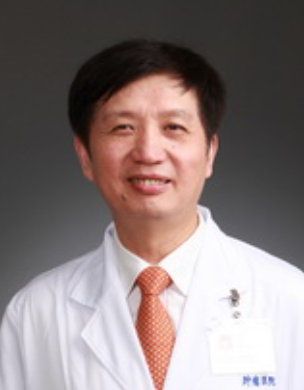 Qinghai Ji (嵇庆海)合作论文数Fudan University Shanghai Cancer Center184
 Wei Wen-Jun合作论文数98
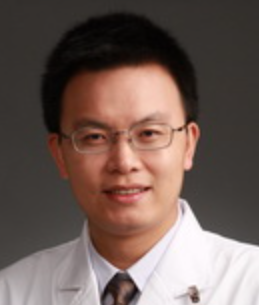 Yulong Wang (王玉龙)合作论文数Fudan University Shanghai Cancer Center86Ben Ma合作论文数84Tian Liao合作论文数79Ning Qu合作论文数Fudan Univ, Shanghai Canc Ctr, Dept Head & Neck Surg, Shanghai 200032, Peoples R China65
 YongXue Zhu (朱永学)合作论文数Fudan University Shanghai Cancer Center54Rongliang Shi (史荣亮)合作论文数44
 Zhongwu Lu合作论文数40Weibo Xu合作论文数37
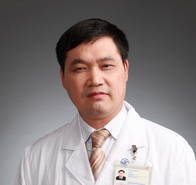 Chaosu Hu (胡超苏)合作论文数Fudan University Shanghai Cancer Center37
 Xiao Shi合作论文数School of Life Sciences, Xiamen University36
 Xueguan Lu (陆雪官)合作论文数复旦大学肿瘤医院34Duanshu Li合作论文数34
 Naisi Huang合作论文数33
 Jun Xiang (向俊)合作论文数复旦大学附属医院32
 Xiayun He (何霞云)合作论文数复旦大学附属肿瘤医院放疗科31Dongmei Ji合作论文数30
 Jiaying Chen (陈家应)合作论文数School of Health Policy & Management, Nanjing Medical University29
 Chen Jiang (蒋晨)合作论文数The Key Laboratory of Smart Drug Delivery, Ministry of Education, School of Pharmaceutical Sciences, Fudan University28GuoHua Sun合作论文数26
 Hongmei Ying (应红梅)合作论文数26Tingting Xu合作论文数25Tongzhen Chen合作论文数24Jia-Qian Hu合作论文数Fudan Univ, Shanghai Canc Ctr, Dept Head & Neck Surg, Shanghai 200032, Peoples R China24Wen Duo合作论文数24
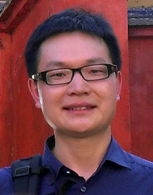 Fa-Xing Yu (余发星)合作论文数Institutes of Biomedical Sciences, Fudan University24
 Qing Guan合作论文数23Peng-Cheng Yu合作论文数Department of Head and Neck Surgery, Fudan University Shanghai Cancer Center, Shanghai, China22Shuwen Yang合作论文数20
 Shenglin Huang (黄胜林)合作论文数Institutes of Biomedical Sciences, Fudan University20Ting-Ting Zhang合作论文数18
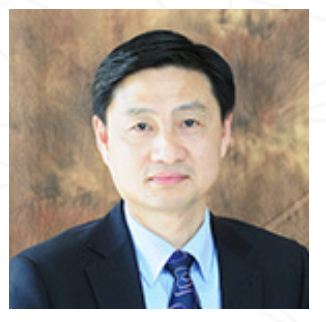 Yi Wu (吴毅)合作论文数Department of Rehabilitation Medicine, Huashan Hospital, Fudan University, Shanghai, China18
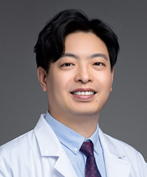 Xiangqian Zheng (郑向前)合作论文数Department of Thyroid and Neck Tumor, Tianjin Medical University Cancer Institute and Hospital18Caiping Huang合作论文数18
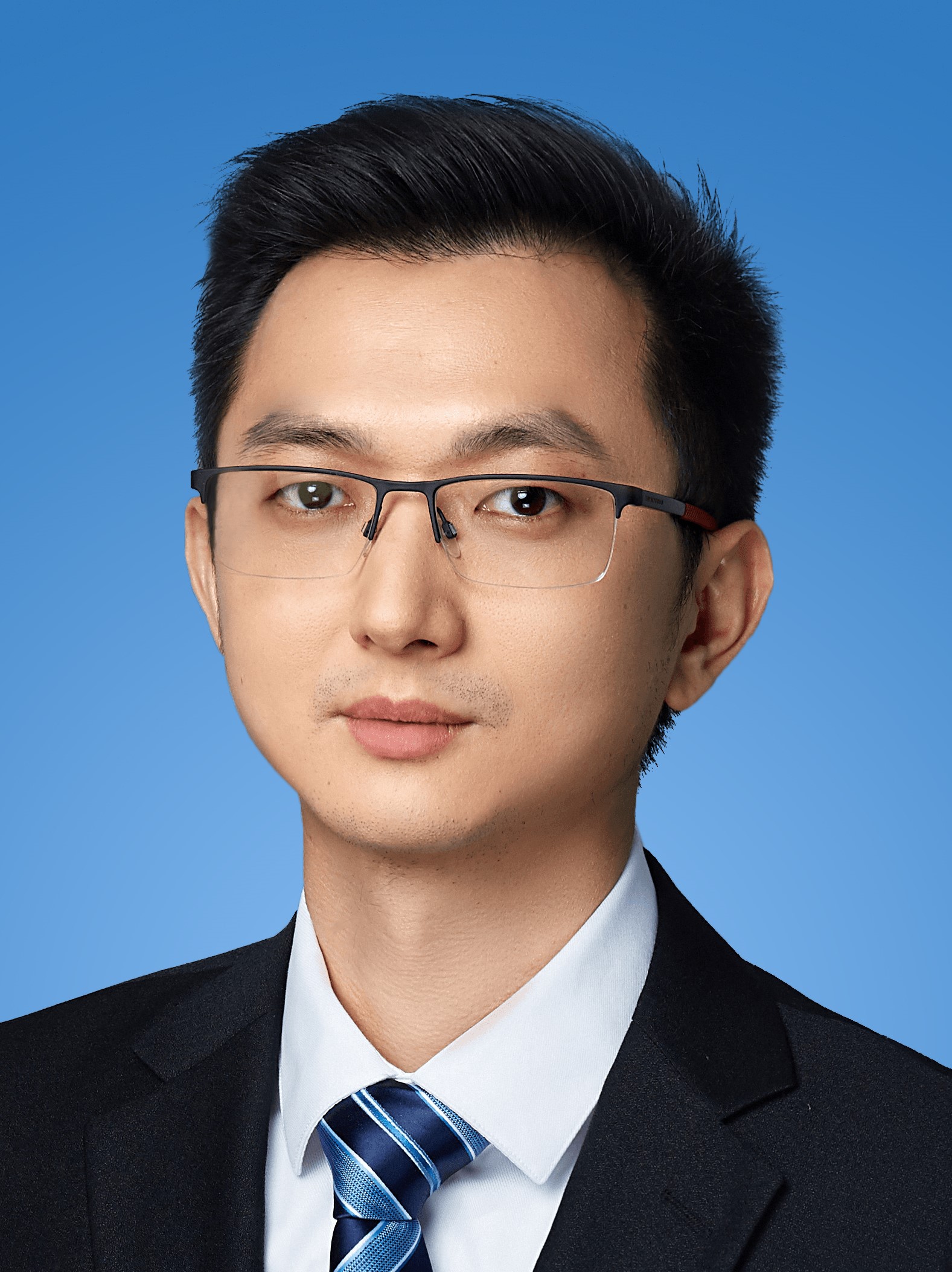 Xuwen Li (李序文)合作论文数University of Chinese Academy of Sciences;Shanghai Institute of Materia Medica, Chinese Academy of Sciences17
 Ming Gao (高明)合作论文数Cancer Hospital, Tianjin Medical University;Nankai University17Hongyi Chen合作论文数16Dapeng Li合作论文数16Xin Liu合作论文数16
 Yi Gao (高毅)合作论文数Southern Medical University16
 Anqi Jin合作论文数15
 Xiaomin Ou合作论文数15
 Tao Sun (孙涛)合作论文数School of Pharmaceutical Sciences, Fudan University15
 Weituo Zhang (张维拓)合作论文数Shanghai Jiao Tong University School of Medicine15Jingzhu Zhao合作论文数15
 Qiang Li (李强)合作论文数第二军医大学第一附属医院呼吸内科15
 Herbert Yu合作论文数University of Hawaiʻi Cancer Center;School of Public Health, Yale University15
 Ruiping Zhai (翟瑞萍)合作论文数15




