BACKGROUND:Scar-related atrial flutter (AFL) comprises complex reentrant atrial arrhythmias arising from areas of slow conduction typically in the setting of previous ablation, cardiac surgery, or atrial cardiomyopathy. 3-dimensional electroanatomic mapping is essential to define these complex circuits. OBJECTIVE:This study evaluated the feasibility of mapping and ablation of AFL using the Affera mapping and ablation system. METHODS:This single-center retrospective study included consecutive patients who underwent high-density mapping and catheter ablation of scar-related AFL using the Sphere-9 catheter and Prism-1 software. The primary efficacy outcome was defined as termination of the AFL at the initial ablation site or within the surrounding area. Secondary efficacy outcomes were termination of AFL with ablation at any site and AFL recurrence on/off antiarrhythmic drugs during follow-up. RESULTS:A total of 65 patients were included. Most patients had undergone ≥1 previous atrial fibrillation ablation procedure (87.7%). Median mapping time was 8 minutes (6-10), with a median number of points acquired on activation maps of 835 (510-1175) for the right atrium and 1859 (1418-2531) for the left atrium. Termination of the clinical AFL at the initial ablation site or surrounding area was achieved in 79.4% of patients. Termination of AFL with ablation at any site was achieved in all patients. During a median follow-up of 69 days (49-116), AFL recurrence occurred in 15% of patients. CONCLUSION:The study results demonstrate the feasibility of the Affera 3-dimensional electroanatomic mapping system to successfully map and ablate scar-related AFLs.
Abstract Background Electrical isolation of the left atrial appendage (LAA) has been shown to reduce arrhythmic recurrence in patients with long standing atrial fibrillation (AF); however, durable isolation remains a challenge. Purpose to demonstrate acute e chronic feasibility of LAA isolation in persistent AF patients with a focal ablation catheter toggling between radiofrequency (RF) and pulsed field energy (PFA). Methods We prospectively enrolled consecutive patients undergoing first-time persistent AF ablation with the lattice-tip PFA catheter between November 2024 and September 2025. Patients were divided int three groups according to the LAA ablation strategy at the ostium: 1) PFA 4 seconds only, (2) RF for 5seconds, 70% power, and (3) RF for 7 seconds, 90% power. The acute feasibility endpoint was LAA isolation defined as entrance and exit block after a 20-minute waiting period. Chronic feasibility was assessed as persistent LAA isolation during the LAAO procedure 3 months post-ablation. Results A total of 182 (113, 62% males) patients were included in the analysis. A total of 78 (42.8%), 43 (23.7%), and 61 (33.5%) patients were included to Groups 1, 2, and 3, respectively. All received PFA within the LAA body. Acute LAA isolation was achieved in all (100%) in both groups. All patients underwent repeat mapping during LAA closure after 3 months. LAA reconnection was observed in 78 (100%)patients in Group 1, 35(81.4%) in Group 2, and and none (0%) in Group 3 (p<0.001). Conclusion Acute LAA isolation with the lattice-tip PFA catheter was feasible across all strategies. However, in this cohort, PFA alone did not provide durable isolation, indicating that additional RF energy appears necessary to achieve chronic LAA isolation.
BACKGROUND:Pentaspline pulsed field ablation (PFA) is an emerging technology delivering ultra-short bursts of ablative high electrical field energy. There are limited studies on atrial fibrillation (AF) ablation safety using PFA in real-world experience in the United States. OBJECTIVES:The study sought to evaluate safety in patients who underwent AF ablation with a pentaspline PFA catheter in a multicenter registry. METHODS:Patients from the prospective, multicenter, nonrandomized, rigorously monitored, real-world DISRUPT-AF (A registry Based Collaborative To Measure Efficiency, Effectiveness, and Safety of Farapulse PFA Technology for AF) registry (NCT06335082), who underwent first-time AF ablation via PFA using the pentaspline catheter, from April 2024 to May 2025, across 20 centers in the United States, encompassing 77 operators, were included. Baseline characteristics and acute procedural safety outcomes were collected at 1- and 3-month follow-up based on the investigator's arm: acute, symptomatic monitoring only, or full monitoring. The primary safety outcome comprised procedure/device-related adverse events (AEs) after 1 and 3 months. Risk-adjusted analyses were conducted to assess AE predictors. RESULTS:A total of 1,576 patients were included: the mean age was 68.0 ± 11.4 years, 38.6% were female, and mean body mass index was 31.5 ± 7.0 kg/m2. At 3-month follow-up, AEs occurred in 2.2% of patients, with 1.6% classified as procedure/device related. The most common AEs were vascular access complications (pseudoaneurysm, 0.4%; hematoma, 0.3%), pericarditis (0.2%), and other nonspecific events (eg, hypotension 0.4%). Major procedure/device-related AEs occurred in 0.7% of patients and included stroke (0.3%), cardiac tamponade (0.1%), vascular injury requiring intervention (0.1%), and bleeding (0.1%). There were no cases of esophageal injury, persistent phrenic nerve injury, or pulmonary vein stenosis. There was 1 (0.06%) case reported as coronary vasospasm, and acute kidney injury was not observed. The 3-month all-cause mortality rate was 0.3%. In exploratory multivariable analyses, no associations were detected between clinical covariates and procedure/device-related AEs. CONCLUSIONS:In this multicenter, prospective U.S. registry, PFA demonstrated a low rate of procedure/device-related AEs. The absence of injury to the esophagus, phrenic nerve, and pulmonary veins highlights a tissue-selective profile that may represent a meaningful safety advantage over traditional thermal ablation, pending further direct comparisons.
Abstract Background Pulmonary vein isolation (PVI) alone is known to be not adequate to achieve long-term sinus rhythm in patients with persistent atrial fibrillation (PerAF). Thus, several adjunctive strategies have been tried. Purpose We compared the long-term outcome of PVI + Vein of Marshall alcohol ablation (VoM) vs PVI+ left atrial posterior wall isolation (LAPWI) using pulsed-field energy. Methods This prospective study included consecutive PerAF patients receiving PVI+VoM (group 1) that were propensity score-matched (1: 2.5) with consecutive PerAF patients undergoing pulsed-field ablation (PFA) for PVI+ LAPWI (group 2). It was the first ablation procedure for all. PVI was performed using PFA in both groups. Group 2 received additional PFA-based LAPWI. In group 1, VoM was achieved after cannulating the vein with an angioplasty wire and balloon and delivering 1 cc of 98% ethanol over 2 minutes. VoM ablation was performed prior to catheter ablation. Patients were monitored quarterly with office visits, 7-day Holter, wearable devices such as Apple watch or Kardia and regular self-pulse-checks. Results A total of 84 and 210 matched perAF patients were included in group 1 and 2 respectively. Baseline characteristics of the study population is given in table 1. Patients were followed-up for at least 2 years. At the end of the follow-up, 41 (48.8%) patients from the VoM group and 142 (67.6%) from the LAPWI group remained arrhythmia-free off-antiarrhythmic drugs (p=0.003) (figure 1). Multivariable regression analysis demonstrated VoM alcohol ablation to be a predictor of recurrence (OR = 2.190; 95% CI 1.307 – 3.670; p-value = 0.004) Conclusion In PerAF patients undergoing their first ablation procedure, PFA-based adjunctive LAPWI was demonstrated to have significantly better long-term outcome compared to the vein of Marshall alcohol ablation.
 Gianni Carola合作论文数St. David's Medical Center, Texas Cardiac Arrhythmia Institute35Andrea Natale合作论文数31
 Vincenzo Mirco La Fazia合作论文数31
 G. Joseph Gallinghouse合作论文数Texas Cardiac Arrhythmia29
 Sanghamitra Mohanty合作论文数Department of Internal Medicine, Dell Medical School, The University of Texas at Austin;College of Natural Sciences, The University of Texas at Austin28
 Luigi Di Biase合作论文数Department of Medicine, Albert Einstein College of Medicine27
 Amid Al-Ahmad合作论文数St. David's Medical Center, Texas Cardiac Arrhythmia Institute18
 Pasquale Santangeli合作论文数Department of Medicine, Perelman School of Medicine, University of Pennsylvania17J. David Burkhardt合作论文数15Prem Geeta Torlapati合作论文数14
 Robert D. Schaller合作论文数Department of Medicine, Perelman School of Medicine, University of Pennsylvania14
 Fermin C. Garcia合作论文数Department of Medicine, Perelman School of Medicine, University of Pennsylvania13
 David S. Frankel合作论文数Department of Medicine, Perelman School of Medicine, University of Pennsylvania12
 Bryan T Macdonald合作论文数11
 David Lin合作论文数Department of Medicine, Perelman School of Medicine, University of Pennsylvania11Horton Rodney合作论文数11
 Francis Edward Marchlinski合作论文数Department of Medicine, Perelman School of Medicine, University of Pennsylvania11
 Saman Nazarian合作论文数Department of Medicine, Perelman School of Medicine, University of Pennsylvania9
 Rajat Deo合作论文数Department of Medicine, Perelman School of Medicine, University of Pennsylvania9
 Gregory E. Supple合作论文数Department of Medicine, Perelman School of Medicine, University of Pennsylvania9
 Michael F Bode合作论文数9
 David J. Callans合作论文数Cardiology Division, Hospital of the University of Pennsylvania9John Allison合作论文数8
 Ramanan Kumareswaran合作论文数Department of Medicine, Perelman School of Medicine, University of Pennsylvania8
 Jeffrey S. Arkles合作论文数Department of Medicine, Perelman School of Medicine, University of Pennsylvania8
 Gustavo S. Guandalini合作论文数Department of Medicine, Perelman School of Medicine, University of Pennsylvania8
 Bassiouny Mohamed合作论文数Department of Cardiovascular Medicine, Cleveland Clinic Foundation8
 Matthew Hyman合作论文数8John Burkhardt合作论文数7
 Muser Daniele合作论文数1 Cardiovascular Division, University of Udine;Postgraduate school of Cardiology, University of Triest;2 Cardiovascular Division, Hospital of the University of Pennsylvania;University of Triest, Hospital of the University of Pennsylvania7Angel Quintero Mayedo合作论文数6
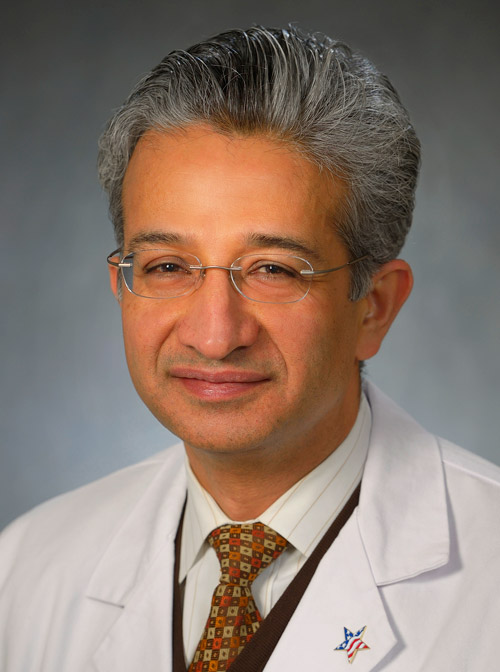 Sanjay Dixit合作论文数Department of Medicine, Perelman School of Medicine, University of Pennsylvania6
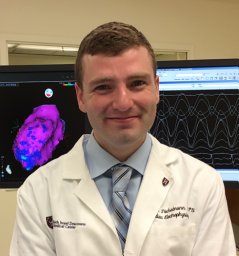 Cory M. Tschabrunn合作论文数Hospital of the University of Pennsylvania, University of Pennsylvania Perelman School of Medicine6Arceluz Martín合作论文数Robotic Cardiac Electrophysiology and Arrhythmia Unit, Hospital Universitario La Paz6Zado Erica S合作论文数Cardiovascular Division, Hospital of the University of Pennsylvania5
 Andres Enriquez合作论文数Department of Cardiology and Cardiovascular Diseases, Pontificia Universidad Católica de Chile5
 Andrew E. Epstein合作论文数Department of Medicine, Perelman School of Medicine, University of Pennsylvania5
 Maiwand Mirwais合作论文数University of Pennsylvania4Anil Rajendra合作论文数4
 Xiao-Dong Zhang合作论文数Albert Einstein Coll Med, Montefiore Hosp4E. Kevin Heist合作论文数4
 Jeremy Ruskin合作论文数Telemachus & Irene Demoulas Family Foundation Center for Cardiac Arrhythmias, Massachusetts General Hospital;Harvard Medical School4
 Moussa Mansour合作论文数Massachusetts General Hospital4Domenico Giovanni Della Rocca合作论文数Texas Cardiac Arrhythmia Institute, St. David's Medical Center4Daniela Hincapie Tabares合作论文数3Irene Lucena-Padros合作论文数3Anil Gehi合作论文数3Maxime Cerantola合作论文数3




