Alopecia areata (AA) affects approximately 2 ATRA-NLC-Gel effectively prevented skin irritation by a slow and controlled release behavior of ATRA. ATRA-NLC-Gel exhibited more pronounced transdermal permeability and follicular targeting properties. ATRA-NLC-Gel significantly restored the follicular immune homeostasis, promoted hair follicle cell proliferation, and enhanced hair regrowth in AA model mice.
Diabetic nephropathy (DN) has emerged as the foremost cause of end-stage renal disease (ESRD) globally. Endoplasmic reticulum (ER) stress plays a critical role in DN progression. Triterpenoid saponin from Aralia taibaiensis (sAT) has been reported to possess anti-diabetic and anti-oxidant effects. The aim of this study was to examine the influence of sAT on DN treatment and elucidate potential underlying mechanisms. A high-fat diet (HFD) and Streptozotocin (STZ) were employed to induce DN in male Sprague Dawley (SD) rats which were subsequently treated with varying concentrations of sAT for 8 weeks. Our findings reveal that different doses of sAT significantly mitigated hyperglycemia, reduced urinary albumin excretion, and decreased plasma creatinine and blood urea nitrogen levels in DN rats. Moreover, sAT administration improved body weight, alleviated renal fibrosis and histopathological changes in the diabetic kidneys. Notably, sAT treatment partially restored increased Bax expression and decreased Bcl-2 expression. Additionally, sAT inhibited ER stress-related proteins, including GRP78, p-PERK, ATF4 and CHOP in kidneys of DN rats. These results suggest that sAT ameliorated experimental diabetic nephropathy, at least in part, through ER stress pathway. These findings provide a scientific basis for the potential development of sAT as a therapeutic agent for DN treatment.
Ischemic stroke (IS) can cause severe harm, inducing oxidative stress, inflammation, and pyroptotic death. IS treatment efficacy remains limited, and microglia are important regulators of IS-related blood-brain barrier (BBB) damage. It is thus vital that new therapeutic agents capable of targeting microglia be identified to treat ISrelated damage to the BBB. Acteoside (ACT), which is a compound derived from Cistanche tubulosa (Schenk) Wight., offers promising bioactivity, but its ability to protect against central nervous system injury remains to be documented. To clarify the protective benefits and mechanisms through which ACT can protect against damage to the BBB, a rat middle cerebral artery occlusion (MCAO) model system was herein employed. These in vivo analyses demonstrated that ACT was able to significantly reduce cerebral infarct size while improving their neurological scores and altering neurotrophic and inflammatory factor release. RNA sequencing and molecular docking studies highlighted the ability of ACT to exert its protective benefits via the HMGB1/TLR4/NLRP3 axis. Western immunoblotting and immunofluorescent staining for tight junction proteins additionally confirmed the ability of ACT to preserve BBB integrity. The underlying mechanisms were then explored with an oxygen-glucose deprivation (OGD) model in vitro with BV2 cells. This strategy thus confirmed that the ability of ACT to suppress microglial inflammatory and pyroptotic activity was HMGB1/TLR4/NLRP3 pathway-dependent. These data thus offer novel evidence that ACT can protect against IS-related damage to the BBB through the abrogation of inflammatory and pyroptotic activity, underscoring its promise as a novel lead compound for the therapeutic treatment of IS.
Objective: “Metabolism affects function” is the consensus of researchers at present. It has potential clinical application value to study the effects of regulating glutamine (Gln) metabolism on diabetes physiology or pathology. Our research aimed to summarize the latest research progress, frontier hot topics and future development trends in this field from the perspective of scientometrics. Methods: Relevant literatures and reviews were obtained from the Web of Science (WoS) between January 1, 2001 and May 31, 2022. An online analysis platform of bibliometrics, CiteSpace, and VOS viewer software were used to generate visual knowledge network graphs, including publication countries, institutions and authors partnership analysis, co-occurrence analysis, co-citation analysis, as well as citations and keywords burst detection to acquire research trends and hotspots. Results: Our results showed that a total of 945 publications in the WoS database met the analysis requirements, with articles being the main type. The overall characteristics showed an increasing trend in the number of publications and citations. The United States was leading the way in this research and was a hub for aggregating collaborations across countries. Vanderbilt University delivered high-quality impact with the most published articles. DeBerardinis, RJ in this field was the most representative author and his main research contents were Gln metabolism and mitochondrial glutaminolysis. Significantly, there was a relative lack of collaboration between institutions and authors. In addition, “type 2 diabetes”, “glutamine”, “metabolism”, “gene expression” and “metabolomics” were the keywords categories with high frequency in co-citation references and co-occurrence cluster keywords. Analysis of popular keywords burst detection showed that “branched chain”, “oxidative phosphorylation”, “kinase”, “insulin sensitivity”, “tca cycle”, “magnetic resonance spectroscopy” and “flux analysis” were new research directions and emerging methods to explore the link between Gln metabolism and diabetes. Overall, exploring Gln metabolism showed a gradual upward trend in the field of diabetes. Conclusion: This comprehensive scientometric study identified the general outlook for the field and provided valuable guidance for ongoing research. Strategies to regulate Gln metabolism hold promise as a novel target to treat diabetes, as well as integration and intersection of multidisciplinary provides cooperation strategies and technical guarantees for the development of this field.
Background: Thymic stromal lymphopoietin (TSLP) has been shown to be able to amplify Tregs. Thus, TSLP induction has the potential to induce endogenous Tregs and control autoimmunity. In the previous research, we found that a new compound named 02F04 can induce TSLP production while simultaneously activating the liver X receptor (LXR). Because LXR activation leads to a decrease in Treg, we attempted to find a 02F04-derivative, druggable lead compound with a basic skeleton that induces TSLP production without activating LXR. As the results, we found HA-7 and HA-19 and, in this study, examined the molecular mechanisms in TSLP production. Methods: A murine keratinocyte cell line PAM 212 was stimulated with HA-7 and HA-19, and then the expres-sions of cytokines were examined via ELISA and real-time fluorescence quantitative PCR. Results: HA-7 and HA-19 induced TSLP production but almost not the expression of TNF-alpha, IL-13, IL-25, and IL-33 in PAM212 cells. These compounds inhibited LXR activities. The TSLP expression induced by HA-7 and HA-19 was inhibited by the Gq/11 inhibitor YM-254890, ROCK inhibitor Y-27632, and ERK inhibitor U0126. HA-7 and HA-19 also induced the formation of stress fiber and ERK phosphorylation, which were inhibited by YM-254890 and Y-27632. Conclusions: Our findings indicated that HA-7 and HA-19 selectively induced TSLP production in PAM212 via Gq/11, Rho/ROCK and ERK pathways. Our findings also indicated that TSLP expression was differentially regulated from other cytokines, and the selective expression could be induced with low-molecular-weight compounds such as HA-7 and HA-19.
应用医疗失效模式与效应分析方法,对住院患者静脉用药过程中存在的风险点进行系统挖掘和深入分析,从有效拦截风险医嘱、优化排药工作流程、精准高效调配药物、完善成品输液质检方法、研发调配质量管理软件、规范临床药物应用等方面制订针对性干预措施并严格落实,降低了静脉用药风险,确保了住院患者静脉用药安全.但软件维护、质检结果反馈、人工操作风险管控等,还需持续关注并改进.
Ischemic strokes are associated with a high rate of disability and death globally. Cerebral ischemia/reperfusion (I/R) injury is a type of brain damage associated with oxidative stress after an ischemic stroke. Beta-boswellic acid (β-BA) reportedly exerts antioxidant and neuroprotective effects, but its role in cerebral I/R injury is unclear. The aim of this research was to investigate the neuroprotective effects, as well as the mechanisms of β-BA in cerebral I/R injury. In vivo experiments were conducted using a rat middle cerebral artery occlusion and reperfusion (MCAO/R) model, and in vitro experiments were performed using a rat neuronal oxygen–glucose deprivation and reoxygenation (OGD/R) model. Triphenyltetrazolium chloride staining, neurological function scores, terminal deoxynucleotidyl transferase deoxyuridine triphosphate nick end labeling, hematoxylin and eosin staining, and antioxidant levels in the brain were used to assess the effects of β-BA. Flow cytometry was used to detect reactive oxygen species and apoptotic cells. Western blotting and immunofluorescence staining were used to measure protein levels. The results showed that β-BA markedly improved neurological deficits and decreased infarct volume and necrotic neurons in rats. The in vitro results showed that β-BA protected neurons against OGD/R-induced injury. Additionally, β-BA significantly increased the phosphorylation of protein kinase C epsilon (PRKCE) at S729, the translocation of nuclear factor erythroid 2-like 2 (NFE2L2), and expression of heme oxygenase-1 (HMOX1). This study demonstrates that β-BA exerts neuroprotective effects against cerebral I/R via the activation of the PRKCE/NFE2L2/HMOX1 pathway and is a potential therapeutic candidate for ischemic stroke.
目的 通过对老年脑卒中住院患者用药情况进行回顾性调查,发现潜在的不适当用药(PIM)情况,为老年脑卒中住院患者用药指导和监护提供依据.方法 回顾性分析某三级综合医院2020年7~12月老年脑卒中住院患者的病历,依据美国老年医学会2019年版比尔斯(Beers)标准分析PIM现状,采用二元Logistic回归分析PIM的风险因素.结果 共纳入346例病例,涉及2019年版Beers标准收载药物病例240例(69.36%),共444例次;平均年龄为(74.68±0.43)岁,平均用药种类为(13.54±0.40)种.使用老年人PIM列表中药物223例次(50.23%),排名前3位的分别为质子泵抑制剂(PPI)55例次(24.66%)、苯二氮(革)类39例次(17.49%)、第一代和第二代抗精神病药32例次(14.35%);6例次(1.35%)使用老年人疾病状态下PIM列表中药物,主要为合并心脏衰竭、骨折病史和老年痴呆状态;使用老年人应慎用列表中药物196例次(44.14%),主要为以抗精神病为代表的中枢神经系统药物和利尿药;联合使用3种及以上中枢神经系统药物3例次(0.68%);使用老年人基于肾功能应避免或减量的药物16例次(3.60%),涉及利伐沙班和普瑞巴林.Logistic回归分析显示年龄和用药种数是PIM的潜在风险因素.结论 老年住院脑卒中患者PIM发生率较高,需加强其用药监护,以降低用药风险.
Chronic hyperlipidemia leads to pancreatic β-cell apoptosis and dysfunction through inducing oxidative stress. Chikusetsu saponin IVa (CHS) showed antioxidant and antidiabetic properties in our previous studies; however, its protective effects against lipotoxicity-induced β-cell oxidative stress and dysfunction are not clear. This study was designed to investigate the effects of CHS against lipotoxicity-induced β-cell injuries and its possible mechanism involved. High-fat (HF) diet and a low dose of streptozotocin- (STZ-) induced type 2 diabetes mellitus (T2DM) model in vivo and βTC3 cells subjected to 0.5 mM palmitate (PA) to imitate the lipotoxic model in vitro were performed. Pancreatic functions, ROS, and antioxidant protein measurements were performed to evaluate the effects of CHS on cell injuries. Protein expression levels were measured by Western blotting. Furthermore, siRNA-targeted Nrf2, PI3K/Akt inhibitor (LY294002), or GSK-3β inhibitor (LiCl) was used to investigate the crosstalk relationships between proteins. As the results showed, CHS treatment inhibited apoptosis, promoted insulin release, and reduced oxidative stress. CHS treatment significantly increased the expression of Nrf2 in the cytoplasm and nuclear protein. The antioxidative and benefit effects of CHS were inhibited by siNrf2. The phosphorylation of IRS-2, PI3K, Akt, and GSK-3β was markedly increased by CHS which were inhibited by PA. In addition, inhibition of PI3K/Akt or GSK-3β with specific inhibitors dramatically abrogated the protective effects of CHS, revealing that the IRS-2/Akt/GSK-3β signaling axis was involved in the protective effects of CHS. These results demonstrate that CHS protected βTC3 cells against PA-induced oxidative stress and cell dysfunction through Nrf2 by the IRS-2/Akt/GSK-3β-mediated pathway.
Islet β cell mass reduction induced by glucose fluctuation is crucial for the development and progression of T2DM. Chikusetsu saponin IVa (CHS) had protective effects against DM and related injuries. Here we aimed to investigate the role of CHS in β cell injuries and its possible mechanism involved. Isolated rat islets, βTC3 cells and T2DM mice were used in this study. The results showed that CHS restored the secretion activity, promoted β cell survival by increasing β cell proliferation and decreasing apoptosis which induced by intermittent high glucose (IHG). In vivo, CHS protected β cell apoptosis to normalize blood glucose and improve insulin sensitivity in DM mice. Further studies showed that CHS activated Wnt3a signaling, inhibited HBP1, promoted β-catenin nuclear translocation, enhanced expressions of TCF7L2, GIPR and GLP-1R, inhibited p53, p27 and p21. The protective effect of CHS was remarkably suppressed by siRNAs against TCF7L2 or XAV-939 (a Wnt/β-catenin antagonist) in vitro and in β-catenin-/- mice. In conclusion, we identified a novel role of CHS in protecting β cell survival and regeneration by mechanisms involving the activation of Wnt3a/β-catenin/TCF7L2 signaling. Our results indicated the potential value of CHS as a possible intervention drug for T2DM.
目的:基于网络药理学方法来探讨麦冬对心脑血管疾病(CCVDs)的潜在药理作用靶点.方法:麦冬的化学成分及其靶标基因通过BATMAN-TCM数据库获取,心脑血管疾病靶标基因通过TTD、NCBI和OMIM数据库获取.利用Cytoscape创建麦冬中化合物-靶基因和CCVDs化合物-共有基因靶网络,利用STRING和DAVID分析关键靶标和途径富集.结果:网络分析确定了麦冬中17种化合物以及36个靶标基因与CCVDs高度关联,蛋白互作网络中的核心基因是APOE、LEP、CAT、EDN1和DRD2,并确定了与CCVDs相关的神经活性配体-受体相互作用、醛固酮调节钠的重吸收和脂肪酸降解等核心通路.结论:本研究初步探讨了麦冬的药理作用靶点,以及这些靶点与CCVDs治疗作用的相互关系.
Previous studies had showed that Apelin 13 could protect against apoptosis induced by ischemic/reperfusion (I/R). However, the mechanisms whereby Apelin 13 protected brain I/R remained to be elucidated. The present study was designed to determine whether Apelin 13 provided protection through AMPK/GSK-3β/Nrf2 pathway. In vivo, the I/R model was induced and Apelin 13 was given intracerebroventricularly 15 min before reperfusion. The neurobehavioral scores, infarction volumes, and some cytokines in the brain were measured. For in vitro study, PC12 cells were used. To clarify the mechanisms, proteases inhibitors or siRNA were used. Protein levels were investigated by western blotting. The results showed that Apelin 13 treatment significantly reduced infarct size, improved neurological outcomes, decreased brain edema, and inhibited cell apoptosis, oxidative stress, and neuroinflammation after I/R. Apelin 13 significantly increased the expression of Nrf2 and the phosphorylation levels of AMPK and GSK-3β. Furthermore, in cultured PC12 cells, the same protective effects were also observed. Silencing Nrf2 gene with its siRNA abolished the Apelin 13’s prevention of I/R-induced PC12 cell injury, oxidative stress, and inflammation. Inhibition of AMPK by its siRNA decreased the level of Apelin 13-induced Nrf2 expression and diminished the protective effects of Apelin 13. The interplay relationship between GSK-3β and Nrf2 was also verified with relative overexpression. Using selective inhibitors, we further identified the upstream of AMPK/GSK-3β/Nrf2 is AR/Gα/PLC/IP3/CaMKK. In conclusion, the previous results showed that Apelin 13 protected against I/R-induced ROS-mediated inflammation and oxidative stress through activating the AMPK/GSK-3β pathway by AR/Gα/PLC/IP3/CaMKK signaling, and further upregulated the expression of Nrf2-regulated antioxidant enzymes.
比较MEMα、RPMI1640、DMEM和EMEM 4种细胞培养基中PAM212细胞产生胸腺基质淋巴细胞生成素(TSLP)的不同,为研究PAM212细胞产生TSLP的作用机制提供适宜的细胞培养基.采用EHSA法测定培养上清中TSLP的蛋白水平,MTT法检测PAM212细胞的存活率.无刺激时,PAM212细胞在培养基DMEM和EMEM中产生的TSLP是MEMα和RPMI1640中的5~6倍,但是药物刺激后TSLP的增加倍率在MEMα和RP-MI1640中更高.同样,细胞生存率基本不变时,02F04、肿瘤坏死因子-α(TNF-α)或12-邻-14-烷酰佛波醇-13-乙酸酯(TPA)刺激PAM212后虽然能在DMEM中产生更多的TSLP,但是在MEMα中诱导的TSLP增加倍率更高.PAM212细胞产生TSLP的水平与其从播种开始使用的培养基直接相关,而与复苏及播种前使用的培养基关系不大;刺激前无论哪个时间点停止添加10% FBS于细胞培养液中,PAM212细胞产生的TSLP均显著减少,且停止添加FBS的时间越长,细胞存活率降低越多.总之,PAM212在不同细胞培养基中产生TSLP的水平不同.如果想无刺激时PAM212细胞能产生较高水平的TSLP,选用DMEM培养基较为适宜;如果想研究药物诱导TSLP产生的作用机制,选用刺激后TSLP增加倍率高的MEMα培养基较为适宜.
Thymic stromal lymphopoietin (TSLP), a master switch of allergic inflammation, plays an important role in the pathogenesis of allergic diseases. Although many compounds upregulate TSLP expression in vivo or in vitro, most of them are pollutants or toxicants. In the previous study, for the first time, we found that a steroid alkaloid derivative 02F04, which has a unique skeletal structure compared with other TSLP-inducing chemicals, significantly induced TSLP production in mouse keratinocytes. However, it is not investigated thoroughly that how 02F04 produces TSLP and why. In this study, we did a detailed investigation on the inducible effect and underlying molecular mechanism of 02F04 on TSLP production. We found that the peak time of TSLP mRNA level induced by 02F04 at 48 h led to a slow and continuous TSLP production in PAM212 cells. Besides, 02F04-induced TSLP production was significantly suppressed by inhibitors of Rho-associated protein kinase (ROCK), guanine nucleotide-binding protein subunit alpha q/11 (Gq/11) and extracellular signal-regulated kinase 1/2 (ERK1/2) at not only protein but also mRNA levels, and by siRNA-mediated knockdown of Gq or G11. This suggested that ROCK, Gq/11 and ERK1/2 signaling pathways were involved in 02F04-induced TSLP production. Increase in the level of p-ERK1/2 induced by 02F04 was suppressed by both inhibitors of ROCK and Gq/11, indicating that ROCK and Gq/11 molecules were located at the upstream of ERK1/2 to regulate 02F04-induced TSLP production. Gq/11 was located at the upstream of ROCK because the specific Gq/11 inhibitor of YM-254890 significantly reduced 02F04-induced actin stress fiber formation. Taken together, 02F04 upregulates a slow and continuous TSLP production through a novel Gq/11-ROCK-ERK1/2 signaling pathway. The thorough understanding the effect and mechanism of 02F04 on TSLP production is expected to supply it as a novel TSLP-regulating compound and a potential new tool for investigating the role of TSLP in allergic disorders.
Thymic stromal lymphopoietin (TSLP), a master switch of allergic inflammation, plays an important role in the pathogenesis of allergic diseases. Although many compounds upregulate TSLP expression in vivo or in vitro, most of them are pollutants or toxicants. In the previous study, for the first time, we found that a steroid alkaloid derivative 02F04, which has a unique skeletal structure compared with other TSLP-inducing chemicals, significantly induced TSLP production in mouse keratinocytes. However, it is not investigated thoroughly that how 02F04 produces TSLP and why. In this study, we did a detailed investigation on the inducible effect and underlying molecular mechanism of 02F04 on TSLP production. We found that the peak time of TSLP mRNA level induced by 02F04 at 48 h led to a slow and continuous TSLP production in PAM212 cells. Besides, 02F04-induced TSLP production was significantly suppressed by inhibitors of Rho-associated protein kinase (ROCK), guanine nucleotide-binding protein subunit alpha q/11 (Gq/11) and extracellular signal-regulated kinase 1/2 (ERK1/2) at not only protein but also mRNA levels, and by siRNA-mediated knockdown of Gq or G11. This suggested that ROCK, Gq/11 and ERK1/2 signaling pathways were involved in 02F04-induced TSLP production. Increase in the level of p-ERK1/2 induced by 02F04 was suppressed by both inhibitors of ROCK and Gq/11, indicating that ROCK and Gq/11 molecules were located at the upstream of ERK1/2 to regulate 02F04-induced TSLP production. Gq/11 was located at the upstream of ROCK because the specific Gq/11 inhibitor of YM-254890 significantly reduced 02F04-induced actin stress fiber formation. Taken together, 02F04 upregulates a slow and continuous TSLP production through a novel Gq/11-ROCK-ERK1/2 signaling pathway. The thorough understanding the effect and mechanism of 02F04 on TSLP production is expected to supply it as a novel TSLP-regulating compound and a potential new tool for investigating the role of TSLP in allergic disorders.
Background. Saponin from Aralia taibaiensis (sAT) showed excellent antioxidative effects in several models; however, its effects on brain cells were unknown to us. The present study was designed to evaluate the protective effects of sAT on ischemia/reperfusion- (I/R-) induced injury and clarify its mechanisms. Methods. In vitro, HT22 cells were pretreated with sAT and then subjected to I/R. Apoptosis rate, mitochondrial function, and antioxidant proteins were measured. To clarify the mechanisms, siRNA were used. In vivo, sAT was pretreated through intragastric administration for 7 days and the I/R model was induced. The neurobehavioral scores, infarction volumes, and some cytokines in the brain were measured. Protein levels were investigated by Western blotting. Results. The results showed that sAT treatment significantly protected cells from I/R-induced cell apoptosis and mitochondrial dysfunction. The antioxidant protein levels were increased in a dose-dependent manner. Further study revealed that sAT induced the deacetylation and phosphorylation of PGC-1α and FOXO3a. sAT treatment also induced the phosphorylation levels of Akt and the expression levels of SIRT1. Using the specific targeted siRNA transfection, the interplay relationship between Akt, SIRT1, PGC-1α, and FOXO3a was verified. Furthermore, the same protective effects were also observed in rats subjected to I/R. Conclusion. sAT protected brain cells from I/R-induced mitochondrial oxidative stress and dysfunction through regulating the Akt/SIRT1/FOXO3a/PGC-1α pathway.
目的:研究中药复方制剂丹红注射液对冠脉结扎大鼠心肌细胞凋亡的影响及相关分子机制.方法:取40只雄性Sprague-Dawley(SD)大鼠随机分为假手术组、模型组、丹红注射液低、中、高剂量组,左前降支冠状动脉结扎法造成急性心梗模型,采用超声心动图法记录大鼠心功能,TUNEL标记法检测心肌组织细胞凋亡状况,蛋白免疫印迹法检测心肌组织B细胞淋巴瘤/白血病-2基因(Bcl-2)、Bcl-2相关X蛋白(Bax)的表达、天冬氨酸蛋白水解酶-3(Caspase-3)的活化、Janus激酶2(Janus kinase 2,JAK2)和信号转导及转录激活因子3(signal transducer and activator of transcription 3,STAT3)的磷酸化水平.结果:丹红注射液能剂量依赖性地升高大鼠心功能指标左室射血分数(left ventricular ejection fraction,LVEF)和左室短轴缩短率(left ventricular fractional shortening,LVFS)的值,减少缺血损伤诱导的心肌细胞凋亡,增加抗凋亡基因Bcl-2的表达,减少促凋亡基因Bax的表达及Caspase-3的活化,并上调JAK2和STAT3的磷酸化水平.结论:丹红注射液可显著改善大鼠心功能,抑制缺血诱导的心肌细胞凋亡,其机制可能与调节凋亡相关基因及JAK2/STAT3信号通路参与调控有关.
目的:探索02F04诱导TSLP表达是否通过核受体介导.方法:一系列浓度的6种核受体,包括视黄酸受体(RAR)、维甲酸X受体(RXR)、过氧化物酶体增生物激活受体(PPAR)、维生素D受体(VDR)、糖皮质激素受体(GR)和肝X受体(LXR)的激动剂和抑制剂,单用或者与10μmol/L 02F04联合刺激PAM212细胞24 h后,ELISA法测定培养上清中TSLP的蛋白水平,MTT法检测PAM212细胞的存活率.10μmol/L 02F04刺激PAM212细胞4、8、12或24 h,实时荧光定量PCR反应测定细胞中相应核受体靶向基因的表达.结果:VDR激动剂不能增加PAM212细胞中TSLP的表达.02F04不能诱导RAR、RXR和PPAR靶向基因的表达,且RARα、PPARγ 和PPARδ 的激动剂及抑制剂单用或与02F04合用后均不影响TSLP的产生;RARγ、RXR和GR激动剂可抑制细胞基本水平及02F04诱导水平的TSLP产生,而抑制剂未呈现出相反的结果.02F04可激活LXR并增加靶向基因ABCA1的表达,但LXR激动剂不能诱导TSLP产生,LXR抑制剂也不能抑制02F04诱导的TSLP表达.结论:02F04具有甾体结构,但诱导TSLP的产生不能通过核受体作用而介导.
Thymic stromal lymphopoietin (TSLP) plays critical roles in inducing and exacerbating allergic diseases. Chemical compounds that induce TSLP production can enhance sensitization to antigens and exacerbate allergic inflammation. Hence, identifying such chemicals will be important to prevent an increase in allergic diseases. In the present study, we found, for the first time, that a steroid alkaloid derivative, code no. 02F04, concentration and time dependently induced mRNA expression and production of TSLP in a mouse keratinocyte cell line, PAM212. In particular, the activity of 02F04 was selective to TSLP. As an analogue of the liver X receptor (LXR) endogenous ligand, 02F04 rapidly increased ATP-binding cassette transporter A1 (ABCA1) expression by regulating the nuclear receptor of LXR. However, instead of being inhibited by the LXR antagonist, 02F04-induced TSLP production was delayed and markedly suppressed by inhibitors of phospholipase C (PLC), pan-protein kinase C (PKC), PKCδ, Rho-associated protein kinase (ROCK), extracellular signal-regulated kinase (ERK) 1/2, and IκΒ kinase 2 (IKK2). Treatment with 02F04 caused the formation of F-actin filaments surrounding the nucleus of PAM212 cells, which then disappeared following addition of ROCK inhibitor. 02F04 also induced phosphorylation of ERK1/2 from 2 h after treatment, with a maximum at 24 h, and increased nuclear factor-κB (NF-κB) promoter activity by 1.3-fold. Taken together, these results indicate that 02F04-induced TSLP production is regulated via distinct signal transduction pathways, including PLC, PKC, ROCK, ERK1/2, and NF-κB but not nuclear receptors. 02F04, with a unique skeletal structure in inducing TSLP production, can represent a potential new tool for investigating the role of TSLP in allergic diseases.
Aim To establish human U87-MG glioma model in nude mice brain and to observe the characteristics of the tumor growth. Methods Human U87-MG glioma cells were cultured in vitro. 5 μL of cell suspension containing 3.0 ×10¹⁰·L-1, 4.0×10¹⁰·L-1and 5.0×10¹⁰·L-1respectively was inocula-ted into the right caudate nucleus of 18 male nude mice brain un-der the guidance of stereotaxic apparatus, separately, whereas another 6 nude mice as the control group, were inoculated into the same volume of Hanks solution. The moving and survival state of rats with gliomas were observed. The examinations of the tumors formation, volumes, metastasis and histopathology were performed and the obtained brain samples were stained with HE and immunohistochemistry. Results All the tested rats of dif-ferent inoculation doses developed brain tumors without extracra-nial metastasis. The mean survival time of three groups was (46.50 ± 3.27) d,(38.50 ± 3.28) d and (30.67 ± 3.51) d,respectively. The tumors showed the similar morphological fea-tures and immunophenotype to human glioma. There was positive expression of GFAP and S-100 in the tumors. Conclusions The orthotopic implantation model of human U87-MG glioma, by in-oculating quantitative U87-MG cells stereotaxically into the brains of the nude mice, is successfully established with 100 yield of intracranial tumor and no extracranial growth extension. It resembles the histopathological and morphological features of human glioma,which can be used as a reliable animal model for the study of the tumorigenesis, pathogenesis, biological charac-teristics and therapy of glioma.
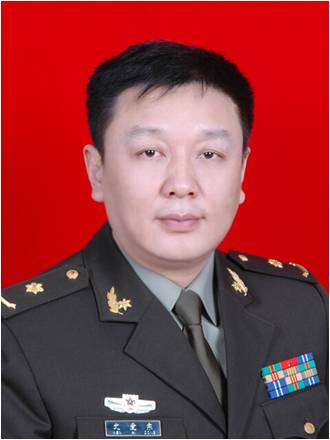 Aidong Wen (文爱东)合作论文数第四军医大学第一附属医院药剂科33
 Miaomiao Xi (奚苗苗)合作论文数Xijing Hospital of Air Force Military Medical University;College of Pharmacy, Shaanxi University of Chinese Medicine31
 Jialin Duan (段佳林)合作论文数24Chao Guo (郭超)合作论文数22Ying Yin (殷英)合作论文数20Jia CUI (崔佳)合作论文数18Yue Guan (关月)合作论文数16Yan-Rong Zhu合作论文数15Wei Guo合作论文数14Yanhua Wang (王艳华)合作论文数14
 Xing Tang (唐星)合作论文数School of Pharmacy, Shenyang Pharmaceutical University10Jingwen Wang合作论文数9
 Zhifu Yang (杨志福)合作论文数Xijing Hospital9Guo Wei (卫国)合作论文数6XiaoXiao Wu (伍晓晓)合作论文数5Dan Zhou合作论文数4Ming-ming WANG (王明明)合作论文数4JinYi Cao (曹金一)合作论文数4YanHua Wang (王艳华)合作论文数4Yan Jiajia合作论文数4Ding Yi合作论文数4Segawa Ryosuke合作论文数4Noriyasu Hirasawa合作论文数4Na Jia (贾娜)合作论文数4Yuwen Li合作论文数4Yucheng Liao合作论文数3Zi-min LI (李子敏)合作论文数3Fei Mu合作论文数3Cheng Pan合作论文数3Jia Meng合作论文数3Wei Quan合作论文数3JianJie Chu (楚建杰)合作论文数3
 Fang Li (李芳)合作论文数中国药科大学中药学院3Liu Meiyou合作论文数3Boling Qiao (乔博灵)合作论文数The College of Life Sciences, Northwest University3Je-Tae Woo合作论文数3Takahiro Moriya合作论文数3Takayuki Yonezawa合作论文数Research Institute for Biological Functions, Chubu University3Byung-Yoon Cha合作论文数3Haibing He合作论文数3L Wang合作论文数2Enhu Zhang合作论文数2Meina Zhao合作论文数2Bin Tian合作论文数2Dong Ai (爱东)合作论文数2LingQin Zhang (张玲琴)合作论文数2JingWen Wang (王婧雯)合作论文数2Ren Tianyang合作论文数2




