目的:探讨lncRNA LINC01419对小儿类风湿关节炎滑膜成纤维细胞增殖、迁移和侵袭的影响及分子机制.方法:取2017年1月至2019年12月本院21例小儿类风湿关节炎患者的滑膜组织及21例因骨折式创伤截肢者的膝关节正常滑膜组织;分离培养小儿类风湿关节炎滑膜成纤维细胞(RASFs),将其分为si-NC组、si-LINC01419组、pcDNA组、pcDNA-LINC01419组、miR-NC组、miR-320a组、si-LINC01419+anti-miR-NC组、si-LINC01419+anti-miR-320a组.实时荧光定量PCR(RT-qPCR)检测LINC01419和miR-320a的表达水平;四甲基偶氮唑盐比色法(MTT)检测细胞活性;Transwell检测细胞迁移和侵袭;Western blot法检测细胞周期蛋白D1(CyclinD1)、细胞周期蛋白依赖性激酶抑制剂1A(p21)、基质金属蛋白酶2(MMP-2)、基质金属蛋白酶9(MMP-9)蛋白表达;荧光素酶报告实验检测LINC01419和miR-320a的靶向关系.结果:与正常滑膜组织相比,小儿类风湿关节炎患者滑膜组织中LINC01419表达水平升高,miR-320a表达水平降低(P<0.05).抑制LINC01419表达或过表达miR-320a,细胞活性降低,迁移和侵袭细胞数降低,CyclinD1、MMP-2、MMP-9表达水平降低,p21表达水平升高(P<0.05).LINC01419靶向调控miR-320a的表达,干扰miR-320a表达逆转了抑制LINC01419表达对小儿类风湿关节炎滑膜成纤维细胞增殖、迁移和侵袭的抑制作用.结论:抑制LINC01419表达可能通过靶向上调miR-320a抑制小儿类风湿关节炎滑膜成纤维细胞增殖、迁移和侵袭.
目的:观察金丝桃素介导的光动力学疗法(Hyp-PDT)对慢性髓性白血病细胞(K562细胞株)活性与自噬的影响.方法:体外培养K562细胞株经过含金丝桃素(0.4μg/mL)的培养液避光孵育后,采用0.3 mW/cm2光强度及照射4 min实施Hyp-PDT,CCK-8法测定细胞活性.收集照射前,照射后4、8、16 h的细胞悬液,分别在光镜和电镜下观察细胞形态学及自噬体数量,Western blot检测自噬相关蛋白LC3、Beclin-1、p-Akt、Akt的表达水平.结果:金丝桃素组光照后细胞活性随时间延长逐渐降低,与光照前比较,差异均有统计学意义(P<0.01),且与正常细胞组、DMSO细胞组比,所有时间点的细胞活性均显著降低(均P<0.01).Hyp-PDT干预后,金丝桃素组光照后部分细胞出现细胞肿胀变性甚至溶解破裂.透射电镜显示K562细胞照射前即存在自噬体,照射后8 h DMSO组中的自噬体数量开始增多,但金丝桃素组的自噬体数量明显减少.Western blot结果显示:照射后8 h和16 h时金丝桃素组LC3蛋白表达量减少,而DMSO组LC3蛋白含量呈上升趋势;照射后16 h,与DMSO组比,金丝桃素组的Beclin-1蛋白含量明显下降,p-Akt蛋白表达量明显减少(均P<0.01).结论:Hyp-PDT可能通过抑制p-Akt磷酸化,影响PI3K-Akt通路,减少K562自噬,促进细胞死亡,起到杀伤白血病肿瘤细胞的作用.
OBJECTIVE:To study the long-term prognosis of vesicoureteral reflux in children. METHODS:A retrospective analysis was performed for the clinical data of 138 children (218 ureters with reflux) who were diagnosed with vesicoureteral reflux for the first time from November 2005 to March 2017 and received medical treatment and regular follow-up. According to the initial grade of reflux, the ureters with reflux were divided into a low-grade group (141 ureters, grade I-III) and a high-grade group (77 ureters, grade IV-V), and the two groups were compared in terms of clinical data and follow-up results. RESULTS:Among the 138 children, there were 82 boys and 56 girls. Their age ranged from 31 days to 10 years at the time of confirmed diagnosis, with a median age of 8 months. The follow-up time ranged from 8 months to 7 years, with a median follow-up time of 1.4 years. At the time of confirmed diagnosis, the high-grade group had significantly higher levels of urinary N-acetyl-β-D-glucosaminidase, urinary microalbumin and urinary immunoglobulin G than the low-grade group (P<0.05). Among the 218 ureters with reflux, 132 (60.6%) achieved a reduction in the grade of reflux (among which 74 achieved complete disappearance of reflux), 43 had no change in the grade of reflux, and 43 had an increase in the grade of reflux. Compared with the high-grade group, the low-grade group had a significantly higher complete remission rate (41.1% vs 19.5%, P=0.001) and a significantly shorter time to complete remission of reflux (P=0.002). CONCLUSIONS:Most children with vesicoureteral reflux can achieve a reduction in the grade of reflux or even complete disappearance of reflux during follow-up, and the children with low-grade reflux have better prognosis than those with high-grade reflux.
目的:探讨儿科住培新模式实施效果.方法:三级98名儿科住培医师为研究对象,进行问卷调查分析.结果:在核心工作能力的提升上,高年级住培医师明显强于低年资住培医师(P均<0.05或<α'=0.0167).结论:新模式使儿科住院医师专业素质和综合素养能力呈螺旋式上升,适合推广实施.
住院医师规范化培训(住培)是培养高水平专业人才的重要手段,是毕业后医学教育的重要组成部分.住院医师临床思维与决策能力的培养在住培阶段至关重要.我国部分住培基地仍采纳源自院校教育阶段以知识点传授作为教学活动目标的教学方法.目前亟需提高临床带教老师临床思维及决策能力的教学水平.文章将着重介绍住培阶段临床思维与决策能力的教学模式,旨在提高我国住培医师的临床诊疗水平.
目的 探讨血液净化在儿童溶血尿毒综合征(HUS)中的治疗价值.方法 收集2000年1月~2017年1月温州医科大学附属第二医院、育英儿童医院收治的12例应用血液净化治疗的HUS患儿的临床资料.其中8例患儿予以血浆置换(PE)治疗,4例在此基础上联合连续性肾脏替代治疗(CRRT)或血液透析(HD);4例患儿单独行腹膜透析(PD).回顾性分析其治疗前后的临床和实验室指标变化、治疗不良反应及其预后情况.结果 经血液净化治疗,除1例(8.3%)患儿合并呼吸衰竭转院后失访,11例(91.6%)临床表现均改善.治疗后血红蛋白、血小板、血清尿素氮、肌酐、尿酸、乳酸脱氢酶水平、总胆红素及间接胆红素等实验室指标均好转(P<0.05).8例(66.7%)患儿遗留蛋白尿、伴/不伴镜下血尿.3例(37.5%)患儿PE期间出现过敏反应.1例(25%)PD的患儿继发急性腹膜炎.随访期间,2例(17.4%)出现病情复发,其中1例再予多次PE后好转.结论 PE、CRRT、HD及PD等血液净化治疗能够缓解HUS患儿的临床症状、改善血液学及肾功能指标,是治疗儿童HUS的有效方法.
我国住院医师规范化培训在上海、浙江等地取得了一定成绩,但仍存在较多问题.如何借鉴国际的成功经验,建设符合我国国情的儿科住院医师规范化培训模式,是目前亟待解决的问题.本研究介绍温州医科大学附属第二医院育英儿童医院2013年起借鉴美国成熟的儿科住院医师规范化培训经验,根据医院医疗教学资源及住院医师特点,通过制定儿科住院医师规范化培训的3年具体轮转计划和日常工作制度、完善质量监控体系、出台措施解决处方权、健全安全医疗制度.建立以“分层渐进、螺旋上升、项岗负责、强化督导”为特色的儿科住院医师规范化培训温州模式.新模式的4年实践,初见成效,达到为国家培养能在基层医疗单位独立从事临床工作的合格医师的目标.
Objective To compare the clinical efficacy of mycophenolate mofetil (MMF) and pulse cyclophosphamide (CTX) therapy combined with prednisolone in treatment of grade Ⅱ/Ⅲ Henoch-Sch(o)nlein purpura nephritis (HSPN) in children.Methods Forty-five children with grade Ⅱ/Ⅲ HSPN admitted from January 2010 to June 2015 were enrolled in the study.Among 45 patients,15 were treated with mycophenolate mofetil (MMF group) and 30 were treated with pulse cyclophosphamide (CTX group),predinisolone was simultaneously given to both groups.Clinical assessment was performed,and urine routine,24h urinary protein,serum albumin,serum creatinine,blood urea nitrogen were measured before and 1,3,6,9 and 12 months after treatment.The clinical efficacy and side effects were compared between the two groups.Results The amount of 24h urinary protein was much lower in MMF group than that of CTX group at 3,6 and 9 months after treatment(all P<0.05),the negative conversion rate of proteinuria in MMF group were higher than that in CTX group (46.7% vs 16.7%,P<0.05,86.7% vs 56.7%,P< 0.01) at 1 and 3 months after treatment.The complete remission rate of urinary RBC count (<100/μl) in MMF group was higher than that in CTX group at 3 and 6 months after treatment(60.0% vs 23.3%,73.3% vs 40.0%,both P<0.05).There was no significant difference in the total remission rate (complete remission and partial remission) between MMF and CTX(P >0.05).The complete remission rate in 6 and 9 month after treatment in MMF group was significantly higher than that in CTX group (both P< 0.05).In MMF group there was one case of gastrointestinal reaction and one case of upper respiratory tract infection.In CTX group there were 4 cases of gastrointestinal reaction,1 case of upper respiratory tract infection,and 3 cases of leukocytopenia,mild liver function damage and alopecia.Conclusion The combination therapy of MMF with steroid is more effective than CTX pulse therapy for patients with grade Ⅱ/Ⅲ HSPN in the short term.
Objective To assess the efficacy and safety of tocilizumab (TCZ) in treatment of systemic juvenile idiopathic arthritis (SoJIA).Methods Seven patients with refractory SoJIA or with SoJIA of macrophage activation syndrome (MAS) were enrolled.TCZ was initiated intravenously every 4 weeks in 4 patients who were admitted before January 2016,and every 2 weeks in 3 patients who were admitted after January 2016.If patients maintained inactive disease after 6 injections,the TCZ were administrated every 4 weeks.The number of swollen joints,tender joints,joints with limited range of motion were documented,and the levels of ESR,C-reactive protein (CRP),ferritin,hemoglobin were measured before treatment,4 and 8 weeks after treatment.The adverse events were recorded during follow-up period.Results At 8 weeks after treatment the number of swollen joints,tender joints,joints with limited range of motion were significantly reduced,the levels of ESR,CRP were significantly decreased and the level of hemoglobin was significantly increased (all P<0.05).At 12 weeks after treatment the mean dose of glucocorticoid decreased by 57.94%.There were 8 adverse events probably associated with TCZ among 101 injections with an incidence rate of 7.9%.Cumulative usage time of TCZ in 7 patients was 6.76 years,and 27 infections occurred,most of which were mild to moderate,and upper respiratory infection was the most common one.Among 7 patients,5 cases achieved inactive condition and 4 cases achieved disease remission.Conclusion Tocilizumab combined with DMARDs is safe and effective in treatment of children with SoJIA.
Objective: To investigate the clinicopathological characteristics and prognosis in childhood Henoch-Sch?nlein purpura nephritis (HSPN) with or without tubulointerstitial lesions. Methods: The clinical and pathological data from 93 children with biopsy-proved HSPN were collected retrospectively in the Second Af-filiated Hospital & Yuying Children's Hospital of Wenzhou Medical University from January 2005 to December 2013. The patients were grouped according to the degree of tubulointerstitial lesions, and relationship between their clinical, glomerular parameters, prognosis and tubulointerstitial lesions was analyzed. Results: Ninety-three cases were divided into 3 groups according to the degree of tubulointerstitial lesions, group 1 with no tubuloin-terstitial lesions (16 cases, 17.2%), group 2 with mild tubulointerstitial lesions (66 cases, 71.0%), and group 3 with severe tubulointerstitial lesions (11 cases, 11.8%). The serum creatinine level (P<0.05) and the mesangial matrix score (P<0.05) was significantly higher in group 3 than that in group 1, and creatinine clearance rates of group 3 was significantly lower than that in group 1 and group 2 (P<0.05). The balloon adhesion score, fibrous crescents score and glomerulosclerosis score of group 3 were significantly higher than that in group 1 and group 2 (P<0.05). Multivariate logistic regression analysis showed that the balloon adhesion was risk factor of tubuloin-terstitial lesions. In 86 cases with follow-up, 96.5% had clinical normal or mild abnormal urine, 3.5% developed to renal dysfunction, the prognosis of group 3 was significantly worse than that in group 2 (P<0.05). Conclusion:Some HSPN patients may present with tubulointerstitial lesions in pathology at early stage of disease, which is reliable indicator for patients to develop severe glomerular lesion, and the patients with poor prognosis in future.
癫痫猝死是癫痫致死的最重要的直接原因.难治性癫痫患者发生癫痫猝死的风险特别高.癫痫猝死的危险因素包括起病年龄早,发作频率高,存在夜间发作等.大多数SUDEP病例发生在睡眠中,并通常无人目击.在少数被检测到的病例中,死前发生的最终事件是发作后中枢神经系统功能广泛抑制,呼吸、心跳停止.癫痫猝死的发病机制目前仍未明确,有学者认为其根本原因可能在于支配心肺功能的脑,癫痫猝死的流行病学及相关基因学研究正为我们了解癫痫猝死提供更多的证据支持.预防癫痫猝死的最有效方法是控制癫痫发作,对癫痫患者夜间活动的监督也可以帮助减少癫痫猝死的发生,但目前仍缺乏有效证据支持上述观点.
Objective: To investigate the clinicopathogical characteristics and outcome of Henoch-Schon-lein purpura nephritis with endocapillary proliferation (EP-HSPN) in children.Methods: Retrospectively ana-lyzed the clinicopathology and follow-up data of children whom were biopsy-proven EP-HSPN in our hospital from January 2005 to June 2013, and the contemporary non-EP-HSPN children were chosen as control group. Further comparisons among the EP-HSPN cases were performed.Results:①In contrast to the 44 cases of non-EP-HSPN group, the 46 cases of EP-HSPN group showed younger, a shorter course of disease, joint and gastroin-testinal tract more presented involvement, nephrotic level of proteinuria, hypoalbuminemia, nephrotic syndrome type, grade III lesion, a higher rate of crescent and capillary loops necrosis, but slighter damage of renal tubular interstitial.②In 46 cases in children with EP-HSPN, compared with the 33 cases of non-DEP-HSPN, 13 cases of DEP-HSPN had heavy proteinuria, higher BUN, more showed nephrotic level of proteinuria, hypoalbuminemia and nephrotic syndrome type, less presented hematuria and proteinuria type.③For EP-HSPN children, more given steroid in combination with cyclophospamide treatment (50%), whereas for non-EP-HSPN, more given symptomatic treatment (47.7%). The follow-up results of two groups showed no statistically signiifcant differ-ences in outcome.Conclusion: EP-HSPN shows severity of clinical manifestations and glomerular pathological changes. Immunosuppressant treatment in the early stage of disease is effective for a short term outcome.
目的:评价基于TBL的改良CBL教学法在儿科学课堂教学中的效果,促进课堂教学改革.方法:温州医科大学2010年级临床医学儿科方向班本科生30人(教改组),采用基于TBL的改良CBL教学法;另选取同年级30名临床医学学生(传统组)采用传统方法教学.结果:教改组理论考试成绩和见习成绩均优于传统组(P<0.05),问卷调查显示学生普遍接受基于TBL的改良CBL教学法.但在实施过程中也发现学生自主学习能力不够、教学时数不足等问题.结论:基于TBL的改良CBL教学法对于培养医学生主动学习和团队协作能力是有效的,但要配合课程体系的改进、教案的合理编写和教师的正确引导.
目的:研究病理分级为Ⅲ级的紫癜性肾炎患儿的临床病理特点及预后.方法:回顾性分析了2005年1月~2013年6月于温州医科大学附属育英儿童医院儿童肾内科住院,经肾活检病理诊断为紫癜性肾炎Ⅲ级患儿资料,比较患儿的临床表现和病理特点,分析了解临床与病理特点之间的关系.结果:(1) rHSPN-Ⅲa组29例,HSPN-Ⅲb组23例.HSPN-Ⅲb组患儿的体重校正尿蛋白多于HSPN-Ⅲa组.(2)HSPN-Ⅲb组较HSPN-Ⅲa组肾小管萎缩及间质纤维化、重度系膜增生更为多见,系膜增生程度更为严重.(3)两组患儿在治疗及痰病转归上差异无统计学意义.结论:Ⅲb级HSPN蛋白尿程度及肾小管萎缩、系膜增生更为严重,早期积极予以激素联合免疫抑制剂干预可获得良好的短期疗效.
目的:观察WNK3激酶高表达对白介素-1β(IL-1β)诱导人胚肾细胞(HEK293细胞)凋亡的作用.方法:HEK293细胞分为3组:Vector+NS组、Vector+IL-1β组和WNK3+IL-1β组.Vector+NS组、Vector+IL-1β组转染对照Vector,WNK3+IL-1β组转染WNK3.药物干预时,Vector+NS组加入等量0.9%氯化钠溶液,Vector+IL-1β组、WNK3+IL-1β组加入10 ng/mL IL-1β.分别于培养0、12、24、36和48 h时,采用CCK-8试剂盒检测细胞活性.孵育0、18、36 h时应用Western blot法检测Caspase-3、cleaved Caspase-3、Caspase-9、cleaved Caspase-9等凋亡蛋白.在IL-1β干预0、30、60 min时采用Western blot法检测JNK通路蛋白.结果:Vector+IL-1β组在给药后细胞活性逐渐下降,在48 h达到最低值,WNK3+IL-1β组下降幅度较缓和,与同时间点Vector+IL-1β组比较细胞活性回升,在48 h时差异有统计学意义(P<0.01).IL-1β孵育后cleaved Caspase-3和cleaved Caspase-9表达量增加.与36 h的Vector+IL-1β组比较,WNK3+IL-1β组的cleaved Caspase-3显著减少,2组的cleaved Caspase-9在18 h及36 h时差异亦存在统计学意义(P<0.05).WNK3转染后p-JNK的表达水平较未转染WNK3组的上升幅度降低(P< 0.05).结论:IL-1β诱导HEK293细胞活性下降,而转染wNK3质粒可以有效逆转部分细胞活性.wNK3激酶通过减少JNK的磷酸化抑制Caspase途径的活化,减少细胞凋亡,起到在不利条件下保护肾脏细胞的作用.
ObjectiveTo analyze the clinical features and outcomes of children with late steroid-resistant nephrotic syndrome.MethodRetrospective analyze the clinical and pathological characteristics and treatment outcomes of children with late steroid-resistant nephrotic syndrome in our hospital from January 2008 to December 2013.Results There were 513 cases with steroid-sensitive nephrotic syndrome in initial treatment, 21 of them with late steroid-resistant nephrotic syndrome, accounting for 4.1%. In all of 21 patients, there were 11 males and 10 females, 16 cases were simple type while 5 cases with nephritis type.Before late steroid resistance,14 cases showed frequency relapse or steroid-dependent, seven cases were non-frequency relapse or relapse-free. The interval from steroid-sensitive to late steroid-resistant was (206.10± 212.64) d. Compared with steroid-sensitive group, the proteinuria negative time more longer in initial steroid treatment[(14.05± 7.71)dvs (10.26± 5.66)d,P=0.003], more common in women (11/10 vs 380/112,P=0.018). Compared with the relapse group, the interval from ifrst relapse to ifrst remission <br> was more shorter in late steroid-resistant group(34.95± 39.44dvs 122.10± 168.07d,P= 0.019). There were 12 cases received renal biopsy and histology showed minimal change disease(MCD) in 7 cases, focal segmental glomerulosclerosis(FSGS) in 4 cases, C1q nephropathy in one case. About 85.7% (18/21 patients) achieved complete remission after treated by cyclosporine and cyclophosphamide, 1 case (4.8%) with FSGS reached partial remission after combined steroid and mycophenolate mofetil therapy, only one case with C1q nephropathy still treatment futility after multidrug therapy and death due to ESRD after three years. Conclusions Children with late steroid -resistant nephrotic syndrome are not uncommon. It's probably useful to predict the occurrence of late steroid-resistant by the proteinuria negative time after ifrst steroid therapy, the interval from ifrst relapse to ifrst remission and gender. The mainly renal pathological changes are MCD and FSGS, majority cases are good response to combined steroid and immunosuppressive therapy, the prognosis is good, but also need pay attention to a small portion of the cases continued resistance and show poor prognosis.
Objective]To explore the effect of Case Based Learning in pediatric subcompartment Teaching .[Method] clinical medicine (pediatric orientation) students of grade 2008 and 2009 in our hospital were taught by case based learning in part of the”Pediatrics” theory class .Questionnaire survey was used to understand students’ attitude towards the case based learning and compare the final exam results with students of grade 2007 which taught by traditional teaching .[Result] About 92 .7% stu-dents were in favor of the case based learning .The theory test scores of case based learning groups were significantly higher than that of traditional teaching group ( P<0 .01) .[Conclusion]The Case based learning is better than traditional teaching method and should be promoted in the pediatric subcompartment teaching .
Objective: To summarize the curative effects of the antibiotics used for the treatment of the uri-nary tract infection (UTIs) in children caused by Escherichia coli and to provide the basis for empirical therapy. To discuss the associated risk factors of UTIs caused by Extended-Spectrum β-Lactamase (ESBLs)-producing Esch-erichia coli which was no response to the cephalosporin antibiotics therapy.Methods: The treatment outcomes of 112 UTIs caused by Escherichia coli from 2011, January to 2012, December in our hospital were analyzed. Results: Effective power was 100%, if according to antibiotic susceptibility testing. The curative effect of empiric therapy for non-ESBL UTIs was also perfect. However, the curative effect of empiric therapy for ESBL UTIs was suboptimal, cephalosporin antibiotics was only 63.27%, β-Lactamase inhibitors combined drugs or carbopenems were nearly 100% for ESBL UTIs patients. In the subgroup of empiric therapy for ESBL UTIs with cephalosporin antibiotics, the no-response group had higher level of C-reactive protein, white blood count, higher rate of urinary tract anomalies, microalbumin and β2-microglobulin, when compared with response group.Conclusion: Empiric therapy by the third generation cephalosporin should be cautious for the patients with urinary tract anomalies, high level of inlfammatory markers, microalbumin or β2-microglobulin, while β-Lactamase inhibitors combined drugs could be optional. However, in refractory and severe cases, carbopenems antibiotics are recommended.
目的:了解激素敏感型肾病综合征(SSNS)患儿频复发/激素依赖(FR/ SD)的风险因素。方法:回顾性研究了2009年4月~2014年6月温州医科大学附属第二医院、育英儿童医院 SSNS 患儿374例的临床资料和实验室指标并进行统计分析。结果:374例 SSNS 患儿中,男282例,女92例,平均年龄(4.35±3.15)岁。其中频复发(FR 组)80例(21.4%),非频复发(NFR)组294例(其中不复发157例,占42%)。在单因素分析中,FR 组初次激素治疗距离尿蛋白阴转平均时间为(12.32±7.42)d,长于 NFR 组(10.18±5.54)天,P ﹤0.05。FR 组首次复发距离肾病初次缓解时间短于 NFR 组[平均缓解期分别为:(2.78±5.78)月,(2.92±4.87)月,P ﹤0.05]。在 Logistic 回归分析中,首次复发距离肾病初次缓解时间小于6个月是肾病频复发的高风险因素。性别、发病年龄、肾病临床分型、确诊前的病程、肾病初发时的24 h 尿蛋白、是否存在血尿、血白蛋白(Alb)水平、低白蛋白血症(Alb ﹤13 g/ L)、血总胆固醇(TC)水平、高脂血症(TC ﹥10 mmol/ L)、血 IgE 水平,高 IgE 血症(IgE ﹥380 IU/ ml)及是否输注白蛋白等因素在两组之间差异无统计学意义(P ﹥0.05)。结论:首次复发距离肾病初次缓解时间是原发性肾病综合征频复发的相关风险因素,初次缓解后6个月内复发者出现肾病频复发机率大。初次激素治疗至肾病缓解时间明显延长者需警惕肾病频复发。
泌尿系感染(UTI)是小儿时期最常见的感染性疾病之一,尤其在婴幼儿,可引起急性期的死亡及肾损害导致肾瘢痕的形成,由此成年后出现高血压及肾功能不全.早期及规范的诊断、有效的抗生素治疗可防止上述并发症的发生.
 RuiXia Lin (林瑞霞)合作论文数63JieQiu Zhuang (庄捷秋)合作论文数43YuZhen Yang (杨宇真)合作论文数34MinGuang Chen (陈敏广)合作论文数33XiaoYing Chen (陈晓英)合作论文数22
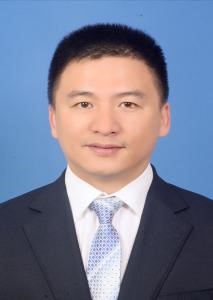 Dexuan Wang (王德选)合作论文数Alberta Institute, Wenzhou Medical University14ZheXiong Wang (王哲雄)合作论文数13Hongzhou Lin (林洪洲)合作论文数13YanHong Lin (林艳红)合作论文数9LingFang Yu (余灵芳)合作论文数7LiXiao Lu (卢立肖)合作论文数7WenJie Zheng (郑雯洁)合作论文数6XiaoHua Ye (叶晓华)合作论文数6XianLan Zheng (郑显兰)合作论文数6Xiao-chun LIN (林小春)合作论文数5JiaHong Liu (刘家红)合作论文数5YanXia Liu (刘延霞)合作论文数5
 HaiLin Zhang (张海邻)合作论文数The Second Affiliated Hospital & Yuying Children‘s Hospital of Wenzhou Medical University4
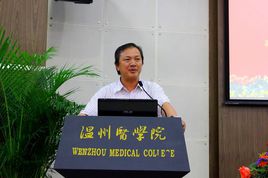 Changchong Li (李昌崇)合作论文数温州医学院附属育英儿童医院呼吸科4Yunxia HU (胡云霞)合作论文数3JunWei Lan (蓝俊伟)合作论文数3XueDong Tang (唐雪栋)合作论文数3YongHai Zhou (周永海)合作论文数3
 Xiaoqing He (何晓青)合作论文数The Third Affiliated Hospital of Guangzhou Medical University3HuaiKai Wen (温怀凯)合作论文数3GuangBo Li (李广波)合作论文数3Ping Li (李平)合作论文数3Chenyi Yu (俞晨艺)合作论文数3
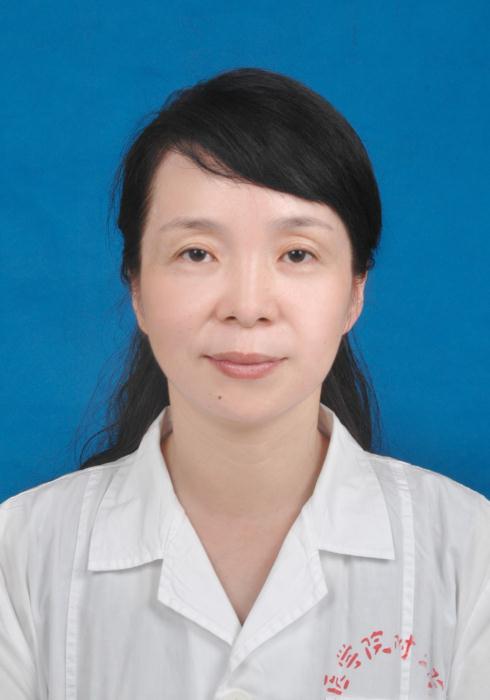 Xiaohong Cai (蔡晓红)合作论文数The 2nd Affiliated Hospital and Yuying Children's Hospital of Wenzhou Medical University3Yinv Gong合作论文数2Xiao-han HU (胡小涵)合作论文数2Yuhua ZHANG (张玉桦)合作论文数2Yanfen Fu合作论文数2Lihong CHEN (陈丽虹)合作论文数2Gui FU (付贵)合作论文数2YiXiao Xu (许益笑)合作论文数2XiShan Xiong (熊锡山)合作论文数2XiaoQiong Wei (魏晓琼)合作论文数2Jin Lin (林锦)合作论文数2WeiXi Zhang (张维溪)合作论文数2XiaoPing Jiang (蒋小平)合作论文数2Rong Guo (郭蓉)合作论文数2LIN Zebin (林则彬)合作论文数1dai bing合作论文数1Yangmei Chen合作论文数1Jin-Hong Yang合作论文数1Xu Hong合作论文数1Hui-Lin Cai合作论文数1Zhou Jian-hua合作论文数1




