We consider how to make dynamic pricing decision for Chinese Online (COL) at T time-points, an online publisher that allow authors to sell their ongoing book projects. Instead of paying for a book, readers pay for each chapter (pay-per-chapter mode) of the ongoing book project. This mode allows readers to pay for as many chapters as they want without taking the risk that the releasing of new chapters might be delayed or stopped. Despite of the dynamics of chapter-by-chapter released of COL products, the fixed pricing strategy (FPS) does not make fully use of the reading data generated by releasing chapters of the ongoing book. We propose a learningbased dynamic pricing strategy (LDPS) that exploits the newly information to maximize cumulative revenue for the publisher. The LDPS captures the ever changing features of readers. It employs the Thompson sampling method to balance the exploration of investigating different prices sufficiently with the exploitation of settling on the optimal price. Taking COL as a case study and implementing our strategy in the context of the aforementioned real-life data set, we show that LDPS outperform several classical strategies such as Greedy, Prior-Free TS and Prior-Given TS, and average revenue of LDPS is increased by 0.5 % average per time-point compared to the publisher's historical decisions. We also provide some management implications for the COL publisher by analyzing the pricing range of different genres of books and the choice of the exploration threshold parameter.
Mechanochemistry emerges as a promising and environment-friendly method and has been widely applied in synthesis of solid catalysts. The catalyst with high surface area, uniform pore size, highly dispersed active metal and even single-atom active metal can be synthesized by the mechanochemical approach. The mechanical agitation can give the catalyst unique properties, reflected in defect generation, structural arrangement and modified interaction, which is difficult to achieve by traditional synthesis methods. These unique structures of catalysts prepared by mechanochemical method lead to outstanding catalytic activity and excellent stability in the catalytic reaction. This review aims to summarize the recent advances in mechanochemical preparation of solid catalyst and application in catalytic reaction. Mechanochemistry has been widely applied in synthesis of solid catalysts. The catalyst with high surface area, uniform pore size, highly dispersed active metal and even single-atom metal can be synthesized by the mechanochemical approach. The mechanical agitation can give the catalyst unique properties, reflected in defect generation, structural arrangement and modified interaction, which have significant influence on its catalytic performance.image
High-affinity K+ transporters (HKTs) are known as transmembrane cation transporters and are involved in Na+ or Na+-K+ transport in plants. In this study, a novel HKT gene SeHKT1;2 was isolated and characterized from the halophyte, Salicornia europaea. It belongs to subfamily I of HKT and shows high homology with other halophyte HKT proteins. Functional characterization of SeHKT1;2 indicated that it contributes to facilitating Na+ uptake in Na+-sensitive yeast strains G19, however, cannot rescue the K+ uptake-defective phenotype of yeast strain CY162, demonstrating SeHKT1;2 selectively transports Na+ rather than K+. The addition of K+ along with NaCl relieved the Na+ sensitivity. Furthermore, heterologous expression of SeHKT1;2 in sos1 mutant of Arabidopsis thaliana increased salt sensitivity and could not rescued the transgenic plants. This study will provide valuable gene resources for improving the salt tolerance in other crops by genetic engineering.
Layer-by-layer self-assembly MoS2/C nanomaterials are constructed through the electrostatic adsorption between MoS2 nuclei with positive charge and C nuclei with negative charge using a facile one-step hydrothermal method. The layer-by-layer self-assembly MoS2/C catalysts with high exposure of catalytic hydrogenation active sites exhibit enhanced catalytic performance in phenanthrene hydrogenation.
High-surface-area α-Al2O3 with abundant hydroxyls is synthesized by a ball-milling method. It demonstrates high catalytic activity and excellent stability for the CO oxidative coupling to dimethyl oxalate reaction.
MoS2-TiO2 nanocomposite catalysts with Janus structure were synthesized via facile one-step solvothermal method. X-ray diffraction, high resolution transmission electron microscope, NO chemisorption and X-ray photoelectron spectroscopy were applied to characterize the composition and nanostructure of the MoS2-TiO2 nanocomposite catalysts. Experimental results revealed that the MoS2-TiO2 nanocomposite catalysts with Janus structure were composed of MoS2 layers (few stacked layers of 1–3 and short slabs of 2–10 nm) and TiO2 nanoparticles (10–15 nm), which have strong MoS2-TiO2 interaction with transferring electrons from TiO2 to MoS2. Catalytic performance of MoS2-TiO2 nanocomposite catalysts for phenanthrene hydrogenation was investigated and compared with that of MoS2 catalyst in an autoclave reactor with high temperature and high pressure. The phenanthrene conversion over the MoS2-TiO2 nanocomposite catalyst with MoS2 content of 15.0 wt% (MoS2-TiO2-15) can reach 91.6%, which was much higher than 50.4% for MoS2 catalyst and 76.8% for conventional supported MoS2/TiO2-15 catalyst. After 7 cycles of phenanthrene hydrogenation reaction, the phenanthrene conversion over MoS2-TiO2-15 nanocatalyst remained at 68.6%, while the phenanthrene conversion over MoS2 catalyst was reduced to only 25.4%. The MoS2-TiO2 nanocomposite catalysts exhibit significantly enhanced catalytic activity and stability for slurry phase hydrogenation. The enhanced catalytic activity originates from the exposure of abundant coordinatively unsaturated Mo atoms. The enhanced stability results from the Janus structure with stable MoS2-TiO2 interaction and Mo–O–Ti bonds, which anchor MoS2 layers on the surface of TiO2 nanoparticles to avoid the curling, folding and agglomeration of MoS2 layers. This is an important finding on slurry phase catalytic hydrogenation performances of MoS2-based nanocomposite catalysts with Janus structure. Shedding light on the research of Janus nanocomposite catalysts in catalytic hydrogenation is significantly crucial for the development of effective and stable hydrogenation catalysts.
以γ-AlOOH为原料,采用球磨法制备得到α-Al2O3载体,与传统焙烧法制备的α-Al2O3载体相比,比表面积更大,达到70.7 m2·g-1.通过浸渍法制得Pd/α-Al2 O3催化剂,采用XRD、氮气物理吸附、NH3-TPD、H2-化学吸附、TEM等方法对载体和催化剂进行表征,并在CO氧化偶联反应中对催化剂的催化活性进行评价.结果表明,制备的Pd/α-Al2 O3催化剂在CO氧化偶联反应中具有出色的催化活性,草酸二甲酯时空收率达到2175 g·(L·h)-1.
Slurry-phase hydrogenation technology is the frontier topic in the efficient conversion of heavy oils into light fractions around the world.Developing highly active dispersed MoS 2 catalysts is the major obstacle to realize the industrial application of upgrading heavy oils.In this work,both top-down ball-milling method and bottom-up hydrothermal method were designed to synthesize MoS 2 catalysts with controllable layer structures.The stacking layers and lateral sizes for micro-scaled MoS 2 catalysts by ball-milling method can be reduced to their limits and stabilize at 6~8 layers and lateral size of ca.30 nm.The more flexible bottom-up hydrothermal method can construct MoS 2 catalysts with much smaller lateral sizes and fewer stacking layers,especially,MoS 2 catalyst fabricated with ammonium tetrathiomolybdate as Mo and S precursor possesses average stacking layers of 2 and lateral size of 5 ~ 10 nm.Polycyclic aromatic hydrocarbons anthracene,phenanthrene and naphthalene were used as model compounds of heavy oils to investigate the catalytic hydrogenation performance of designed MoS 2 catalysts.The catalytic activities of MoS 2 catalysts can be well correlated with their stacking layers and lateral size.The edges of top and bottom S-Mo-S atomic layers for MoS 2 sheets,named rim sites,are positively correlated with the exposure of active sites for catalytic hydrogenation of PAHs.The highest catalytic activity of MoS 2 catalyst results from its layer structures of 100% rim sites and the smallest lateral size of5 ~ 10 nm,which is beneficial to expose maximum active sites for catalytic hydrogenation reactions.This work can guide us to design the highly active hydrogenation catalysts,and promote the industrial application of upgrading heavy oils.
Highly active MoS2 catalysts were developed by tuning the precursors and synthesis solvents to upgrade unconventional feedstocks into light fuels through the slurry-phase hydrogenation reaction. A highly dispersed quasi-single-layer (QSL) MoS2 nanocatalyst has been synthesized by the solvothermal method with L-cysteine and ethylene glycol as the S precursor and solvent, respectively. The QSL MoS2 nanocatalyst demonstrates extremely high selectivity to octahydroanthracene of 83.1% and hydrogenation percentage of 54.0% for catalytic anthracene hydrogenation, which are, respectively, 11.4 times and 2.6 times as high as those of bulk MoS2 catalysts. Moreover, the QSL MoS2 nanocatalyst exhibits excellent catalytic activities and high catalytic versatility for the slurry-phase hydrogenation of various unconventional feedstocks. The contents of light fractions (gas oil and diesel oil) in the hydrogenation products of coal tar and heavy crude oils from Boscana and Venezuela with the QSL MoS2 nanocatalyst are as high as 80%, and the conversion of asphaltene hydrogenation can reach much higher than 90%. The excellent catalytic activity of the QSL MoS2 nanocatalyst may result from its nanostructures including a grain size of 20-30 nm, QSLs of less than 3, and a slab length of 3-7 nm, which benefits to highly expose catalytic active sites and improve its dispersion in the slurry-phase hydrogenation reaction system. This synthesis method can be extended to the design of QSL two-dimensional materials with highly exposed active sites for various catalytic reactions.
The support of MgO/γ-Al2O3 was initially prepared by a multiple impregnation method and Pd was placed on the surface of the MgO/γ-Al2O3 support via incipient wetness impregnation. Pd/MgO/γ-Al2O3 (Pd/MAO) catalysts were systematically characterized by X-ray diffraction (XRD), Brunauer-Emmett-Teller (BET), CO2-temperature-programmed desorption (TPD), transmission electron microscopy (TEM), CO-Fourier transform infrared (CO-FTIR), and X-ray photoelectron spectroscopy (XPS) and tested in the CO oxidative coupling to dimethyl oxalate (DMO) reaction. Compared to Pd/γ-Al2O3, the catalytic activities of the Pd/MAO catalysts improved significantly. The Pd/MAO catalyst with a 30% mass ratio of Mg to γ-Al2O3 delivers 3 times higher STY of DMO than that of Pd/γ-Al2O3. It has been demonstrated that MgO covered γ-Al2O3 layer-by-layer forming MAO supports, which can increase surface basicity and the interaction between Pd particles and the MAO supports. Moreover, the relationship between metal and support interaction and catalytic performance was discussed.
Developing highly dispersed few stacking layer MoS2 nanocatalysts with high exposure of active sites is still a challenge in improving their catalytic activities. Herein, we report a facile strategy for fabricating quasi-single-layer (<3 layers) MoS2/TiO2 nano catalysts by a novel one-step hydrothermal method using ammonium tetrathiomolybdate (ATM) and P25 (TiO2) as Mo precursor and highly dispersed supporter, respectively. MoS2 nanosheets on MoS2/TiO2 nanocatalysts with the quasi-single layer and slab of less than 10 nm expose maximum active sites of the catalytic anthracene hydrogenation. The results of the catalytic anthracene hydrogenation in slurry-bed reactor show that the quasi-single-layer MoS2/TiO2 nanocatalyst exhibits optimized catalytic hydrogenation performance with the selectivity to deep hydrogenation product (AH8) of 51% and hydrogenation percentage of 41.4%, which were respectively about 5.7 times and twice those of unsupported MoS2 catalyst. The outstanding catalytic activity of anathracene hydrogenation over the resultant quasi-single-layer MoS2/TiO2 can be ascribed to the superior structures of MoS2/TiO2 nanocatalysts. The uniform loading of quasi-single-layer MoS2 nanosheets onto the TiO2 can remarkably enhance the exposure of active sites and effectively avoid the self-aggregation of MoS2 nanosheets.
Nano-MoS2was synthesized via a surfactant-assisted hydrothermal route, using (NH4)2MoS4as the precursor.Effects of surfactants(PVP,CTAB,PEG,AOT)on the morphology and structure of MoS2samples were investigated.The results reveal that 2H-MoS2 nano-sheets,intercalated with NH4+ and surfactants,are prepared with various surfactants. However,the interlayer distance,the size(including the stacking layers and the slab length)and arrangement,and the amount of intercalated surfactants of these nano-sheets are different.Highly dispersed nano-sheet prepared with PVP has the smallest interlayer distance and size,with the slab length of 5-10 nm and the stacking layers of 1-2.The size and arrangement of nano-sheets can be controlled by adjusting surfactants. The catalytic activity of MoS2samples in anthracene hydrogenation was evaluated in a slurry-bed reactor.The evaluation results show that MoS2sample with PVP exhibits the highest catalytic activity in anthracene hydrogenation.The 8HN selectivity and the hydrogenation conversion is 65.1% and 46.8%,respectively.The activity of MoS2 catalysts is closely associated to the exposure of active edges.The shorter slab and fewer stacking layers of nano-sheets have much more active edges.The higher dispersion of these nano-sheets benefits to expose much more active edges.
MoS2 double-shell polyhedral cages are synthesized via an ionic liquid assisted hydrothermal route and exhibit enhanced catalytic hydrogenation properties.
Flower-like intercalated MoS2 nanomaterials have been successfully synthesized via a microemulsion-mediated hydrothermal (MMH) method, and characterized by X-ray diffraction, Raman spectroscopy, element analysis, scanning electron microscopy, transmission electron microscopy, thermogravimetric analysis, and Fourier transform infrared spectroscopy in detail. Their catalytic performance for anthracene hydrogenation was evaluated using a slurry-bed batch reactor with an initial hydrogen pressure of 80 bar at 350 °C for 4 h. The intercalated MoS2 nanoflowers synthesized from Na2MoO4 (MoS2-S) and H2MoO4 (MoS2-A) as molybdenum precursors have diameters of about 150 and 50 nm, respectively. MoS2 nanosheets on MoS2-S and MoS2-A possess stacking layer numbers of 5–10 and 2–5, and slab lengths of about 15 and 10 nm, respectively. The interlayer distances of MoS2-S and MoS2-A are both enlarged from 0.62 nm to about 0.95 nm due to the intercalation of NH4+ and surfactant molecules. The MoS2 nanoflowers have high catalytic activities for anthracene hydrogenation. The selectivity for octahydroanthracene, a deeply hydrogenated product, over MoS2-A is 89.8%, which is 31.0 times higher than that over commercial bulk MoS2. Fully hydrogenated product (perhydroanthracene) was also detected over MoS2 nanoflowers with a selectivity of 3.7%. The enhanced hydrogenation activities of MoS2 nanoflowers can be ascribed to the high exposure of catalytic active sites, resulting from the smaller particle size, fewer stacking layer, shorter slab length and enlarged interlayer distance of MoS2 nanoflowers compared with commercial bulk MoS2. In addition, a possible growth mechanism of MoS2 nanoflowers synthesized via the MMH method was proposed.
MoS2 samples with controllable morphologies and structures were synthesized using surfactant-assisted hydrothermal processes. The effects of surfactants (PEG, PVP, P123, SDS, AOT, and CTAB) on the morphologies and structures of MoS2 samples were investigated. The results revealed that spherical, bulk-like, and flower-like MoS2 particles assembled by NH4+-intercalated MoS2 nano-sheets were synthesized. The morphologies of the MoS2 samples and their structures (including the slab length and the number of stacked layers) of MoS2 nano-sheets in these samples could be controlled by adjusting the surfactants. Mono-dispersed spherical MoS2 particles could be synthesized with PEG via the creation of MoS2 nano-sheets with slab lengths shorter than 15 nm and fewer than six stacked layers. Possible formation mechanisms of these MoS2 samples created via surfactant-assisted hydrothermal processes are proposed. Further, the catalytic activities of MoS2 samples for anthracene hydrogenation were evaluated in a slurry-bed reactor. The catalyst synthesized with the surfactant PEG exhibited the highest catalytic hydrogenation activity. Compared with the other catalysts, it had a smaller particle size, mono-dispersed spherical morphology, shorter slab length, and fewer stacked layers; these were all beneficial to exposing its active edges. This work provides an efficient approach to synthesize transition metal sulfides with controllable morphologies and structures.
Designing MoS2 nanocatalysts rich with active edge sites by engineering of the nanostructures is an effective strategy to enhance their catalytic activity.
This paper addresses cell part scheduling (CPS) problem. In this problem, parts may need to visit machines in different cells with consideration Inter-cell transportation time. The processing route of parts can be flexible. The objective is to minimize the overall process make-span. An integer nonlinear programming (INLP) model is formulated to determine the schedule scheme of all parts. An auction-based heuristic approach is proposed to solve it, which focuses on dealing with cooperation between different cells. In this approach, each cell can act as an auctioneer or a bidder. In an auction, it contains call for auction, bid construction, modify bids and winner announcement. A reference matrix is also applied in the auction to guarantee parts to finish as early as possible. Numerical experiments were conducted to test the auction-based approach. The results demonstrate the effectiveness, sensitivity and stability of the proposed auction-based approach, especially suitable for instances in large scale within a short calculating time. (C) 2016 Elsevier B.V. All rights reserved.
MoS2 nano-sheets with controllable structures were prepared using a hydrothermal method. Effects of crystallization time, temperature and pH of the precursor solution on the structures, components and morphologies of MoS2 nano-sheets were investigated. MoS2 nano-sheets were characterized using XRD, Raman, elemental analysis, TG/DTG, SEM, and HRTEM. The characterization results show that intercalated MoS2, intermediate MoS2 with intercalated and semi-crystallized structures, and well crystallized hexagonal MoS2 (denoted as 2H-MoS2) were prepared by varying crystallization conditions, especially crystallization time. Intercalated MoS2 possesses rich active sites and poor crystallinity. 2H-MoS2 demonstrates high crystallinity but few active sites. As a transition structure during the crystallization process from intercalated MoS2 to 2H-MoS2, intermediate MoS2 simultaneously possesses rich active sites and good crystallinity. The possible growth mechanism of MoS2 nano-sheets in the hydrothermal process was proposed. The catalytic activities of MoS2 nano-sheets with various structures were evaluated by anthracene hydrogenation. The evaluation results show that intermediate MoS2 exhibits optimized catalytic activities of anthracene hydrogenation, which can be ascribed to the abundant active sites and desired stability of intermediate MoS2. This work may provide theoretic guidance for creating active sites and tuning catalyst structure for the controllable synthesis of layered transition metal sulfides with high catalytic activities.
This paper focuses on finding a satisfactory surgery scheduling to patients and efficiently managing scarce medical resources in laminar-flow operating theaters, which have distinct flow process and characteristics relative to general operating theaters and are widely used in China. The problem is solved in two phases. The first phase involves determining whether patients can be operated upon within the planning period and, if so, determining their surgery date with the objective of maximizing overall patient satisfaction. In the second phase, the surgery schedule consists of the surgery sequence and the corresponding operating room; with regard to the post-anesthesia care unit, a downstream resource, the daily scheduling problem is modeled as a two-stage no-wait hybrid flow-shop problem with the objective of minimizing the hospital's operating costs, which includes the fixed costs of opening operating rooms, overtime costs and recovery costs. A discrete particle swarm optimization algorithm combined with heuristic rules is proposed. The results of experiments of our approach with realistic data show that our algorithm produced results of nearly the same quality as CPLEX but with a much less computation time. This approach can find the optimal number of daily functional operating rooms and recovery beds by varying parameters in the experiment, which gives management insights into reducing the operating costs of the hospital.
Hollow core/shell MoS2 microspheres were successfully hydrothermally synthesized by adding an ionic liquid 1-ethyl-3-methylimidazolium bromide ([EMIM] Br) as additive. The obtained MoS2 products were characterized by X-ray powder diffraction (XRD) and scanning electron microscopy (SEM). MoS2 microspheres have uniform morphology with the mean diameter of 2.5 pm and the shell thickness of about 0.8 pm. The surfaces of the hollow core/shell MoS2 microspheres are constructed by MoS2 nanosheets. Ionic liquids play an important role in the formation of hollow core/shell MoS2 microspheres. MoS2 microspheres with double-shell structure can be acquired by increasing the dosage of ionic liquid. A soft template mechanism of the hollow core/shell structure is proposed. (C) 2015 Elsevier B.V. All rights reserved.
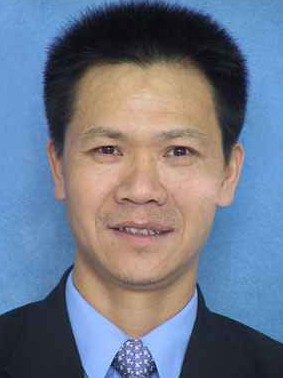 Jiafu Tang (唐加福)合作论文数School of Management Science and Engineering, Dongbei University of Finance and Economics21
 Yunjie Ding (丁云杰)合作论文数Dalian Institute of Chemical Physics, Chinese Academy of Sciences16
 Donge Wang (王冬娥)合作论文数Dalian Institute of Chemical Physics, Chinese Academy of Sciences15
 Huaijun Ma合作论文数15Luo Hongyuan合作论文数11Dahao Jiang合作论文数11
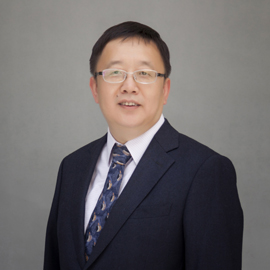 Zhijian Tian (田志坚)合作论文数中国科学院大连化学物理研究所10
 Dragomir B. Bukur合作论文数Artie McFerrin Department of Chemical Engineering, College of Engineering, Texas A&M University9
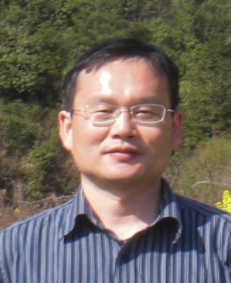 Weimiao Chen (陈维苗)合作论文数Dalian Institute of Chemical Physics, Chinese Academy of Sciences;University of Chinese Academy of Sciences9Jiahe Li合作论文数8Yuxia Jiang合作论文数7Min Li (李敏)合作论文数7
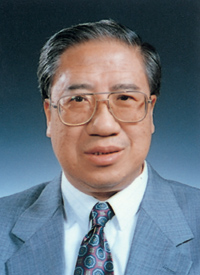 Liwu Lin (林励吾)合作论文数Dalian Institute of Chemical Physics, Chinese Academy of Sciences6
 Li Yan (严丽)合作论文数Dalian Institute of Chemical Physics, Chinese Academy of Sciences6Guiping Jiao (焦桂萍)合作论文数6Matin Parvari合作论文数5
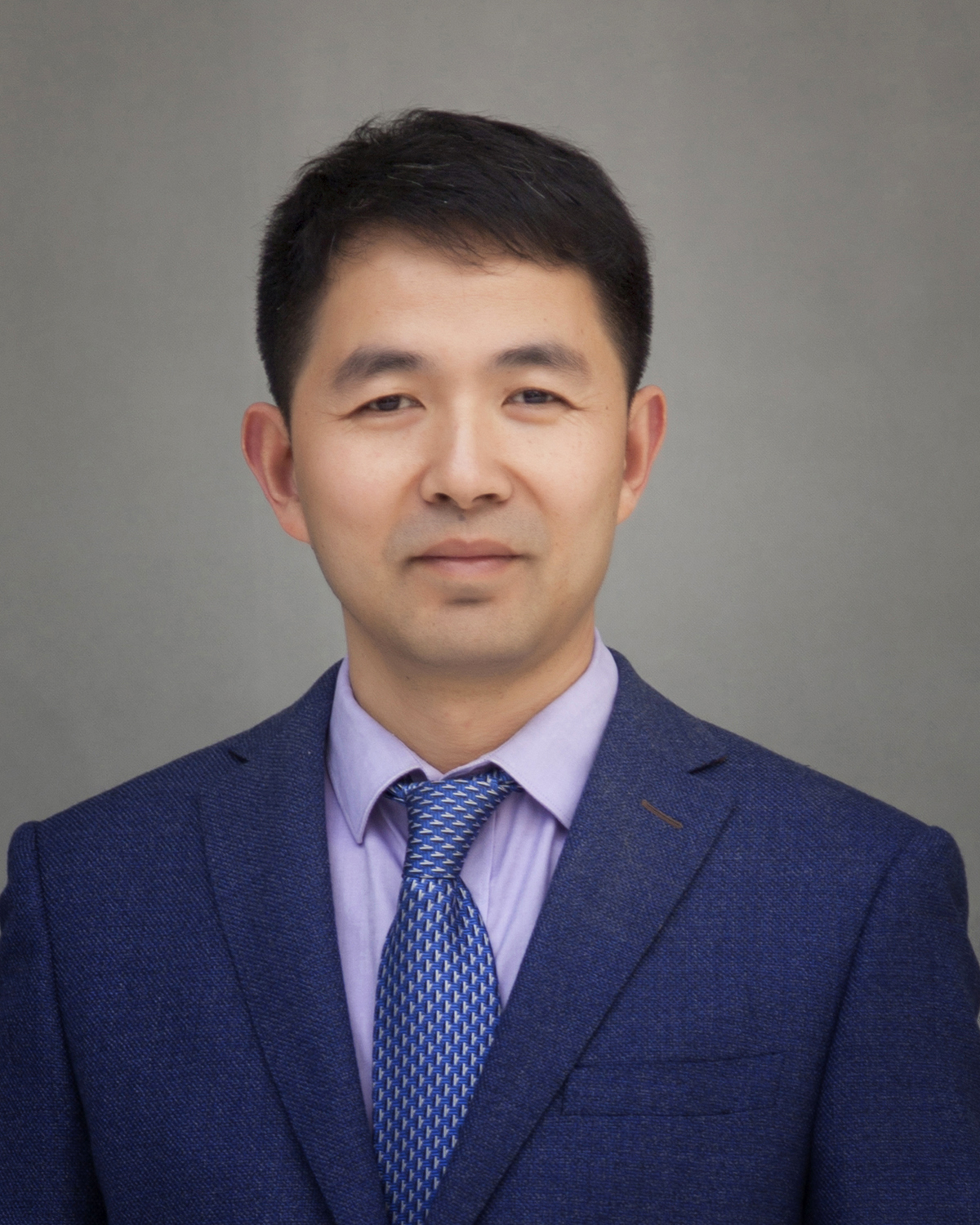 Hejun Zhu (朱何俊)合作论文数Dalian Institute of Chemical Physics, Chinese Academy of Sciences;University of Chinese Academy of Sciences5Congxin Wang (王从新)合作论文数5
 Yuan Kong (孔媛)合作论文数4Xianming Li合作论文数4Jianmin Xiong (熊健民)合作论文数4Anda Zheng合作论文数3Chenggong Yang合作论文数3Jianqiang Han合作论文数3
 Lin Wang (王琳)合作论文数National Synchrotron Radiation Laboratory, University of Science and Technology of China3
 Lin Yang (杨林)合作论文数School of Materials Science & Engineering, Beijing Institute of Technology3Shuaiqi Wang合作论文数2
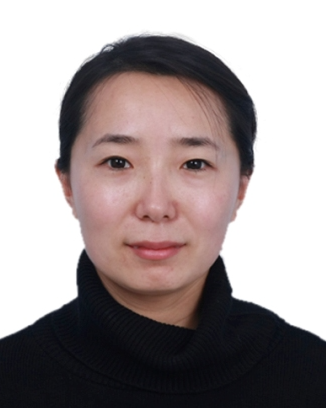 Na Ta (塔娜)合作论文数State Key Laboratory of Catalysis, Dalian Institute of Chemical Physics, Chinese Academy of Sciences;University of Chinese Academy of Sciences2Guang Lv合作论文数2Xiao-Ping Wang (王小平)合作论文数2XianMing Li (李显明)合作论文数2
 Rong Huang (黄荣)合作论文数School of Physics and Electronic Science, East China Normal University2Gang Dong (董纲)合作论文数2
 Yuan Lv (吕元)合作论文数Dalian Institute of Chemical Physics, Chinese Academy of Sciences;University of Chinese Academy of Sciences2
 Lifeng Mu (牟立峰)合作论文数SILC Business School, Shanghai University2
 Wei Qu (曲伟)合作论文数China Academy of Aerospace Aerodynamic2
 Fung Ying Kit Richard (馮英傑)合作论文数City University of Hong Kong2
 Jun Zhang (张俊)合作论文数School of Resources and Civil Engineering, Northeastern University2
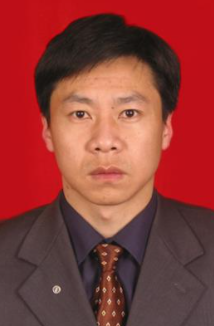 Yi Han (韩毅)合作论文数State Key Laboratory of Digital Steel, Northeastern University2
 Tao Wang (王涛)合作论文数Center of Artificial Photosynthesis for Solar Fuels, School of Science, Westlake University;Laboratory of Computational Catalysis and Material Design, School of Science, Westlake University1Jun Gong合作论文数1
 Yinghui Wu (吴影辉)合作论文数1Zhongshan LIU (刘忠杉)合作论文数1Tao WANG (王涛)合作论文数1Jingwei Li合作论文数Chinese Academy of Sciences1Ying Dong (董颖)合作论文数1
 Hao Liu (刘浩)合作论文数School of Materials Science and Engineering, Zhengzhou University1




