Acquired resistance to epidermal growth factor receptor-tyrosine kinase inhibitors, such as gefitinib and erlotinib, is a critical issue in the treatment of patients with epidermal growth factor receptor mutant–positive non–small-cell lung cancer. Recent evidence suggests that downregulation of gene of phosphatase and tensin homolog deleted on chromosome 10 plays an important role in acquired resistance to epidermal growth factor receptor-tyrosine kinase inhibitors in various types of cancers, including lung cancer. It was reported that the E3 ubiquitin ligase neural precursor cell expressed developmentally downregulated gene (NEDD4) (also known as NEDD4-1) negatively regulated phosphatase and tensin homolog deleted on chromosome 10 protein levels through poly-ubiquitination and proteolysis in carcinomas of the prostate, lung, and bladder. Whether this process plays a role in epidermal growth factor receptor-tyrosine kinase inhibitors resistance in non–small-cell lung cancer has not been studied extensively. In view of this, we investigated the involvement of NEDD4 and phosphatase and tensin homolog deleted on chromosome 10 in acquired erlotinib resistance with tyrosine kinase inhibitor–sensitive (HCC827) or tyrosine kinase inhibitor–resistant (Erlotinib-resistant HCC827/ER cells which harbored exon 19 deletion. Overexpression of NEDD4 in HCC827/ER cells was detected, and the reverse correlation between NEDD4 and phosphatase and tensin homolog deleted on chromosome 10 expression in these cells was also revealed. In HCC827/ER cells with knockdown of NEDD4, phosphatase and tensin homolog deleted on chromosome 10 and p-Akt expressions were decreased; the sensitivity of HCC827/ER cells to erlotinib was partially restored. Similar results were also observed in vivo. In H1650/ER cells harboring both exon 19 and phosphatase and tensin homolog deleted on chromosome 10 deletion, expression of p-Akt and sensitivity to erlotinib were not affected by simple knockdown of NEDD4 but affected after transfection of phosphatase and tensin homolog deleted on chromosome 10 into H1650/ER cells. Our results demonstrate that NEDD4 may promote the acquired resistance of non–small-cell lung cancer cells to erlotinib by decreasing phosphatase and tensin homolog deleted on chromosome 10 protein expression. Targeted decrease in NEDD4 expression may be a potential therapeutic strategy for tyrosine kinase inhibitor–resistant non–small-cell lung cancer.
Purpose: Acquired resistance is a bottleneck that restricts the efficacy of epidermal growth factor receptor-tyrosine kinase inhibitor (EGFR-TKI) for lung cancer. Ginsenoside Rg3 is an antiangiogenic agent which can down-regulate the expressions of vascular endothelial growth factor (VEGF) and EGFR. Combination of EGFR-TKI and ginsenoside Rg3 may be a promising strategy to delay acquired resistance. This retrospective study explored the efficacy and safety of this combined regimen in patients with EGFR mutation and advanced non-small cell lung cancer (NSCLC).Results: By the deadline of March 31th 2016, the median follow-up period reached 22.9 months. The median PFS was significantly longer in group A than in group B (12.4 months vs 9.9 months, P = 0.017). In addition, ORR was significantly higher in group A than in group B (59.6% vs 41.7%, P = 0.049). The median OS in group A showed no extended tendency compared with that in group B (25.4 months vs 21.4 months, P = 0.258). No significant difference in side effects was found between the two groups.Methods: A total of 124 patients with advanced NSCLC and EGFR active mutation were collected and analyzed. All of them were treated with first-line EGFR-TKI and divided into two groups. In group A (n = 52), patients were administered EGFR-TKI plus ginsenoside Rg3 at standard doses. In group B (n = 72), patients received EGFR-TKI alone. Progression-free survival (PFS), overall survival (OS), objective response rate (ORR) and side effects were analyzed.Conclusions: Ginsenoside Rg3 improves median PFS and ORR of first-line EGFRTKI treatment in EGFR-mutant advanced NSCLC patients, thus providing a new regimen to delay acquired resistance of EGFR-TKI.
为观察头孢拉定分散片(cefradine dispersible table)对小儿常见感染性疾病的疗效及安全性,笔者于2004年12月至2005年12月对162例因各种感染住院和门诊患儿按2∶1的比例随机口服头孢拉定分散片及羟氨苄青霉素治疗,以观察其疗效.现将结果报告如下。
目的观察好好黄芪颗粒治疗病毒性心肌炎(VMC)的疗效.方法采用心电图和(或)Holter及踏车运动试验随访观察常规疗法加黄芪治疗及常规治疗VMC的临床效果.结果黄芪组35例中痊愈19例,好转13例,未愈3例;对照组37例中痊愈14例,好转11例,未愈12例.两组痊愈率无显著差异(P>0.05);痊愈和好转相加作为治疗有效,两组有效率比较有差异显著(P<0.01);对照组疗程较黄芪组明显延长(P<0.001).结论黄芪颗粒口服治疗VMC有确切效果,可作为中西医结合治疗VMC的方法之一.
本研究对60例室间隔缺损封堵术后并发传导阻滞的病例进行分析,报告如下:
对39例渗出性多形性红斑(EEM)儿童的临床资料进行回顾分析,结果渗出性多形性红斑的皮疹特点为多形态如:斑丘疹、荨麻疹、疱疹、红斑等,可伴渗出、脱屑等.这种疾病是多种诱因如感染、疫苗及药物等甚至未能寻找到诱因所至的高敏性损伤.一旦诊断要早期使用丙种球蛋白和激素治疗,同时加强对症支持治疗.
倍他乐克系β受体阻滞剂,经过十几年多方面严格对照研究,在国际范围内肯定了其对心律失常的疗效.因其对心肌有负性肌力作用,长期以来在国内其对充血性心力衰竭(Congestive Heart Failure,CHF)的治疗被视为禁忌.但心力衰竭长期交感神经兴奋伴有较差的预后为β受体阻滞剂的应用提供了基础.
绝大多数动脉导管未闭发生于左位主动脉弓,极少数发生于右位主动脉弓的增加了介入治疗的难度.我院近来收治1例,报告如下.
近年来Amplatzer法堵闭动脉导管未闭(PDA)已得到广泛应用.该方法成功的要点是选择适宜大小的蘑菇伞状封堵器.为使封堵器的型号选用更加合适,有必要对封堵器堵闭PDA前后变形的程度及其影响因素进行研究.
目前,国内耐甲氧西林凝固酶阴性葡萄球菌(methicillin-resistant coagulase-negative staphylococci ,MRCNS)感染报道日益增多,均采用万古霉素治疗,对万古霉素耐药的MRCNS极少报道.现将我院发现耐万古霉素的葡萄球菌感染1例报道如下.
倍他乐克系β-受体阻滞剂,经过十几年多方面研究,在国际范围内肯定其对心律失常的疗效.因对心肌有负性肌力作用,在国内其对充血性心力衰竭(CHF)的治疗被视为禁忌.但心力衰竭长期交感神经兴奋伴预后较差,为β-受体阻滞剂的应用提供了基础.国外倍他乐克治疗心力衰竭随机干预临床试验(MERIT-HF)提供的证据显示,在目前标准疗法中加用β-受体阻滞剂,可产生明显降低死亡率的效果.现对其介绍如下.
目的总结我院经皮球囊肺动脉瓣成形术的结果和经验.方法采用经皮球囊瓣膜成形术治疗45例先天性肺动脉瓣狭窄患者.结果术前肺动脉跨瓣压力阶差(△P)51.3±24.2mmHg,球/瓣比为1.35±0.1 7(1.1 2~1.75).术后即该效果良好,95.6%的病例△P<25mmHg.经2~30月随访无再狭窄,未发生明显并发症.结论经皮球囊肺动脉瓣成形术为简便、有效、安全、价廉的肺动脉瓣狭窄首选治疗方法.
例1 女,4岁半.1年前患"川崎病",恢复期超声心动图检查发现动脉导管未闭(PDA).无症状,体检无心脏杂音,血压110/80 mm Hg(1 mm Hg=0.133 kPa),无周围血管体征.心电图示电轴+94°;X线胸片示心胸比略大于0.5,肺动脉段轻度隆起;超声心动图示各心腔和大血管大小正常,在肺动脉内探及PDA的Doppler信号.心导管测定肺动脉压正常,Qp/Qs=1∶1.05.主动脉造影证实存在管形PDA,其内径仅1.3 mm.以5F Judkins 导管从主动脉侧插入动脉导管,用引导钢丝交换5F长鞘,植入5 cm五个圈控释Cook弹簧圈,在肺动脉端和主动脉端各放置2圈,10 min后重复造影证明堵闭完全,无残余分流.
房间隔缺损的介入治疗应用于临床20年以来,发展迅速,已部分取代了外科手术,特别是近5年来,新的装置不断应用于临床,使房间隔缺损的介入治疗实现了新突破。本文着重介绍了近10年经导管关闭房间隔缺损的六种封堵装置,总结了介入疗法在房间隔缺损的应用进展和现状。
我院从1989~2000年,确诊原发性肺含铁血黄素沉着症(Primary Pulmonary Hemosiderosis,PPH)38例(特发型例,心肌炎型例).其诊断根据临床表现,胸部X线改变,痰液或胃液中找到肺含铁血黄素巨噬细胞,并除外继发性肺含铁血黄素沉着症.本病早期表现不典型,临床易造成误诊,特报告如下: 1 临床资料 1.1 一般资料本组共38例,男12例,女26例,男女比例1∶2.2.发病年龄~3岁5例,~6岁16例,~9岁12例,~12岁3例,>12岁2例.最小年龄11个月,最大13岁.病程最短13天,最长6年. 1.2 临床表现颜面苍白或苍黄32例占84.2%,咳嗽30例占78.9%,咯血或痰中带血22例占57.2%,发热19例占50%,气促13例占34.2%,乏力11例占28.9%,另有心悸、紫绀、腹痛各4例,便血1例.体检中,肺部湿罗音5例,干鸣或痰鸣者3例,肺部无异常体征者30例.心尖区闻及Ⅱ~Ⅲ组级收缩期杂音15例,肝大12例,均为轻度增大,脾轻度增大7例,杆状指趾2例.
目的了解儿童脑型疟临床特征和降低其病死率.方法对1996~1997年住院128例儿童脑型疟的临床特征、诊断治疗、病死原因进行分析.结果1~5a儿童发生率66%,痊愈113例,后遗症4例,死亡11例,死亡率8.6%.临床特征有发热、咳嗽、吐泻、惊厥、意识障碍等.血片见疟原虫可确诊,首次阴性应反复多次检查.惊厥、意识障碍者应排除其他疾患.结论及时正确诊断,尽早抗疟治疗,对抗药性及有并发症等治疗是降低儿童脑型疟病死率的关键.
作者在援圣普医疗队工作期间,收治2例恶性疟疾性肝炎与肾病并存的患儿,临床少见,现报道如下.
[例1] 患儿男,4岁.因畏寒、发热、咳嗽、呕吐3 d伴晕厥、惊厥2次住院.体检:体温37,5℃,呼吸30次/min,血压11/7 kPa(82/52 mmHg).神志清楚,双肺呼吸音清晰,心界不大,心率115次/min,心律不齐.腹部平软,肝右肋下2 cm,剑下4 cm;脾肋下1.5 cm,边缘锐,质地软.神经系统未见异常.心电图检查示:房性心动过速、Ⅲ度房室传导阻滞.连续3次血涂片检出恶性疟原虫环状体.
为了解儿童恶性疟临床特征和降低病死率,对1996~1997年圣多美国家中心医院住院258例儿童恶性疟和有并发症的患儿进行分析.结果表明,患儿以1~5岁发生率最高(占61%),痊愈238例,留有后遣症者4例,死亡16例,病死率为6.2%.常见临床特征有发热、贫血、咳嗽及吐泻,各重症类型的表现分别有惊厥、意识障碍,重度贫血,循环衰竭、黄疸、显著浮肿、心律失常及广泛出血等.诊断依据是以血涂片查见疟原虫为准,阴性则反复多次检查.尽早抗疟治疗,对抗药性及并发症的恰当处理是降低病死率的关键.
目的:评价用Amplatzer封堵器经导管治疗小儿中-大型动脉导管未闭(PDA)的效果,并探讨影响效果的因素.方法:经导管堵闭13例PDA,男2例,女11例,年龄1.5~10岁,体重8.6~25kg.PDA最窄处直径2.5~6mm(平均4.1mm),术前肺动脉压22~60mmHg(平均38.5mmHg).结果:12例成功,1例失败.术后1月随访,仅1例超声心动图有少量残余分流.结论:用Amplatzer封堵器治疗小儿中-大型PDA,是一种安全、创伤小的非开胸方法.
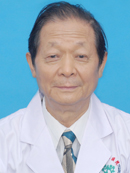 Zhonghe Jin (金仲和)合作论文数West China Second University Hospital, Sichuan University8
 TongFu Zhou (周同甫)合作论文数6
 Yimin Hua (华益民)合作论文数West China Second University Hospital, Sichuan University6
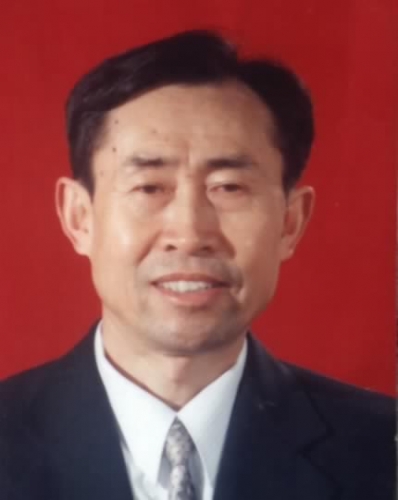 Chengfa Xiang (向承发)合作论文数West China Second University Hospital, Sichuan University3
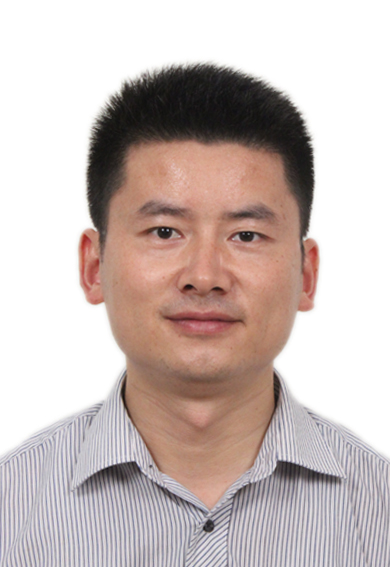 Jianguo Sun (孙建国)合作论文数Institute of Pharmaceutical Sciences, China Pharmaceutical University;State Key Laboratory of Natural Medicines, China Pharmaceutical University2
 Hanmin Liu (刘瀚旻)合作论文数West China Second University Hospital, Sichuan University2
 Zhengtang Chen (陈正堂)合作论文数Army Medical University2Yanmei Wang合作论文数1Zerong Wang (王泽蓉)合作论文数1Rui Kong合作论文数1min chen (陈岷)合作论文数1fang yang (杨放)合作论文数1qi zhu (朱琦)合作论文数1Guangkuo Zhu合作论文数1J Wang合作论文数1Dingxi Lu (卢丁烯)合作论文数1Zhengxi LI (李正锡)合作论文数1Huake Sun (孙华科)合作论文数1Kai Niu合作论文数1Zhoufei Wang (王洲飞)合作论文数1Xiaoqin WANG (王晓琴)合作论文数1ChangGui Zhou (周昌贵)合作论文数1JinHui Liu (刘金辉)合作论文数1Mi Li (李谧)合作论文数1
 Yan Li (李燕)合作论文数The First Affiliated Hospital of Xi'an Jiaotong University;Xi'an Jiaotong University Health Science Center1
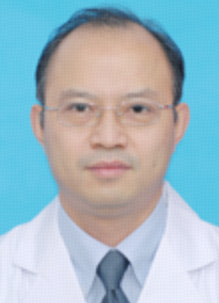 Yibin Wang (王一斌)合作论文数West China Second University Hospital, Sichuan University1
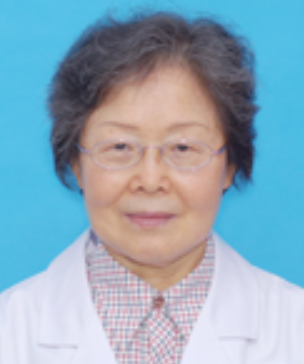 Meiruo Wang (王美若)合作论文数West China Second University Hospital, Sichuan University1
 Zheng Wang (王峥)合作论文数West China Second University Hospital, Sichuan University1Lina Qiao (乔莉娜)合作论文数1Xiewan Chen (谌谐婉)合作论文数1Yu-Zhong Duan合作论文数1




