Objective To explore the changes in knowledge, attitude, and practice (KAP) regarding post-traumatic stress disorder (PTSD) among frontline rescue personnel before and after a health education lecture, and to identify the factors influencing satisfaction, so as to provide evidence for improving the effectiveness of PTSD-related health education.Methods Using stratified cluster sampling, frontline rescue personnel were recruited from January to April 2025. Ques-tionnaires assessing PTSD-related KAP were administered before and after the health education lecture. Changes in awareness rates and KAP scores before and after the intervention were compared to evaluate the effectiveness of the health education lecture. The single-factor analysis and multivariate Logistic regression were used to analyze factors associated with satisfaction before and after the health education lecture.Results A total of 4,950 valid questionnaires were included in the analysis. Among age, sex, education level, marital status, family income per capita, recent trauma exposure, smoking, passive smoking, alcohol consumption and family history of mental illness, the post-lecture awareness rates were significantly higher than the pre-lecture awareness rates (all P < 0.001). The post-lecture KAP score of frontline rescue personnel was 80.00 (70.00, 90.00), which was significantly higher than the pre-lecture score of 60.00 (45.00, 75.00) (P < 0.001). The multivariate Logistic regression analysis showed that body mass index (BMI) [OR=0.968, 95%CI (0.942, 0.995)], passive smoking [OR=0.587, 95%CI (0.446, 0.772)], and Acute Stress Disorder Scale (ASDS) score [OR=0.969, 95%CI (0.951, 0.987)] were related with satisfaction with health education lecture.Conclusion The health education lecture can effectively improve the PTSD awareness rates and KAP scores of frontline rescue personnel. Higher BMI, passive smoking, and higher ASDS scores were associated with lower satisfaction with the health education lecture. Personalized health education should be developed based on the different characteristics of frontline rescue personnel.
BackgroundThis study aimed to elucidate the potential association between passive smoking and the risk of post-traumatic stress disorder (PTSD) among high-stress rescue workers, including the magnitude of such an association, and to provide a evidence-based references for the early screening, prevention, and management of PTSD risk in high-stress rescue workers.MethodsUsing a cross-sectional design, the study distributed self-administered questionnaires to grassroots officers and soldiers. Data from 4,460 valid respondents were analyzed with logistic regression to quantify the association between passive smoking and positive screening under the Acute Stress Disorder (ASD) scale and PTSD Checklist for DSM-5 (PCL-5).ResultsUnivariate analysis showed that passive smokers had a 2.509-fold higher risk of ASD compared with non-passive smokers (OR = 2.509, 95% CI = 1.621–3.883, p < 0.001), and a 3.298-fold higher risk of PTSD (OR = 3.298, 95% CI = 1.459–7.451, p = 0.004). Multivariate analysis revealed a significant association between passive smoking and ASD risk (OR = 1.990, 95% CI = 1.959–3.144, p = 0.003), Passive smoking showed a strong risk association with PTSD in the partially adjusted model (model 2: OR = 3.360, 95% CI = 1.473–7.665, p = 0.004; model 3: OR = 3.360, 95% CI = 1.473–7.665, p = 0.004), but this relationship was attenuated and became non-significant in the fully adjusted model (OR = 2.513, 95% CI = 0.9–5.151, p = 0.085). Stratified analysis among non-smokers showed that passive smokers had a 2.487-fold (OR = 2.487, 95% CI = 1.427–4.334, p = 0.001) higher risk of ASD than non-passive smokers in the univariate model. Further multivariate analysis indicated that, compared with non-smokers without passive smoking exposure, the risk of ASD was significantly elevated in both the exclusive passive smoking group (OR = 1.910, 95% CI = 1.071–3.408, p = 0.028) and the group with both active and passive smoking (OR = 2.389, 95% CI = 1.143–4.992, p = 0.021).ConclusionsSignificant correlations were identified between passive smoking and ASD/PTSD across the entire cohort. Specifically, among non-smokers, passive smoking exposure correlated significantly with elevated ASD risk, but its relationship with PTSD risk was indistinct. For the early screening of high-stress rescue populations, particular attention should be paid to documenting passive smoking exposure. Early intervention strategies need to prioritize reinforcing the enforcement of tobacco control policies and creating smoke-free settings, in order to mitigate the risk of ASD and PTSD linked to passive smoking exposure.Trial RegistrationClinical research registration number: ChiCTR1900023441, registered on 27 May 2019.
Knowledge about the effect of different prostate biopsy approaches on the prostate cancer detection rate (CDR) in patients with gray-zone prostate-specific antigen (PSA) is limited. We performed this study to compare the CDR among patients who underwent different biopsy approaches and had rising PSA levels in the gray zone. Two hundred and twenty-two patients who underwent transrectal prostate biopsy (TRB) and 216 patients who underwent transperineal prostate biopsy (TPB) between June 2016 and September 2022 were reviewed in this study. In addition, 110 patients who received additional targeted biopsies following the systematic TPB were identified. Clinical parameters, including age, PSA derivative, prostate volume (PV), and needle core count, were recorded. The data were fitted via propensity score matching (PSM), adjusting for potential confounders. TPB outperformed TRB in terms of the CDR (49.6% vs 28.3%, P = 0.001). The clinically significant prostate cancer (csPCa) detection rate was not significantly different between TPB and TRB (78.6% vs 68.8%, P = 0.306). In stratified analysis, TPB outperformed TRB in CDR when the age of patients was 65-75 years (59.0% vs 22.0%, P < 0.001), when PV was 25.00-50.00 ml (63.2% vs 28.3%, P < 0.001), and when needle core count was no more than 12 (58.5% vs 31.5%, P = 0.005). The CDR ( P = 0.712) and detection rate of csPCa ( P = 0.993) did not significantly differ among the systematic, targeted, and combined biopsies. TPB outperformed TRB in CDR for patients with gray-zone PSA. Moreover, performing target biopsy after systematic TPB provided no additional benefits in CDR.
Importance: Rescue workers are at high risk for post-traumatic stress disorder (PTSD) due to the high-intensity nature. Efficacy of acupuncture for PTSD has been reported. However, to date, there have been no reports of acupuncture interventions for rescue workers who screen positive for acute or chronic stress. Objective: To evaluate the clinical efficacy and safety of acupuncture in treating rescue workers who screened positive for PTSD. Design, setting, and participants: The PTSD Checklist for DSM-5 (PCL-5) and the Acute Stress Disorder Scale (ASDS) were used to screen 5098 high-stress rescue workers between June and August 2022, of which 149 screening positive. Sixty participants were randomly selected and divided into two groups. The control and treatment groups received psychodynamic therapy and acupuncture treatment, respectively, once a week for 6 weeks. Participants were blinded to their own grouping. The efficacy evaluators, subjects and statistical analysts were blinded. Interventions: Weekly acupuncture or psychodynamic therapy for 6 weeks. Main outcomes and measures: Scores on the PCL-5 and the ASDS were used as primary outcomes from baseline to 6 weeks. Any adverse effects and side effects experienced during the study were recoded. Results: A total of 43 participants were enrolled (mean (P25, P75) age, 22(21, 25) years; 43 men [97.7%]) underwent randomization. The demographic and baseline characteristics were balanced between groups. After 6 weeks intervention, the ASDS and total PCL-5 scores of participants in both groups reduced significantly. Compared with the control group, acupuncture group resulted in a significantly greater decrease in scores. The between-group differences were -7.87(95%CI, -15.48 to -0.26; P=0.043) in the ASD score and -8.04(95%CI, -15.63to-0.46; P=0.038) in PCL score. There were no serious adverse events. Conclusion and relevance: In this random clinical trial of rescue workers who screened positive for PTSD, acupuncture has been shown to serve as a safe and efficient early intervention. Acupuncture may be implemented before and after a disaster strikes in order to minimize mental health problems among rescue workers, and thus save as many lives as possible. Trail registration: Chinese Clinical Trial Registry: ChiCTR1900023441.
Objective To explore the effectiveness of a nutritional intervention in rescuers who screened positive for depression. Methods A randomized controlled trial design was employed. From June to August, 2022, 4,460 rescuers were screened using the Self-Rating Depression Scale (SDS), and 1,615 positive cases were identified. Thirty-one volunteers were recruited and randomly divided into a nutritional intervention group and a control group. The intervention group received health education and nutritional intervention (a compound paste therapy primarily composed of red roses and Seville orange flowers), while the control group received psychological education. SDS scores were assessed before and after the intervention. Results There was a statistically significant decline in SDS scores in the nutritional intervention group after the intervention (P < 0.05). Furthermore, the SDS scores of the intervention group were significantly lower than those of the control group, both before and after the intervention (P < 0.05). No severe adverse reactions were observed during safety evaluation. Conclusion The nutritional intervention effectively reduced the depression scores in rescuers. Early nutritional intervention is recommended for rescuers who initially screen positive for depression.
EpiRiskNet combines time-series data with graph and static information to enhance forecasting accuracy. This model features the SCI-Block for improved feature extraction and interaction learning, leveraging the capabilities of SCINet and Triformer to manage diverse feature scales. The model’s standout attribute, scalability, is driven by Triformer’s Patch Attention mechanism, ensuring efficient processing of large-scale data. EpiRiskNet was tested across several locations, including Liaoning, Chongqing, Heilongjiang, and Guangxi, where it demonstrated greater accuracy than other methods. This accuracy is crucial for effectively forecasting disease risks. The model’s adaptability to various regional conditions underscores its significance in public health and epidemiology. Moreover, its modular and flexible design makes EpiRiskNet suitable for a wide range of applications that require advanced data processing and predictive analytics.
The explosive growth of medical data has dramatically increased the demand for computing power, resulting in insufficient spectrum resources and communication overload. Hospitals need to invest much money to expand computing resources. Various diseases require varying degrees of multi-sensor and continuous monitoring. Take venous thromboembolism (VTE) patients in the intensive care unit (ICU) as an example, enlargement of the right heart, widening of the pulmonary artery, and abnormal results of myocardial enzyme examination maybe lead to sudden death within a short time in the ICU inpatient ward. Steady and dynamic health monitoring is essential. Patients’ immediate risk perception can significantly improve medical efficiency and reduce adverse consequences. How to provide a more efficient and secure full-time monitoring scheme, dynamically adjust the workload, and allocate computing tasks and requests reasonably is a practical problem to be solved urgently. First, this paper defines a task similarity to measure the similarity between different task packages and determine the priority of tasks to avoid forwarding highly similar task packages and reduce energy consumption. Second, the edge gateway caching mechanism with a self-attention mechanism is constructed, which changes the centralized scheduling mode of traditional cloud computing, devolves the coordination function to the edge, and divides the network into multiple local sub-networks. The central node of the sub-network determines the scheduling scheme. The experimental results show that the system can ensure the quality of service and use the edge’s limited computing resources, effectively shield the inefficient data transmission requirements, reduce the use cost and medical quality, and has a specific theoretical and practical value.
Objective:Current clinical evidence on the effects of home blood pressure telemonitoring (HBPT) on improving blood pressure control comes entirely from developed countries. Thus, we performed this randomized controlled trial to evaluate whether HBPT plus support (patient education and clinician remote hypertension management) improves blood pressure control more than usual care (UC) in the Chinese population.Methods:This single-center, randomized controlled study was conducted in Beijing, China. Patients aged 30-75 years were eligible for enrolment if they had blood pressure [systolic (SBP) ≥ 140 mmHg and/or diastolic (DBP) ≥ 90 mmHg; or SBP ≥ 130 mmHg and/or DBP ≥ 80 mmHg with diabetes]. We recruited 190 patients randomized to either the HBPT or the UC groups for 12 weeks. The primary endpoints were blood pressure reduction and the proportion of patients achieving the target blood pressure.Results:Totally, 172 patients completed the study, the HBPT plus support group ( n = 84), and the UC group ( n = 88). Patients in the plus support group showed a greater reduction in mean ambulatory blood pressure than those in the UC group. The plus support group had a significantly higher proportion of patients who achieved the target blood pressure and maintained a dipper blood pressure pattern at the 12th week of follow-up. Additionally, the patients in the plus support group showed lower blood pressure variability and higher drug adherence than those in the UC group.Conclusion:HBPT plus additional support results in greater blood pressure reduction, better blood pressure control, a higher proportion of dipper blood pressure patterns, lower blood pressure variability, and higher drug adherence than UC. The development of telemedicine may be the cornerstone of hypertension management in primary care.
Objective:This study aimed to reveal the insomnia burden and relevant influencing factors among informal caregivers (ICs) of hospitalized patients with lung cancer.Methods:A cross-sectional study on ICs of hospitalized patients with lung cancer was conducted from December 31, 2020 to December 31, 2021. ICs' burden was assessed using the Caregiver Reaction Assessment (CRA), Hospital Anxiety and Depression Scale (HADS), and Insomnia Severity Index (ISI). Linear and logistic regression models were used to identify the influencing factors.Results:Among 289 ICs of hospitalized patients with lung cancer, 83 (28.72%), 53 (18.34%), and 14 (4.84%) ICs experienced mild, moderate, and severe insomnia, respectively. The scores concerning self-esteem, lack of family support, financial problems, disturbed schedule, and health problems were 4.32 ± 0.53, 2.24 ± 0.79, 2.84 ± 1.14, 3.63 ± 0.77, and 2.44 ± 0.95, respectively. ICs with higher Activities of Daily Living Scale (ADLS) scores were associated with a lower risk of insomnia, with an odd ratio ( OR) and 95% confidence interval ( CI) of 0.940 (0.898-0.983). Among the ICs, female gender ( OR = 2.597), alcohol consumption ( OR = 3.745), underlying medical conditions ( OR = 11.765), long-term caregiving experience ( OR = 37.037), and higher monthly expenses ( OR = 5.714) were associated with a high risk of insomnia.Conclusion:Of the hospitalized patients with lung cancer, 51.9% experienced insomnia. Patients' ADL, ICs gender, alcohol consumption, underlying medical conditions, caregiving duration, and monthly expenses were influencing factors. Therefore, prompt screening and early intervention for ICs of patients with lung cancer is necessary.
Post-traumatic stress disorder (PTSD) is a mental disorder that occurs in individuals after encountering sudden, catastrophic, or threatening events. The treatment methods mainly include psychological intervention, drug therapy, physical therapy, traditional Chinese medicine characteristic therapy, and nutritional intervention therapy, and the effects varies. Due to the complexity of PTSD pathogenesis, diversity of symptoms, and individual differences in patients, there is currently no unified and standardized clinical pathway for different types of PTSD patients. In this article, the latest research progress at home and abroad is summarized by referring to relevant international clinical practice guidelines, and the current treatment status of PTSD is sorted out and summarized, in order to provide a reference for further exploring the pathogenesis and precise and efficient treatment methods of PTSD.
Objective: To explore the risk intensity and related influencing factors of post-traumatic stress disorder (PTSD) among high-stress rescue workers, and to provide effective tools for the risk assessment of PTSD in military rescue workers. Method: From June to August 2022, cluster sampling was used to select the high-stress rescue personnel of an Army department as the survey subjects. The acute Stress reaction (ASD) scale and PTSD checklist were used to evaluate the risk of PTSD in military rescue personnel. Multivariate logistic regression were used to analyze the influencing factors of PTSD. Results: The age of 4 460 subjects was (24.38±4.072) years old, including 4 396 males (98.6%). The positive rate of initial screening for ASD was 2.85% (127/4 460). The positive rate of PTSD was 0.67% (30/4 460). Multivariate logistic regression model analysis showed that female, older age, recent trauma exposure history, passive smoking and alcohol consumption were at higher risk of ASD, the values of OR (95%CI) were 4.183 (1.819-9.618), 6.278 (1.363-28.912), 3.094 (1.500-6.379), 2.059 (1.298-3.267) and 2.607 (1.614-4.211), respectively; Lower education level was associated with lower risk of ASD, OR (95%CI) was 0.593 (0.359-0.978); People who are older, thinner, have a history of mental illness, and drink alcohol were at higher risk for PTSD, the values of OR (95%CI) were 20.144 (2.459-165.043), 10.287 (2.218-47.700), 91.104 (8.592-965.980) and 2.866 (1.144-7.180), respectively. Conclusion: Gender, age, education level, passive smoking, alcohol consumption, past history of mental illness and body mass index may be related to the potential risk of PTSD in rescue workers,passive smoking, alcohol consumption, and weight controlling should be focused on to reduce potential risks of PTSD.
In this study, we focus on exploring the propagation characteristics of particle swarms in social networks and analyze the diffusion process of viruses among populations based on system dynamics. The article mainly discusses three propagation influence mechanisms, including individual attributes, group attributes, and particle swarm attributes, and delves into the modeling of diffusion processes based on network structures. Firstly, we adopt the main roads in the transportation network (hub nodes) as the initial network backbone. On this basis, by introducing branch networks with small-world characteristics and scale-free characteristics, we construct a transportation network that integrates multiple properties. Using this network, we conducted a detailed simulation and analysis of the COVID-19 transmission process and compared and verified it with the infection dynamic data of COVID-19 in Shanghai from March to September 2022. The verification results reveal that our proposed model can significantly improve prediction accuracy. Compared with other existing dynamic models, our model demonstrates excellent performance, possessing high practical application value. This study provides robust theoretical support for the propagation characteristics of particle swarms in social networks and lays the foundation for further research and application in related fields.
目的 探讨基于"四会"培养目标下某军校医学研究生医学统计学课程的授课效果及其影响因素,为提高军事医学研究生医学统计学的授课效果提供参考.方法 基于横断面设计,通过整群抽样方法选取某军校 2021 年秋季学期选修了临床研究设计课程的全体 178 名研究生作为研究对象进行在线问卷调查.调查内容包括基本情况、医学统计学授课情况及满意度,采用二元 logistic 回归模型分析授课效果的影响因素.结果 共收集到 160 份有效问卷(89.9%),研究生最关注的前三位授课内容为"常用概率分布(81.3%)"、"寿命表法与生存分析"(76.9%)和"定量/定性变量统计描述"(71.3%).研究生对统计学内容为理解及以上的为 94 人(58.8%),对教学满意度为满意及以上的有 135人(84.4%);多因素分析显示,常常阅读相关课外书(OR=4.155,95%CI:1.919~8.993)、认为课时应增加(OR=0.395,95%CI:0.192~0.816)和授课评价8 分及以上(OR=0.395,95%CI:0.192~0.816)与统计教学理解程度相关;常常阅读相关课外书(OR=3.32,95%CI:1.338~8.24)、认为课时应增加(OR=3.391,95%CI:1.431~8.034)、授课评价 8 分以上(OR=4.262,95%CI:1.427~12.73)、是否统招(OR=0.293,95%CI:0.096~0.892)和对教学内容感兴趣(OR=3.14,95%CI:1.453~6.783)与授课满意度相关.结论 应针对不同的研究生特点并结合军校医学研究生实际需求开展医学统计学教学.
目的:基于光电容积脉搏波描记法(PPG)和人工智能算法的智能血压监测设备预测血压的两种模式准确性比较.方法:使用智能血压监测设备(O2Ring指环)采集患者PPG信号后上传至深度卷积神经网络(DCNN)系统,用于提取患者PPG信号的自身特征,并构建回归网络连接其特征,通过不断采集临床数据和机器学习来优化算法.O2Ring指环预测血压有直接预测和标定预测两种算法模式,采集41例临床高血压患者446个时间点的血压数据,将两种模式的预测血压值与动态血压计实测的血压值进行比较,对比两种预测血压模式的准确性.结果:41例患者的收缩压O2Ring指环的直接预测值和标定预测值与动态血压计的实测值比较,差异无统计学意义(t=-0.237,t=1.738;P>0.05);舒张压的O2Ring指环的直接预测值与动态血压计的实测值比较,差异有统计学意义(t=-6.332,P<0.001),舒张压的O2Ring指环的标定预测值与动态血压计的实测值比较,差异无统计学意义(t=-1.371,P>0.05).Pearson相关分析,收缩压的实测值与直接预测值和标定预测值均有显著相关性(r=0.5195,r=0.8828;P<0.001);舒张压的实测值与直接预测值和标定预测值亦都有显著相关性(r=0.4333,r=0.7544;P<0.001).标定预测值与实测值的一致性亦好于直接预测.结论:基于PPG信号和人工智能算法的标定预测模式与直接预测模式相比,能够更准确预测血压,可为临床应用提供参考.
目的:了解非正式照护者负担现状,探索影响照护者负担的危险因素.方法:解放军采用自填问卷对129名非正式照护者进行调查.采用logistic回归初步分析非正式照护者的压力、担心与健康的影响因素.结果:93(72.1%)人有照护经历,女性非正式照护者占比76.0%.非正式照护者多为被照护者的子女(30.2%),被照护者平均年龄为(64±30)岁,其失能平均分为(3±2)分,失智平均分为(3±3)分.被照护原因首位为单纯躯体疾病(21.7%),女性非正式照护者照护的人群失能程度更高.非正式照护者为老年人、已婚与照护者自觉压力、担心与健康情况均有关联.结论:已婚、照护65岁以上老人是非正式照护者负担的危险因素,应给予重点关注.
目的 探讨同型半胱氨酸和血糖联合检测与脑卒中患病风险的相关性,为脑卒中的早期防治提供循证依据.方法 采用回顾性调查研究方法,选择2007年1 月至2012年12月解放军总医院确诊的1364例脑卒中住院患者为观察组,按年龄、性别、体质量指数(BMI)进行1:1 配对选择同期在本院住院治疗的1364例单纯腰椎间盘突患者为对照组.通过医疗记录收集2组患者的年龄、性别、病史、家族病史、身高、体质量、血压、血清总胆固醇、三酰甘油、低密度脂蛋白胆固醇、高密度脂蛋白胆固醇、同型半胱氨酸和空腹血糖水平等临床特征资料.采用配对χ2 检验(McNemar检验)、连续变量的配对t检验和Wilcoxon配对符号秩和检验等比较2 组患者各类指标的差异,采用配对logistic回归模型分析方法分析脑卒中患病风险因素.结果 观察组与对照组患者的年龄、性别、BMI及高脂血症家族史比较差异无统计学意义(P>0.05),观察组患者中吸烟、饮酒者占比和有高血压、脑卒中、冠状动脉性心脏病(CAHD)、糖尿病等家族史者占比、有高血压、脑卒中、CAHD、高脂血症、糖尿病既往史者占比以及目前有高血压、血脂异常、血糖以及同型半胱氨酸水平增高者占比均显著高于对照组(P<0.05).调整吸烟情况、饮酒史、家族史(高血压、脑卒中、CAHD、高脂血症、糖尿病)、既往史(高血压、脑卒中、CAHD、高脂血症、糖尿病)、是否患有高血压以及血脂异常因素后,空腹血糖水平增高、同型半胱氨酸水平增高与脑卒中的发生相关(P<0.05).与血糖正常的患者相比较,高血糖患者发生脑卒中的风险增加74.7%(P<0.05);与正常水平同型半胱氨酸患者相比较,高同型半胱氨酸患者发生脑卒中的风险增加47.4%(P<0.05).调整吸烟情况、饮酒史、家族史(高血压、脑卒中、CAHD、高脂血症、糖尿病)、既往史(高血压、脑卒中、CAHD、高脂血症、糖尿病)、是否患有高血压以及血脂异常因素后,空腹血糖增高、同型半胱氨酸增高以及空腹血糖和同型半胱氨酸均增高是发生脑卒中的危险风险(P<0.05).与同型半胱氨酸和空腹血糖水平均正常的患者相比较,仅同型半胱氨酸增高的患者、仅空腹血糖增高的患者发生脑卒中的风险分别增加108.1%(P<0.05)和66.0%(P<0.05),高同型半胱氨酸伴高血糖的患者发生脑卒中的风险增加113.7%(P<0.05).结论 高同型半胱氨酸和高血糖可能对脑卒中患者具有正向协同作用,高空腹血糖伴高同型半胱氨酸显著增加脑卒中的患病风险.临床防治过程中应控制血糖和同型半胱氨酸水平,以降低脑卒中的发生风险.
OBJECTIVE:Evidence is lacking regarding the combined effects of smoking and obesity on mortality from coronary heart disease in male veterans. This study aimed to explore the combined effect of smoking and obesity on coronary heart disease mortality in male veterans in China.METHODS:A cohort of 1,268 male veterans from 22 veteran centers in Xi'an (Shaanxi Province, China) were followed up once every 2 years from February 1, 1987 to October 30, 2016. The endpoint was death from any cause. The hazard ratio ( HR) of each risk factor and the 95% confidence interval ( CI) were calculated using a multivariate Cox proportional hazard model.RESULTS:The total follow-up was 24394.21 person-years; each subject was followed up for a mean duration of 19.24 years. By the end of the study, of the 1,268 veterans, 889 had died, 363 were alive, and 16 were lost to follow-up. Cox regression analysis results revealed that current smoking ( HR: 1.552, 95% CI: 1.074-2.243), obesity ( HR: 1.625, 95% CI: 1.024-2.581), and the combined effect of the two factors ( HR: 2.828, 95% CI: 1.520-5.262) were associated with coronary heart disease mortality.CONCLUSION:Our results suggest that obese veterans who smoke might be an important target population for coronary heart disease mortality control.
OBJECTIVE:To assess the occupational injuries and psychological support received by nurses and to investigate the relationship between the two.METHOD:This was a nation-wide cross-sectional study of nurses working across 1858 hospitals in China. Data were collected using an online structured, self-administered questionnaire between 2016 and 2017.RESULTS:Nearly half of respondents had experienced aggressive behavior from patients or their attendants; 13.4% respondents had experienced aggressive behavior on more than three occasions. 78.96% respondents had experienced needle-stick injuries and 51.22% had experienced psychological trauma. 20.5% respondents believed that hospitals do not pay any attention to occupational safety. 86.1% respondents expressed the need for little or moderate psychological support. Nurses who had experienced aggressive behavior expressed a greater need for psychological support. Nurses working at hospitals that adequately addressed the occupational safety issues expressed the lowest need for psychological support.CONCLUSION:We found a high prevalence of psychological stress and occupational injuries among nurses. Nursing managers need to address this issue and implement interventions to prevent and reduce injuries.
目的 基于倾向性评分匹配方法均衡混杂因素,针对保健工作重点内容,分析老年脑卒中患者危险因素特点.方法 回顾性分析2007年1月~2012年12月解放军总医院收治的老年住院患者1650例,根据诊断分为脑卒中组1381例,对照组269例.以1:1比例运用倾向性评分匹配方法均衡混杂因素,匹配后脑卒中组268例,对照组268例.匹配前后对基线资料进行比较,将匹配后数据通过构建多因素logistic回归模型分析影响脑卒中发病的危险因素.结果 匹配前脑卒中组年龄、男性、吸烟、饮酒、高血压家族史、脑卒中家族史、冠心病家族史、既往高血压、既往脑卒中、既往冠心病、既往高脂血症、既往糖尿病比例明显高于对照组,体质量指数明显低于对照组,差异有统计学意义(P<0.05,P<0.01).匹配后2组年龄、男性、体质量指数、吸烟、饮酒、高血压家族史、脑卒中家族史、冠心病家族史、既往高血压、既往脑卒中、既往冠心病、既往高脂血症、既往糖尿病比例比较,差异无统计学意义(P>0.05).匹配后脑卒中组空腹血糖、同型半胱氨酸和收缩压水平明显高于对照组,TC、LDL-C、HDL-C水平明显低于对照组,差异有统计学意义(P<0.05,P<0.01).多因素logistic回归分析显示,空腹血糖(OR=1.212,95%CI:1.076~1.364,P=0.001)、同型半胱氨酸(OR=1.036,95%CI:1.009~1.064,P=0.010)、收缩压(OR=1.012,95%CI:1.002~1.023,P=0.024)是影响老年脑卒中发病的独立危险因素.结论 老年脑卒中患者独立危险因素包括高血糖、高同型半胱氨酸、高血压.
目的 明确某部救援人员创伤后应激障碍(Post-Traumatic Stress Disorders,PTSD)的筛查阳性率及相关危险因素,建立早期筛查模型,为早期识别PTSD提供筛查工具.方法 采取整群抽样方式,对某部全体救援人员社会人口学、行为学和心理学相关因素进行横断面调查,运用Logistic回归分析相关因素,构建早期筛查模型并绘制诊断试验ROC曲线,与创伤后应激障碍检查表(PCL-5)及联合诊断模型进行比较.结果 该部救援人员PTSD筛查阳性率为0.66%,心情低落沮丧或绝望(OR:6.565,95%CI:2.505~17.209,P=0.000)、失眠(OR:25.823,95%CI:2.505~17.209,P=0.002)和入伍时间(OR:2.196,95%CI:1.090~4.423,P=0.028)可显著预测PTSD筛查阳性.分别使用PCL-5量表和筛查模型进行检验发现AUC及95%CI分别为0.898(0.878~0.916)和0.968(0.954~0.977),联合诊断AUC及95%CI为0.987(0.979~0.993).结论 该部救援人员筛查PTSD阳性可能与心情低落沮丧或绝望、失眠和入伍时间相关.应围绕睡眠和心理教育进行健康管理.
 Yao He (何耀)合作论文数Institute of geriatrics, The 2nd Medical Center, Chinese PLA General Hospital15
 Yongping Yan (闫永平)合作论文数Air Force Medical University of PLA13
 Qiao CHEN (陈巧)合作论文数10Yuan-yuan SUN (孙媛媛)合作论文数10DeZhong Xu (徐德忠)合作论文数10LUAN Hengyu (栾恒钰)合作论文数9KaiPing Cai (蔡凯平)合作论文数9Zheng YanSong合作论文数9Qiongxuan Li (李琼轩)合作论文数7Yujian SONG (宋玉健)合作论文数7
 Xiaonong Zhou (周晓农)合作论文数National Institute of Parasitic Diseases, Chinese Center for Disease Control and Prevention;School of Global Health, Chinese Center for Tropical Diseases Research, School of Medicine, Shanghai Jiao Tong University7Tinggang LUO (罗廷刚)合作论文数6ZhiYing Zhang (张治英)合作论文数6
 Xiaoying Li (李小鹰)合作论文数Chinese People's Liberation Army Hospital6ZhiXiang Zhang (张治香)合作论文数5Rufang Gong合作论文数4Yuesheng Li (李岳生)合作论文数4Jing-jing LI (李晶晶)合作论文数4YueSheng Li (李岳生)合作论文数4Yufa Sun (孙玉发)合作论文数4wenyu zhang (张文宇)合作论文数3Dongling Sun合作论文数3
 Xinxin Du合作论文数3jianguo zhang (张建国)合作论文数3Juan CHEN (陈娟)合作论文数3YinHe Qin (秦银河)合作论文数3XiaoYu Fu (付晓宇)合作论文数3Mao Li (李懋)合作论文数3Fan Wang (王凡)合作论文数3Hua Liu (刘华)合作论文数3Bin Jiang (江滨)合作论文数Beijing Neurosurgical Institute3
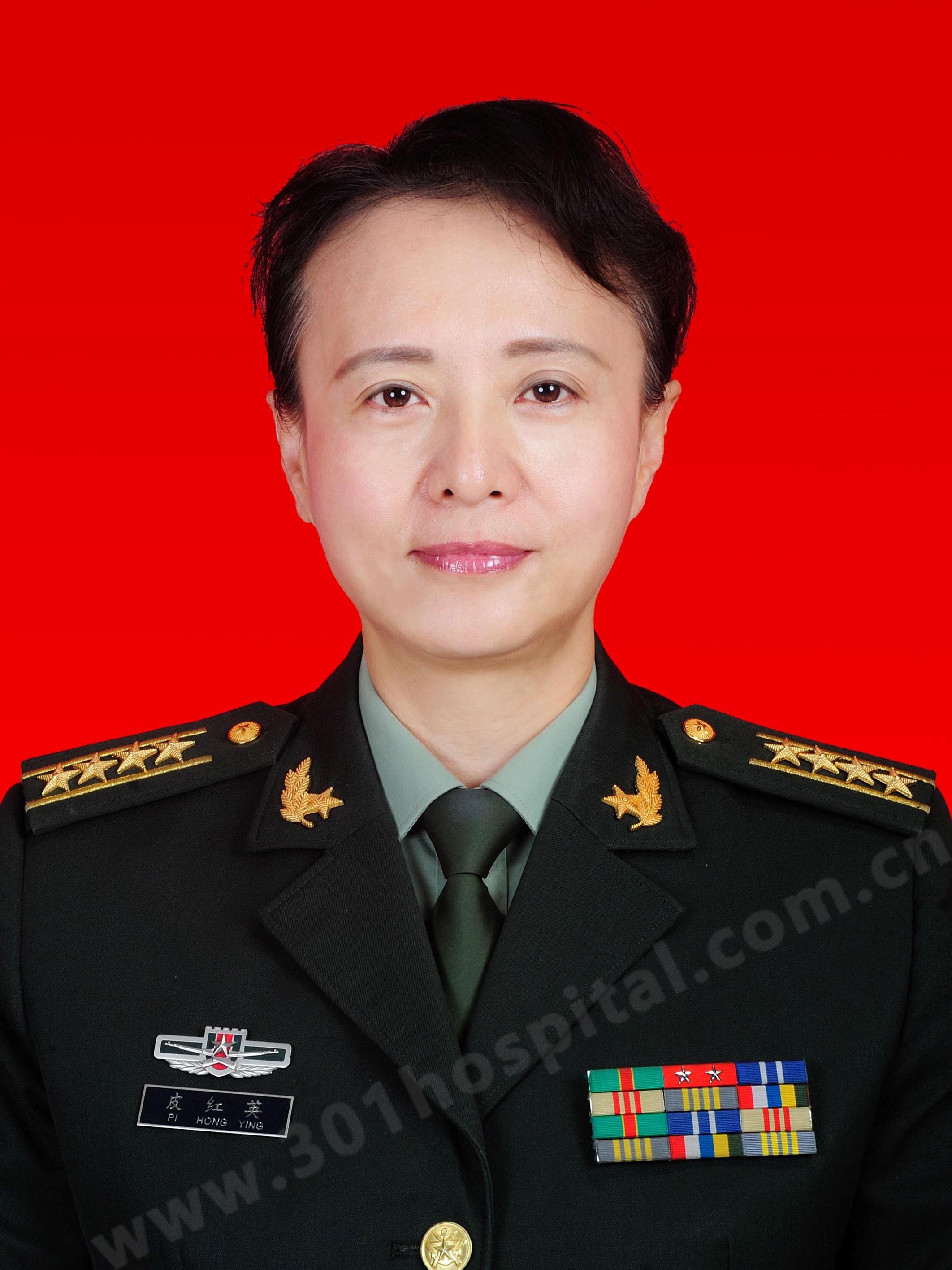 Hongying Pi (皮红英)合作论文数Chinese PLA General Hospital3
 Yuanguang Meng (孟元光)合作论文数School of Medicine, Nankai University;Chinese PLA General Hospital3
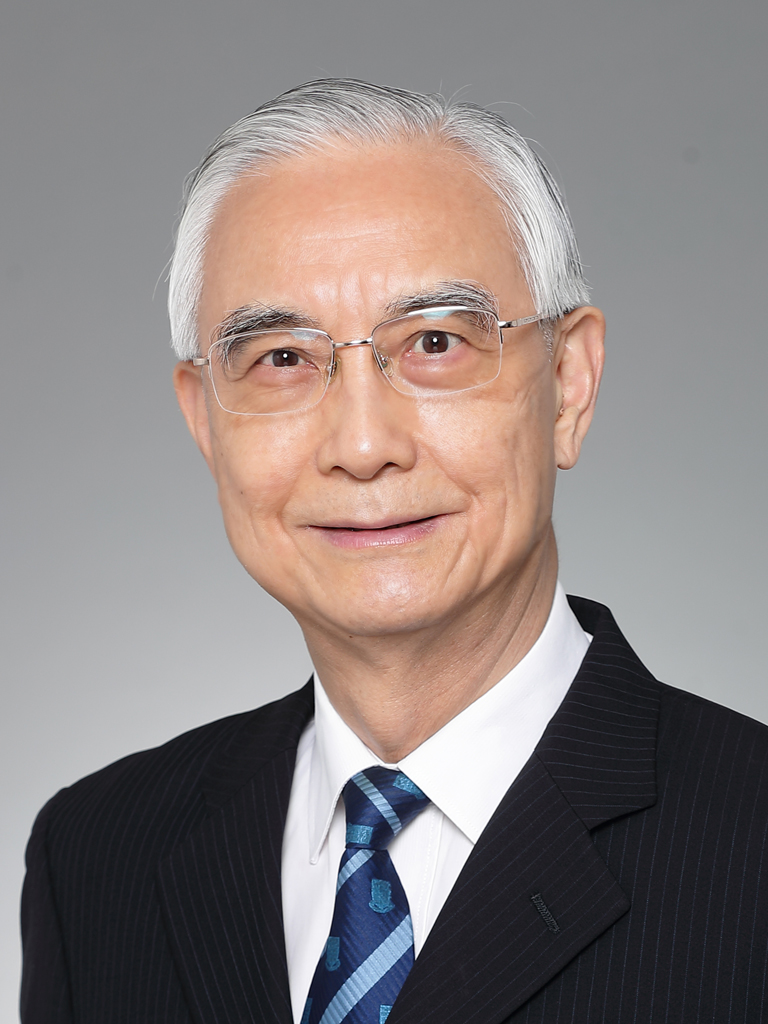 Tai Hing Lam (林大慶)合作论文数School of Public Health, Li Ka Shing Faculty of Medicine, The University of Hong Kong3
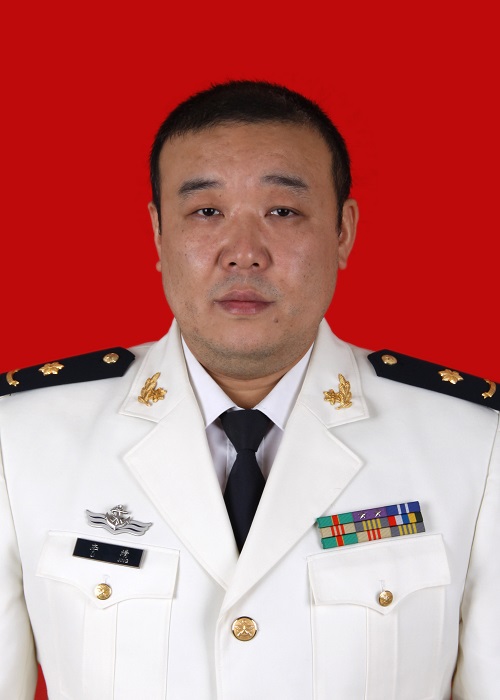 Jing Li (李靖)合作论文数中国人民解放军海军总医院航海航空医学中心3Dongyao Li合作论文数2yongchang tang (唐永昌)合作论文数2Yunyun Huo合作论文数2Dong Wang合作论文数2Yang Bo合作论文数2Jie Wang合作论文数2Sang Luo (洛桑)合作论文数2Li-li GAO (高丽丽)合作论文数2
 Xinyu Miao合作论文数2Chenxi Li合作论文数2Ya-nan CAO (曹亚男)合作论文数2Wei ZHAO (赵威)合作论文数2Jing SUN (孙静)合作论文数2




