The process of regenerating bone injuries in diabetic presents significant challenges because lysine oxidase (LOX), a key catalytic enzyme for collagen cross-linking, is inhibited in hyperglycemia. The supplementation of LOX is constrained by inadequate sources and diminished enzymatic activity, necessitating the development of effective alternatives for enhancing bone regeneration in diabetes. Herein, we reported a lysyl oxidase nanozyme (LON), derived from the catalytic domain of LOX. LON formed a stable coordination structure with the active center Cu2+ through histidine imidazolyl nitrogen and quinone oxygen, which is consistent with the conformation of the LOX. Our findings suggested that LON demonstrated the capacity to substitute LOX in promoting collagen synthesis and biomineralization. To enable sustained LON delivery, it was incorporated into a GelMA hydrogel (GH), forming a sustained-release reservoir known as LON-GelMA hydrogel (LONGH). Mechanism of LONGH promoting bone healing to accelerate the crosslinking and maturation stage of collagen were also explored, and the 23 genes closely associated with collagen regeneration and osteogenesis were found to be upregulated. The present investigation outcomes reveal that the engineered LONGH hydrogel presents a novel, simple, and commercially viable approach for bone regeneration, offering significant potential for clinical applications.
The processing of traditional Chinese medicine (TCM) is a unique traditional pharmaceutical technology in China, which is the most important feature that distinguishes Chinese medicine from natural medicine and plant medicine. Since the record in Huangdi Neijing (Inner Canon of the Yellow Emperor), till now, the processing of TCM has experienced more than 2000 years of inheritance, innovation, and development, which is a combination of TCM theory and clinical practice, and plays an extremely important position in the field of TCM. In recent years, as a clinical prescription of TCM, Chinese herbal pieces have played a significant role in the prevention and control of the COVID-19 and exhibited their unique value, and therefore they have become the highlight of China's clinical treatment protocol and provided Chinese experience and wisdom for the international community in the prevention and control of the COVID-19 epidemic. This paper outlines the research progress in the processing of representative TCM in recent years, reviews the mechanism of the related effects of TCM materials after processing, such as changing the drug efficacy and reducing the toxicity, puts forward the integration and application of a variety of new technologies and methods, so as to reveal the modern scientific mystery of the processing technology of TCM.
Kidney yang deficiency syndrome (KYDS) is a classic syndrome of traditional Chinese medicine (TCM). The salt-processed product of Semen Cuscuta (YP) is the monarch drug in Bushen Antai Mixture (BAM), can improve the reproductive dysfunction caused by KYDS, and the effect is better than that of raw products of Semen Cuscuta (SP). However, its mechanism is not completely clear yet. In this study, an integrated strategy combining untargeted metabolomics with microbiology was used to explore the mechanism of YP in the BAM improving KYDS. 16S rDNA gene sequencing showed that BAM containing YP (Y-BAM) had a significantly better regulatory effect on Desulfobacterota and Desulfovibrionaceae_unclassified than BAM containing SP (S-BAM). Untargeted metabolomics studies showed that Y-BAM significantly regulated 4 metabolites and 4 metabolic pathways. In addition, multi-index analysis showed that the effect of Y-BAM on arachidonic acid metabolism, tyrosine metabolism, purine metabolism, fructose and mannose metabolism and total metabolism was closer to that of the control group compared to S-BAM. The analysis of serum biochemical indexes showed that Y-BAM had more significant regulating effect on the levels of luteinizing hormone (LH), follicle stimulating hormone (FSH), testosterone (T) and superoxide dismutase (SOD) in serum of KYDS rats compared to S-BAM. Spearman correlation analysis showed that there was a significant correlation between intestinal microorganisms and metabolites and serum biochemical indexes. For example, Desulfovibrionaceae_unclassified was positively correlated with arachidonic acid, and negatively correlated with SOD and LH. This study suggests that YP may enhance the regulation of intestinal flora and endogenous metabolism of KYDS, so that BAM shows a better therapeutic effect on KYDS, which also reasonably explains why BAM uses Semen Cuscuta stir-baked with salt solution.
In the absence of adequate treatment, effective bone regeneration remains a great challenge. Exploring hydrogels with properties of excellent bioactivity, stability, non-immunogenicity, and commercialization is an important step to develop hydrogel-based bone regeneration materials. In this study, we engineered a self-assembled chelating peptide hydrogel loaded with an osteogenic metal ion cluster extracted from the processed pyritum decoction, including Fe2+, Cu2+, Zn2+, Mn2+, Mg2+, and Ca2+ ions, named processed pyritum hydrogel (PPH). We demonstrated that as a reservoir of beneficial metal ion clusters in bone regeneration, PPH has been shown to regulate a variety of genes in the process of bone regeneration. These genes are mainly involved in extracellular matrix synthesis, cell adhesion and migration, cytokine expression, antimicrobial and inflammation. Therefore, PPH accelerated the progress of various bone healing stages, and shortened the bone healing cycle by 4 weeks. Our investigation outcomes showed that the engineered metal ion cluster hydrogel is a novel, simple, and commercializable bone-regenerating hydrogel with potential clinical use.
中药炮制是依据中医学理论基础、辨证用药的基本要求、药物自身特性而采取的制药工艺.中药炮制化学研究旨在阐明中药炮制过程中化学成分的变化及其规律,从而为阐明中药炮制机理奠定基础.当前以色谱-质谱联用技术为代表的现代分析技术已广泛应用于中药炮制化学研究,为揭示中药炮制过程中化学成分变化提供了有力手段,也为确保中药饮片质量安全和可控起到很大的推动作用.该文对多种现代分析技术在中药炮制化学研究中的应用现状进行了综述.
目的:明确菟丝子的化学成分,进一步分析菟丝子盐炙前后的差异性成分并筛选出质量标志物.方法:采用超高效液相色谱串联四极杆飞行时间质谱联用技术(UHPLC-Q/TOF-MS)分别在正、负离子模式下采集菟丝子盐炙前后的样品数据,并结合PeakView 2.1(AB SCIEX)数据分析软件和主成分分析(PCA)以及t检验等统计分析方法,对盐炙前后菟丝子的化学成分进行分析.结果:共鉴别出39种成分,分别包括黄酮类成分20种、有机酸类成分10种、甾类化合物2种、生物碱类2种、其他类化合物5种.应用Smica 14.1软件结合t检验统计分析方法从中筛选出10种主要的差异性成分.结论:本研究系统地分析了菟丝子盐炙前后的化合物,为阐明菟丝子的物质基础以及炮制机理提供了理论依据.同时该研究也初步明确了菟丝子的质量标志物,为后续的菟丝子质量评价提供理论指导.
目的 采用UHPLC-Q-TOF-MS技术结合多元数据统计分析方法,针对白术芍药散水煎液中的化学组成进行分析,同时与药材未经炮制即配伍入药的情况进行比较,探讨中药炮制过程对白术芍药散中化学成分的影响.方法 采用正、负离子扫描模式检测,利用Peakview 1.2软件鉴别样品中化学成分,结合MarkerView 1.2.1软件对炮制前后样品进行主成分分析并寻找两者的特征差异性成分.结果 正、负离子检测模式下共匹配出化学成分183种,通过t检验发现差异性化学成分34种,差异性成分的主要来源为陈皮和防风.结论 药材经过炮制配伍入药对于白术芍药散的化学组成具有显著性影响,古籍中所载白术芍药散应采用炮制品进行组方用药具有实际的客观原因与深刻的科学内涵.
目的 探讨洋金花生品、炮制品的急性毒性和亚慢性毒性.方法 急性毒性实验采用小鼠最大耐受量(MTD)灌胃法,实验第1 d,小鼠经口灌胃3次给药后,连续观察7 d,记录小鼠体重、毒性反应及死亡情况;亚慢性毒性实验采用小鼠连续灌胃给药法,每天小鼠经口灌胃给药1次,连续7 d,记录小鼠的体重、毒性反应及死亡情况.结果 洋金花生品、炮制品急性毒性实验小鼠MTD大于120 g·kg-1,最大耐受倍数为4800倍.洋金花炮制品亚慢性毒性实验20 g小鼠日给药量以体表面积法换算60 kg人日用量276.8 g,为临床用量184倍.实验中,未见中毒表现,无死亡,各组小鼠平均体重均呈上升趋势,且未有显著性差异.结论 洋金花生品、炮制品对小鼠无急性毒性,洋金花炮制品对小鼠无亚慢性毒性,洋金花炮制品在7 d内以临床用量用药具有安全性,且临床用量可以增加.
中药在治疗疾病产生疗效的同时,其毒性问题也不容忽视,部分中药的不合理使用,导致肾脏等器官损害.中药肾毒性的问题也逐渐引起国内外学者的广泛关注.笔者通过总结中药产生肾毒性的原因及作用机制、肾毒性的常用评价方法、降低中药肾毒性的策略等,以期能较为全面地了解中药的肾毒性,防止临床肾毒性不良反应的发生.
藤本类中药是传统中药的重要组成部分,临床常用于多种病症的治疗.中医理论认为"藤本入络",藤本类药物的临床应用领域也体现了该理论.现代研究发现中医络病与西医的各类血管病变具有相关性,以血管反应为中心的渗出性病变是炎症的重要标志.因此,从抗炎作用的角度探讨藤本类中药"通络"作用的共性机制,对于藤本类中药的药效作用机制研究具有指导意义.将临床常用的藤本类中药按辛温通络、活血通络、清热解毒通络分类,分别从传统功效分类与现代研究2个方面进行比较分析,从抗炎作用角度探讨藤本类中药的"通络"作用的共性机制,为藤本类中药的临床开发应用提供指导.
目的 为了提高中药炮制学课程的教学效果,改变传统的讲授式教学方法,引入BOPPPS教学模式,结合云班课进行课程教学改革.方法 以2016级中药学本科27名学生为研究对象,采用课前线上云班课自主学习导入、课堂线下云班课辅助教学和课后线上云班课总结巩固知识的方法,构建包含诊断评价、形成评价和总结评价的中药炮制学全过程教学评价体系.结果 认为云班课和BOPPPS模式激发课程学习兴趣的学生占比92.59%(25/27);喜欢云班课和BOPPPS模式的占比85.19%(23/27);学生参与的8次作业平均得分均在80分以上,这些统计结果说明学生认真完成了云班课上的作业,并能够较好地掌握本课程的重点难点.结论 在中药炮制学教学中应用云班课和BOP-PPS模式有助于构建此课程全过程教学评价体系,推动中药炮制学教学模式的改革.
以浙江工业大学中药炮制学课程教学为例,探讨在传统中药炮制学课程教学基础上,如何结合时代需求,深度挖掘本课程中的思政教育内容,讲好中国的炮制故事,让学生在学好炮制专业知识的同时,将自己的理想目标统一到为实现中国第二个百年奋斗目标上来,达到润物细无声、当春乃发生的效果.
Background: Prepared rhubarb was obtained by steaming raw rhubarb with wine. Different from raw rhubarb with a purgative effect, prepared rhubarb shows effects of promoting blood circulation and removing blood stasis. However, the mechanisms of its action through regulating endogenous metabolites remain unclear. Purpose: The purpose of this study was to explore active chemical components in prepared rhubarb for its activity on noxious heat blood stasis syndrome (NHBS) by comprehensive metabolomics profiling. Study design: Plant extracts usually show their activities in a synergistic way; therefore, integrated omics was developed as a rational way for a better understanding of their biological effects and potential active compounds. Methods: The activities of prepared rhubarb were evaluated by biochemical and metabolomic analysis; meanwhile, serum chemical profiles were sought using UHPLC-Q-TOF-MS. Gray correlation analysis (GCA) was used for calculating the underlying correlations between them. Results: The metabolomics profiles of rat plasma from model and control groups were significantly different, with 31 endogenous metabolites changed by NHBS. Then, after the administration of prepared rhubarb, 18 of them were regulated. Multiple metabolic pathways were disturbed after NHBS modeling and restored by prepared rhubarb, among which had a greater impact on sphingolipid metabolism. A total of 28 compounds from prepared rhubarb absorbed into the plasma were identified, including nine prototypes and 19 metabolites. Statistical results suggested that rhein and its metabolites accounted for half of the top 10 active compounds in prepared rhubarb for its biomedical activities. Conclusion: This study presented evidence for the therapeutic effects and active chemicals of prepared rhubarb on NHBS in the way of metabolomics.
目的:挖掘白术芍药散治疗炎性肠病的药效物质基础和作用机制.方法:利用高效液相色谱-电喷雾质谱联用技术(HPLC-ESI-MS)对白术芍药散中的主要成分进行快速识别.通过中药系统药理学数据库与分析平台(TCMSP)数据库筛选白术芍药散主要成分的作用靶点;利用人类基因注释数据库(Genecard)和在线人类孟德尔遗传数据库(OMIM)数据库搜索炎性肠病的相关靶点;应用DAVID平台(https://david.ncifcrf.gov/)进行基因本体(GO)分析和京都基因与基因组百科全书(KEGG)通路富集分析;使用Cytoscape3.7.1构建"成分-靶点-通路"可视化网络拓扑关系图.结果:从白术芍药散中共鉴定出20种主要成分,筛选出7个具有作用靶点的潜在活性成分.将活性成分作用靶点与炎性肠病的靶点取交集,最终得到29个靶点.通路富集分析表明:白术芍药散治疗炎性肠病作用的主要机制可能与核因子κB(NF-κB)信号通路及肿瘤坏死因子(TNF)信号通路等有关.结论:采用HPLC-ESI-MS联用技术结合网络药理学的方法,有助于揭示白术芍药散的化学组成及其作用机制,为进一步开发利用白术芍药散奠定基础.
"逢子必炒"是种子类中药临床用药经验的总结,是中药炮制理论的重要组成部分,蕴含着丰富的科学内涵.传统认为种子类中药炒制的目的主要包括增效减毒、缓性以及祛除非药用部位等.现代研究发现,种子类中药炒制后对于成分的溶出、主要成分结构变化、成分的体内吸收和毒效作用等均具有一定的影响,这些研究成果对于阐明种子类中药"逢子必炒"的科学内涵具有指导意义,为种子类中药炮制机制研究奠定了基础.提出开展"逢子必炒"炮制机制研究的思路和方法,为种子类中药炮制机制研究提供借鉴.
目的:对制洋金花的炮制工艺进行优化.方法:以东莨菪碱含量和水分含量的综合评分为指标,采用正交试验考察生姜打汁后加水量(A)、闷润时间(B)、炒制温度(C)、炒制时间(D)4项指标,确定制洋金花的最佳炮制工艺.结果:筛选出制洋金花的最佳工艺参数为生姜打汁后加水量(A)3倍,闷润时间(B)40 min,炒制温度(C)270~300℃、炒制时间(D)5 min,炮制后的制洋金花有酒香气和微姜味.结论:优选得到的制洋金花炮制工艺稳定可行,为更好地控制制洋金花的质量提供科学依据.
Chinese herbal medicine (CHM) plays a key role in restoring the balance of the body for sick people and maintaining health for common people. Automated identification of CHM using images is a challenging task owing to the fine-grained variability in the appearance of CHM. This paper presented an application study of transfer learning using deep convolutional neural networks (CNNs) for image classification to identify CHM. 72,026 images of 7 categories of easily confusing CHM were collected. Fine-tuning the pre-training model of AlexNet, VGGNet, and ResNet based on transfer learning. The verification results of the three models with 10,806 images show, that the recognition accuracy of the ResNet model is the highest at 98.17%. Compared with other previous CHM image recognition methods, this model has reached a comparable level of CHM experience identification experts. Also, the key factors influencing the fine-tuning of pre-training models are evaluated. We describe a general artificial intelligence (AI) platform for the identification of CHM, and this system can be extended to other varieties of CHM.
金属类矿物药应用历史悠久,是我国传统中医药极具特色的组成部分.笔者对金属类矿物药所含成分、性味归经、临床应用、药理研究以及炮制加工等方面的研究进行了总结和概述,以期为金属矿物药的进一步开发利用、物质基础及作用机制的深入研究提供参考.
目的:研究甘草素熔融的转变产物和溶液中的转变产物及其转变动力学.方法:通过硅胶柱层析色谱柱分离转变产物,运用紫外光谱、液质联用、核磁共振波谱等技术,确定甘草素转变产物的结构;通过高效液相色谱法法研究温度和pH对甘草素在溶液中转变动力学的影响.结果:甘草素经过熔融和溶液中的转变产物均是异甘草素.一定时间范围内,溶液中的甘草素向异甘草素的转变与时间成正向的线性关系,转变速率与温度和pH有关.结论:甘草素在制剂和分析过程中应避免高温,其溶液也应避免受热并维持较低的酸性环境.
目的 建立参茯消甘饮的HPLC指纹图谱,为其质量评价提供理论依据.方法 采用RP-HPLC法.色谱柱为YMC-Pack ODS-A(250 mm×4.6 mm,5μm),乙腈-0.1%磷酸水溶液梯度洗脱,体积流量:0.9 mL·min-1,柱温:40℃,检测波长:254 nm.用国家药典委员会编"相似度评价软件(2004A)"处理分析,建立参茯消甘饮的HPLC指纹图谱.结果 确立了16个共有峰的共有模式,8个批次参茯消甘饮样品指纹图谱各色谱峰的分离较好,符合指纹图谱检测要求.结论 本研究所建立的方法可靠、简便易行,为参茯消甘饮的质量控制提供了科学依据.
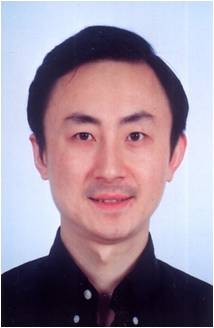 Hao Cai (蔡皓)合作论文数Nanjing University of Chinese Medicine162
 Kunming Qin (秦昆明)合作论文数School of Pharmacy, Jiangsu Ocean University148
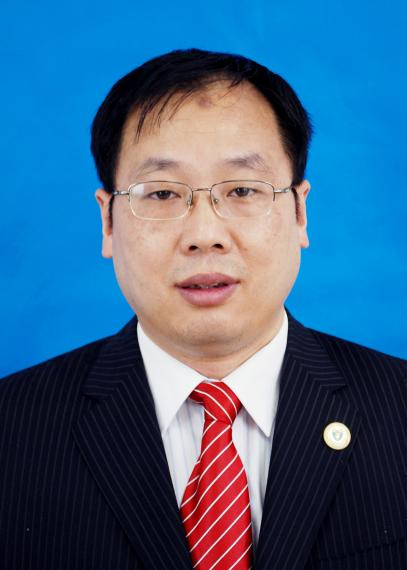 Weidong Li (李伟东)合作论文数Nanjing University of Chinese Medicine145
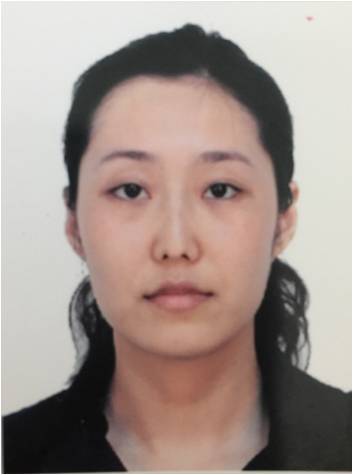 Xiao Liu (刘晓)合作论文数Nanjing University of Chinese Medicine112
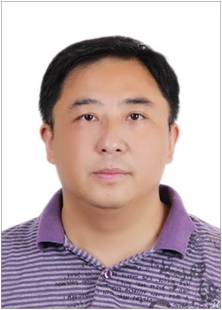 Jun Chen (陈军)合作论文数Nanjing University of Chinese Medicine85
 Junsong Li (李俊松)合作论文数Nanjing University of Chinese Medicine78
 Zhipeng Chen (陈志鹏)合作论文数Nanjing University of Chinese Medicine72
 Gang Cao (曹岗)合作论文数Zhejiang Chinese Medical University67
 Xiaodong Cong (丛晓东)合作论文数59
 Guangming Yang (杨光明)合作论文数Nanjing University of Chinese Medicine54
 Tulin Lu (陆兔林)合作论文数Nanjing University of Chinese Medicine48
 Fangzhou Yin (殷放宙)合作论文数Nanjing University of Chinese Medicine46
 Xunhong Liu (刘训红)合作论文数Nanjing University of Chinese Medicine45
 Liuqing Di (狄留庆)合作论文数Nanjing University of Chinese Medicine44WeiFeng Du (杜伟锋)合作论文数35JunJie Jin (金俊杰)合作论文数32Yun Zhang (张云)合作论文数30Mingyan Wang (王明艳)合作论文数南京中医药大学28
 Li Wu (吴丽)合作论文数Nanjing University of Chinese Medicine27
 Xiaobin Jia (贾晓斌)合作论文数School of Traditional Chinese Materia Medica, China Pharmaceutical University26
 Tao Yi (易涛)合作论文数College of Chemistry and Chemical Engineering, Donghua University24
 Yang Pan (潘扬)合作论文数Nanjing University of Chinese Medicine23
 Wu Yin (殷武)合作论文数School of Life Sciences, Nanjing University22XingSheng Fu (傅兴圣)合作论文数20Ke Pei (裴科)合作论文数19Yachun Shu (束雅春)合作论文数19Le Han (韩乐)合作论文数18
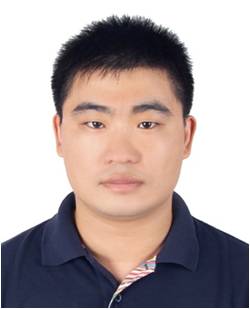 Lin Li (李林)合作论文数Nanjing University of Chinese Medicine17Xia Ding (丁霞)合作论文数College of Sciences, Nanjing Agricultural University17Xiaoli Wang (汪小莉)合作论文数17
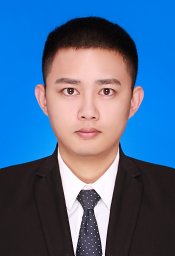 Zebin Weng (翁泽斌)合作论文数南京中医药大学16
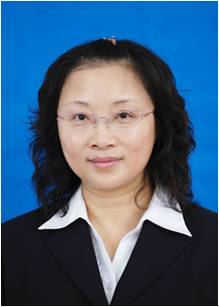 Wenxia Pi (皮文霞)合作论文数Nanjing University of Chinese Medicine16
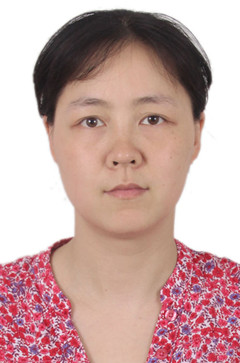 Yanyu Xiao (肖衍宇)合作论文数Department of Pharmaceutics,China Pharmaceutical University16LinWei Chen (陈林伟)合作论文数15
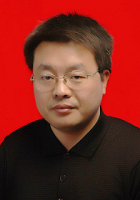 Xukun Deng (邓旭坤)合作论文数School of Pharmaceutical Sciences, South-Central Minzu University15
 Yun Fang (方芸)合作论文数Nanjing University of Chinese Medicine;Medical School of Nanjing University15Xiaoqing Ma合作论文数14徐祯合作论文数南京中医药大学14
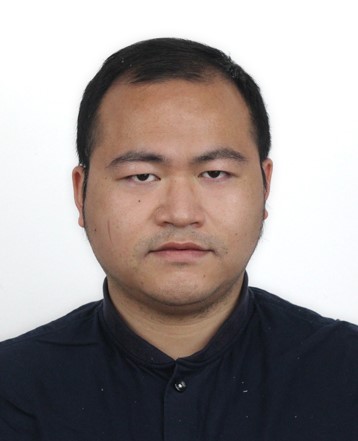 Wei Zhou (周伟)合作论文数中国药科大学天然药物活性组分与药效国家重点实验室临床代谢组学中心14Huan Li (李嬛)合作论文数14
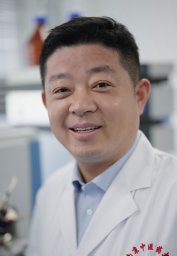 Jinjun Shan合作论文数Institute of Pediatrics, Nanjing University of Chinese Medicine13TianShan Wang (王天山)合作论文数13YanPing Zheng (郑艳萍)合作论文数13Qian-bo FANG (方前波)合作论文数12Xiaochai Zhu合作论文数12LI Huan (李嬛)合作论文数12FengMing Zhao (赵凤鸣)合作论文数12ZhiJie Zhang (张志杰)合作论文数12Yanshuang Zhuang合作论文数12




