Cognitive diagnosis (CD) is a central assessment approach in intelligent education that aims to uncover learners’ knowledge mastery and latent cognitive abilities under examination conditions. However, existing models primarily infer learners’ knowledge state based on their final performance, thus failing to capture the reasoning trajectories during problem-solving and struggling to address the dissociation between ability and performance caused by short-term affective fluctuations. To address these challenges, we propose a generative agent for CD (Agent4CD) in intelligent education that enhances interpretability and provides greater personalization and adaptability. Specifically, the framework constructs learner profiles and incorporates a memory module to integrate historical responses. It leverages the reasoning capabilities of large language models (LLMs) to dynamically model cognitive paths and knowledge evolution. The affect perception module utilizes LLMs’ contextual understanding to identify students’ transient affective state, helping to mitigate misjudgments of ability caused by affective fluctuations. Meanwhile, a dual-reflection mechanism supports both real-time intervention and long-term ability development. Experiments demonstrate that Agent4CD outperforms existing methods in diagnostic accuracy, interpretability, and personalization. To facilitate further research, data and code are publicly available at https://github.com/xinjiesun-ustc/Agent4CD
Recently, large language models (LLMs) have demonstrated remarkable potential as an intelligent agent. However, existing researches mainly focus on enhancing the agent's reasoning or decision-making abilities through well-designed prompt engineering or task-specific fine-tuning, ignoring the procedure of exploration and exploitation. When addressing complex tasks within open-world interactive environments, these methods exhibit limitations. Firstly, the lack of global information of environments leads to greedy decisions, resulting in sub-optimal solutions. On the other hand, irrelevant information acquired from the environment not only adversely introduces noise, but also incurs additional cost. This paper proposes a novel approach, Weak Exploration to Strong Exploitation (WESE), to enhance LLM agents in solving open-world interactive tasks. Concretely, WESE involves decoupling the exploration and exploitation process, employing a cost-effective weak agent to perform exploration tasks for global knowledge. A knowledge graph-based strategy is then introduced to store the acquired knowledge and extract task-relevant knowledge, enhancing the stronger agent in success rate and efficiency for the exploitation task. Our approach is flexible enough to incorporate diverse tasks, and obtains significant improvements in both success rates and efficiency across four interactive benchmarks.
Predicting protein-ligand binding affinity (PLBA) is a crucial task in drug discovery. However, the performance and practicality of existing deep learning models are limited due to the scarcity of high-quality data. Protein language models (PLMs) and chemical language models (CLMs) offer a promising alternative for molecular representation, with the potential to significantly improve predictive accuracy. Nevertheless, the lack of effective integration frameworks has limited the full potential of PLMs and CLMs for PLBA and existing models often overlook the heterogeneity between language models and downstream tasks. To address these issues, we propose two frameworks utilizing parameter-efficient fine-tuning (PEFT) methods for PLBA prediction. The first framework (KLG) integrates Knowledge learned from Language models into advanced Geometric graph networks. The second framework (LCB) leverages Language models to generate representations of proteins and ligands, employing Cross-attention mechanisms and a four-Branch neural network to process the features. To thoroughly explore the potential of PLMs and CLMs in the PLBA task, we fine-tune them in both frameworks using various PEFT methods, including Adapters, LoRA, BitFit, and QLoRA. Experimental results demonstrate the effectiveness and practicality of both frameworks, and we hope our work will inspire further applications of PLMs and CLMs in drug discovery.
Structure-based drug design (SBDD) leverages the three-dimensional geometry of proteins to identify potential drug candidates. Traditional approaches, rooted in physicochemical modeling and domain expertise, are often resource-intensive. Recent advancements in geometric deep learning, which effectively integrate and process 3D geometric data, alongside breakthroughs in accurate protein structure predictions from tools like AlphaFold, have significantly propelled the field forward. This article systematically reviews the state-ofthe-art in geometric deep learning for SBDD. We begin by outlining foundational tasks in SBDD, discussing prevalent 3D protein representations, and highlighting representative predictive and generative models. Next, we provide an in-depth review of key tasks, including binding site prediction, binding pose generation, de novo molecule generation, linker design, protein pocket generation, and binding affinity prediction. For each task, we present formal problem definitions, key methods, datasets, evaluation metrics, and performance benchmarks. Lastly, we explore current challenges and future opportunities in SBDD. Challenges include oversimplified problem formulations, limited out-of-distribution generalization, biosecurity concerns related to the misuse of structural data, insufficient evaluation metrics and large-scale benchmarks, and the need for experimental validation and enhanced model interpretability. Opportunities lie in integrating biomedical AI agents, leveraging multimodal datasets, developing comprehensive benchmarks, establishing criteria aligned with clinical outcomes, and designing foundation models to expand the scope of design tasks. We also curate https://github.com/zaixizhang/Awesome-SBDD, reflecting ongoing contributions and new datasets in SBDD.
Dynamic updating of intelligence knowledge graphs has emerged as a significant research topic for wide range of applications. However, as intelligence data continuously accumulates, dynamic update process of knowledge graph faces the inaccuracy problem, caused by complexity of incremental data and noise interference. To address the issue, we propose a novel Graph Embedding-based Dynamic Update Method (GEDUM) for intelligence knowledge graphs, which comprehensively considers the dynamic evolution characteristics of intelligence data and optimizes the updating of knowledge graph through embedding networks. Specifically, we design a Local-to-Global Feature Aggregation Module (L2GFAM) for learning global graph embeddings, deeply exploring and optimizing intrinsic features of graph nodes and edges. Building on this, an Attention-guided Weighted Fusion Strategy (AWFS) is proposed to efficiently merge and update embeddings of local subgraphs and newly added graph components, taking into account the correlation and complementarity between new and existing data. Extensive validations on real-world dataset demonstrate the significant superiority of our proposed solution over traditional methods in handling dynamically evolving intelligence data.
Intelligent learning (iLearning) represents a holistic approach to e-learning that dynamically aligns instructional materials with individual learner needs. Within the iLearning framework, the cognitive diagnosis model (CDM) serves as a cornerstone technology by inferring human cognitive states from diagnostic test response logs. Traditional CDMs typically treat cognitive states as learnable parameters, optimizing them through a score prediction-driven paradigm. However, this approach falls short in the nonidentifiability problem of diagnostic outputs and lacks efficiency in instant diagnosis for incoming learners. These limitations pose a significant challenge to the individual fairness and utility of cognitive assessments. In this study, we introduce a novel generative diagnosis paradigm designed to resolve these limitations. By enabling the inductive inference of cognitive states without the need for parameter reoptimization, our generative approach ensures strict identifiability and addresses the low efficiency of optimization-based diagnosis. We present two streamlined yet powerful instantiations of this paradigm: generative item response theory and the generative neural cognitive diagnosis model. Extensive experiments on real-world datasets confirm that our methodology significantly outperforms traditional models, offering superior scalability and reliability. Ultimately, this generative framework provides a robust foundation for the development of next-generation iLearning environments.
Most existing time series classification methods adopt a discriminative paradigm that maps input sequences directly to one-hot encoded class labels. While effective, this paradigm struggles to incorporate contextual features and fails to capture semantic relationships among classes. To address these limitations, we propose InstructTime, a novel framework that reformulates time series classification as a multimodal generative task. Specifically, continuous numerical sequences, contextual textual features, and task instructions are treated as multimodal inputs, while class labels are generated as textual outputs by tuned language models. To bridge the modality gap, InstructTime introduces a time series discretization module that converts continuous sequences into discrete temporal tokens, together with an alignment projection layer and a generative self-supervised pre-training strategy to enhance cross-modal representation alignment. Building upon this framework, we further propose InstructTime++, which extends InstructTime by incorporating implicit feature modeling to compensate for the limited inductive bias of language models. InstructTime++ leverages specialized toolkits to mine informative implicit patterns from raw time series and contextual inputs, including statistical feature extraction and vision-language-based image captioning, and translates them into textual descriptions for seamless integration. Extensive experiments on multiple benchmark datasets demonstrate the superior performance of InstructTime++.
Realizing personalized intelligence faces a core dilemma: sending user history to centralized large language models raises privacy concerns, while on-device small language models lack the reasoning capacity required for high-quality generation. Our pilot study shows that purely local enhancements remain insufficient to reliably bridge this gap. We therefore propose SpecSteer, an asymmetric collaborative inference framework that synergizes private on-device context with cloud-scale reasoning. SpecSteer casts collaboration as Bayesian knowledge fusion and repurposes speculative decoding as a distributed alignment protocol, yielding a Draft–Verify–Recover pipeline: the on-device model drafts personalized sequences; the cloud validates via a ratio-based mechanism that decouples reasoning verification from private context, filtering logical flaws without accessing raw user context; upon rejection, a steering recovery injects local intent during correction. Experiments demonstrate that SpecSteer successfully closes the reasoning gap and achieves superior personalized generation performance, while delivering a 2.36x speedup over standard baselines.
Recent Multimodal Large Language Models (MLLMs) have achieved remarkable success in vision understanding, largely attributed to scaling laws emphasizing larger models and datasets. However, the effectiveness of scaling with synthetic data remains underexplored. This work investigates video-LLM development from a data-centric perspective by fine-tuning pre-trained image-LLMs with video data. Our experiments reveal low learning efficiency when naively scaling video data, which we attribute to limited instruction diversity. To address this, we propose Sparrow, a data augmentation method that synthesizes “video” samples from text instruction data. By mixing these synthetic samples with video data, our approach achieves comparable or superior performance using significantly fewer training samples. Additionally, incorporating synthetic samples enhances long video understanding without requiring long video training data. Comprehensive experiments demonstrate our method's effectiveness and efficiency across multiple benchmarks.
Recent years have witnessed the widespread application of artificial intelligence technologies in major hospitals for accurate diagnoses and effective treatments. Existing methods for personalizing treatment mainly focus on recommending drug combinations for patients based on their profiles and symptoms. However, the generation of prescriptions, including drugs and the corresponding doses, based on context information during hospitalization has been largely ignored. Therefore, in this paper, we propose a multisource, context-aware prescription generation model, namely hierarchical transformer-based prescription generation (HTPG), to solve this problem. Specifically, we first formulate prescription generation as a sequence generation task, where each prescription is regarded as a sequential composition of drug-dose pairs. Then, we propose to model the multisource context information of patients and generate prescriptions based on a hierarchical transformer structure. Extensive experiments on a public real-world dataset demonstrate the effectiveness of our HTPG model compared with several competitive baseline methods.
Fluorescence microscopy, empowered by artificial intelligence (AI), has shown great promise in advancing life science. However, the high cost and complexity of sample preparation limit the availability of training data, constraining the performance of AI-based models. Here, we present FluoGen, a diffusion-based generative foundation model designed to improve AI-based fluorescence image processing under data-constrained conditions. By pretraining on 3.5 million fluorescence images with a reformulated learning objective, FluoGen learns rich biological representations and mitigates inherent biases in conventional diffusion models. We demonstrate that FluoGen can serve as a backbone for image enhancement, enabling models to recover cellular and subcellular structures with substantially limited samples. Furthermore, FluoGen can reduce the training data required by existing AI-based analysis models to approximately 2% of the original amount while boosting the performance of state-of-the-art methods without architectural modifications. We anticipate that FluoGen serves as a foundation tool for advancing AI applications in fluorescence imaging.
Generative models offer a promising paradigm for the final stage reranking in multi-stage recommender systems, with the ability to capture inter-item dependencies within reranked lists. However, their practical deployment still faces two key challenges: (1) an inherent conflict between achieving high generation quality and ensuring low-latency inference, making it difficult to balance the two, and (2) insufficient interaction between user and item features in existing methods. To address these challenges, we propose a novel Personalized Semi-Autoregressive with online knowledge Distillation (PSAD) framework for reranking. In this framework, the teacher model adopts a semi-autoregressive generator to balance generation quality and efficiency, while its ranking knowledge is distilled online into a lightweight scoring network during joint training, enabling real-time and efficient inference. Furthermore, we propose a User Profile Network (UPN) that injects user intent and models interest dynamics, enabling deeper interactions between users and items. Extensive experiments conducted on three large-scale public datasets demonstrate that PSAD significantly outperforms state-of-the-art baselines in both ranking performance and inference efficiency.
The collective intelligence of Large Language Model (LLM)-based Multi-Agent Systems (MAS) is fundamentally governed by the underlying communication graph. However, discovering task-adaptive structures within this combinatorial search space remains a significant challenge. Existing methods, ranging from heuristic pruning to autoregressive generation, often lack a unified theoretical framework to guide the self-organization of agents into efficient teams. In this paper, we bridge non-equilibrium thermodynamics and generative modeling to formalize multi-agent graph generation as an energy minimization process. Specifically, we frame the emergence of efficient collaboration as a thermodynamic "cooling" process, where initially stochastic interactions converge to a low-energy, structured equilibrium. To implement this, We propose MAGE (Multi-Agent Communication Graph Generation), a score-based diffusion framework that constructs communication graphs by navigating the energy landscape via iterative denoising and first-order gradient guidance. Extensive experiments on representative benchmarks demonstrate that MAGE achieves state-of-the-art performance. Furthermore, qualitative analysis reveals that the generated graphs mirroring the functional specialization of human organizations, validating our thermodynamic hypothesis.
Chain-of-Thought (CoT) reasoning is widely used to improve LLM performance, and recent foundation recommender models adopt it by generating textual reasoning before predicting target items represented by Semantic IDs (SIDs). However, we observe that enabling thinking mode in models such as OpenOneRec can degrade recommendation quality by up to 25
Computerized Adaptive Testing (CAT) offers an efficient and personalized method for assessing examinee proficiency by dynamically adjusting test questions based on individual performance. Compared to traditional, non-personalized testing methods, CAT requires fewer questions and provides more accurate assessments. As a result, CAT has been widely adopted across various fields, including education, healthcare, sports, sociology, and the evaluation of AI models. While traditional methods rely on psychometrics and statistics, the increasing complexity of large-scale testing has spurred the integration of machine learning techniques. This paper aims to provide a machine learning-focused survey on CAT, presenting a fresh perspective on this adaptive testing paradigm. We delve into measurement models, question selection algorithm, bank construction, and test control within CAT, exploring how machine learning can optimize these components. Through an analysis of current methods, strengths, limitations, and challenges, we strive to develop robust, fair, and efficient CAT systems. By bridging psychometric-driven CAT research with machine learning, this survey advocates for a more inclusive and interdisciplinary approach to the future of adaptive testing.
Supervised fine-tuning (SFT) followed by reinforcement learning (RL) has become a standard post-training paradigm for large language models. This paradigm provides a cold-start for RL exploration, avoiding the inefficiency of pure RL where on-policy sampling yields insufficient positive samples. However, in practice, existing approaches often use a small amount of data for SFT initialization compared to the RL phase, which can cause the model to fit the limited samples and shift away from its pre-trained distribution. This distribution shift impedes the model's ability to effectively explore during subsequent RL training. To address this challenge, we propose that in low-data regimes, SFT should prioritize activating task-relevant capabilities rather than memorizing specific content. Along this line, we propose EKSFT (Entropy-KL Selective Fine-Tuning), which selectively masks tokens that exhibit either high entropy or high KL divergence from a reference model. By excluding these high-uncertainty, distribution-shifting tokens from imitation, EKSFT injects task-specific knowledge while preserving the integrity of the model's pre-trained distribution. Empirical evaluations on mathematical reasoning benchmarks demonstrate that EKSFT consistently outperforms standard SFT. Further RL fine-tuning from the EKSFT model yields consistently better post-RL performance, indicating improved exploration for the RL stage. Our codes and datasets are available at https://github.com/MINE-USTC/EKSFT.
The development of chemical processes, a cornerstone of chemical engineering, presents formidable challenges due to its multi-faceted nature, integrating specialized knowledge, conceptual design, and parametric simulation. Capitalizing on this, we propose CeProAgents, a hierarchical multi-agent system designed to automate the development of chemical process through collaborative division of labor. Our architecture comprises three specialized agent cohorts focused on knowledge, concept, and parameter respectively. To effectively adapt to the inherent complexity of chemical tasks, each cohort employs a novel hybrid architecture that integrates dynamic agent chatgroups with structured agentic workflows. To rigorously evaluate the system, we establish CeProBench, a multi-dimensional benchmark structured around three core pillars of chemical engineering. We design six distinct types of tasks across these dimensions to holistically assess the comprehensive capabilities of the system in chemical process development. The results not only confirm the effectiveness and superiority of our proposed approach but also reveal the transformative potential as well as the current boundaries of Large Language Models (LLMs) for industrial chemical engineering.
Modern recommendation systems primarily rely on attention mechanisms with quadratic complexity, which limits their ability to handle long user sequences and slows down inference. While linear attention is a promising alternative, existing research faces three critical challenges: (1) temporal signals are often overlooked or integrated via naive coupling that causes mutual interference between temporal and semantic signals while neglecting behavioral periodicity; (2) insufficient positional information provided by existing linear frameworks; and (3) a primary focus on short sequences and shallow architectures. To address these issues, we propose FuXi-Linear, a linear-complexity model designed for efficient long-sequence recommendation. Our approach introduces two key components: (1) a Temporal Retention Channel that independently computes periodic attention weights using temporal data, preventing crosstalk between temporal and semantic signals; (2) a Linear Positional Channel that integrates positional information through learnable kernels within linear complexity. Moreover, we demonstrate that FuXi-Linear exhibits a robust power-law scaling property at a thousand-length scale, a characteristic largely unexplored in prior linear recommendation studies. Extensive experiments on sequences of several thousand tokens demonstrate that FuXi-Linear outperforms state-of-the-art models in recommendation quality, while achieving up to 10× speedup in the prefill stage and up to 21× speedup in the decode stage compared to competitive baselines. Our code has been released in a public repository https://github.com/USTC-StarTeam/fuxi-linear.
The Softmax loss is one of the most widely employed surrogate objectives for classification and ranking tasks. To elucidate its theoretical properties, the Fenchel-Young framework situates it as a canonical instance within a broad family of surrogates. Concurrently, another line of research has addressed scalability when the number of classes is exceedingly large, in which numerous approximations have been proposed to retain the benefits of the exact objective while improving efficiency. Building on these two perspectives, we present a principled investigation of the Softmax-family losses. We examine whether different surrogates achieve consistency with classification and ranking metrics, and analyze their gradient dynamics to reveal distinct convergence behaviors. We also introduce a systematic bias-variance decomposition for approximate methods that provides convergence guarantees, and further derive a per-epoch complexity analysis, showing explicit trade-offs between effectiveness and efficiency. Extensive experiments on a representative task demonstrate a strong alignment between consistency, convergence, and empirical performance. Together, these results establish a principled foundation and offer practical guidance for loss selections in large-class machine learning applications.
Recent years have witnessed the rapid development of Large Language Model-based Multi-Agent Systems (MAS), which excel at collaborative decision-making and complex problem-solving. Recently, researchers have further investigated Multi-Agent Debate (MAD) frameworks, which enhance the reasoning and collaboration capabilities of MAS through information exchange and debate among multiple agents. However, existing approaches often rely on unguided initialization, causing agents to adopt identical reasoning paths that lead to the same errors. As a result, effective debate among agents is hindered, and the final outcome frequently degenerates into simple majority voting. To solve the above problem, in this paper, we introduce Dynamic Multi-Agent Debate (DynaDebate), which enhances the effectiveness of multi-agent debate through three key mechanisms: (1) Dynamic Path Generation and Allocation, which employs a dedicated Path Generation Agent to generate diverse and logical solution paths with adaptive redundancy; (2) Process-Centric Debate, which shifts the focus from surface-level outcome voting to rigorous step-by-step logic critique to ensure process correctness; (3) A Trigger-Based Verification Agent, which is activated upon disagreement and uses external tools to objectively resolve deadlocks. Extensive experiments demonstrate that DynaDebate achieves superior performance across various benchmarks, surpassing existing state-of-the-art MAD methods.
 Qi Liu (刘淇)合作论文数School of Data Science, University of Science and Technology of China;State Key Laboratory of Cognitive Intelligence, School of Computer Science and Technology, University of Science and Technology of China;Anhui Province Key Laboratory of Big Data Analysis and Application, School of Computer Science and Technology, University of Science and Technology of China379
 Tong Xu (徐童)合作论文数School of Computer Science and Technology, University of Science and Technology of China217
 Zhenya Huang (黄振亚)合作论文数School of Computer Science and Technology, University of Science and Technology of China;School of Data Science, University of Science and Technology of China151
 Defu Lian (连德富)合作论文数School of Computer Science and Technology, University of Science and Technology of China148
 Hao Wang (王皓)合作论文数Anhui Province Key Laboratory of Big Data Analysis and Application, School of Computer Science and Technology, University of Science and Technology of China;School of Data Science, University of Science and Technology of China;Key Laboratory of Cognitive Intelligence, University of Science and Technology of China105
 Hui Xiong (熊辉)合作论文数The Hong Kong University of Science and Technology (Guangzhou)92
 Hengshu Zhu (祝恒书)合作论文数Computer Network Information Center, Chinese Academy of Sciences;University of Chinese Academy of Sciences;The Hong Kong University of Science and Technology (Guangzhou)68
 Mingyue Cheng (程明月)合作论文数School of Computer Science and Technology, University of Science and Technology of China;State Key Laboratory of Cognitive Intelligence, University of Science and Technology of China54
 Shijin Wang (王士进)合作论文数iFLYTEK Co., Ltd.;School of Artificial Intelligence and Data Science, University of Science and Technology of China54
 Hongke Zhao (赵洪科)合作论文数College of Management and Economics, Tianjin University51
 Sirui Zhao (赵思蕊)合作论文数State Key Laboratory of Cognitive Intelligence, School of Computer Science and Technology, University of Science and Technology of China50
 Kai Zhang (张凯)合作论文数School of Computer Science and Technology, University of Science and Technology of China50
 Le Wu (吴乐)合作论文数School of Computer Science and Information Technology, Hefei University of Technology;Innovation School of Artificial Intelligence, Hefei University of Technology47
 Yong Ge合作论文数Management Information Systems Department, Eller College of Management, The University of Arizona44
 Yu Su (苏煜)合作论文数36
 Xing Xie (谢幸)合作论文数Microsoft Research Asia35
 Yong Liu (刘勇)合作论文数Huawei Noah's Ark Lab32
 Kun Zhang (张坤)合作论文数School of Biomedical Engineering, Division of Life Sciences and Medicine, University of Science and Technology of China;MIRACLE Center, Suzhou Institute for Advance Research, University of Science and Technology of China31
 Guiquan Liu (刘贵全)合作论文数School of Computer Science and Technology, University of Science and Technology of China31
 Zhefeng Wang合作论文数Huawei Cloud System AI Innovation Lab30
 Zhi Zheng (郑值)合作论文数State Key Laboratory of Cognitive Intelligence, School of Computer Science and Technology, University of Science and Technology of China29
 Xufa Wang (王煦法)合作论文数中国科学技术大学信息学院计算机系29
 Linli Xu (徐林莉)合作论文数School of Data Science, University of Science and Technology of China;School of Computer Science and Technology, University of Science and Technology of China29
 Jiayu Liu (刘嘉聿)合作论文数School of Data Science, University of Science and Technology of China27Huanhuan Cao合作论文数TikTok26
 Guandong Xu合作论文数School of Computer Science, University of Technology Sydney;Data Science Institute, University of Technology Sydney;Institution of Engineering and Technology;Smart Future Research Centre25
 Haiping Ma (马海平)合作论文数Institute of Bioinspired Intelligence and Mining Knowledge, Anhui University25
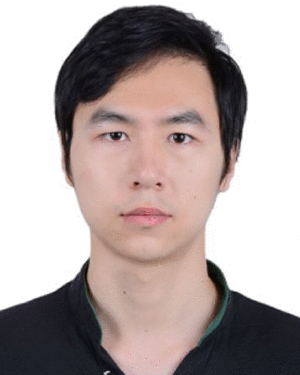 Fei Wang合作论文数School of Computer Science and Technology, University of Science and Technology of China;State Key Laboratory of Cognitive Intelligence, University of Science and Technology of China23
 Shiwei Wu合作论文数Univ Sci & Technol China USTC, Anhui Prov Key Lab Big Data Anal & Applicat, Hefei 230052, Peoples R China23Yu Yin合作论文数Anhui Province Key Laboratory of Big Data Analysis and Application, School of Computer Science and Technology, University of Science and Technology of China22
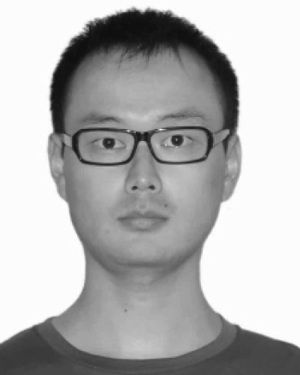 Chen Zhu合作论文数Alibaba Group22
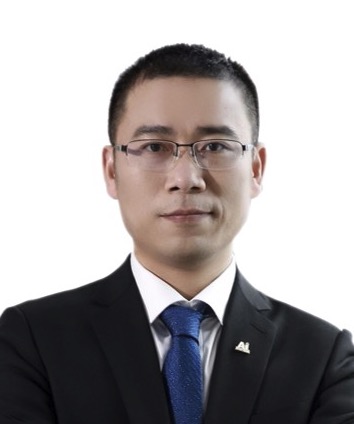 Guoping Hu (胡国平)合作论文数iFLYTEK Co., Ltd.;School of Computer Science and Technology, University of Science and Technology of China22Han Wu合作论文数University of Science and Technology of China;Anhui Province Key Lab of Big Data Analysis and Application, School of Computer Science and Technology21
 Yu Yang (楊禹)合作论文数School of Data Science, City University of Hong Kong21
 Jilei Tian合作论文数BMW Technology Corporation21
 Likang Wu (吴李康)合作论文数College of Management and Economics, Tianjin University21
 Guangyi Lv合作论文数21
 Yuyang Ye合作论文数Rutgers Business School, Rutgers University20
 Chenwang Wu (吳陳旺)合作论文数Hong Kong Baptist University20
 Chuan Qin (秦川)合作论文数Computer Network Information Center, Chinese Academy of Sciences;University of Chinese Academy of Sciences19
 Derong Xu (許德容)合作论文数University of Science and Technology of China;Department of Data Science, City University of Hong Kong19
 Xin Li (李鑫)合作论文数Department of Communication of Science and Technology, School of Humanities and Social Sciences, University of Science and Technology of China19Wei Guo合作论文数Noah's Ark Lab, Huawei;School of Electronic Information, Wuhan University19Zhiding Liu (刘芷町)合作论文数State Key Laboratory of Cognitive Intelligence, University of Science and Technology of China19
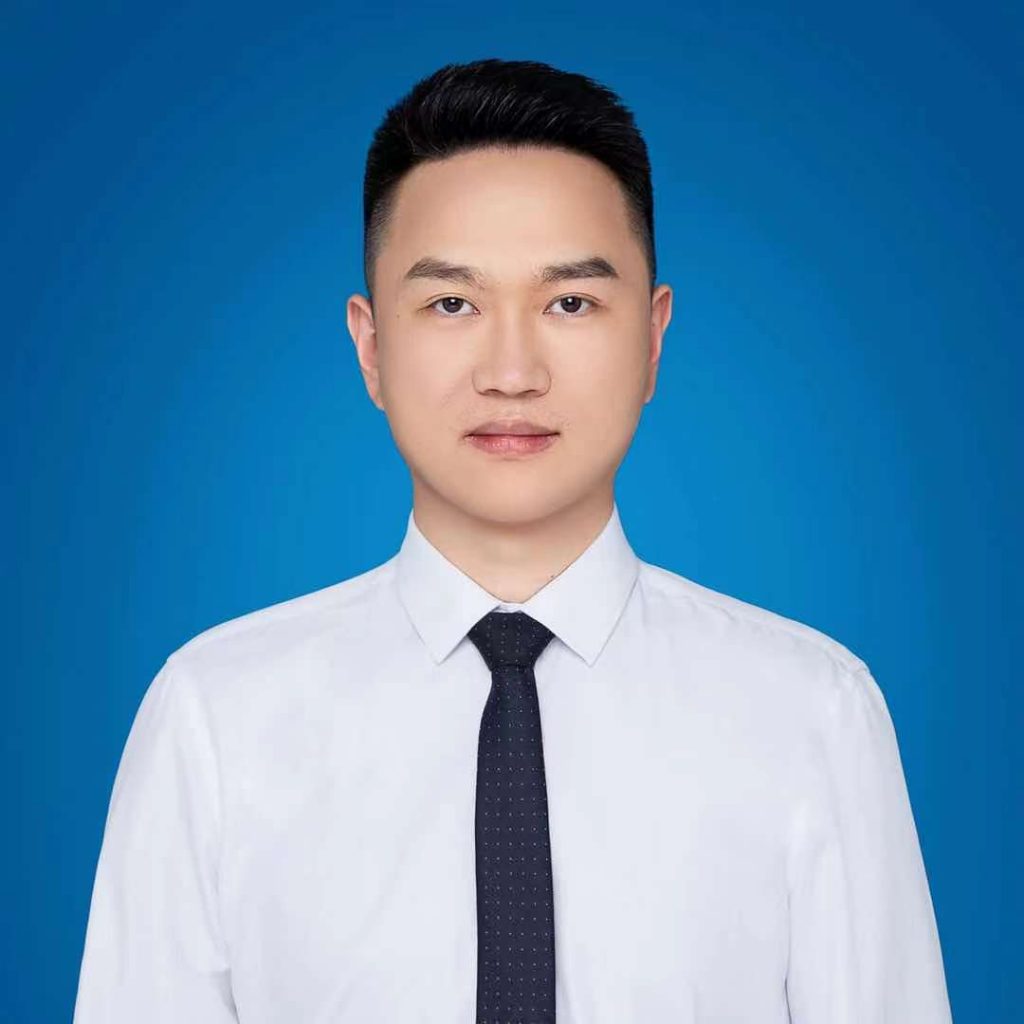 Le Zhang (张乐)合作论文数School of Information and Communication Engineering, University of Electronic Science and Technology of China19
 Lei Zhang (张磊)合作论文数MOE Key Laboratory of Intelligent Computing and Signal Processing, School of Computer Science and Technology, Anhui University19
 Runlong Yu (于润龙)合作论文数Department of Computer Science, University of Alabama18
 Huaian Chen合作论文数Univ Sci & Technol China, Dept Precis Machinery & Precis Instruments, Hefei 230022, Anhui, Peoples R China18
 Zongda Wu (吴宗大)合作论文数18