AIMS:This study aims to evaluate the health burden and macroeconomic impact of type 2 diabetes mellitus (T2DM) attributable to high body mass index (BMI) in Southeast Asia. MATERIALS AND METHODS:We analysed trends with Joinpoint regression and assessed health inequalities using slope and concentration index. We projected future burden with a Bayesian Age-Period-Cohort model. We then applied the Productivity-Adjusted Life Years framework to quantify productivity losses from deaths and disability, valuing the economic impact with projected GDP per capita. RESULTS:The burden of high BMI-attributable T2DM increased significantly from 1990 to 2023 and is projected to continue rising. This translates into substantial productivity losses, with total PALYs lost projected to increase from 1.86 million in 2024 to 2.03 million in 2029. The corresponding economic losses were projected to rise from Intl$29.94 billion to Intl$38.44 billion. Males and the 50-64 age group bore a disproportionate burden, with Indonesia bearing the largest absolute economic impact. CONCLUSION:High BMI-related T2DM causes a major and growing health and economic burden in Southeast Asia. Policymakers must urgently act to reduce obesity and limit its economic effects.
Background A Distal radius fracture (DRF) is a common upper extremity injury with a significant socioeconomic burden. While various treatments exist, comprehensive health economic evaluations comparing Traditional Chinese Medicine (TCM), Western medicine (WM), and integrated Chinese-Western medicine (ICWM) treatment for DRF using real-world data are lacking. This study aims to conduct a cost-effectiveness analysis (CEA) of these three treatment strategies to guide clinical decisions and resource allocation. Methods A retrospective analysis was conducted using 2023 data from the Beijing Medical Price Platform. DRF inpatients were categorized into TCM, WM, and ICWM groups based on procedure codes. Propensity Score Matching (PSM) was employed to balance demographic and clinical confounders. The primary outcomes included the improvement rate of the Barthel Index (reflecting activities of daily living) and the average hospitalization cost. CEA was performed by calculating the cost-effectiveness ratio (CER) and the incremental cost-effectiveness ratio (ICER). Results After PSM, the improvement rates for the WM versus TCM groups were 23.74% and 24.93%, with average costs of CNY 39,022.99 and CNY 6,369.00, respectively. For WM versus ICWM, the rates were 19.53% and 18.63%, with costs of CNY 33,462.91 and CNY 26,130.69, respectively. There was no significant difference in improvement rates among the groups. The TCM group demonstrated a significantly lower CER (255.48 CNY per percentage point) compared to the WM (1,643.87 CNY per percentage point) and ICWM (1,402.62 CNY per percentage point) groups. The ICER indicated that TCM was dominant (lower cost, better effect) compared to WM (ICER: -27,426.06 CNY per percentage point). Probabilistic sensitivity analysis (PSA) via 1,000 Monte Carlo simulations confirmed the robustness of results, with TCM and ICWM showing 80% and 55% probabilities of being cost-effective, respectively, across varying willingness-to-pay (WTP) thresholds. Conclusion TCM conservative treatment for DRF offers a clear cost advantage over WM and ICWM treatment, with similar effectiveness, highlighting its potential for "simplicity, convenience, validity, and low cost." Although ICWM is less expensive than WM alone, it shows suboptimal resource integration. It is advisable to adopt a tiered "TCM main, Western auxiliary" diagnosis and treatment model to effectively reduce the financial burden on patients and the healthcare system.
The digital transformation of education requires new approaches in practice-oriented disciplines like management. To solve the lack of personalized and self-directed learning in existing courses, this conceptual and design-oriented study developed a digital textbook for virtual operations simulation. Guided by embodied learning theory and Kolb's experiential learning model (Kolb, 1984), the textbook adopts a four-stage approach: "Theoretical Preloading - Sandbox Simulation - Reflective Review - Competency Transfer." It integrates a custom virtual simulation and an AIpowered guidance system, such as knowledge bubbles and a virtual teaching assistant, to support "learning by doing, reflecting, and applying." This study explains the textbook's design, architecture, and implementation. It also conceptually discusses its potential role in moving management training from standardized knowledge-sharing to personalized competency development, and proposes future research directions to provide a reference for developing similar digital textbooks. It should be noted that the textbook has not yet been formally implemented in teaching, with empirical verification of its educational effectiveness reserved for future research.
BACKGROUND:The burden attributable to body mass index (BMI) remains a major public health concern in China and imposes substantial socio-economic costs. METHODS:Data from the Global Burden of Disease Study 2023 and economic projections were integrated to estimate and project the burden among Chinese adults aged 20-64 years. A multi-method approach was utilised, including burden estimation, joinpoint regression for trend analysis, demographic decomposition, age-period-cohort (APC) modelling, and Bayesian age-period-cohort (BAPC) modelling for future projections. This study introduced and applied the B-PALY framework, which integrates the BAPC model with productivity-adjusted life years (PALYs), to systematically predict the productivity impact and macroeconomic burden associated with high BMI-related diseases. RESULTS:In 2023, high BMI-related diseases caused 118 511 deaths and 9.7 million disability-adjusted life years (DALYs), accounting for approximately 20% of all deaths and 25% of all DALYs among China's working-age population. From 1990 to 2023, the burden showed significant upward trends. Demographic decomposition identified population aging and growth as primary drivers, partially offset by epidemiological changes. APC analysis revealed an increasing disease burden with age and elevated DALY risks in recent birth cohorts. Projections indicated a substantial rise in the burden of diseases attributable to high BMI, in terms of absolute deaths and DALYs, through 2050. The B-PALY framework estimated that, in 2023 alone, these diseases imposed a macroeconomic burden of approximately 129.77 billion Intl$ (about 0.03% of China's 2023 GDP). Projected cumulative losses from 2023 to 2029 amount to Intl $1.14 trillion. CONCLUSION:High BMI-related diseases caused a substantial health and macroeconomic burden in China's working-age population, with rising trends projected to continue.
Background:Iodine deficiency remains a leading preventable cause of childhood developmental intellectual disability (DID), imposing a substantial and enduring global public health burden; despite decades of global efforts to combat iodine deficiency, persistent health inequalities and uneven progress highlight critical gaps. This study aimed to comprehensively analyze the global burden, temporal trends, and inequalities in childhood DID attributable to iodine deficiency from 1990 to 2021 and projected to 2040. Our results will inform evidence-based public health policies, especially in the most affected areas. Methods:This observational study utilized secondary data from the Global Burden of Disease 2021 study, which covered 204 countries and territories. The burden of DID was stratified by age, sex, and region. Age-standardized prevalence rates (ASPR) and age-standardized years lived with disability (ASYR) were calculated. Trends were analyzed using joinpoint regression by estimated the annual percent change and average annual percent change (AAPC). Health inequalities were assessed using the slope index of inequality. Forecasts to 2040 were generated using the Bayesian age-period-cohort model. Results:Global ASPR declined from 43.06 to 8.96/100,000 (AAPC = -4.95) and ASYR from 7.71 to 1.67/100,000 (AAPC = -4.81) between 1990 and 2021. Despite this progress, low socio-demographic index (SDI) regions, particularly Central Sub-Saharan Africa and South Asia, continue to bear the highest burden. Somalia had the highest 2021 rates (ASPR: 47.86; ASYR: 9.40/100,000). SDI correlated negatively with ASPR (R = -0.62, p < 0.001) and ASYR (R = -0.62, p < 0.001). The slope index showed reductions in decline rates for prevalence (-19.256 [95%CI: -26.992, -11.520] to -12.531 [-16.107, - 8.955]) and YLDs (-3.662 [-5.047, - 2.276] to -2.451 [-3.144, - 1.757]), though overlapping confidence intervals indicated non-significance. Projections suggest stable ASPR/ASYR by 2040 but rising absolute cases (489,983 prevalent cases; 85,491 YLDs). Conclusion:While public health interventions have reduced the global burden of DID caused by iodine deficiency, persistent inequalities in vulnerable regions demand urgent policy action: scaling up universal salt iodization programs in high-burden areas, integrating maternal nutrition education into primary healthcare systems, and prioritizing resource allocation to regions with stagnating SDI indices.
AIMS:This study aims to analyze the burden, trends, and health inequality associated with early-onset type 2 diabetes mellitus (T2DM) caused by high Body-Mass Index (BMI) and to projected to 2050. METHODS:This study used data from the 2021 Global Burden of Disease. Analysis of the average annual percentage change (AAPC) was conducted using Joinpoint regression. Slope index and concentration index were used to assess health inequality. Bayesian age-period-cohort models predicted the burden from 2022 to 2050. RESULTS:In 2021, the ASMR and ASDR were 0.61 (95% UI: 0.35 to 0.79) and 153.88 (95% UI: 83.85 to 222.19) per 100,000, respectively. From 1990 to 2021, the AAPC of ASMR and ASDR were 1.06 (95% CI: 1.00 to 1.13) and 2.79 (95% CI: 2.75 to 2.82), respectively. High SDI countries had smaller burdens, and the inequality trend worsened. It is expected that the global burden will continue to rise in the future. CONCLUSION:The burden is constantly rising and is expected to continue increasing in the future. The burden shows differences based on age, gender, and SDI. Therefore, targeted interventions should be developed for specific populations.
AIMS:This study aims to estimate the burden of early-onset type 2 diabetes mellitus (T2DM) attributable to modifiable risk factors (MRFs) in the Americas from 1990 to 2050. METHODS:We used data from the Global Burden of Disease Study 2023 to analyze mortality and disability-adjusted life years (DALYs) from early-onset T2DM due to MRFs in people aged 25-39 years. We calculated age-standardized rates, analyzed trends using Joinpoint regression, assessed health inequalities using the slope and concentration indices, and projected outcomes using a Bayesian age-period-cohort model. RESULTS:In 2023, Central Latin America recorded the highest age-standardized rates, while high-income regions reported the lowest rates. From 1990 to 2023, the age-standardized DALY rate exhibited an upward trend in Andean Latin America and High-income North America. Health inequality analysis revealed a slight concentration of the burden towards lower socioeconomic groups. Projections forecast a continued rise in absolute deaths and DALYs through 2050. Males consistently bore a higher burden than females across all regions. CONCLUSION:Between 1990 and 2023, the burden of early-onset T2DM attributable to MRFs varied widely across the Americas, and, although health inequality improved in some regions, the overall burden is projected to increase through 2050.
To assess whether the comprehensive reforms in 2017 (Reform 1) and 2019 (Reform 2) in Beijing have achieved the anticipated targets by analyzing the changes in curative care expenditure (CCE) and related indicators before and after the reforms. Due to the Covid-19 pandemic, data are not comparable for the period after 2019, we obtained records of patients from the Hospital Information System (HIS) between January 1, 2016 and December 31, 2019. The multistage stratified cluster random sampling was used to obtain sample data, and the System of Health Accounts 2011 was applied to account for the CCE of all hospitals in Beijing. We used an interrupted time series analysis (ITSA) to compare the changes in levels and trends before and after the reforms. Overall, the reforms failed to impact the rising trend in CCE, but successfully lowered the level of drug and consumable prices in all hospitals and optimized the hospital revenue structure. The reforms’ impact on patient burden was also mixed. For Reform 1, outpatient costs rose in tertiary hospitals, fell for inpatients in tertiary and secondary hospitals, and exhibited no change in all other hospitals. In terms of the trend, Reform 1 saw a fall in patient burden except for a rise inpatients in tertiary and primary hospitals. For Reform 2, the level of total expenditures per outpatient visit fell in primary hospitals, rose per inpatient bed day in secondary hospitals and had no change in all other hospitals. The impact of reforms on Beijing’s hierarchical medical system (HMS) was not significant. The reform outcomes were only partially in line with the reforms’ aims. While echoing the call for more resources for primary hospitals, only major patient medical service pricing changes would shift patients away from tertiary and secondary hospitals towards primary hospitals. We suggest that several measures be taken to enhance the service capacity of primary hospitals and that an advertising campaign be launched to inform and encourage patients to use primary hospitals as gatekeepers.
目的:旨在探讨影响中医优势病种中药参与率及费用的相关因素,以期为更好发挥中医药优势提供参考.方法:数据选取自2019年1 月1 日—12月31 日北京市55家医院优势病种住院患者的信息.采用倾向性得分匹配法对提取的住院患者基本数据进行混杂消除,并运用χ2检验、logistic回归及贝叶斯网络模型统计方法分析中药参与率差异、影响因素以及影响程度.结果:共收集219 375例优势病种住院患者数据,其中有效例数193 810例.男性占比(54.10%)优于女性,41~80岁占比(61.27%)最高,患者以城镇职工基本医疗保险支付为主(45.22%),三级医院相较二级医院占比更高,住院0~7天患者占比(43.17%)最高;与不参与时相比,优势病种患者在有中成药参与时费用更高,有中药饮片参与时二级医院费用更低,三级医院更高;医院级别、类别、居住地、年龄、支付方式及住院日在4种中药参与率情况相比,差异具有统计学意义(P<0.05);其中,医院类别、年龄和住院日是中药参与率的共同影响因素(P<0.05).结论:优势病种中成药参与率及价格均高于饮片,两者占比不均衡,建议健全中医定价和补偿激励机制,并积极探索中医药特色诊疗技术,以提高中药使用率,并发挥其在中医优势病种治疗中的优势作用.
目的:以脑梗死住院患者为例,对中医类医院中医优势病种的病例组合方案进行探索,为未来中医优势病种更好地参与按病种付费提供数据参考.方法:提取2019年北京市若干家中医类医院9055例脑梗死住院患者病案首页数据.通过多元线性回归确定分节点变量,纳入决策树模型进行病例组合并测算分组后的标准费用、病种权重等.结果:以性别、年龄、住院天数、耗材费、医院类型和医院级别等关键因素作为住院费用分节点变量纳入决策树模型,形成19个病例组合,总体分组较为合理.结论:采取措施控制影响脑梗死患者住院费用的关键因素,重点关注超标费用,制定标准费用、费用上限、超标费用、病种权重,积极探讨中医优势病种病例组合方案,为其参与按病种付费提供数据参考.
目的:通过研究北京市不同来源老年人口治疗费用受益人群现状,为提高首都老年人口卫生政策的精准性和科学性提供数据支持.方法:采用卫生费用核算体系2011,通过多阶段分层整群抽样调查,选择52家医院、29家社区为样本,核算北京市地域范围内医疗机构老年患者治疗费用情况.结果:2019年北京市医疗机构老年患者的治疗费用为982.32亿元,占比为39.78%,其中本地居民消耗为81.19%.本地患者以利用门诊服务为主,外来就医患者则主要利用三级医院的住院服务.来北京市就医的老年患者以低龄老年患者为主,60~70岁的患者治疗费用占比在60%以上.老年患者以慢性非传染性疾病为主,疾病分布相对集中,不同来源患者疾病分布呈现明显差异.结论:老年患者对医疗资源需求高,以慢性非传染性疾病为主,不同来源老年患者治疗费用在年龄别、疾病别、机构流向等方面的构成差异明显,卫生政策制定应该精准考虑不同来源老年患者的需求.
目的 建立可推广的公立医院财政分类精准补偿新机制,进而提高公立医院财政补偿的合理性、科学性.方法 假定拨款给公立医院的总财政资金一定,通过医院的规模、运营特点、盈亏情况、绩效考核计算医院财政拨款系数.综合规模值通过主成分降维得到,运营系数通过熵权TOPSIS综合评价得到,盈亏系数和绩效系数通过比例系数法得到.结果 运营系数大于 1 的医院类别有5类,分别为精神病医院(1.62)、老年医院(1.35)、传染病医院(1.15)、结核病医院(1.08)、妇产医院(1.03);盈亏系数大于 1 的医院类别有4类,分别为传染病医院(1.21)、妇产医院(1.03)、结核病医院(1.13)、精神病医院(1.02).结论 综合多方面因素,以系数化方法提出财政补偿新方案,符合高质量发展的政策需求.建议形成专门的财政补偿相关指标体系和财政补偿评估制度,实现科学、合理的财政精准补偿和动态调整机制.
"互联网+"时代背景下,打造符合"两性一度"标准、具有中西医结合特色的生理学"金课"线上教学资源,是中医药院校生理学教师的重要工作之一.本文于"金课"视域下,对基于以案例为基础的学习(case based learning,CBL)教学法的中西医结合生理学互动视频进行了系统思考,并且介绍了互动视频制作及应用评价的初步探索经验;旨在为生理学教学效果的提升以及相关课程的"金课"建设提供新的思路.
目的:旨在比较中医优势病种在中医类医院和综合医院治疗的次均住院总费用的差异,探讨不同类型医疗机构住院治疗中医优势病种的费用特点.方法:数据选自北京市58家医院中出院时间在2016-01-01—2019-12-31 的优势病种住院患者信息,采用倾向性得分匹配法对提取的住院患者基本数据进行混杂消除.结果:共收集605 688例优势病种住院患者数据,结果发现中医优势病种整体上在综合医院的次均住院总费用高于中医类医院,中医优势病种在中医类医院的费用结构体现了中医诊疗的特点.结论:未来要积极推动中医优势病种按病种付费,充分考虑各病种特点,将费用结构调整重点放在医疗行为的调整和中医药优势的发挥上.
公立医院的公益性属性使其在控制医疗服务价格的同时还需保障医院的正常运营,因此,政府需要以多种形式对公立医院提供补偿.从我国公立医院补偿机制的现状出发,重点梳理了财政补偿、医疗保险基金、医疗服务价格之间的关系,并对比国外公立医院补偿机制,在总结我国公立医院补偿机制现存问题的基础上,对各项补偿之间的联动提出思考与建议.
This paper sorts out and analyzes the relevant policies of medical insurance payment in the field of traditional Chinese medicine issued by the national and regional health administrative departments, as well as the typical practices in various regions reported in newspapers, so as to provide a reference for deepening the reform of medical insurance payment methods in the field of traditional Chinese medicine. Retrieve documents on “reform of traditional Chinese medicine medical insurance payment”issued by various health administrative departments and news on “medical insurance payment of traditional Chinese medicine”and“payment of traditional Chinese medicine by disease type”published on the government website through the government website before January 15, 2022, and extract the key information from it. A total of 30provinces and cities have collected policy documents on traditional Chinese medicine medical insurance payment reform and typical practices in some regions. At present, the payment methods for traditional Chinese medicine diseases mainly include payment by disease, payment by diagnosis related groups, payment by diagnosis-intervention packet, and payment by curative effect value. There are differences in payment methods for different types of traditional Chinese medicine diseases. There are also some problems with different payment methods. It is recommended to strengthen research on price adjustment of traditional Chinese medicine, improve the disease database and surgical operation coding system with traditional Chinese medicine characteristics, and improve the positive incentive mechanism for medical institutions to provide traditional Chinese medicine services and medical insurance payments.
目的 对北京市16个区2020年卫生资源配置情况进行分析,为优化卫生资源配置提供参考建议.方法 通过对2020年1月至12月北京市16个区(东城区、西城区、朝阳区、丰台区、石景山区、海淀区、门头沟区、房山区、通州区、顺义区、昌平区、大兴区、怀柔区、平谷区、密云区和延庆区)卫生资源配置产生重要影响的9项主要指标进行主成分分析、因子分析和聚类分析,比较各区的卫生资源配置现状及差异.结果 2项主成分对医疗卫生机构资源配置具有较大影响.通过因子分析得到的卫生资源因子和机构配置因子,与主成分分析的结果一致.通过聚类进一步将16个区分为4种类型,即核心区、经济区、发展区和远郊区.结论 16个区需合理规划卫生资源配置,加强卫生人力资源投入及医联体建设,更好地改善资源配置和医疗质量,以促进北京市整体卫生资源质量的提高.
目的:通过比较分析北京市中医优势病种本地居民和外来就医患者治疗费用的分布情况,为优化协调区域内与区域间的卫生资源配置、发现重点人群提供参考.方法:运用分层整群抽样方法,获得205家不同类别医疗机构,以卫生费用核算体系2011 为基础,核算2019年北京市医疗机构不同来源中医优势病种患者的治疗费用情况.结果:2019年北京市中医优势病种治疗费用占全市整体疾病治疗费用的13.74%,以本地居民治疗费用为主,本地居民与外来就医患者治疗费用的诊疗范式、机构、性别、年龄分布存在差异.结论:中医优势病种治疗费用规模较大,主要流向三级医院,中医治疗病种、优质住院服务对外来就医患者更具吸引力,建议优化医疗资源布局,在制定政策前充分考虑不同人群的就医需求.
 Yan Jiang (蒋艳)合作论文数School of Management, Beijing University of Chinese Medicine91
 Liying Zhao (赵丽颖)合作论文数School of Management, Beijing University of Chinese Medicine81
 Xiaowei Man (满晓玮)合作论文数School of Management, Beijing University of Chinese Medicine79
 Xuan Zhao (赵璇)合作论文数29LiMing Liu (刘黎明)合作论文数25
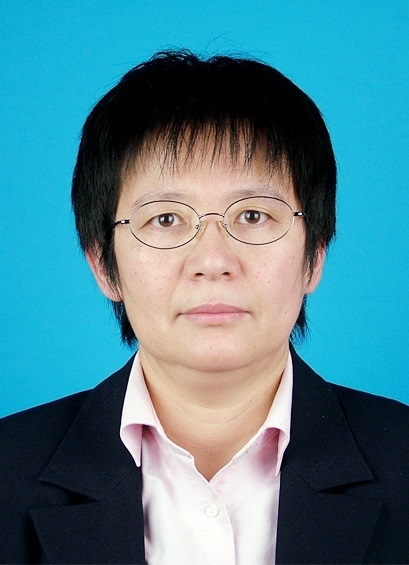 Yunyun Fang (房耘耘)合作论文数Beijing University of Chinese Medicine23
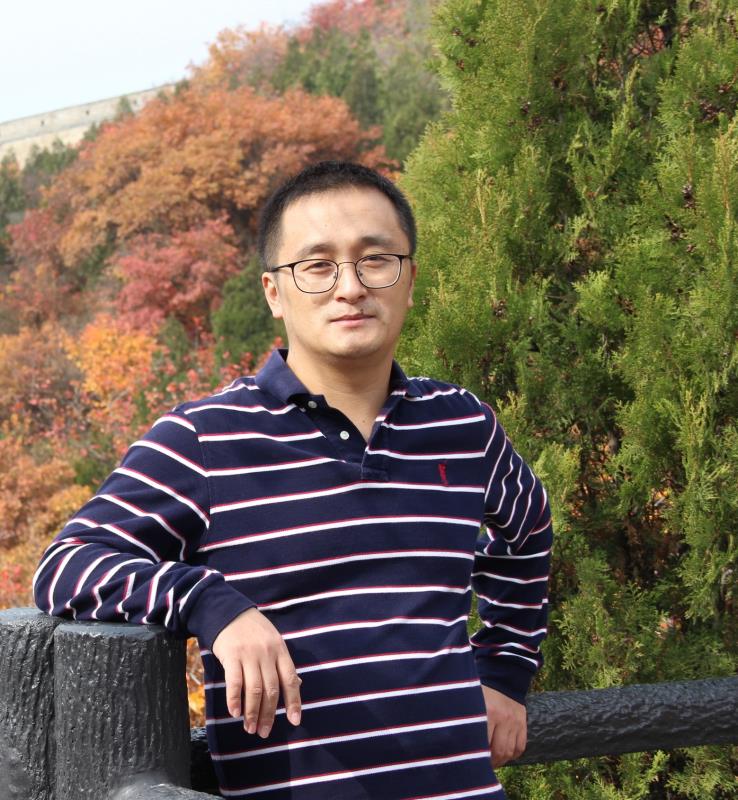 Xuefeng Shi (石学峰)合作论文数School of Management, Beijing University of Chinese Medicine22Yue Xu (徐阅)合作论文数19Shi-qi LI (李诗麒)合作论文数12XUAN Tianhui (宣天惠)合作论文数11
 Jian Guo (郭健)合作论文数School of Traditional Chinese Medicine.BUCM11Su Zihan (苏子涵)合作论文数10Dongxia Cai (蔡东霞)合作论文数10QiXin Xie (谢其鑫)合作论文数10Zhe Yu (于哲)合作论文数10Ya Gao (高雅)合作论文数10FangRan Ding (丁方然)合作论文数9Nan Xiang (项楠)合作论文数9
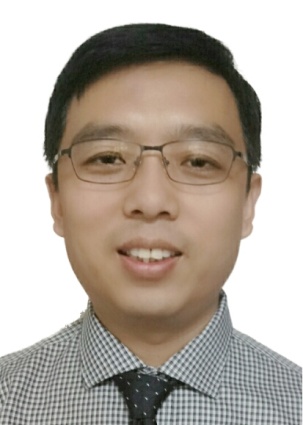 Qingwen Zhu (朱庆文)合作论文数School of Traditional Chinese Medicine, Beijing University of Chinese Medicine9
 Fang Wang (王芳)合作论文数Dongzhimen Hospital, Beijing University of Chinese Medicine9WeiPeng He (何威澎)合作论文数8JiaYan Xu (徐嘉颜)合作论文数8ShuJing Chen (陈姝婧)合作论文数8YuChen Yang (杨雨晨)合作论文数8
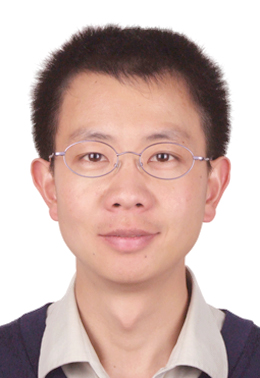 Baolin Hong (洪宝林)合作论文数School of Management, Beijing University of Chinese Medicine8QIU Jiayu (邱佳瑜)合作论文数7
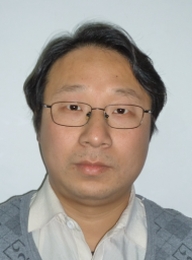 Gao Wei (高蔚)合作论文数School of Traditional Chinese Medicine, Beijing University of Chinese Medicine7
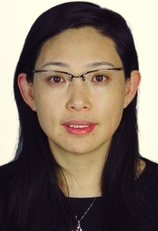 Haiyan Li (李海燕)合作论文数School of Traditional Chinese Medicine, Beijing University of Chinese Medicine7Yu Jingfei (余京飞)合作论文数6XU Xunhang (徐训航)合作论文数6DeHui Fan (范德惠)合作论文数6YuQiong Zhou (周宇琼)合作论文数6
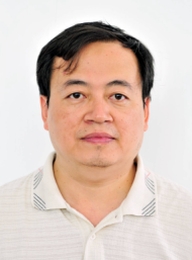 Sheng Zhang (张胜)合作论文数School of Traditional Chinese Medicine, Beijing University of Chinese Medicine6Can MA (马灿)合作论文数5XiaoXi Zhang (张晓溪)合作论文数5
 Yucai Chen (陈俞材)合作论文数School of Traditional Chinese Medicine, Beijing University of Chinese Medicine5LOU Cuidi (娄翠迪)合作论文数4BAI Xing-chi (柏星驰)合作论文数4YANG Yurun (杨雨润)合作论文数4
 Xuejun Yin (尹学珺)合作论文数School of Public Health, Nanchang University;Institute of Biomedical Innovation, Nanchang University4
 Lei Ni (倪磊)合作论文数School of Traditional Chinese Medicine, Beijing University of Chinese Medicine4
 Shuying Zhao (赵淑英)合作论文数School of Traditional Chinese Medicine, Beijing University of Chinese Medicine4Zhuo Yangkai (卓扬凯)合作论文数3DAI Zi-xuan (代紫璇)合作论文数3WANG Qianhong (王倩宏)合作论文数3AN Xuzhao (安垿钊)合作论文数3Ran TAO (陶然)合作论文数3Ziyu Bao (包子玉)合作论文数3
 Liming Liu合作论文数3




