ObjectivesTo investigate the association between social and psychological factors and the risk of cognitive impairment following acute ischemic stroke.Materials and methodsA prospective study was conducted at Shanghai Tenth People’s Hospital from June 2021 to July 2022. The study focused on social and psychological factors, which were assessed using the Social Support Rating Scale (SSRS), Self-Perceived Burden Scale (SPBS), and Hamilton Depression Scale (HAMD) within 3 days after admission to the hospital. Cognitive function was evaluated using the Montreal Cognitive Assessment at 3 months post-stroke. Logistic hierarchical regression models were used to examine the association between these three indicators and cognitive impairment following a stroke.ResultsAmong these patients, cognitive function was assessed in 211 cases at the 3-month follow-up after the initial stroke event. At 3 months post-stroke, 118(55.9%) of the participants experienced cognitive impairment, while 93(44.1%) did not. The scores on the SPBS and HAMD showed significant associations with cognitive impairment at 3 months after stroke. The scores of SPBS [scores: 30~39 vs.<20 points, odds ratio (OR)=2.993 (1.135–7.896); scores: ≥40 vs.<20points, OR=7.382 (1.117–48.799); P=0.043] and the HAMD [scores: >7 vs.≤7 points, OR=3.287(1.362~7.936); P=0.008]. There were no significant associations observed between SSRS and PSCI.ConclusionEarly screening for depressive symptoms and focusing on self-perceived burden can be beneficial for decision support for clinicians and improve cognitive function recovery at the 3-month mark post-stroke.
Background While financial toxicity (FT) is prevalent in patients with cancer, young and middle-aged patients with stroke are also affected by FT, which can exacerbate their physical and psychological challenges. Understanding the patient’s experience and response measures can further understand the impact of FT on patients with stroke, to help alleviate FT. However, little is known concerning the experience of patients with stroke with FT or their coping strategies. Therefore, this study aimed to describe the experiences of FT in young and middle-aged patients with stroke and their coping strategies. Methods A phenomenological method was utilized. Semi-structured interviews were conducted with 21 young and middle-aged stroke patients (aged 18–59) between October 2022 and March 2023. The participants were recruited from a tertiary hospital in Shanghai, China. The research team used NVivo 12.0 software. Giorgi’s phenomenological analysis method was used to analyse the interview data. Results The interview results were divided into two categories in terms of patients’ experiences of FT and their coping strategies. Nine subthemes were constructed. The experience category included four subthemes: (1) taking on multifaceted economic pressure, (2) dual choice of treatment, (3) decline in material living standards, and (4) suffering from negative emotions such as anxiety and depression. The coping strategy category included five subthemes: (1) reducing expenses, (2) improving living habits, (3) proactive participation in medical decision-making, (4) making a job position choice, and (5) seeking social support. Conclusions FT in young and middle-aged patients with stroke, which affected their physical and mental health, led them to implement strategies for dealing with FT. The Chinese government needs to broaden the reach of health insurance coverage and advance the fairness of healthcare policies. Healthcare professionals must pay active attention to FT in such patients in terms of strengthening their health education and considering their needs and preferences. Patients need to improve their sense of self-efficacy, actively reintegrate into society, and adhere to rehabilitation and treatment. Individuals at a high risk of stroke are recommended to purchase health insurance. Multifaceted efforts are needed to reduce the impact of FT in young and middle-aged patients with stroke.
The prevalence of frailty is increasing, and it is associated with increased risk of diseases and adverse outcomes. Although substantial research has focused on post-stroke frailty, understanding of pre-stroke frailty remains limited. Our aim was to synthesize literature on pre-stroke frailty and stroke risk to explore their relationship and impact on prognosis. A systematic search of multiple databases was conducted to identify cohort studies published until October 28, 2023. Meta-analysis was conducted using a random effects model. Heterogeneity was assessed with the I² statistic, and publication bias was evaluated using Begg’s test. Finally, we included 11 studies (n = 1,660,328 participants). The pooled hazard ratios (HRs) for stroke risk associated with pre-stroke frailty compared to non-frail individuals was 1.72 (95
Introduction Despite early mobilization has been proposed as an effective intervention to improve prognosis of patients in intensive care unit and other clinical settings, the benefits of it in patients with atrial fibrillation undergoing catheter ablation is still unknow. Method 273 geriatric patients with atrial fibrillation underwent catheter ablation in our center were included in this retrospective cohort study, with 137 in early mobilization group and 136 in routine care group. Result After in-hospital observation and 90-day follow-up, we found though patients undergoing early mobilization didn't suffer more post-procedural complications, early mobilization didn't either shorten or extend the length of hospital stay. The average score of EQ-5D visual analogue scale and EHRA symptom scale were significantly improved and less unscheduled outpatient visits were recorded in early mobilization group during 90-day follow-up. Conclusion Early mobilization could be a safe and favorable intervention for patients underwent catheter ablation.
INTRODUCTION:This study aimed to develop and validate a risk prediction model for predicting the likelihood of coagulation in patients undergoing anticoagulant-free hemodialysis (HD). Anticoagulant-free HD technique is necessary in patients with contraindications to systemic therapy. Coagulation is a complication of this technique. Unfortunately, no predictive model is currently available to assess the risk of coagulation in anticoagulant-free HD. METHODS:We retrospectively analyzed the clinical data from 299 HD sessions involving 164 patients who underwent anticoagulant-free HD between January 2022 and June 2023. To identify the risk factors for coagulation in anticoagulant-free HD, a univariate analysis was performed on 18 independent variables. Logistic regression was used to establish predictive models by identifying factors contributing to coagulation in anticoagulant-free HD. A calibration curve was drawn using regression coefficients and 1,000 bootstrap repetitions to validate our model internally. The performance of the prediction model was evaluated using receiver operating characteristic, area under the curve (AUC), and decision curve analysis (DCA). RESULTS:The incidence of coagulation in patients on anticoagulant-free HD was 35.1%. Logistic regression analysis showed that platelet (PLT), hematocrit (HCT) levels, dialysate type, and age were risk factors for coagulation in anticoagulant-free HD patients (p < 0.05). The Hosmer-Lemeshow test showed p = 0.29, and the AUC is 0.76 (95% CI 0.70-0.80). The optimal critical value was 0.40, yielding a sensitivity of 61.0%, a specificity of 80.4%, and a Youden index of 0.41. CONCLUSION:In anticoagulant-free HD, there were numerous risk factors and a 35.1% occurrence of coagulation. The constructed coagulation risk prediction model exhibited good predictive and clinical utility and could serve as a reference for the initial assessment and screening of coagulation risk in anticoagulant-free HD.
目的 探讨脑卒中患者疾病症状群与疾病不确定感的关系.方法 选取2021年5月至12月同济大学附属第十人民医院收治的286例脑卒中住院患者为研究对象.采用一般资料调查表、脑卒中症状体验量表和中文版Mishel疾病不确定感量表进行问卷调查,采用系统聚类分析提取症状群,并通过相关性关系分析疾病症状群与不确定感的关系.结果 性别、居住地、文化程度、个人月收入、吸烟史和短暂性脑缺血发作史的脑卒中患者疾病不确定感得分差异有统计学意义(P<0.05).系统聚类分析法显示脑卒中患者有3个症状群:肢体畸形与疼痛(36.71%)、心理及认知障碍(41.96%)及躯体活动障碍(21.33%);脑卒中症状群与疾病不确定感呈正相关性(r=0.370,P<0.05).结论 脑卒中患者疾病症状与疾病不确定感存在相关性,护理人员应重视患者疾病症状管理与不确定感的个性化评估.
目的:探讨区域医联体网格化护理模式对慢性伤口患者生活质量与照顾行为的影响。方法:选取2021年5月至2022年4月在上海市第十人民医院崇明分院和下级卫生服务中心自愿接受治疗的慢性伤口患者179例作为研究对象,按就诊次序编号的单双号将其分为常规组89例和研究组90例。常规组接受常规护理措施,研究组接受区域医联体网格化护理措施。对照两组患者治疗护理12 w的压力性损伤愈合评估分值和愈合率、慢性创面患者生活质量评估分值及照顾行为的差异。结果:治疗护理12 w后,慢性伤口损伤面积、渗液量、创面组织类型,研究组患者的愈合分值及愈合率高于常规组,差异均有统计学意义(均 P<0.05)。治疗护理12 w后,研究组生理维度、心理维度、日常生活维度、经济负担维度及生活质量整体评估分值与常规组相比更优,差异均有统计学意义(均 P<0.05);对比两组患者照顾行为,研究组患者主要照顾者实施照顾行为的情况更好,差异有统计学意义( P<0.05)。 结论:区域医联体网格化护理模式使慢性伤口患者得到规范有效的治疗,提高了愈合率,患者的生活质量和照顾者行为显著改善。
目的 提取并汇总国内外卒中患者机器人辅助步态训练康复护理及管理的最佳证据,为制订适合我国的卒中患者机器人辅助步态训练康复方案提供参考.方法 按照循证资源"6S"模型,系统检索国内外各数据库及指南网关于卒中患者机器人辅助步态训练的证据,包括临床决策、指南、证据汇总、系统评价、专家意见/共识、随机对照试验,检索时间为2016年1月1日至2021年12月31日.由2名研究人员独立对文献进行整体评价,选择符合纳入标准的文献,纳入并提取证据.结果 共检索文献3 314篇,去除重复、结果指标不明确或不相关、质量不达标及不完整的文献,最终纳入19篇,包括指南4篇、证据总结3篇、系统评价8篇、随机对照试验4篇.总结的最佳证据包括评估、干预计划、干预时机、干预频率、干预前准备、参数调整、注意事项、效果评价和健康教育9个方面23条推荐意见.结论 该研究总结的卒中患者机器人辅助步态训练康复方案最佳证据具有一定的前沿性与科学性,可以为临床医护人员实施机器人步态康复训练提供相应的循证依据.
Purpose The purpose of this study was to predict the probability of postoperative pulmonary infection in elderly patients with hip fractures by developing and validating a precise model. Methods The clinical data of 1008 elderly hip fracture patients undergoing surgical treatment in Shanghai Tenth Peoples’ Hospital were retrospectively selected. A univariate analysis and multivariate regression were used to analyze the independent risk factors for postoperative pulmonary infection in elderly patients with hip fractures. A risk prediction model was established, and a nomogram was drawn. The area under the ROC curve and Hosmer‒Lemeshow test were used to evaluate the predictive effect of the model. Results The multivariate regression analysis indicated that age > 73, time from fracture to surgery (d) > 4 days, smoking, ASA ≥ III level, COPD, hypoproteinemia, red cell distribution width > 14.8%, mechanical ventilation time > 180 min, and stay in the ICU were independent risk factors for postoperative pulmonary infection in elderly patients. The AUCs of the model were 0.891 and 0.881, 0.843, respectively, in the two verification groups. For the Hosmer‒Lemeshow test, the P values were 0.726 in the modeling group and 0.497 and 0.231 in the verification group ( P > 0.05). Conclusion Overall, this study uncovered different independent risk factors for postoperative pulmonary infection in patients with hip fractures. The nomogram can effectively predict the occurrence of postoperative pulmonary infection.
Background:COVID-19 has been listed as an international public health emergency. During the pandemic, the nurses were affected physically and mentally when in contact with and caring for patients infected with COVID-19, especially those in intensive care units (ICUs).Objective:To summarize and evaluate the actual psychological experience of nurses caring for patients with severe pneumonia in the ICUs during the COVID-19 pandemic.Methods:Relevant publications were identified by systematic searches across 11 databases in December 2021. All qualitative and mixed-method studies in English and Chinese from 2019 that explored the experiences of nurses who cared for severe COVID-19 patients in ICUs were included. The qualitative meta-synthesis followed the Preferred Reporting Items for Systematic Reviews and Meta-Analyses (PRISMA) recommendations. Two independent reviewers selected the studies and assessed the quality of each study. Meta-synthesis was performed to integrate the results.Results:A total of 12 studies revealed 9 sub-themes and 3 descriptive themes: physical reactions and psychological changes, the need for support from multiple sources, and increased adaptation and resilience.Conclusion:Nurses who treated severe COVID-19 patients have experienced severe work trials and emotional reactions during the pandemic. They have also developed personally in this process. Managers should develop strategies that address the nurse's needs for external support, reasonably respond to public health emergencies, and improve nursing care outcomes.
Objective To explore the effect of TCM management program based on CFIR on early muscle strength rehabilitation in stroke patients. Methods A total of 72 patients with ischemic stroke admitted to the Shanghai 10th People''s Hospital from August 2020 to May 2021 were selected as the research objects. According to the random number table method, they were divided into the control group and the intervention group, 42 patients were included before the evidencebased practice as the control group, and 30 patients were included after the practice as the intervention group. Patients in the control group were given routine management plan, while patients in the intervention group were given evidence-based practice intervention management plan. The National Institute of Health Stroke Scale (NIHSS) and activities of daily living were compared between the two groups living, ADL) score, muscle strength grading, and the implementation of evidence by medical staff . Results After evidence-based practice, the NIHSS score of intervention group was lower than that of control group, and the diff erence was statistically signifi cant (P<0.05). The ADL score of the intervention group was higher than that of the control group, and the diff erence was statistically signifi cant (P<0.05). The proportion of patients with muscle strength grade ≥4 in intervention group was higher than that in control group, and the diff erence was statistically signifi cant (P<0.05). After evidence-based practice, the implementation rate of medical staff to evidence was improved, and the diff erences were statistically signifi cant (P<0.05). Conclusion The TCM and Western medicine management scheme based on CFIR evidencebased practice model can eff ectively improve the activities of daily living of patients and promote the early recovery of muscle strength and neurological function of stroke patients, which is worthy of clinical application.
Objective:To explore the mediating role of psychological resilience on perceived social support and gratitude in patients with first-ever ischemic stroke.Methods:Using the convenient sampling method, a total of 240 patients with first-ever ischemic stroke who were admitted to Department of Neurology in Tenth People's Hospital of Tongji University were selected as the research objects from November 2020 to April 2021. The general information questionnaire, the Gratitude Questionnaire-6 (GQ-6), Perceived Social Support Scale (PSSS) and Connor-Davidson Resilience Scale (CD-RISC) were used to conduct a cross-sectional survey. AMOS 26.0 software was used to construct the structural equation model. In this study, 240 questionnaires were sent out and 232 valid questionnaires were returned.Results:The gratitude score of 232 patients with first-ever ischemic stroke was (27.26±3.76). Gratitude of patients was positively correlated with psychological resilience and perceived social support ( r=0.612, 0.657; P<0.01). Psychological resilience played a mediating role between perceived social support and gratitude in patients with first-ever ischemic stroke, accounting for 23.19% of the total effect. Conclusions:The gratitude level of patients with first-ever ischemic stroke is low. Resilience is the mediating variable between perceived social support and gratitude. Medical staff should timely assess psychological resilience of patients and formulate individualized psychological intervention plans, so as to improve the gratitude level of patients and buffer the harm of negative emotions on physical and mental health.
目的 系统分析国内外卒中患者机器人辅助步态训练研究热点与前沿,以期为医护人员在该领域深入研究提供新思路.方法 使用中国知网和Web of science数据库检索出2001-2021年卒中患者机器人辅助步态训练相关文献,利用Citespace5.8.R3对其进行可视化分析.结果 共纳入文献491篇,其中中文文献188篇,英文文献303篇;国内外年发文量均呈上升趋势,国外发文量居多,且多个机构间均有合作,研究前沿已延伸至卒中患者心肺功能、心理状态和日常生活活动能力等方面,文章涉及临床医学、康复学、工程学和护理学等.国内研究主要集中于步态训练、下肢功能康复、中医辅助、运动想象与机器人结合等领域.结论 我国学者对卒中患者机器人辅助步态训练研究的关注度逐年增高,但国内外仍存在较大差距.国内相关研究集中分布在经济较发达、科研水平较高省份的医院或高校;各地域机构间合作有待加强,应充分发挥护士工作优势,培养我国专业康复护士,构建统一的机器人辅助步态训练康复护理方案及评估评价体系.
Objective:To develop the Caregiver Participation Behavior Questionnaire for Elderly Stroke Home Health Management and conduct psychometric evaluation.Methods:Based on the WHO policy framework of active aging, an initial questionnaire pool was constructed through review extensive literature. The initial questionnaire was revised through expert meeting, pilot survey and semantic debugging of the subject. Using multi-stage sampling, 336 caregivers of elderly stroke patients at home in Shanghai were selected from July 2021 to January 2022 to conduct a survey and test the reliability and validity of the questionnaire, and finally a formal questionnaire was formed. A total of 336 questionnaires were distributed. After removing 31 invalid questionnaires that were dropped out of the survey due to personal reasons of some subjects and missing answers, 305 valid questionnaires were recovered, with a valid recovery rate of 90.77% (305/336) .Results:The formal questionnaire included 6 dimensions and 33 items. Exploratory factor analysis extracted 6 common factors, including self-cognition adjustment, community resource utilization, lifestyle change, disease symptom treatment, psychological support, and adherence to rehabilitation exercise. The cumulative variance contribution rate was 81.06%. The item level content validity index was 0.827 to 1.000, and the scale level content validity index was 0.917. The total questionnaire Cronbach's α was 0.887, the split half reliability coefficient was 0.839, and the retest reliability coefficient was 0.812.Conclusions:The reliability and validity of the questionnaire are in line with the statistical test standard, which can be used as a reliable tool to evaluate caregivers' participation behavior in the elderly stroke home health management.
Objectives: To determine the stress experience and coping styles of new nurses during Nurse Residency Programs (NRPs) by identifying, appraising, and synthesizing data from the qualitative studies. Design: A systematic review and meta-synthesis of qualitative studies. Review methods: Eleven databases were systematically searched for relevant publications in March 2022. All qualitative and mixed-method studies in English and Chinese that explored the stress and coping experience during NRPs of new graduate nurses were included. The qualitative meta-synthesis was performed following the Preferred Reporting Items for Systematic Reviews and Meta-Analyses (PRISMA) recommendations. Two independent reviewers selected the studies and assessed the quality of each study. Meta-synthesis was performed to integrate the results. Results: A total of 13 studies revealed 13 sub-themes and three descriptive themes: multi-dimensional stressors, somatic and emotional responses, coping resources and coping methods. Conclusion: New nurses faced a lot of physical and emotional stress during NRPs, which had a negative impact on their physical and mental health. NRPs are a critical period for the career growth of new nurses. Effective management strategies must be implemented to improve nurse capacity, meet their needs, improve self-efficacy, and build organizational support, as this can improve the quality of clinical nursing and keep the enthusiasm and stability of the nursing team.
目的 深入了解经鼻肠管菌群移植患者治疗期间的体验及需求,为医护人员制订干预措施提供依据.方法 采用目的抽样法,对2021年6月—7月在上海市某三级甲等医院肠道微生态诊疗中心接受经鼻肠管菌群移植治疗的13例患者进行半结构式访谈,运用Colaizzi 7步分析法对资料进行编码、归纳后提炼主题.结果 将经鼻肠管菌群移植患者的治疗体验及需求归纳为3个主题.①治疗期间生理舒适度较低:咽喉部干涩疼痛;排便形态紊乱;胃肠道刺激.②治疗期间对菌群移植的态度发生变化:菌群移植前,期待移植;知晓菌群来源后,排斥与妥协;未达预期疗效时,失落与质疑;症状日渐改善后,坚定移植信念.③治疗期间的需求:家属、朋友的情感支持;医护人员的专业指导;居家康复的延续性支持.结论 经鼻肠管菌群移植患者治疗期间生理舒适度较低,随治疗的推进,患者对菌群移植的态度发生变化,且存在迫切的外部支持需求.医护人员需关注菌群移植患者的生理体验、心理感受和支持需求,并采取有效的干预措施,以提升患者的身心舒适度、促进疾病恢复.
目的 构建冠状动脉旁路移植术患者个案管理护理实践方案.方法 选取2017年6-9月在同济大学附属第十人民医院行CABG的患者为研究对象,以Brown高级护理实践理论为指导,通过半结构式访谈、文献回顾、Delphi专家函询法构建冠状动脉旁路移植术患者个案管理护理实践方案.结果 构建的冠状动脉旁路移植术患者个案管理护理实践方案包括一级指标7条、二级指标7条、三级指标112条.结论 本研究构建的冠状动脉旁路移植术患者个案管理护理实践方案是满足患者健康需求的、有据可循的,具有科学性和权威性,可为临床实践提供参考.
Objective:Explored the effectiveness of sniff nasal inspiratory pressure (SNIP) in evaluating inspiratory muscle strength of chronic obstructive pulmonary disease (COPD) and the correlation between snip and the severity of COPD patients.Methods:In a prospective, randomized, controlled design, 49 male patients with stable COPD were enrolled as the case group and 20 healthy men as the control group.The physical characteristics, lung function, respiratory muscle strength (SNIP, MIP) and 6-minute walking test (6MWD) of the control group and the case group were measured.The correlation between SNIP and lung function, 6MWD was analyzed statistically.Results:The SNIP value of case group was lower than that of control group ( t=-2.733, P<0.05). In case group, SNIP was significantly correlated with MIP, 6MWD, forced expiratory volume in the first seccond in predicted (FEV 1%pred) and FEV 1/forced vital capacity (FVC) ( r=0.837, 0.509, 0.512, 0.563, all P<0.05). Conclusions:SNIP can effectively evaluate the inspiratory muscle function of COPD patients effectively.The SNIP value of COPD patients was significantly lower than that of normal people.SNIP is associated with the severity of COPD and can be used as a reference index for comprehensive evaluation of COPD.
特发性肺纤维化(idiopathic pulmonary fibrosis,IPF)是一种慢性持续进展的致肺纤维化的肺间质性疾病。其原因不明,好发于老年男性,预后不良,5年生存率低于40%。吡非尼酮和尼达尼布是目前已应用于临床的抗纤维化药物,但长期疗效尤其是对生存率的改善效果仍不明确。间充质干细胞(mesenchymal stem cell,MSC)因其取材简单、易于扩增、免疫调节能力强,在多种疾病中展示了巨大治疗潜能。应用MSC治疗IPF的基础及临床前研究表明,其能通过免疫调节效应而发挥对IPF的炎症反应调控及促进肺损伤修复作用。Ⅰ期临床试验研究也证实了其良好的安全性,并初步显示了有效性。本综述旨在总结MSC的基本特征,临床应用的理论基础、治疗IPF的临床前和临床研究的现状以及目前存在的挑战,为未来的研究提供参考。
 Yan Shi (施雁)合作论文数School of Medicine, Tongji University13
 Qian Wu (吴茜)合作论文数School of Medicine, Tongji University;Jing Gang Shan University9
 Shaolin Ma合作论文数8
 Xiao Sun (孙晓)合作论文数School of Medicine, Tongji University;Tongji University Affiliated Shanghai Fourth People's Hospital7Xiaoli Yu (于晓丽)合作论文数6
 Aiping Jin (金爱萍)合作论文数School of Medicine, Tongji University;Tenth People's Hospital, Tongji University6Meifang Gong合作论文数5Qiong Dong合作论文数5
 Xia Duan (段霞)合作论文数Obstetrics and Gynecology Hospital of Tongji University;School of Medicine, Tongji University5
 Meimei Tian (田梅梅)合作论文数Renji Hospital, School of Medicine, Shanghai Jiao Tong University;School of Medicine, Tongji University5
 Jinxia Jiang (姜金霞)合作论文数Shanghai Tenth People's Hospital;School of Medicine, Tongji University5Qian LIU (刘倩)合作论文数4Li Zeng合作论文数4Li Ceng (曾莉)合作论文数4Wen-Ling Fei合作论文数3YANG Xiaopei (杨晓培)合作论文数3Li Gong合作论文数3YaFen Mao (毛亚芬)合作论文数3JianLin Guo (郭建林)合作论文数3BeiMin Chen (陈蓓敏)合作论文数3QunFeng Lu (陆群峰)合作论文数3Gu Yongzhe合作论文数3Kai Wang (王开)合作论文数3
 Yanxin Zhao (赵延欣)合作论文数School of Medicine, Tongji University;Tenth People's Hospital, Tongji University3
 Xueyuan Liu (刘学源)合作论文数School of Medicine, Tongji University;Tenth People’s Hospital of Tongji University3
 Xiaoping Chen (陈小平)合作论文数Tongji University School of Medicine3Guilin Meng (孟桂林)合作论文数2Jiaru Huang合作论文数2Changjing Zhang合作论文数2TANG Aijie (汤爱洁)合作论文数2LI Yan (李燕)合作论文数2WANG Ping (王萍)合作论文数2Peng Han合作论文数2FEI Yan (费燕)合作论文数2Dejun Cui (崔德君)合作论文数2Haichao Wang合作论文数2Wang-li CAI (蔡王莉)合作论文数2Jinning Wang (王金宁)合作论文数2Hong GUO (郭虹)合作论文数2Feifei Wang (王飞飞)合作论文数2ShuZhen Niu (牛淑珍)合作论文数2
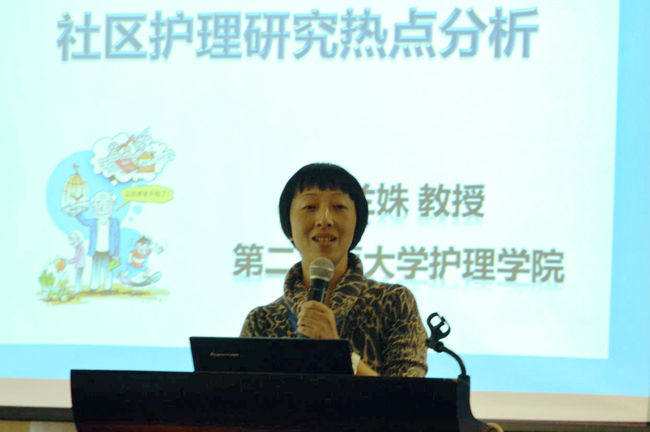 Lanshu Zhou (周兰姝)合作论文数中国人民解放军第二军医大学护理系2Jennifer Kue合作论文数2
 Yamei Chen (陈亚梅)合作论文数School of Medicine, Tongji University;Tenth People's Hospital of Tongji University2Xianliang Liu合作论文数Fujian College of TCM, Fujian University of Traditional Chinese Medicine2
 Xiaobing Yin (尹小兵)合作论文数School of Medicine, Tongji University2H Niu (牛慧)合作论文数1Xiaoqing Liu合作论文数1




