1972年Hill等[1]首次应用体外膜氧合(extracorporeal membrane oxygenation,ECMO)治疗1例急性呼吸窘迫综合征(acute respiratory distress syndrome,ARDS)患者获得成功,而国内ECMO技术应用始于1993年.当时杨天宇等对1位心脏手术后急性呼吸功能衰竭老年患者进行了3 d的ECMO救治,但这并不是真正意义上的ECMO救治,因其采用开放式膜肺进行转流,且患者在ECMO期间全程采用肝素抗凝.直到20世纪末,广东中山市人民医院李斌飞在临床上成功开展ECMO,抢救很多极重症急性呼吸衰竭和心力衰竭患者.
Objective: To explore the expression and correlation of XIAP and survivin in primary hepatocellular carcinoma(HCC). Methods: 60 patients with HCC treated in our hospital were selected, and the expression of XIAP and survivin in HCC tissues and adjacent mucosa were detected by immunohistochemistry staining. Results: Comparatively, the positive rate of XAIP and survivin in HCC tissues were significantly higher than that of adjacent mucosa, the difference was statistically significant. The expression intensity of XIAP and survivin had nothing to do with the tumor size, but it expressed highly with the decrease of differentiation degree of tumor, and the differences between different differentiation degree were statistically significant; positive correlation existed between XIAP and survivin. Conclusion: High expression of XIAP and survivin in tumor tissues can promote the incidence, proliferation, metastasis and drug resistance of tumor, as well as reduce the tumor differentiation degree, increase the malignant grade of liver cancer. In addition, there are possible synergies between XIAP and survivin, but their correlation and mechanism needs further exploration.
Objective To investigate the epidemiological, etiological and clinical characteristics of hand, foot and mouth disease(HFMD) in Chengdu in 2010-2012. Methods Total of 2686 children with HFMD in our hospital from January 2010 to December 2012 were enrolled, and the epidemiological,etiological and clinical characteristics were analyzed, retrospectively. Results The 2686 children, aged from2 months to 16 years old, with the average age as 1.87 ± 3.21 years old, and 91.70%(2463/2686) of the cases were infant(≤ 3 years old), the ratio of male children to female ones was 1.55︰1, scattered children(2034/2686, 75.73%) numbered more than nursery children(635/2686, 23.64%) and students(17/2686,0.63%). The proportion of children in the urban area(2145/2686, 79.86%) was higher than that in the rural area(541/2686, 20.14%). April to July was the peak epidemic period(1533/2686, 57.07%). Mild cases numbered more than severe cases(268/2686, 9.98%). Skin rash and fever were major clinical manifestations.All children had skin rashes on hands, feet, mouth and buttocks. There were 1934 cases(1934/2686, 72.0%)had irregular fever, most were low-grade or cardiothoracic fever(2413/2686, 89.84%), which last for 1-3 d(2517/2686, 93.71%). After pathogen identify of pharyngeal swab, 187 huamn enterovirus 71(EV 71) strains(187/268, 69.78%), 11 strains of Coxsackievirus A16 and 27 enterovirus strains were found in severe cases.After treatment, 1810 patients(1810/2686, 67.39%) improved, 871 patients(871/2686, 83.43%) recurred,and 5 cases died(5/2686, 0.19%). Conclusions The incidence of HFMD is related to age, seasons and regions. Early insulation and effective treatment measures may be hekpful to favourable prognosis.
Objective To evaluate the clinical characteristics of patients with acute drug-induced liver injury (DILI). Methods The etiopathogenisis, clinical manifestation and prognosis of 93 patients with acute DILI from January 2011 to December 2012 in our hospital were analyzed retrospectively. Results Many medicines might cause liver injury, and the the main causes were the use of Chinese herbal medicines (40.86%), antituberculosis drugs (21.51%) and antibiotics (12.90%). Many administration routes might cause liver injury, and oral administration was the most common (63.44%). The clinical manifestation included one or more non-specific symptoms such as debility (55.91%), bad appetite (44.09%), abdominal distension (22.58%), nausea and vomiting (21.51%), skin stained yellow (19.35%), diarrhea (11.83%), itch of skin (10.75%), gingiva bleeding or epistaxis (4.30%);but 21 patients (22.58%) showed initial abnormal hepatic function. Liver injury included hepatocellular damage type (65.59%), mixed type (23.66%) and cholestasis type (10.75%). Total of 78 patients (83.87%) were cured after treatment, 13 patients were improved, but 2 patients died (2.15%). Conclusions Clinicians should control medication indication seriously and monitor liver function accurately in order to prevent and cure DILI actively.
 YiLan Ceng (曾义岚)合作论文数3Li WANG (王丽)合作论文数2Zhu Chen (陈竹)合作论文数2Rong Hu (胡蓉)合作论文数2Renqing Zhang (张仁卿)合作论文数1Xiaodong Guo合作论文数1Hong CHEN (陈红)合作论文数1WANG Wei (王伟)合作论文数1Dongling YI (易冬玲)合作论文数1DaFeng Liu (刘大凤)合作论文数1BiRong Mao (毛碧容)合作论文数1Mei Yang (杨美)合作论文数1YaLing Liu (刘亚玲)合作论文数1Yong Wang (王永)合作论文数1Lu Xiong (熊璐)合作论文数1Ping Chen (陈萍)合作论文数1Ling Zhang (张玲)合作论文数1
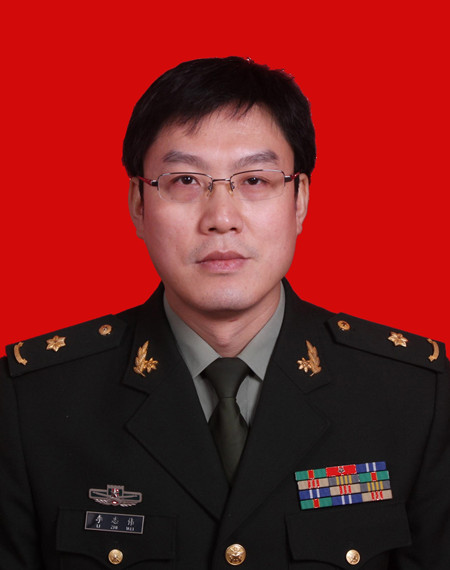 Zhiwei Li (李志伟)合作论文数Chinese People's Liberation Army General Hospital1Lingxiang Yu (余灵祥)合作论文数Chinese People's Liberation Army General Hospital1
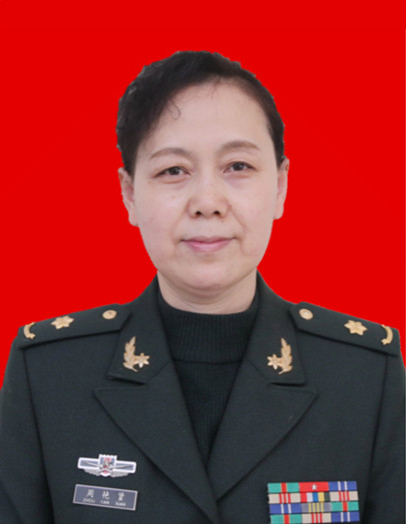 Yanxian Zhou (周艳贤)合作论文数Chinese PLA General Hospital1




